Sylvia Rivera & the June 28, 1969, STONEWALL UPRISING

_________________________________________________________________________

“Before I die, I will see our community given the respect we deserve. I’ll be damned if I’m going to my grave without having the respect this community deserves. I want to go to wherever I go with that in my soul and peacefully say I’ve finally overcome.” -Sylvia Rivera

_________________________________________________________________________

By Carlos “Carlito” Rovira

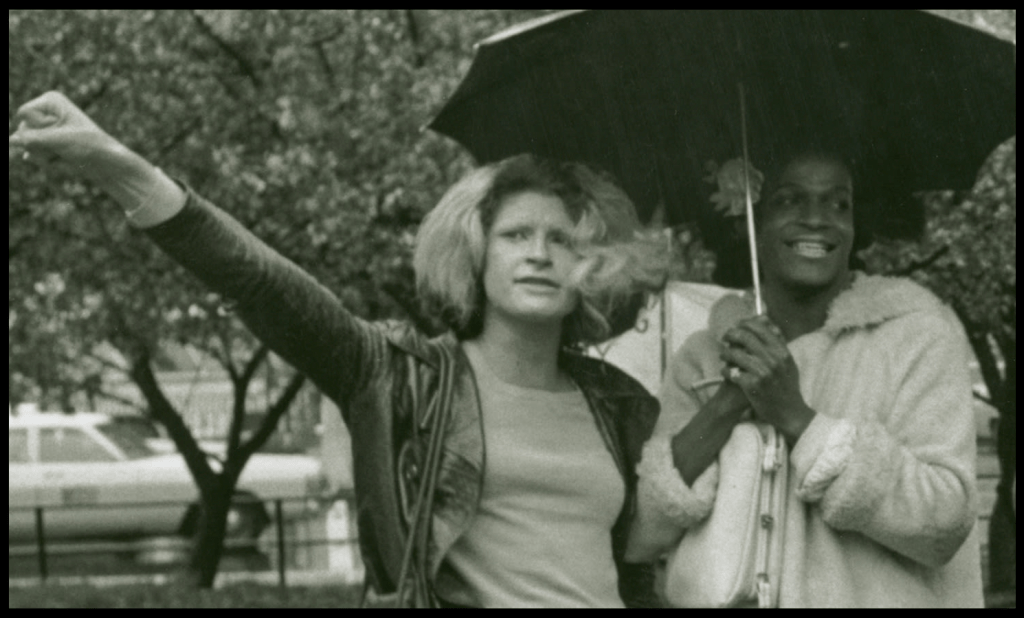
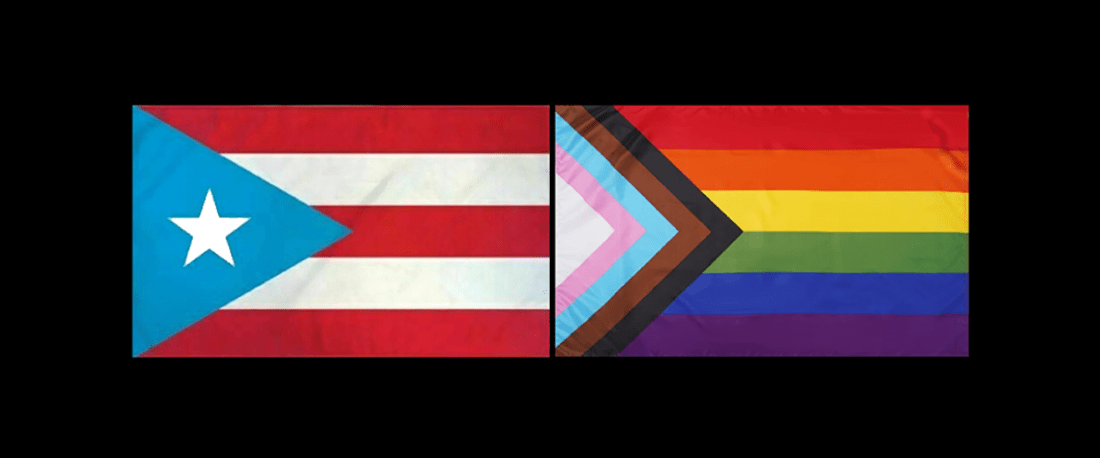
Sylvia Rivera was a Puerto Rican transgendered woman who became a significant historic figure in the struggle against LGBTQ+ oppression. Along with her closest friend and trusted ally, Marsha P. Johnson, an African American also a transgendered woman, they both became the principal leaders of the June 28, 1969, Stonewall Uprising in New York City’s Greenwich Village.

This critical moment in U.S. history sparked a momentum that shattered many anti-gay taboos. LGBTQ+ people in the United States and the world benefited years later from the political shockwaves caused by this struggle.

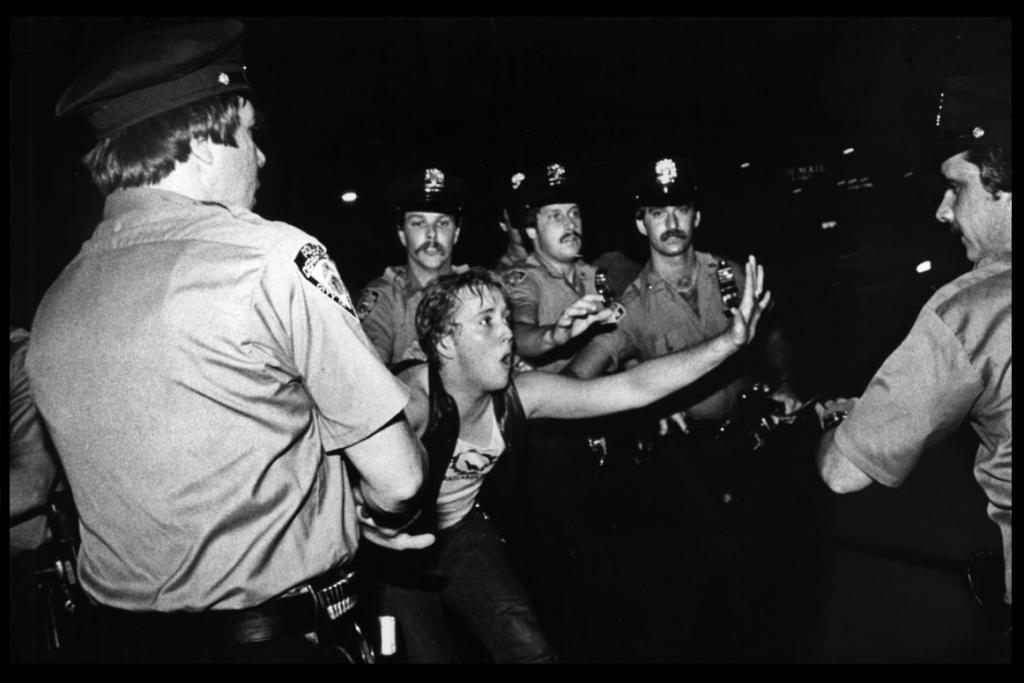
The racist and homophobic New York Police Department (NYPD) stormed into the Stonewall Inn, a tavern and safe space for many in the LGBTQ+ community. When the cops entered in storm-trooper fashion their intent was to brutalize the patrons of this establishment.

But unexpectedly, the would-be victims fought back. As soon as a customer was struck in the face the cops were challenged with a fury of fists, chairs and other flying objects. What began at Stonewall spilled onto the streets and for several nights the LGBTQ+ community clashed with riot police in lower Manhattan.
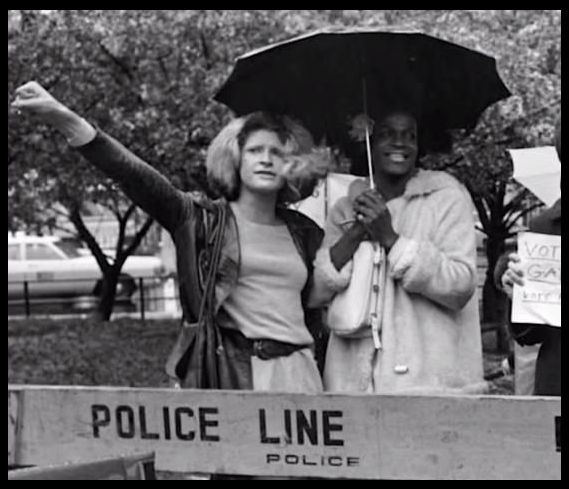
Sylvia Rivera and Martha P. Johnso

The Stonewall Uprising occurred in the setting of a mass upsurge throughout the United States during the 1960’s-1970’s, in which Civil Rights and the movement against the Vietnam War were at the center of discussion. As Black and Brown women revolted against centuries-long racist and patriarchal practices, while war in Southeast Asia compelled the youth to resist the draft and deployment to the battlefield, the Stonewall Uprising placed LGBTQ+ oppression on the map of resistance.

As a result of their courageous stance, Sylvia Rivera, Marsha P. Johnson, and many others were also able to successfully place LGBTQ+ oppression in the context of reactionary cultural “norms” in capitalist society.

Despite arguments made by far-right bourgeois circles, Evangelicals and other religious denominations, LGBTQ+ people have been an integral part of human social development before the beginning of recorded history.

The plight of LGBTQ+ people came about many centuries ago with the rise of social class society. Organized religion has served as capitalism’s most reliable ideological bulwark. The same institution that was used to defend the system of African chattel slavery is now spearheading the persecution of LGBTQ+ people.
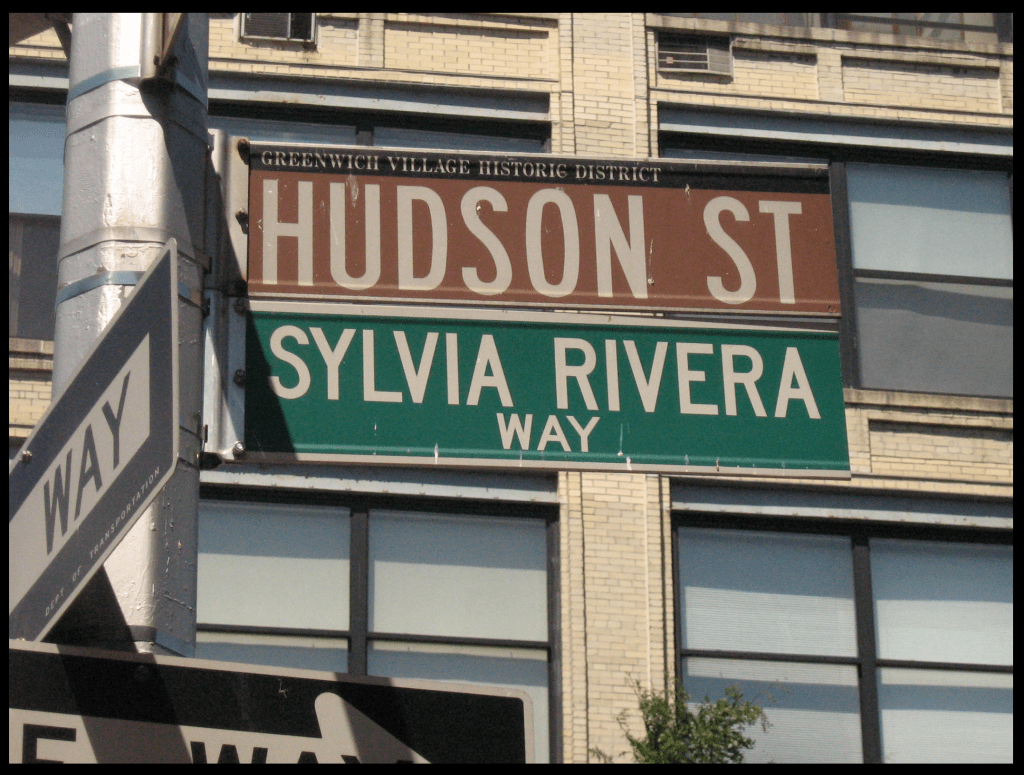
Street named in Sylia Rivera’s honor, Greenwich Village, New York City.

Like many in the LGBTQ+ community, alienation and abuse began at a very early age. The suffering Sylvia Rivera experienced throughout her life reflects the persecution LGBTQ+ endure specifically transgender people.

Sylvia’s resistance to gender oppression began as a child. At 10 years old, Sylvia was abandoned by her father and forced to live on the streets of New York City where she was exposed to continued abuse and drug use. Thanks to Martha P. Johnson and others in the LGBTQ+ community Sylvia was able to survive many hardships and move on with her life.

Months after the Stonewall Uprising, Sylvia began exploring the links between her personal experiences and different forms of oppression affecting millions of people. Sylvia soon realized the need to forge unity among the various people’s struggles for emancipation.
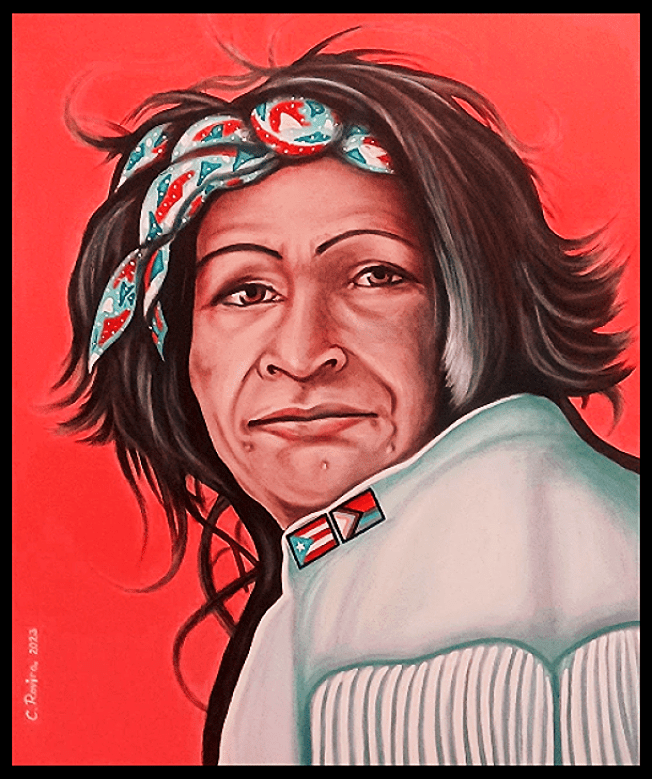
My portrait of Sylvia Rivera, painted in 2023. 24″ X 30″, acrylic paint on canvas.

Sylvia was adamantly anti-racist and became openly critical about the LGBTQ+ movement being hijacked by privileged white gay men. She was also critically vocal about the anti-Trans attitudes that exist in the LGBTQ+ community itself.

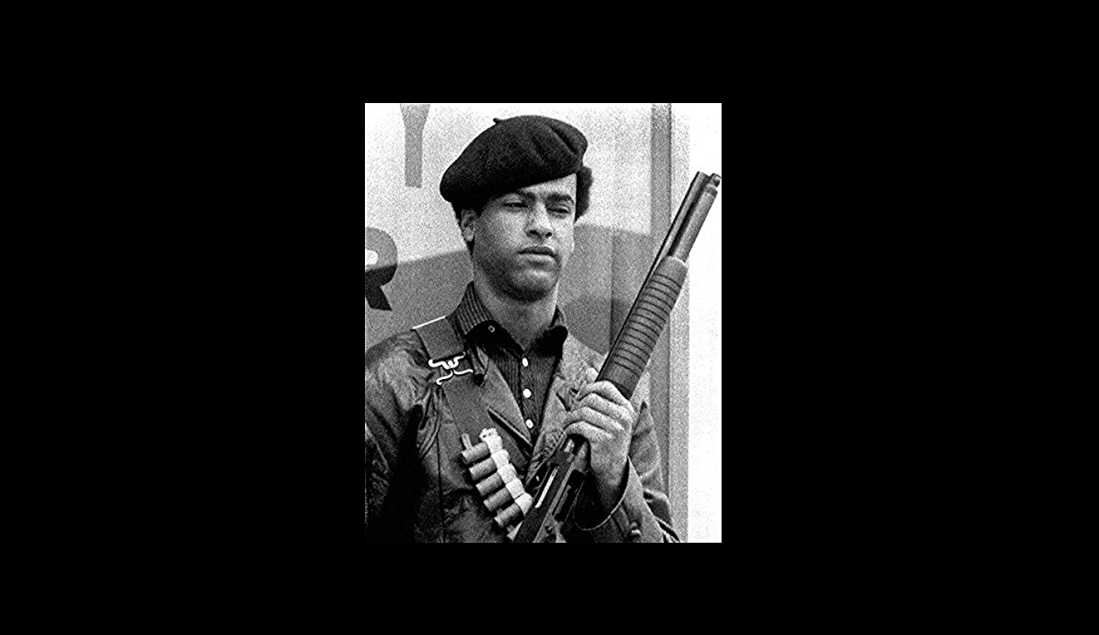
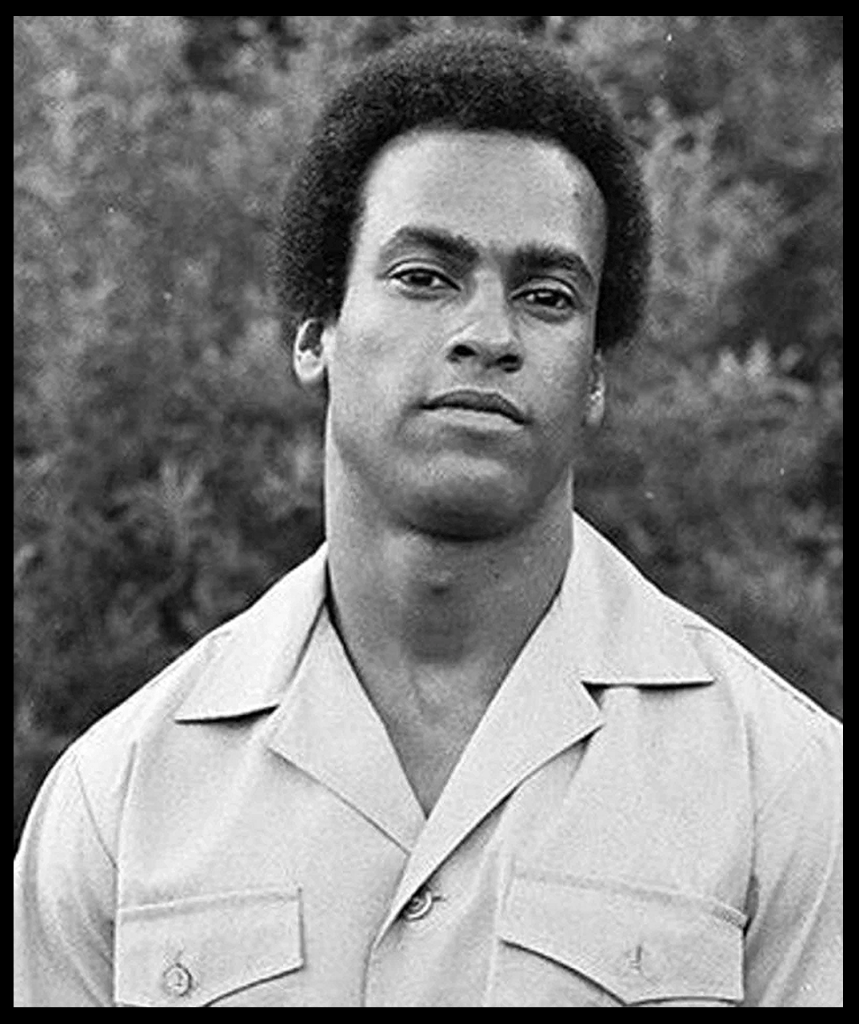
On August 15, 1970, Black Panther Party leader Huey P. Newton added to the storm of political enlightenment, with his statement of solidarity for the Gay and Women’s movements. Newton stated: “The gay liberation front and the women’s front are our friends, they are our potential allies, and we need as many allies as possible”.

Newton’s statement triggered measurable controversy within the Black Panther Party itself and many so-called “progressive” groups. Some were too embarrassed to admit being complicit in upholding traditions of sexual oppression.

Moreover, the new political storm also left a critical impact on the Young Lords’ disposition towards LGBTQ+. Young Lords Gay & Lesbian members who were still in the closet were now embolden and found a sense of freedom to caucus without shame. 

Along with other members of the Young Lords Party, I had the pleasure and honor to serve as bodyguard security on Sylvia Rivera. Our task was to protect Sylvia at all costs during a period when she became the target of death threats. Sylvia’s outspokenness was viewed with disdain by the hierarchy of organized religion, police officials and random figures among the far-right.

Despite the fake atoning overtures made by government officials years later, the militant leadership Black and Brown transgendered people displayed on June 28, 1969, has never been forgiven nor forgotten by NYPD’s top brass. Blatant discrimination, violence, and homelessness continue to be the reality for this demographic of the U.S. population, especially transgendered children.

Site of the Stonewall Inn, 53 Christopher Street, New York City.

Sylvia supported the Young Lords Party wholeheartedly, not only as a fellow Puerto Rican herself, but because she was observant of the humanity and respect YLP members displayed towards her and LGBTQ+ people in general. Sylvia was impressed by the political perspective of the Young Lords which motivated her to participate in many of our activities, specifically mass demonstrations.

During one of her many interviews when asked what she felt about the Young Lords, Sylvia stated: “Any time they needed any help, I was always there for the Young Lords. It was just the respect they gave us as human beings. They gave us a lot of respect.”

From a 1998 interview by Young Lords veteran and author Iris Morales – Through the Eyes of Rebel Women: The Young Lords 1969-1976.

It is indisputable that Sylvia Rivera was a Revolutionary. Thanks to her leadership and militant defiance to oppression another link was made to the long chain of resistance. It is warriors of the oppressed like Sylvia Rivera and Marsha P Johnson, that will guarantee the contributions and role LGBTQ+ will play in the rise of a new revolutionary mass movement in this country.

LONG LIVE THE LEGACY OF SYLVIA RIVERA!

Huey P. Newton Statement on Support for Women and Gay Liberation (LGBTQ+)

On August 15, 1970, on the heels of the Stonewall Rebellion, Black Panther Party co-founder Huey P. Newton, surprised the progressive and revolutionary movement in the United States when he gave a speech that outlined the Party’s position on two emerging movements during the mass upsurge of the 1960’s. It called for an end to Women’s and LGBTQ+ oppression. Huey P. Newton’s statement became strikingly controversial, because of the centuries-long strength of capitalist ideology, that is, patriarchy with its divisive misogynistic and homophobic features.

Huey P. Newton’s statement reflected the revolutionary enthusiasm of that period in history. His words shattered many backward taboos generally held in this society, the progressive-revolutionary movement, and the Black Panther Party itself.

——————–

In the words of Huey P. Newton:

“During the past few years strong movements have developed among women and among homosexuals seeking their liberation. There has been some uncertainty about how to relate to these movements.

Whatever your personal opinions and your insecurities about homosexuality and the various liberation movements among homosexuals and women (and I speak of the homosexuals and women as oppressed groups), we should try to unite with them in a revolutionary fashion. I say “whatever your insecurities are” because as we very well know, sometimes our first instinct is to want to hit a homosexual in the mouth and want a woman to be quiet. We want to hit a homosexual in the mouth because we are afraid that we might be homosexual; and we want to hit the woman or shut her up because we are afraid that she might castrate us or take the nuts that we might not have to start with.

We must gain security in ourselves and therefore have respect and feelings for all oppressed people. We must not use the racist attitude that the White racists use against our people because they are Black and poor. Many times, the poorest White person is the most racist because he is afraid that he might lose something or discover something that he does not have. So you’re some kind of a threat to him. This kind of psychology is in operation when we view oppressed people and we are angry with them because of their particular kind of behavior, or their particular kind of deviation from the established norm.

Remember, we have not established a revolutionary value system; we are only in the process of establishing it. I do not remember our ever constituting any value that said that a revolutionary must say offensive things towards homosexuals, or that a revolutionary should make sure that women do not speak out about their own particular kind of oppression. As a matter of fact, it is just the opposite: we say that we recognize the women’s right to be free. We have not said much about the homosexual at all, but we must relate to the homosexual movement because it is a real thing. And I know through reading, and through my life experience and observations that homosexuals are not given freedom and liberty by anyone in the society. They might be the most oppressed people in the society.

Sylvia Rivera and Martha P. Johnson, trans women who were leaders of the 1969 Stonewall Rebellion.

And what made them homosexual? Perhaps it’s a phenomenon that I don’t understand entirely. Some people say that it is the decadence of capitalism. I don’t know if that is the case; I rather doubt it. But whatever the case is, we know that homosexuality is a fact that exists, and we must understand it in its purest form: that is, a person should have the freedom to use his body in whatever way he wants.

That is not endorsing things in homosexuality that we wouldn’t view as revolutionary. But there is nothing to say that a homosexual cannot also be a revolutionary. And maybe I’m now injecting some of my prejudice by saying that “even a homosexual can be a revolutionary.” Quite the contrary, maybe a homosexual could be the most revolutionary.

New York City Cops about to brutalize a member of the LGBTQ+ community, Stonewall 1969.

When we have revolutionary conferences, rallies, and demonstrations, there should be full participation of the gay liberation movement and the women’s liberation movement. Some groups might be more revolutionary than others. We should not use the actions of a few to say that they are all reactionary or counterrevolutionary, because they are not.

We should deal with the factions just as we deal with any other group or party that claims to be revolutionary. We should try to judge, somehow, whether they are operating in a sincere revolutionary fashion and from a really oppressed situation. (And we will grant that if they are women they are probably oppressed.) If they do things that are unrevolutionary or counterrevolutionary, then criticize that action. If we feel that the group in spirit means to be revolutionary in practice, but they make mistakes in interpretation of the revolutionary philosophy, or they do not understand the dialectics of the social forces in operation, we should criticize that and not criticize them because they are women trying to be free. And the same is true for homosexuals. We should never say a whole movement is dishonest when in fact they are trying to be honest. They are just making honest mistakes. Friends are allowed to make mistakes. The enemy is not allowed to make mistakes because his whole existence is a mistake, and we suffer from it. But the women’s liberation front and gay liberation front are our friends, they are our potential allies, and we need as many allies as possible.

Huey P. Newton

We should be willing to discuss the insecurities that many people have about homosexuality. When I say “insecurities,” I mean the fear that they are some kind of threat to our manhood. I can understand this fear. Because of the long conditioning process that builds insecurity in the American male, homosexuality might produce certain hang-ups in us. I have hang-ups myself about male homosexuality. But on the other hand, I have no hang-up about female homosexuality. And that is a phenomenon in itself. I think it is probably because male homosexuality is a threat to me and female homosexuality is not.

We should be careful about using those terms that might turn our friends off. The terms “faggot” and “punk” should be deleted from our vocabulary, and especially we should not attach names normally designed for homosexuals to men who are enemies of the people, such as Nixon or Mitchell. Homosexuals are not enemies of the people.

We should try to form a working coalition with the gay liberation and women’s liberation groups. We must always handle social forces in the most appropriate manner.

Huey P. Newton, Minister of Defense, Black Panther Party

August 15, 1970

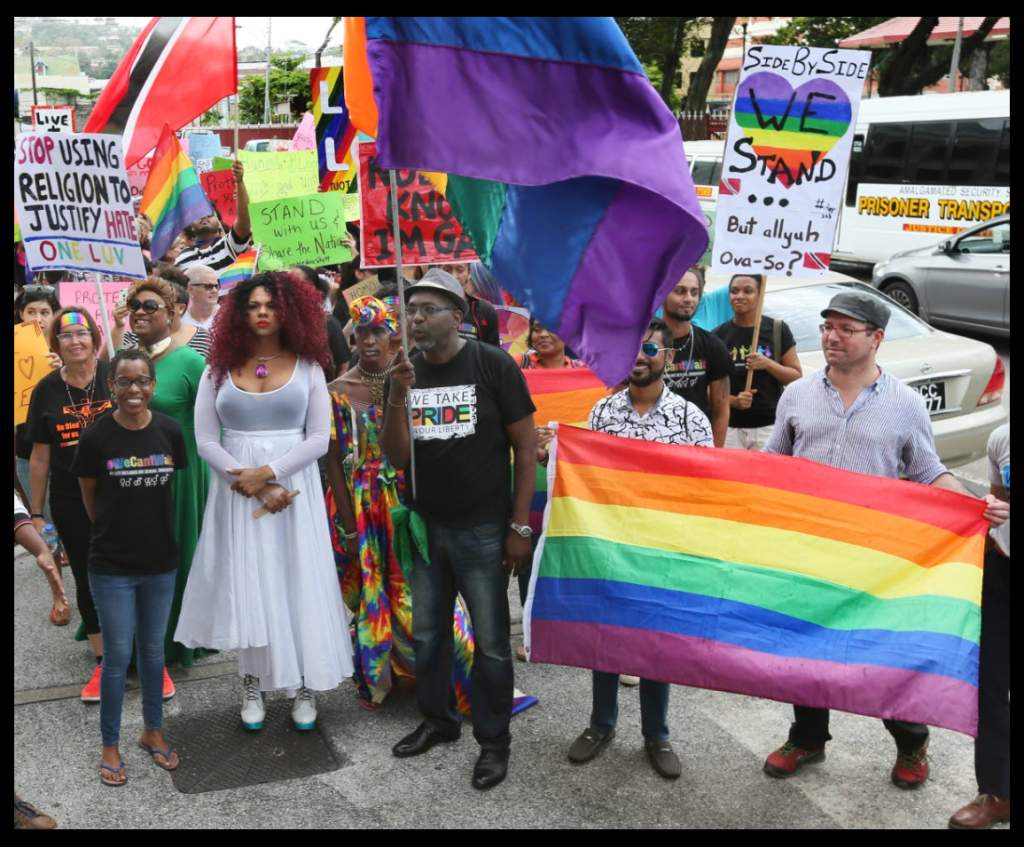
In the spirit of Huey P. Newton, LGBTQ+ LIVES MATTER!

Long Live the Legacy of Huey P. Newton and the Black Panther Party!