En español: https://carlitoboricua.blog/?p=10847&preview=true
______________________________________________
“One of the most serious errors, if not the most serious error, committed by colonial powers in Africa, may have been to ignore or underestimate the cultural strength of African peoples.” -Amilcar Cabral
______________________________________________
By Carlos “Carlito” Rovira
On the 100th anniversary of Amilcar Cabral’s birth, we salute this most exemplary revolutionary figure. Born on September 12, 1924, in Bafata, Guinea (Portuguese colony), Cabral grew up possessing the freedom of Africa at heart. He was a devoted Pan-Africanist, poet, agricultural engineer, organizer, intellectual, and Socialist theoretician.
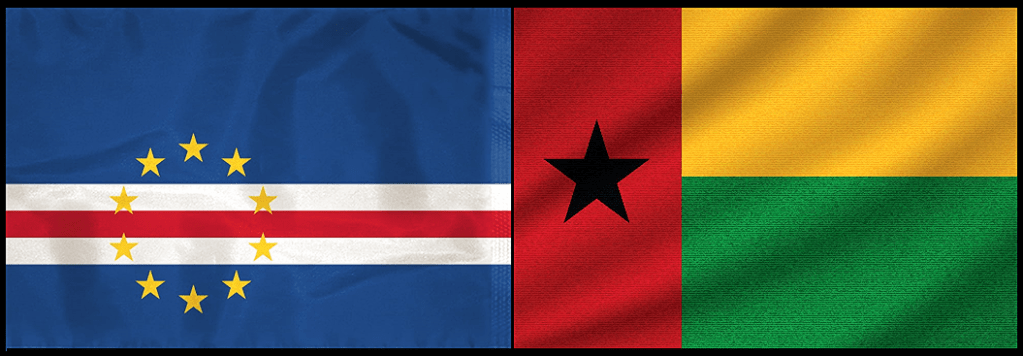
Cabral was instrumental in organizing the PAIGC guerilla movement – the African Party for the Independence of Guinea-Bissau and Cape Verde, (in Portuguese) Partido Africano para a Independência da Guiné e Cabo Verde. This entity aimed to overthrow Portuguese colonialism by any means necessary.
COLONIALISM IS A CRIME AGAINST HUMANITY
For more than five centuries white European rulers became accustomed to enriching themselves by robbing Africa’s natural resources such as gold, silver, copper, diamonds, oil, agricultural products and more. They divided the continent among themselves without the consent or regard for the wishes of African people who were abused by enslavement, torture, rape, and death.
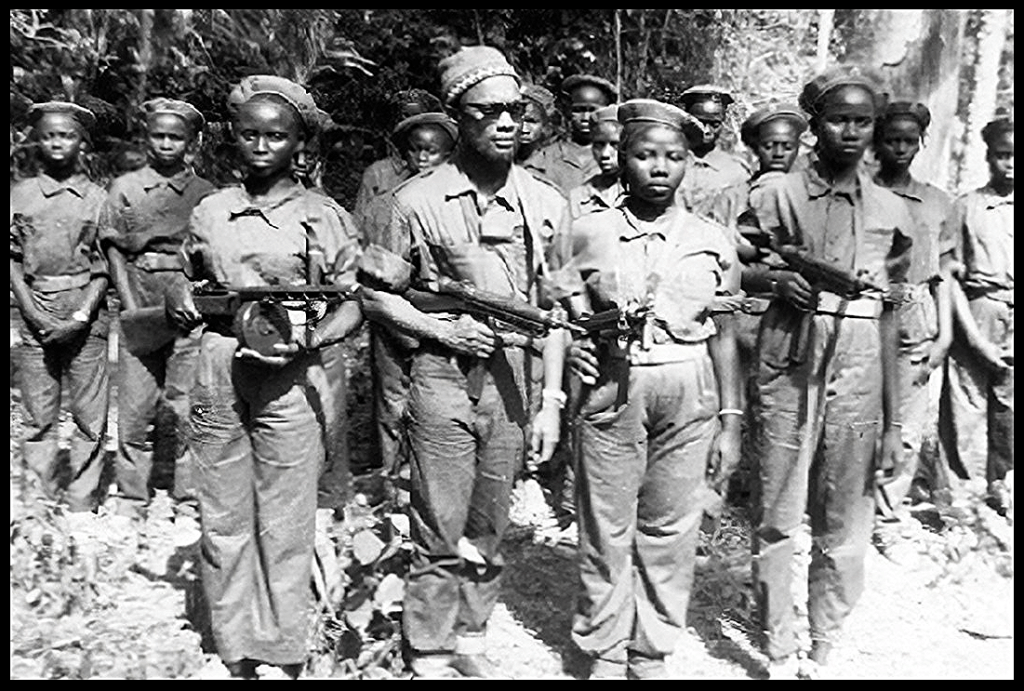
The permanent state of turmoil that Africa continues to experience is attributed to the subversive nature of imperialist states, operating as instigators in order to divide and conquer. Africa’s abundant natural resources make it the riches territorial region on Earth. Yet, the native population is the poorest in the world, with the constant threat of famine.
It is no wonder why the intelligence agencies of imperialism like the CIA are routinely on guard and ready to unleash its military forces of USAFRICOM and NATO against Africa’s liberation movements.

While studying at the Superior Institute of Agriculture (In Portuguese: Instituto Superior de Agronomia), in Lisbon, Portugal Amilcar Cabral met fellow students affiliated with nationalist movements in Algeria, Benin, Gabon, Ghana, Ivory Coast, Kenya, Mozambique, Namibia, Congo, Angola, and South Africa.
Cabral’s vision of an emancipated Africa motivated him to establish relations with nationalist movements everywhere on the continent. It was Cabral’s revolutionary world outlook that motivated him to join Angolese Pan-Africanist comrades to create the MPLA (People’s Movement for the Liberation of Angola).
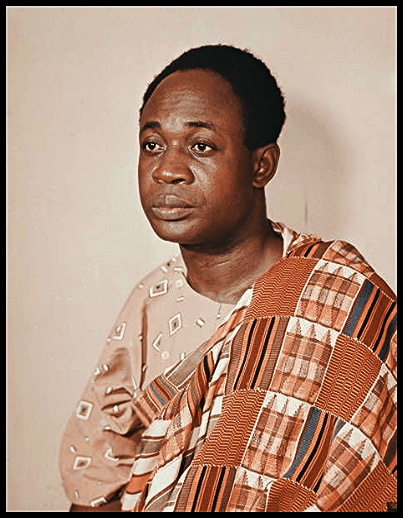
No one can ever question the internationalist solidarity practiced among various African nationalist movements themselves. At the risk of reprisals from Portugal and other imperialist powers, Kwame Nkrumah who served as Prime Minister of the Gold Coast from 1952 to 1957, and then as Prime Minister and President of Ghana from 1957 until 1966, allowed PAIGC guerillas to establish a base of operations within that country’s territory.
SOCIALISM STANDS WITH NATIONAL LIBERATION
As a result of Amilcar Cabral’s relationship with the Soviet Union, People’s Republic of China, Democratic People’s Republic of Korea, Republic of Cuba and other countries in the Socialist Bloc the PAIGC movement benefitted politically and militarily.
Cabral lived during a period in history when African nationalist movements rose up like a volcanic eruption everywhere in the globe. European colonialism met its match with the rise of Pan-Africanism anxious to pick up arms and Socialist states willing to provide them.

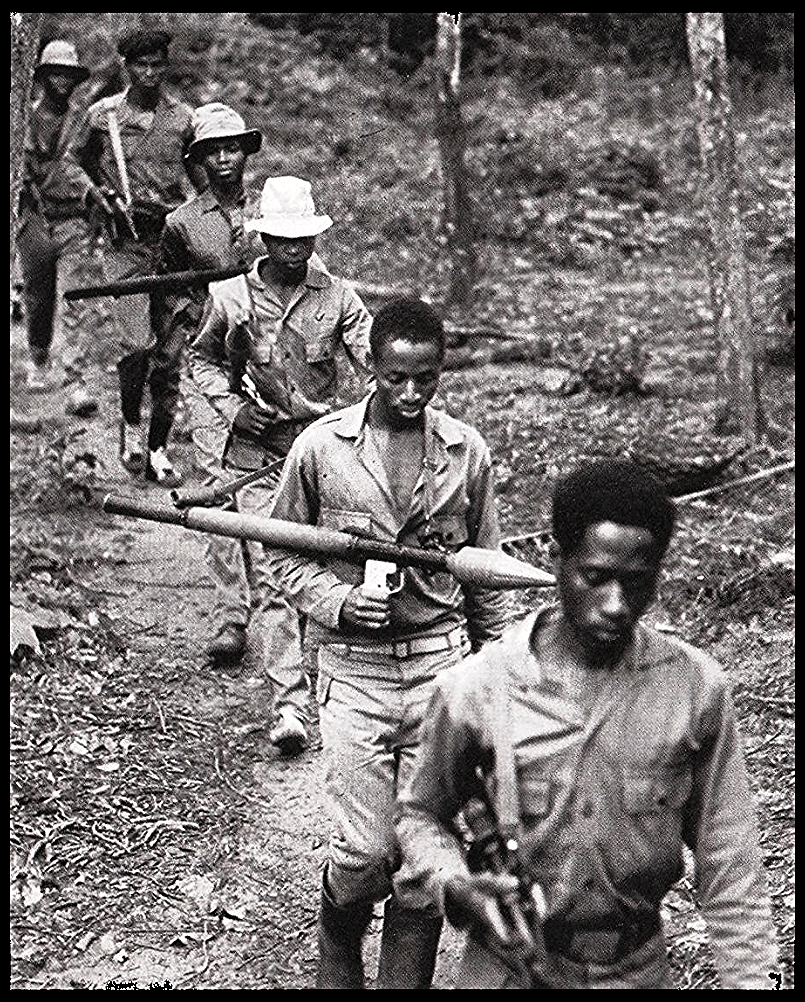
Member countries of the Socialist Bloc provided training with sophisticated weapons, such as anti-aircraft rocket launchers which diminished the Portuguese Airforce ability to dominate the skies over Guinea-Bissau & Cape Verde.
In the Soviet Union alone there were secret encampments where thousands of PAIGC guerillas received training from Soviet Army Special Forces. Thanks to the solidarity received from Cuba and the Soviet Union PAIGC guerillas were able to inflict many casualties on the colonizing Portugues Army.
AMICAR CABRAL & THE CUBAN REVOLUTION
Amilcar Cabral developed a special respect for the Cuban Revolution, especially after meeting with Fidel Castro Ruz and Ernesto Che Guevara on two separate visits they made to Africa. From Cabral’s standpoint, Cuba became the blueprint for the national liberation struggle in Cape Verde and Guinea-Bissau.

That admiration went further when Amilcar Cabral visited Havana, Cuba to attend the 1966 Tri-Continental Conference. Delegates from 82 countries where revolutionary upheaval occurred were present. These nations included Vietnam, Palestine, South Africa, Haiti, Ireland, Chile and Puerto Rico.
Cuba expressed its solidarity by providing Guinea-Bissau’s guerilla army medicine, weapons, ammunition, and technical advisors. After 1965, Cuba also committed to provide thousands of combat troops.
It was Cabral’s relationship with Cuba that helped him understand why a complete break with imperialism’s capitalist economic mode was necessary if independence in Cape Verde and Guinea were to be attained. These sentiments fueled his determination to strive for Socialism in both countries.

And as a result of military gains made by the PAIGC guerillas, Portugal’s despised fascist government was weakened and ultimately overthrown during the Carnation Revolution of April 25, 1974. That event proved how the struggles in the colonies can impact the internal political situations of colonizing countries especially if they are plagued with overwhelming internal contradictions.
Cabral’s dream of an independent Guinea-Bassau and Cape Verde appeared eminently certain. But on January 20, 1973, a former PAIGC rival named Inocêncio Kani believed to be a paid operative for Portuguese intelligence, shot and killed the beloved leader. The assassination was indeed a loss for the movement, but the tragedy did not prevent Portugal’s defeat in this Northwestern region of Africa.
Inocêncio Kani and his accomplices attempted to flee on a sea vessel after assassinating Cabral. However, guerilla fighters loyal to the fallen leader gave chase, and with the help of a Soviet Navy destroyer Inocêncio Kani and his fellow traitors were captured and brought to justice.
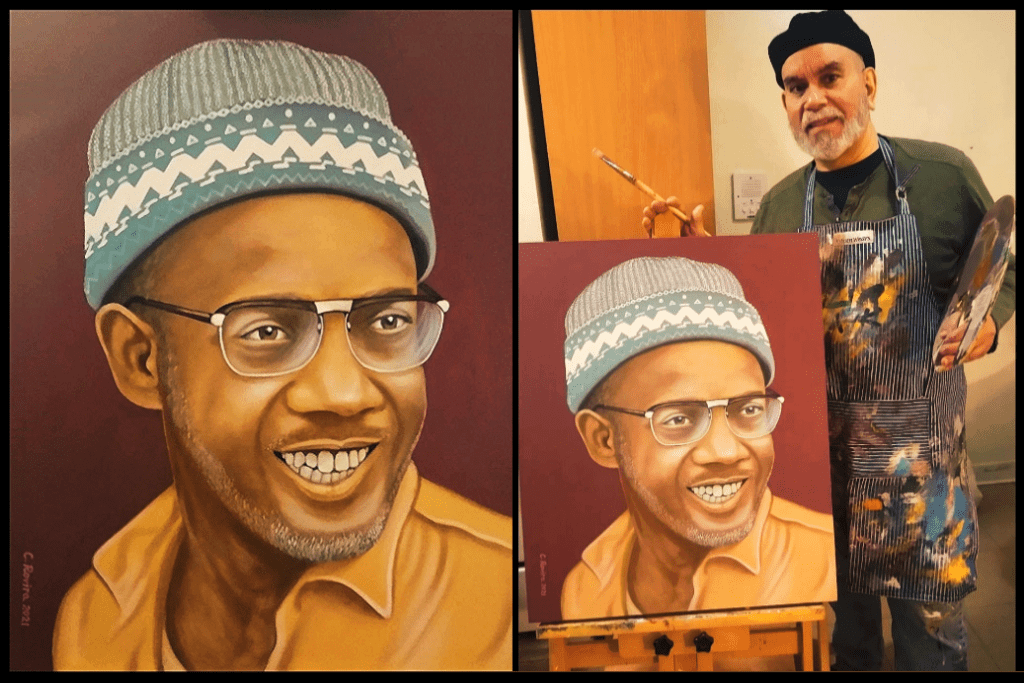
Thanks to the people’s movement built with Amilcar Cabral’s leadership, Cape Verde and Guinea-Bissau won their independence despite his assassination. He will be remembered as one of Africa’s legendary revolutionary leaders in the iconic class of Thomas Sankara, Patrice Lumumba, Steve Biko, Chris Hani, Nelson Mandela, Kwame Nkrumah, and many others.
Amilcar Cabral was a revolutionary nationalist because he loved his people. He was also a devoted Socialist because he wanted what he viewed as indisputably the best for Africa and all oppressed people.
LONG LIVE THE LEGACY OF AMILCAR CABRAL!

 carlitoboricua