______________________________________________
“We seized the Statue of Liberty in 1977 to expose to the world the hypocrisy of the United States that projects itself as a beacon of freedom. When in fact, it is the colonizer of Puerto Ricans and unjustly imprisons us when we challenge their rule. The takeover was also an act of solidarity with the struggles of our Black, Native American, Chicano-Mexican, Asian, and Arab brothers and sisters, whom we share a common oppressor.”
Fernando Ponce Laspina, Nationalist Party of Puerto Rico -NY Committee
One of the participants and arrestees of the 1977, Statue of Liberty takeover.
______________________________________________
By Carlos “Carlito” Rovira
On October 25, 1977, a group of 30 Puerto Ricans and allies unexpectedly caused shock to the ruling class when they courageously seized physical control of the Statue of Liberty, located in New York Harbor. This daring act of civil disobedience became monumental in the history of resistance in the United States. The group called itself the New York Committee to Free the Five Puerto Rican Nationalists, an entity of various groups and individuals from the Puerto Rican diaspora during the 1970s.
With military–style planning and discipline, prior to boarding and during their ride on a ferry boat from Manhattan to Liberty Island, the group divided itself into several teams of fours. They pretended to be tourists and strangers to one another to avoid suspicion of their intentions.
As soon as the vessel reached its destination and docked, the activists went into action demonstrating a powerful energy of resistance to oppression. They ran to storm with fury the entrances of the facility where the giant human-like figure stands tall.

Within 15 minutes the protestors secured their position in this national monument by locking doors and shutting windows to forestall an aggressive response they expected by law enforcement. Once inside, and after they expelled visiting tourists and Federal employees, the activists hurried up the staircase to reach the top level where the head of the Statue is located.
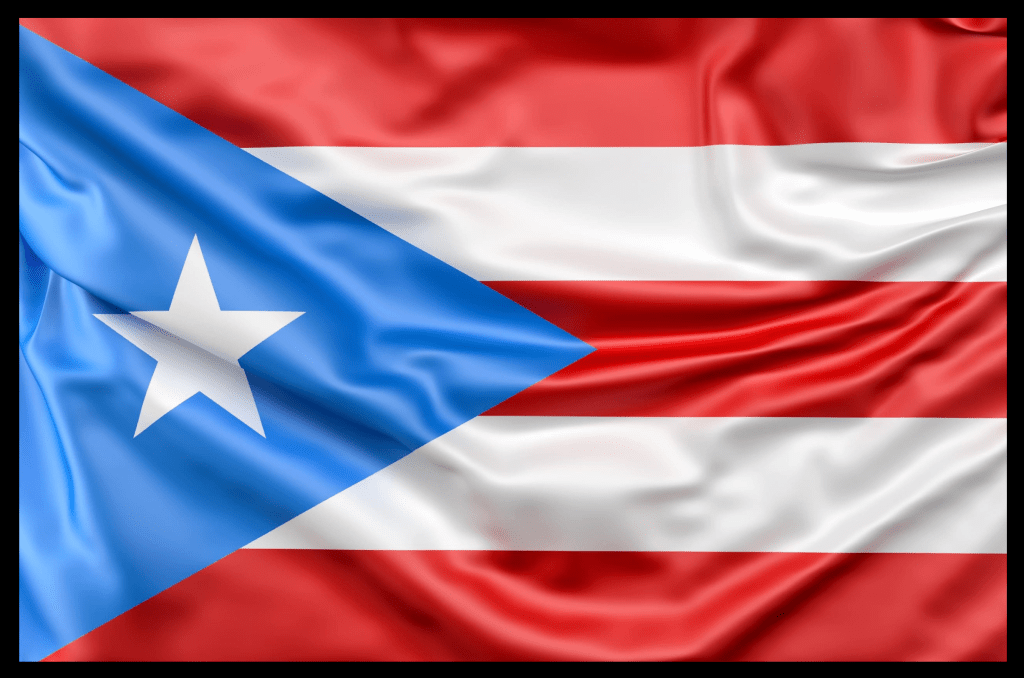
With a strong sense of both political and cultural conviction for the beloved homeland, they unfurled and hoisted a very huge Puerto Rican Flag from the statue’s crown, where it was proudly displayed for the world to witness.

Among the non-Boricua participants of this action who merits recognition for risking her own personal safety in the interest of a Puerto Rican cause was the legendary Japanese American internationalist, Yuri Kochiyama.
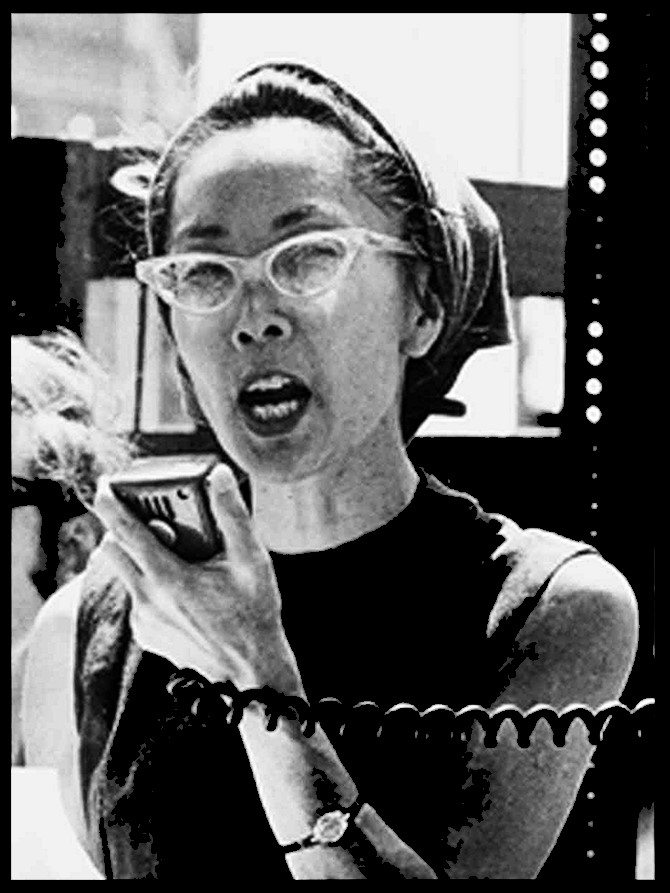
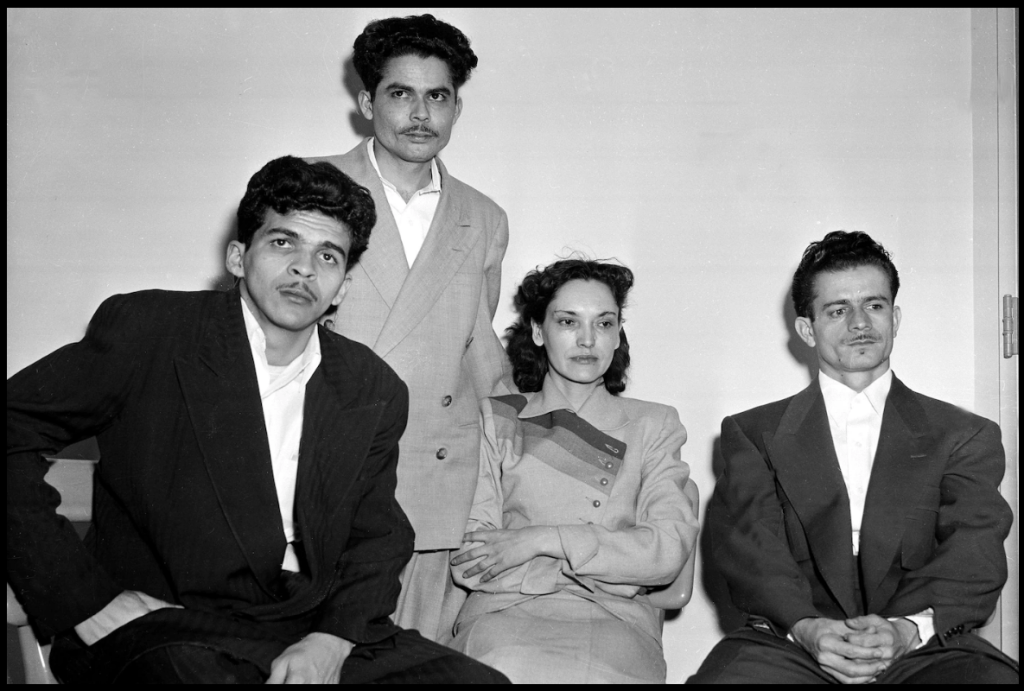
While the mainstream media depicted this act of resistance as “terroristic”, the inspiration for it was to bring about world attention to the criminal U.S. colonial domination of Puerto Rico and to demand the release of political prisoners Lolita Lebron, Rafael Cancel Miranda, Irvin Flores Rodriguez, Andres Figueroa Cordero and Oscar Collazo.
These freedom fighters were passionate about upholding the dignity of the liberation struggle. They were members of the Nationalist Party who responded to a directive given by Dr. Pedro Albizu Campos. All five patriots were sentenced to life imprisonment for carrying out justified armed actions against the U.S. colonizers in two separate historic events.
On November 1, 1950, Nationalist Party members Oscar Collazo and Griselio Torresola went to the Blair House in Washington, D.C. to assassinate President Harry Truman. Their intended purpose was to counter Washington’s lies about the Jayuya-Nationalist revolt of October 30, 1950, and the severe repression that followed. U.S. government officials falsely depicted the conflict as Puerto Ricans vs. Puerto Ricans.
Torresola was killed and Collazo critically wounded in a shootout with Capital Police and Secret Service. However, their brave act did bring about political exposure to what was occurring in Puerto Rico.
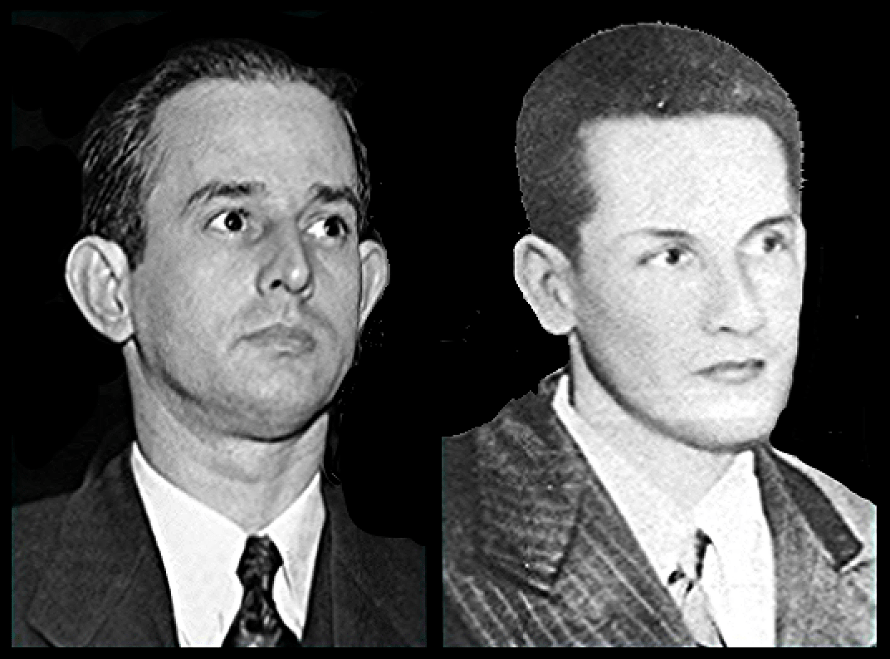
And then, on the morning of March 1, 1954, as members of the House of Representatives met in the Chamber of the Capitol, Lolita Lebrón, Rafael Cancel Miranda, Irvin Flores Rodriguez and Andres Figueroa Cordero, calmly walked up a staircase to the balcony. Lolita pulled out a Puerto Rican flag and a handgun from her shoulder bag. She then shouted the solemn words of the liberation struggle: “QUE VIVA PUERTO RICO LIBRE!” Within seconds of brandishing their weapons, the four Nationalists opened fire on the colonizers in the U.S. Congress.
Considering the fury of the 1960s-70s in poor, working-class communities of the diaspora and Puerto Rico, the boldness of the Statue of Liberty takeover added to the broadly supported call for their release. No one can ever dispute how this militant action contributed to the release of the five Puerto Rican Nationalists two years later, when President Jimmy Carter was pressured to grant amnesty.
Among other factors that led to a victorious outcome was the solidarity received from the Government of Cuba. Despite many threats and a brutal economic blockade, the Cuban Revolution has always maintained its principles of solidarity by upholding the centuries-long revolutionary tradition known as the “Two Wings of the Same Bird“, Cuba and Puerto Rico.
After a nine-hour siege the police forced their way through and arrested the demonstrators. In discipline fashion they lined up waiting for the inevitable by chanting slogans and singing the revolutionary Puerto Rican National Anthem, “La Borinqueña.”
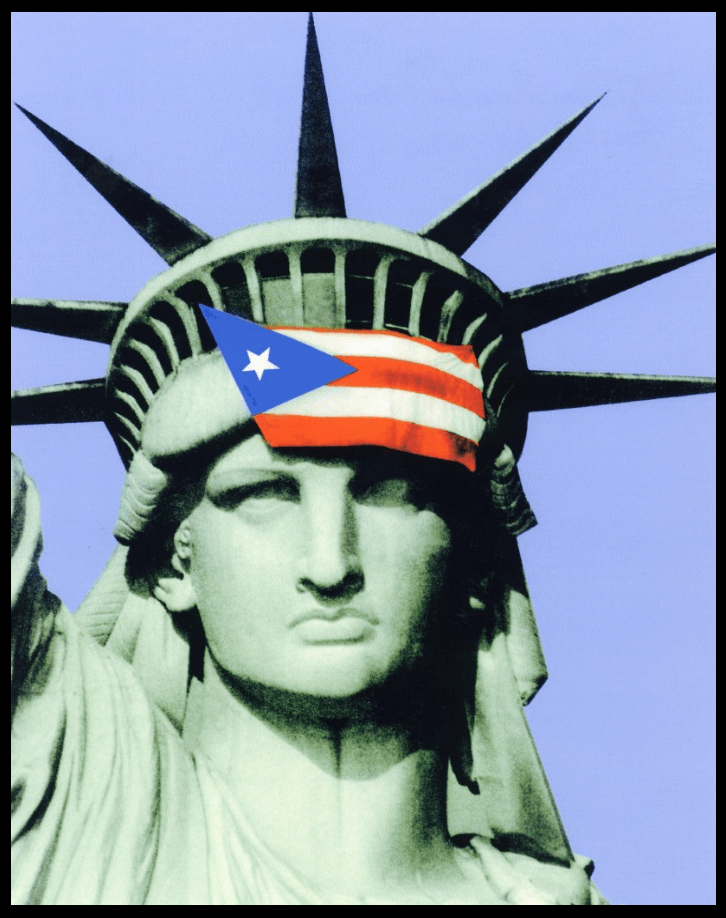
Among the names of individuals arrested were Yuri Kochiyama, Fernando Ponce Laspina, Charlie “Indio” Alejandro, Madelyn Gonzalez, Chino Lopez, Julio Wells, David (DJ) Tirado, Emma Torres, Richie Perez, Mickey Meléndez and others. Serving as media-spokesperson for the action, outside the perimeter of the Statue of Liberty was Vicente Alba-Panama.
Despite everything U.S. rulers have done to Boricuas through racist violence, discrimination, economic deprivation, and attempts to eliminate our identity as a people, the innate instinct to resist oppression can never be destroyed.
There is reason to feel proud knowing that it was the power of the Puerto Rican struggle which made possible the release of all five political prisoners. This profound example of resilience and determination has added to the unbreakable traditions of the Puerto Rican people.
¡QUE VIVA PUERTO RICO LIBRE!

 carlitoboricua