______________________________________________
“A nation that continues year after year to spend more money on military defense than on programs of social uplift is approaching spiritual death.” – Dr. Martin Luther King, Jr.
______________________________________________
By Carlos “Carlito” Rovira
Dr. Martin Luther King, Jr. was among a number of significant Black religious figures whose actions and leadership in the 1950s-1960s propelled the fury of the Civil Rights movement. The Southern Baptist Church for the most part served as a vehicle for expressing the wishes of Black people. But with the advent of the 1960s mass upsurge nothing was exempt from the political storm that created a potential for revolution in the United States, including the Black Church.
The momentum consumed most of society, as the outcry for Black emancipation gained support even outside the African American community. This phenomenon provided favorable conditions for the Black struggle to play an exemplary and leadership role in the intensifying political climate.
Other oppressed sectors of the population yearning for freedom as well began to follow suit. The Civil Rights movement which started as an expression for Black freedom was now a factor in a mass upsurge which had a profound impact on the spectrum of politics in this country.

Dr. Martin Luther King’s empathy for the historic suffering of Black people, heightened his contempt for the legacy of slavery, racist Jim Crow laws. It instilled in his character a defiance and resilience that would inspire millions of people from all nationalities and races to take part in his quest.
Figures like Evelina Antonetty and Gerena Valentin from the Puerto Rican community as well as Cesar Chavez and Dolores Huerta, representing Mexican/Chicano migrant workers, aligned with Dr. King, thus adding to the strength of the Civil Rights movement.
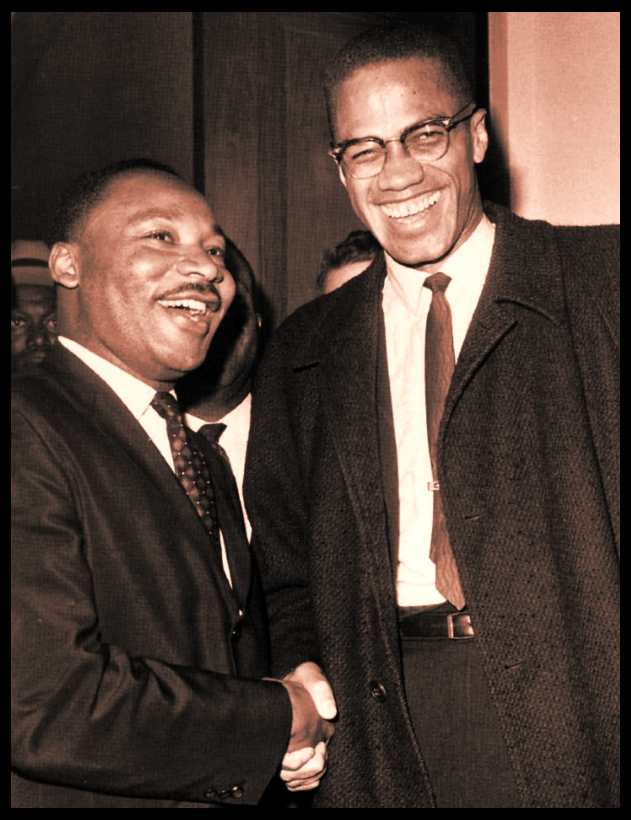
Despite differences among Black leaders, the February 21, 1965, assassination of Malcolm X impacted Dr. King. There is indisputable evidence in his speeches that he was becoming radicalized, a reflection of the political militancy that was evolving among Black and Brown people in this country. Malcolm X’s assassination naturally brought to the open what was already being felt in the hearts and minds of millions of people, including Dr. Martin Luther King, Jr., himself.
Contrary to assertions made by bourgeois historians, which depict MLK as nonaggressive and passive, he supported and boldly encouraged civil disobedience. He was also an outspoken critic of the U.S. political and economic system.

Although MLK never identified himself as revolutionary, by traditional definition, objective circumstances compelled him to side with radical views. Towards the end of his life, Dr. King showed signs of gravitating towards an anti-capitalist analytical conclusion to the human suffering he witnessed.
During a speech he gave on August 16, 1967, at a Southern Christian Leadership Conference in Atlanta, Georgia, Dr. King boldly stated: “The evils of capitalism are as real as the evils of militarism and evils of racism.”
And when Dr. King gave his April 4, 1967, speech at Riverside Church in Harlem, New York City, titled: “Beyond Vietnam: A Time to Break Silence” the rulers of this country became infuriated. Considering the history of political reaction and racist hatred in the United States, it cannot be ruled out that delivering this speech sealed Dr. King’s death.
Washington officials were defensive due to the Vietnamese anti-colonial struggle gaining momentum while receiving massive support throughout the world, as the U.S. anti-war movement added to the pressure.
When Dr. Martin Luther King, Jr. articulated the relevance of Civil Rights with the fight to end the war in Vietnam U.S. officials experienced political embarrassment on a global scale. It was no coincidence or surprise that the notorious J. Edgar Hoover had ordered intensifying COINTELPRO activities against Dr. King to seek ways to ruin his reputation and discredit the politics of the movement.
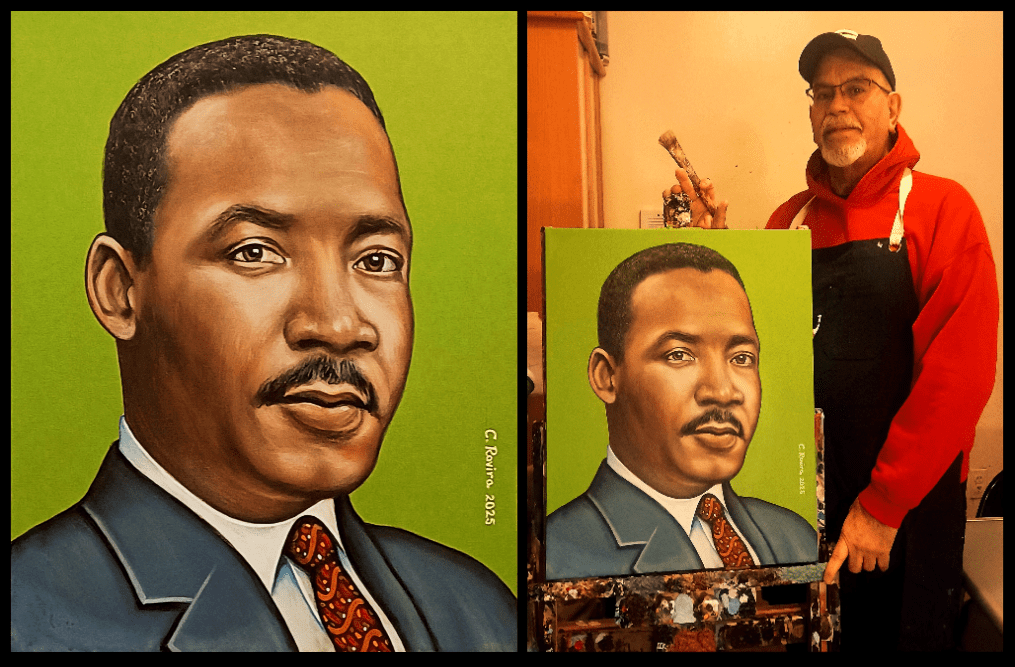
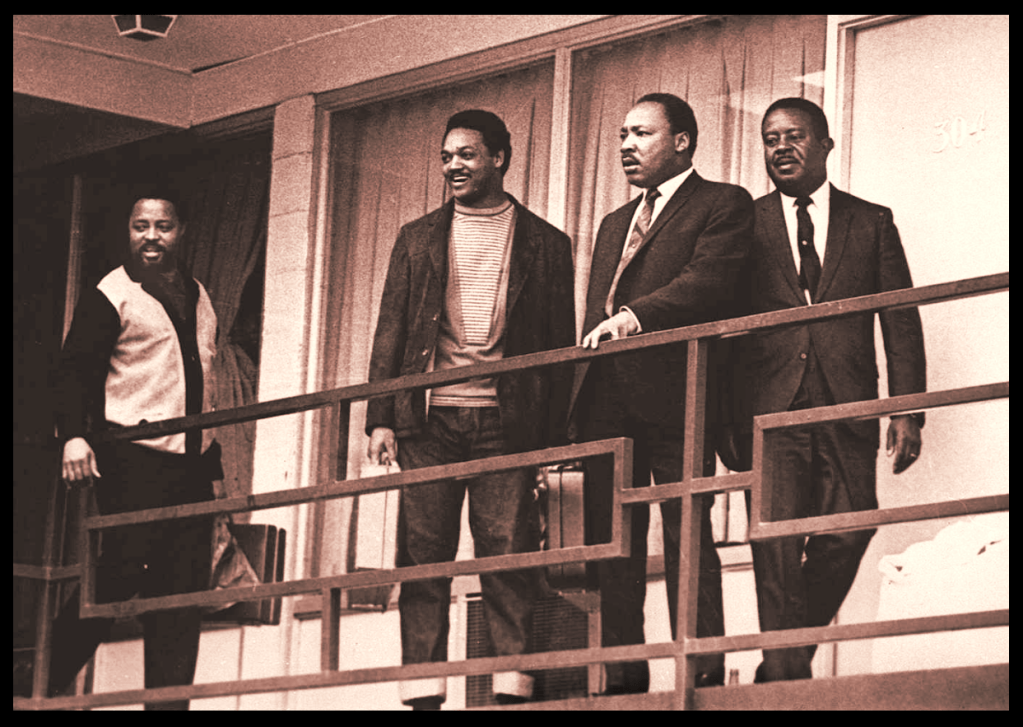
Exactly a year after the Riverside Church speech, Dr. King was assassinated. He was shot while speaking to an audience from a hotel balcony in Menphis, Tennessee. The assailant was a white supremacist named James Earl Ray, who used a high-power rifle from a distance away to kill the renown Black leader.
African Americans reacted justifiably with indignation and rebelled on the streets of major cities throughout the country. The killing of Dr. King was reminiscent of the terror Black people experienced throughout the history of this country since chattel slavery.
There are many apologists in the mainstream who will distort the critical role Dr. Martin Luther King, Jr. played in the Civil Rights movement. They will also present sanitized narratives that focus solely on his “peaceful, non-violent” tactics while avoiding mention of the vicious police terror unleashed on Dr. King and that entire movement.
What we today must always raise is the tenacious resistance Black and Brown people demonstrated then and will continue until freedom prevails, as Dr. King and the Civil Rights movement had envisioned.
LONG LIVE THE LEGACY OF DR. MARTIN LUTHER KING, JR.

 carlitoboricua