_________________________________________________________________________
“Moncada achieves greatness through the courage of those who die and those who live. Moncada would have been nothing without the courage of those who died there and those who lived.” – Haydee Santamaria
_________________________________________________________________________
Haydee Santamaria: Heroine of the Cuban Revolution
December 30, 1922 – July 28, 1980
By Carlos “Carlito” Rovira
Haydee Santamaria was a courageous heroine of the Cuban Revolution. She played a significant role in the July 26, 1953, attack on the Moncada Barracks, in Santiago De Cuba – the battle that marks the start of the Cuban Revolution.
Along with Haydee Santamaria’s close comrade Melba Hernandez, they were the only women among the 150 revolutionary combatants in this historic event.
After the failed Moncada assault and while in custody, Batista’s henchmen attempted to intimidate Haydee Santamaria using horror. The interrogators showed Haydee the gouged eyes of her brother, Abel Santamaria, and the dismembered genitalia of her fiancé, Boris Luis Santa Coloma. The two revolutionaries were heinously tortured to death.
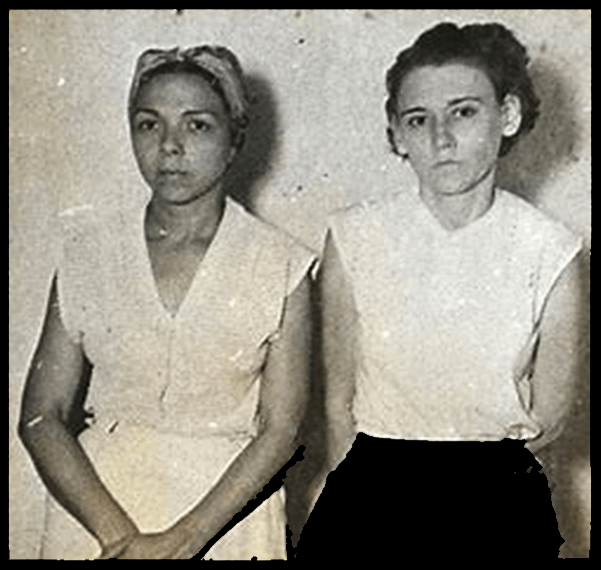
Haydee stood firm by her revolutionary convictions and refused to surrender information the torturers wanted. She courageously responded: “If you did that to them and they didn’t talk, much less will I.”
Although Haydee Santamaria and Melba Hernandez were given a short prison sentence of 7 months, as compared to 15 years Fidel Castro Ruz and others received, prison guards were no less lenient with their physical abuse. Santamaria and Hernandez were treated with the same vindictive hatred as were their male comrades. Santamaria and Hernandez were routinely beaten and tortured during their incarceration.
During the armed struggle Haydee became part of the all-women battalion called the Mariana Grajales Platoon. This unit part of the July 26 Rebel Army fought courageously in many incursions with government troops during the revolution, especially battles in the Sierra Maestra mountains.
Haydee Santamaria is among a long list of women warriors who made possible the victory of the Cuban Revolution, like her comrades-in-arms Vilma Espin and Celia Sanchez.
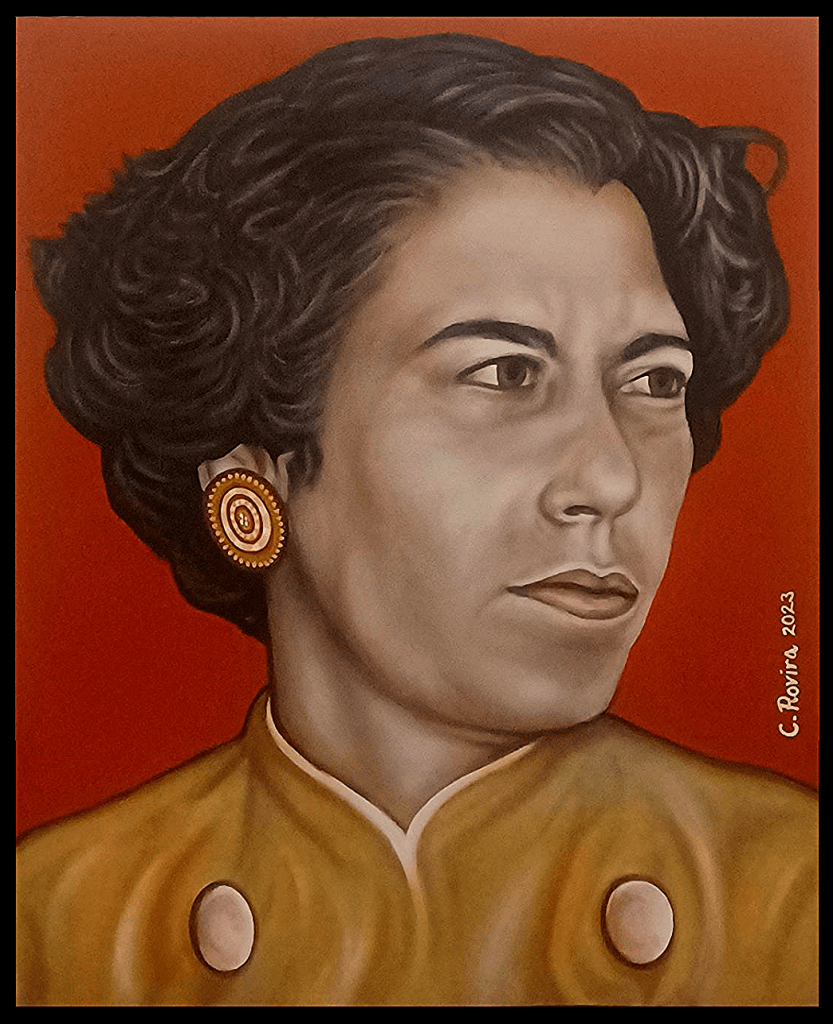
Haydee Santamaria demonstrated bravery above expectation. In the period leading up to the decisive battles of the revolution she made several risky trips between Florida and Cuba to smuggle weapons and ammunitions for the guerilla army.
Following the overthrow of the Batista regime, like most members of the July 26 Rebel Army, Haydee Santamaria played an important and leading role in the uncertain and challenging period of consolidating Cuba’s revolutionary government.
Among Santamaria’s achievements was the creation of Casa De Las Americas, in April 1959. This entity served as an ideological cultural weapon which generated crucial support for the Cuban Revolution. It gave a voice to many visual, literary, and performing artists who used their renditions to convey the ideas of the Revolution to millions of people throughout the globe.
The world renown Silvio Rodriguez was among the many talents produced by what Casa De Las Americas set out to achieve as its mission. Silvio Rodriguez eventually led Cuba’s Nueva Trova movement which used the romanticism of music and song to legitimize the revolutionary cause in Cuba and all Latin America.
Haydee Santamaria was Director of Casa De Las Americas for two decades. Although Santamaria was not an artist herself, she understood the important role played by painters, musicians, writers, poets and other intellectuals in shaping the thinking of society throughout history. As a leader of the Communist Party of Cuba, Haydee’s contributions were politically geared by the new culture the Revolution was striving to create.
The Cuban Revolution has provided the world with many valuable lessons that pertain to the role of culture and art in the struggle for human emancipation. Such is universally applicable today under all circumstances.
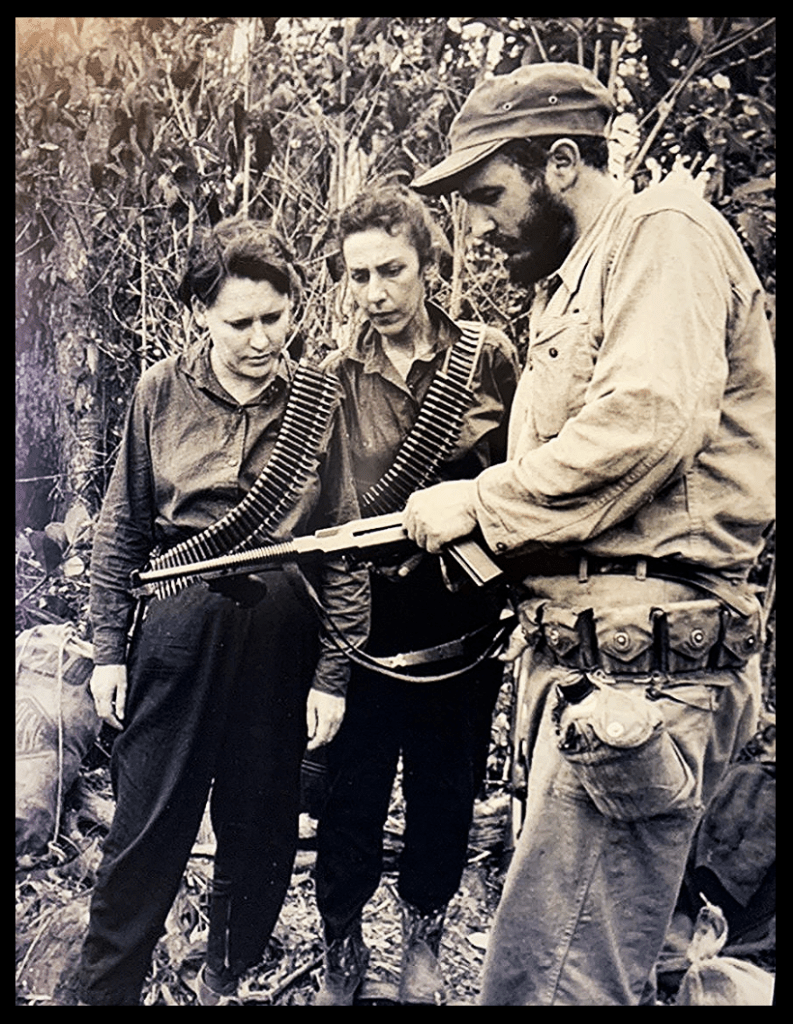
Sadly, the life of this revolutionary heroine ended in tragedy. Haydee unbeknownst to many people, was suffering from chronic depression. On July 28, 1980, to the shock of her close comrades, all of Cuba and the world, Haydee committed suicide.
Although her death was widely mourned, Haydee did not receive a state funeral. Many speculated that this decision was due to the unfamiliarity on how to respond when a government official unexpectedly takes their own life. Others attributed not having a state funeral to the deep religious influence of Catholicism in Cuba. Her battle with mental illness and eventual suicide was considered taboo and a “sin against God”.
Tragically, information and resources for those suffering with acute mental health issues such as depression, were not available then as it is today in Cuba.
Haydee Santamaria’s contributions continue to be a critical part of Cuba’s history and legacy. Her staunch bravery and strategic planning helped to shape Cuba into a powerful political example throughout Latin America, the Caribbean and many countries in the world for many generations to come.
LONG LIVE THE CUBAN REVOLUTION!
LONG LIVE THE LEGACY OF HAYDEE SANTAMARIA!


 carlitoboricua