_______________________________________________________________________
“Imperialism is a system of exploitation that occurs not only in the brutal form of those who come with guns to conquer territory. Imperialism often occurs in more subtle forms, a loan, food aid, blackmail. We are fighting this system that allows a handful of men on Earth to rule all of humanity.” ― Thomas Sankara
________________________________________________________________________
By Carlos “Carlito” Rovira
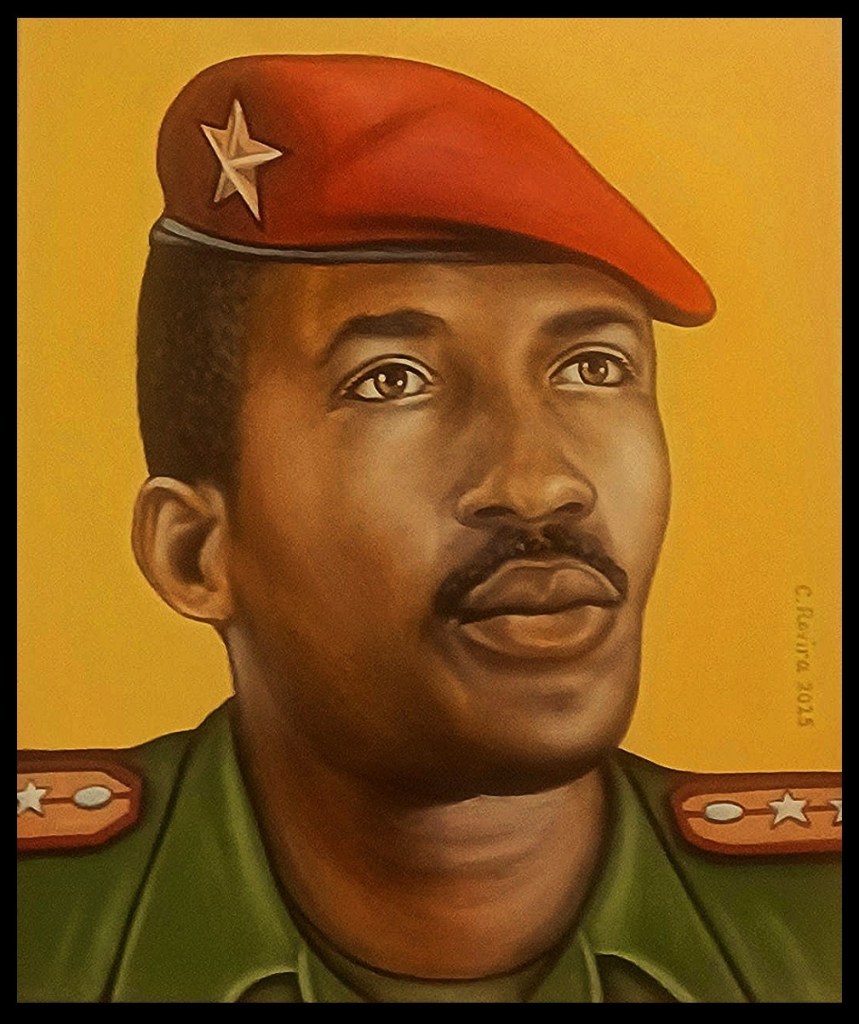
Thomas Sankara is one of Africa’s greatest iconic figures who continues to inspire millions throughout the world and is remembered as an example of resistance. This revolutionary lived from December 21, 1949, until his assassination on October 15, 1987. He lived to fight for a free Burkina Faso from the viciousness of colonial rule.
Sankara became President of Burkina Faso on August 4, 1983, at 33 years old, following a popular uprising in the country that overthrew the corrupt and brutal regime of Major Jean-Baptiste Ouédraogo, who maintained questionable ties with the former French colonizers of the country.
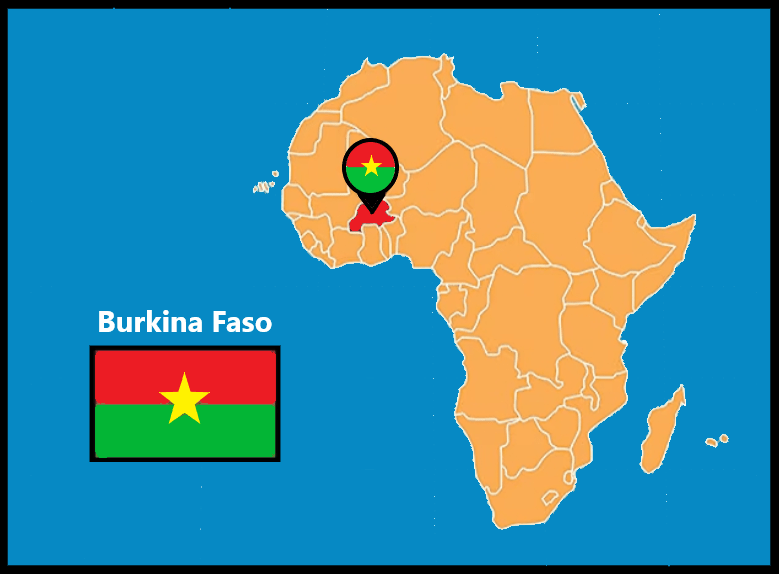
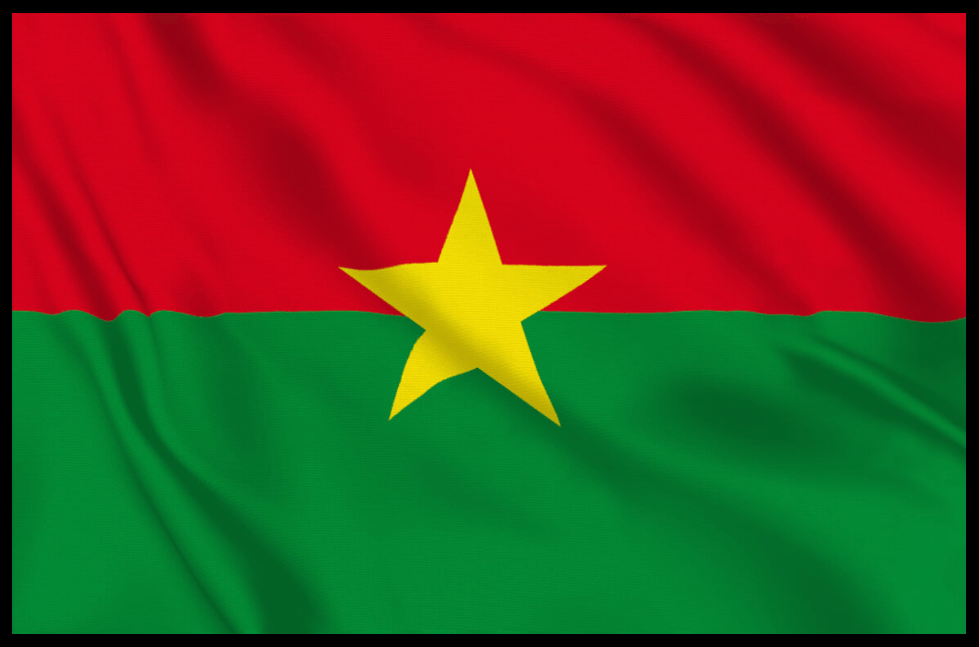
At the Berlin Conference of 1884-1885, imperialist European powers divided Africa exclusively among themselves without the presence of African people. French colonialism named a region they appropriated the “Upper Volta.” After Sankara led a successful liberation struggle and he became head of state, by decree the country was given the name Burkina Faso.
In the short period of four years of his presidency, Sankara surprised many by transforming the country in a positive direction on a socialist basis. The social, economic and cultural reality of his people were introduced to groundbreaking measures unseen in their history.
For the first time a government existed that prioritized transforming the infrastructure by constructing roads, railways, building waterways, schools, medical clinics, pharmacies, and housing. Sankara also aimed to eradicate illiteracy by launching a campaign throughout Burkina Faso as an essential part of his Socialist economic goals.

Sankara supported the struggle for women’s equality. Laws were enacted aimed to advance the position of women in the country. The new decrees outlawed young women being forced into pre-arraigned marriages, banning female genital mutilation (FMG) “customs”, polygamy practices, as well as other backward tribal traditions that perpetuate women’s oppression.
Despite the disapproval of those who sought to preserve patriarchal dominance, by government decree it was mandated that every female receive a free education as well as be given the opportunity to prove their ability for appointment to decision-making government posts, even if pregnant. Sankara was the first African leader to appoint women for the highest government cabinet positions and recruit into the ranks of the country’s military.
To the displeasure of imperialist exploiters of Africa, foreign-owned enterprises were nationalized by revolutionary decree. Although private ownership of industries was not fully eliminated Burkina Faso did undergo a complete break with foreign control of its vital natural resources, thus allowing the country the freedom to develop economically.
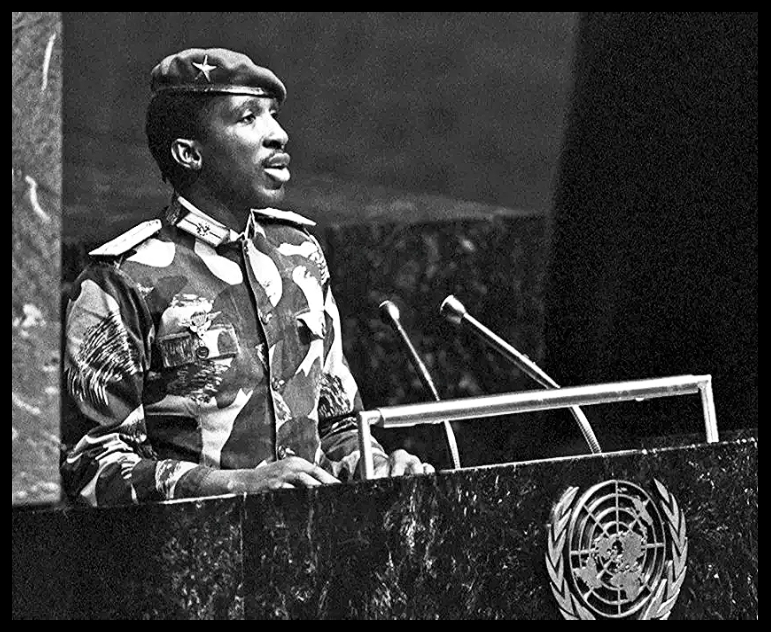
Sankara’s dream was to transform the country by making it self-sufficient. Without hesitation, he adamantly refused loan offers made by the International Monetary Fund (IMF) and World Bank (WB) knowing the manipulative schemes they use to keep poor countries in debt and subjugated on behalf of leading imperialist powers.
The economic infrastructure of Burkina Faso was deliberately kept backward, and its people remained downtrodden for decades due to France’s extreme colonial plunder of the country since 1896.
Under Sankara’s leadership the government established land reforms that benefited the poorest landless peasants of the country. He collectivized agriculture and industries following the model of the Cuban Revolution. Every effort was made to involve the broadest number of the population in an endeavor aimed to achieve economic self-reliance thus safeguarding the people’s right to self-determination from imperialist predators.

his role in the liberation struggle of his people and upholding internationalist solidarity.
But as Burkina Faso intensified its nationalization process of land and mineral wealth French and U.S. officials at the highest level began sensing a threat to their strategic interest in the region, especially after Sankara called for a series of social, ecological, and economic reforms of socialist content.
Imperialism’s contempt of Burkina Faso’s revolutionary leadership intensified when Sankara’s relationship with Cuba and the Soviet Union became official, at the height of the “Cold War.” The two socialist states provided Burkina Faso with military advisers and training, weapons, technical and agricultural equipment, medical supplies, education and so on, despite Sankara’s open criticisms of the Soviet occupation in Afghanistan.
Sankara was first introduced to the writings of Karl Marx and Vladamir Lenin in the early 1970s while undergoing officer training in Madagascar. He was able to advance the legitimacy of Marxism-Leninism and Pan-Africanism by combining the principles of the two revolutionary doctrines, which have historically been complimentary. And when the intelligence agencies of imperialism observed with alarm how a Socialist like Sankara sought ways to unite Pan-Africanists on the continent and beyond, they launched an aggressive campaign to undermine and ultimately overthrow his government.
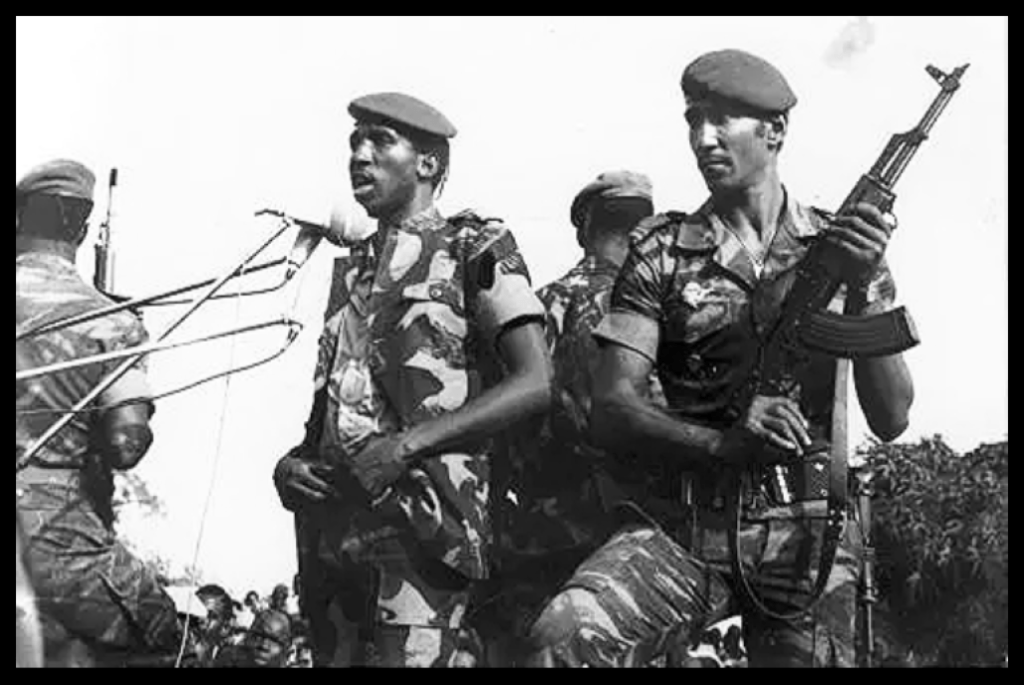
Sadly, in a blatant example of betrayal, on October 15, 1987, Thomas Sankara was assassinated as part of a coup d’état led by Blaise Compaoré, a close ally, friend, and key partner in the 1983 revolution that overthrew Jean-Baptiste Ouédraogo. A unit of Compaoré’s rogue forces systematically killed Sankara and 12 members of his cabinet while they were having an official meeting. Compaoré served as Minister of State and Minister of Justice, essentially the second-in-command.
Compaoré was against Sankara’s radical Pan-Africanist and Marxist-Leninist views. He was opposed to the socialist path the country was on and preferred that the government institute pro-Western policies. Compaoré was also hostile to the developing relationship Burkina Faso had with Cuba and the Soviet Union. What at first appeared as mere differences eventually evolved to open antagonism.
As if Compaore’s actions were not sinister enough, he pronounced himself President of the country immediately after Sankara’s assassination. The chronology of events leading up to Sankara’s death indisputably demonstrate that Compaoré was a mole of Burkina Faso’s former colonizers.
Although concrete evidence of U.S. and French involvement in Sankara’s assassination doesn’t exist it would be extremely naive to overlook their history of subversion against governments unfavorable to the strategic interests of imperialist states. The U.S. Central Intelligence Agency (CIA) and France’s Direction générale de la sécurité extérieure (DGSE) were created specifically to carry out the necessary secret work for preserving their respective empires.
Hopefully, the emergence of Captain Ibrahim Toare as President of Burkina Faso today shall serve the ongoing resistance to imperialism of that country and inspire revolution in the entire African continent. Weakening and ultimately removing imperialism’s stranglehold is the only true act that will bring about justice for the assassination of Sankara and other African warriors.
Thomas Sankara shall forever be remembered as a Pan-Africanist because he sincerely loved his people. And he will also be remembered as a Socialist because he wanted what he strongly believed was best for his people. His legacy is part of traditions long established by many seeking ways to free Africa and inspire future generations of revolutionaries to be like Chris Hani, Amilcar Cabral, Patrice Lumumba, Steve Biko, Kwame Nkrumah, Nelson Mandela, and so many others.
Long Live the Revolutionary Legacy of Thomas Sankara!

 carlitoboricua