By Carlos “Carlito” Rovira
Melba Hernandez’s life is filled with many fascinating stories which reflect the courage, strength and resilience of Cuban women who made overthrowing the U.S.-puppet regime of Fulgencio Batista a reality. Melba was a combatant and leader in the Rebel Army of the July 26 Movement. She became an important and symbolic political figure of the 1959 Cuban Revolution.
During the armed struggle Hernandez fought gallantly alongside of Comandante Fidel Castro Ruz. She was a confidant of the revolutionary leader and after the seizure of power this heroine became part of his executive staff. Melba played a pivotal role during the critical period of consolidating the Cuban state apparatus.
Melba was introduced to politics by her parents who partook in Cuba’s War for Independence of 1895, led by the legendary Jose Marti. She was a lawyer who was affected by witnessing first-hand the disturbing social and economic inequality in Cuba. From the time she completed her education the young Melba was empathetic with the plight of poor peasants and exploited workers whom she represented as legal counsel.
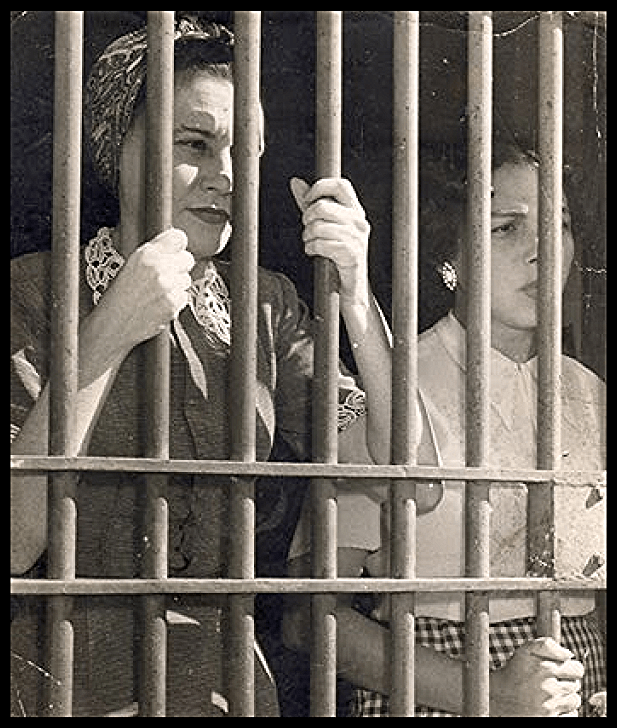
attack on Moncada Barracks.
Melba Hernandez and Haydee Santamaria were the only two women that partook in the July 26, 1953, attack on the Moncada Barracks in Santiago, the event that sparked the Cuban Revolution. Part of Fidel Castro Ruz’s plan was for the revolutionary insurgents to enter the surrounding restricted zone at Moncada dressed in the same uniforms as government soldiers. It was Melba who illegally obtained the uniforms. She convinced a military official who supported the rebel cause to assist with her mission.
The attack on Moncada was bloody and ended in failure. By the time it ended most of the insurrectionists were wounded and killed. Many of these revolutionaries died as by torture at the hands of sadistic henchmen of the Batista regime. Some, like Fidel Castro Ruz managed to escape and hide in the jungle until they negotiated a surrender days later through an intermediary.
Hernandez and Santamaria were arrested, convicted and given shorter prison sentences in comparison to their male counterparts who were released two years later. During their incarceration, Hernandez and Santamaria experienced humiliating abuse by Batista’s prison officials.
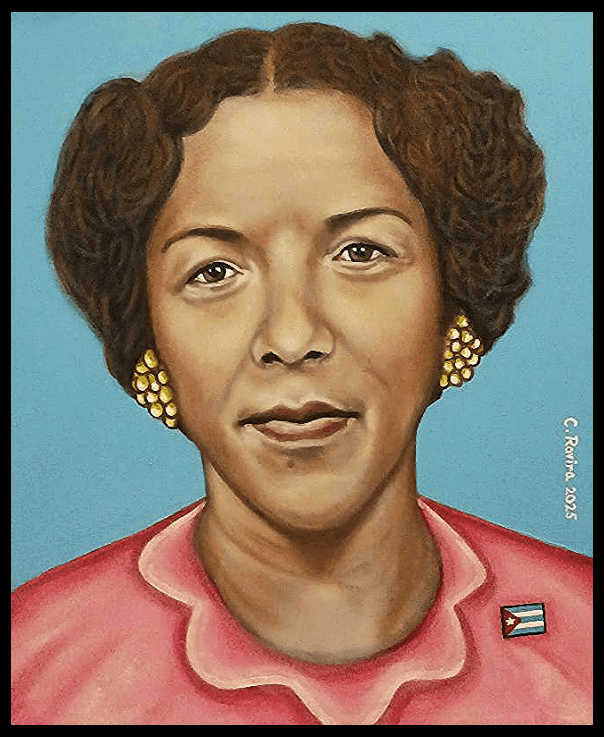
After these heroines were released, they were determined to carry out the work of building a mass movement and the clandestine network that would eventually topple the Batista government. Melba was instrumental in smuggling out of the prison where Fidel Castro was held a draft of his famous courtroom speech when he was tried “History will Absolve Me”, one of the most important documents of the Cuban Revolution.
After the seizure of power on January 1, 1959, Hernandez was assigned to several important roles in the government. In 1960, she was placed in charge of women’s prisons in Cuba. For Hernandez, a top priority was to spearhead prison reform to align with the humane principles of the revolution.
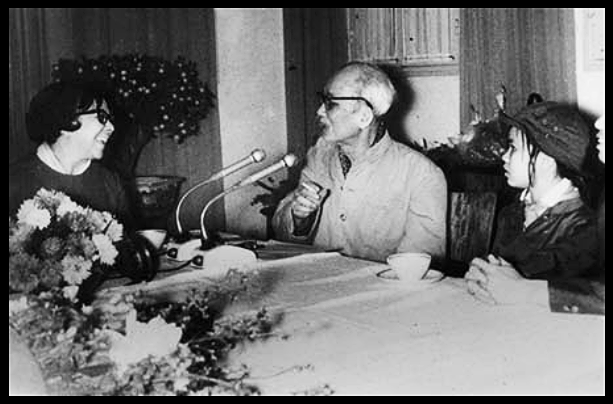
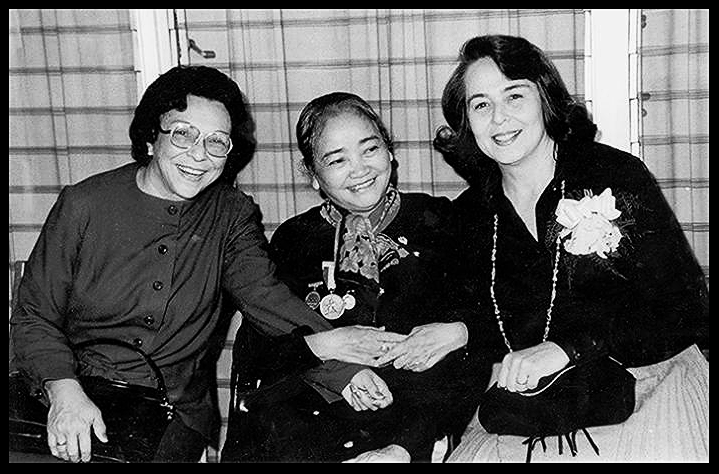
During the late 1960s – 1970s, at the height of the vicious colonial war the U.S. was waging against the Vietnamese people, Hernandez risked danger to herself by traveling frequently to the war-torn country as head of the Cuban Committee in Solidarity with Vietnam. She also served as Secretary General of OSPAAAL, the Organization of Solidarity with the Peoples of Asia, Africa and Latin America.
In the 1980s, Hernandez earned Cuba’s Ambassadorship to Vietnam and Cambodia due to her diligent work of solidarity with the Vietnamese Revolution. This heroine also served the Cuban government as a Deputy in the country’s National Assembly of People’s Power.
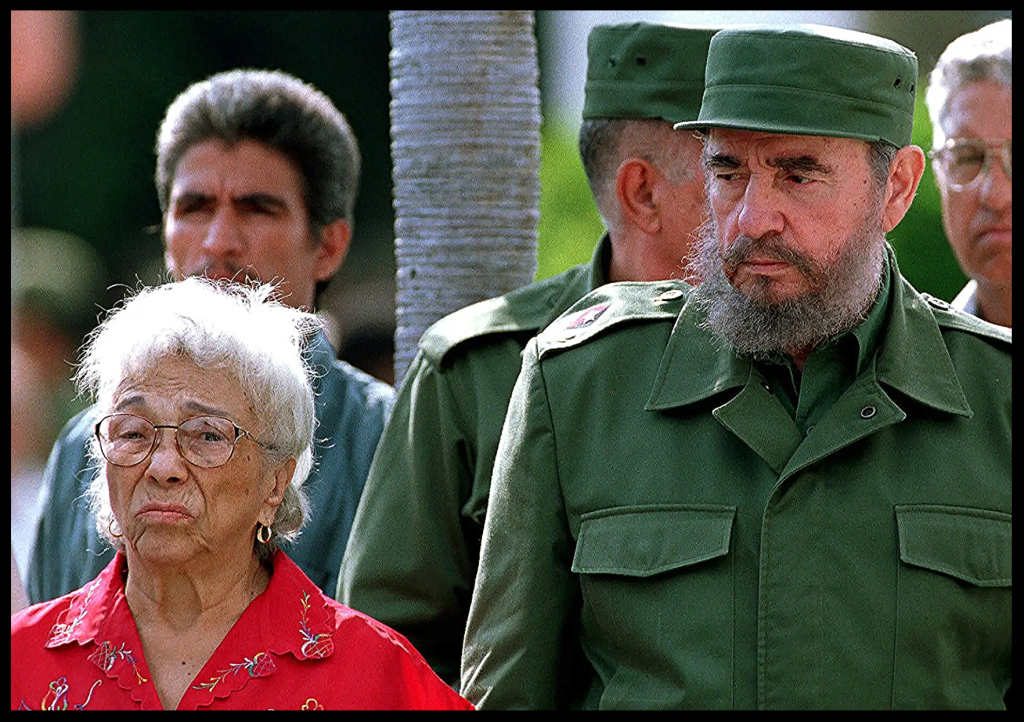
Sadly, on March 9, 2014, Melba died of natural causes. Having lived her life as a diplomat and high-ranking official of a revolutionary government, her legacy shall inspire revolutionaries for generations to come, especially women who will be duty-bound to confront backward traditions that perpetuate women’s oppression.
Hernandez was among other iconic female figures who were decisive in that revolutionary experience, such as Vilma Espin, Celia Sanchez, Aleida March, Haydee Santamaria, and others. Their selflessness and loyalty to the revolution surmounted of of what many would have expected.
Thanks to the Cuban Revolution Melba Hernandez, dared to be amongst those to set standards for challenging the greatest tyrant in human history.
LONG LIVE THE CUBAN REVOLUTION!


 carlitoboricua