En español: https://carlitoboricua.blog/?p=11097&preview=true
____________________________________________
“There is no need to fear, Puerto Ricans, the roar of the cannon; saving the nation is the duty of the heart. They will also know how to fight. We no longer want despots; tyranny shall fall now; the unconquerable women also will know how to fight. We want liberty, and our machetes will give it to us.” -Lola Rodríguez De Tió
_____________________________________________
By Carlos “Carlito” Rovira
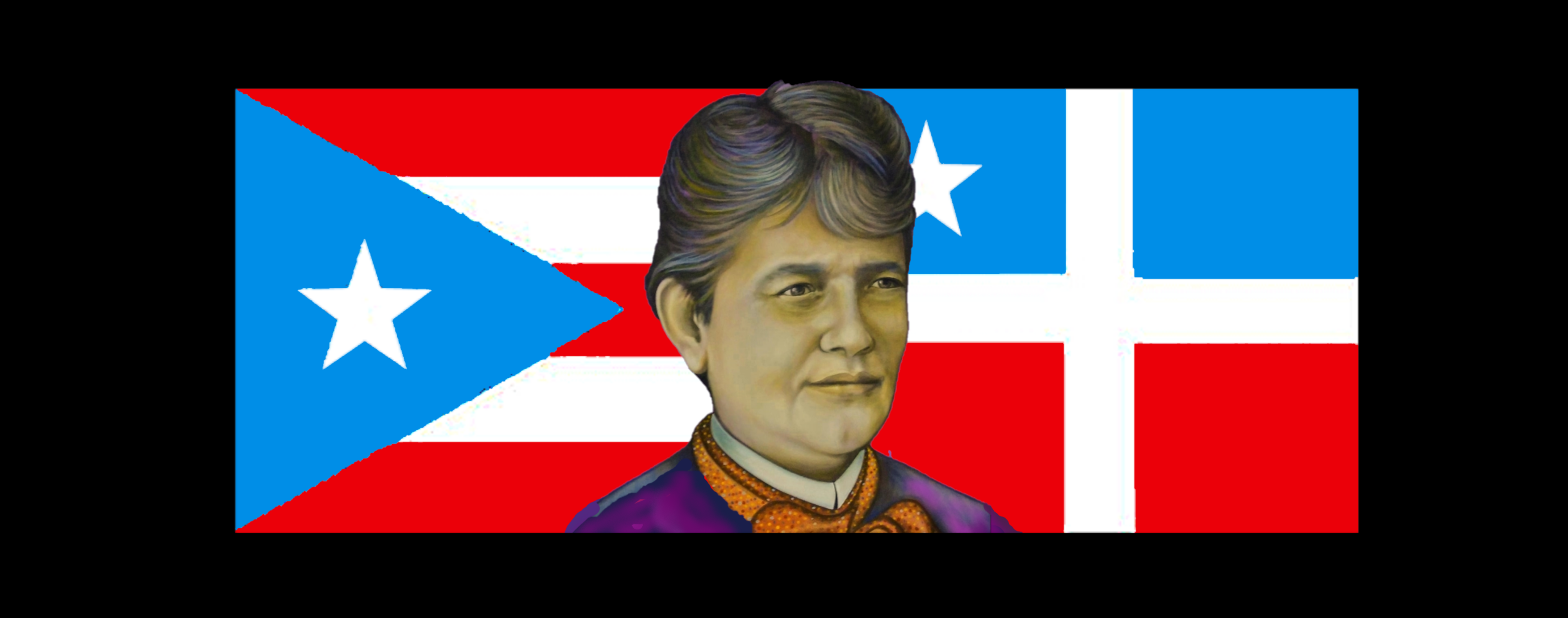
Lola Rodríguez De Tió was born in San German, Puerto Rico on September 14, 1843. She grew up to become the country’s first woman to establish herself as a renown literary scholar who was recognized throughout Latin America. De Tió’s work reflects her outspoken beliefs on critical issues during her young life, African chattel slavery and Spanish colonialism in Puerto Rico.
Lola Rodríguez De Tió was a feminist, a poet, a literary scholar and a devoted advocate for the independence of Cuba and Puerto Rico. As a free minded woman, she frequently expressed contempt for backward traditions rooted in Catholicism, specifically its views discouraging the advancements of women.
Most women in the Spanish colonies were illiterate, especially among the poor. Women were restricted from developing intellectually, due to taboos and the corrupt doctrine of the Roman Catholic Church. But despite oppressive social “norms” Lola Rodriguez rebelliously set out to become a female literary genius.
At just seventeen years of age, Lola Rodríguez was courageously exertive about her thoughts. She had the utmost disdain for anti-women cultural expectations on physical appearance. Although underage, Lola Rodriguez defiantly demanded to be allowed having short hair, which became her life-long personal trademark.
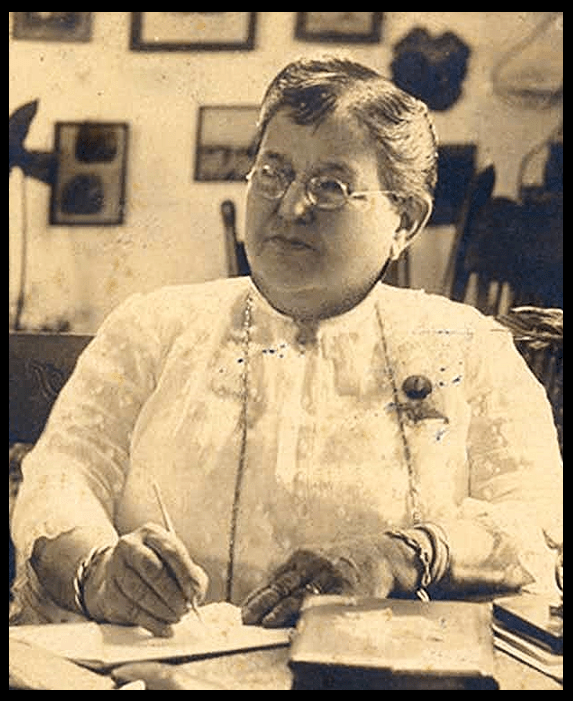
As she became an adult, De Tió wanted to use her talents as a writer and poet to voice her critical views on Spain’s repressive hold in its two remaining Western Hemispheric colonies – Cuba and Puerto Rico.
Her admiration for the Cuban struggle and the Haitian Revolution‘s vision of uniting the Caribbean nations into one mighty force to repel the intentions of colonizing powers, may have been what inspired her to create the famous metaphor “Two Wings of the Same Bird.”
De Tió’s affiliation with Puerto Rico’s Revolutionary Committees made possible her close collaboration with Dr. Ramon Emeterio Betances, a central figure of Puerto Rico’s anti-colonial movement who was highly respected throughout the Caribbean. De Tió also played a significant role in the struggle which culminated on September 23, 1868, with El Grito De Lares, an uprising that called for an end to the enslavement of African people and Spanish colonialism.

Although De Tió became known for authoring many beautiful renditions, she is best remembered for writing the original and revolutionary lyrics of Puerto Rico’s National Anthem, La Borinqueña. De Tió composed the song in 1868 as the tremors of the Lares uprising approached. It was a moment in time when the general desire for nationhood was widely sensed as Boricuas eagerly prepared their weapons for battle.
La Borinqueña: https://www.youtube.com/watch?v=wI4pWl7Z1yU.
One of the most outrageous acts of disrespect by U.S. colonizers was imposing a distorted version of the Puerto Rican National Anthem. Adding insult to injury, that distorted version was also named “La Borinqueña.” The original militant lyrics were replaced by a sanitized, non-revolutionary composition. Today, it is used by the U.S.-puppet colonial government as the “official” version. Ramon Collado is the composer who shamefully betrayed his people by re-writing the lyrics in 1952 on behalf of U.S. colonialism.
After the failure at Lares in 1868, De Tió lived for a while in Havana, Cuba. But in 1891 she was deported by Spanish authorities for her activism and outspokenness. She moved to New York City where she joined Cuban and Puerto Rican revolutionaries living in exile.
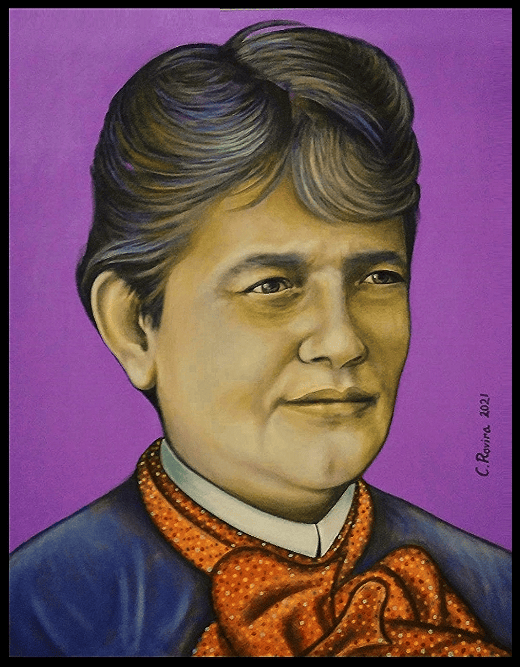
Gatherings of exiled revolutionaries from both countries was a customary practice dating back to the mid 1850s. They congregated mainly in the area known today as El Barrio (East Harlem) to escape the brutal enforcement of Spain’s decrees.
The more pro-active individuals from this community secretly met at a hotel on Broome Street in the Lower East Side where they formed the Society for the Independence of Cuba & Puerto Rico. Many returned to their respective homelands to serve as combatants in Cuba’s Grito De Yara and Puerto Rico’s Grito De Lares.
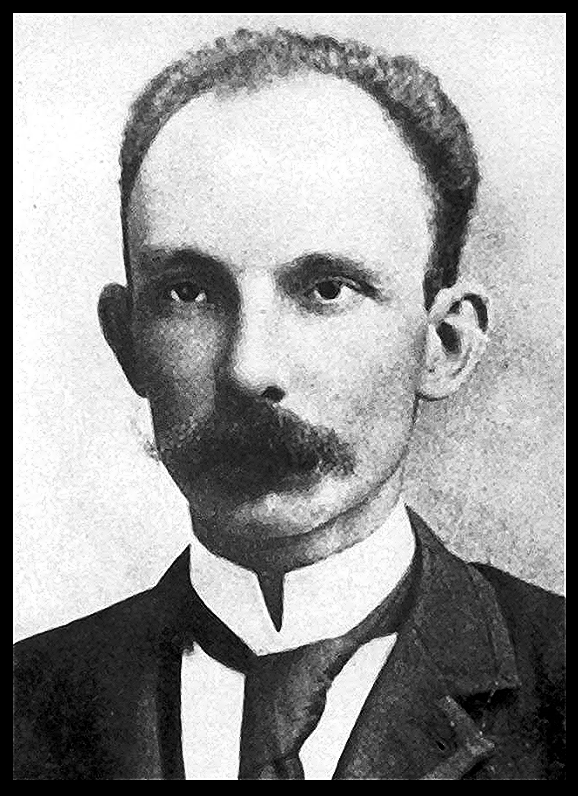
It was in New York City in 1891, where Lola Rodriguez De Tio and Cuban revolutionary leader Jose Marti met for the first time. What followed was a strong bond of mutual respect for one another and political collaboration.
Many believe that credit for the original idea of inverting the colors of the Cuban flag to create the modern-day Puerto Rican flag was shared coincidentally by revolutionary poets Francisco Gonzalo Marín and Lola Rodríguez De Tió. Both of these prominent figures adamantly promoted the importance of building on Cuban and Puerto Rican solidarity, especially by revolutionaries living together in exile.
It was in that setting where the proposed design of the present-day Puerto Rican flag was discussed and approved on December 22, 1895, in a secret meeting held at Chimney Corner Hall. At the helm of this historic effort were the prominent Manuel Besosa, Antonio Velez Alvarado and Juan de Mata Terreforte. Among the 59 attendees included the archivist of Black history, Arturo Alfonso Schomburg.
De Tió worked hard with the Cuban and Puerto Rican exiles in efforts to raise funds for an upcoming revolutionary war in Cuba. When the military struggle against Spanish colonialism sparked in Cuba Jose Marti and many of his compatriots returned to fight. Unfortunately, on May 19, 1895, the beloved revolutionary leader, was killed in battle.
After the Spanish-American War, in 1899, Lola Rodríguez and her family returned to Cuba where she lived for the rest of her life, although continuing to visit Puerto Rico. She continued to work in her profession at the Cuban Academy of Arts and Letters. She also continued advocating for Puerto Rico’s independence and equal rights for women in Cuba through her articles published in various newspapers and journals throughout Latin America.
On November 10, 1924, the belove Puerto Rican poet died. Lola Rodríguez De Tió’s remains are buried at the Colon Cemetery in Havana, Cuba. Her legacy symbolizes the centuries-long traditions of the Two Wings of the Same Bird – Cuba & Puerto Rico. Lola Rodriguez De Tio impacted later generations of Puerto Rican women, specifically those of the Nationalist Party and beyond.

Long live the legacy of Lola Rodríguez De Tió! ¡QUE VIVA PUERTO RICO LIBRE!


 carlitoboricua
2 thoughts on “Lola Rodríguez De Tió, Puerto Rican revolutionary 1843-1924”