Tribute to the Legacy of a Revolutionary: Amilcar Cabral

En español: https://carlitoboricua.blog/?p=10847&preview=true

______________________________________________

“One of the most serious errors, if not the most serious error, committed by colonial powers in Africa, may have been to ignore or underestimate the cultural strength of African peoples.” -Amilcar Cabral

______________________________________________

By Carlos “Carlito” Rovira

On the 100th anniversary of Amilcar Cabral’s birth, we salute this most exemplary revolutionary figure. Born on September 12, 1924, in Bafata, Guinea (Portuguese colony), Cabral grew up possessing the freedom of Africa at heart. He was a devoted Pan-Africanist, poet, agricultural engineer, organizer, intellectual, and Socialist theoretician.

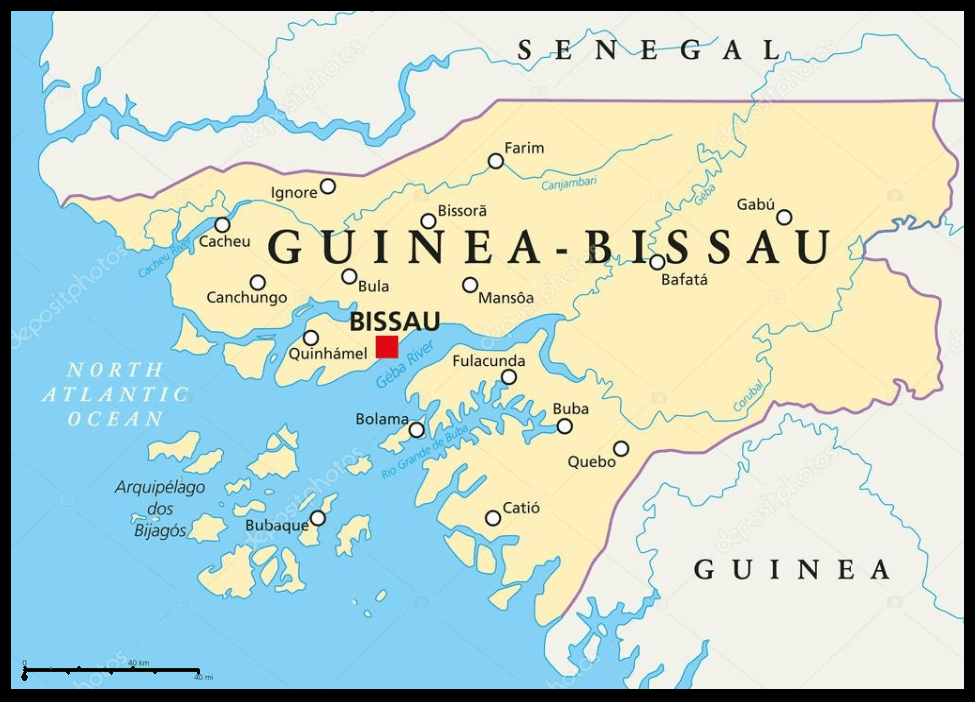
Cabral was instrumental in organizing the PAIGC guerilla movement – the African Party for the Independence of Guinea-Bissau and Cape Verde, (in Portuguese) Partido Africano para a Independência da Guiné e Cabo Verde. This entity aimed to overthrow Portuguese colonialism by any means necessary.

COLONIALISM IS A CRIME AGAINST HUMANITY

For more than five centuries white European rulers became accustomed to enriching themselves by robbing Africa’s natural resources such as gold, silver, copper, diamonds, oil, agricultural products and more. They divided the continent among themselves without the consent or regard for the wishes of African people who were abused by enslavement, torture, rape, and death.

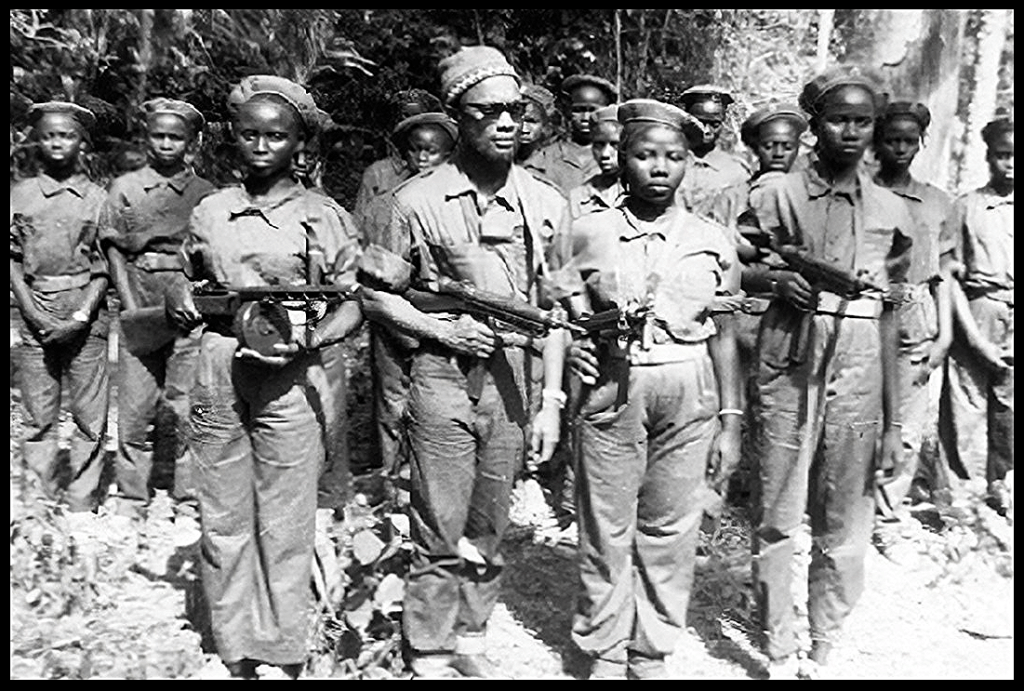
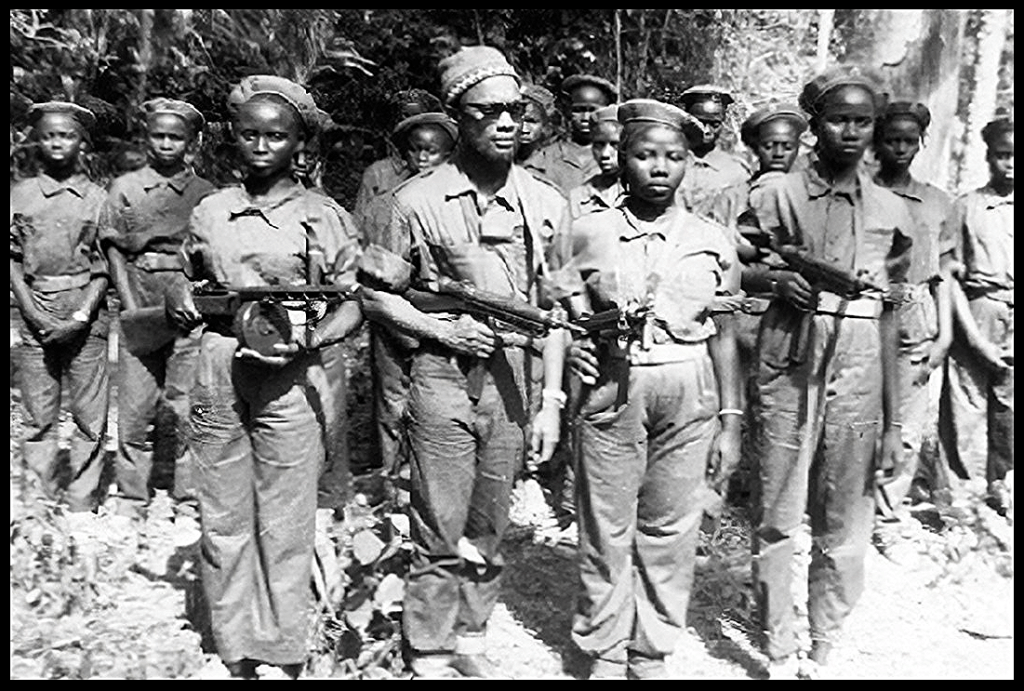
Amilcar Cabral (center) with his comrades from the PAIGC guerilla movement.

The permanent state of turmoil that Africa continues to experience is attributed to the subversive nature of imperialist states, operating as instigators in order to divide and conquer. Africa’s abundant natural resources make it the riches territorial region on Earth. Yet, the native population is the poorest in the world, with the constant threat of famine.

It is no wonder why the intelligence agencies of imperialism like the CIA are routinely on guard and ready to unleash its military forces of USAFRICOM and NATO against Africa’s liberation movements.

While studying at the Superior Institute of Agriculture (In Portuguese: Instituto Superior de Agronomia), in Lisbon, Portugal Amilcar Cabral met fellow students affiliated with nationalist movements in Algeria, Benin, Gabon, Ghana, Ivory Coast, Kenya, Mozambique, Namibia, Congo, Angola, and South Africa.

Cabral’s vision of an emancipated Africa motivated him to establish relations with nationalist movements everywhere on the continent. It was Cabral’s revolutionary world outlook that motivated him to join Angolese Pan-Africanist comrades to create the MPLA (People’s Movement for the Liberation of Angola).

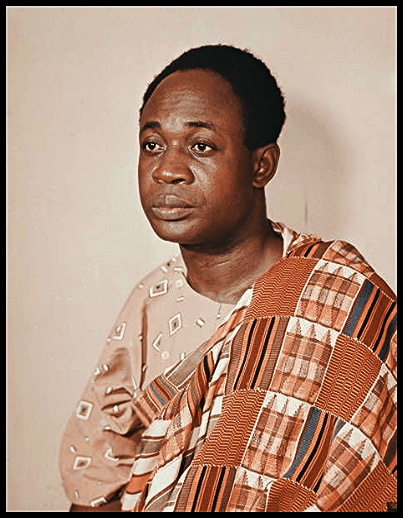
No one can ever question the internationalist solidarity practiced among various African nationalist movements themselves. At the risk of reprisals from Portugal and other imperialist powers, Kwame Nkrumah who served as Prime Minister of the Gold Coast from 1952 to 1957, and then as Prime Minister and President of Ghana from 1957 until 1966, allowed PAIGC guerillas to establish a base of operations within that country’s territory.

The legendary Kwame Nkrumah
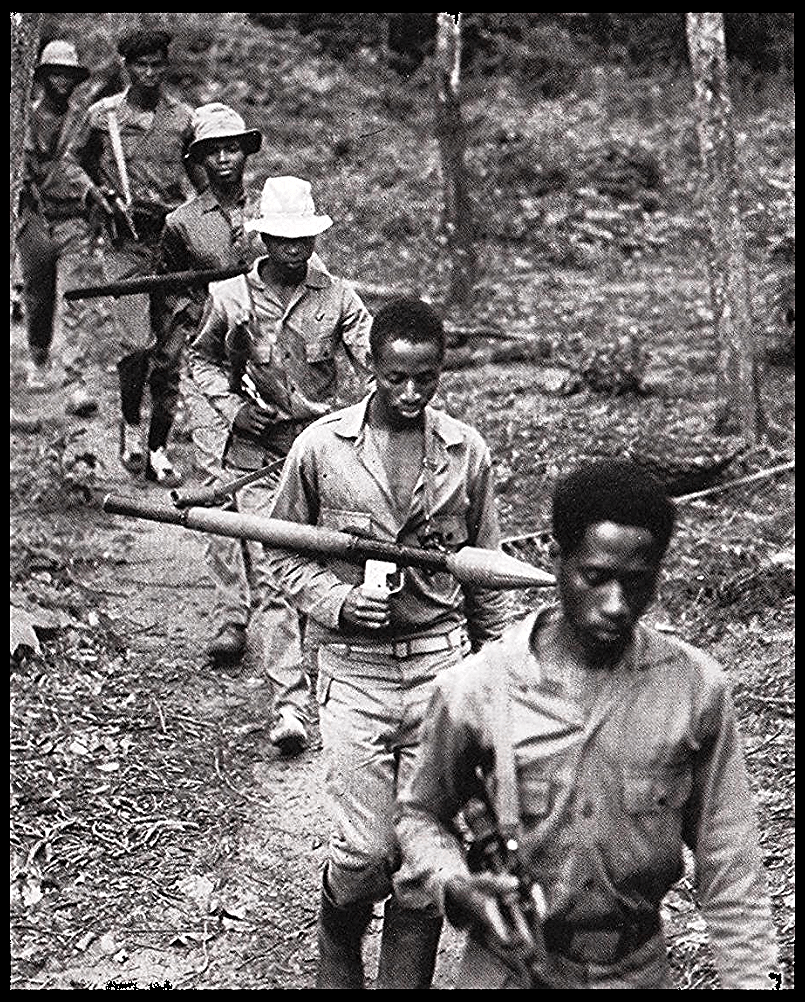
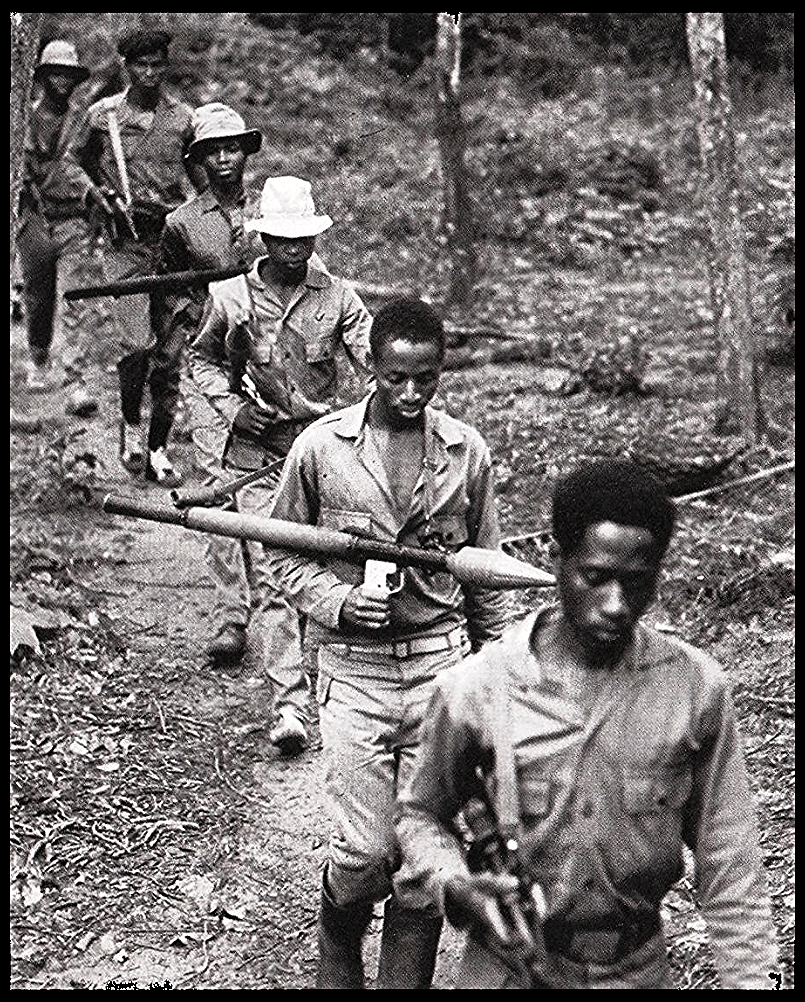
PAIGC guerillas conducting patrols.

SOCIALISM STANDS WITH NATIONAL LIBERATION

As a result of Amilcar Cabral’s relationship with the Soviet Union, People’s Republic of China, Democratic People’s Republic of Korea, Republic of Cuba and other countries in the Socialist Bloc the PAIGC movement benefitted politically and militarily.

Cabral lived during a period in history when African nationalist movements rose up like a volcanic eruption everywhere in the globe. European colonialism met its match with the rise of Pan-Africanism anxious to pick up arms and Socialist states willing to provide them. 

Member countries of the Socialist Bloc provided training with sophisticated weapons, such as anti-aircraft rocket launchers which diminished the Portuguese Airforce ability to dominate the skies over Guinea-Bissau & Cape Verde. 

In the Soviet Union alone there were secret encampments where thousands of PAIGC guerillas received training from Soviet Army Special Forces. Thanks to the solidarity received from Cuba and the Soviet Union PAIGC guerillas were able to inflict many casualties on the colonizing Portugues Army.

AMICAR CABRAL & THE CUBAN REVOLUTION

Amilcar Cabral developed a special respect for the Cuban Revolution, especially after meeting with Fidel Castro Ruz and Ernesto Che Guevara on two separate visits they made to Africa. From Cabral’s standpoint, Cuba became the blueprint for the national liberation struggle in Cape Verde and Guinea-Bissau.

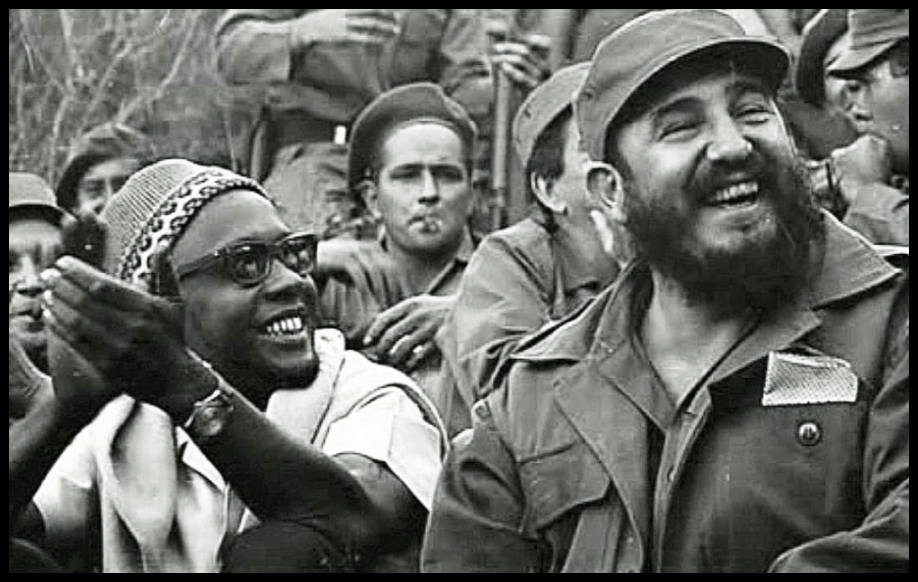
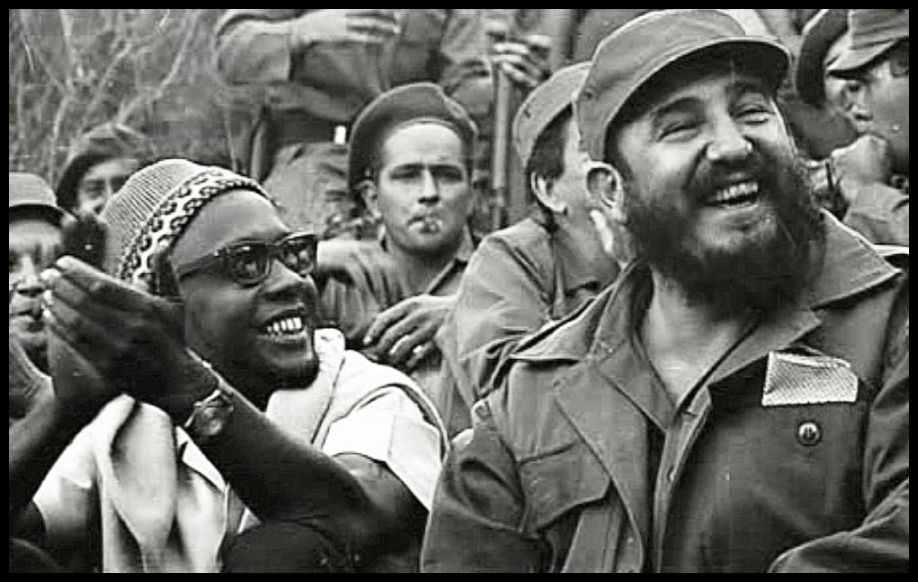
Amilcar Cabral and Fidel Castro Ruz enjoying a moment at a guerilla encampment.

That admiration went further when Amilcar Cabral visited Havana, Cuba to attend the 1966 Tri-Continental Conference. Delegates from 82 countries where revolutionary upheaval occurred were present. These nations included Vietnam, Palestine, South Africa, Haiti, Ireland, Chile and Puerto Rico. 

Cuba expressed its solidarity by providing Guinea-Bissau’s guerilla army medicine, weapons, ammunition, and technical advisors. After 1965, Cuba also committed to provide thousands of combat troops.

It was Cabral’s relationship with Cuba that helped him understand why a complete break with imperialism’s capitalist economic mode was necessary if independence in Cape Verde and Guinea were to be attained. These sentiments fueled his determination to strive for Socialism in both countries.

Amilcar Cabral preparing his weapons.

And as a result of military gains made by the PAIGC guerillas, Portugal’s despised fascist government was weakened and ultimately overthrown during the Carnation Revolution of April 25, 1974. That event proved how the struggles in the colonies can impact the internal political situations of colonizing countries especially if they are plagued with overwhelming internal contradictions.

Cabral’s dream of an independent Guinea-Bassau and Cape Verde appeared eminently certain. But on January 20, 1973, a former PAIGC rival named Inocêncio Kani believed to be a paid operative for Portuguese intelligence, shot and killed the beloved leader. The assassination was indeed a loss for the movement, but the tragedy did not prevent Portugal’s defeat in this Northwestern region of Africa.

Inocêncio Kani and his accomplices attempted to flee on a sea vessel after assassinating Cabral. However, guerilla fighters loyal to the fallen leader gave chase, and with the help of a Soviet Navy destroyer Inocêncio Kani and his fellow traitors were captured and brought to justice.

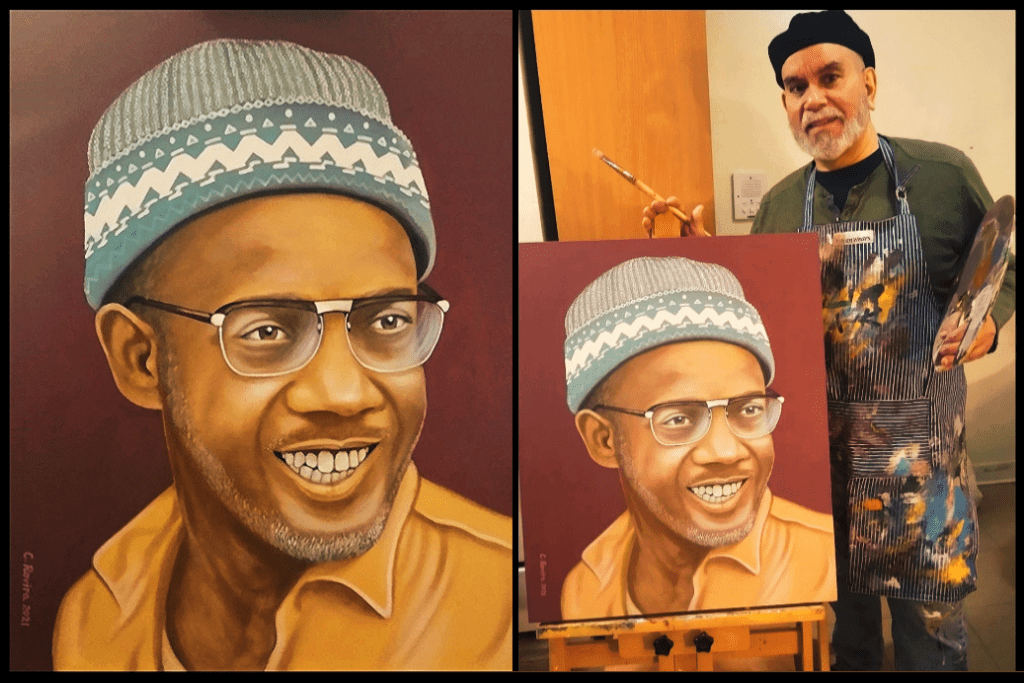
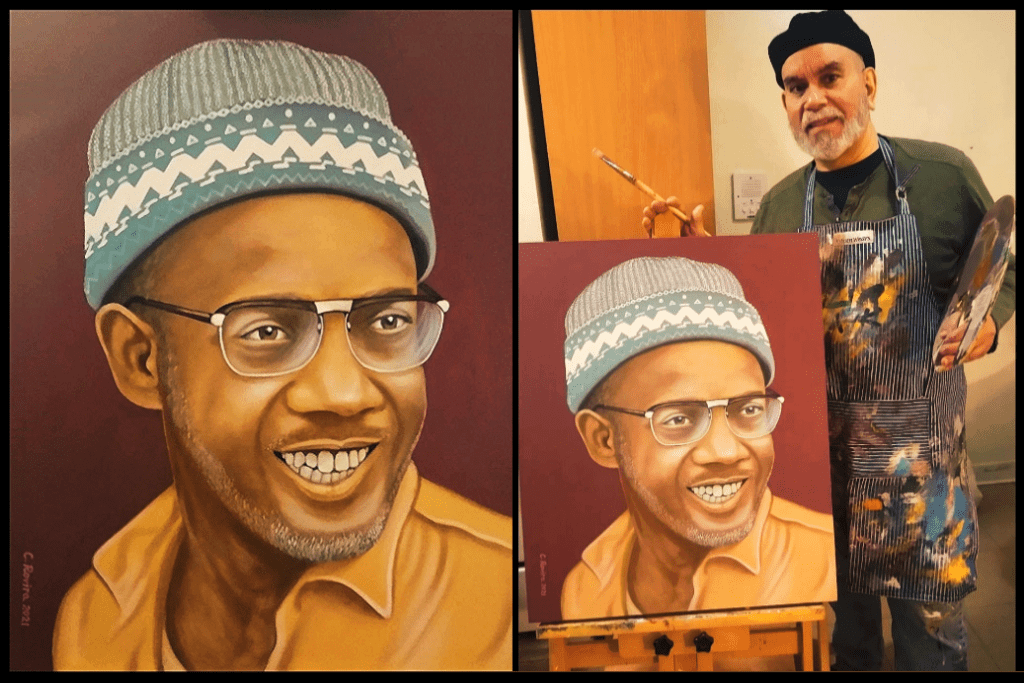
My artist tribute to Amilcar Cabral. 24″ X 30″, acrylic paint on canvas. Painted in 2019.

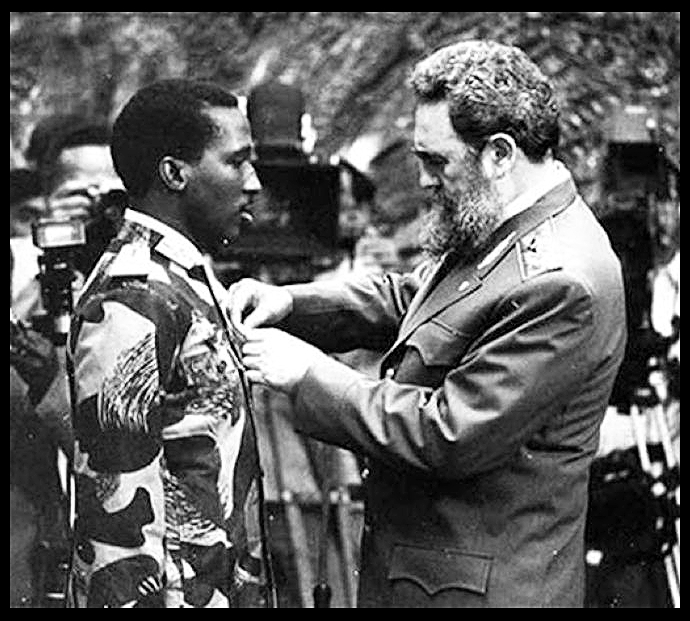
Thanks to the people’s movement built with Amilcar Cabral’s leadership, Cape Verde and Guinea-Bissau won their independence despite his assassination. He will be remembered as one of Africa’s legendary revolutionary leaders in the iconic class of Thomas Sankara, Patrice Lumumba, Steve Biko, Chris Hani, Nelson Mandela, Kwame Nkrumah, and many others.

Amilcar Cabral was a revolutionary nationalist because he loved his people. He was also a devoted Socialist because he wanted what he viewed as indisputably the best for Africa and all oppressed people.

LONG LIVE THE LEGACY OF AMILCAR CABRAL!
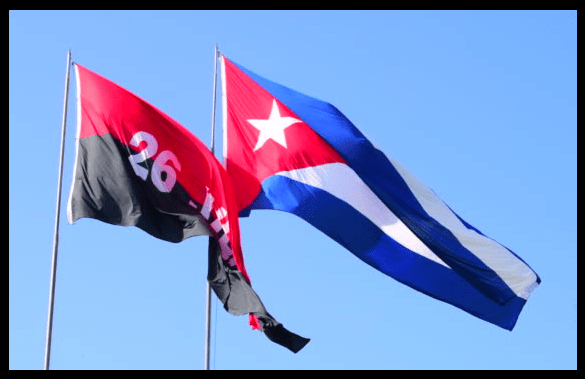
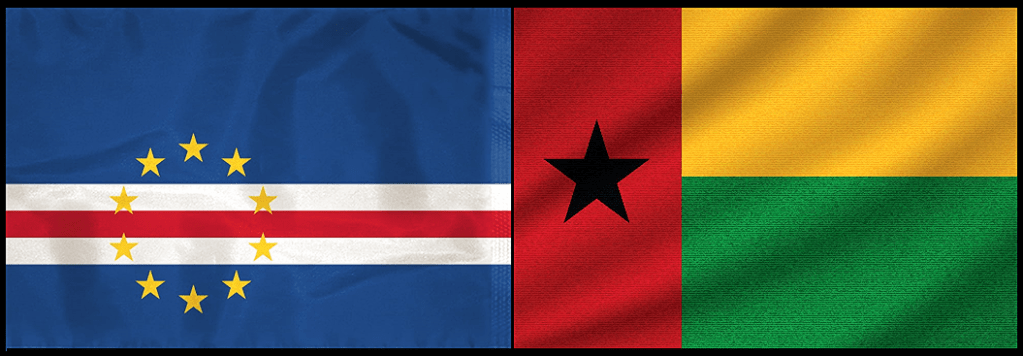
National flags of Cape Verde and Guinea-Bissau.

La Mejor Fiesta de Año Nuevo en Cuba: ¡La Revolución Cubana!
For English version: https://carlitoboricua.blog/2018/12/30/1705/?preview_id=1705&preview_nonce=ae7b5a2aac&preview=true&_thumbnail_id=7146

By Carlos “Carlito” Rovira

En la víspera de Año Nuevo, el 31 de diciembre de 1958, el ejército guerrillero revolucionario del Movimiento 26 de Julio, bajo la dirección del Comandante Fidel Castro Ruz, ingresó a la ciudad capital de La Habana, Cuba. Este fue el acto final en el derrocamiento del notorio régimen de Fulgencio Batista patrocinado por Estados Unidos.

Cuanto más se acercaba el ejército guerrillero a la ciudad a pie, a caballo y en vehículos, más frenéticos se volvían los opresores del pueblo cubano. Su mundo de lujo con cócteles y bebidas a la mano se interrumpió abruptamente.

Gánsteres de la mafia, proxenetas de la prostitución, traficantes de drogas, dueños de clubes de casino, agentes de la CIA y otras agencias imperialistas, oficiales militares y policiales de alto rango, así como altos burócratas del gobierno de Batista, abarrotaban el aeropuerto de La Habana en una carrera desesperada por salir de Cuba para evitar ser capturado por los revolucionarios.

Este evento marcó el amanecer de una nueva era en la historia de ese país. La Revolución Cubana tuvo un tremendo impacto en las circunstancias políticas de América Latina, el Caribe y muy especialmente en los Estados Unidos, donde un levantamiento masivo estaba a punto de estallar. En todos los sentidos, Cuba siguió el ejemplo de su vecino cuando lanzó la gloriosa Revolución haitiana de 1804.

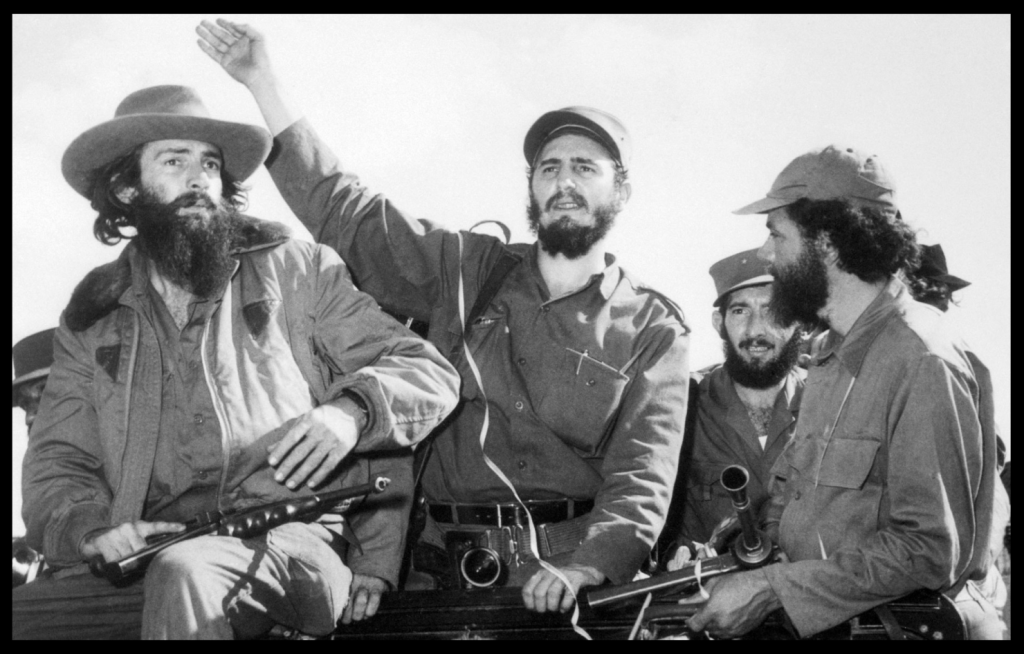
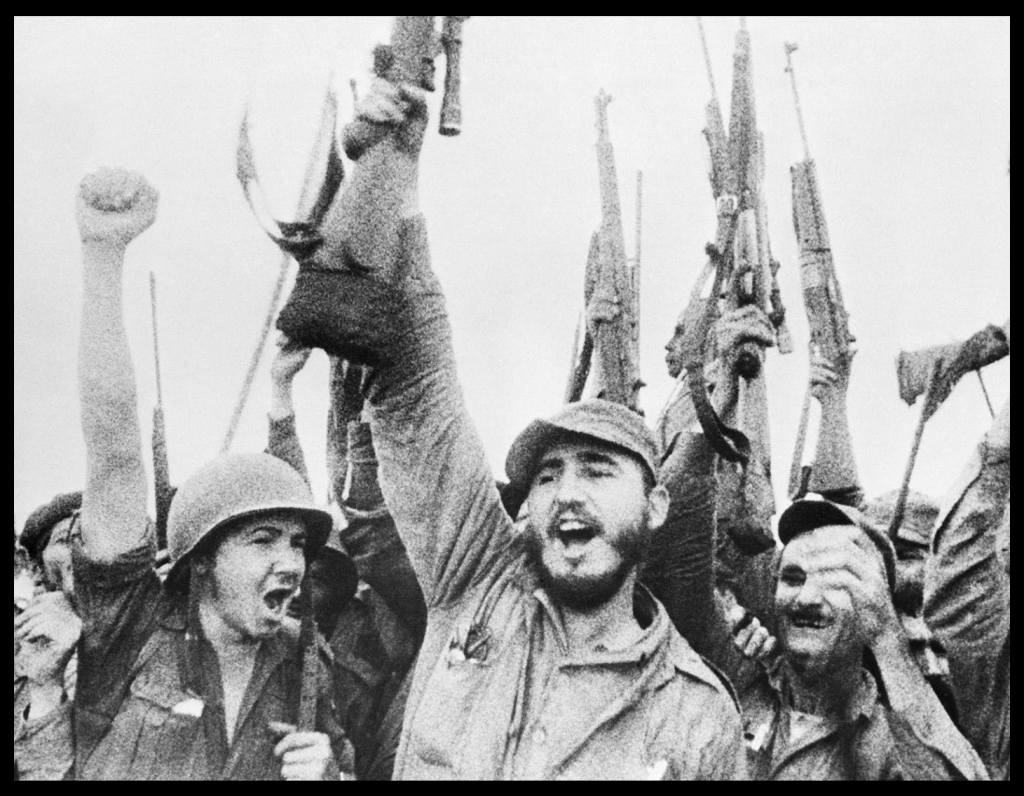
Camilo Cienfuego (izquierda), Fidel Castro Ruz y compañeros de combate ingresando a Ciudad de La Habana.

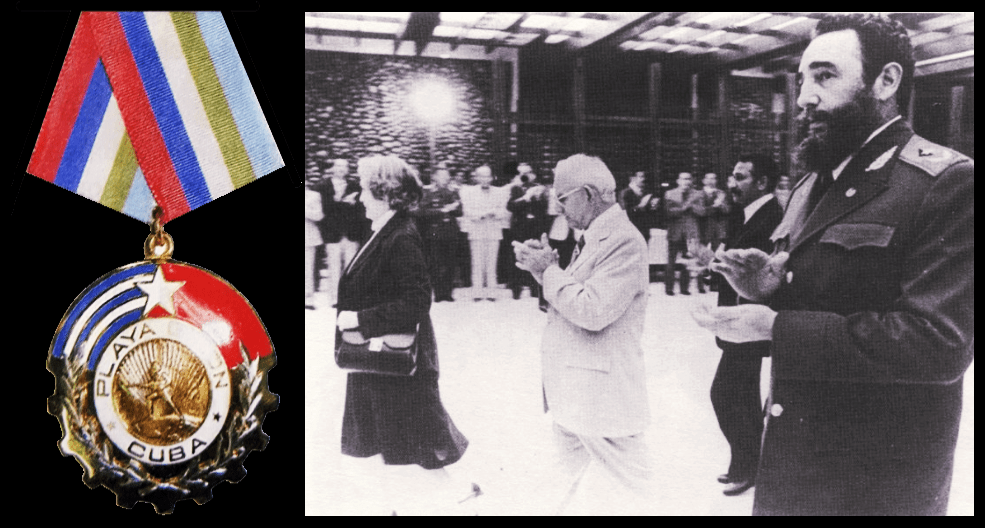
Cuba ha sido una firme defensora del derecho a la independencia de Puerto Rico y ha sacado a la luz en el escenario mundial la horrenda naturaleza de la presencia colonial estadounidense. En 1980, Fidel Castro Ruz invitó a Cuba a los nacionalistas puertorriqueños recién excarcelados (Lolita Lebron, Rafael Cancel Miranda, Irvin Flores, Andrés Figueroa Cordero y Oscar Collazo) para que recibieran la máxima condecoración de ese país, la Medalla de la Orden. de Bahía de Cochinos.

Nacionalistas puertorriqueños siendo recibidos por Fidel Castro Ruz en una ceremonia de honor, en el 1980.

Cuba revolucionaria brindó apoyo político y logístico a la lucha por la liberación palestina y envió miles de tropas cubanas a África para ayudar a los luchadores por la libertad.

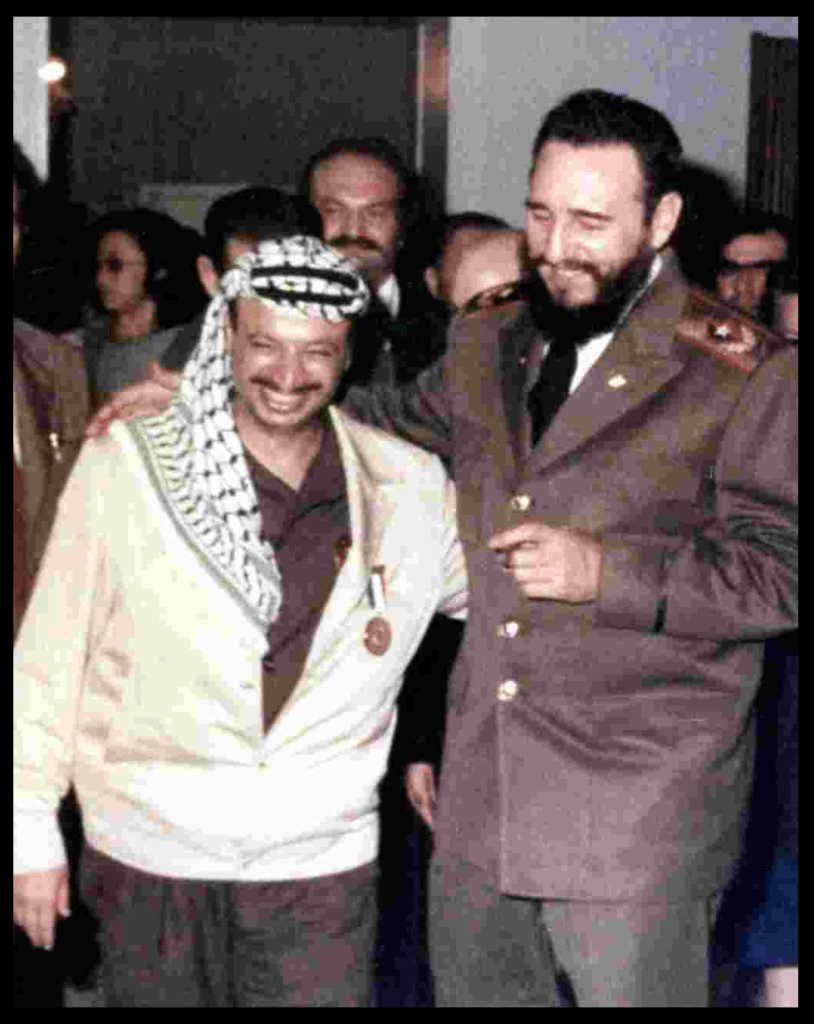
El presidente cubano Fidel Castro Ruz recibe al palestino Yasser Arafat.
El presidente cubano Fidel Castro Ruz visita a Amica Cabral durante la revolución en Guinea-Bissau.

El ejemplo más notable de la solidaridad de Cuba con la lucha por la libertad de África es la Batalla de Cuito Cuanavale. En un esfuerzo combinado con el ejército angoleño, el ejército cubano rodeó y aplastó al ejército sudafricano racista del apartheid. Fue este evento el que provocó la desaparición gradual del régimen del Apartheid en Sudáfrica, facilitando así las circunstancias políticas favorables que provocaron la liberación de la prisión de Nelson Mandela.

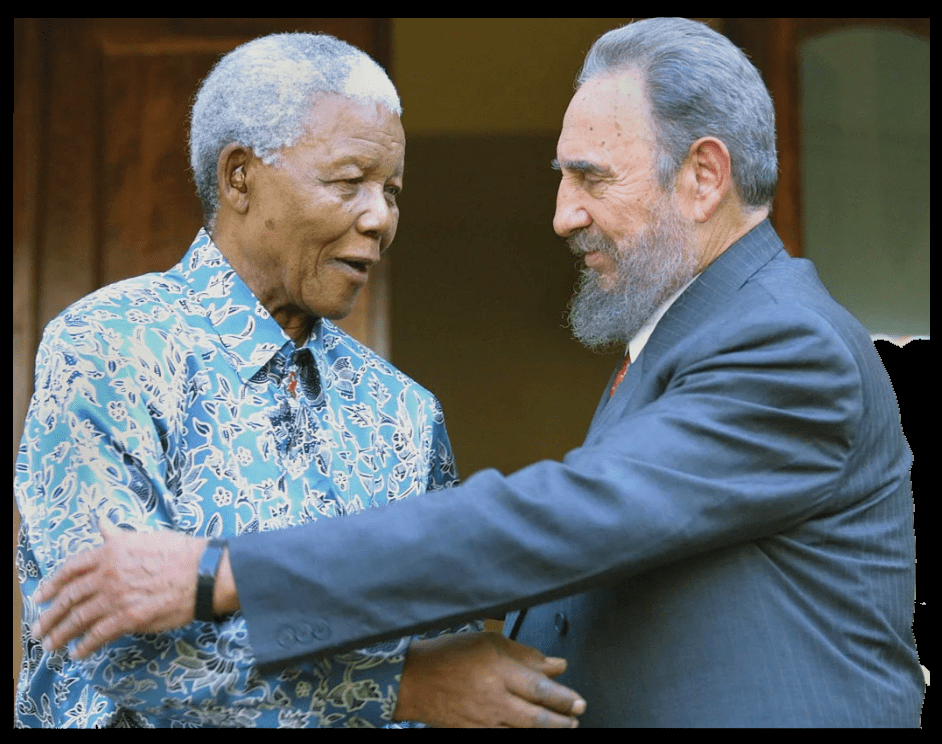
Nelson Mandela y el Presidente Fidel Castro Ruz.

Uno de los actos más notables de humanitarismo de Cuba es la creación de la Escuela Latinoamericana de Medicina. Estudiantes de comunidades pobres y oprimidas de los Estados Unidos y países del Tercer Mundo, que de otro modo no podrían costearlo financieramente, reciben educación gratuita para convertirse en médicos, pagada por el gobierno cubano.

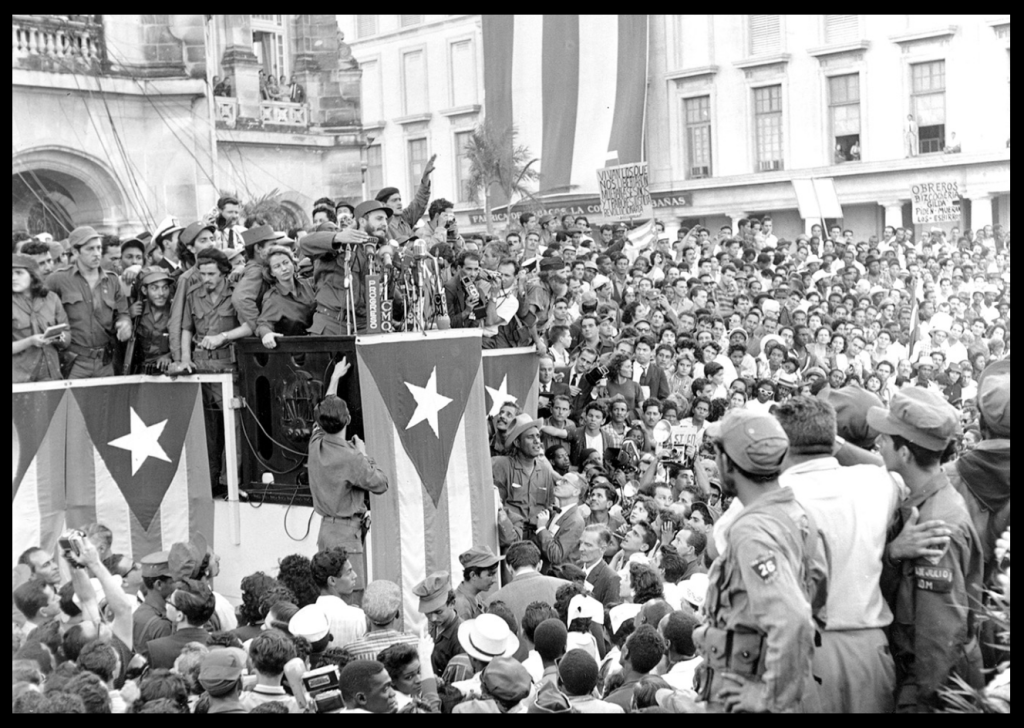
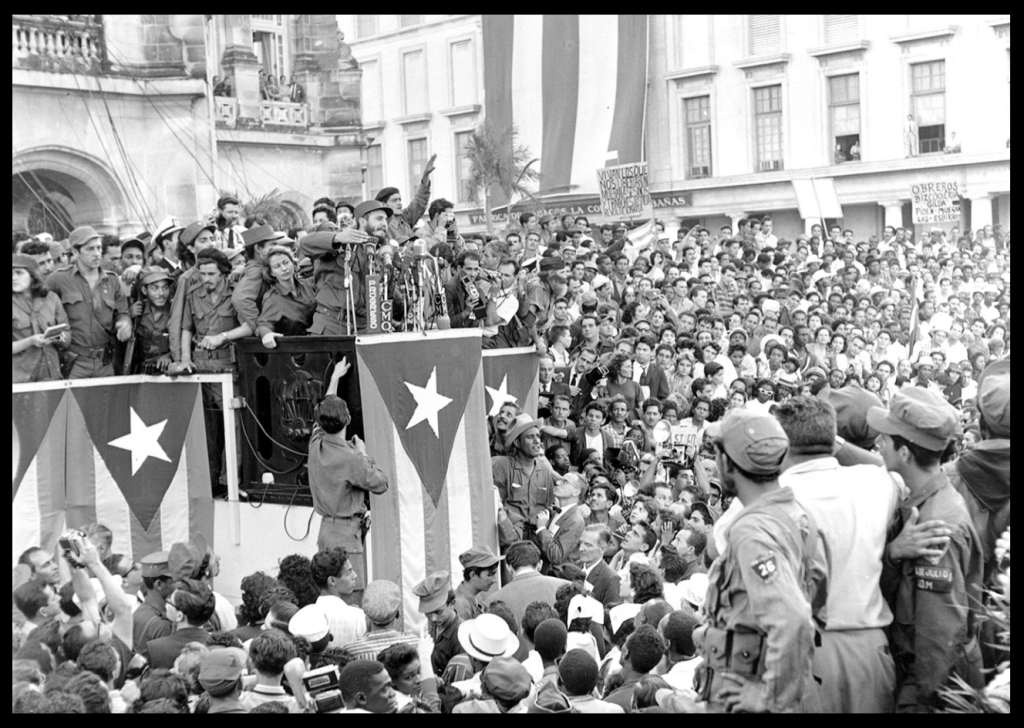
Comandante Fidel Castro Ruz dirigiéndose a una multitud de decenas de miles.

Y para demostrar cuán seria es la Revolución Cubana con respecto a sus propias convicciones y sentido de humanidad, muchas personas en países pobres han recibido atención médica desesperadamente necesaria por primera vez gracias al conocido programa médico internacional de Cuba. Cuba ha enviado miles de profesionales médicos a las comunidades más pobres del mundo para curar y prevenir enfermedades, incluso en las circunstancias más peligrosas.

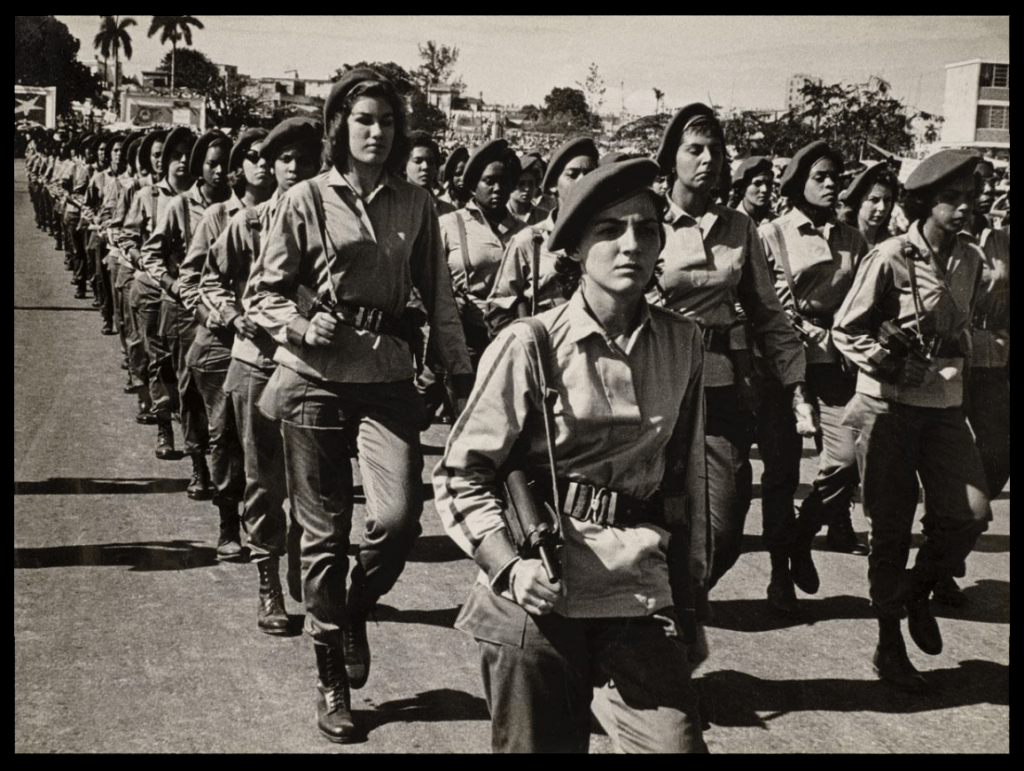
Mujeres en las Fuerzas Armadas Revolucionarias de Cuba.

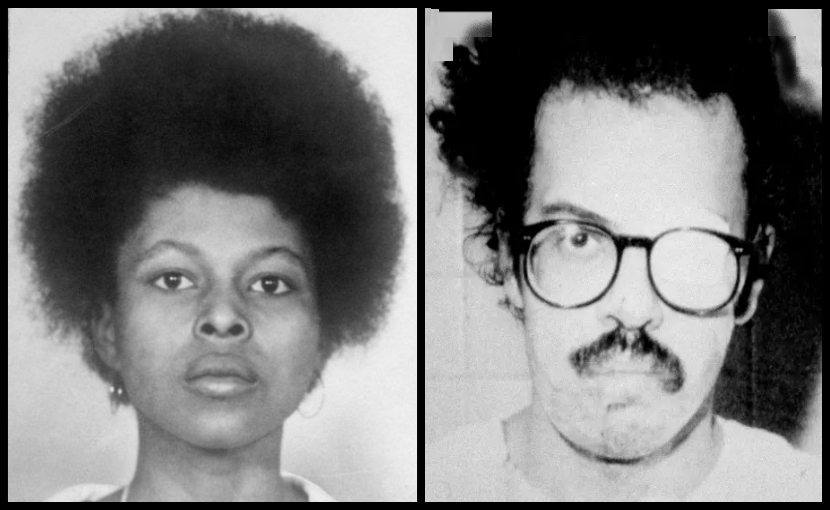
Cuba también ha brindado refugio a muchos refugiados políticos buscados por las agencias del imperialismo, como el luchador por la libertad puertorriqueño William Morales y la hermana Panteras Negra//Ejército de Liberación Negra, Assata Shakur. Cuba también ha sido un firme partidario de la liberación de presos políticos en Estados Unidos, como Mumia Abu-Jamal.

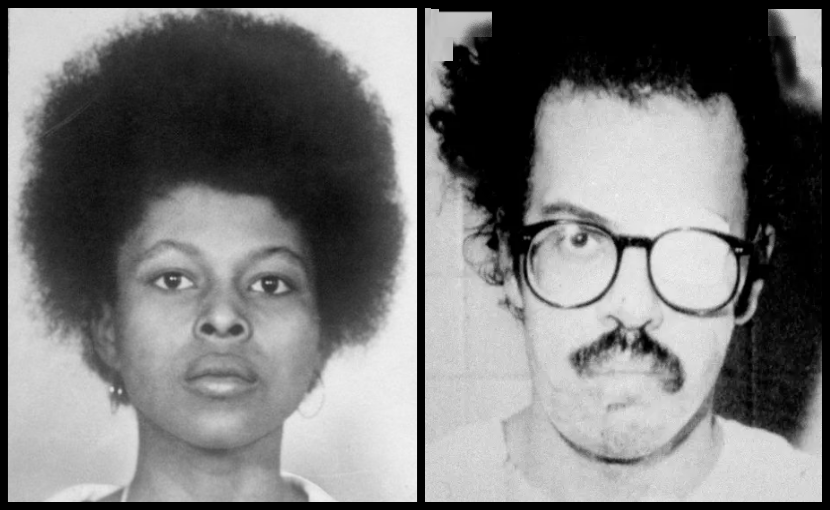
Assata Shakur y William Morales recibieron asilo político del gobierno cubano.

La justicia ahora tenía un nuevo significado, definido por las aspiraciones revolucionarias de los oprimidos. Los villanos uniformados del ejército y la policía de Batista que alguna vez torturaron, asesinaron y violaron a la gente fueron detenidos y acusados penalmente. Se llevaron a cabo tribunales en todo el país para que todos fueran testigos y participaran en una forma de justicia completamente nueva, tribunales populares, en la que las víctimas participaron brindando testimonio y decidiendo el destino de estos funcionarios gubernamentales derrocados.

Funcionarios del gobierno de Batista enfrentan cargos penales en un Tribunal Revolucionario.

Gracias a la Revolución Cubana, el pueblo ya no se vio privado de atención médica gratuita, educación gratuita y acceso a la alimentación. Tales son las necesidades vitales negadas a los trabajadores pobres aquí en los Estados Unidos.

Han pasado más de seis décadas desde la derrota militar del gobierno títere de Batista y el pueblo cubano sigue firme en la defensa de su derecho a la libre determinación. Han sido ejemplares en su resiliencia frente a los repetidos intentos del gobierno de los Estados Unidos de socavar su soberanía. Estos intentos incluyen acciones terroristas en la industria turística de Cuba, intentos subversivos de la CIA para incitar actividades contrarrevolucionarias dentro del país, 600 atentados conocidos contra la vida del difunto Fidel Castro Ruz y un bloqueo económico criminal que continúa hasta el día de hoy.

Raúl y Fidel Castro entre otros abrumados por el jubiloso momento.

A pesar de estos actos de agresión y la guerra de propaganda de 60 años de Washington destinada a demonizar la revolución, nadie puede negar los logros de Cuba en la erradicación del analfabetismo, los avances en la ciencia médica, la producción de alimentos y la agricultura, el desarrollo de la vivienda y la infraestructura.

La dirección revolucionaria de Cuba ha priorizado las necesidades del pueblo y continúa cumpliendo su promesa de nunca permitir que los explotadores, opresores y conquistadores extranjeros devuelvan al país al sufrimiento que una vez existió bajo el dominio de los Estados Unidos.

Por eso, mientras celebramos la llegada del Año Nuevo, debemos saludar al pueblo cubano en su glorioso aniversario. Y que el año 2023 nos traiga aquí en los Estados Unidos un paso más cerca de un mundo sin explotación, privación, opresión y violencia racista.

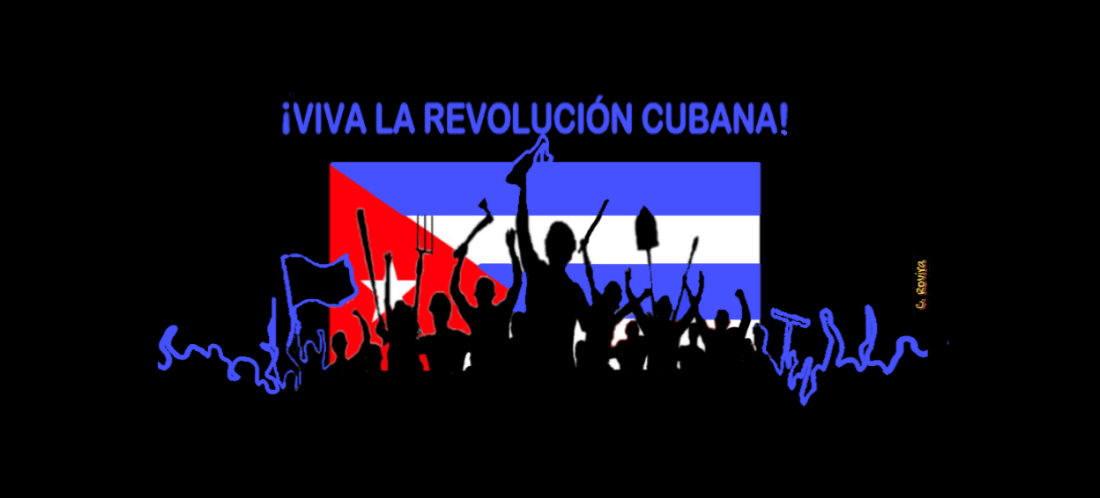
¡VIVA LA REVOLUCIÓN CUBANA!

Cuba’s Best New Year’s Eve Bash: The 1959 REVOLUTION!

Para la versión en español: https://carlitoboricua.blog/?p=7128&preview=true&_thumbnail_id=7129

By Carlos “Carlito” Rovira

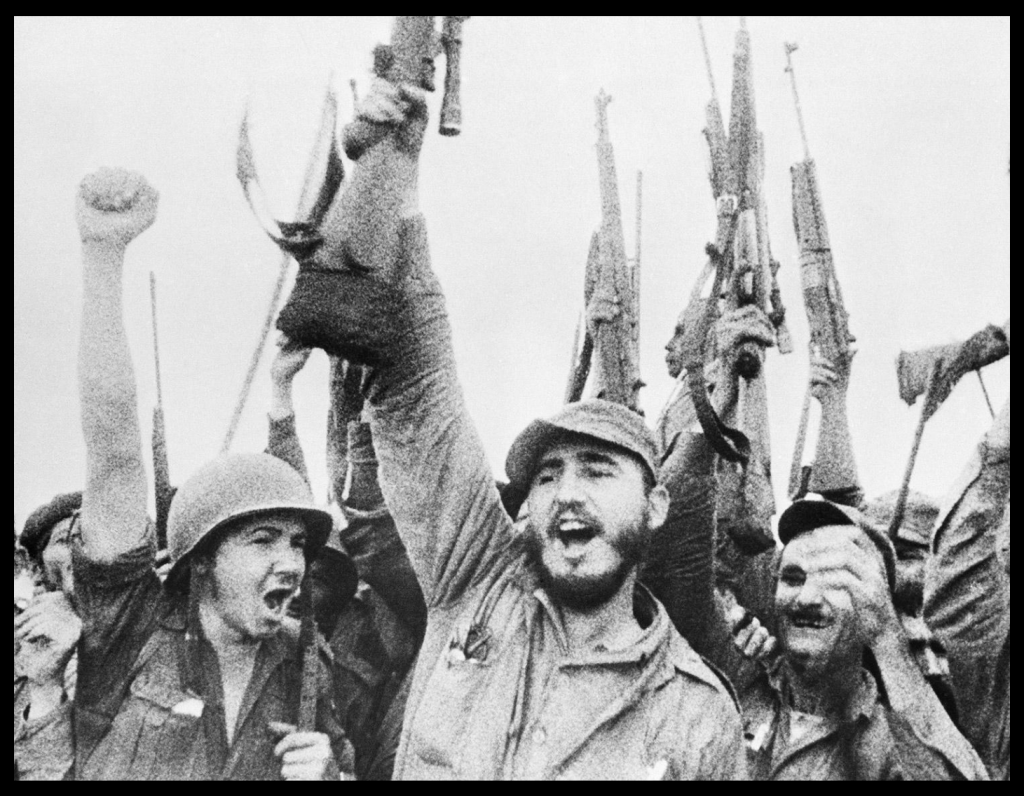
On New Year’s Eve, December 31, 1958, the revolutionary guerilla army of the July 26 Movement, under the leadership of Comandante Fidel Castro Ruz, entered the capital city of Havana, Cuba.  This was the final act in the overthrow of the notorious U.S.-sponsored Fulgencio Batista regime.

The closer the guerilla army approached the city on foot, horseback and vehicles, the more frantic the oppressors of the Cuban people became. Their world of lavishness with cocktails drinks on hand was abruptly disrupted.

Mafia gangsters, prostitution pimps, drug peddlers, casino club owners, CIA operatives and other imperialist agencies, military and police officials as well as top bureaucrats of Batista’s government, were all crowding Havana’s airport in a desperate rush to leave Cuba, in order to avoid capture by the guerillas.

This event marked the dawn of a new era in that country’s history while at the same time posing a threat to U.S. imperialism’s predatory intentions throughout the Western Hemisphere.

The Cuban Revolution had a tremendous impact on political circumstances in Latin America, the Caribbean and most especially in the United States, where a mass upsurge was erupting. In every sense, Cuba followed the examples of its neighbor, the glorious 1804 Haitian Revolution.

Comandantes Camilo Cienfuego (left), Fidel Castro Ruz and fellow combatants entering the City of Havana.

Ever since the revolution’s military victory, and despite the criminal economic blockade it continues to endure, Cuba has been fiercely outspoken about the bullying foreign policies of the United States that keeps the Haitian people in a downtrodden colonial existence.

After the seizure of power, Cuba has also been a consistent advocate for Puerto Rico’s right to independence. The Cuban revolutionary government has brought to light at the world stage the horrendous nature of U.S. colonialism in Puerto Rico.

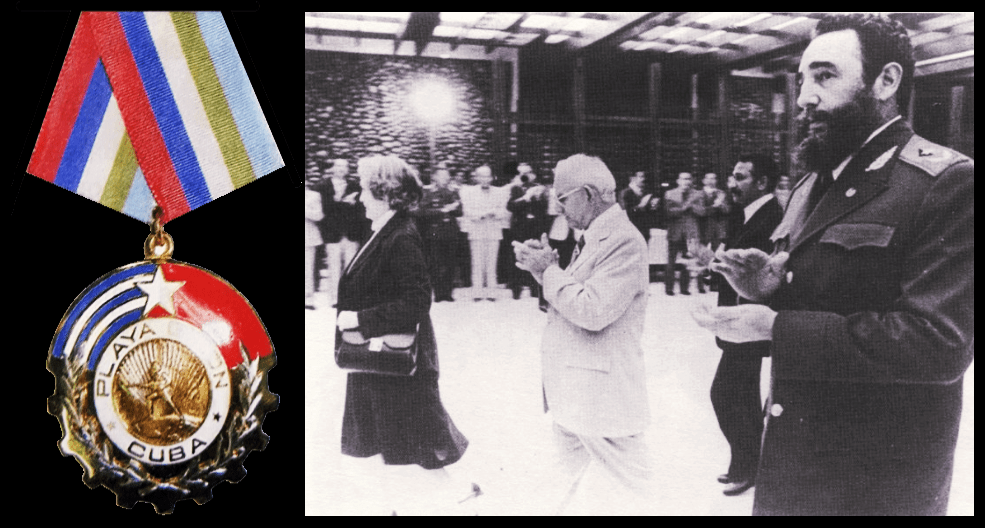
In 1980, Fidel Castro Ruz invited to Cuba the newly released Puerto Rican Nationalists political prisoners, Lolita Lebron, Rafael Cancel Miranda, Irvin Flores, Andres Figueroa Cordero, and Oscar Collazo. The Puerto Rican patriots came to Cuba to receive that country’s highest honor, the Medal of the Order of the Bay of Pigs.

Puerto Rican Nationalists being welcomed by Fidel Castro Ruz at a ceremony of honor, 1980.

Revolutionary Cuba provided political and logistical support to the Palestinian liberation struggle. And it sent thousands of Cuban troops to Africa in an effort to assist freedom fighters there in their quest.

Cuban President Fidel Castro Ruz welcoming Palestine’s Yasser Arafat.
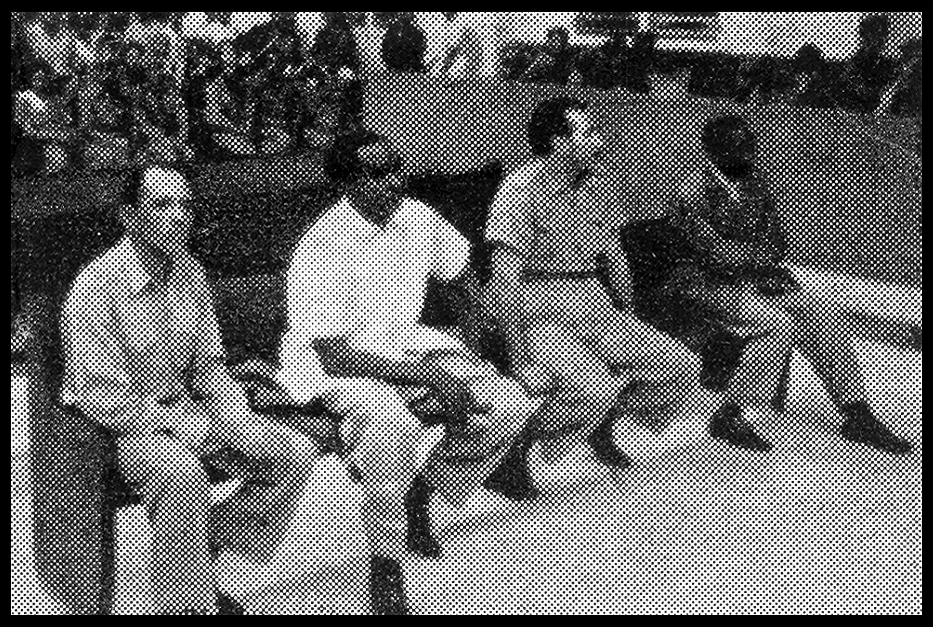
Cuban President Fidel Castro Ruz visiting Amica Cabral during the revolution in GuineaBissau.

The most notable example of Cuba’s solidarity with Africa’s freedom struggle is the Battle of Cuito Cuanavale. In a combined effort with the Angolan military the Cuban Army surrounded and smashed the racist apartheid South African Army. It was this event that caused the gradual demise of Apartheid rule in South Africa, thus facilitating favorable political circumstances which brought about the release from prison of Nelson Mandela.

South Africa’s Nelson Mandela and President Fidel Castro Ruz.

Of the most notable of Cuba’s acts of humanitarianism is its creation of the Latin American School of Medicine. Students from poor and oppressed communities from the United States and Third World countries, who otherwise could not financially afford it, are provided with a free education to become medical doctors, paid for by the Cuban government.

Comandante Fidel Castro Ruz addressing a crowd of tens of thousands.

And to demonstrate how serious the Cuban Revolution is about its convictions and sense of humanity, many people in poor countries have received medical attention for the first time thanks to Cuba’s well-known international medical program. In addition, Cuba has sent thousands of trained medical professionals to the poorest communities throughout the globe to heal and prevent deceases, even under the most dangerous circumstances.

Women in Cuba’s Revolutionary Armed Forces.

Cuba has also provided a safe haven to many political refugees sought by the agencies of imperialism, like Puerto Rican freedom fighter William Morales and Black Panther Party/Black Liberation Army (BLA) sister Assata Shakur. Cuba has also been a firm supporter for the release of political prisoners in the U.S., like Mumia Abu-Jamal.

Assata Shakur and William Morales were granted political asylum by the Cuban government.

Justice now had a new meaning, defined by the revolutionary aspirations of the oppressed. Uniformed villains of the Batista military and police who once tortured, murdered and raped the people were rounded up and brought to face criminal charges. Tribunals were held throughout the country for all to witness and participate in a completely new form of justice — People’s Justice — in which victims partook by providing testimony and in deciding the fate of overthrown government officials.

Batista government officials facing criminal charges at a Revolutionary Tribunal.

Thanks to the Cuban Revolution the people were no longer deprived of free healthcare, free education, and access to food. Such are the vital necessities denied to the working poor here in the United States.

It has been more than six decades since the military defeat of the U.S. puppet Batista government and the Cuban people remain firm on defending their right to self-determination. They have been exemplary in their resilience in the face of repeated U.S. attempts to undermine their sovereignty.

These attempts include terrorist actions on Cuba’s tourist industry, CIA subversive attempts to incite counterrevolutionary activities within the country, 600 known attempts on the life of the late Fidel Castro Ruz, and a criminal economic blockade that continues to this day.

Raul and Fidel Castro among others overwhelmed by the jubilant moment.

Despite these acts of aggression and Washington’s 65 years propaganda war aimed to demonize the revolution, no one can deny Cuba’s achievements in eradicating illiteracy, advancements in medical science, food production & agriculture, housing development and the infrastructure.

Cuba’s revolutionary leadership has prioritized the needs of the people and continues to make good on its pledge never to allow returning the country back to the domination of the United States. So, as we celebrate the coming of the new year, we should salute the Cuban people on their glorious anniversary. And may the year 2025 bring us a step closer to a world without exploitation, deprivation, oppression and racist violence.

LONG LIVE THE CUBAN REVOLUTION!

Cuba & Puerto Rico: Two Wings of the Same Bird

 By Carlos “Carlito” Rovira

Since the earliest human societies, people have used animal images to express their beliefs. Painting animals on pottery, garments and cave walls arose from ritual notions about the power of this imagery.

With the development of class society, animal symbols took on new meaning. Animal characteristics have been interpreted in folklore to explain the miserable reality of the poor or to justify social privileges for wealthy rulers.

Leading capitalists like J.P. Morgan, John D. Rockefeller and Andrew Carnegie promoted Herbert Spencer’s “social Darwinism” during the rise of imperialism. This “theory” described the exploited and oppressed as “weaker species”, etc. Moreover, the predatory bald eagle was chosen to glorify a government that sanctioned genocide and African chattel slavery.

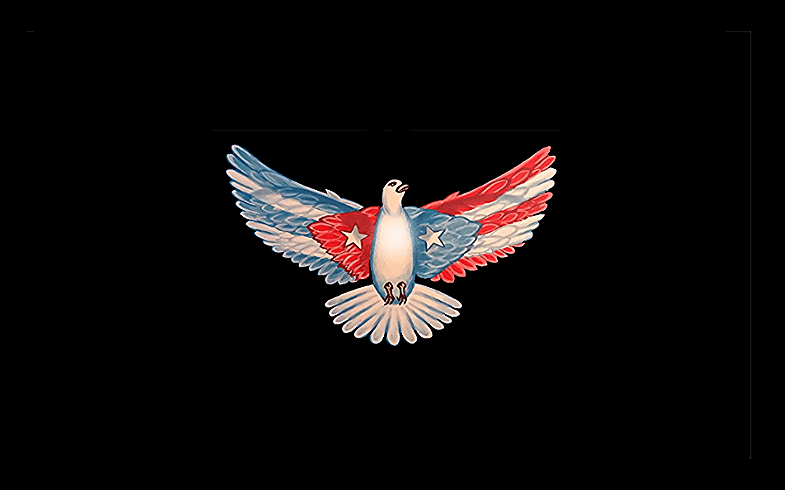
On the other hand, the oppressed have also used symbols, in this case to express their resistance. One famous example is the “Two Wings of the Same Bird” concept. This metaphor was created by the legendary Puerto Rican revolutionary literary and poet Lola Rodríguez De Tió. It was later on used in musical rendition by Cuban poet and revolutionary leader Jose Marti. It describes the historic relationship of solidarity between Cuba and Puerto Rico.

Since some of the most beautiful birds in the world inhabit the Caribbean, it was easy for Lola Rodriguez De Tio to use this life form as poetic symbolism in revolutionary politics. The “bird” she described is made up of the island countries of the Greater Antilles — the Dominican Republic, Haiti, and Jamaica, with Cuba and Puerto Rico on opposite ends of the region, functioning as wings.

The concept of a Caribbean federation of nations originated from the Haitian Revolution. For most of the 1800’s Haiti was the beacon of revolution in the Western Hemisphere, like what the Soviet Union symbolized during the early part of the Twentieth Century.

Ramon Emeterio Betances, who was of African descent himself, was the principal leader of the 1868 El Grito De Lares uprising in Puerto Rico. He had a deep respect for the ideals of the Haitian Revolution, an event that had tremendous influence on him.

Based on commonalities of political perspective, Betances and Lola Rodriguez De Tio became trusted comrades to one another. Along with her own direct familiarity with the Cuban struggle is likely what motivated her poetic expression “Two Wings of the Same Bird”.

Both Lola Rodriguez De Tio and Jose Marti were internationalists and expressed revolutionary traditions in poetic form. De Tio and Marti identified with all anti-colonial struggles in addition to having a special affection for the liberation struggles of each other’s country, which shared a common suffering under Spanish tyranny.

In the early 1860s revolutionaries from both countries secretly met in a hotel on Broome Street in New York City to form the Society for the Independence of Cuba & Puerto Rico.

Members of this group helped facilitate the 1868 “El Grito De Lares” uprising. Under the leadership of Ramon Emeterio Betances, African slaves, workers and peasants all did their part to build the efforts for this battle. When their attempt for independence failed, about 2000 Puerto Rican rebels went to Cuba to continue the fight against Spanish colonialism. Among the Puerto Ricans to join this venture was Juan Rius Rivera, who became a commander in the Cuban rebel army.

Caribbean People Fight for Cuban & Puerto Rican Freedom

Haitians, Dominicans, Jamaicans and Puerto Ricans were among the insurgents who fought in El Grito De Lares and Cuba’s El Grito De Yara, both in 1868. This inspired Jose Marti to preserve the use of the “two wings” metaphor.

Marti recognized the threat a rising U.S. imperialist power would pose to the Caribbean peoples. His wish for a united Caribbean federation was based on a calculated necessity. Familiar with the atrocities the U.S. rulers committed against the oppressed at home, Marti knew he could expect no better treatment from the United States than from Spain.

In 1895 Cuban revolutionaries launched a war for independence. They were gaining the upper hand in the war against Spain. But in 1898 their efforts were interrupted when the United States invaded Cuba, Guam, the Philippines and Puerto Rico.

One year prior to the U.S. invasion, on March 24, 1897, Puerto Ricans attempted once again to use force in their quest for freedom at the uprising known as “Intentona de Yauco. It was the last attempt to wage a struggle for independence from Spanish colonialism”.

Jose Marti died in 1895. He never saw come true his wish for a free Cuba in a Caribbean federation. But thanks to the 1959 Cuban Revolution, his ideals remained alive to this day. Although Puerto Rico and Cuba live under opposite circumstances there is still solidarity between the peoples of the “two wings.”

Cuba’s revolutionary government has officially recognized Puerto Rico’s independence struggle. Cuba has established an “Office of Puerto Rico” serving as an official embassy.

Cuba has also given political asylum to Puerto Rican anti-colonial fighters sought by the U.S. government. At the United Nations, Cuba has fought for world recognition and support of Puerto Rico’s historical struggle for independence and self-determination.

Many Puerto Ricans return this solidarity by continuing to break the criminal U.S. blockade against Cuba, traveling there from Puerto Rico itself. For decades these anti-colonialists travel back and forth to Cuba.

The oppressed peoples’ drive to unite and maintain such traditions in their common struggle is a vital weapon to end U.S. imperialism’s rule. No country in the world has remained committed and firm in their solidarity to Puerto Rico’s struggle for national liberation than Cuba.

LONG LIVE THE TWO WINGS OF THE SAME BIRD!