Tribute to the Legacy of a Revolutionary: Amilcar Cabral

En español: https://carlitoboricua.blog/?p=10847&preview=true

______________________________________________

“One of the most serious errors, if not the most serious error, committed by colonial powers in Africa, may have been to ignore or underestimate the cultural strength of African peoples.” -Amilcar Cabral

______________________________________________

By Carlos “Carlito” Rovira

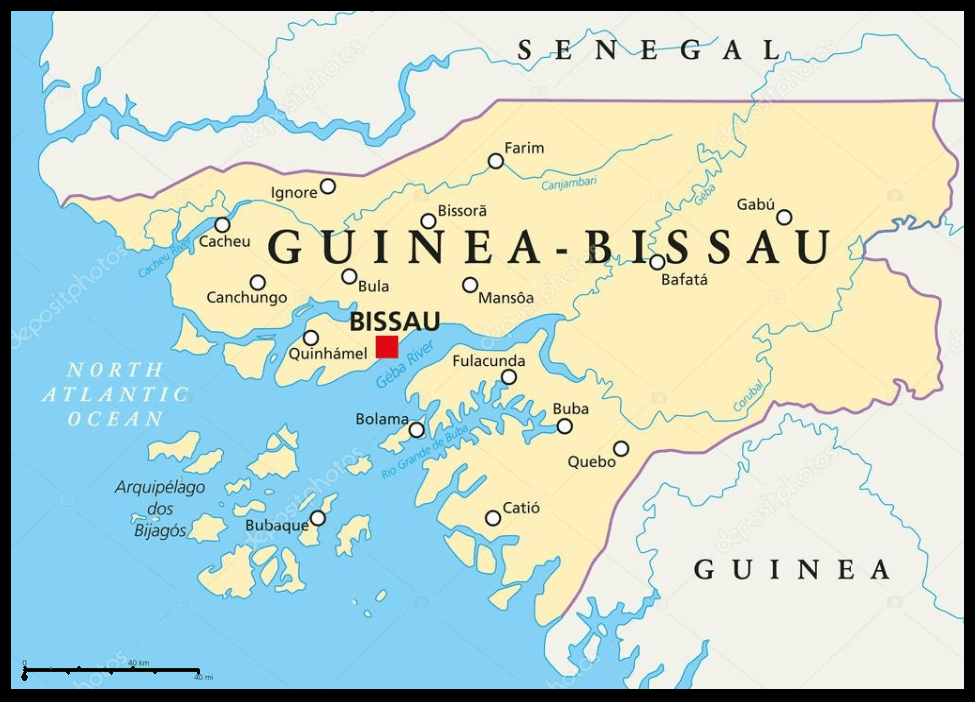
On the 100th anniversary of Amilcar Cabral’s birth, we salute this most exemplary revolutionary figure. Born on September 12, 1924, in Bafata, Guinea (Portuguese colony), Cabral grew up possessing the freedom of Africa at heart. He was a devoted Pan-Africanist, poet, agricultural engineer, organizer, intellectual, and Socialist theoretician.

Cabral was instrumental in organizing the PAIGC guerilla movement – the African Party for the Independence of Guinea-Bissau and Cape Verde, (in Portuguese) Partido Africano para a Independência da Guiné e Cabo Verde. This entity aimed to overthrow Portuguese colonialism by any means necessary.

COLONIALISM IS A CRIME AGAINST HUMANITY

For more than five centuries white European rulers became accustomed to enriching themselves by robbing Africa’s natural resources such as gold, silver, copper, diamonds, oil, agricultural products and more. They divided the continent among themselves without the consent or regard for the wishes of African people who were abused by enslavement, torture, rape, and death.

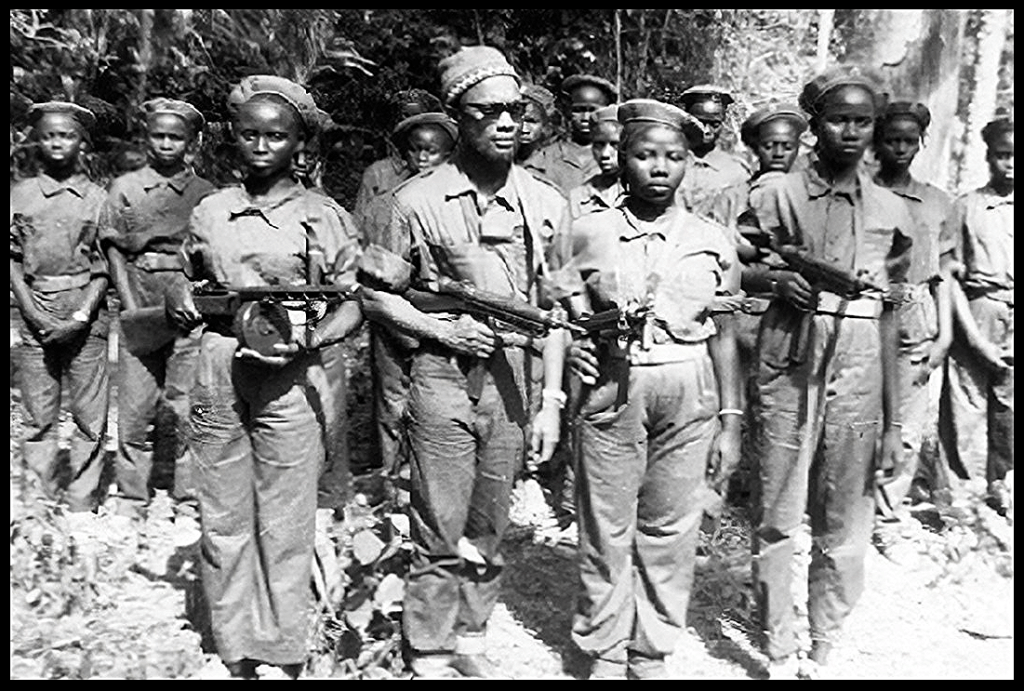
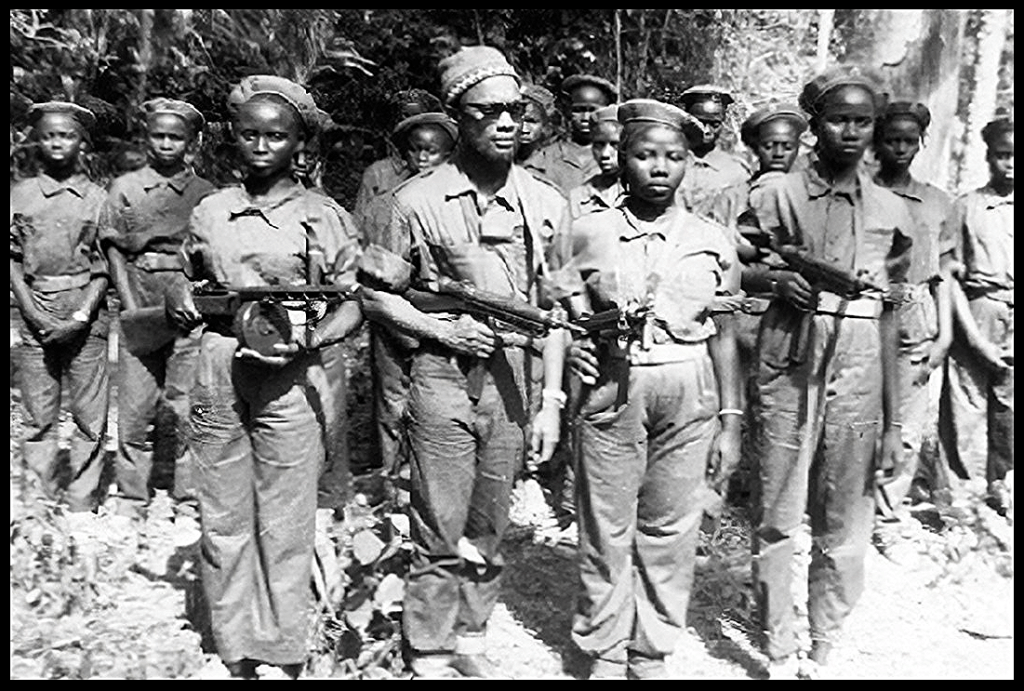
Amilcar Cabral (center) with his comrades from the PAIGC guerilla movement.

The permanent state of turmoil that Africa continues to experience is attributed to the subversive nature of imperialist states, operating as instigators in order to divide and conquer. Africa’s abundant natural resources make it the riches territorial region on Earth. Yet, the native population is the poorest in the world, with the constant threat of famine.

It is no wonder why the intelligence agencies of imperialism like the CIA are routinely on guard and ready to unleash its military forces of USAFRICOM and NATO against Africa’s liberation movements.

While studying at the Superior Institute of Agriculture (In Portuguese: Instituto Superior de Agronomia), in Lisbon, Portugal Amilcar Cabral met fellow students affiliated with nationalist movements in Algeria, Benin, Gabon, Ghana, Ivory Coast, Kenya, Mozambique, Namibia, Congo, Angola, and South Africa.

Cabral’s vision of an emancipated Africa motivated him to establish relations with nationalist movements everywhere on the continent. It was Cabral’s revolutionary world outlook that motivated him to join Angolese Pan-Africanist comrades to create the MPLA (People’s Movement for the Liberation of Angola).

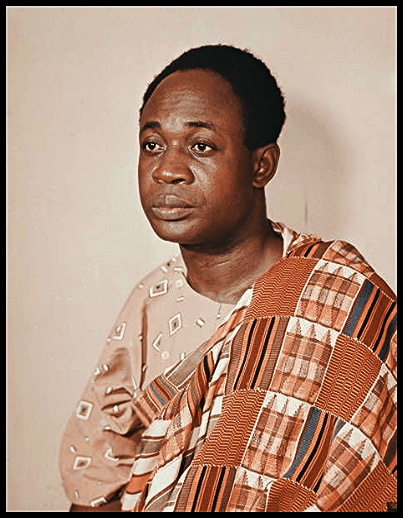
No one can ever question the internationalist solidarity practiced among various African nationalist movements themselves. At the risk of reprisals from Portugal and other imperialist powers, Kwame Nkrumah who served as Prime Minister of the Gold Coast from 1952 to 1957, and then as Prime Minister and President of Ghana from 1957 until 1966, allowed PAIGC guerillas to establish a base of operations within that country’s territory.

The legendary Kwame Nkrumah
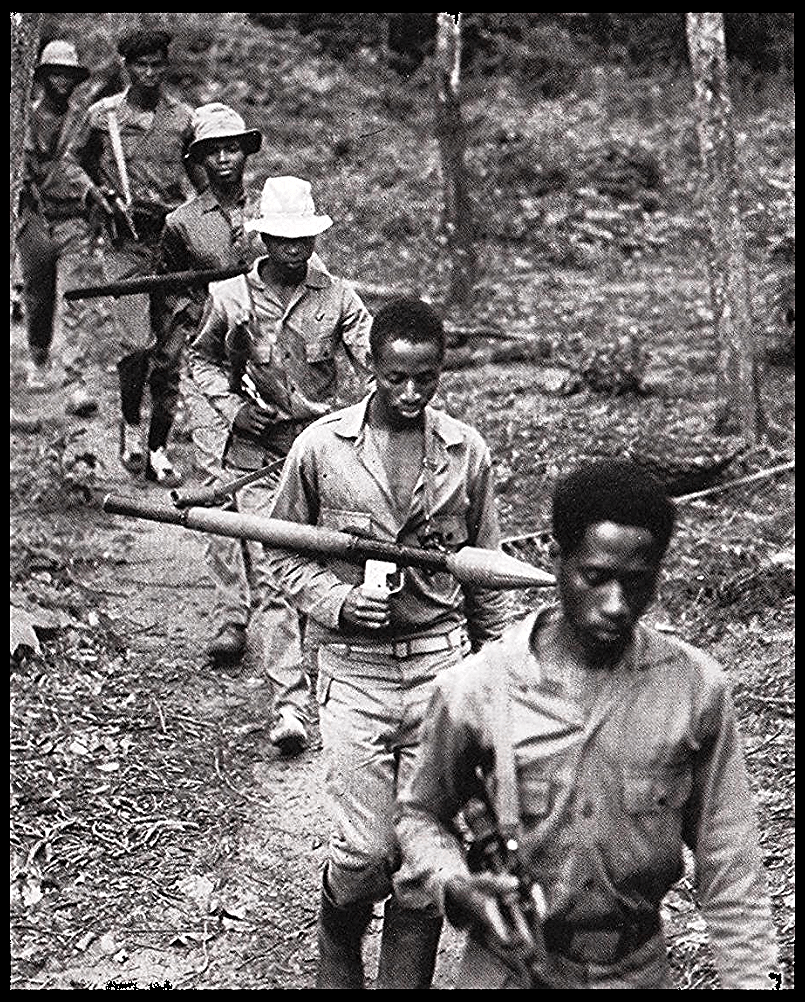
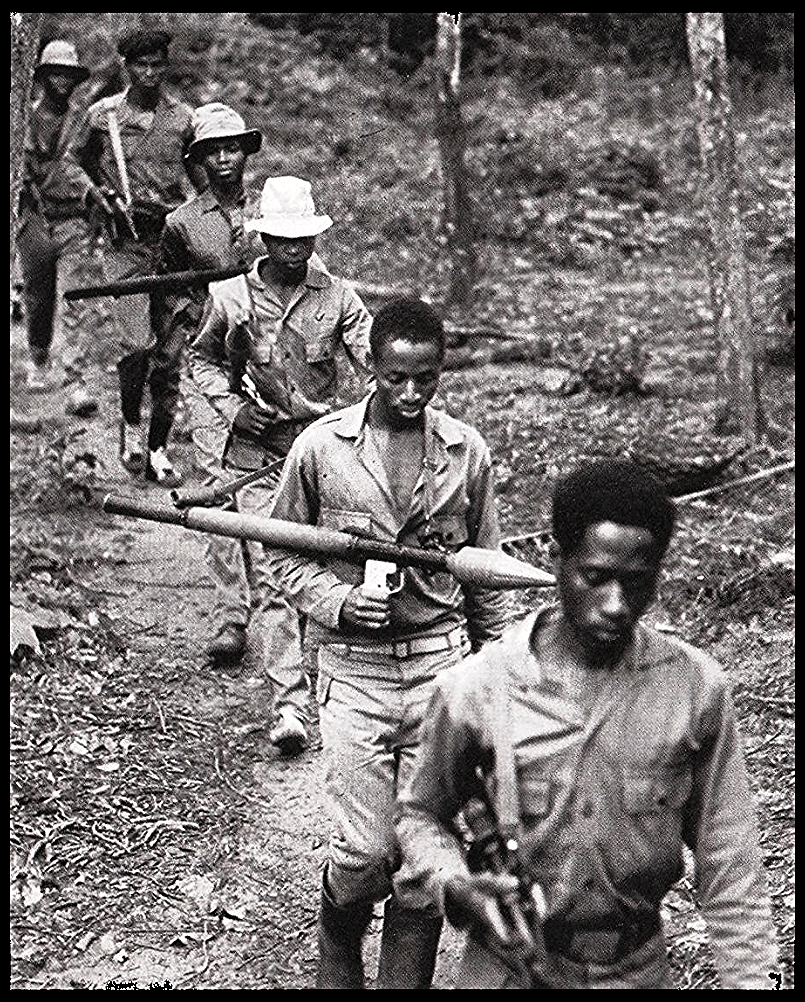
PAIGC guerillas conducting patrols.

SOCIALISM STANDS WITH NATIONAL LIBERATION

As a result of Amilcar Cabral’s relationship with the Soviet Union, People’s Republic of China, Democratic People’s Republic of Korea, Republic of Cuba and other countries in the Socialist Bloc the PAIGC movement benefitted politically and militarily.

Cabral lived during a period in history when African nationalist movements rose up like a volcanic eruption everywhere in the globe. European colonialism met its match with the rise of Pan-Africanism anxious to pick up arms and Socialist states willing to provide them. 

Member countries of the Socialist Bloc provided training with sophisticated weapons, such as anti-aircraft rocket launchers which diminished the Portuguese Airforce ability to dominate the skies over Guinea-Bissau & Cape Verde. 

In the Soviet Union alone there were secret encampments where thousands of PAIGC guerillas received training from Soviet Army Special Forces. Thanks to the solidarity received from Cuba and the Soviet Union PAIGC guerillas were able to inflict many casualties on the colonizing Portugues Army.

AMICAR CABRAL & THE CUBAN REVOLUTION

Amilcar Cabral developed a special respect for the Cuban Revolution, especially after meeting with Fidel Castro Ruz and Ernesto Che Guevara on two separate visits they made to Africa. From Cabral’s standpoint, Cuba became the blueprint for the national liberation struggle in Cape Verde and Guinea-Bissau.

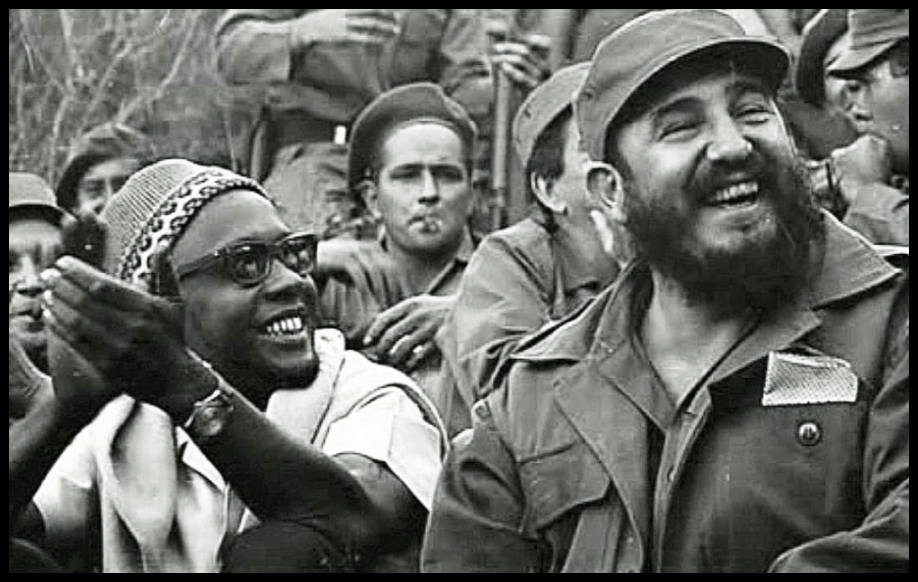
Amilcar Cabral and Fidel Castro Ruz enjoying a moment at a guerilla encampment.

That admiration went further when Amilcar Cabral visited Havana, Cuba to attend the 1966 Tri-Continental Conference. Delegates from 82 countries where revolutionary upheaval occurred were present. These nations included Vietnam, Palestine, South Africa, Haiti, Ireland, Chile and Puerto Rico. 

Cuba expressed its solidarity by providing Guinea-Bissau’s guerilla army medicine, weapons, ammunition, and technical advisors. After 1965, Cuba also committed to provide thousands of combat troops.

It was Cabral’s relationship with Cuba that helped him understand why a complete break with imperialism’s capitalist economic mode was necessary if independence in Cape Verde and Guinea were to be attained. These sentiments fueled his determination to strive for Socialism in both countries.

Amilcar Cabral preparing his weapons.

And as a result of military gains made by the PAIGC guerillas, Portugal’s despised fascist government was weakened and ultimately overthrown during the Carnation Revolution of April 25, 1974. That event proved how the struggles in the colonies can impact the internal political situations of colonizing countries especially if they are plagued with overwhelming internal contradictions.

Cabral’s dream of an independent Guinea-Bassau and Cape Verde appeared eminently certain. But on January 20, 1973, a former PAIGC rival named Inocêncio Kani believed to be a paid operative for Portuguese intelligence, shot and killed the beloved leader. The assassination was indeed a loss for the movement, but the tragedy did not prevent Portugal’s defeat in this Northwestern region of Africa.

Inocêncio Kani and his accomplices attempted to flee on a sea vessel after assassinating Cabral. However, guerilla fighters loyal to the fallen leader gave chase, and with the help of a Soviet Navy destroyer Inocêncio Kani and his fellow traitors were captured and brought to justice.

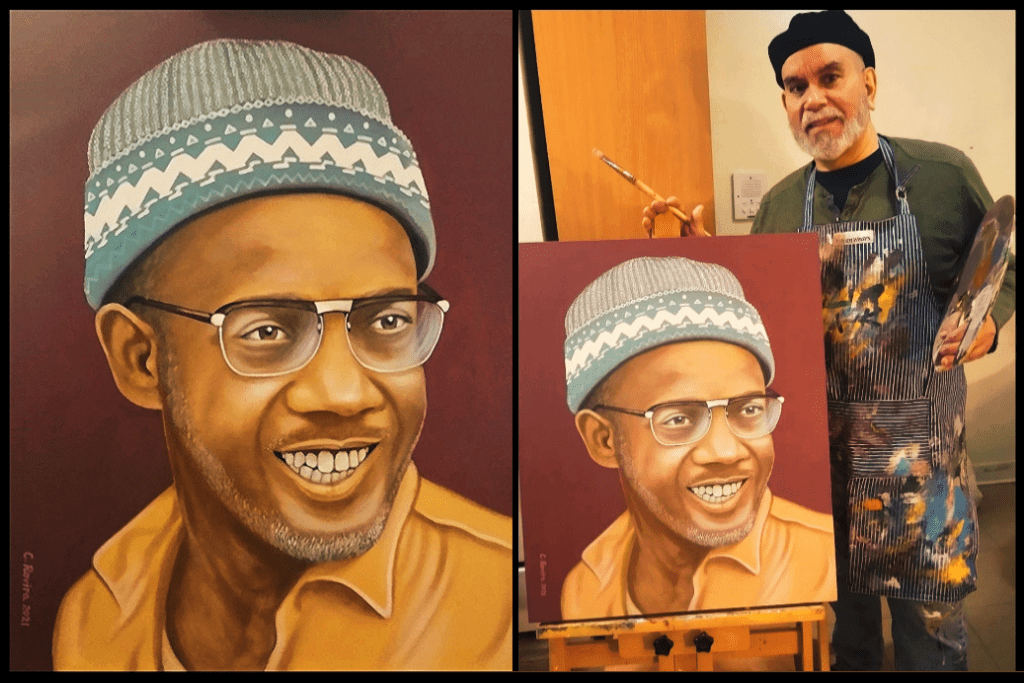
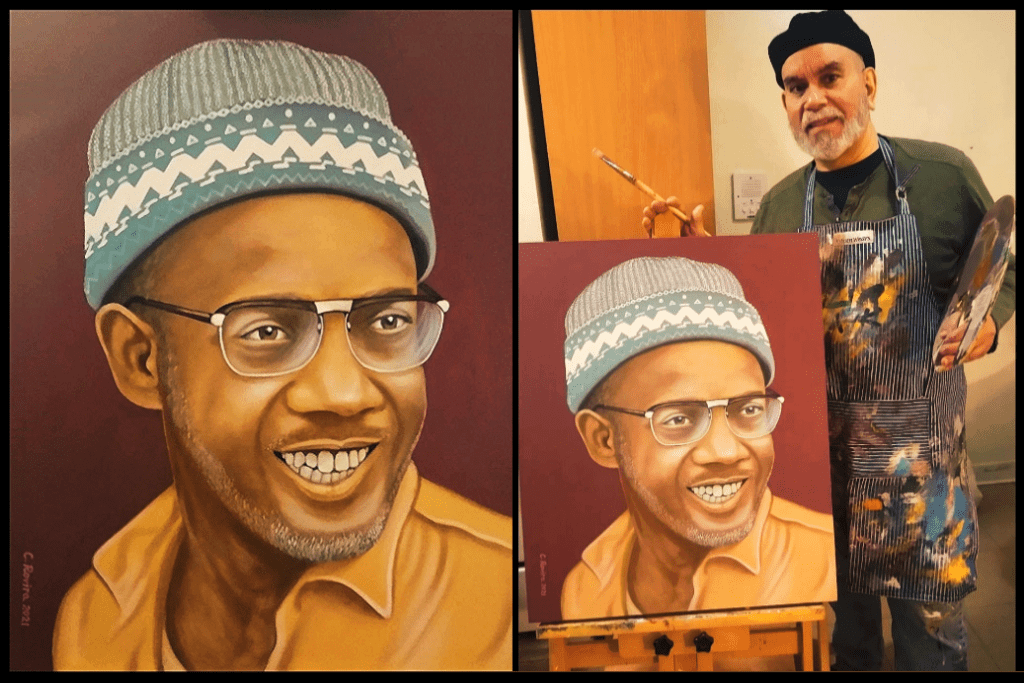
My artist tribute to Amilcar Cabral. 24″ X 30″, acrylic paint on canvas. Painted in 2019.

Thanks to the people’s movement built with Amilcar Cabral’s leadership, Cape Verde and Guinea-Bissau won their independence despite his assassination. He will be remembered as one of Africa’s legendary revolutionary leaders in the iconic class of Thomas Sankara, Patrice Lumumba, Steve Biko, Chris Hani, Nelson Mandela, Kwame Nkrumah, and many others.

Amilcar Cabral was a revolutionary nationalist because he loved his people. He was also a devoted Socialist because he wanted what he viewed as indisputably the best for Africa and all oppressed people.

LONG LIVE THE LEGACY OF AMILCAR CABRAL!
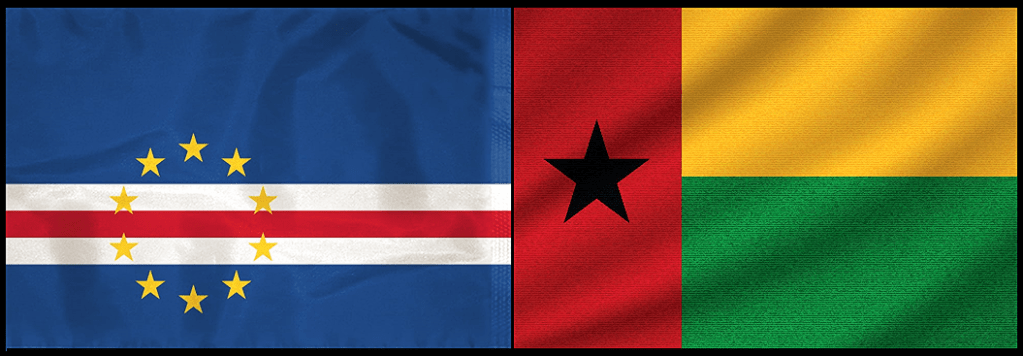
National flags of Cape Verde and Guinea-Bissau.

Tribute to My Mother, Rosa Maria Barretto-Rovira

Tribute to my mother, Rosa Maria Barretto-Rovira

December 11, 1931 – February 20, 2008

By Carlos “Carlito” Rovira

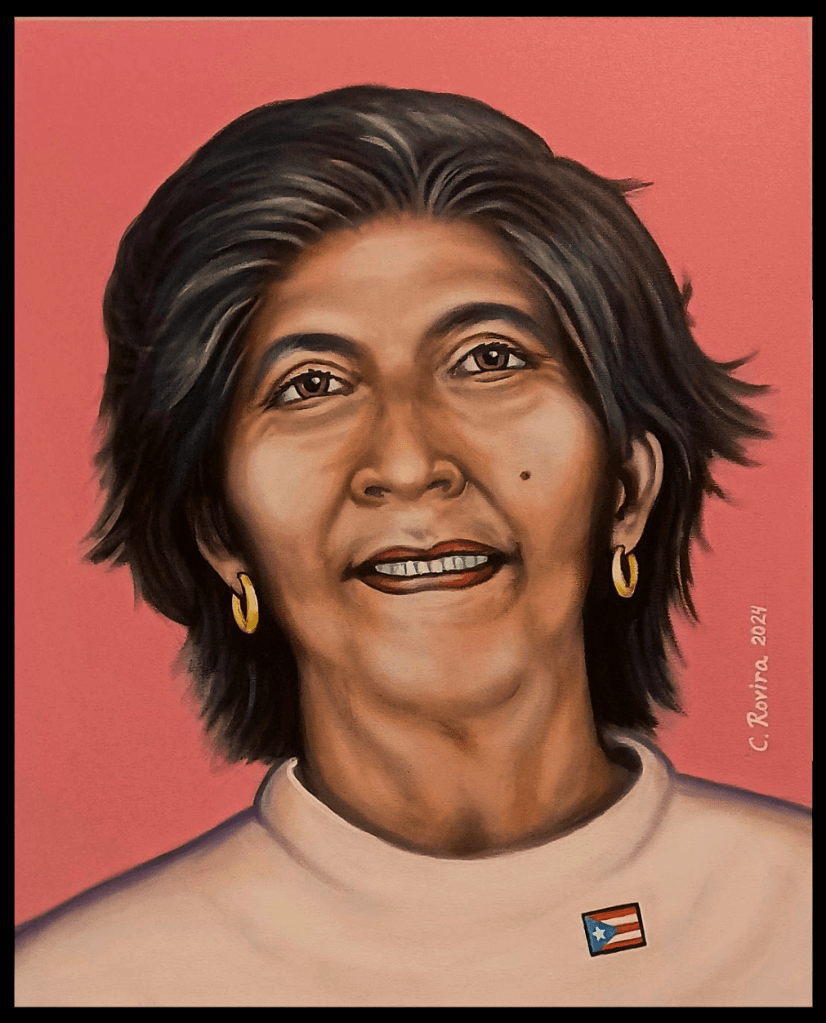
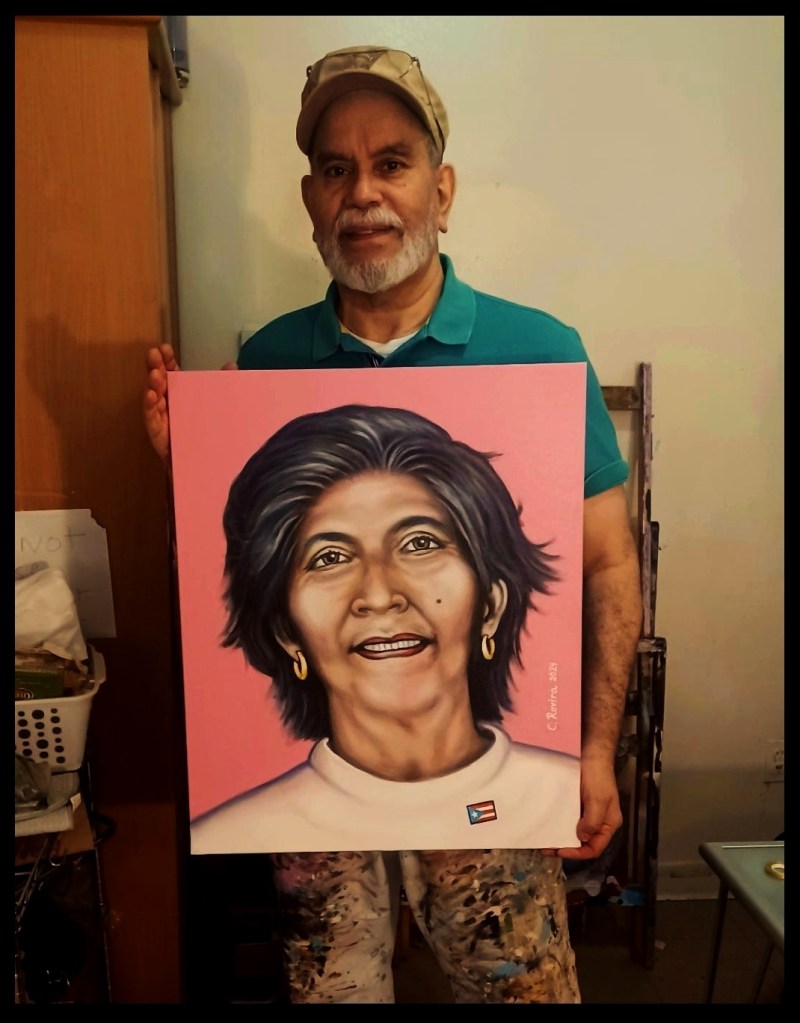
I have enjoyed painting the portraits of revolutionary figures for several decades, as well as images of loved-ones family members commission me to paint. But in 2024, when I decided to paint a 24” X 30” acrylic canvas portrait of my mother, Rosa Maria Barretto-Rovira, it was a completely different experience for me as a visual artist. Painting my mother’s portrait was not easy, it was emotionally challenging.

A 20″ X 24″ acrylic on canvas portrait I painted of my mother.

My mother was a proud Boricua woman who was never mistaken about our identity as Puerto Ricans. Nor was she ever confused about what was the correct side to be on in the anti-colonial struggle.

In 1949, my mother was compelled to leave Puerto Rico in search of a better life. She was among the 63,000 people per year forced to migrate due to economic hardships created by U.S. colonial policy. This exodus took place between the end of World War II and the 1960’s.

Doña Rosa, as what many community folks called her, worked as a stitcher in NYC’s Garment District. She was a member of the International Ladies Garment Workers Union (ILGWU). When having chats with her friends she would brag about work stoppages she partook.

Painting my mother’s portrait was the most emotionally challenging project I ever did.

I remember when at just 8 years old hearing my mother tell one of my schoolteachers: “We want our independence.” She referred to Puerto Rico. Eventually, that conversation had a profound impact on me.

At the height of the repressive McCarthy Era and the 1948 Puerto Rico Law 53, also known as the Gag Law, my mother, my father, Carlos M. Rovira, Sr., and aunt, Anjelica Rovira-Nieves, were members of a New York City-based secret committee of the banned Nationalist Party.

This committee served as a rear guard to support the Party politically and financially. It functioned under the leadership of Don Julio Pinto Gandia, a confidant of the Nationalist leader, Dr. Pedro Albizu Campos.

My parents were superintendents of a tenement building on Broom Street in the Lower East Side, NYC where quite often they held fundraising events in the basement. The money raised was used to provide whatever necessary to benefit the efforts of the Nationalist Party.

This well-hidden story was not revealed to me until I became an adult decades later, by elders who were also members of this secret committee.

It is no wonder why Doña Rosa wholeheartedly supported the Young Lords and my decision to join them at just 14 years of age. In 1969 during the Young Lords takeover of the First Spanish Methodist Church in El Barrio (East Harlem), she was among supporters who mobilized to provide us with food and other necessities during the occupation.

Today, I’m proud knowing who my mother was. I shall always cherish the contributions she made to my personal development, as well as for having stood by me during the years I unfortunately served six years in prison for committing a regrettable stupidity. Doña Rosa was a mother in the truest sense of the word.

From the time I was a young child she taught me never to allow myself being bullied by anyone and to strike back hard with full force whenever someone laid their hands on me. If my mother were to hear the opposite as what she instructed I was punished, with the belt or her flip-flop slippers (chancletas). My siblings and I grew up in a supposed “rough neighborhood”, NYC’s Alphabet City during the 1960s, Doña Rosa did not want her children becoming pushovers or “chumps” for bullies to treat as easy prey.

Her sacrifices as a mother, under the difficult circumstances of poverty and cultural shock are unforgettable. Her life was not easy due to harsh experiences in Puerto Rico’s colonial reality and the racism she encountered in the U.S. as an immigrant woman of color who spoke very little English.

My dear mother’s examples of character and conviction are reasons why I vowed to always pay homage to her by continuing to raise the banner of Puerto Rican national liberation. If there is such a thing as “life after death,” I want her to know that I will always love her very much.

Rosa Maria Barretto-Rovira – PRESENTE!
Cleo Silvers: Who Doctor Mutulu Shakur was to me

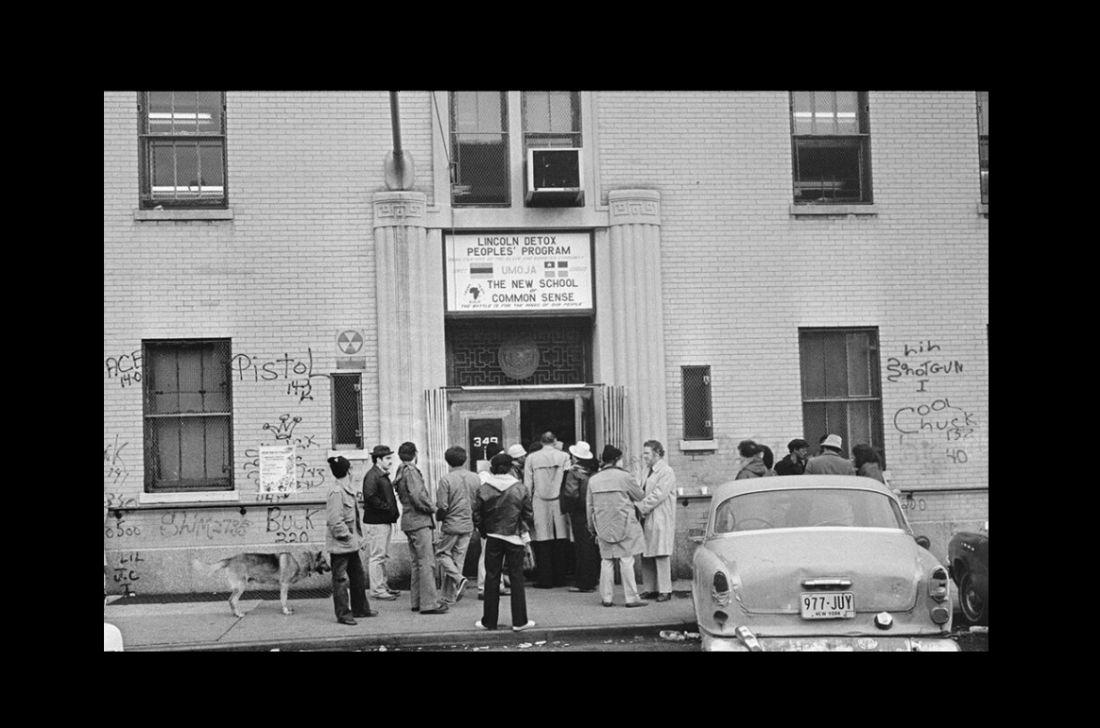
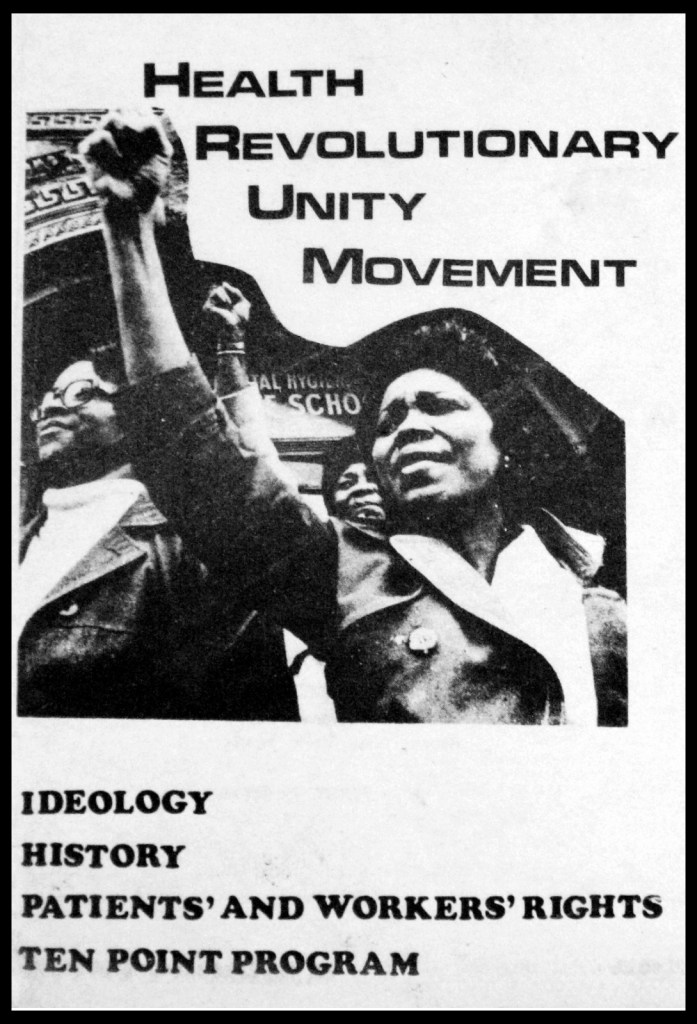
Below is an account written by Sister Cleo Silvers on having the honor of working with Dr. Mutulu Shakur. Cleo is a long-time healthcare activist. As a member of the Black Panther Party and later the Young Lords she organized and fought for the human right to adequate healthcare. She is a founder of the Health Revolutionary Unity Movement (HRUM) and played a leading role in the 1970 YLP takeover of Lincoln Hospital, in the South Bronx, NYC.

Carlito Rovira

—————————————————–

Who Doctor Mutulu Shakur was to me

By Cleo Deborah Silvers

Doctor Mutulu Shakur is one of the most iconic and remarkable men We have had the honor of sharing space with on this Earth.

I say this because few human beings have walked the Earth who’ve made as significant a contribution to history, healthcare, and society in general as Dr. Shakur has. 

Doctor Shakur was an intelligent young revolutionary brother when we met in December of 1970.  It was soon after we (The Think Lincoln Committee, Health Revolutionary Unity Movement (HRUM), The Young Lords, the Black Panthers, and the Community Coalition against Drug Addiction) had occupied the sixth floor of the Lincoln Hospital Nurse’s Residence.  We demanded and set up a drug detox program with the support of the medical staff. 

The positive, overwhelming response from the community demonstrated the need for a drug-free detoxification program–a program that did not use Methadone (another opiate with properties similar to heroin) in the South Bronx and in Harlem, New York.  When we met, he was only nineteen years old and already a critical organizer and leader in the Republic of New Africa.

Dr. Mutulu Shakur fought vigorously in the interest of the Black Community throughout his life.  His commitment and effective organizing, especially in health care for poor Black and other communities of color, raised his profile and attracted the attention of the FBI counterintelligence program and local police and District Attorneys.  They targeted Dr. Mutulu Shakur and framed him for crimes he did not commit.  His conviction was part of a massive, sustained attack (1960s-1980s) on the U.S. revolutionary left, especially those rooted in the Black, Latino, and Native American working-class communities.

Dr. Mutulu Shakur was introduced to me by his older adopted brother, Zayd Shakur, a brilliant and respected leader in the Harlem Branch of the Black Panther Party.  As a member of the Black Panther Party and a healthcare activist, I was mentored by Zayd Shakur and worked under his leadership in the BPP medical collective.

Cleo Silvers (left) at a Young Lords rally outside Lincoln Hospital.

As Director of the newly established Lincoln Detox program and strategist, as well as program planner and medical and methodology collaborator along with Dr. Steve Levin, Medical Director, I was being pulled in many directions, working almost twenty-four hours a day. 

Zayd and the party’s leadership agreed that I was swamped, and Dr. Shakur could take over some of my responsibilities.  I met Mutulu and, at the suggestion of his brother, interviewed him and immediately hired him to take over my position as Director of Lincoln Detox.

In the process of transferring the methodology and details of the Program to Mutulu, we automatically became fast friends.  I should include one important note here;  Mutulu and I, although we loved each other we, had widely different ideological positions and were known to struggle vigorously for our differing points of view.  Mutulu was a Black Nationalist and I was a Marxist.  Almost every time we saw each other, there were warm hugs and sharp ideological struggle.

With Mutulu, because of his brilliance and tenacity.  As Director of the Program, I had no worries about the strength or sustainability of Lincoln Detox.  Dr. Shakur more than exceeded my expectations.  Dr. Shakur worked with the patients; he administered the Program; he went downtown and fought for the continuation of funding.  He built an extraordinary collective of patients, workers, activists, community members, hospital workers, and doctors.  They continued to ensure that political education was a part of each heroin addict’s healing and recovery.

During this period, the Black Panther Party was going through an intense internal power struggle (exacerbated by FBI Counterintelligence Program interventions aimed to weaken and destroy the Black Panther Party). 

Concerned that the factional situation could undermine the Lincoln Hospital work, Zayd, Rasheed, and Lumumba took me to the Young Lords Party, which had a powerful position in Lincoln Hospital, so I could continue effectively organizing hospital workers and building the Health Revolutionary Unity Movement (HRUM), patterned on the League of Revolutionary Black Workers (LRBW).  I continued to work there until James Forman invited me to join the LRBW in Detroit.

Dr. Shakur was always looking for ways to enhance the work of detoxing addicts without using drugs.  He wanted to ensure a well-thought-out, comprehensive new methodology for healing our people. 

One day, after reading an article in the newspaper about the use of acupuncture as a medical cure for several illnesses and the thousand-year History of the use of this practice,  Mutulu was intrigued and rallied his collective to check it out.  Dr. Shakur and several collective members headed down to Chinatown. 

They did some research and spoke to everyone who might be able to point them in the correct direction to acquire what they needed to understand the elements of acupuncture.  They were able to speak with some Chinese experts and some acupuncturists there.  The collective and Mutulu came back to the Bronx with a full acupuncture body chart, better known as an acupuncture map, several sets of acupuncture needles, and other equipment.

They began reading as much as possible about the use of acupuncture in Eastern countries that had been using this healthcare method for millennia.  This is when the team started practicing on oranges.  (Dr. Shakur reminded me just a few weeks before he passed: “No, Cleo, we started practicing on onions first and then oranges to develop our skills using the acupuncture needles.”) 

They began using the acupuncture pressure points on the detox patients as they learned, and it was very successful.  Mutulu was elated!  I don’t know all the details because I had been assigned to go to Detroit and begin my work organizing on the line in an auto plant (Dodge Truck, the Dodge Revolutionary Union Movement (DRUM)).

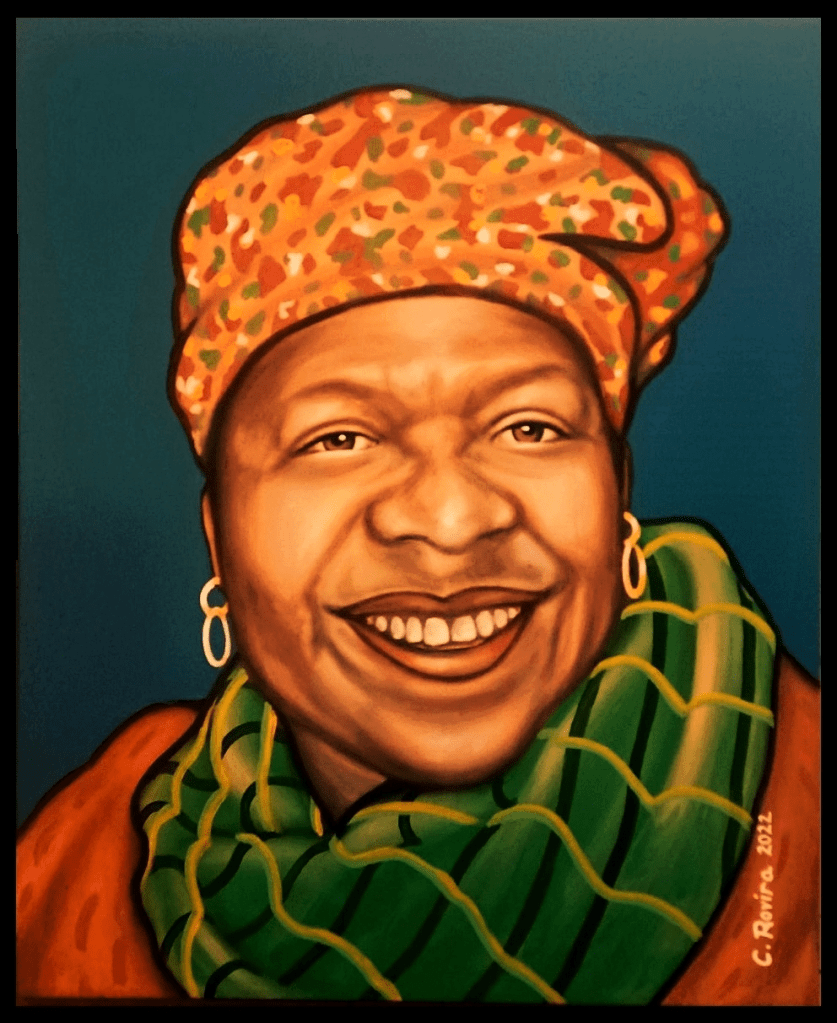
Portrait by Carlito Rovira. 24″ X 30″, acrylic paint on canvas.

As Mutulu told the story, he and some of his colleagues were contacted and invited to go to China and then Canada to study acupuncture.  I do know that the always astute brother, Mutulu Shakur returned from the Canadian Institute for the Study of Acupuncture with a certification to practice and a doctorate he had earned in the teaching and practice of acupuncture. 

But this is just the beginning of Mutulu’s story of his incredible fighting spirit and contribution to healthcare, drug rehabilitation, and to the struggle for the legalization and use of acupuncture in the United States, not to speak of his ongoing work in the fight for justice and equality for Black people and people of color as well as his role and participation of leadership in the Provisional Government of the Republic of New Africa.

The most brilliant contribution from Dr. Mutulu Shakur, though, is his influential role in the development and design of the five-point auricle acupuncture protocol for drug detoxification and several trauma-induced conditions.

This protocol was used and demonstrated around the world by the last Medical Director of Lincoln Detox Dr. Mike Smith, as though he had developed this groundbreaking method of helping detox heroin addicts, but in fact, it was Dr. Mutulu Shakur and his collective who developed the five-point protocol for drug detoxification and any income received for the training, use or demonstration of this acupuncture protocol should have always gone to the estate and family of Dr. Mutulu Shakur and/or his colleagues.

Before his passing, Mutulu and I were discussing plans to help recover some of this income from the Mike Smith estate, and I plan to move forward on this struggle because it is only proper, and that Mutulu assured me that he wanted to engage in this struggle no matter the outcome.

Mutulu was the central figure in the creation of the Black Acupuncture Advisory Association of North America (BAANA) and the Harlem Institute of Acupuncture.

Cleo Silvers and Dr. Mutulu Shakur.

After Mutulu was incarcerated, once I returned to New York from Detroit and Los Angeles, I began to work in the Committee to Free Mutulu, led by his late uncle and my friend Churney.  Although we fought for his freedom, Dr. Mutulu Shakur languished in prison for some thirty more years and wrestled with a life-threatening illness until he was freed in December 2022 (just six months ago) to come home to his remarkable family and fight his debilitating cancer.

Mutulu was a heroic family man, including the time he was married to my other celebrated friend, Afeni Shakur.  He was a brilliant star of the revolution, a continuous fighter for justice and equality for his people.  He was also a critical mentor to the youth throughout time, including to his stepson Tupac Shakur. He is still a healer and a person who was before his time in ideas and practice.

Dr. Mutulu Shakur was and is my mentor, mentee, co-strategist, healer, student, and teacher, but most of all, Dr. Mutulu Shakur was and is my iconic, beloved friend and comrade.

Dr. Mutulu Shakur – PRESENTE!

CLEO SILVERS: A Black Panther & Young Lord Warrior Woman

By Carlos “Carlito” Rovira

On November 24, 1946, an unsung woman warrior named Cleo Deborah Silvers was born in Philadelphia, Pennsylvania. Sadly, on Monday, August 11, 2025, Cleo passed away due to an infectious condition that resulted in multiple organ failure. She is survived by her beloved husband and close comrade, Ron Painter.

Cleo was a revolutionary in the truest sense. Like all human beings Cleo had many traits, good and bad. However, her unique positive quality that defined her character was always striving to be a critical thinker. The state of the liberation struggle was usually at the center of her thoughts.

Cleo did not allow herself to be lured into the same toxic petty discourse the police state once used to destroy the Black Panther Party and Young Lords. She was well aware that the disruptive activities against the progressive movement, such as COINTELPRO, continue to the present day.

There were hardships in Cleo’s family history. They were among the millions of African Americans that partook in the Great Migration of the 1920s-1970s. Black people were compelled to uproot in an exodus to the Northern region and West coast to escape the racist terror of the Ku Klux Klan in the Southern states.

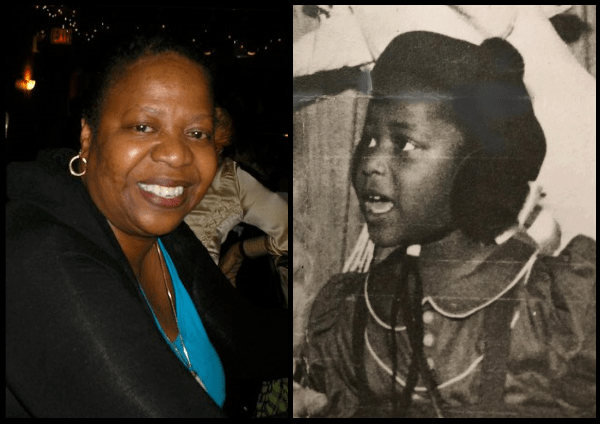
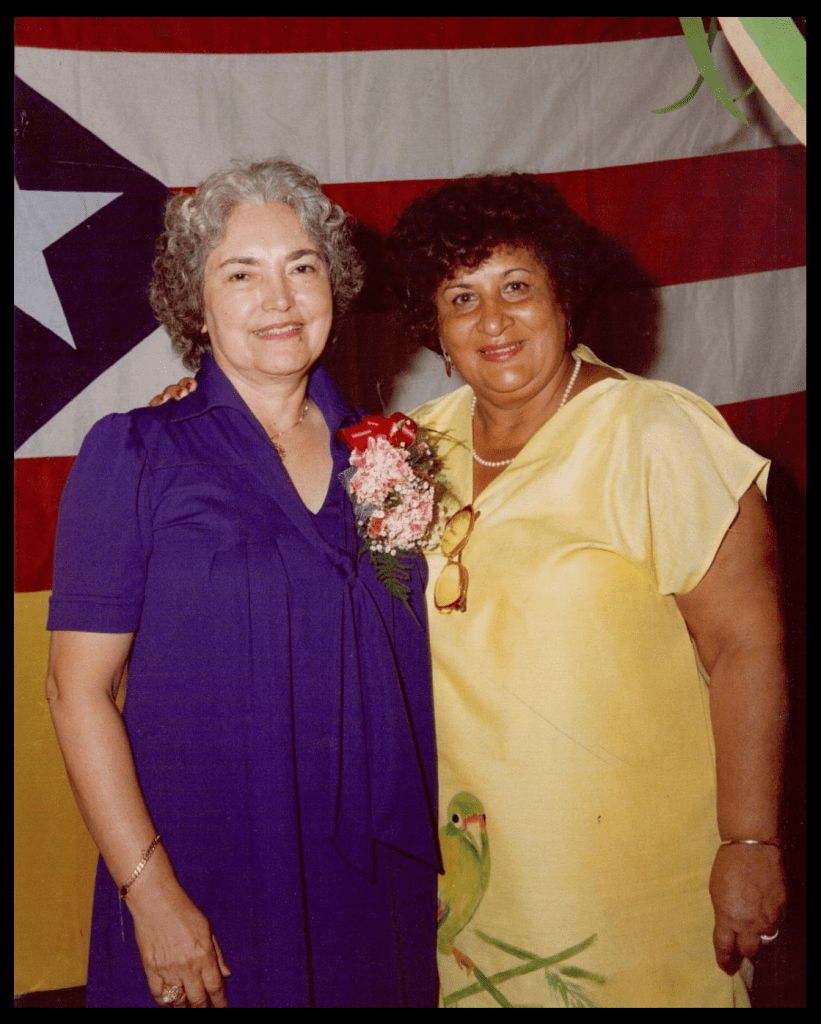
Photos of two stages in Cleo Silver’s life.

This was a period in U.S. history when blatantly racist Jim Crow laws were enacted throughout the South, while at the same time a not-so-hidden persecutive version existed in every part of the country. Although “Whites Only” signs were not the norm in Northern states what resulted from white privilege automatically implied anti-Black restrictions.

Cleo always recalled how she witnessed as a child anti-Black racism and discrimination. A cruel example that stood vividly in her childhood memories is when Black children were not allowed at department stores to partake on lines to give “Santa Claus” their Christmas gift wish list. Cleo’s mother, Deborah Benn, vocally expressed outrage, pressuring store managers to end the racist practice.

Cleo’s resilience in personal encounters with racism and her justified contempt for this system is what molded this freedom fighter’s character. Like so many Black youths during the 1960’s, Cleo Silvers was attracted to the political militant force of the Black Power movement, specifically Malcolm X, Queen Mother Moore, Kwame Ture (Stokley Carmichael), and the Black Panther Party (BPP).

Sister Cleo’s history of service in the liberation struggle is unique and merits the utmost respect and admiration. Moreover, she was a hospital worker and an organizer for the Health Revolutionary Unity Movement (HRUM).

As a healthcare activist Cleo co-founded the Lincoln Hospital Detox Center and became its acting director. She was a close ally and collaborator of the late Black nationalist Dr. Mutulu Shakur, who she hired for a position that required professional knowledge of acupuncture treatment for drug addiction.

Heroine addiction was at the center of concern and political critique for the Black Panther Party and Young Lords due to the influx of the deadly drug in Black and Latino communities across the country.

My portrait of Cleo Silvers. 24″ X 30″, acrylic paint on canvas.

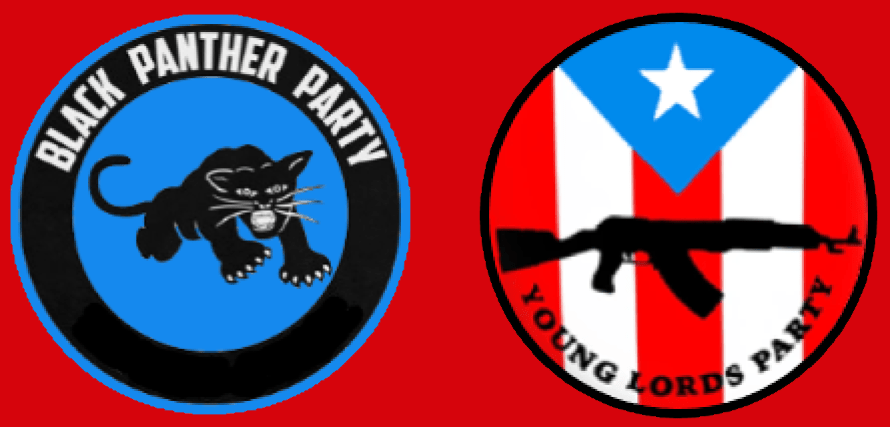
Before joining the YLP, Cleo was a member of the Black Panther Party first in Harlem and then in the Bronx branch. Due to the fraternal relationship between the BPP and YLP, it allowed members of both entities to transfer to the other organization on request. Cleo did precisely that.

Cleo’s decision to join the YLP came about when an unfortunate situation was about to occur which had a chilling effect on the entire revolutionary movement in this country. A factional split was developing headed by Eldridge Cleaver on one side and Huey P. Newton on the other. The FBI’s Operation COINTELPRO succeeded in manipulating internal differences to the point of open antagonisms.

Cleo was among African American members in the YLP who demonstrated their internationalist and revolutionary spirit, when they joined a predominant Puerto Rican entity. Cleo’s experiences in these revolutionary organizations defined her political perspective on the need to forge a united front to defeat capitalism.

THE YLP LINCOLN HOSPITAL TAKEOVER

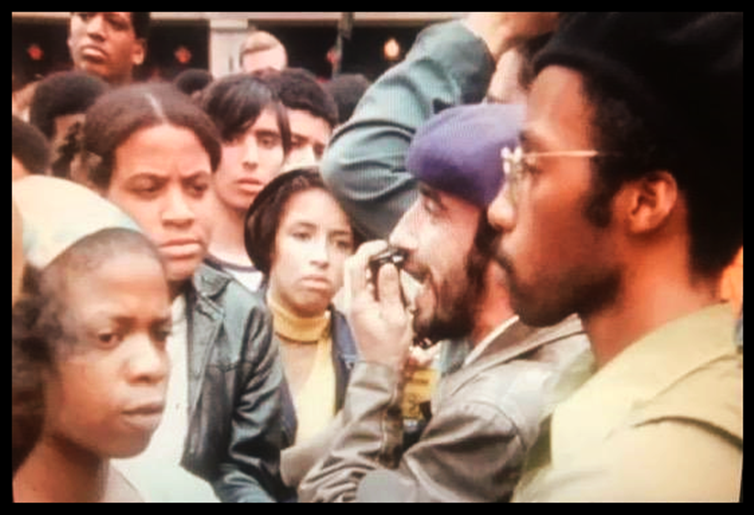
In the early morning hours of July 14th, 1970, the YLP takeover of Lincoln Hospital angered top government officials. The Young Lords’ unexpected bold action managed to expose to the world the criminal practices of the medical industrial complex.

In military fashion, about one hundred Young Lords stormed out of a U-HAUL truck that came to a full stop on Lincoln Hospital’s sallyport, on Bruckner Boulevard in the Black and Brown community of the South Bronx. Within minutes Young Lords secured every entrance and window in the hospital to prevent the police from entering the facility when they arrived.

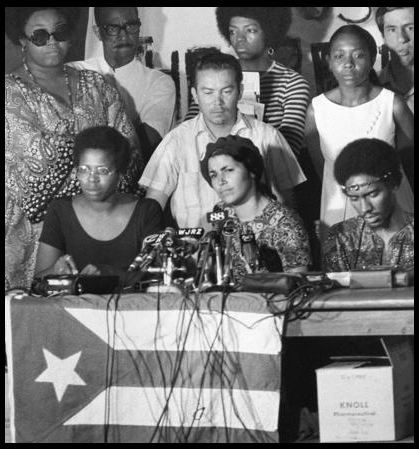
Cleo Silvers sitting at the far left in a press conference during the Young Lords takeover of Lincoln Hospital.

Once it became known to news media outlets what occurred at Lincoln Hospital then NYC Mayor John Lindsay sounded the alarm of attacks against the Young Lords. The rulers went into crisis mode due to the political embarrassment they faced. The YLP exposed the implicit policy for racketeering corporate profits using supposed “healthcare” for poor people who endure diseases that stem from social oppression.

Thanks to Cleo’s political skillfulness and familiarity with Lincoln Hospital’s physical structure, she was one of the key strategists of the takeover. When the Young Lords leadership decided to end the occupation with an organized retreat it was Cleo who is credited for proposing that the plan to withdraw include waiting for the shift change of hospital workers and, using the available supply of attire worn by medical staff to inconspicuously bypass the anxious riot police.

Since the events of the 1960’s-70’s mass upsurge, Sister Cleo continued to stay active and outspoken about the inadequacies in healthcare for Black and Brown people. In addition, she played a role in efforts demanding the freedom of political prisoners, specifically, captive Black Panthers like Mumia Abu-Jamal, the late Russell Maroon Shoatz, and the late Dr. Mutulu Shakur.

Along with Iris Morales, Cleo was among the sisters who created the Woman’s Caucus. This organ of the YLP structure empowered the females of the organization and helped the men understand many complex theoretical questions relevant to the liberation struggle, such was the interlocked relationship between patriarchy and white supremacy.

The legacy of this warrior woman is filled with many examples of resilience and valor, which impacted many young people inside and outside of the YLP. No matter the activity, in the internal political education discussions or community organizing, Cleo always had a presence.

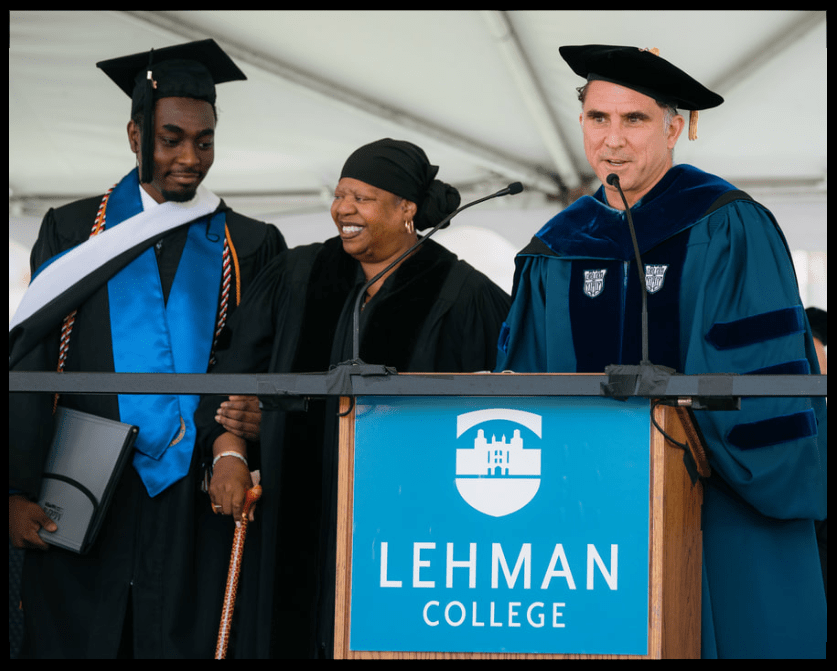
Cleo Silvers proud and happy to receive an honorary doctorate from Lehman College in 2022.

Cleo’s knowledge of one of capitalism’s most vile features, the medical industrial complex earned her recognition from various mainstream circles, including UCLA and the City University of New York/Lehman College where she received in 2022 an honorary doctorate in Humane Letters.

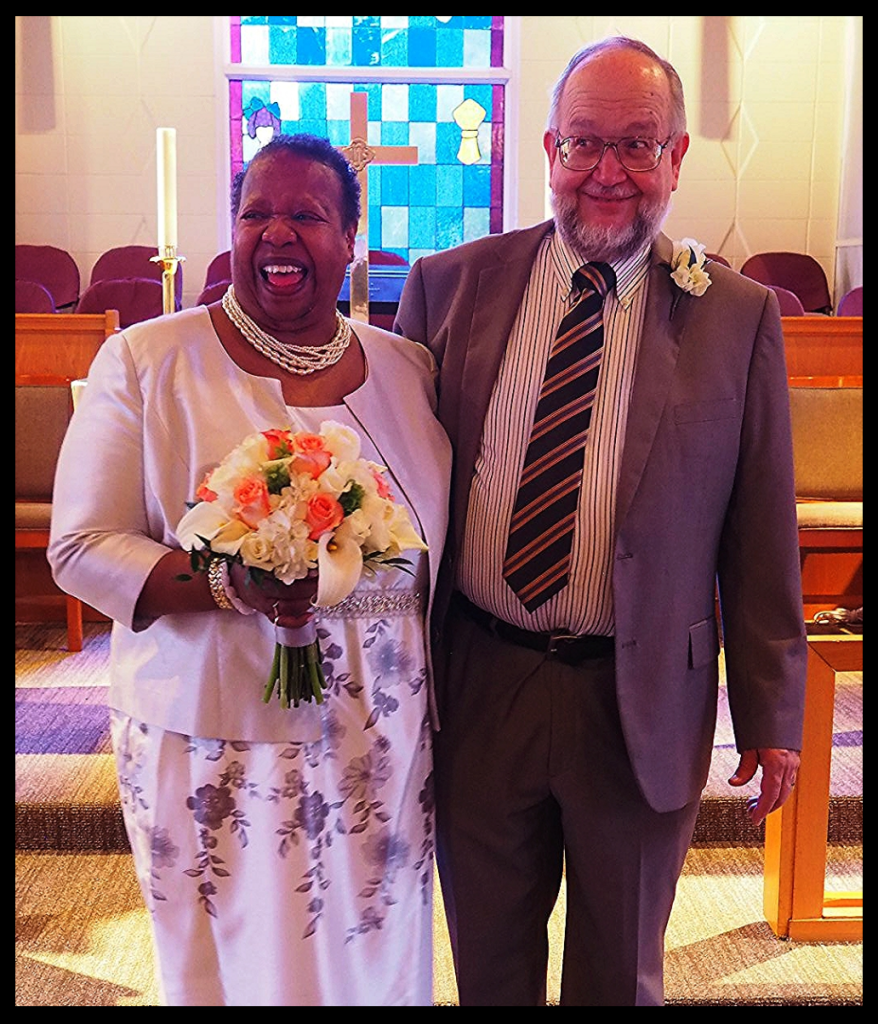
There was an aspect of her personal life Cleo was open about, her love and devotion to her husband and close comrade, Ron Pointer. As her medical condition became more debilitating Ron’s constant care and devotion supported Cleo until she transitioned. As Cleo often stated “Without Ron there would be no Cleo.”

Cleo Silvers and Ron Painter, on their wedding day, May 2, 2016.

This sister was among several Young Lords, men and women alike, who played a significant role in my formative political development, for which I am eternally grateful. Cleo has undoubtedly secured a special place in the archives of the class struggle along with Black and Puerto Rican revolutionary history.

Long Live Black & Puerto Rican Solidarity!

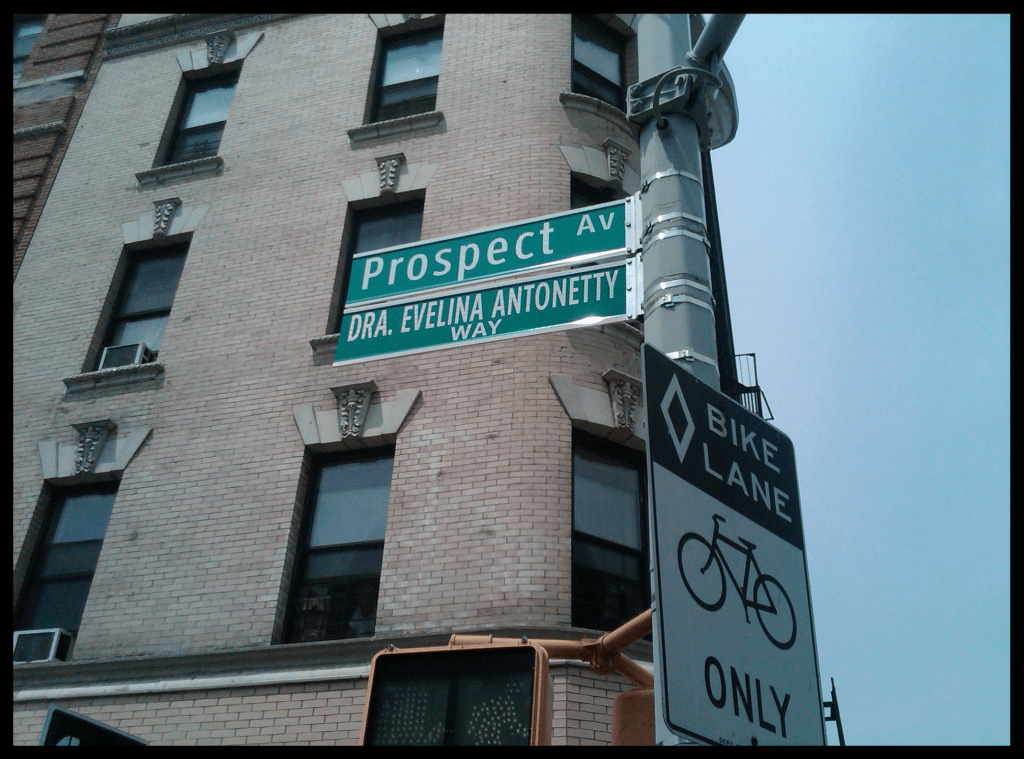
Dr. Evelina Antonetty 1922-1984, “Hell Lady of the Bronx”

_____________________________________________________________

“We will never stop struggling here in The Bronx, even though they’ve destroyed it around us. We would pitch tents if we had to rather than move from here. We would fightback, there is nothing we would not do. They will never take us away from here.” -Evelina Antonetty

_____________________________________________________________

By Carlos “Carlito” Rovira

Born on September 19, 1922, in Selina, Puerto Rico, Evelina Antonetty became an exemplary community activist confronting oppression with resilience, courage, and defiance. She was unique by demonstrating the best of women throughout the history of the Puerto Rican diaspora.

Her militant disposition and charisma made Evelina Antonetty a household name in the Bronx, one of New York City’s boroughs historically with the largest number of Black and Latino residents.

No one can ever dispute that Antonetty’s life was centered around fighting for civil and human rights. She advocated for community control of schools, police, and all institutions. Her priority was fighting for the well-being and future of children.

Because Evelina’s vision involved the right to self-determination for her people, as a proud Boricua she defended the struggle for Puerto Rico’s independence. In that same vein, she was an anti-imperialist who adamantly opposed the criminal U.S. war in Vietnam which brought havoc to many Puerto Rican families who lost their sons as a consequence of military conscription.

Lolita Lebron and Evelina Antonetty

This warrior of the oppressed was called by various names of endearment in a community that loved and respected her. However, because Evelina’s unrelenting commitment to working-class people the racist New York Police Department (NYPD) described her as “Hell Lady of the Bronx”.

Evelina’s commitment to the struggle for justice and equality came about due to very good reasons her own personal experiences with the horrors of economic poverty and racist oppression. The events in Antonetty’s life reflected a colonial reality shared by millions of Puerto Rican immigrants during the 1950s-1960s.

Similarly to African Americans, in the New York City area alone Boricuas were then, like today, targets of job and housing discrimination, with high statistics of being beaten, incarcerated or killed by police. All of the above with the youth having an average 65 percent high school drop-out rate. It is no wonder why Evelina Antonetty was so passionate about the human right to an education.

Evelina Antonetty’s name is famous today because she was loved by the community she fought for.

When she was just 10 years old, Evelina’s mother, a single parent, was compelled by poverty desperation to send her to New York City to live with an aunt. Extreme economic hardship prevailed throughout Puerto Rico. The Great Depression was even harsher in the setting of U.S. colonial domination.

While living in El Barrio (East Harlem) during her teenage years Evelina developed a sense for community activism when she worked for the radical/socialist Congressman Vito Marcantonio. Evelina was also mentored by the Afro-Boricua author/poet and socialist labor leader Jesús Colón. She worked for Colón at the socialist influenced labor union District 65.

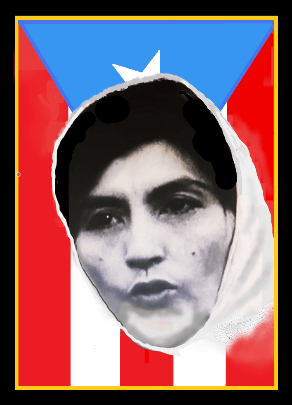
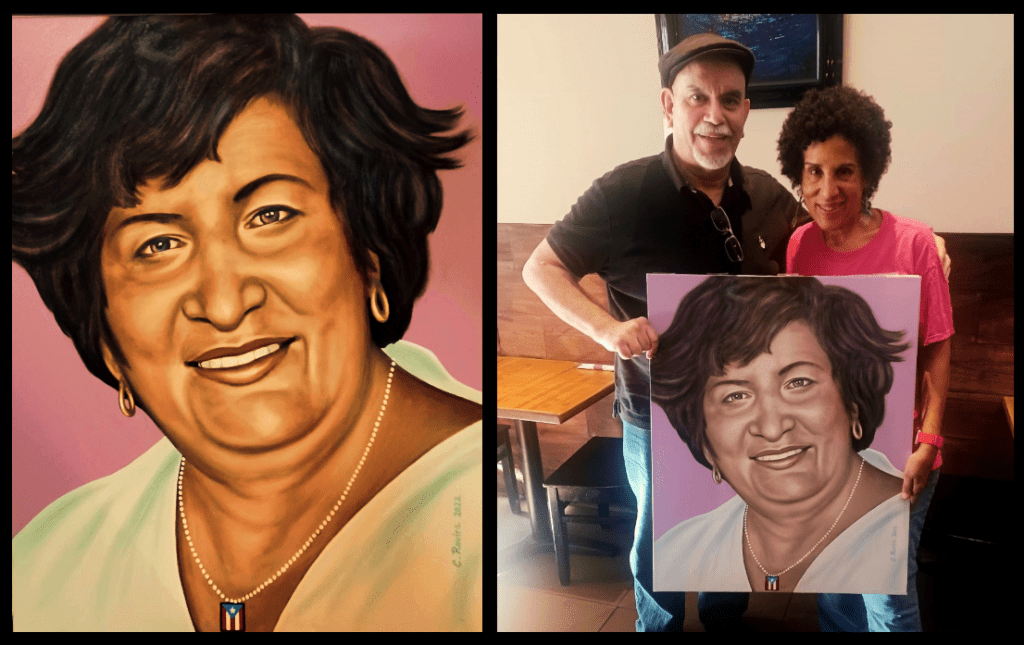
This is a canvas portrait I made in October 2022 to honor the legacy of Evelina Antonetty. It was given as
a gift to Evelina’s daughter, Anita Antonetty.

During the Civil Rights movement Evelina Antonetty played an important role as an unofficial representing link to the Puerto Rican community. She developed a good friendship with Dr. Martin Luther King, Jr., and earned the respect of other prominent Civil Rights leaders.

Evelina Antonetty was so in tune and willingly drawn by the events of the 1960’s-70’s mass upsurge that she was enthused by the Young Lords, with whom she became a very close ally. Antonetty uncompromisingly supported the Young Lords’ July 14, 1970, takeover of Lincoln Hospital, along with her contemporary and friend, Dr. Helen Rodriguez Trias. In some cases, Evelina personally mentored members of the Young Lords, specifically the women.

The most notable of her many accomplishments was based on children’s right to education. Antonetty was an organizer who is credited for the 1965 creation of United Bronx Parents. She is also known for her monumental achievement, the creation of the first bi-lingual public school in the United States. This was indeed a notable victory over white supremacy’s “English only” reactionary “norms.”

Evelina Antonetty with other members of United Bronx Parents.

Evelina is also remembered for being among the many militant community voices on the streets opposing the filming of the racist Hollywood movie titled “Fort Apache”, which depicted Black and Latino people with utmost disdain.

Evelina Antonetty’s name is famous today because she was adored by the Puerto Rican community of the Bronx and the diaspora everywhere for her militancy and vision of a better world. With the increasing hardships and intensity of oppression that exist today we should all emulate Evelina’s qualities to build a new people’s movement. Her examples continue to serve as pillars of Puerto Rican fighting traditions.

Long live the legacy of Evelina Antonetty!

Ode to Ana Luz Lopez Betancourt May 23, 1951 – May 11, 2018

By Carlito Rovira


Today, May 11, 2019 marks one year since the death of Ana Luz Lopez Betancourt, the woman whom I grew to love, respect, cherish and from whom I learned tremendously. After having a stroke months before many had hoped that Ana would heal. What resulted instead was an unexpected heart attack which eventually claimed her life. Being a witness to her suffering in those final moments became the greatest trauma that I have ever experienced.


Ana was a beautiful human being who had earned the respect and affection of many people, especially fellow poets and her students, many of whom were immigrants from various countries. She was a teacher of creative writing and assisted these students in the use of the English language for job applications. But her humanity was not strictly in her profession, Ana’s premise was selflessness on every level. If Ana were to see someone in need she would immediately step in to help.


Ana was a Buddhist who consciously practiced her spiritual beliefs by always making an extra effort to help others in need. Her humanism was undeniably expressed through her poetry. Ana wrote about love, sorrow, pain, joy, as well as poetic renditions of political themes in both English and Spanish.


ana12y.png


MG_3623.jpg
Ana Luz Lopez Betancourt reciting her poetry.


Ana was very proud of her Puerto Rican heritage as well as for being an Afro-Boricua. She would always challenge the influences of white supremacy with individuals who demonstrated to be impacted when they would express anti-Black notions by tending to deny or downplay the African blood among Latino people.


And having been born in Puerto Rico, suffering the consequences of colonialism, Ana’s steadfast became inseparable from her contempt for the U.S. colonization of her homeland, especially in the last days of her life when it became apparent how U.S. colonial policy welcomed the destructive forces of Hurricane Maria, in order to intensify their rule. Ana lived with the hopes of living long enough to see Puerto Rico as a free and independent republic.


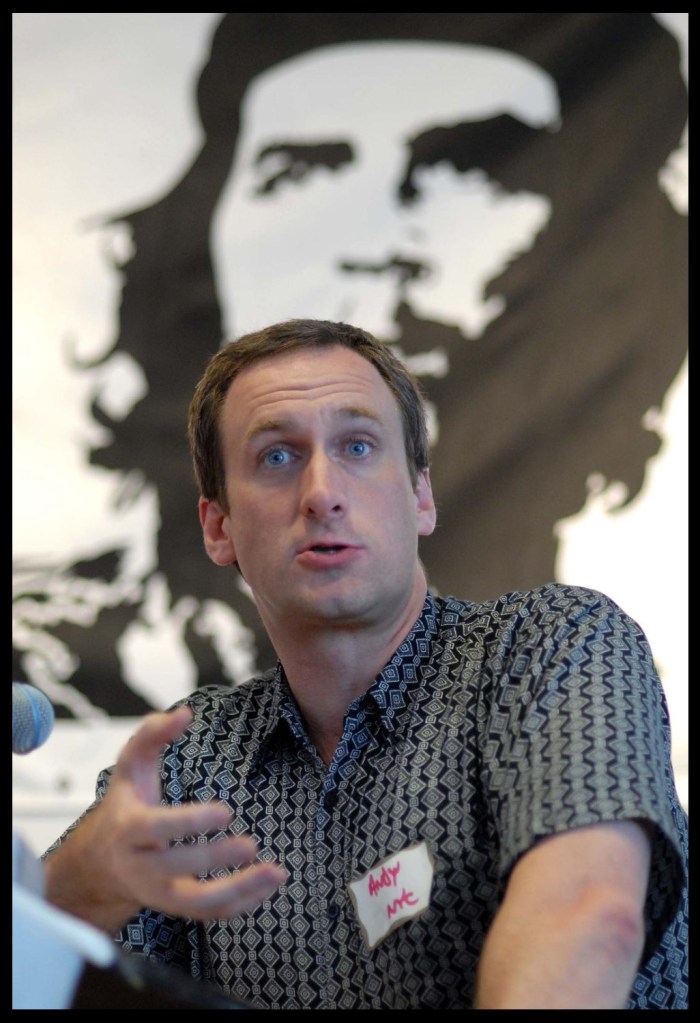
Surviving the trauma of Ana’s death was very difficult, especially with the death of my very best friend Andy McInerney who died six months later. But I was very fortunate to have many friends who came to my support at a moment when I needed it the most. The people whom I shall forever be grateful to were members of the Campaign to Bring Mumia Home, most especially Johanna Fernandez, Sophia Williams, Gwen Debrow, Robyn Spensor, Rebekah McAlister, as well as Xen Medina, Mariana McDonald and my beloved dear friend Andy McInerney.


Ana shall always be remembered by many who grew to love her. And being that her convictions and morality also impacted me, which helped to strengthen my resolve in political struggle as well as making me a better man, Ana shall always have a very special place in my heart.


Ana Luz Lopez Betancourt – PRESENTE!


Andy McInerney – PRESENTE! Nov 27, 1966 – Dec 10, 2018

By Carlos “Carlito” Rovira

It saddens me to announce that on the evening of Monday, December 10, 2018, long time revolutionary activist Andy Mcinerney passed away after losing a long battle with cancer. As if it wasn’t enough losing my sweetheart & love of my life, Ana Lopez Betancourt, in the month of May 2018, I now grieve another major loss, my very best friend, brother and comrade, Andy Mcinerney.

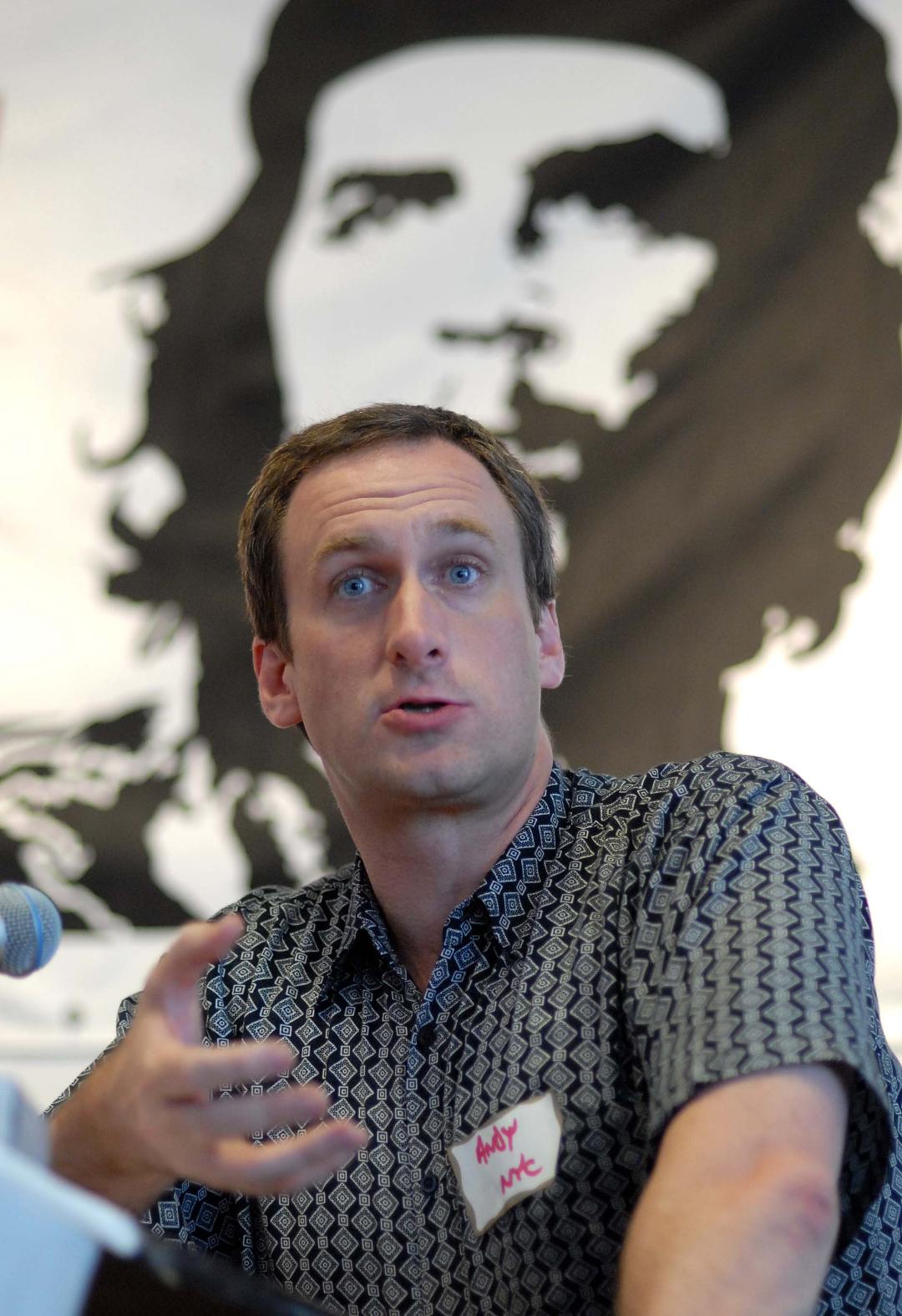
Andy with DJ Carlito.jpg
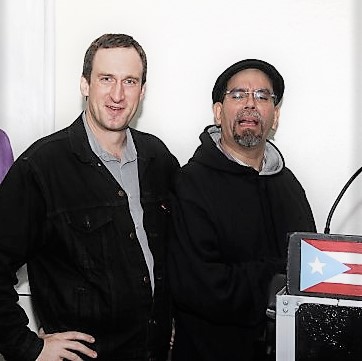
Andy and I at a Free Puerto Rico event 2011

Andy was a professor at Bronx Community College in New York. He will surely be missed by the many whom he taught as well as his colleagues who partook in struggles for bettering college level education and for increasing the benefits and salaries of professors.

Andy was a communist. He was always fascinated when learning about the liberation struggles of oppressed people. He was adamant about white progressives today requiring having the same disposition John Brown once had against African chattel slavery, if they sincerely claim being anti-racist. I always had respect for Andy, since I envisioned him fighting alongside John Brown if he were to live during the 1859 attack on Harpers Ferry.

As a person of white origin himself, Andy was critical of white leftists who tended to show inconsistencies of conviction, by being soft and evasive of criticizing white privilege and white entitlement. He viewed that kind of behavior unforgiving and a not-so-hidden expression of white supremacist ideology.

Andy and I became good friends during our mutual experience in Workers World Party and in the Party for Socialism & Liberation. It was in our experiences in these entities where our collaboration first grew to the finest pitch, which later on continued.

Effect_20181211_033653.jpg
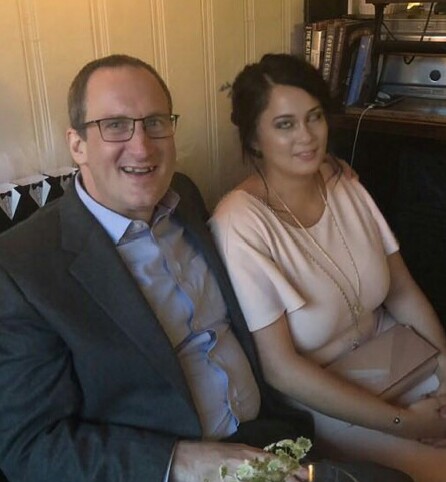
Andy McInerney with his loving partner and spouse, Eline Elara.

Wherever Andy found himself, whether organizing events on campus or mobilizing for mass demonstrations, he always sought ways to promote and apply Marxist-Leninist theory. He recognized that his moral obligation was to build in the present in preparation for the future battle for socialism in the United States.

Andy was indeed a revolutionary who also contributed to my own political development. In 1991 when I first met him the world revolutionary movement went into disarray, resulting from the impact the collapse of the Soviet Union was having everywhere.

Effect_20181211_035225.jpg
Andy and his daughter Arlen McInerney.
Effect_20181211_035827.jpg
Andy & the very young Arlen McInerney.

He was an optimist, even under dim circumstances. He always told me that the collapse of the Soviet Union was only a temporary victory for imperialism and that we should maintain our course in building for revolution in this country regardless.

Andy understood that throughout history such phenomenon also occurred with other social & economic systems. It was Andy who told me “Not to worry” and enlightened me to how the rise of Napoleon Bonaparte in France was equivalent to the restoration of capitalism in Russia. Bonaparte restored the political power of the monarchy that was defeated by the 1789 French Revolution.

Andy was of Irish descent. He demonstrated the utmost respect to me when he discovered that I was a Young Lord and a Puerto Rican revolutionary nationalist. In our exchanges we strengthened each other’s understanding of the Irish-Puerto Rican connection. It was Andy who first made me aware that Irish revolutionary James Connolly had asked Puerto Rican Nationalist leader Dr. Pedro Albizu Campos to draw up a draft for the Constitution of a free Irish republic.

Ana & Andy
Ana Lopez Betancourt and Andy McInerney

There is much more that can be said about Andy Mcinerney. He touched the hearts of so many people. His greatest trait which describes his finest qualities as a human being was his incredible love and respect for teaching and learning, a fundamental requirement for what it takes to be a revolutionary. Andy’s disposition came with an eagerness to learn and pass the knowledge on to others.

I will miss you my dear brother and comrade, Andy McInerney. You were always there for me during the thick and thin. There is much about you that I will cherish and feel honored that you were in my life. And above all, I shall eternally be grateful to you for helping me strengthen my resolve to keep fighting until this social system of oppression is finally smashed by the will of the vast majority of oppressed and exploited people.

Andy Mcinerney – PRESENTE!

A SALUTE TO JOHN BROWN ON THE ANNIVERSARY OF HIS BIRTH — May 9, 1800

By Carlos “Carlito” Rovira

On May 9, 1800 one of the greatest representatives of oppressed and exploited people was born in Torrington, Connecticut. His name was John Brown.

John Brown did not perceive himself as a revolutionary, but was instead, according to him “doing the work of God”. However, his resolute stance against the widely accepted and legally sanctioned system of slavery made him in every sense a revolutionary.

Brown was a very religious man who saw the enslavement, torture and rape of Black people as an abomination of Christian beliefs and doctrine. The slave owning class used religion as an ideological pillar to justify their cruel practice, while most of organized religions were silent or supported slavery outright.

The exemplary acts of courage as well as the humanity John Brown exerted has secured him an eternal place of honor in the archives of the class struggle of the United States. His militant disposition towards the practices of this system contrasted tremendously from other abolitionists who tended to be non-threatening with their passive, reformist approach towards slavery.

John Brown sincerely believed that since slavery was upheld with violent force it was absolutely necessary to overthrow it with the same intention. He led a number of attacks such as the Battle of Black Jack and the Battle of Osawatomie, in which slave owners and supporters of slavery were confronted for their heinous actions.

CC.png
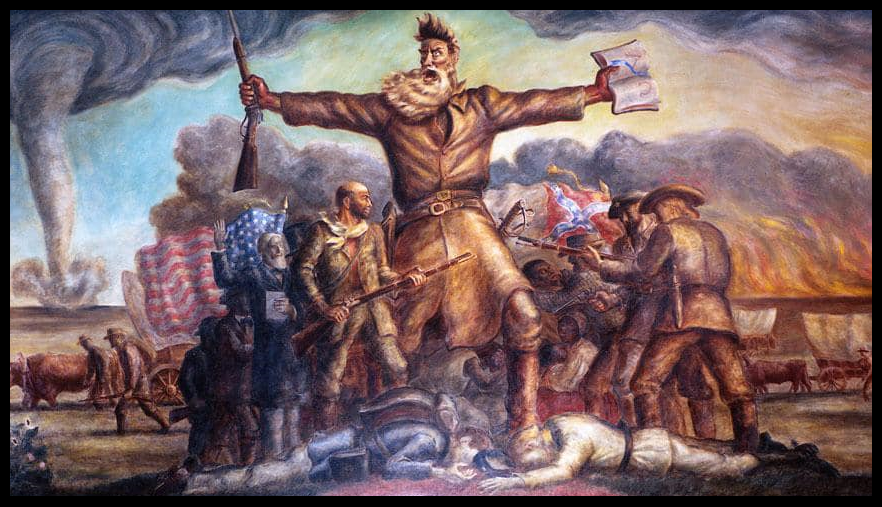
Tragic Prelude, a mural at the Kansas State Capital. By artist John Steuart Curry. 

On October 16, 1859, Brown and a large group of men, that included two of his sons and former slaves, launched a raid at the U.S. Army Harper’s Ferry armory in Virginia. The site became known later in history as “John Brown’s Fort”. The plan was to capture the large stockpile of weapons and distribute them to Black people throughout the region in preparation for battle.

The legendary Harriet Tubman, who had intricate familiarity with the Harper’s Ferry region, provided Brown with detailed information about the armory. Harriet Tubman and John Brown had become friends and had great mutual respect for one another.  Tubman eventually helped to recruit brave and willing men for Brown’s planned raid at Harper’s Ferry. As a ode to her leadership skills, Brown gave Tubman  the nickname “General Tubman”.

Tragically, due to many tactical mistakes made by the liberators, the local white militia was allowed time to galvanized forces in response to the attack. Under the leadership of the U.S. Army Brevet Colonel Robert E. Lee, they surrounded the armory. Soon after a bloody gun battle ensued for two days. Due to Robert E. Lee’s skills in military tactics and the superior weaponry of the U.S. Army, John Brown and his men were overtaken and arrested despite many casualties on both sides.

Brown's Fort.png
An engraving depicting John Brown and his men under siege at the Harper’s Ferry Armory.
tt.png
The site of the Harper’s Ferry armory, later in history named “John Brown’s Fort”.

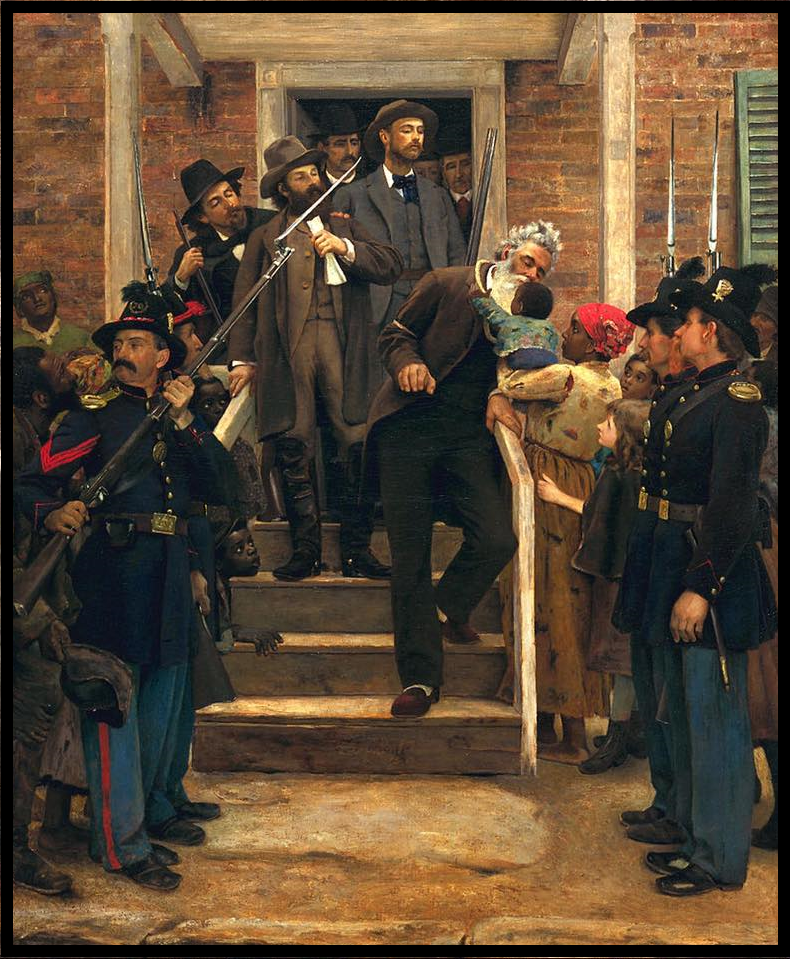
John Brown’s eventual execution by hanging ultimately proved to be the beginning of the end for slavery in the United States.  Brown succeeded in legitimizing the use of armed force as a viable option to end slavery. The story of John Brown and the Battle of Harper’s Ferry become a critical point in U.S. history, in which the country came to the opening gates of the Civil War.

Similarly, this courageous act was arguably mirrored by Cuba in the 1953 Attack on the Moncada Barracks led by Fidel Castro Ruz. Although both battles ended with the loss of many courageous fighters, each of these events ignited the flames of a revolution.

JB.png
The Last Moments of John Brown (1884) by Thomas Hovenden 

To this day, John Brown’s persona continues to be the target of vilification and ridiculed by bourgeois historians. Many historians depict Brown as fanatical and unstable. John Brown’s life is often distorted to seemingly discredit his passion for the abolitionist cause and dilute his relevance to American history, especially the circumstances of race relations today.

The ruling class in this country fear more than anything the prospect of mass rebellion. The Black struggle has inspired every oppressed and exploited sector of the population. It is no wonder why the Black Panther Party and other African American political expressions were targets of repression whenever they became recognized among broad sectors of the population.

It makes sense why the ruling class today would continue to dread the memory of John Brown as they would with revolutionaries like Malcolm X, Ernesto Che Guevara, Harriet Tubman, Lolita Lebron, Fidel Castro or V.I. Lenin.

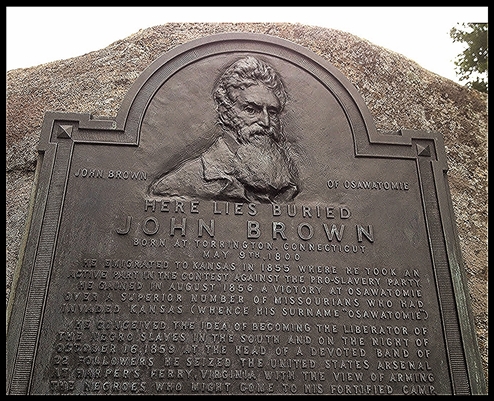
John Brown tomb in North Elba, New York, at the John Brown Farm State Historic Site. 

John Brown was never critical nor was he defensive about the emancipation aspirations and self-identity of Black people. These sentiments which developed to become the ideological pillars of Black nationalism were deeply rooted in the horrific experiences of slavery. By all historical accounts, John Brown did his part to defend and enhance these sentiments.

Brown set the bar for White people to embrace their obligation to the fight for Black emancipation, if they were to honestly consider themselves revolutionaries or socialists. White privilege also existed during John Brown’s lifetime in the form of slavery. Although conditions have somewhat changed from that era, the obligations of white progressives to fight white supremacy has not.

Claiming to be “anti-racist” is not enough if there is not action to match. In other words, being anti-racist today means engaging in an uncompromising struggle against all forms of white privilege. Because of historical circumstances, there cannot be equal responsibility among the races.

In order for the first steps to be taken against racism in the U.S., the white population must raise the anti-racist banner as their very own. This disposition is precisely what John Brown was committed to live by. The standards required for white progressives in the struggle for fundamental change do not have to be re-created but updated based upon the blueprint established long ago by John Brown.

 LONG LIVE THE REVOLUTIONARY LEGACY OF JOHN BROWN!
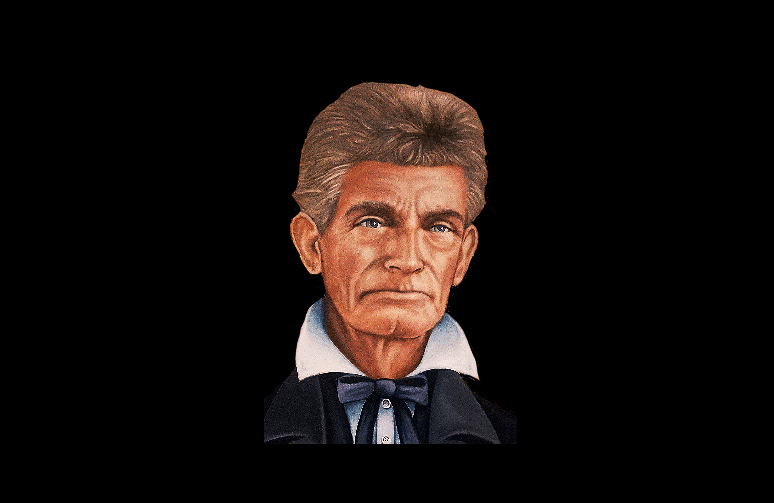
My portrait of John Brown. 24″ X 36″, acrylic paint on canvas.