
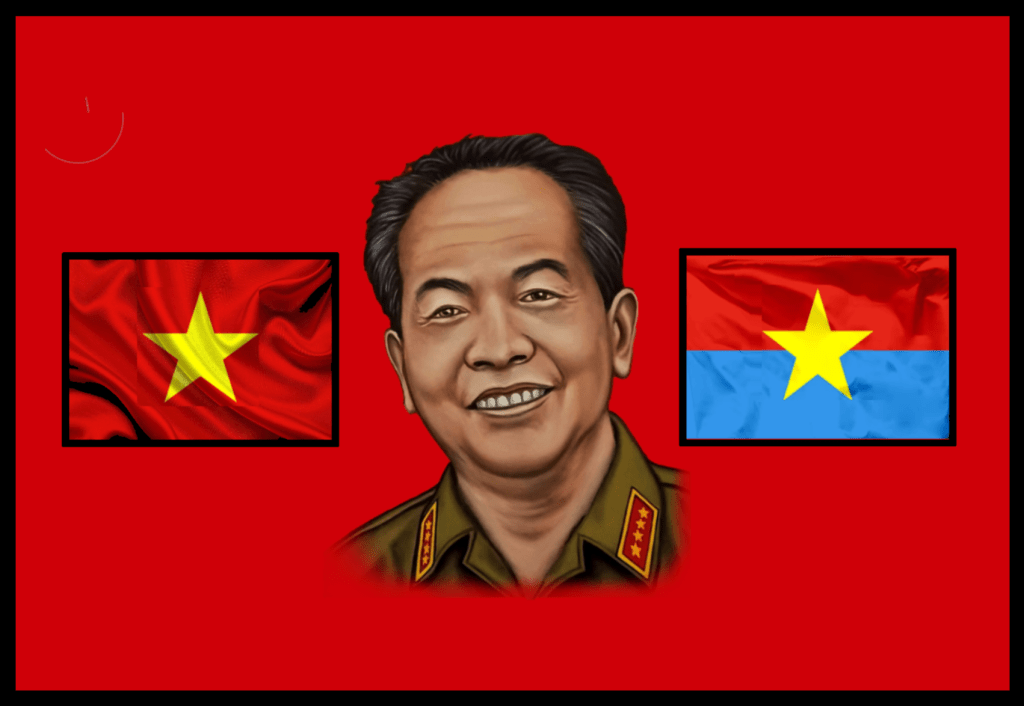
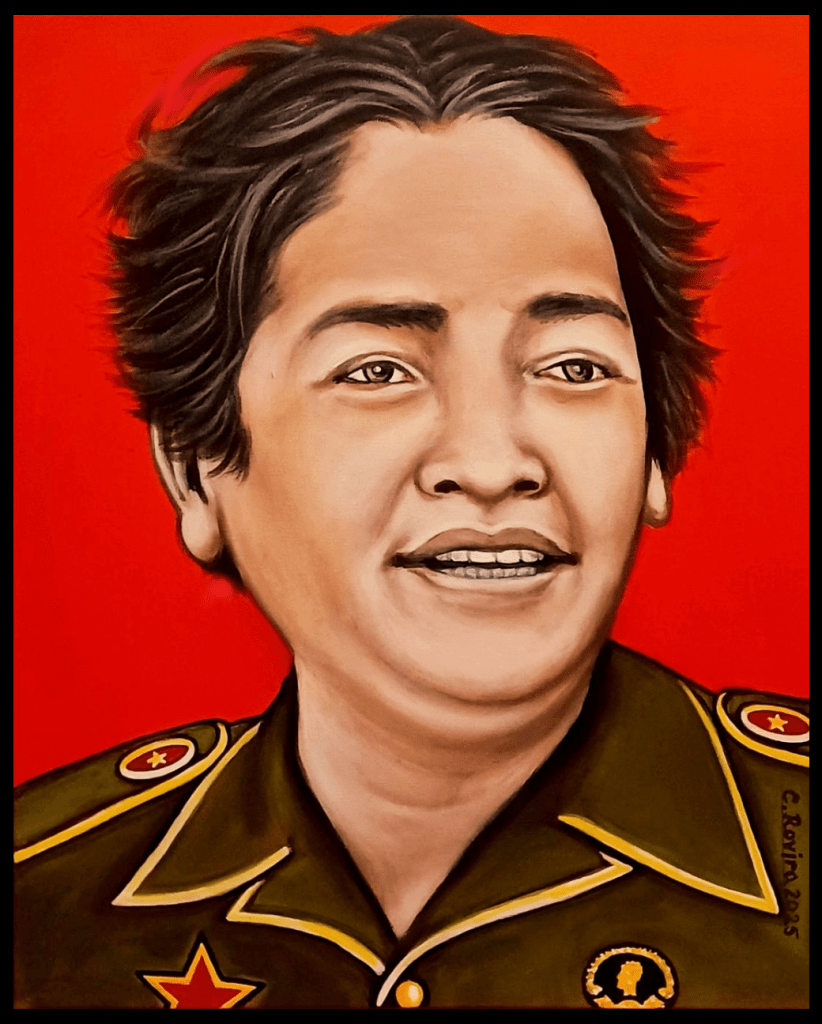
General Vo Nguyen Giap, August 25, 1911 – October 4, 2013
_______________________________________________________________________
“It wasn’t me, but the Vietnamese people who won the Vietnam war. You call me a legendary general, but I think I’m no different from my soldiers”.
– General Võ Nguyên Giáp
_______________________________________________________________________
By Carlos “Carlito” Rovira
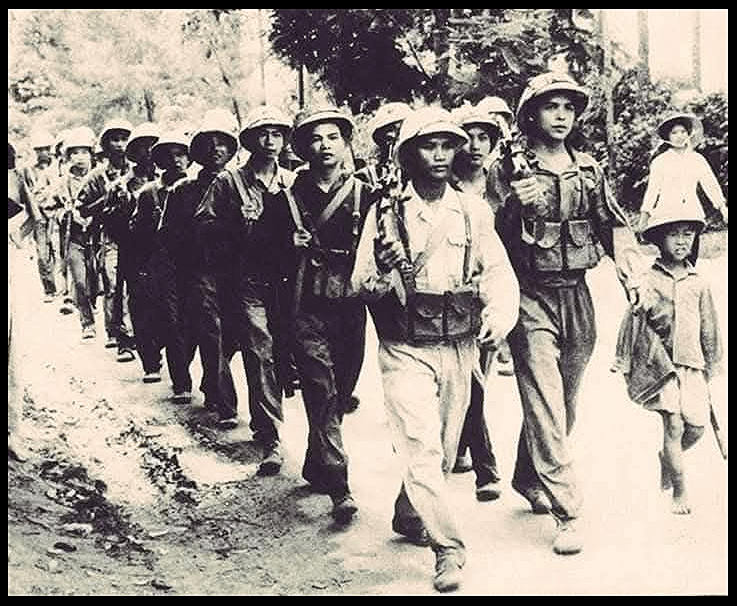
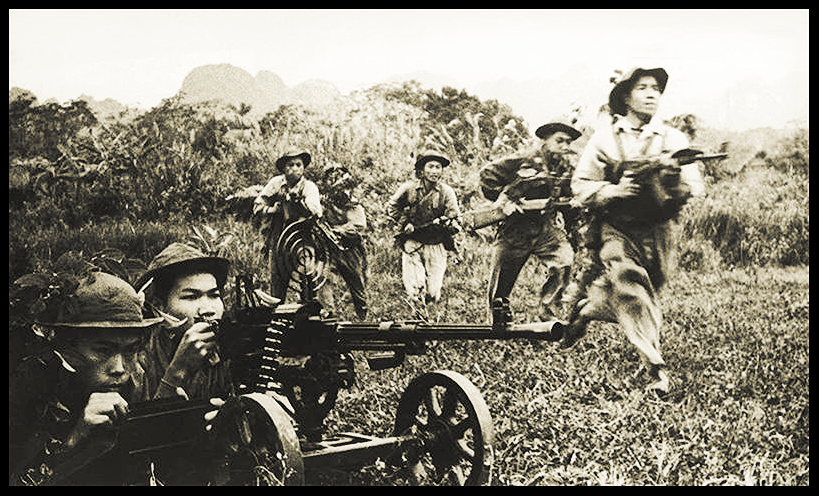
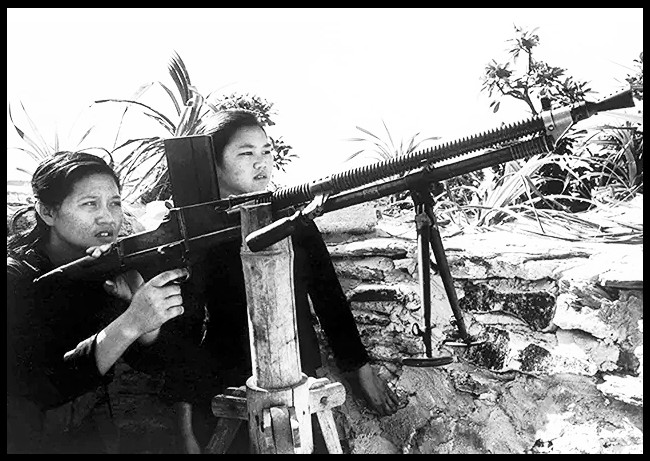
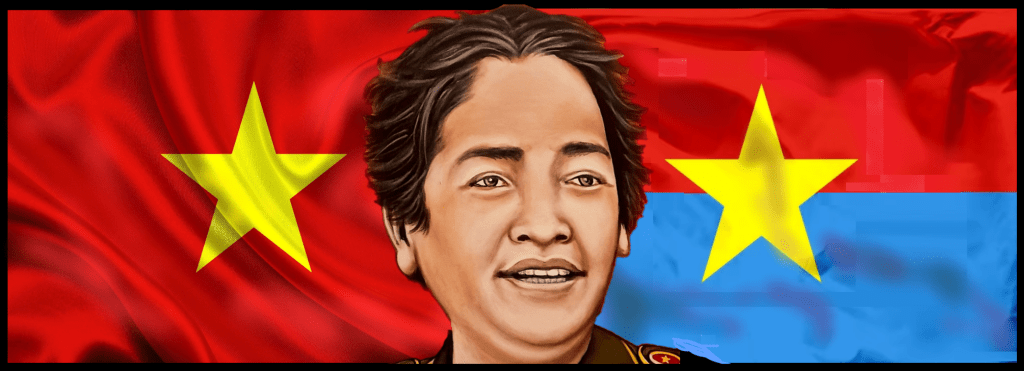
Vietnam’s General Võ Nguyên Giáp is one of the most outstanding revolutionary figures in history to provide military leadership in modern times. Thanks to Giáp’s superior strategy, poor village peasants were transformed into a formidable guerilla army called the Viet Minh which became the People’s Army of Vietnam (PAVN). Against often seemingly insurmountable odds, the PAVN went on to defeat two imperialist powers, France in 1954 and the United States in 1975.
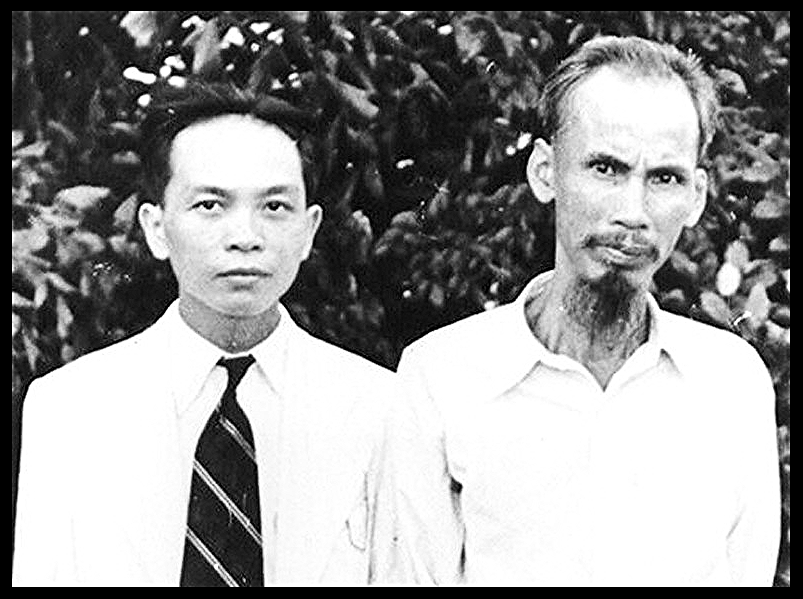
General Giáp was a most trusted confidant of the iconic Vietnamese leader Ho Chi Minh. Giáp was a firm believer that doing the impossible was not impossible, when it came to waging struggle to end tyranny and human suffering.
In May 1941, under the occupation of both French and Japanese imperialism, Giáp became leader of the Viet Minh, the military component of the League for the Independence of Vietnam, organized by Ho Chi Minh. Giáp’s leadership in the tactics of conventional and guerilla warfare was decisive in defeating Japanese, French, and U.S. imperialism.
Personal tragedies resulting from horrors caused by French colonialism profoundly affected Giáp which played a big role in molding his fury, resilience and revolutionary disposition. In 1938, he fled North to China to avoid arrest by pursuing colonial authorities.
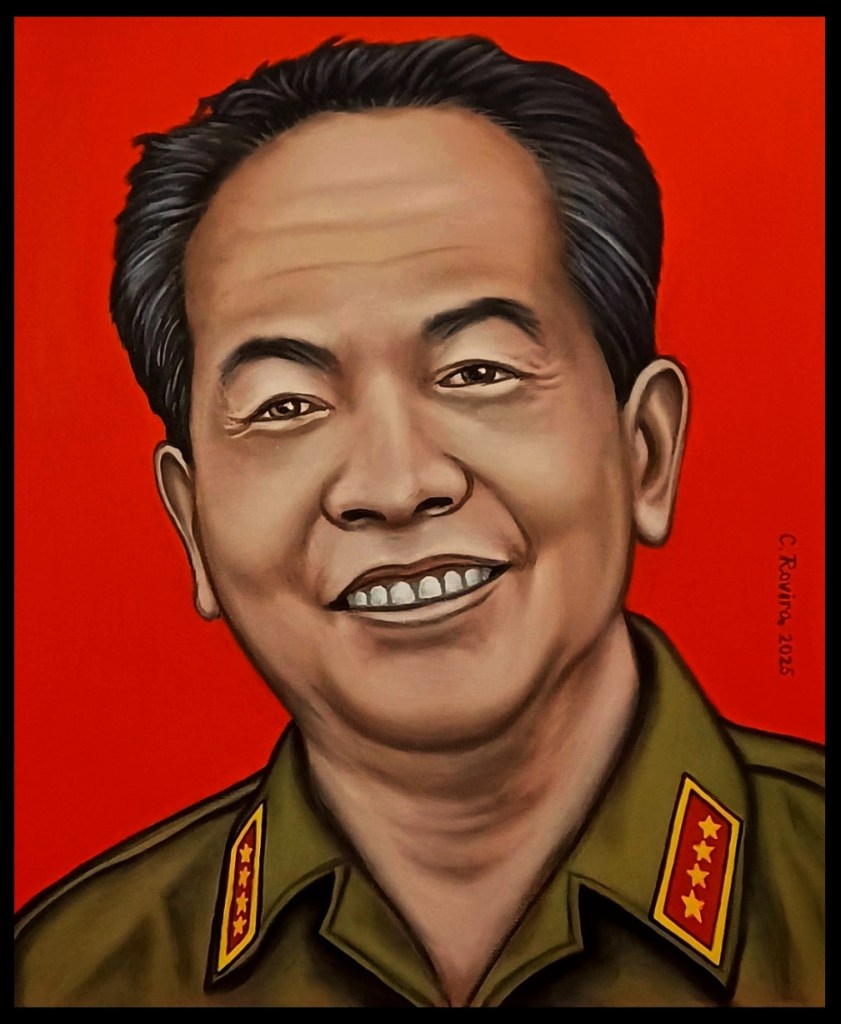
In 1940, his wife Nguyen Thi Quang Thai, also a leader in the Communist Party of Vietnam, was arrested. She experienced extreme torture including being forced to watch the murder of her parents and other family members. Nguyen eventually died while in the Hoa Lo Prison. Her sister also arrested was tortured and guillotined.
General Giáp’s military talents and skill were developed without any formal military schooling or training. He became attracted to military science by studying the history of warfare in different countries, the military writings of China’s Communist leader Mao Zedong and the classic Art of War by Sun Tzu.
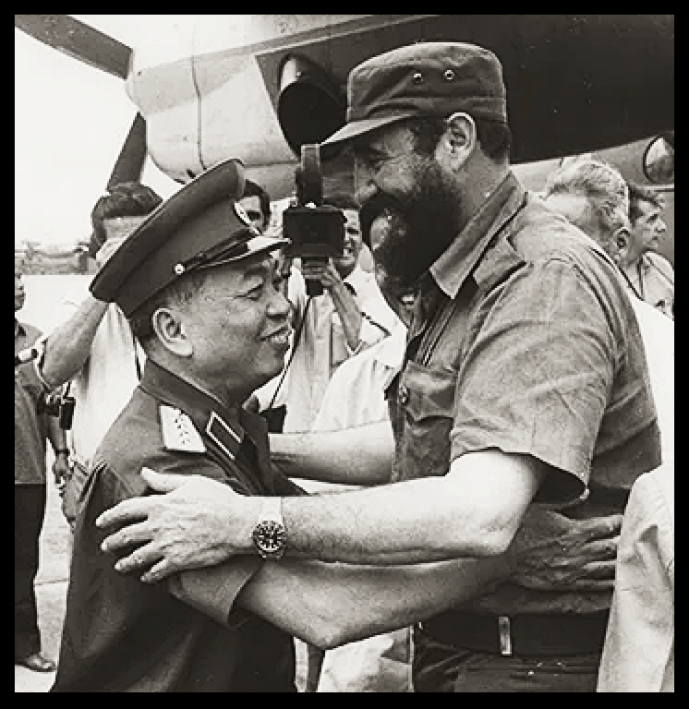
General Giáp’s skillfulness in strategy and tactics proved decisive on March 13, 1954, at the Battle of Dien Bien Phu. Vietnamese combatants humiliated and painfully stunned the better trained and equipped French Army by smashing their ability to fight.
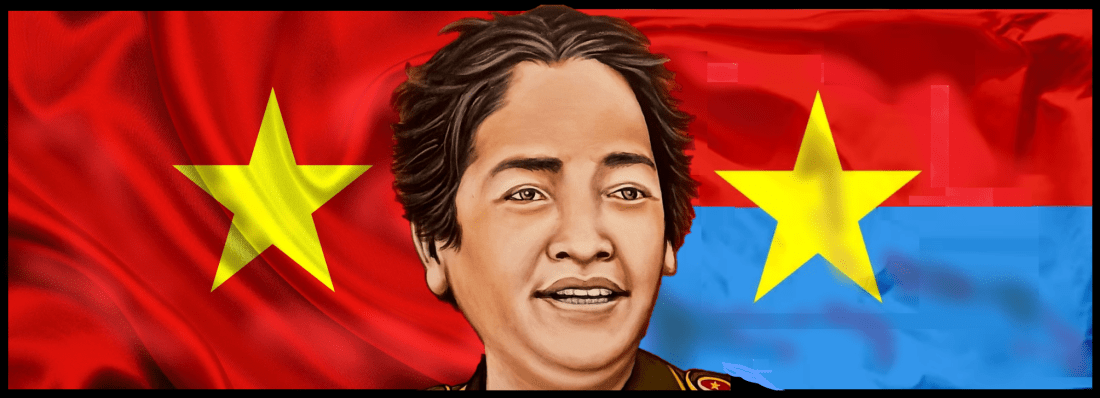
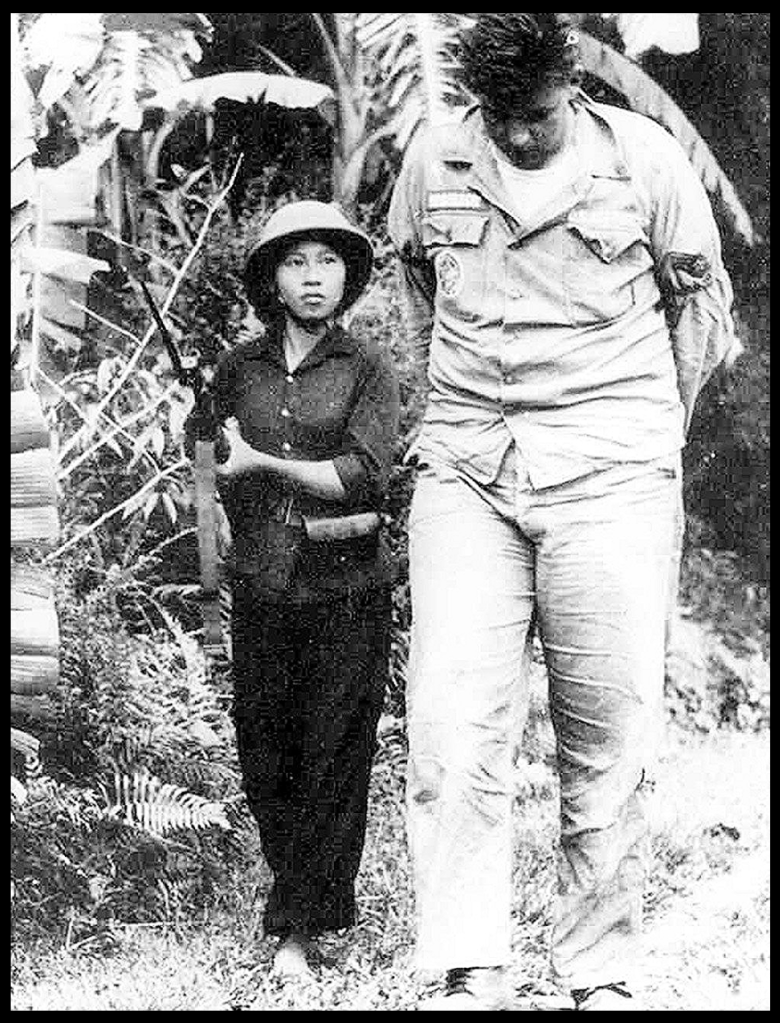
Giáp masterfully developed guerilla tactics which he passed on to other leading combatants for applicability like the iconic Nguyễn Thị Định, an exemplary fighter who became the country’s first female ranking military general.
General Giáp was the leading figure of the People’s Army during the war against U.S. imperialism and their South Vietnamese puppets. He was the architect and organizer of the famous Ho Chi Minh Trail which served as a secret supply route for guerilla fighters in the Southern occupied portion of the country.
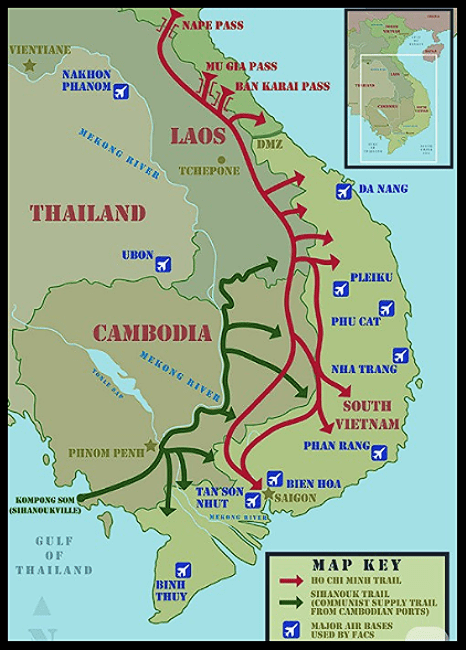
The Ho Chi Minh Trail went through the jungles and tunnels of neighboring countries Laos and Cambodia. This network was used as a secret thruway to transport weapons and supplies. The engineering of this project was so sophisticated that the U.S. Air Force and Special Forces failed to detect its locations in order to destroy them.
In 1968, General Giáp masterminded the famous Tet Offensive. Under Giap’s command this military offensive achieved the desirable political outcome once it was launched on January 30, 1968. The revolutionary Vietnamese forces created extreme turmoil to counter false claims made by Washington officials that the National Liberation Front of Vietnam (NLF) was losing the war.
However, the opposite proved to be the case when U.S. casualties increased dramatically as a result of the fury the NLF unleashed with immense firepower throughout Vietnam. The growing number of body bags containing remains of American G.I.s could no longer be concealed from the mass media.
And when Dr. Martin Luther King, Jr. presented his famous speech at Riverside Church in New York City, titled “Beyond Vietnam: A Time to Break Silence“ it added to a major shift in public opinion. Opposition to the war ignited everywhere in society, especially among the youth who were distressed about being drafted for military service. Once the Tet Offensive began young men of age were increasingly refusing to enlist or evading the draft.
The country was consumed in protests. Many people who never attended a demonstration were now compelled to take a stance against the hypocritical politics of the War in Vietnam, especially in Black and Brown communities who were disproportionally the ones to be killed.
The Tet Offensive caused havoc for war planners at the Pentagon, as U.S. military forces became demoralized and resentful to the military brass. Many who were already in uniform serving in Vietnam staged acts of insubordination or rebellion. The Tet Offensive had a psychological affect on combat soldiers there and U.S. military personnel everywhere.
General Giap’s achievements for the liberation of his people are tremendous and continue to inspire millions throughout the world. His wisdom in strategy and tactics also serve as inspiring lessons for other oppressed people. Giap’s leadership in battle against a more powerful foe reaffirmed that colonizers, tyrants and white supremacists are not invincible.
Long live the legacy of General Vo Nguyen Giap and the heroic Vietnamese people!



 carlitoboricua