________________________________________________________________________
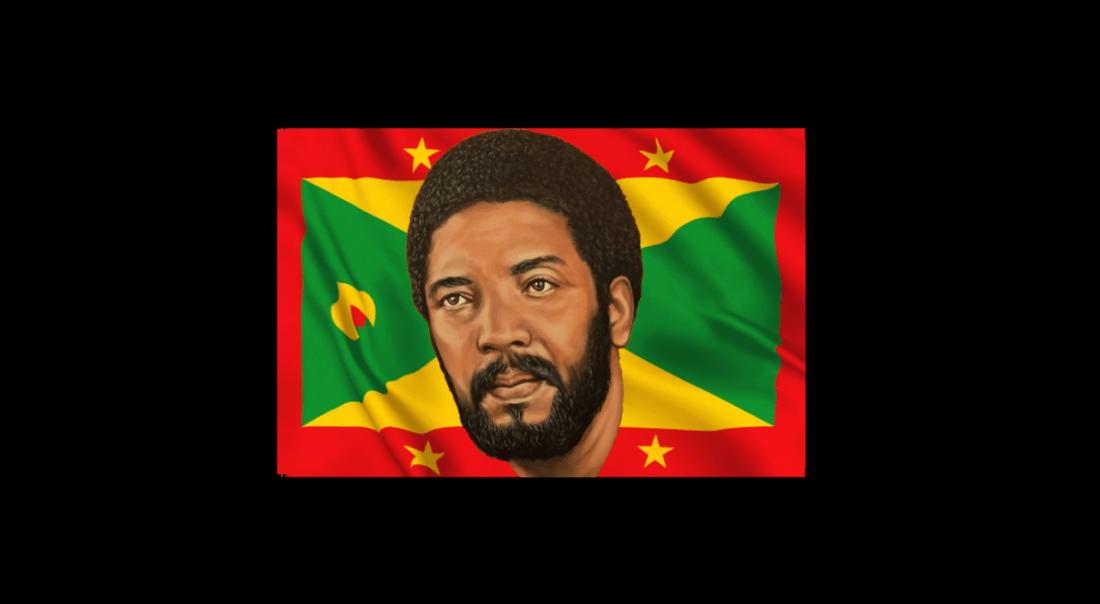
“Our Revolution in Grenada is a people’s Revolution and as such one of the fundamental principles of our Revolution is the establishment of the people’s rights. Among these rights, we include the right to equal pay for men and women, the right to social and economic justice, the right to work and the right to democratic participation in the affairs of our nation.” – Maurice Bishop
_________________________________________________________________________
By Carlos “Carlito” Rovira
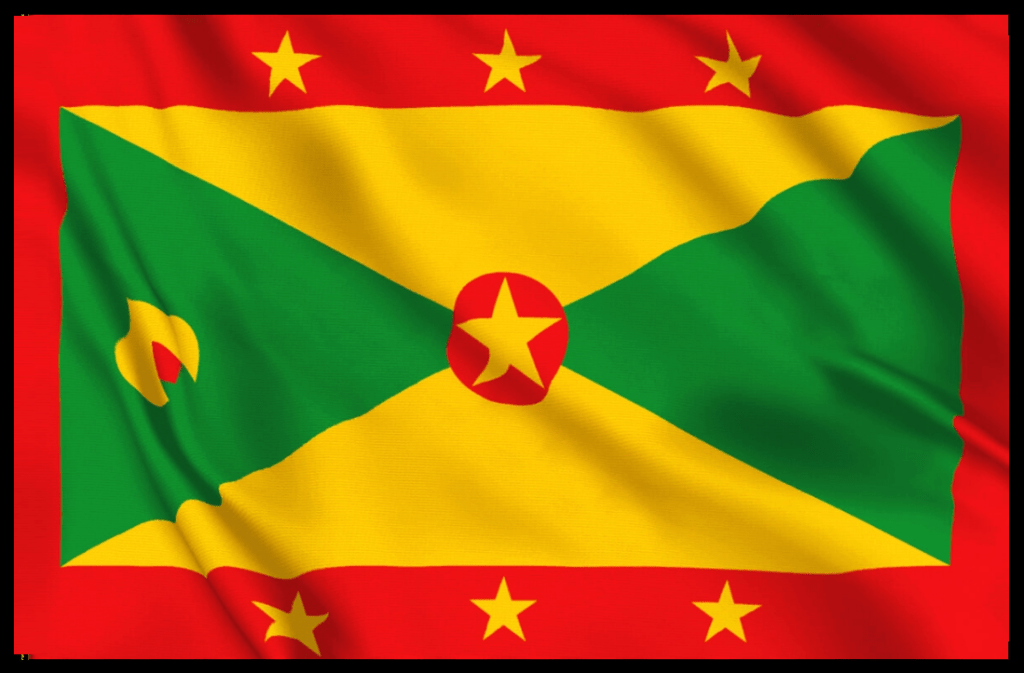
Born on May 29, 1944, on the Caribbean island of Grenada, Maurice Bishop became an inspiring revolutionary figure who sought to make Black liberation a reality in his homeland. He envisioned transforming the social and economic life of Grenada on a socialist basis. Bishop founded and led the New Jewel Movement (Joint Endeavour for Welfare, Education and Liberation, a revolutionary political party with a Marxist-Leninist premise.
Bishop studied at the University of London where he graduated in 1969 with a degree in law. It was during those years when he began reading Marxist–Leninist literature and became interested in learning about the histories of socialist movements, especially the Cuban Revolution.
He returned to Grenada in 1970 where he practiced law defending the grievances of poor workers. On that year Bishop provided legal counsel for militant striking nurses at St. George’s General Hospital seeking better working conditions for medical staff and adequate healthcare for patients.
On March 13, 1979, Maurice Bishop led an uprising in which the government of Prime Minister Sir Eric Gairy was overthrown. This was the outcome of deteriorating social and economic conditions that impacted the general population of the island nation. Gairy was accused of leading a corrupt and oppressive regime that was supported by lumpen elements of the “Mongoose Gang”.
Between 1979–1983 Maurice Bishop’s government introduced sweeping reforms, including free healthcare, secondary education, construction of homes, paid maternity leave, equal pay for women, and the Center for Popular Education (CPE) for literacy, and land reforms.
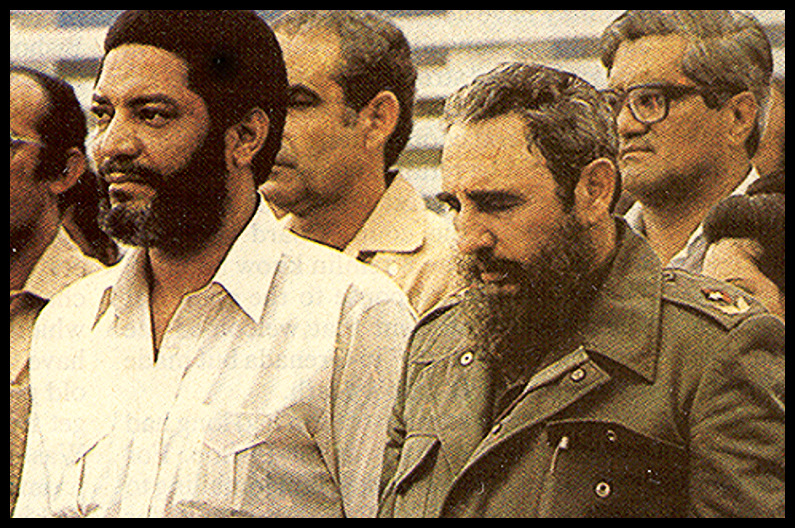
As soon as the new government was established it forged close diplomatic relations with Cuba. Havana officials agreed to help Grenada construct the Point Salines International Airport on the southern tip of the island. It was later re-named to Maurice Bishop International Airport, after the Grenadian national hero.
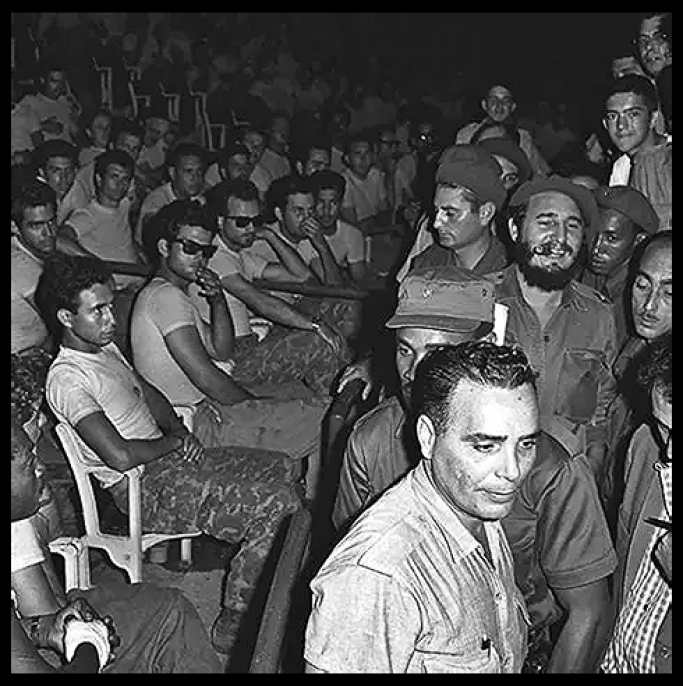
Bishop visited Cuba in 1977 prior to becoming Grenada’s Prime Minister. He returned for the Non-Aligned Countries Summit in Havana on September 2, 1979, and again for the May Day celebration in 1980.
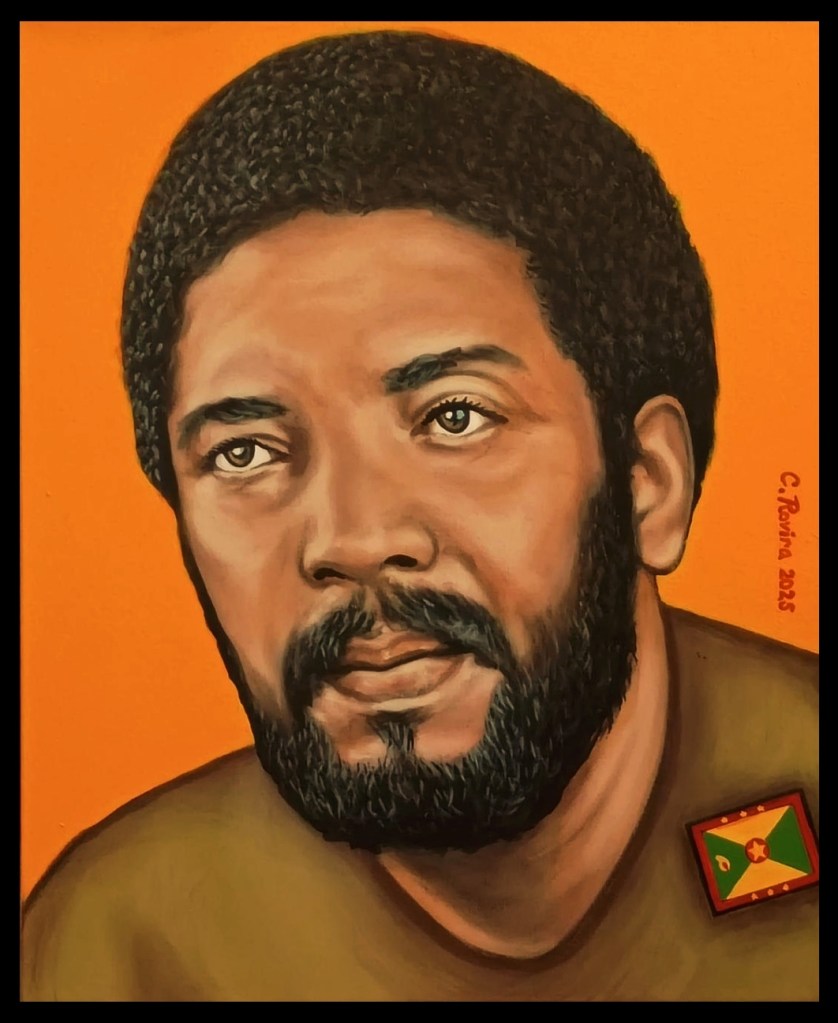
Washington officials were enraged by the developing relationship between Grenada, Cuba and the Soviet Union. U.S. officials felt threaten by the revolutionary enthusiasm of that period, in which Grenada added to the anxiety.
Under the Democratic Party presidency of Jimmy Carter and Republican Party Ronald Reagan, the Central Intelligence Agency (CIA) was given approval to conspire and aggravate internal differences within the Grenadian leadership. The country’s second head of state, Deputy Prime Minister Bernard Coard was at odds with Bishop over his relationship with Cuba and other socialist countries. Coard became increasingly anti-communist.
On October 13, 1983, Coard led a coup in which Bishop was arrested. A few days later hundreds of Bishop’s supporters freed him by storming the Fort George prison where he was held, located in the capitol city of Saint George. Soon after, the revolutionary leader was re-captured and on October 19, 1983, Coard ordered Bishop be executed by firing squad.
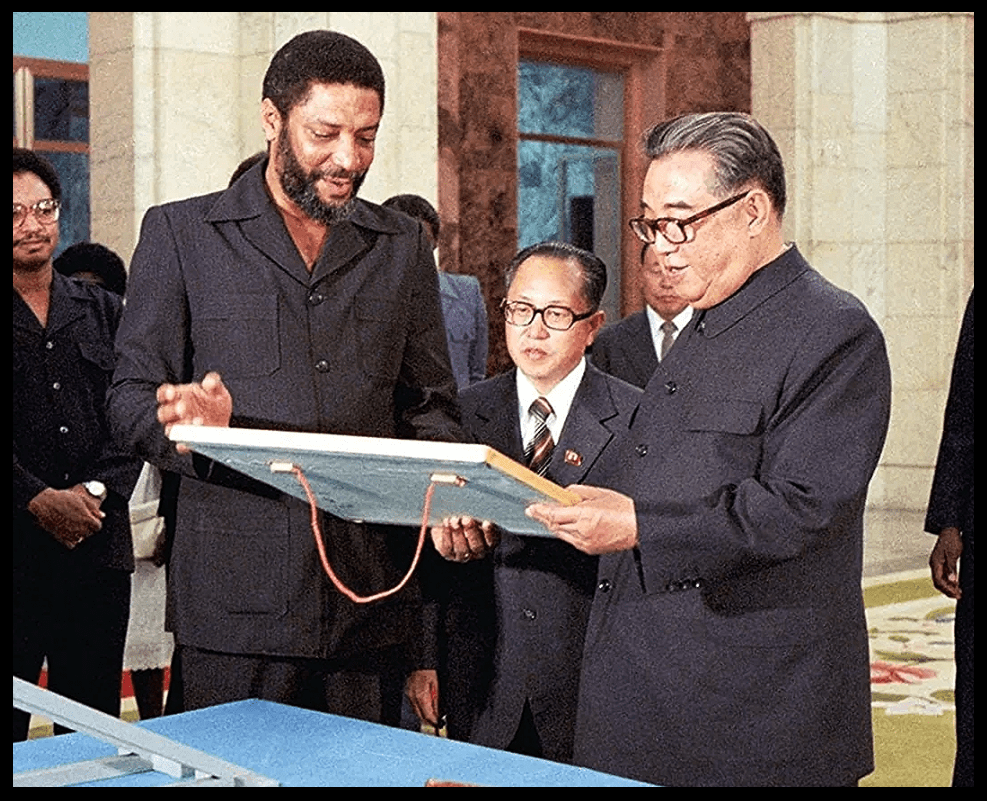
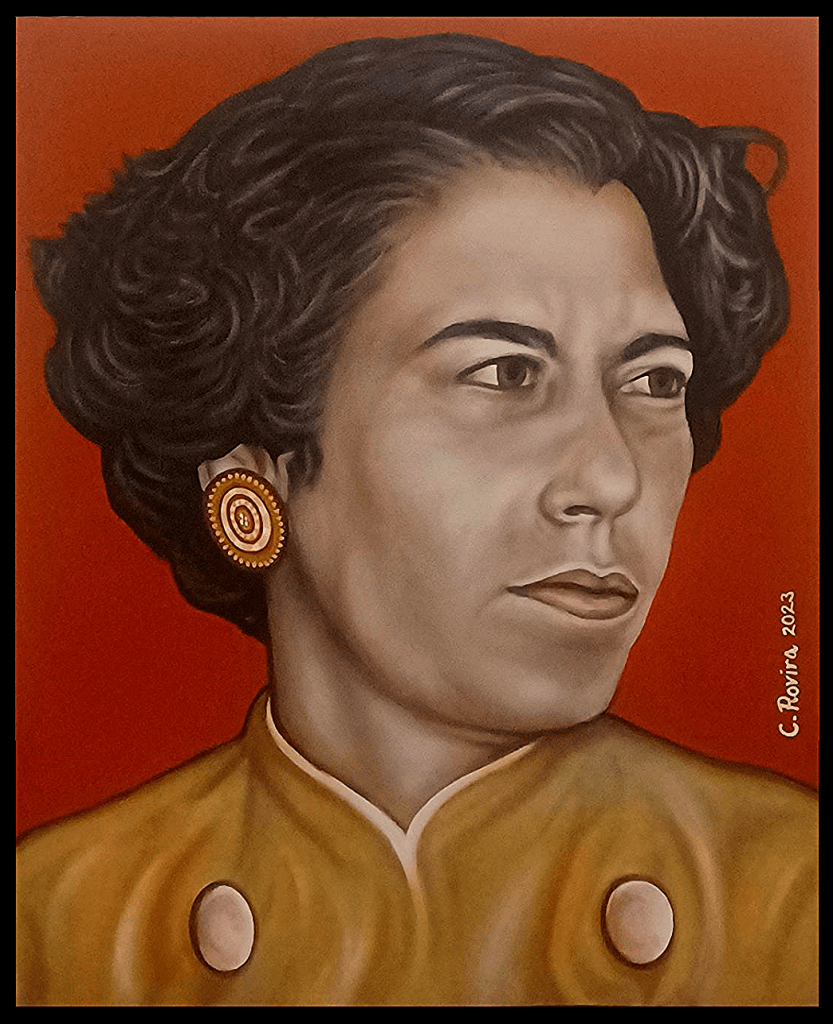
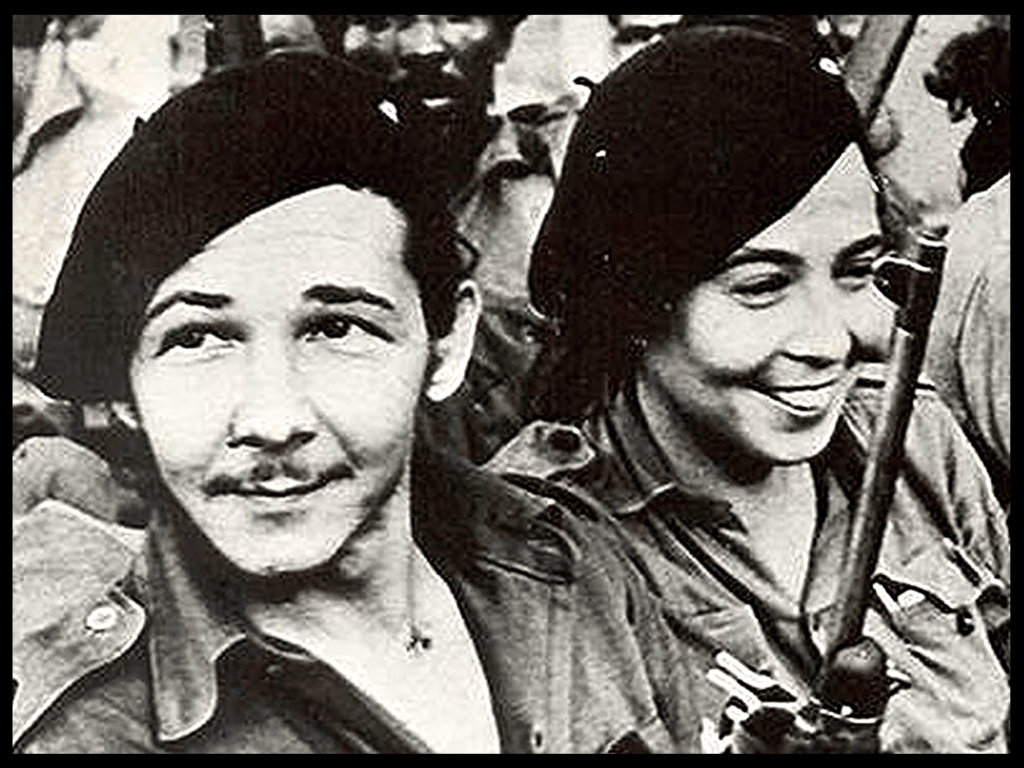
Grenada’s Prime Minister Maurice Bishop.
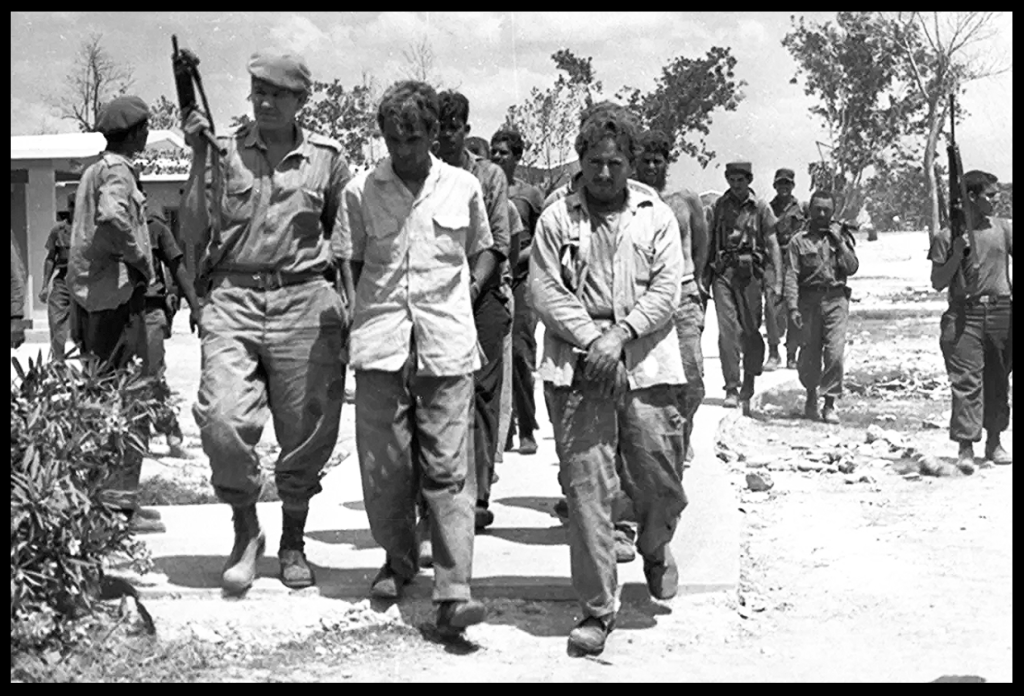
Taking advantage of the internal strife in the country, on October 25, 1983, U.S. military forces invaded Grenada. Washington officials used “restoring order” and the safety of U.S. students attending school in Grenada as a pretense for the invasion. The real motive for the assault was to eliminate Cuban and Soviet influence in Grenada and the Caribbean islands.
Being that Bernard Coard appeared to work on behalf of U.S. imperialism it’s ironic that he was also arrested by U.S. forces and charged with the assassination of Maurice Bishop. Washington officials, however, were politically cautious and wanted to project the military invasion as an act to uphold justice. U.S.-trained Law enforcement officers from neighboring Caribbean islands were brought to Grenada on a C-5A military transport plane to give the false appearance of their inclusion in the U.S. operation.
It was the first U.S. military incursion in a foreign country since its defeat in the Vietnam War. Washington officials wanted to assert their military might in order to make a political statement to the world. To accomplish this endeavor, elite units were used from Army Special Forces, Navy Seals and Marines.
Despite the tightening grip of U.S. imperialism on the Caribbean island nations and all Latin America, the masses of this region continue to demonstrate their resistance to oppression. What Maurice Bishop aimed to achieve in his beloved Grenada will inevitably become a reality with the defeat of imperialism.
LONG LIVE THE REVOLUTIONARY LEGACY OF MAURICE BISHOP!














 carlitoboricua