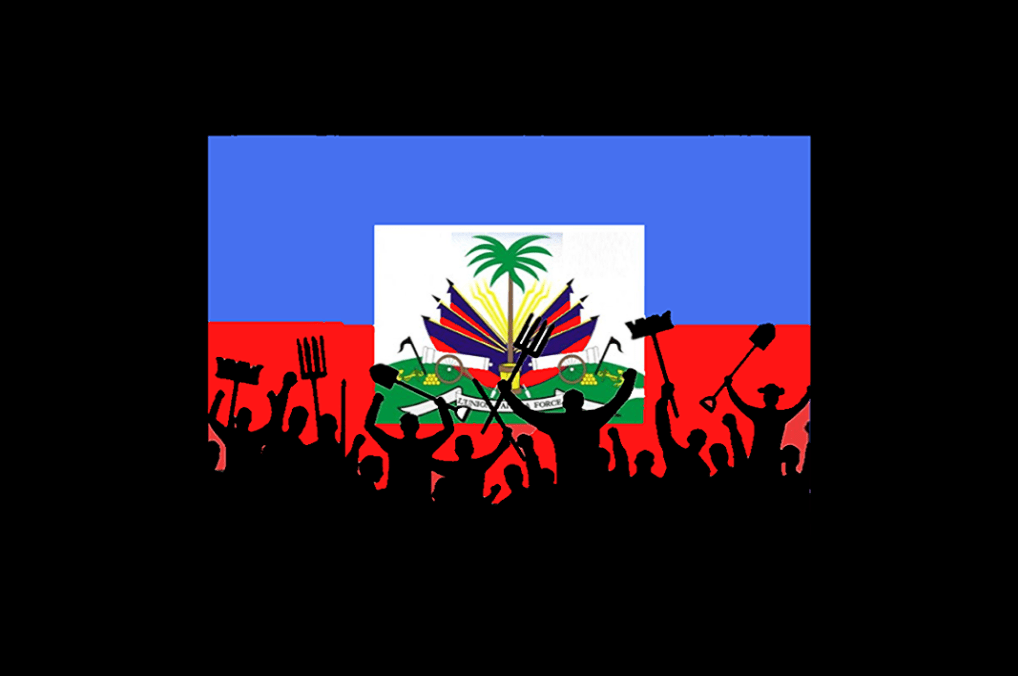
Long live the legacy of the Haitian Revolution
August 22, 1791 – January 1, 1804
By Carlos “Carlito” Rovira
The Haitian Revolution is among the most spectacular events in Western Hemispheric history. It was a revolt executed by enslaved Africans on the island of Española. This rebellious storm which began on August 21, 1791, and lasted to January 1, 1804, marked the beginning of the end for the vile system of chattel slavery in the Americas.
Bourgeois historians tend to automatically distort facts and formulate narratives that overshadow the Haitian Revolution by overly glorifying the French and so-called American “revolution”, two monumental events in capitalism’s development.
Moreover, these mainstream scholars will falsely assert that what sparked anti-colonial struggles in the Western Hemisphere was the “War for Independence” of 1776. However, a close examination of the history of race relations in the United States will contradict such claims.

For its own reasons of interest, England was leaning towards prohibiting the trans-Atlantic slave trade. It also disapproved its Thirteen settler colonies expanding further westward.
The British Empire was apprehensive of overextending itself in unfamiliar regions of the Americas. It feared becoming vulnerable to the organized resistance of Indigenous tribal people and competitive aggressiveness of its Spanish and French rivals.
It was England’s colonial policy and line of march in foreign affairs that placed its interest in direct conflict with that of the rising capitalist class in the Thirteen Colonies. The contradictions between English rulers and their “American” birth child became antagonistic and irreconcilable.
Expanding African slavery and pushing further west to engage in the theft of Indigenous lands was the sole motive for “Independence” from England. Whereas the Haitian Revolution was motivated by enslaved people desperately seeking an end to their plight.
Haiti was the most lucrative colony France possessed in its empire due to the untold horrors the Black population experienced under extreme circumstances of exploitation. The amount of wealth generated from commodity goods shipped to France, mainly sugar, coffee, cacao, cotton, and indigo, amazingly surpassed commodities exported to England from the Thirteen Colonies combined.
The Legendary Dutty Boukman
Dutty Boukman, a priest of African religions was captured by slave traders in the region known today as Senegal and Gambia. He was brought to Jamaica and then to Haiti. Boukman was boldly rebellious and frequently defied slavers by escaping. He acquired his name (Boukman for book man) because he always traveled with a Koran, which he used to teach fellow slaves how to read.
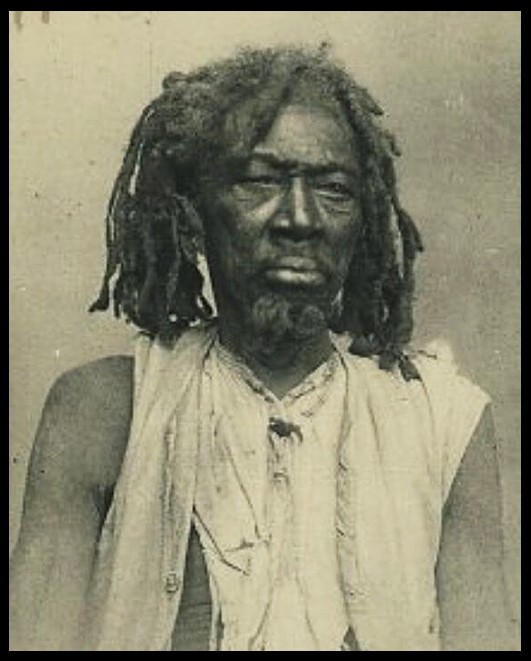
According to many contemporary accounts, Boukman was selfless and a compassionate human being, but he was also known to be extremely ruthless with slave owners as well as Blacks who betrayed their own people.
Boukman was a respected and feared maroon leader, with a large following that frequently ambushed individual French officials. They attacked settlements and homes of wealthy elite figures to avenge what was done to Black people.
But on November 7, 1791, Boukman was killed while leading a slave uprising in the township of Le Cap-Francais. Today, Boukman is remembered as the Catalyst of the Haitian Revolution.
Women in the Haitian Revolution
The success of the Haitian Revolution would not have been possible without the participation of free and enslaved Black women, most of whom picked up arms willingly against the French. Their desire to serve as combatants and spies was in response to the degradation they experienced through beatings and rapes at the hands of their slave masters.

A famous example is Marie-Jeanne Lamartinière, who served as a Lieutenant in Toussaint Louverture’s army. She courageously gave leadership to combatants that shocked French soldiers at the Battle of Crête-à-Pierrot.
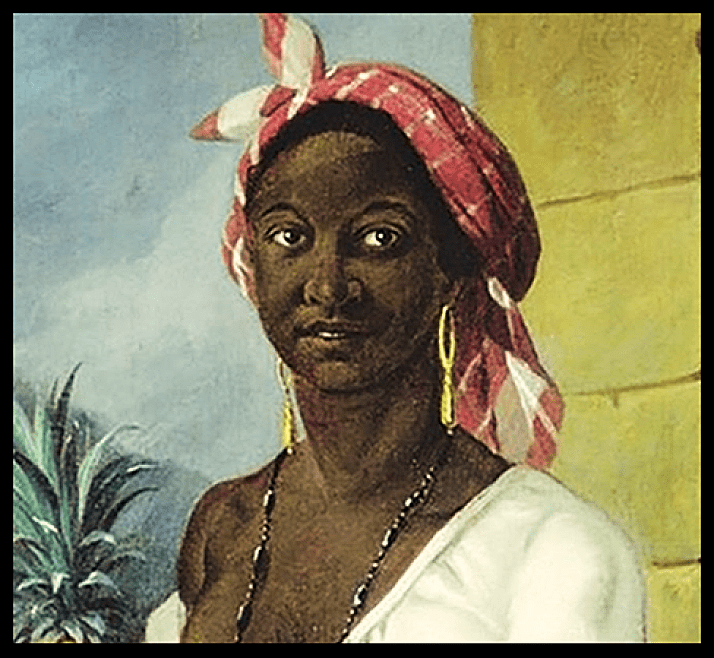
There were no limits to what these women did in the interest of the revolution. In many cases, these heroines weaponized sexuality to disorient and fool enemy troops in order to obtain intelligence vital to the operations of insurgents.
The heroic acts of these women highlight their commitment to a noble cause. Their sacrifices are usually downplayed or dismissed by the dominant male perspective of bourgeois historians.
Haitian Defeat of the French
Although most combatants were formerly enslaved Black men and women, the liberation army included free Blacks, Tainos, Mulatos, as well as Polacks and Germans, whites serving in the French Army who defected to the revolution. French tyranny was despised by various sectors of Haitian society.
After the revolutionary triumph, non-French Europeans who supported the abolitionist cause were allowed to remain in Haiti and granted citizenship. However, French citizens who upheld the slave system and refused to leave Haiti were immediately killed.
The savage treatment enslaved Black Haitians received from their French captors fully justify the rage and ruthlessness of this revolt.
Formerly enslaved Jean-Jacques Dessalines, who was second-in-command and one of Toussaint L’Ouverture’s generals, brilliantly led the revolutionary army at the decisive Battle of Vertieres on November 18, 1803, where the French Army suffered many casualties causing humiliation with defeat.
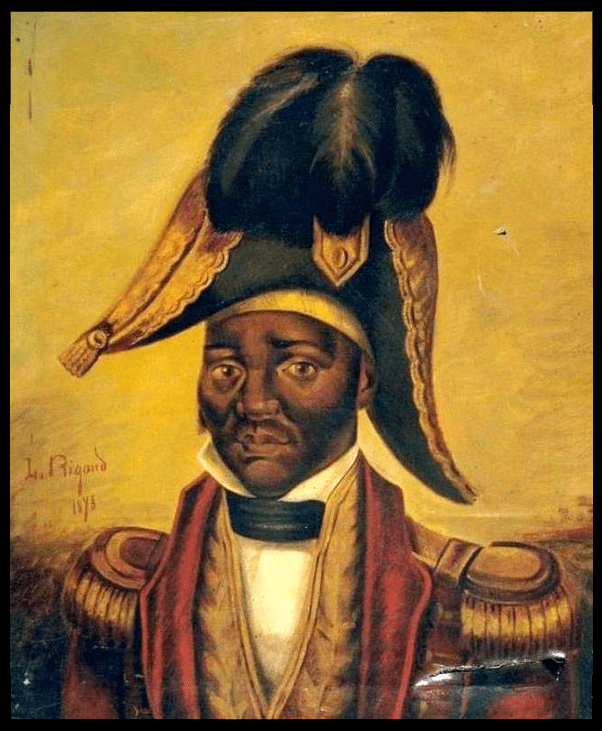
The French were exhausted and demoralized by the prolongation of the conflict. They were shocked by the tenacity of Black people determined to win their freedom. After thirteen years of fighting, on January 1, 1804, the Haitian people jubilantly rejoiced when Dessalines declared Haiti’s independence from foreign domination.

After the military struggle ceased, the newly formed Haitian government focused on seeking allies by establishing relations with revolutionary movements of neighboring countries. Haitian leaders understood quite well the necessity and benefits for oppressed people of different lands to forge unity, if they were to survive the onslaught of colonizing powers.
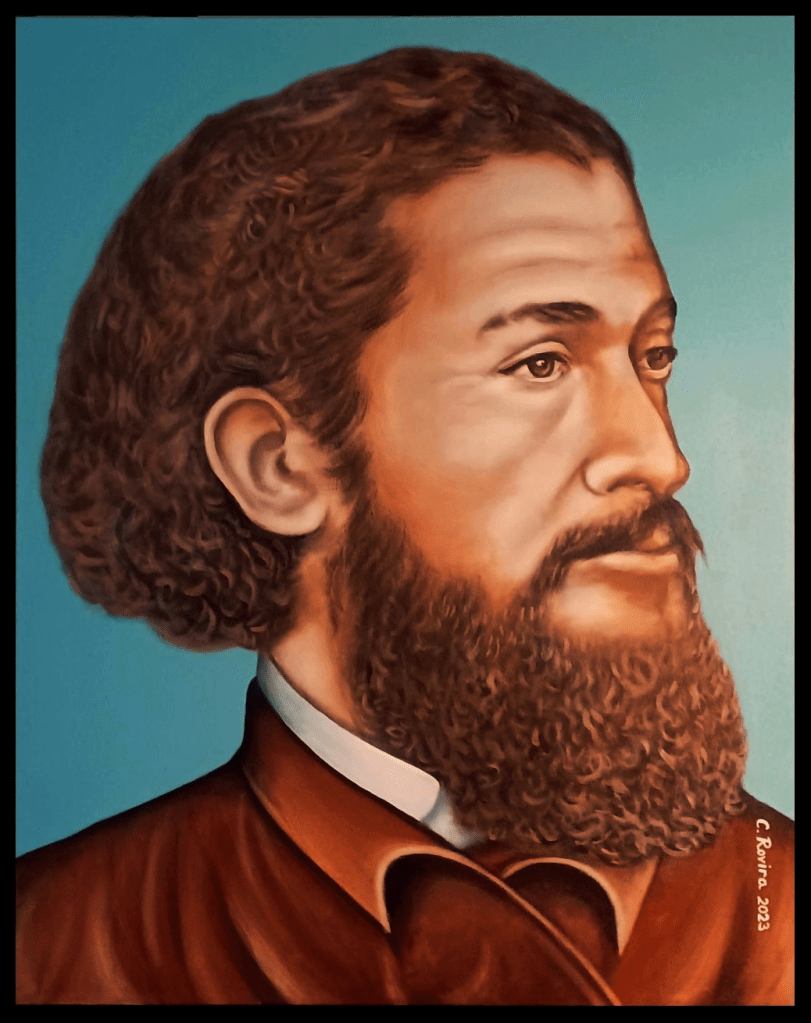
This was a feature of the Haitian perspective that impacted Puerto Rico’s iconic revolutionary leader, Dr. Ramon Emeterio Betances. Following in the footsteps of his father, a Dominican businessman who supported the Haitian Revolution, Betances travelled to Haiti with his most trusted comrade, Jose A. Basora, to have collaborative discussions with Haitian leaders on the ideas of a trans-Caribbean federation.
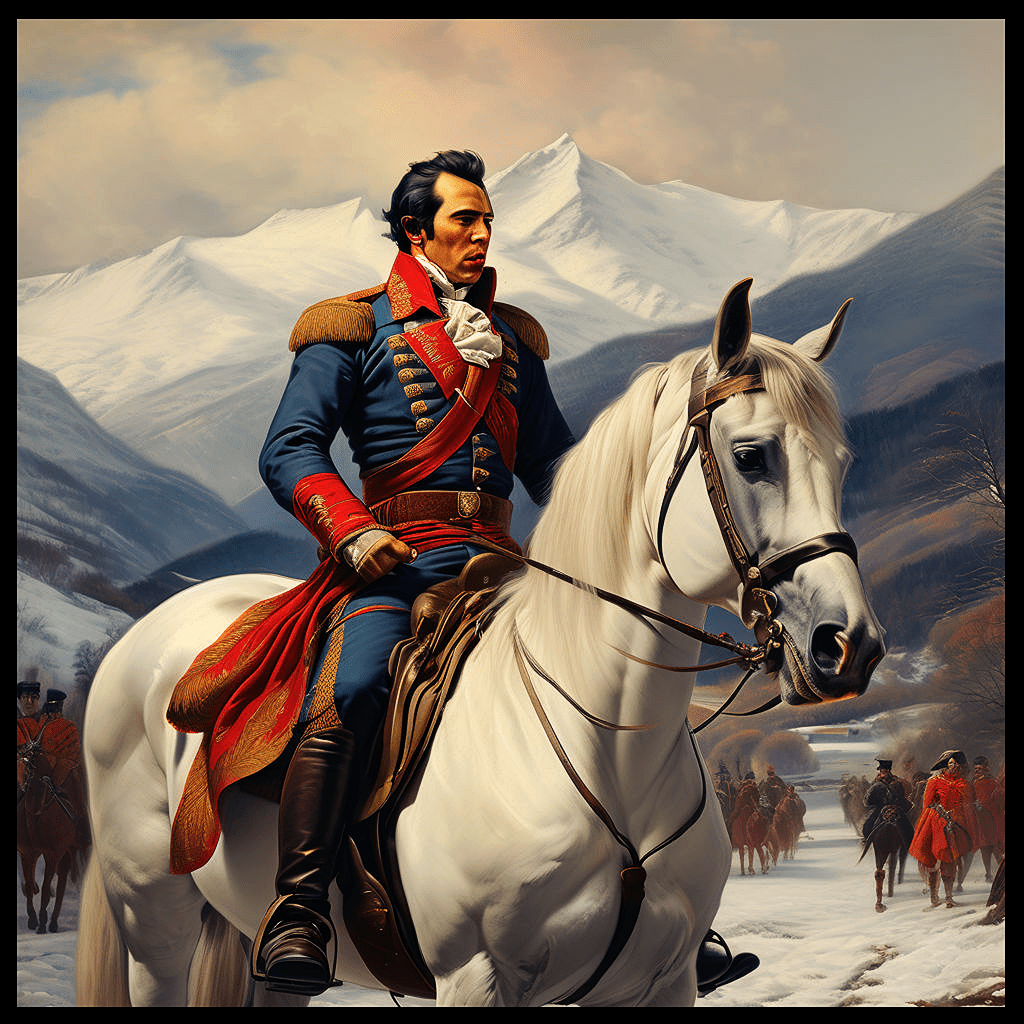
Many weapons seized from the defeated French Army were then given as gestures of solidarity to revolutionaries in Cuba, Jamaica, Puerto Rico, Mexico, and Simón Bolivar’s liberation army in South America. Haiti also provided combatant volunteers to assist in some of these liberation struggles.
Haiti became a beacon of hope and inspiration for enslaved and colonized people throughout the Caribbean, Latin America, Africa, and the United States, similarly to how the Soviet Union was viewed with awe in the early part of the Twentieth Century.
Imperialism punishes Haiti for 1804
Soon after the victory, Haiti sought to normalize relations with France and the United States on equal terms through diplomacy, but to no avail. Instead, Toussaint L’Ouverture was brutally murdered while supposedly travelling to Paris on a French warship to make peace.
The U.S. refused to recognize Haiti’s independence until 1862. And due to pressure, Haiti was forced to cede to France’s demand for reparation – 150 francs for the “loss of property”, (meaning slaves) in exchange for recognizing the newly formed Haitian state.
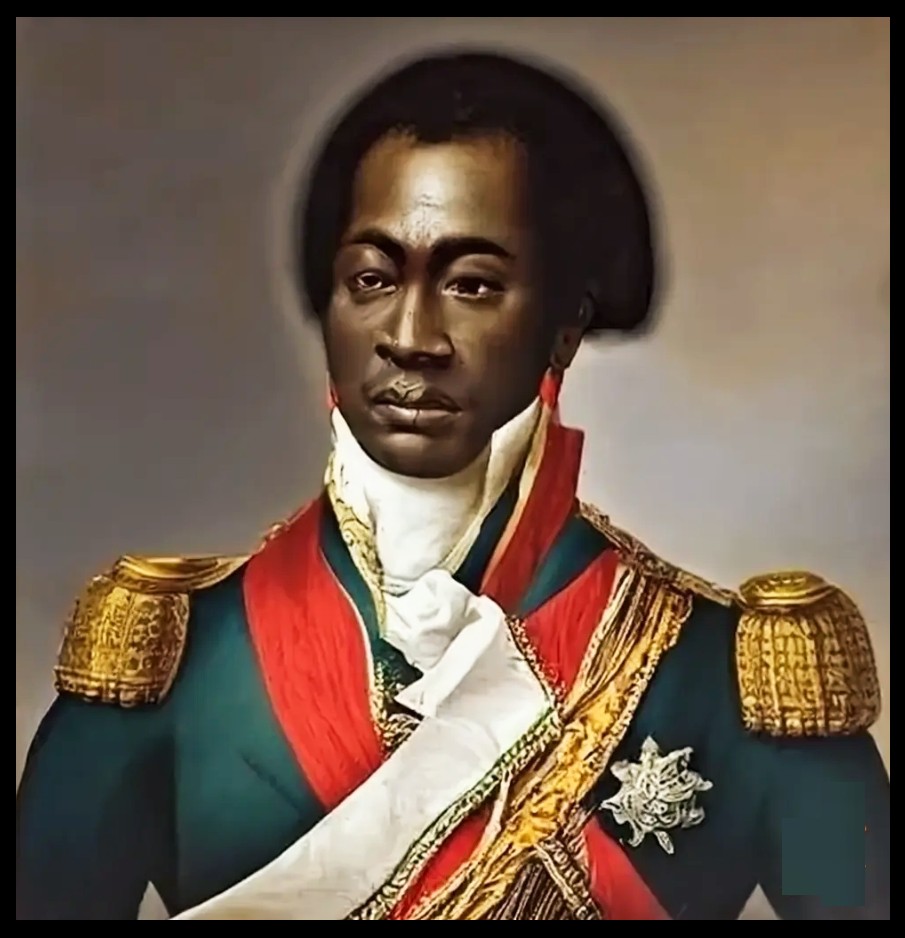
Haitian leaders always struggled to retain political power under the pressure of mounting hostilities by countries eager to re-colonize Haiti.
Between 1915 to 1934, The United States militarily invaded and occupied Haiti. The excuse Washington officials used was to “restore order and stability” after the assassination of Haitian President Jean Vilbrun Guillaume Sam. A puppet government was then installed which agreed to have the U.S. take control of Haiti’s treasury.
The U.S. also invaded Haiti in 1993 under the guise of United Nations “Peacekeepers” and intervened again in 1994.
U.S. and French racist arrogance never respected the sovereignty of the first Black republic that dared to challenge white supremacy. This is why Haiti is punished to this day by being held in a continual colonial existence.

Despite how imperialism has suppressed the Haitian people in modern times, the revolutionary ferment of demonstrated by the Haitian people cannot be removed from hearts and minds. Tyrants and colonial oppressors of every kind continue to dread the Haitian people for the fury they unleashed that triggered the downfall of African chattel slavery.
It is for this reason why the Revolution of 1804 shall forever inspire and have a special place in the archives of the class struggle, alongside the 1917 Russian Socialist Revolution, Mexican Agrarian Revolution, 1949 Chinese Revolution, Cuban Revolution, Vietnamese Revolution, Congolese Revolution, Angolan Revolution, South Africa, and others yet to come.
LONG LIVE THE HAITIAN REVOLUTION!

 carlitoboricua