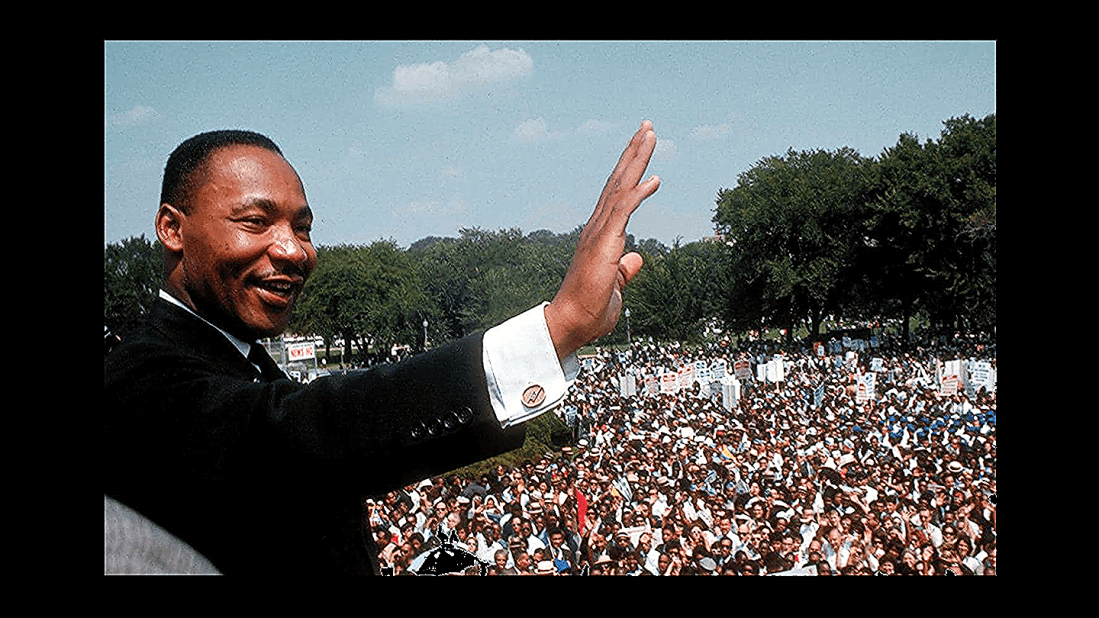
Tribute to a Civil Rights icon Dr. Martin Luther King, Jr.

______________________________________________

“A nation that continues year after year to spend more money on military defense than on programs of social uplift is approaching spiritual death.” – Dr. Martin Luther King, Jr.

______________________________________________

By Carlos “Carlito” Rovira

Dr. Martin Luther King, Jr. was among a number of significant Black religious figures whose actions and leadership in the 1950s-1960s propelled the fury of the Civil Rights movement. The Southern Baptist Church for the most part served as a vehicle for expressing the wishes of Black people. But with the advent of the 1960s mass upsurge nothing was exempt from the political storm that created a potential for revolution in the United States, including the Black Church.

The momentum consumed most of society, as the outcry for Black emancipation gained support even outside the African American community. This phenomenon provided favorable conditions for the Black struggle to play an exemplary and leadership role in the intensifying political climate.

Other oppressed sectors of the population yearning for freedom as well began to follow suit. The Civil Rights movement which started as an expression for Black freedom was now a factor in a mass upsurge which had a profound impact on the spectrum of politics in this country.

Photos taken of Dr. King while in custody by Birmingham, Alabama police.

Dr. Martin Luther King’s empathy for the historic suffering of Black people, heightened his contempt for the legacy of slavery, racist Jim Crow laws. It instilled in his character a defiance and resilience that would inspire millions of people from all nationalities and races to take part in his quest.  

Figures like Evelina Antonetty and Gerena Valentin from the Puerto Rican community as well as Cesar Chavez and Dolores Huerta, representing Mexican/Chicano migrant workers, aligned with Dr. King, thus adding to the strength of the Civil Rights movement.

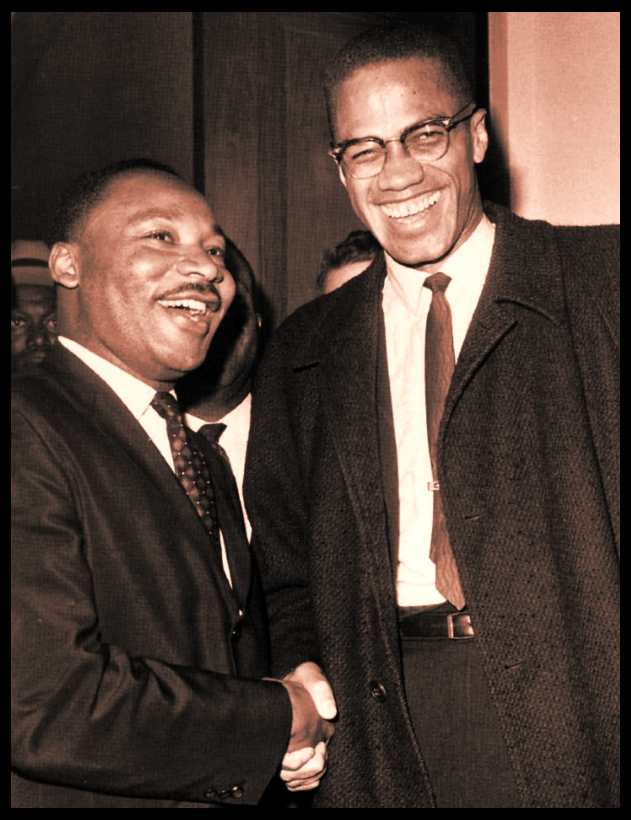
Dr. Martin Luther King, Jr. and Malcolm X, March 26, 1964, in Washington, DC.

Despite differences among Black leaders, the February 21, 1965, assassination of Malcolm X impacted Dr. King. There is indisputable evidence in his speeches that he was becoming radicalized, a reflection of the political militancy that was evolving among Black and Brown people in this country. Malcolm X’s assassination naturally brought to the open what was already being felt in the hearts and minds of millions of people, including Dr. Martin Luther King, Jr., himself.

Contrary to assertions made by bourgeois historians, which depict MLK as nonaggressive and passive, he supported and boldly encouraged civil disobedience. He was also an outspoken critic of the U.S. political and economic system.

Civil Rights activists demonstrated dignity and were not afraid of white supremacist attacks.

Although MLK never identified himself as revolutionary, by traditional definition, objective circumstances compelled him to side with radical views. Towards the end of his life, Dr. King showed signs of gravitating towards an anti-capitalist analytical conclusion to the human suffering he witnessed.

During a speech he gave on August 16, 1967, at a Southern Christian Leadership Conference in Atlanta, Georgia, Dr. King boldly stated: “The evils of capitalism are as real as the evils of militarism and evils of racism.”

And when Dr. King gave his April 4, 1967, speech at Riverside Church in Harlem, New York City, titled: “Beyond Vietnam: A Time to Break Silence” the rulers of this country became infuriated. Considering the history of political reaction and racist hatred in the United States, it cannot be ruled out that delivering this speech sealed Dr. King’s death.

Washington officials were defensive due to the Vietnamese anti-colonial struggle gaining momentum while receiving massive support throughout the world, as the U.S. anti-war movement added to the pressure.

When Dr. Martin Luther King, Jr. articulated the relevance of Civil Rights with the fight to end the war in Vietnam U.S. officials experienced political embarrassment on a global scale. It was no coincidence or surprise that the notorious J. Edgar Hoover had ordered intensifying COINTELPRO activities against Dr. King to seek ways to ruin his reputation and discredit the politics of the movement.

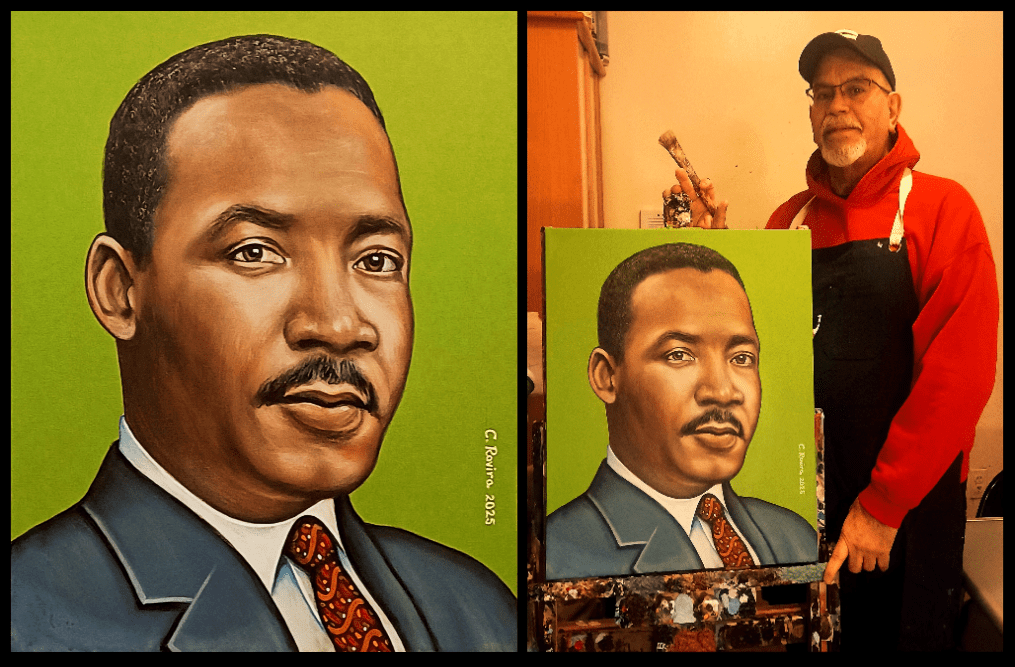
My portrait of Dr. Martin Luther King, Jr. 20″ X 24″, acrylic paint on canvas.

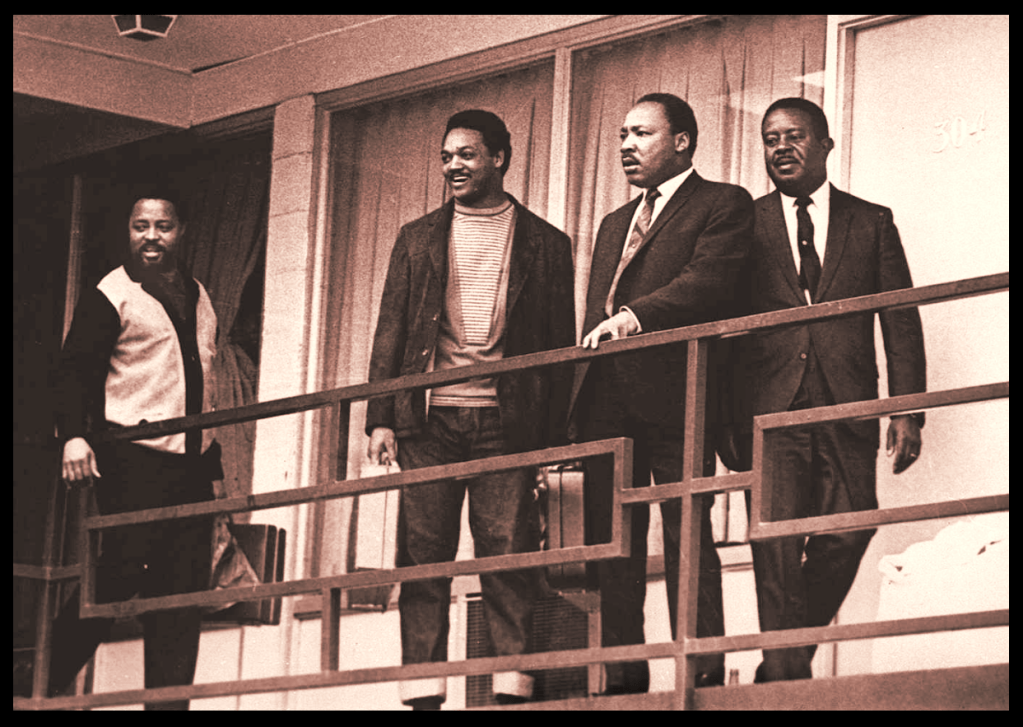
Exactly a year after the Riverside Church speech, Dr. King was assassinated. He was shot while speaking to an audience from a hotel balcony in Menphis, Tennessee. The assailant was a white supremacist named James Earl Ray, who used a high-power rifle from a distance away to kill the renown Black leader.

African Americans reacted justifiably with indignation and rebelled on the streets of major cities throughout the country. The killing of Dr. King was reminiscent of the terror Black people experienced throughout the history of this country since chattel slavery.

Moments before Dr. Martin Luther King, Jr. was fatally shot by sniper.

There are many apologists in the mainstream who will distort the critical role Dr. Martin Luther King, Jr. played in the Civil Rights movement. They will also present sanitized narratives that focus solely on his “peaceful, non-violent” tactics while avoiding mention of the vicious police terror unleashed on Dr. King and that entire movement.

What we today must always raise is the tenacious resistance Black and Brown people demonstrated then and will continue until freedom prevails, as Dr. King and the Civil Rights movement had envisioned.

LONG LIVE THE LEGACY OF DR. MARTIN LUTHER KING, JR.

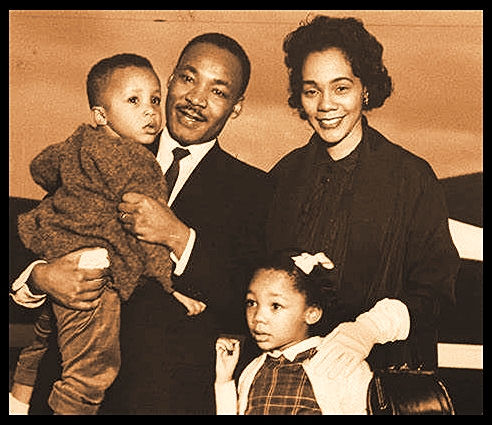
Dr. Martin Luther King, Jr., Coretta Scott-King and their children.

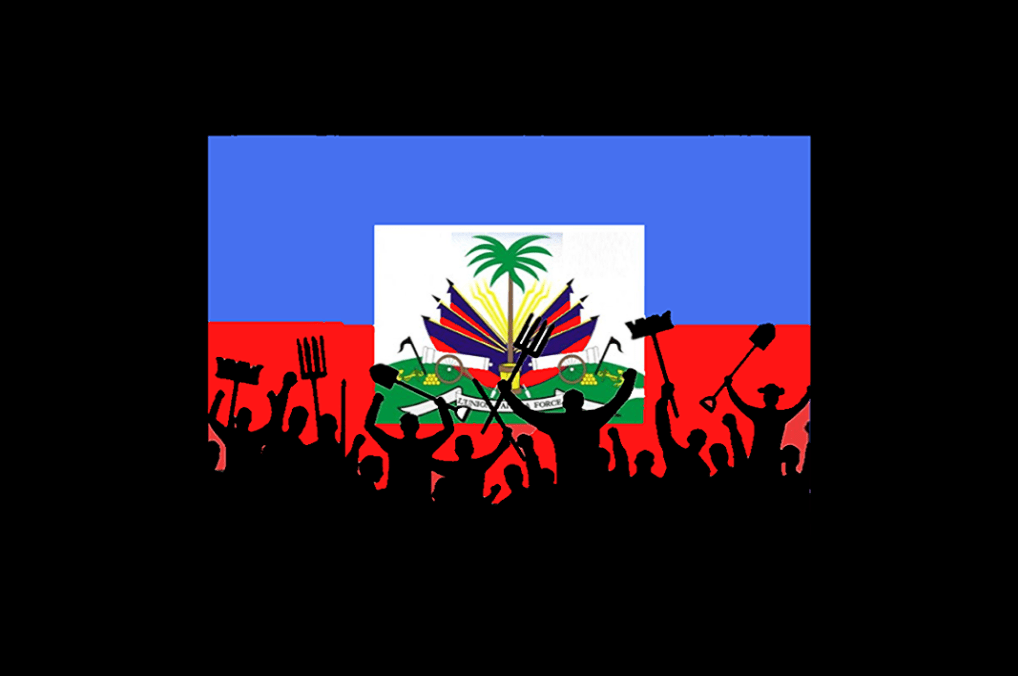
Long Live the legacy of the January 1, 1804, HAITIAN REVOLUTION!
Long live the legacy of the Haitian Revolution

August 22, 1791 – January 1, 1804

By Carlos “Carlito” Rovira

The Haitian Revolution is among the most spectacular events in Western Hemispheric history. It was a revolt executed by enslaved Africans on the island of Española. This rebellious storm 220 years ago marked the beginning of the end for the vile system of chattel slavery in the Americas.

Bourgeois historians tend to automatically distort facts and formulate narratives that overshadow the Haitian Revolution by overly glorifying the French and so-called American “revolution”, two monumental events in capitalism’s development.

Moreover, these mainstream scholars will falsely assert that what sparked anti-colonial struggles in the Western Hemisphere was the “War for Independence” of 1776. However, a close examination of the history of race relations in the United States will contradict such claims.

An artist depiction of the Haitian Revolution’s fury.

For its own reasons of interest, England was leaning towards prohibiting the trans-Atlantic slave trade. It also disapproved its Thirteen settler colonies expanding further westward.

The British Empire was apprehensive of overextending itself in unfamiliar regions of the Americas. It feared becoming vulnerable to the organized resistance of Indigenous tribal people and competitive aggressiveness of its Spanish and French rivals.

It was England’s colonial policy and line of march in foreign affairs that placed its interest in direct conflict with that of the rising capitalist class in the Thirteen Colonies. The contradictions between English rulers and their “American” birth child became antagonistic and irreconcilable.

Expanding African slavery and pushing further west to engage in the theft of Indigenous lands was the sole motive for “Independence” from England. Whereas the Haitian Revolution was motivated by enslaved people desperately seeking an end to their plight.

Haiti was the most lucrative colony France possessed in its empire due to the untold horrors the Black population experienced under extreme circumstances of exploitation. The amount of wealth generated from commodity goods shipped to France, mainly sugar, coffee, cacao, cotton, and indigo, amazingly surpassed commodities exported to England from the Thirteen Colonies combined.

The Legendary Dutty Boukman

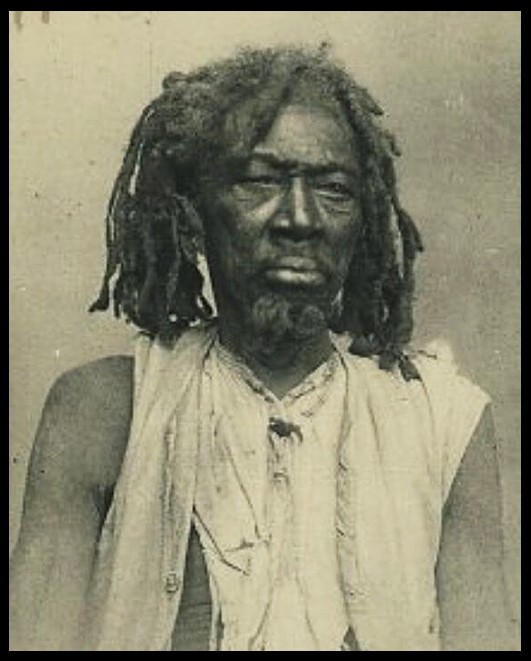
Dutty Boukman, a priest of African religions was captured by slave traders in the region known today as Senegal and Gambia. He was brought to Jamaica and then to Haiti. Boukman was boldly rebellious and frequently defied slavers by escaping. He acquired his name (Boukman for book man) because he always traveled with a Koran, which he used to teach fellow slaves how to read.

Artist’s depiction of Dutty Boukman.

According to many contemporary accounts, Boukman was selfless and a compassionate human being, but he was also known to be extremely ruthless with slave owners as well as Blacks who betrayed their own people.

Boukman was a respected and feared maroon leader, with a large following that frequently ambushed individual French officials. They attacked settlements and homes of wealthy elite figures to avenge what was done to Black people.

But on November 7, 1791, Boukman was killed while leading a slave uprising in the township of Le Cap-Francais. Today, Boukman is remembered as the Catalyst of the Haitian Revolution.

Women in the Haitian Revolution

The success of the Haitian Revolution would not have been possible without the participation of free and enslaved Black women, most of whom picked up arms willingly against the French. Their desire to serve as combatants and spies was in response to the degradation they experienced through beatings and rapes at the hands of their slave masters.

An artist’s depiction of triumphant Haitian women in battle.

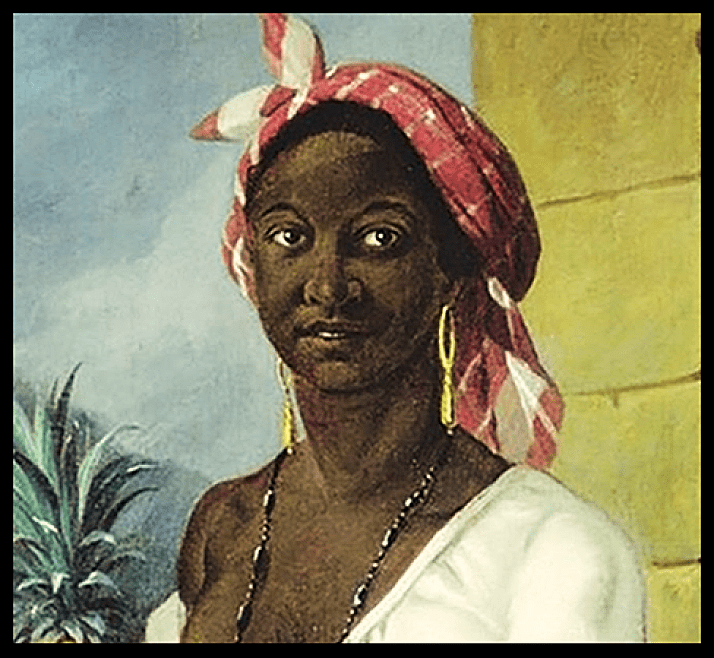
A famous example is Marie-Jeanne Lamartinière, who served as a Lieutenant in Toussaint Louverture’s army. She courageously gave leadership to combatants that shocked French soldiers at the Battle of Crête-à-Pierrot. 

Artist’s depiction of Marie-Jeanne Lamartinière.

There were no limits to what these women did in the interest of the revolution. In many cases, these heroines weaponized sexuality to disorient and fool enemy troops in order to obtain intelligence vital to the operations of insurgents.

The heroic acts of these women highlight their commitment to a noble cause. Their sacrifices are usually downplayed or dismissed by the dominant male perspective of bourgeois historians.

Haitian Defeat of the French

Although most combatants were formerly enslaved Black men and women, the liberation army included free Blacks, Tainos, Mulatos, as well as Polacks and Germans, whites serving in the French Army who defected to the revolution. French tyranny was despised by various sectors of Haitian society.

After the revolutionary triumph, non-French Europeans who supported the abolitionist cause were allowed to remain in Haiti and granted citizenship. However, French citizens who upheld the slave system and refused to leave Haiti were immediately killed.

The savage treatment enslaved Black Haitians received from their French captors fully justify the rage and ruthlessness of this revolt.

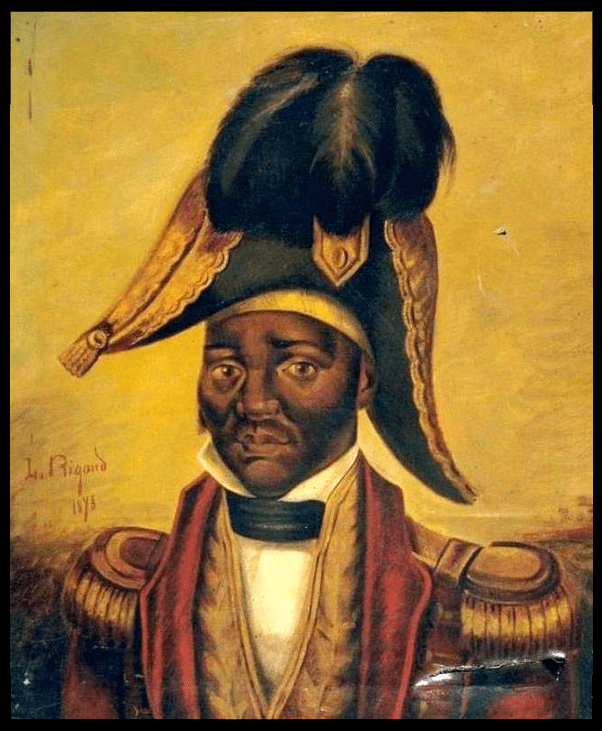
Formerly enslaved Jean-Jacques Dessalines, who was second-in-command and one of Toussaint L’Ouverture’s generals, brilliantly led the revolutionary army at the decisive Battle of Vertieres on November 18, 1803, where the French Army suffered many casualties causing humiliation with defeat.

Jean-Jacques Dessalines (1758-1806)

The French were exhausted and demoralized by the prolongation of the conflict. They were shocked by the tenacity of Black people determined to win their freedom.

After thirteen years of fighting, on January 1, 1804, the Haitian people jubilantly rejoiced when Dessalines declared Haiti’s independence from foreign domination.

Artist depiction of the Battle of Vertieres, November 18, 1803.

After the military struggle ceased, the newly formed Haitian government focused on seeking allies by establishing relations with revolutionary movements of neighboring countries. Haitian leaders understood quite well the necessity and benefits for oppressed people of different lands to forge unity, if they were to survive the onslaught of colonizing powers.

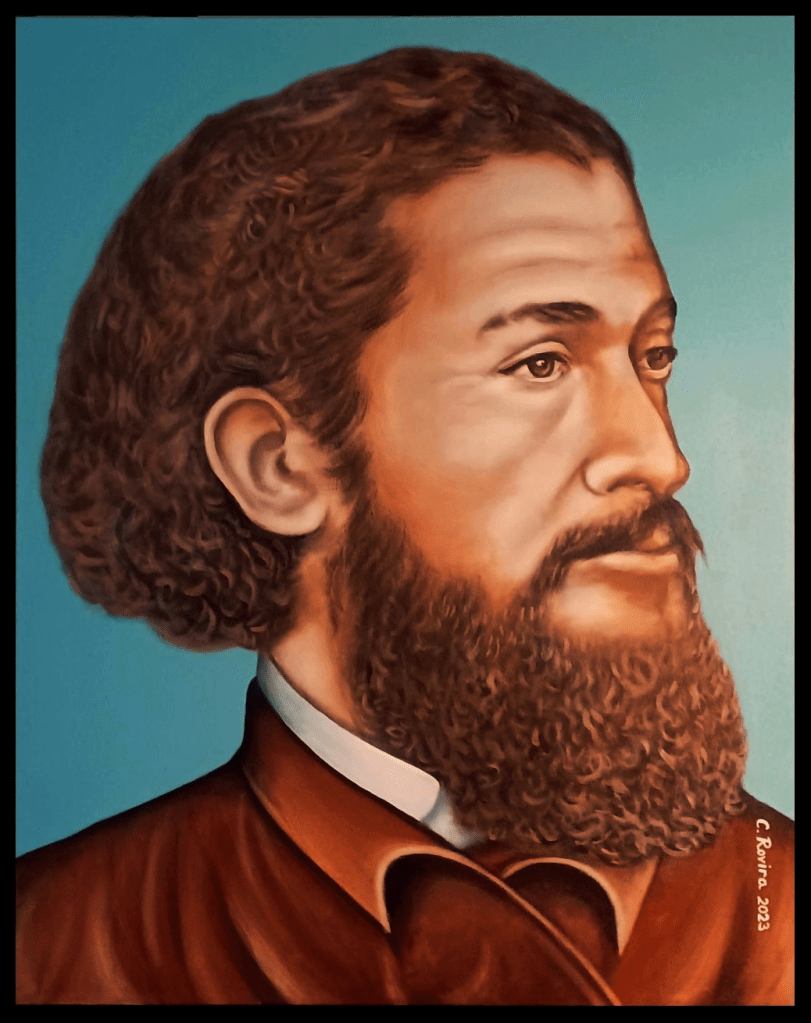
This was a feature of the Haitian perspective that impacted Puerto Rico’s iconic revolutionary leader, Dr. Ramon Emeterio Betances. Following in the footsteps of his father, a Dominican businessman who supported the Haitian Revolution, Betances travelled to Haiti with his most trusted comrade, Jose A. Basora, to have collaborative discussions with Haitian leaders on the ideas of a trans-Caribbean federation.

My portrait of Dr. Ramon Emeterio Betances. 24″ X 30, acrylic paint on canvas.

Many weapons seized from the defeated French Army were then given as gestures of solidarity to revolutionaries in Cuba, Jamaica, Puerto Rico, Mexico, and Simón Bolivar’s liberation army in South America. Haiti also provided combatant volunteers to assist in some of these liberation struggles.

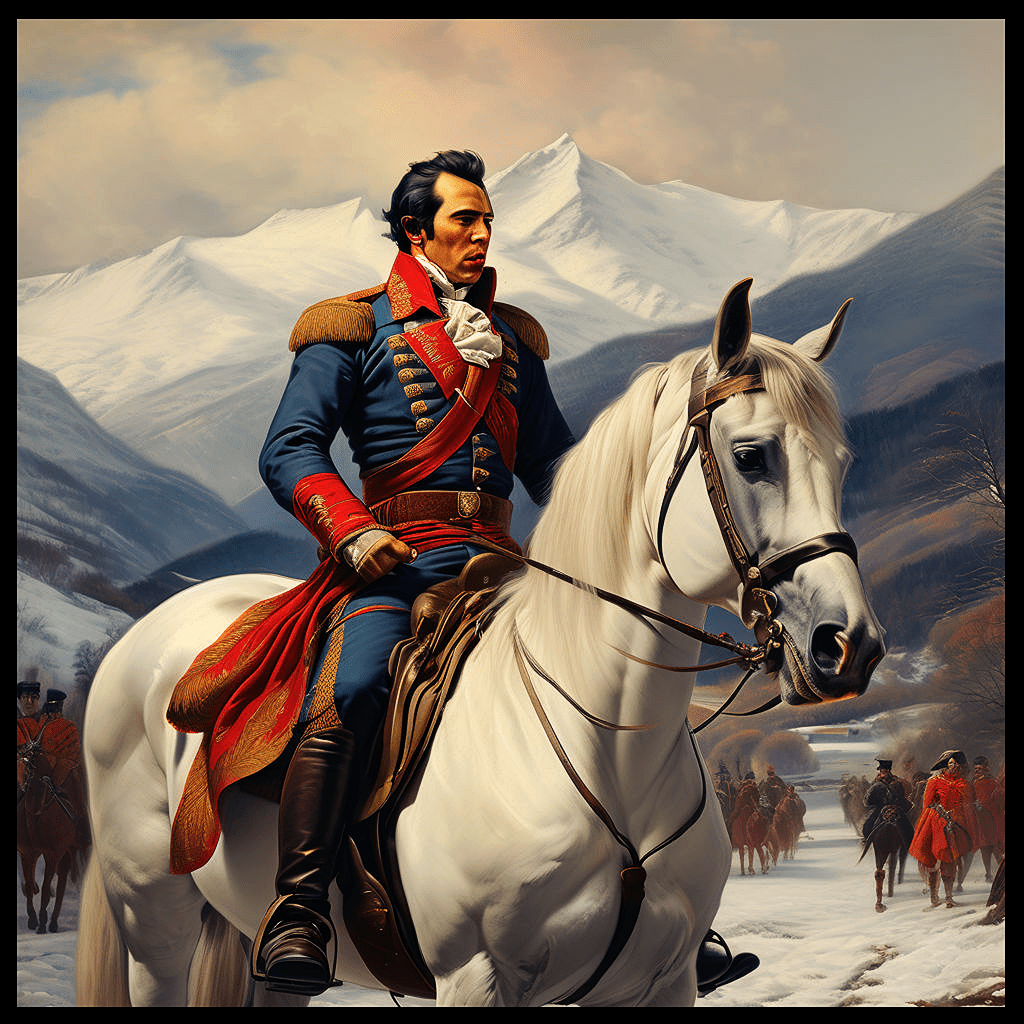
An artist oil depiction of the legendary revolutionary Simón Bolivar.

Haiti became a beacon of hope and inspiration for enslaved and colonized people throughout the Caribbean, Latin America, Africa, and the United States, similarly to how the Soviet Union was viewed with awe in the early part of the Twentieth Century.

Imperialism punishes Haiti for 1804

Soon after the victory, Haiti sought to normalize relations with France and the United States on equal terms through diplomacy, but to no avail. Instead, Toussaint L’Ouverture was brutally murdered while supposedly travelling to Paris on a French warship to make peace.

The U.S. refused to recognize Haiti’s independence until 1862. And due to pressure, Haiti was forced to cede to France’s demand for reparation – 150 francs for the “loss of property”, (meaning slaves) in exchange for recognizing the newly formed Haitian state.

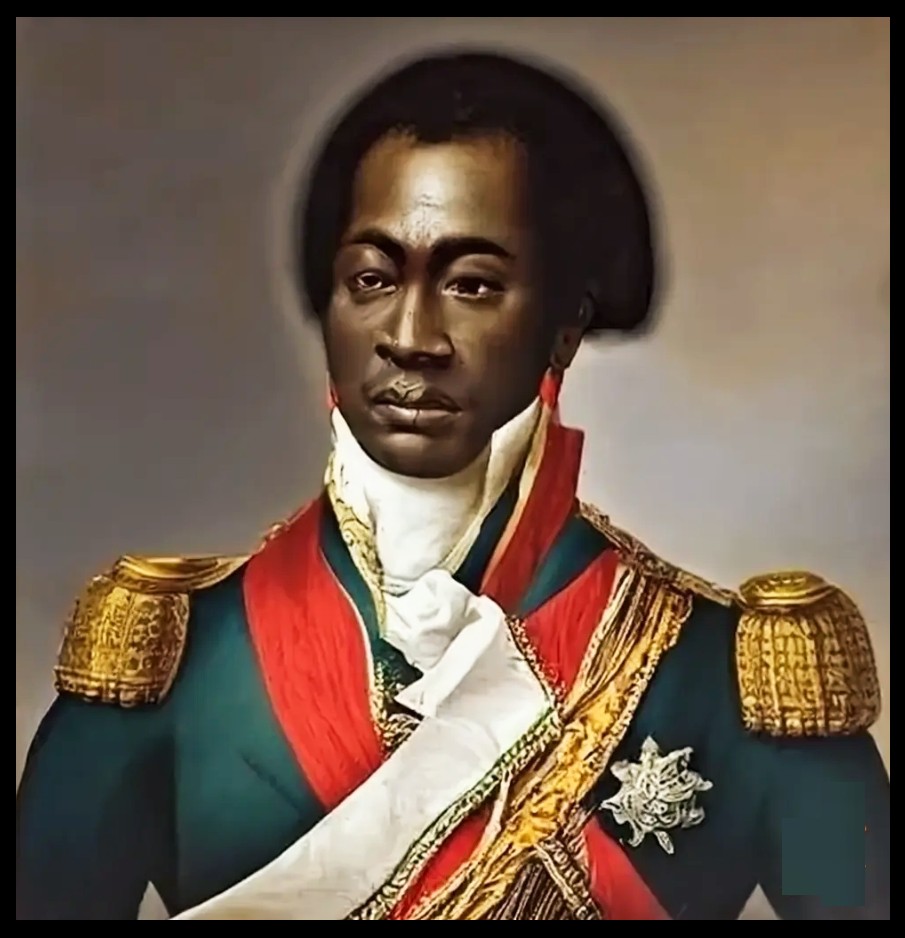
The legendary Haitian revolutionary leader Toussaint L’Ouverture.

Haitian leaders always struggled to retain political power under the pressure of mounting hostilities by countries eager to re-colonize Haiti.

Between 1915 to 1934, The United States militarily invaded and occupied Haiti. The excuse Washington officials used was to “restore order and stability” after the assassination of Haitian President Jean Vilbrun Guillaume Sam. A puppet government was then installed which agreed to have the U.S. take control of Haiti’s treasury.

The U.S. also invaded Haiti in 1993 under the guise of United Nations “Peacekeepers” and intervened again in 1994.

U.S. and French racist arrogance never respected the sovereignty of the first Black republic that dared to challenge white supremacy. This is why Haiti is punished to this day by being held in a continual colonial existence.

Despite how imperialism has suppressed the Haitian people in modern times, the revolutionary ferment of 1804 cannot be removed from hearts and minds. Tyrants and colonial oppressors of every kind continue to dread the Haitian people for the fury they unleashed that triggered the downfall of African chattel slavery.

It is for this reason why the Revolution of 1804 shall forever inspire and have a special place in the archives of the class struggle, alongside the 1917 Russian Socialist Revolution, Mexican Agrarian Revolution, 1949 Chinese Revolution, Cuban Revolution, Vietnamese Revolution, Congolese Revolution, Angolan Revolution, South Africa, and others yet to come.

LONG LIVE THE HAITIAN REVOLUTION!
Tribute to LEON TROTSKY Centurion of the October 1917 Russian Socialist Revolution

Para la versión en español: https://carlitoboricua.blog/2024/10/23/homenaje-a-leon-trotsky-centurion-de-la-revolucion-socialista-rusa-de-1917/

____________________________________________

“The United States is not only the strongest, but also the most terrified country.” ― Leon Trotsky

____________________________________________

By Carlos “Carlito” Rovira

Leon Trotsky was born as Lev Davidovich Bronstein to a wealthy Ukrainian Jewish family on November 7, 1879, in Yanovka, Ukraine during the Russian Empire. However, after becoming drawn to Marxism as a teenager, he purposely repudiated his social class privilege and rejected the Jewish identity as an unapologetic atheist. Trotsky grew to become a prominent figure in one of the most momentous events of the Twentieth Century, the 1917 Russian Socialist Revolution.

In February 1917, Czar Nicholas II was forced to abdicate his throne due to extreme political unrest in Russia. Trotsky returned to Russia with thousands of his followers eager to join the Bolsheviks. The country was undergoing a promising revolutionary crisis.

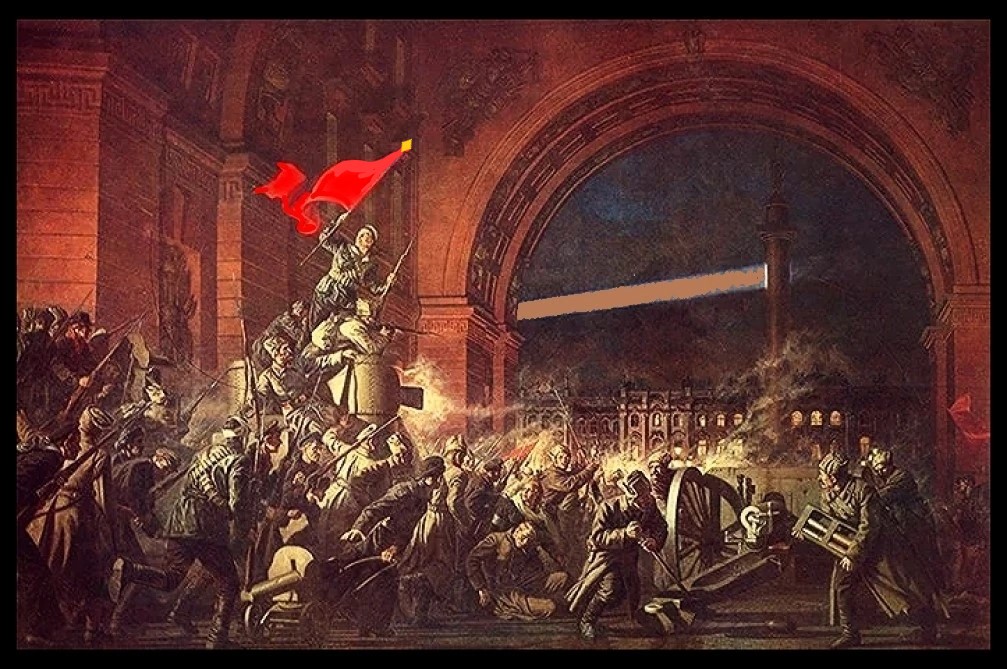
As chairman of the Petrograd Soviet, Trotsky played a key role in the storming of the Winter Palace in which the Kerensky Government was overthrown. Trotsky had then become one of Vladimir Lenin‘s most trusted comrades.

Artist depiction of Bolshevik insurgents storming the Winter Palace in Saint Petersburg, October 1917.

Between 1918 to 1925, Trotsky served as Commissar for Military and Naval Affairs, the equivalent title of a defense minister. He was also founder of the Soviet Red Army.

Under Trotsky’s leadership, the Red Army defeated attempts by counterrevolutionaries to restore the old semi-Feudal capitalist order. He also played a decisive role expelling from 5,600 miles of Russian territory, 14 invading imperialist armies. This included invading military forces from the United States.

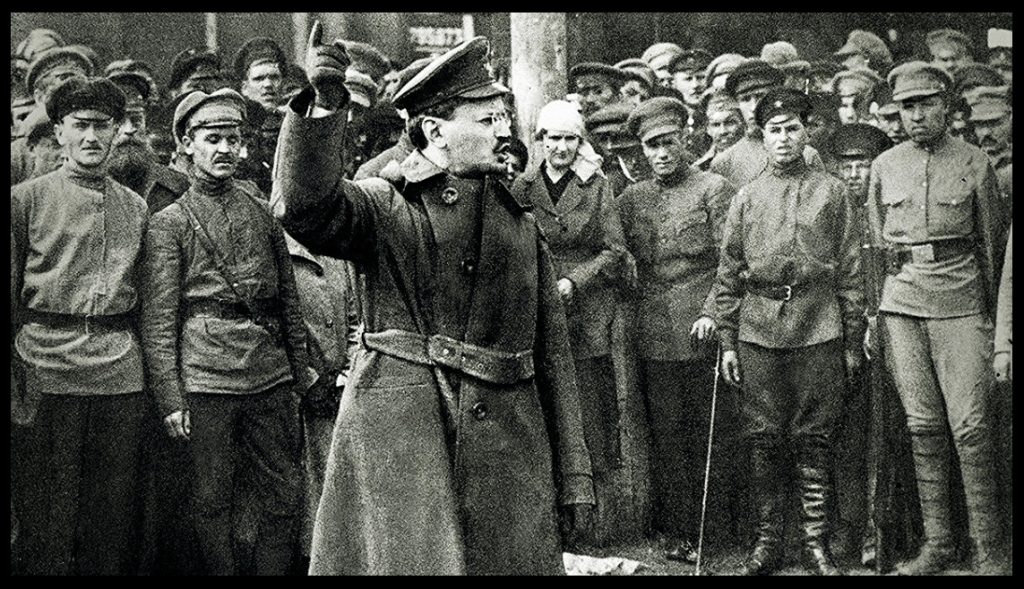
Trotsky speaking to Red Army troops before a battle.
The Red Army in pursuit of counterrevolutionary forces during the Civil War in Russia.

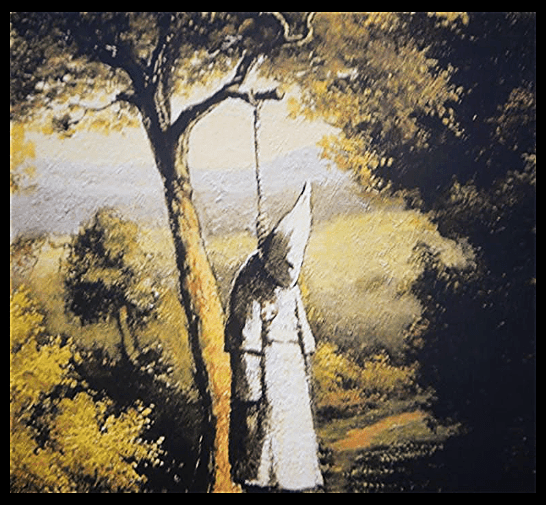
Being well-versed in the politics of the United States, Trotsky was quite outspoken against the racist policies of its government officials – especially on the subject of the Klu Klux Klan (KKK), the historic expression of white supremacy which originated from among defeated Confederate Army officers and soldiers after the U.S. Civil War.

Trotsky’s outspoken and unforgiving stance with white supremacy came at the height of lynching of Black people in the U.S. southern states. He adamantly encouraged U.S. Communists to inflict the same terror on the KKK. Trosky stated: “Let us raise the slogan so that these capitalists will hear it plainly: LYNCH THE LYNCHERS OF THE NEGROES AND THE POOR TOILERS!”

Banksy’s Hanging Klansman. A vision Leon Trotsky likely had when speaking about the KKK.

Trotsky had profound respect for the spiritual power of culture. His Collected Writings on Literature & Art, expressed the importance he gave to this subject for winning over the hearts and minds of millions of working-class people.

Unlike Joseph Stalin’s official restrictions on artistic license, Trosky was enthusiastically in favor of artistic freedom development in all forms. This view was also expressed at a public meeting on May 2, 1956, by China’s Mao Zedong: “Let a hundred flowers bloom; let a hundred schools of thought contend.

Leon Trotsky standing by the Kremlin.

Trotsky’s views on culture and art reflected his general disposition on the power of worker’s rights and power which aimed to encourage dialog and debate. Trotsky wanted to use culture as a tool for strengthening the intellectual potential of all citizens- especially the farmers and working class in a county where illiteracy was widespread.

Moreover, Trotsky envisioned creating a system of checks and balances where the average worker had a voice in the workplace and government. Elected “Commissars” as defined by the principles of Workers & Soldiers Soviets, would have subjected government and military officials to immediate recall if necessary.

Leon Trotsky with fellow combatants of the Red Army.

Trotsky’s logic was to compel officials to practice good leadership by earning the respect and loyalty of their subordinates. However, the role of Commissars fluctuated as the ferment of the revolution gradually waned. Ultimately, these elected posts were eliminated by decree, becoming a key area of contention between Stalin and Trotsky.

THE STALIN – TROTSKY SPLIT

As the Soviet Union moved forward to consolidate its political power, especially after the death of Vladamir Lenin on January 21, 1924, contradictions sharpened between two opposing currents within the Communist Party of the Soviet Union (CPSU).

The differences became crystalized and were spearheaded by Joseph Stalin on the one hand and Leon Trotsky on the other. Stalin represented a fierce movement to concentrate power in the government bureaucracy, whereas Trotsky advocated for empowering the Soviets (committees) of workers.

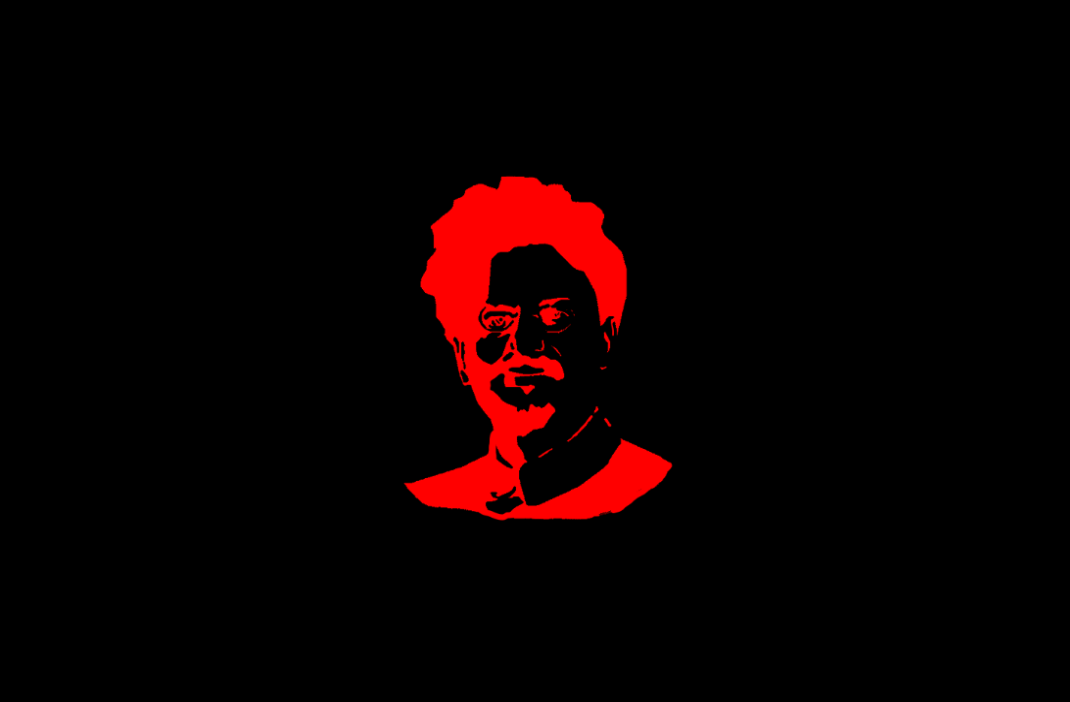
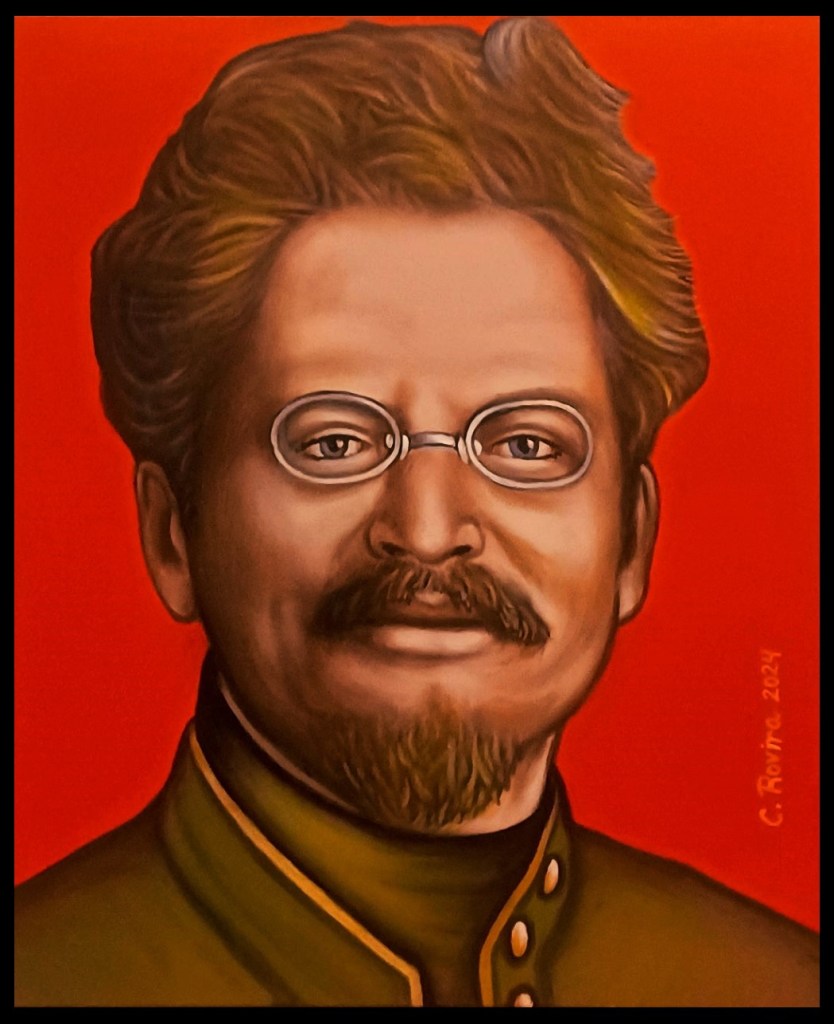
My portrait of Leon Trotsky. 20″ X 24″, acrylic paint on canvas.

As Lenin’s health began to rapidly decline due to a debilitating stroke, he dictated a letter to his trusted aide stating his last wishes that Joseph Stalin not become his successor as leader of the Soviet Union. This historical document became known as Lenin’s Last Testament. However, Stalin manipulated everyone opposed to him by appointing his close allies to key government positions to thwart objections. This event outraged many Bolsheviks who expected Trotsky to be next in line as head of state.

In the years after Lenin died, the majority of the CPSU’s rank and file was gradually steered to partake in a deliberate campaign against Trotsky. He was horribly vilified and removed from his duties as Commissar of the Military, the Politburo, as well as purged from the Communist Party altogether. Eventually, Trotsky was exiled out of the Soviet Union.

As always, dynamics exist everywhere in nature and politics. Tragically, the differences within CPSU were unable to be resolved, resulting in increased antagonism which led to the assassination of Trotsky in Mexico on August 21, 1940, by a NKVD secret agent Jaime Ramón del Rio. In addition, Trotsky’s loyal followers were suffering persecution inside the still developing USSR.

Until the last moments of his life, Trotsky maintained a revolutionary posture by urging his followers to continue defending the Soviet Union. Although Trotsky was scornfully opposed to Stalinism, he understood that it was a phenomenon that did not originate from the capitalist camp but from socialism.

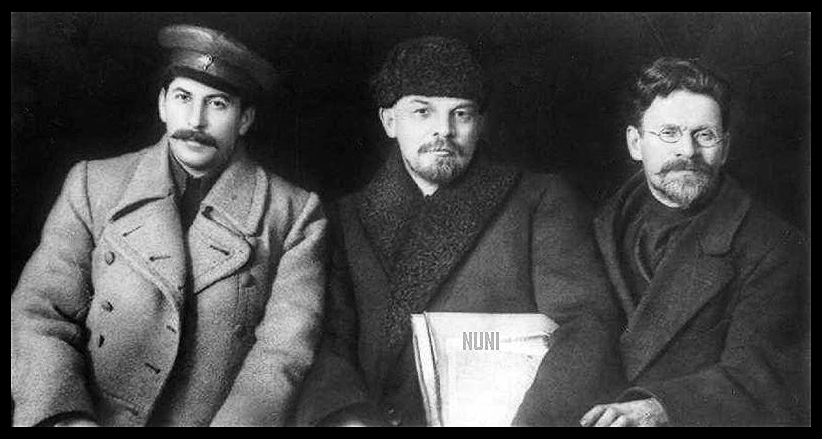
From left to right: Joseph Stalin, Vladamir Lenin, and Leon Trotsky before their political fallout.

Internal turmoil is often the initial spark that ignites the implosion of any revolutionary movement. One can easily point to a similar historical occurrence, when in June 1971 internal conflicts caused the disastrous demise of the Black Panther Party (BPP).

The scenario of domestic dispute and violence applies in both absurd situations. Brothers & sisters turned against brothers & sisters to the highest level of hostilities.

It is impossible to overlook how the BPP split was a set-back for the U.S. movement. And it doesn’t take much to conclude how the BPP split was largely orchestrated by the FBI’s COINTELPRO. Conversely, we cannot dismiss the possible role by foreign intelligence in the Stalin-Trotsky conflict.

However, Leon Trotsky repeatedly warned the international revolutionary movement about the detriments of Stalinism, most notably his predictions of the USSR’s shift to the right and its eventual collapse, which occurred in 1991. Trotsky’s detailed critiques of Stalinism were outlined in his classic polemic titled A Revolution Betrayed.

The collapse of the Soviet Union provided the international gang of capitalist tyrants and exploiters an opportunity to advance their anti-Communist smears. It also caused many difficulties for revolutionaries throughout the world, as well as republics resisting imperialism like Cuba.

There are many lessons to be drawn by future generations of the 1917 Russian Revolution. Specifically, Leon Trotsky’s contributions to the establishment of the very first socialist state, and his comradeship with Vladamir Lenin.

Vladamir Lenin and Leon Trotsky together after the Bolshevic seizer of power.

It will require serious inquiry about this history to counter the baseless anti-Communist slanders directed against the legacy of Leon Trotsky, which originated from Stalinism.

Hopefully, the next major Socialist revolution, wherever it may be, shall avoid a repeat of past mistakes and correctly grapple with socialism’s inherited contradictions. That will surely guarantee a decisive victory for the emancipation of oppressed and exploited people.

LONG LIVE THE REVOLUTIONARY LEGACY OF LEON TROTSKY!