TRIBUTE TO THE COURAGEOUS ATTICA UPRISING OF SEPTEMBER 9, 1971

By Karen E. Quiñones Miller

“Attica! Attica!”

It was the battle-cry shouted during the Attica Rebellion which began on yesterday’s date (September 9th) in 1971, when inmates took over the prison to demand an end to the deplorable conditions they faced in the facility.

“We are men, not beasts, and will not be driven as such.”

A 21-year old Attica inmate.

After only five days of negotiations, that seemed to be progressing, the New York governor decided to heck with all that, ordered to send in state troopers with tear gas, rifles and guns.

The Attica Rebellion has subsequently gone down in history as the deadliest prison protest in U. S. history. Thirty-three inmates and ten guards were killed before it was all over.

“. . . with the exception of Indian massacres in the late 19th century, the state police assault which ended the four-day prison uprising was the bloodiest one-day encounter between Americans since the Civil War.”

— The McKay Commission, tasked to investigate and report on the Rebellion

Attica Correctional Facility, located in Wyoming County New York, was opened in 1931 and designed to hold 1,200 inmates. At the time of the Rebellion, in September 1971, it housed 2,250.

The brothers engaged in the Attica Prison Uprising were highly spirited due to their just cause.

•Inmates who were only allowed to shower once a week.

•Inmates who were only given one roll of toilet paper a month.

•Inmates who fed substandard food.

•Inmates who had inadequate medical care.

•Inmates who were 64% Black and Brown — with guards and administrators who were all white.

On August 21st, George Jackson — one of the Soledad Brothers and political activist — was shot and killed by prison guards during an escape attempt from San Quentin State Prison in California.

The next day, August 22nd, a multiracial group of 800 inmates in Attica wearing black armbands, marched into the mess hall and sat down in silence, never touching their food. They did so for breakfast, lunch, and supper.

It was a 24-hour Hunger Strike, organized by the newly formed Attica Liberation Faction, to declare their mourning for Jackson and solidarity with his cause.

Though the food strike was designed to only last a day, tensions remained high in the following weeks — with prison officials surprised that some whites were joining with the non-cooperative attitude adopted by the Blacks and Latinos.

Then on September 8th, a group of inmates were nonchalantly watching two Black inmates, Leroy Dewer and Ray Lamoir, playfully wrestling in the prison yard when a white guard told them to quit it. When inmates protested that the two were only horsing around the guard ordered the two inmates into disciplinary confinement.

People’s lawyer, William Kunsler who was part of the negotiating committee, speaking to the rebellious inmates
in the prison courtyard, September 11, 1971.

A verbal argument between inmates and guards erupted, and when the arguments devolved into a fray a white lieutenant guard was struck in the face. All of the inmates were then ordered back to their cells.

But later word came down from the warden that the two inmates who had been wrestling should be placed in Housing Block Z — the notorious solitary confinement unit where inmates were frequently beaten and tortured.

When guards went to the cell block to get the men, another inmate threw a soup can which hit one of the guards. He was then tackled and also dragged to HBZ.

The next morning — Thursday, September 9th — things were even more tense than usual, with rumors swirling that the taken inmates were being brutally tortured. When one of the guards who had been involved in the prior day’s incident said something untoward to an inmate, a group of inmates just snapped and attacked the guard.

Within minutes, other inmates overpowered a small number of guards and locked them in prison cells. After security systems in place to prevent such takeovers from happening failed, a total of 38 guards were beaten and taken hostage.

All four cell blocks that made up the prison were under the inmates in less than an hour.

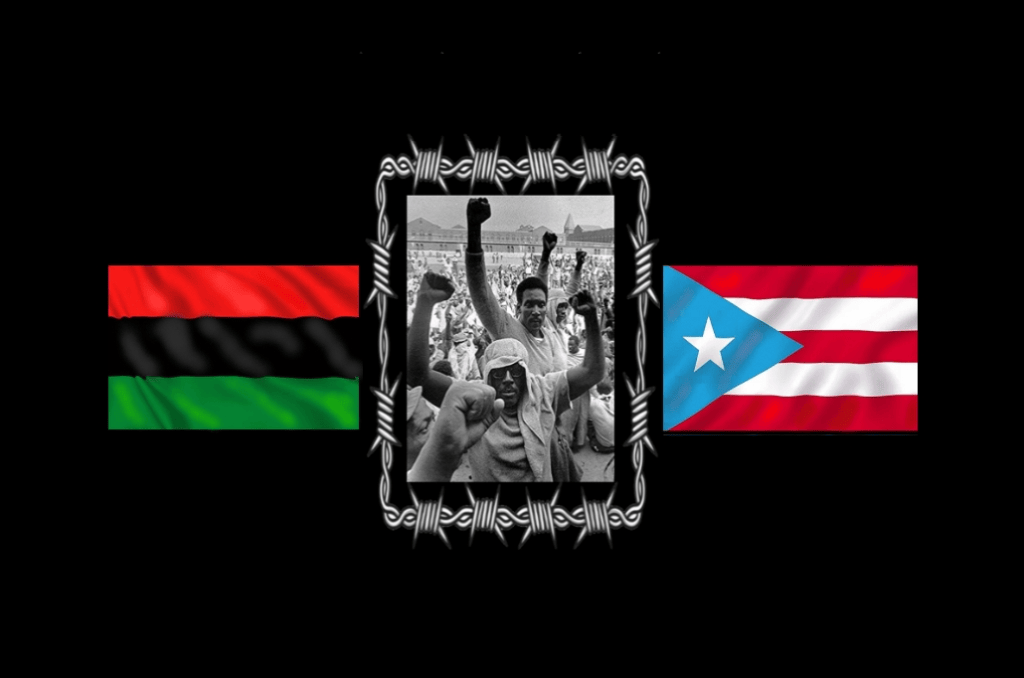
The brothers were well organized. In this photo a group is guarding a passage that leads to the part of the
prison taken over by inmates.

Only about one-half of the prison population took part in the Rebellion but they quickly organized — designating a group to be in charge of the protection of hostages, another to keep order, and yet another to negotiate and handle contact with administrators and government officials.

The negotiation committee presented a manifesto that was written by ALF two months before by the Rebellion. When the manifesto was read to the media there was widespread surprise that the manifesto did not ask for mass prison release — but rather primarily asked for mass prison reform.

The inmates requested outside observers be brought in as witnesses to the negotiations. The list of people they requested, and who came, included Bobby Seale of The Black Panthers; José “Fi” Ortiz and José Paris of The Young Lords; Tom Wick of The New York Times; Clarence B. Jones of the Amsterdam News; William Kuntsler, a well-known radical civil rights attorney and activist; Herman Badillo, the first Puerto Rican elected to the U. S. House of Representatives; and State Senator John Dunne.

“We invite all the people to come here and witness this degradation so that they can better know how to bring this degradation to an end. This is what we want,” the inmates declared, promising that none of the ‘Outside Observers Committee’ members would be harmed or taken hostage.

They inmates also requested Minister Louis Farrakhan of the National of Islam join the committee, but he declined the invitation. He never gave an explanation, but many thought he was told to refuse by The Honorable Elijah Muhammad.

It is also believed, by some, that had Farrakhan had agreed to be part of the Outside Observers Committee the ultimate outcome might have been different.

You see, after 3 days of negotiations, though some progress had been made, the inmates refused to budge on certain points. Incarcerated Nation of Islam members were among the most disciplined and respected organizers of the Rebellion — so the belief is that Farrakhan could have made a difference in the negotiations.

White racist law enforcement was eager to use their weapons on the Black and Brown inmates.

On Sunday, Outside Observer Committee members Badillo, Wick, and Dunne personally called New York Governor Nelson A. Rockefeller and begged him to come to the prison and talk to the inmates. They said such a good faith gesture, the inmates might give a little on some negotiation points. The call lasted more than an hour; the governor refused.

The next morning, on what would later be called ‘Bloody Monday,’ Rockefeller ordered the National Guard to “take back” the prison, although negotiations were supposedly ongoing.

The troopers first dropped tear gas canisters into prison yard, and then blindly fired more than 2,000 rounds of gunfire through the fog of smoke.

Twenty minutes later, 43 people (32 inmates and 11 hostages) were dead and hundreds more wounded.

But Attica was back under the control of prison authorities.

Immediately after the raid, state and prison officials went in front of television cameras and newspaper reporters and claimed the 11 hostages had their throats slashed by inmates when state troopers stormed the yard. Those horrific claims made the afternoon and evening news broadcasts and were splashed across the front pages of the next morning newspapers across the nation.

They only demanded to be treated like human beings.

However, Dr. John Edland — the County Coroner — gave an unscheduled and impromptu press conference Tuesday afternoon to dispute those claims. None of the hostages had slashed throats, he said, all had been killed by gunfire.

The Special Commission on Attica, chaired by Robert B. McKay — a widely respected legal scholar and dean of NYU School of Law — was created in November 1971 to discover the causes of the Rebellion and what had actually happened.

The Commission released its findings in September 1972, and it not only verified the coroner’s report that the hostages had been killed by state troopers, it went a lot further.

The Commission found that the rebellion was an unplanned and spontaneous action; not a deliberate pre-planned politically motivated plot by Marxist revolutionaries as state officials originally claimed.

The repression by sadistic prison officials was brutal.

It also criticized Governor Rockefeller for refusing to visit the prison site to continue attempts at a negotiated solution, and also for not seeking a less-lethal method to end the Rebellion, such as the use of tear gas alone.

The Commission also exposed the brutality and torture inflicted upon the prisoners in retaliation for the Rebellion. Vengeful guards were reportedly peeing into inmate’s wounds, and slamming metal batons into their ankles, knees, and testicles.

A group of Inmates later filled suit and 25 years later were awarded $12 million for the abuse they suffered, though no one was prosecuted.

“Attica! Attica!”

The battle cry may have started in 1971, but it has lasted as a cultural protest cry throughout the years.

REMEMBER ATTICA!

Karen E. Quiñones Miller is a contributing writer to this blog. She is also a proud Black nationalist and formerly a Staff Writer at the Philadelphia Inquirer.

Tribute to a Palestinian Warrior Queen, LEILA KHALED

Para la versión en español: https://carlitoboricua.blog/?p=12277&preview=true&_thumbnail_id=12287

_________________________________________________________________________

“We must fight for one Arab nation, for unity, for freedom, for socialism. We must defeat enemy number one, America, the supplier of Hawk missiles to Israel, and we must seize our own oil resources. We must learn to emulate our Algerian brethren in order to liberate Palestine.”       -Leila Khaled

_________________________________________________________________________

By Carlos “Carlito” Rovira

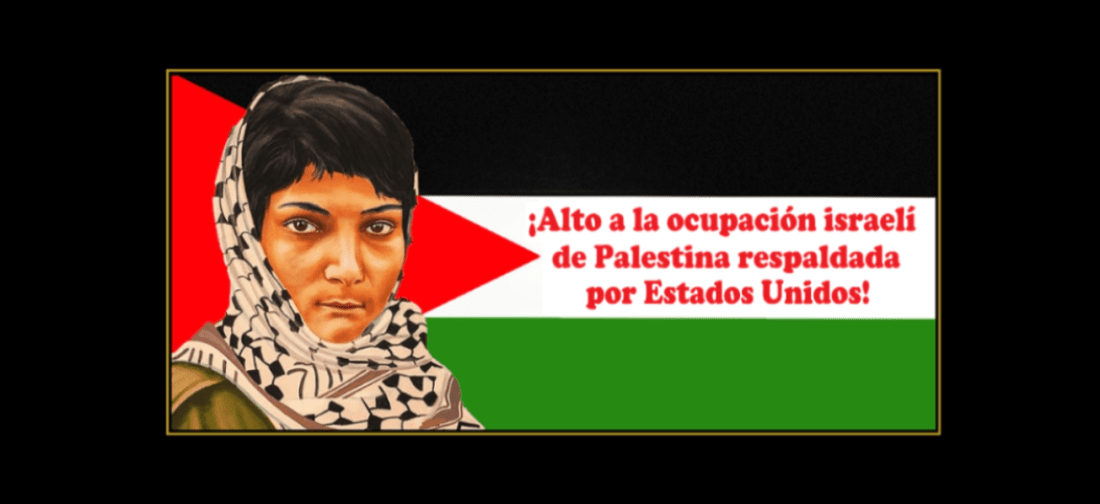
On April 9, 1944, in the Palestinian municipality of Haifa, Leila Khaled was born. She is a symbolic figure that represents the liberation struggle of the heroic Palestinian people, fighting the vicious U.S.-backed Israeli occupation.

Leila Khaled’s militancy developed due to horrors she as a child and her family endured because of Israeli abuses. These terrifying experiences occurred during the Nakba (catastrophe in Arabic) of 1947-1948, when all Palestinians were impacted by the blatant criminality of Zionists.

With all the suffering and death experienced by so many Palestinian families should explain why Leila Khaled grew up developing a strong desire to be part of the armed resistance. Eventually, she joined the Popular Front for the Liberation of Palestine (PFLP)

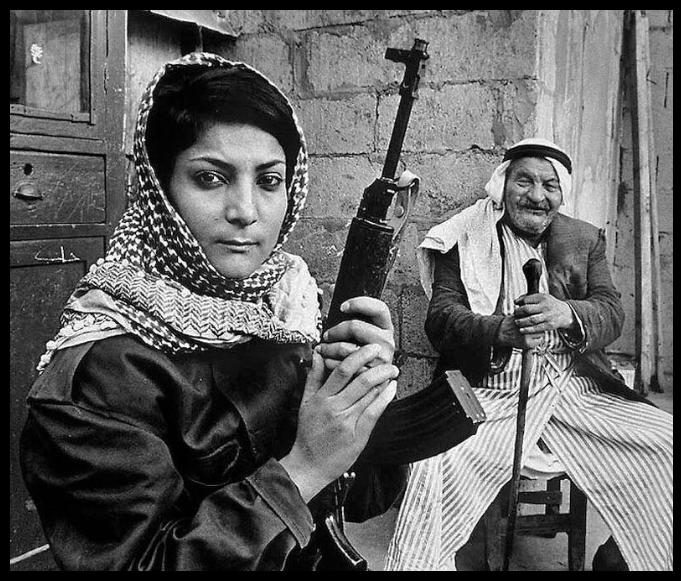
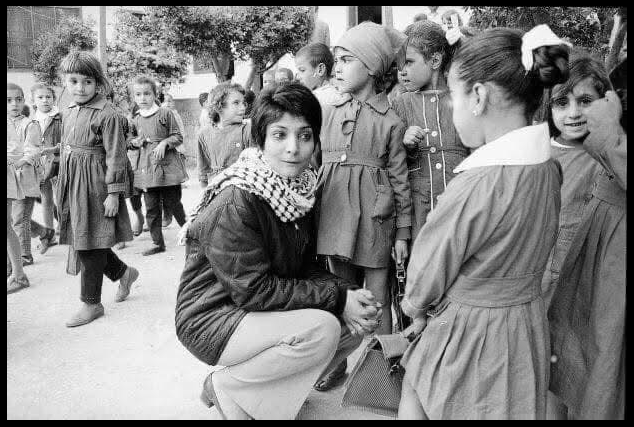
Leila Khaled with an elder compatriot.

Historically, most resistance movements amplify the skillful fighting prowess of a select few of male fighters. However, when women like Leila demonstrate the same fury and fiery conviction as her male comrades, it has powerful psychological effect on the opposition. 

Oppressors everywhere are aware that their greatest vulnerability is unity among the oppressed, especially if it involves them exerting the right to use any means of struggle for liberation.

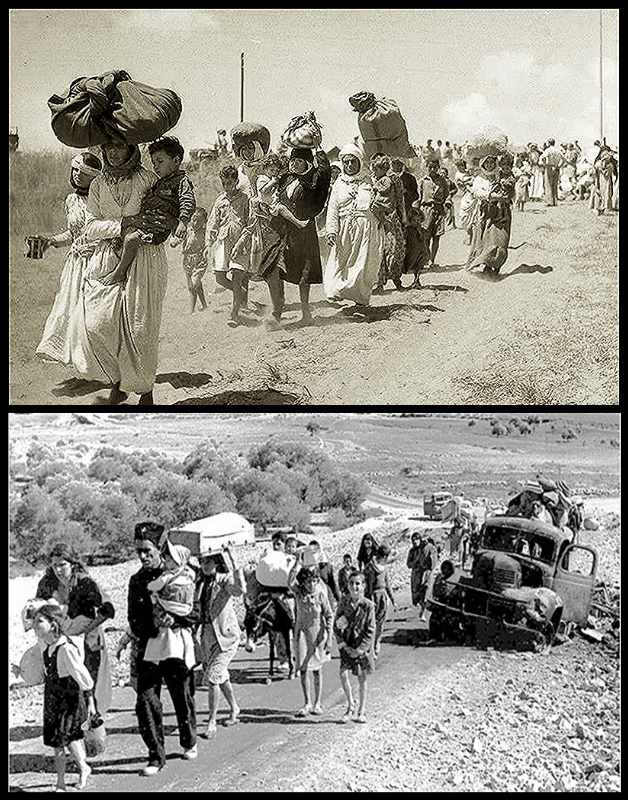
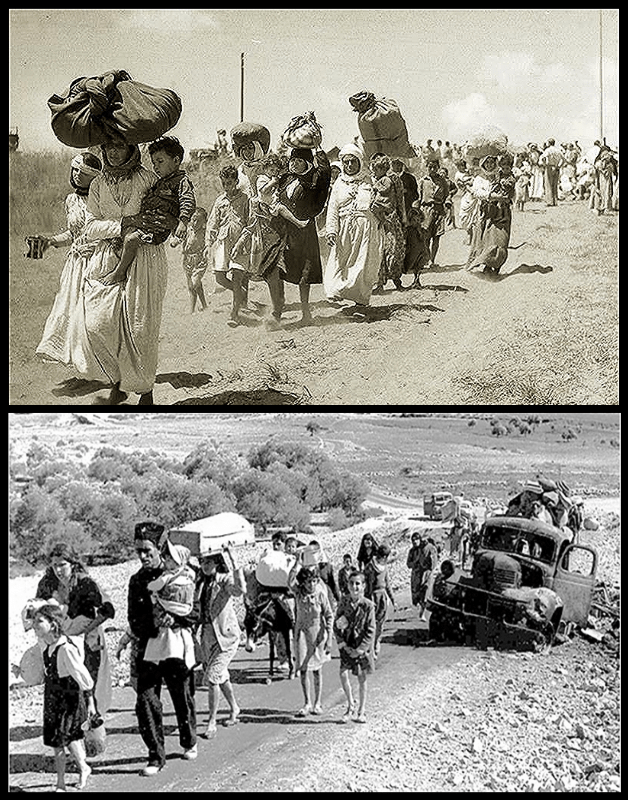
Palestinian families being driven to refugee camps in their own country during the Nakba.

During the Nakba, a million Palestinians were forcibly displaced and dispossessed. The native people had their homes, property and land confiscate. About 600 villages were burned, destroyed or targeted with biological weapons to make way for the newly imposed Israeli state.

In addition, men, women, and children were beaten, murdered, and raped with impunity by cowardly Israeli armed thugs. The forced removal of Palestinians from their homeland by the combined endorsement of most imperialist powers is one of the greatest war crimes in history. The rulers of Great Britain, France and the United States were blatantly carrying out this plan out in the open for the world to witness.

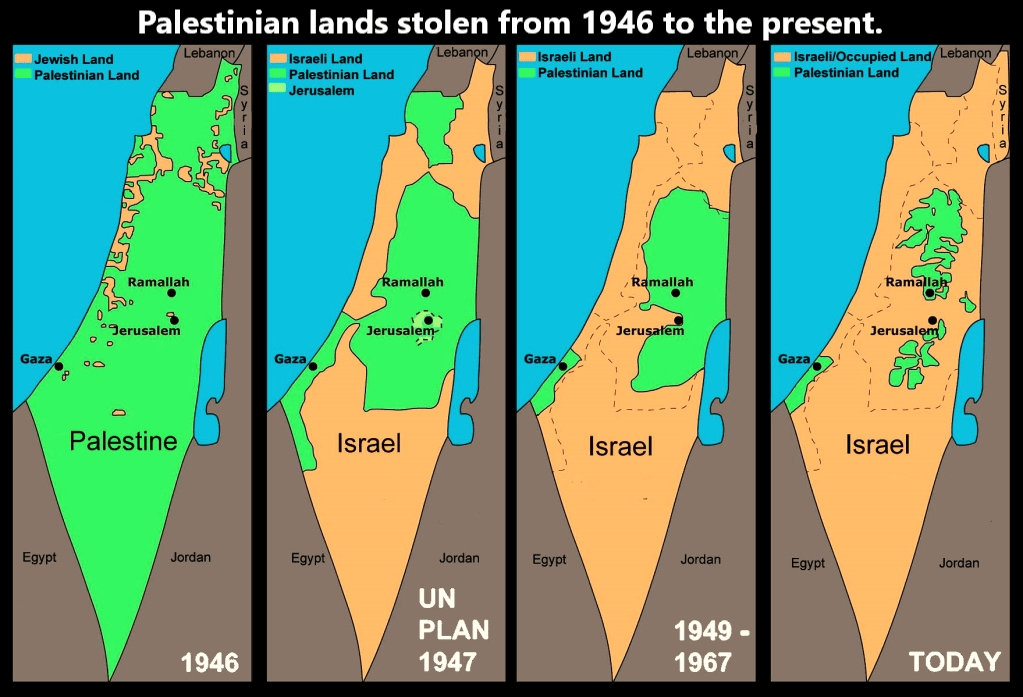
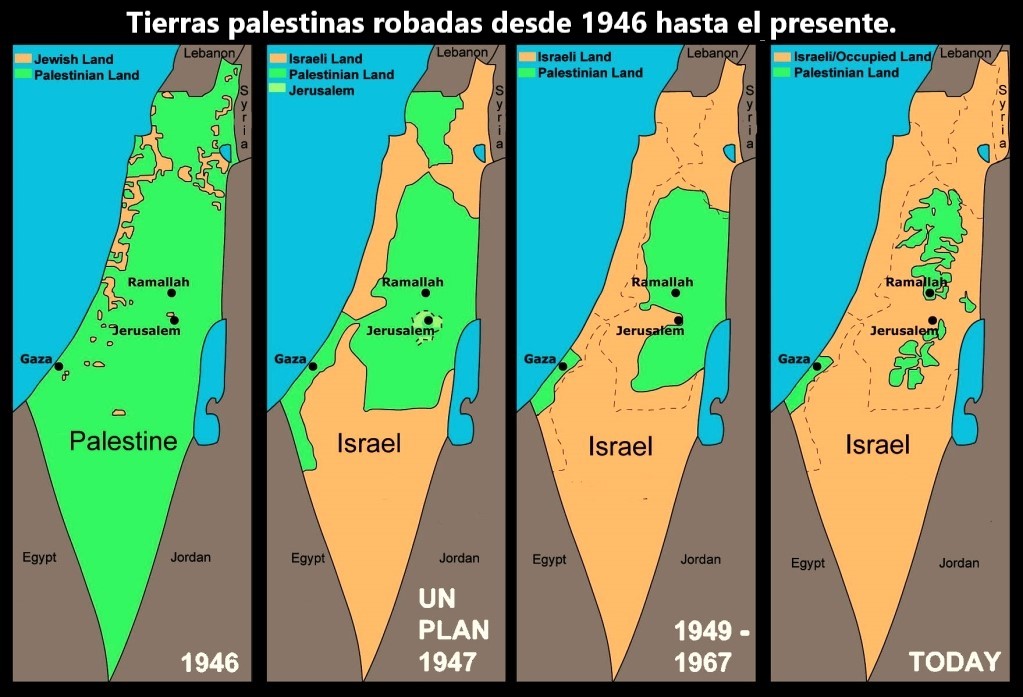
The genocide committed by Israeli soldiers occurred while foreign imperialist powers manipulated a United Nations General Assembly vote on November 29, 1947, to approve the passing of Resolution 181. This document adopted the so-called Partition Plan of Palestine, which divided the territory into two states, one Jewish and one Arab. In other words, using the legitimacy of this international organization to carry out land theft.

As we know today, this partitioning was the initial step in a plan designed by Theodor Herzl, founder of modern-day Zionism. Herzl envisioned the gradual elimination of Arabs from land “promised to Jews by God.”

Although Herzl was not Jewish nor a religious leader, he was an admirer of rising imperialist powers in the second half of the 19th Century, when England, France, Belgium, Germany, Italy, Japan and the United States engaged in feverish competition to establish colonies throughout the globe.

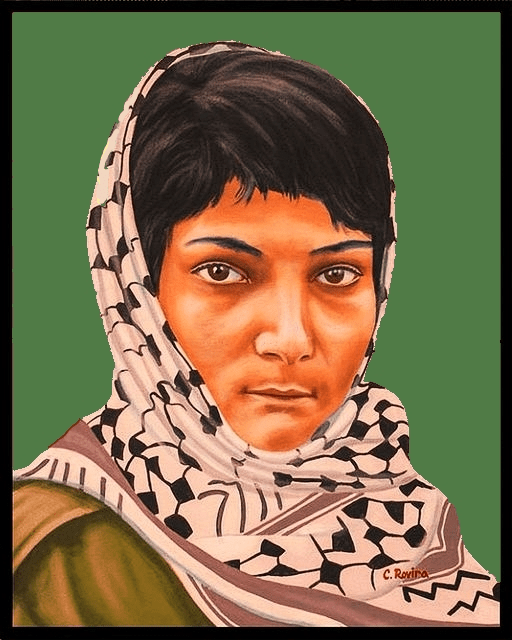
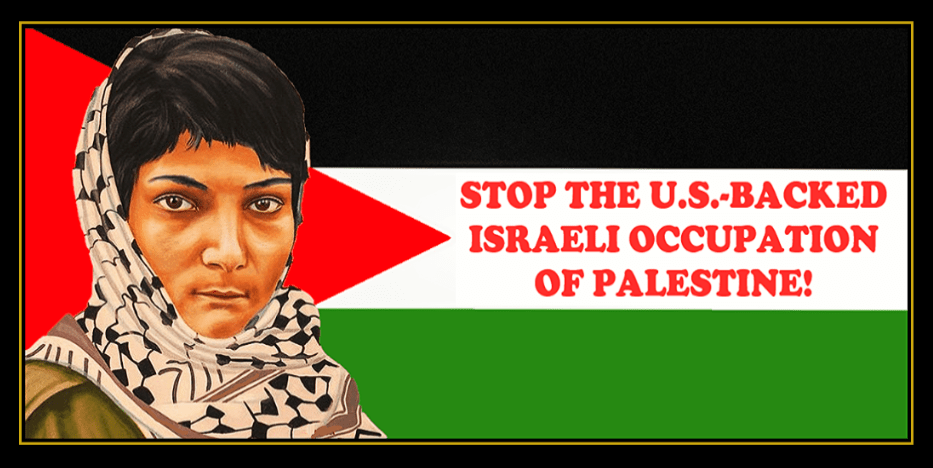
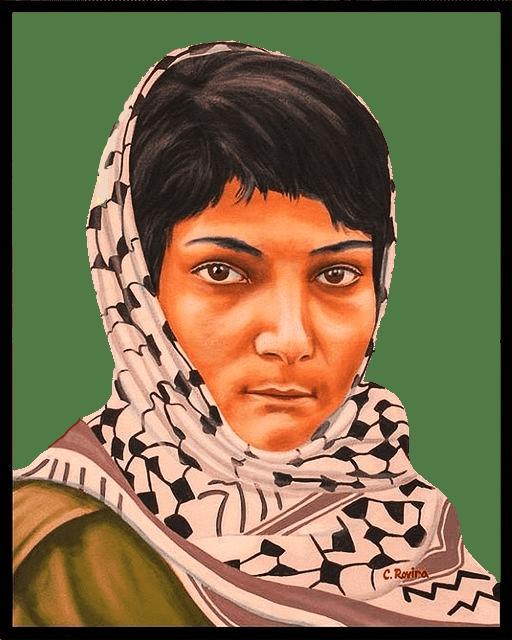
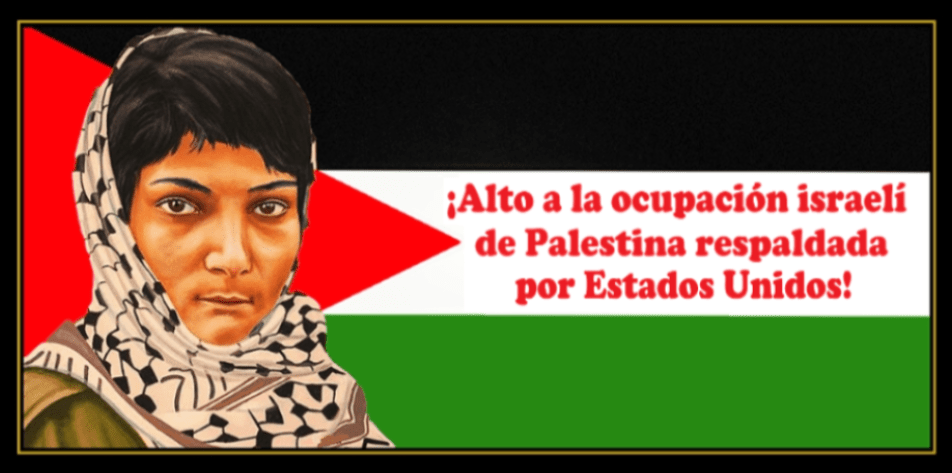
A portrait I made in 2021 of Leila Khaled. 24″ X 30″, acrylic paint on canvas.

However, British imperialism had colonized Palestinian lands since 1917. Throughout that time, British rulers courted Zionist leaders who lobbied the idea of creating a “Jewish state.” The ambitious idea was not based on concerns for the historically oppressed Jewish people; it was motivated by imperialist conquest. Numerous tyrannical figures supported this prospective project, including the notorious Adolf Hitler and the Nazis.

The campaign to create the “State of Israel” with the intention of eliminating the Palestinian population continued to gain momentum. In 1948, it was created at the expense of Palestinian suffering, needless to mention how it was done without their input or approval.

The same sadistic methods used to usher in the Israeli state during the Nakba continues to this day as seen in Gaza. The U.S. and its lacky states continue to supply the Zionist war criminals with weapons, logistical support, financial and political backing. Consequently, U.S. foreign policy is just as complicit as ever in the genocide and massive destruction of Gaza.

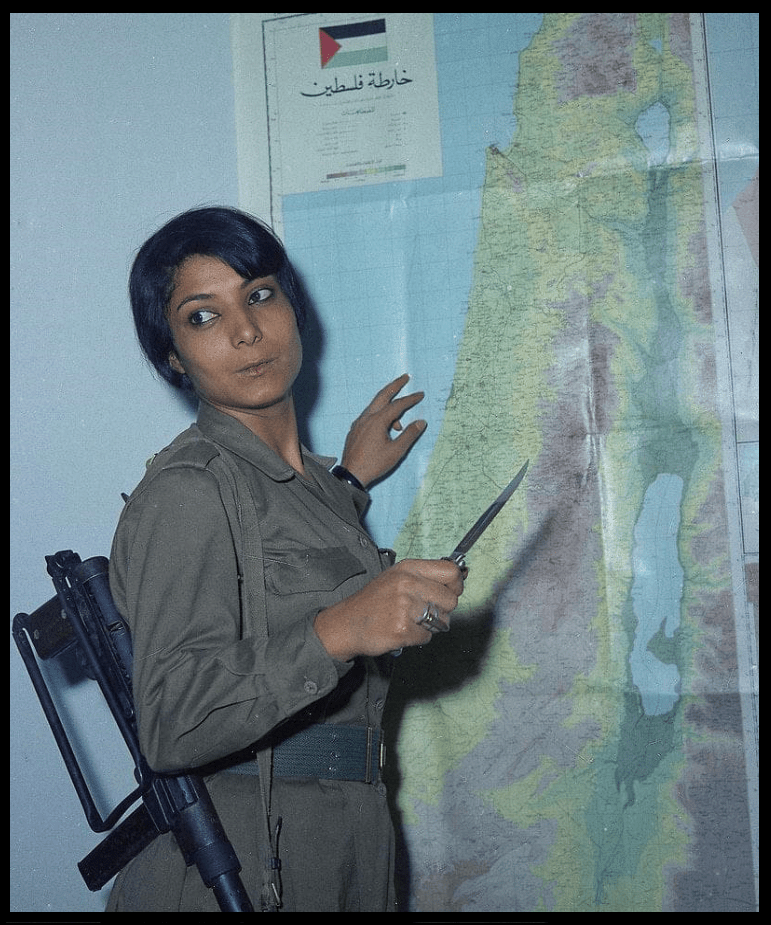
Leila Khaled in front of a huge map of Palestine.

Leila Khaled became widely known for her role in the August 29, 1969, hijacking of TWA Flight 840 traveling from Rome to Tel Aviv. The plane was diverted to Damascus, mistakenly thought that Israeli ambassador to the U.S., Yitzhak Rabin, was on board. With her weapon at hand, Leila Khaled ordered the pilot to fly over the city of Haifa. She wanted to see the town that was once her birthplace and home to her beloved family before it was forcefully taken by Israeli occupiers.

On September 6, 1970, Khaled attempted but failed to commandeer an El Al flight 219, traveling from Amsterdam to Tel Aviv then New York City. In order to thwart attempts by the guerillas entering the cockpit, the pilot made a sudden nosedive in the air which caused a device to explode. At that point Leila’s comrade Patrick Arguello, a Nicaraguan activist, was fatally shot by an air marshal on the plane. Laila Khaled was then arrested.

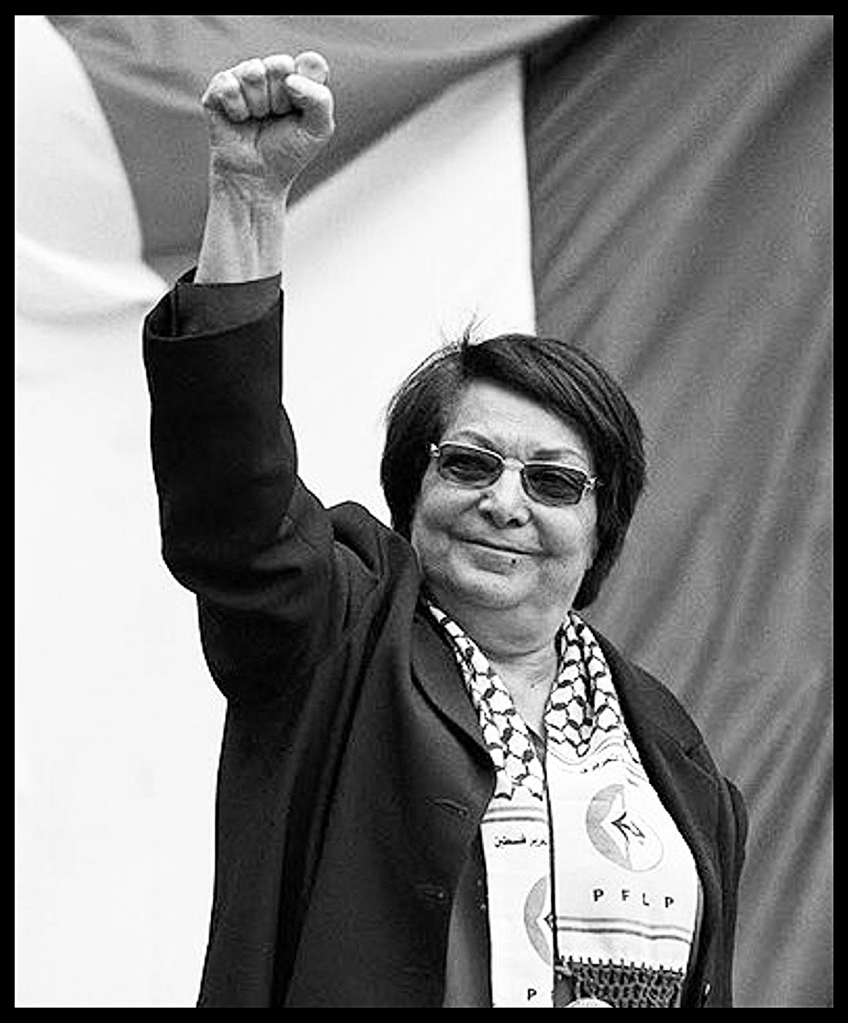
Leila Khaled was motivated by love for her people.

After Khaled’s capture, she became the central focus of a crisis that began in September 1970 by PFLP’s seizure of five commercial airliners. Strenuous efforts were made by U.S. officials to have a prisoner swap. The concern was that American and British passengers were held in the multiple aircraft hijacking.

To demonstrate that they were serious and willing to die for their cause, as news media television cameras recorded, PFLP combatants blew up three of the five aircrafts on a Jordanian airstrip. 56 U.S., British and other European passengers held were used to bargain for the release of seven Palestinian prisoners including Khaled.

After being held prisoner by British authorities for three weeks and released in a prisoner swap, Leila Khaled moved on continuing to serve as a political representative for the Palestinian struggle, making speaking appearances throughout the world.

Today, Laila Khaled continues to do her part in the quest for a free Palestine.

It is so inspiring to know that no matter what the U.S.-backed Israeli state has done to the Palestinian people they continue to resist despite deplorable circumstances. Their strong resilience assures us that as the occupation of Palestine continues to exist, the need for strong activism and global resistance to oppression remains.

FREE PALESTINE!

Homenaje a la reina guerrera palestina Leila Khaled

For English version: https://carlitoboricua.blog/?p=11991&preview=true

______________________________________________

“Debemos luchar por una nación árabe, por la unidad, por la libertad, por el socialismo. Debemos derrotar al enemigo número uno, Estados Unidos, el proveedor de misiles Hawk de Israel, y debemos apoderarnos de nuestros propios recursos petroleros. Debemos aprender a emular a nuestros hermanos argelinos para poder liberar a Palestina”.       -Leila Khaled

______________________________________________

Por Carlos “Carlito” Rovira

El 9 de abril de 1944, en el municipio palestino de Haifa, nació Leila Khaled. Ella es una figura simbólica que representa la lucha de liberación del heroico pueblo palestino, que lucha contra la cruel ocupación israelí respaldada por Estados Unidos.

La militancia de Leila Khaled se desarrolló debido a los horrores que ella y su familia experimentaron cuando era niña debido a los abusos israelíes. Estas aterradoras experiencias ocurrieron durante la Nakba (catástrofe en árabe) de 1947-1948, cuando todos los palestinos se vieron afectados por la flagrante criminalidad de los sionistas.

Con todo el sufrimiento y la muerte infligidos al pueblo palestino durante la infancia de Leila Khaled debería explicarse por qué creció desarrollando el deseo de ser parte de la resistencia armada. Finalmente, se unió al Frente Popular para la Liberación de Palestina (FPLP).

Leila Khaled con un compatriota mayor.

Históricamente, la mayoría de los movimientos de resistencia amplifican las habilidades de lucha de unos pocos luchadores varones seleccionados. Sin embargo, cuando mujeres como Leila demuestran la misma furia y convicción ardiente que sus camaradas masculinos, tiene un poderoso efecto psicológico en la oposición.

Los opresores de todo el mundo son conscientes de que su mayor vulnerabilidad es la unidad entre los oprimidos, especialmente si implica que ejerzan el derecho a utilizar cualquier medio de lucha por la liberación.

Familias palestinas siendo conducidas a campos de refugiados en su propio país durante la Nakba.

Durante la Nakba, un millón de palestinos fueron desplazados y desposeídos tras la confiscación de sus hogares, propiedades y tierras. Unas 600 aldeas fueron quemadas, destruidas o atacadas con armas biológicas para dar paso al Estado de Israel. Además, hombres, mujeres y niños fueron golpeados, asesinados y violados impunemente por cobardes matones armados israelíes.

La expulsión forzada de palestinos de su patria por la complicidad combinada de la mayoría de las potencias imperialistas es uno de los mayores crímenes de guerra de la historia. Los gobernantes de Gran Bretaña, Francia y Estados Unidos estaban ejecutando descaradamente este plan abiertamente para que el mundo fuera testigo.

El genocidio cometido por soldados israelíes fue avalado por potencias extranjeras que manipularon una votación de la Asamblea General de las Naciones Unidas el 29 de noviembre de 1947 para aprobar la Resolución 181. Este documento adoptó el llamado Plan de Partición de Palestina, que dividió el territorio en dos estados, uno judío y otro árabe. Es decir, utilizar la legitimidad de esta organización internacional para realizar robos de tierras.

Como sabemos hoy, esta partición fue el paso inicial de un plan diseñado por el fundador del sionismo moderno, Theodor Herzl, que había previsto la eliminación gradual de los árabes de la tierra “prometida a los judíos por Dios”.

Aunque Herzl no era judío ni un líder religioso, era un admirador de las potencias imperialistas en ascenso en la segunda mitad del siglo XIX, cuando Inglaterra, Francia, Bélgica, Alemania, Italia, Japón y Estados Unidos competían febrilmente por establecer colonias en todo el mundo.

Un retrato que hice en 2021 de Leila Khaled. 24″ X 30″, pintura acrílica sobre lienzo.

Sin embargo, el imperialismo británico había colonizado tierras palestinas desde 1917. Durante todo ese tiempo, los gobernantes británicos cortejaron a los líderes sionistas que presionaron por la idea de crear un “Estado judío”. Numerosas figuras tiránicas apoyaron esta idea, incluido el notorio Adolf Hitler.

La campaña para crear el “Estado de Israel” con la intención de eliminar a la población palestina siguió cobrando impulso. En 1948, se creó el “Estado de Israel” a expensas del sufrimiento palestino sin su participación ni aprobación.

Los mismos métodos sádicos utilizados para inaugurar el Estado de Israel durante la Nakba continúan hasta el día de hoy con el suministro de armas, apoyo logístico y respaldo político y financiero de Estados Unidos. La política exterior de Estados Unidos es tan cómplice como siempre de la horrible destrucción masiva de propiedades y vidas humanas en Gaza.

Leila Khaled frente a un enorme mapa de Palestina.

Leila Khaled se hizo ampliamente conocida por su papel en el secuestro del vuelo 840 de TWA el 29 de agosto de 1969, que viajaba de Roma a Tel Aviv. El avión fue desviado a Damasco, creyendo erróneamente que a bordo se encontraba el embajador de Israel en Estados Unidos, Yitzhak Rabin. Con su arma en mano, Leila ordenó al piloto que sobrevolara la ciudad de Haifa. Quería ver la ciudad que alguna vez fue su lugar de nacimiento y el hogar de su amada familia antes de que los ocupantes israelíes la tomaran por la fuerza.

El 6 de septiembre de 1970, Khaled intentó, pero no logró, comandar un vuelo 219 de El Al, que viajaba de Ámsterdam a Tel Aviv y luego a la ciudad de Nueva York. Para frustrar los intentos de los guerrilleros de entrar en la cabina, el piloto realizó una repentina caída en picada en el aire que provocó la explosión de un dispositivo. En ese momento, el camarada de Laila, Patrick Argüello, un activista nicaragüense, fue asesinado a tiros por un oficial del aire en el avión. Luego arrestaron a Leila.

Una muestra de resiliencia y resistencia palestina.

Después de la captura de Khaled, ella se convirtió en el foco central de una crisis que comenzó en septiembre de 1970 con la incautación de cinco aviones comerciales por parte del FPLP. Los funcionarios estadounidenses hicieron denodados esfuerzos para lograr un intercambio de prisioneros. La preocupación era que los pasajeros estadounidenses y británicos fueran retenidos en el secuestro de múltiples aviones.

Para demostrar que eran serios y estaban dispuestos a morir por su causa, como grabaron las cámaras de televisión de los medios de comunicación, los combatientes del FPLP hicieron estallar tres de los cinco aviones en una pista de aterrizaje jordana. 56 pasajeros estadounidenses, británicos y otros europeos retenidos fueron utilizados para negociar la liberación de siete prisioneros palestinos, incluido Khaled.

Después de haber sido mantenida prisionera por las autoridades británicas durante tres semanas y liberada en un intercambio de prisioneros, Leila Khaled continuó sirviendo como representante política de la lucha palestina, dando conferencias en todo el mundo.

Hoy, Laila Khaled continúa haciendo su parte en la búsqueda de una Palestina libre.

Es muy inspirador saber que no importa lo que el Estado de Israel, respaldado por Estados Unidos, le haya hecho al pueblo palestino, éste continúa resistiendo a pesar de circunstancias deplorables. Su fuerte resiliencia nos asegura que mientras la ocupación de Palestina continúa existiendo, persiste la necesidad de un activismo fuerte y una resistencia global a la opresión.

¡LIBERTAD PARA PALESTINA!