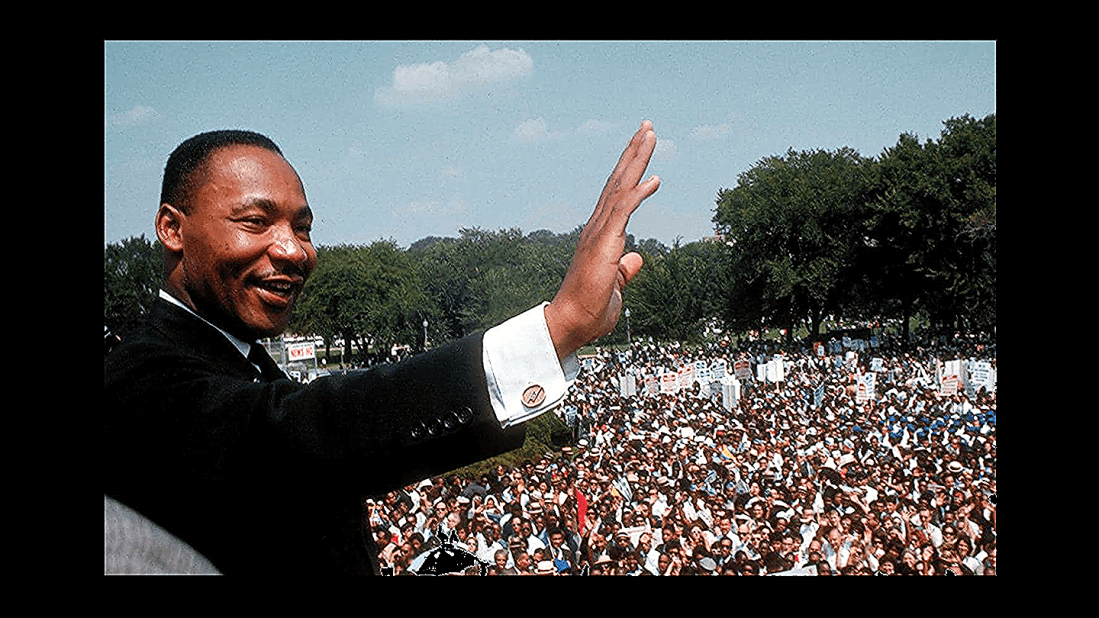
Tribute to a Civil Rights icon Dr. Martin Luther King, Jr.

______________________________________________

“A nation that continues year after year to spend more money on military defense than on programs of social uplift is approaching spiritual death.” – Dr. Martin Luther King, Jr.

______________________________________________

By Carlos “Carlito” Rovira

Dr. Martin Luther King, Jr. was among a number of significant Black religious figures whose actions and leadership in the 1950s-1960s propelled the fury of the Civil Rights movement. The Southern Baptist Church for the most part served as a vehicle for expressing the wishes of Black people. But with the advent of the 1960s mass upsurge nothing was exempt from the political storm that created a potential for revolution in the United States, including the Black Church.

The momentum consumed most of society, as the outcry for Black emancipation gained support even outside the African American community. This phenomenon provided favorable conditions for the Black struggle to play an exemplary and leadership role in the intensifying political climate.

Other oppressed sectors of the population yearning for freedom as well began to follow suit. The Civil Rights movement which started as an expression for Black freedom was now a factor in a mass upsurge which had a profound impact on the spectrum of politics in this country.

Photos taken of Dr. King while in custody by Birmingham, Alabama police.

Dr. Martin Luther King’s empathy for the historic suffering of Black people, heightened his contempt for the legacy of slavery, racist Jim Crow laws. It instilled in his character a defiance and resilience that would inspire millions of people from all nationalities and races to take part in his quest.  

Figures like Evelina Antonetty and Gerena Valentin from the Puerto Rican community as well as Cesar Chavez and Dolores Huerta, representing Mexican/Chicano migrant workers, aligned with Dr. King, thus adding to the strength of the Civil Rights movement.

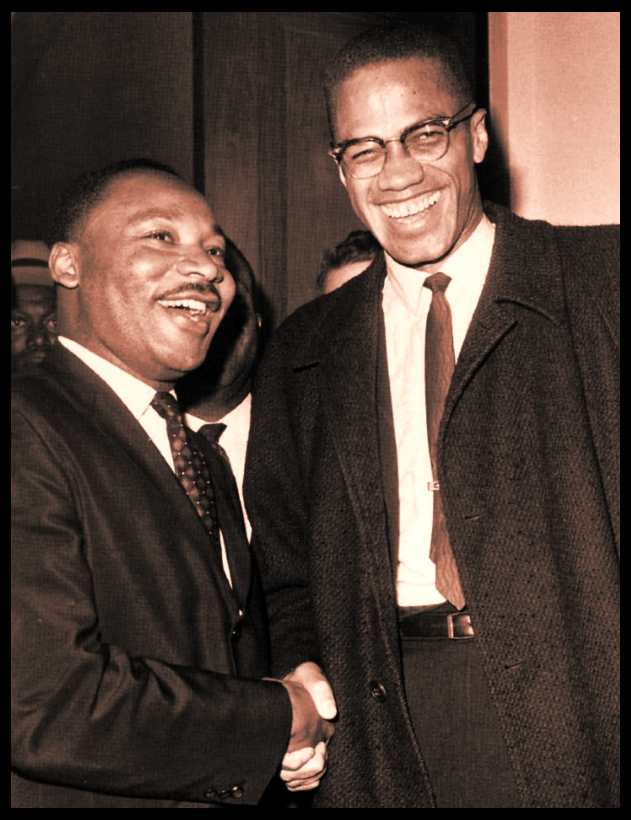
Dr. Martin Luther King, Jr. and Malcolm X, March 26, 1964, in Washington, DC.

Despite differences among Black leaders, the February 21, 1965, assassination of Malcolm X impacted Dr. King. There is indisputable evidence in his speeches that he was becoming radicalized, a reflection of the political militancy that was evolving among Black and Brown people in this country. Malcolm X’s assassination naturally brought to the open what was already being felt in the hearts and minds of millions of people, including Dr. Martin Luther King, Jr., himself.

Contrary to assertions made by bourgeois historians, which depict MLK as nonaggressive and passive, he supported and boldly encouraged civil disobedience. He was also an outspoken critic of the U.S. political and economic system.

Civil Rights activists demonstrated dignity and were not afraid of white supremacist attacks.

Although MLK never identified himself as revolutionary, by traditional definition, objective circumstances compelled him to side with radical views. Towards the end of his life, Dr. King showed signs of gravitating towards an anti-capitalist analytical conclusion to the human suffering he witnessed.

During a speech he gave on August 16, 1967, at a Southern Christian Leadership Conference in Atlanta, Georgia, Dr. King boldly stated: “The evils of capitalism are as real as the evils of militarism and evils of racism.”

And when Dr. King gave his April 4, 1967, speech at Riverside Church in Harlem, New York City, titled: “Beyond Vietnam: A Time to Break Silence” the rulers of this country became infuriated. Considering the history of political reaction and racist hatred in the United States, it cannot be ruled out that delivering this speech sealed Dr. King’s death.

Washington officials were defensive due to the Vietnamese anti-colonial struggle gaining momentum while receiving massive support throughout the world, as the U.S. anti-war movement added to the pressure.

When Dr. Martin Luther King, Jr. articulated the relevance of Civil Rights with the fight to end the war in Vietnam U.S. officials experienced political embarrassment on a global scale. It was no coincidence or surprise that the notorious J. Edgar Hoover had ordered intensifying COINTELPRO activities against Dr. King to seek ways to ruin his reputation and discredit the politics of the movement.

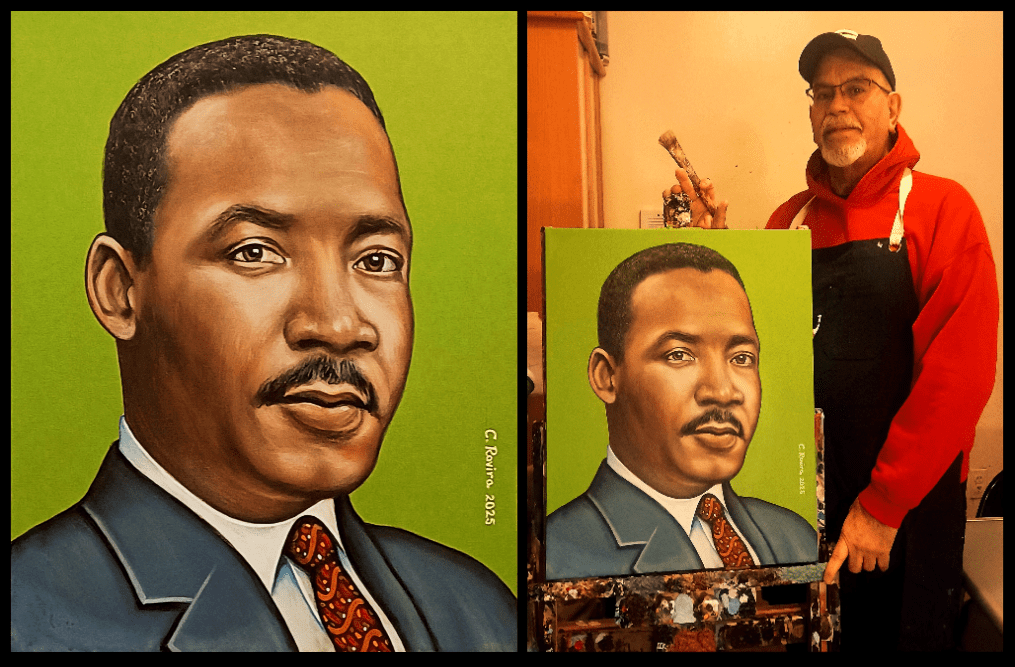
My portrait of Dr. Martin Luther King, Jr. 20″ X 24″, acrylic paint on canvas.

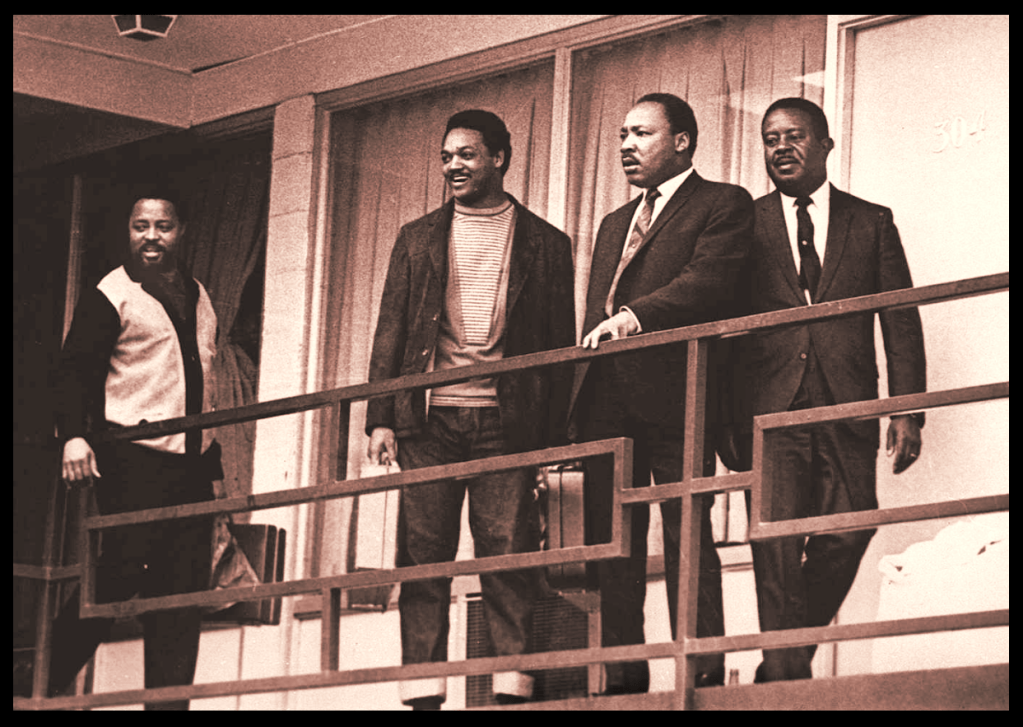
Exactly a year after the Riverside Church speech, Dr. King was assassinated. He was shot while speaking to an audience from a hotel balcony in Menphis, Tennessee. The assailant was a white supremacist named James Earl Ray, who used a high-power rifle from a distance away to kill the renown Black leader.

African Americans reacted justifiably with indignation and rebelled on the streets of major cities throughout the country. The killing of Dr. King was reminiscent of the terror Black people experienced throughout the history of this country since chattel slavery.

Moments before Dr. Martin Luther King, Jr. was fatally shot by sniper.

There are many apologists in the mainstream who will distort the critical role Dr. Martin Luther King, Jr. played in the Civil Rights movement. They will also present sanitized narratives that focus solely on his “peaceful, non-violent” tactics while avoiding mention of the vicious police terror unleashed on Dr. King and that entire movement.

What we today must always raise is the tenacious resistance Black and Brown people demonstrated then and will continue until freedom prevails, as Dr. King and the Civil Rights movement had envisioned.

LONG LIVE THE LEGACY OF DR. MARTIN LUTHER KING, JR.

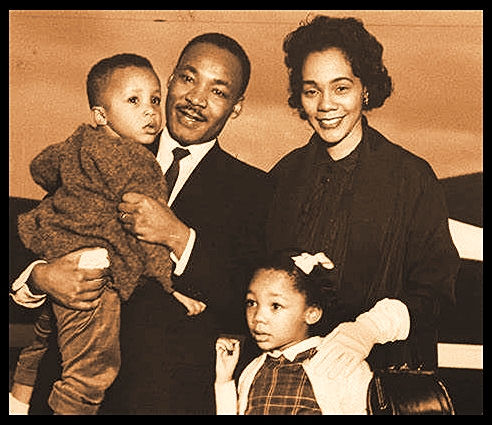
Dr. Martin Luther King, Jr., Coretta Scott-King and their children.

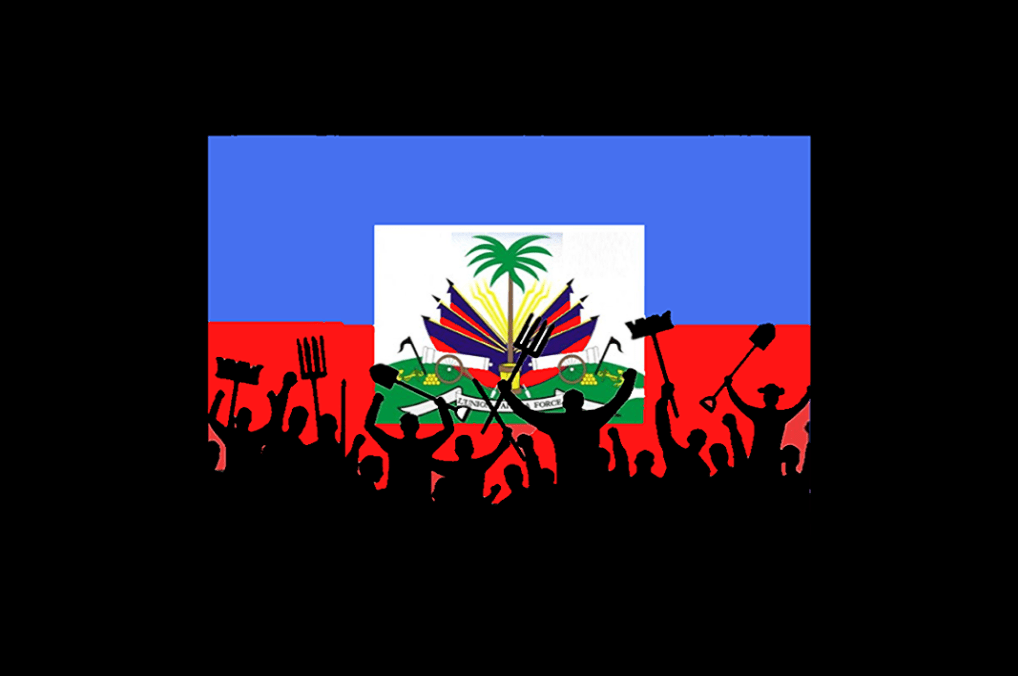
Long Live the legacy of the January 1, 1804, HAITIAN REVOLUTION!
Long live the legacy of the Haitian Revolution

August 22, 1791 – January 1, 1804

By Carlos “Carlito” Rovira

The Haitian Revolution is among the most spectacular events in Western Hemispheric history. It was a revolt executed by enslaved Africans on the island of Española. This rebellious storm 220 years ago marked the beginning of the end for the vile system of chattel slavery in the Americas.

Bourgeois historians tend to automatically distort facts and formulate narratives that overshadow the Haitian Revolution by overly glorifying the French and so-called American “revolution”, two monumental events in capitalism’s development.

Moreover, these mainstream scholars will falsely assert that what sparked anti-colonial struggles in the Western Hemisphere was the “War for Independence” of 1776. However, a close examination of the history of race relations in the United States will contradict such claims.

An artist depiction of the Haitian Revolution’s fury.

For its own reasons of interest, England was leaning towards prohibiting the trans-Atlantic slave trade. It also disapproved its Thirteen settler colonies expanding further westward.

The British Empire was apprehensive of overextending itself in unfamiliar regions of the Americas. It feared becoming vulnerable to the organized resistance of Indigenous tribal people and competitive aggressiveness of its Spanish and French rivals.

It was England’s colonial policy and line of march in foreign affairs that placed its interest in direct conflict with that of the rising capitalist class in the Thirteen Colonies. The contradictions between English rulers and their “American” birth child became antagonistic and irreconcilable.

Expanding African slavery and pushing further west to engage in the theft of Indigenous lands was the sole motive for “Independence” from England. Whereas the Haitian Revolution was motivated by enslaved people desperately seeking an end to their plight.

Haiti was the most lucrative colony France possessed in its empire due to the untold horrors the Black population experienced under extreme circumstances of exploitation. The amount of wealth generated from commodity goods shipped to France, mainly sugar, coffee, cacao, cotton, and indigo, amazingly surpassed commodities exported to England from the Thirteen Colonies combined.

The Legendary Dutty Boukman

Dutty Boukman, a priest of African religions was captured by slave traders in the region known today as Senegal and Gambia. He was brought to Jamaica and then to Haiti. Boukman was boldly rebellious and frequently defied slavers by escaping. He acquired his name (Boukman for book man) because he always traveled with a Koran, which he used to teach fellow slaves how to read.

Artist’s depiction of Dutty Boukman.

According to many contemporary accounts, Boukman was selfless and a compassionate human being, but he was also known to be extremely ruthless with slave owners as well as Blacks who betrayed their own people.

Boukman was a respected and feared maroon leader, with a large following that frequently ambushed individual French officials. They attacked settlements and homes of wealthy elite figures to avenge what was done to Black people.

But on November 7, 1791, Boukman was killed while leading a slave uprising in the township of Le Cap-Francais. Today, Boukman is remembered as the Catalyst of the Haitian Revolution.

Women in the Haitian Revolution

The success of the Haitian Revolution would not have been possible without the participation of free and enslaved Black women, most of whom picked up arms willingly against the French. Their desire to serve as combatants and spies was in response to the degradation they experienced through beatings and rapes at the hands of their slave masters.

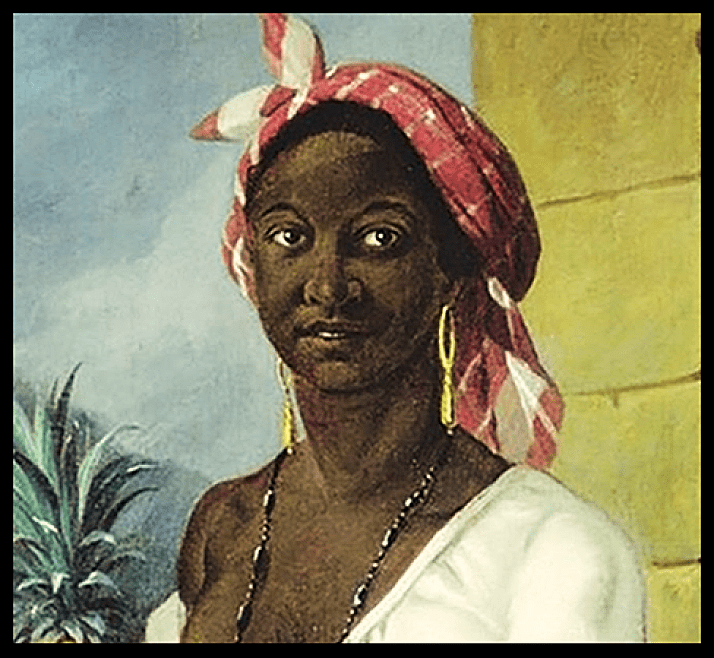
An artist’s depiction of triumphant Haitian women in battle.

A famous example is Marie-Jeanne Lamartinière, who served as a Lieutenant in Toussaint Louverture’s army. She courageously gave leadership to combatants that shocked French soldiers at the Battle of Crête-à-Pierrot. 

Artist’s depiction of Marie-Jeanne Lamartinière.

There were no limits to what these women did in the interest of the revolution. In many cases, these heroines weaponized sexuality to disorient and fool enemy troops in order to obtain intelligence vital to the operations of insurgents.

The heroic acts of these women highlight their commitment to a noble cause. Their sacrifices are usually downplayed or dismissed by the dominant male perspective of bourgeois historians.

Haitian Defeat of the French

Although most combatants were formerly enslaved Black men and women, the liberation army included free Blacks, Tainos, Mulatos, as well as Polacks and Germans, whites serving in the French Army who defected to the revolution. French tyranny was despised by various sectors of Haitian society.

After the revolutionary triumph, non-French Europeans who supported the abolitionist cause were allowed to remain in Haiti and granted citizenship. However, French citizens who upheld the slave system and refused to leave Haiti were immediately killed.

The savage treatment enslaved Black Haitians received from their French captors fully justify the rage and ruthlessness of this revolt.

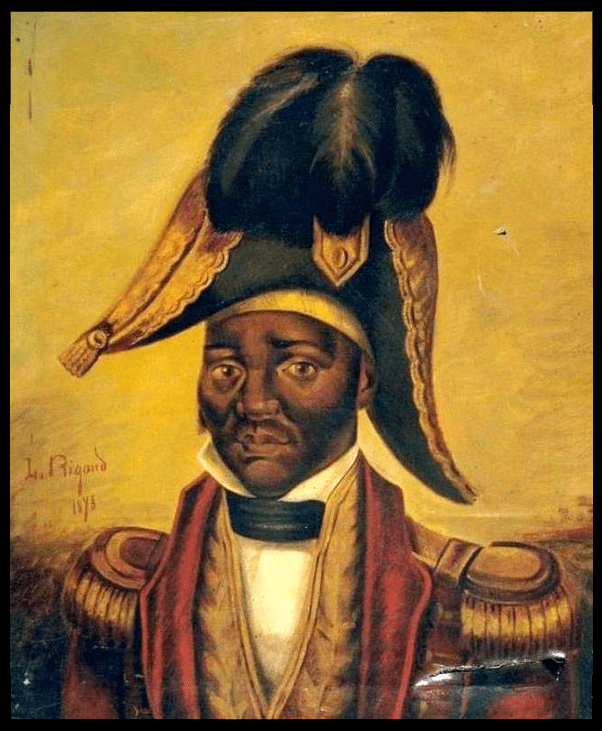
Formerly enslaved Jean-Jacques Dessalines, who was second-in-command and one of Toussaint L’Ouverture’s generals, brilliantly led the revolutionary army at the decisive Battle of Vertieres on November 18, 1803, where the French Army suffered many casualties causing humiliation with defeat.

Jean-Jacques Dessalines (1758-1806)

The French were exhausted and demoralized by the prolongation of the conflict. They were shocked by the tenacity of Black people determined to win their freedom.

After thirteen years of fighting, on January 1, 1804, the Haitian people jubilantly rejoiced when Dessalines declared Haiti’s independence from foreign domination.

Artist depiction of the Battle of Vertieres, November 18, 1803.

After the military struggle ceased, the newly formed Haitian government focused on seeking allies by establishing relations with revolutionary movements of neighboring countries. Haitian leaders understood quite well the necessity and benefits for oppressed people of different lands to forge unity, if they were to survive the onslaught of colonizing powers.

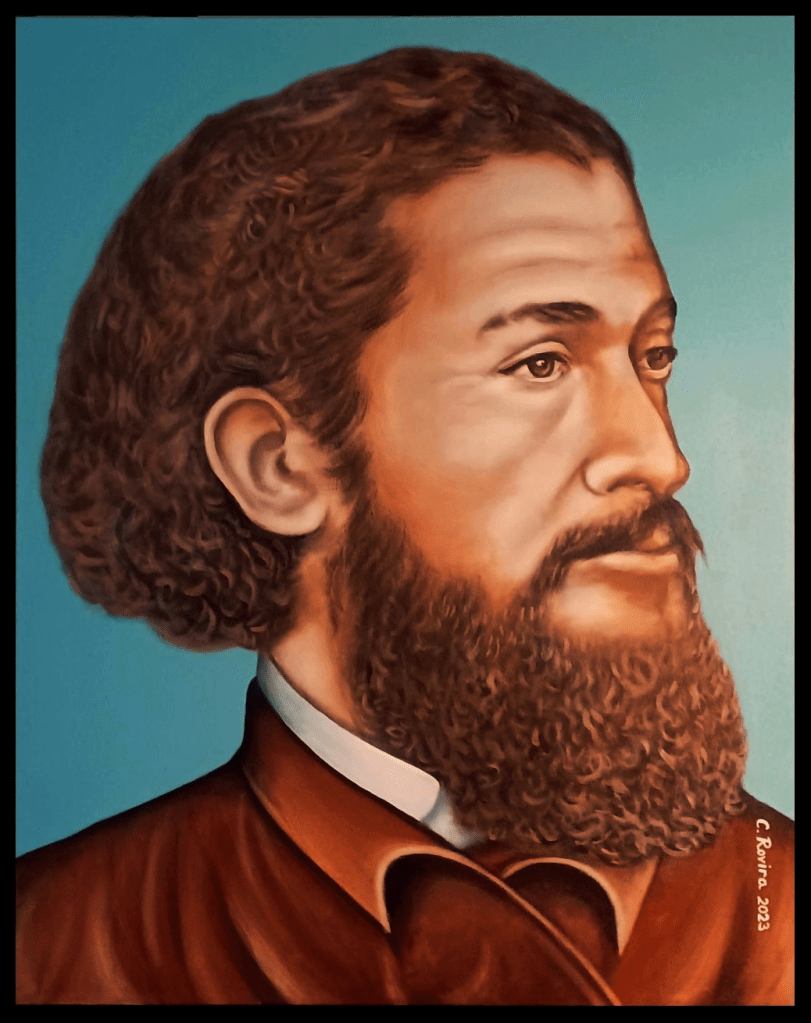
This was a feature of the Haitian perspective that impacted Puerto Rico’s iconic revolutionary leader, Dr. Ramon Emeterio Betances. Following in the footsteps of his father, a Dominican businessman who supported the Haitian Revolution, Betances travelled to Haiti with his most trusted comrade, Jose A. Basora, to have collaborative discussions with Haitian leaders on the ideas of a trans-Caribbean federation.

My portrait of Dr. Ramon Emeterio Betances. 24″ X 30, acrylic paint on canvas.

Many weapons seized from the defeated French Army were then given as gestures of solidarity to revolutionaries in Cuba, Jamaica, Puerto Rico, Mexico, and Simón Bolivar’s liberation army in South America. Haiti also provided combatant volunteers to assist in some of these liberation struggles.

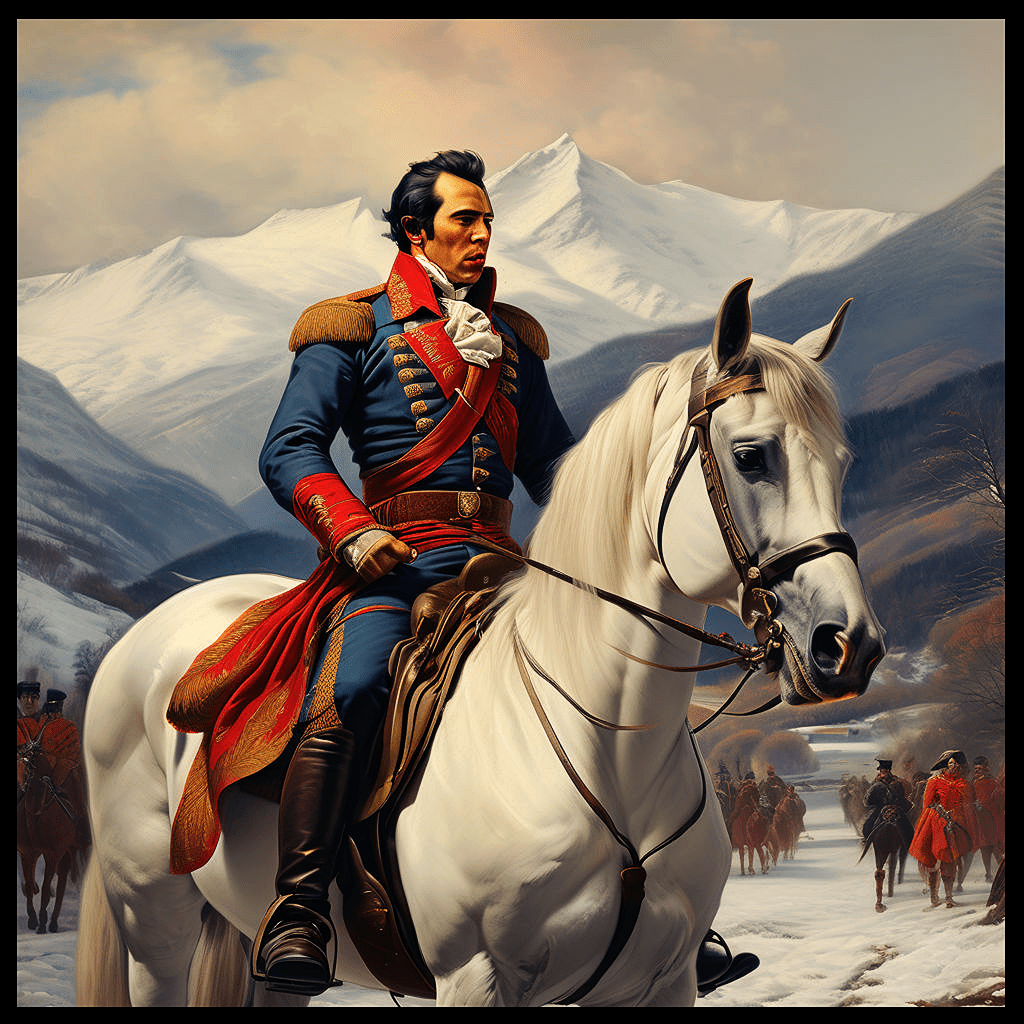
An artist oil depiction of the legendary revolutionary Simón Bolivar.

Haiti became a beacon of hope and inspiration for enslaved and colonized people throughout the Caribbean, Latin America, Africa, and the United States, similarly to how the Soviet Union was viewed with awe in the early part of the Twentieth Century.

Imperialism punishes Haiti for 1804

Soon after the victory, Haiti sought to normalize relations with France and the United States on equal terms through diplomacy, but to no avail. Instead, Toussaint L’Ouverture was brutally murdered while supposedly travelling to Paris on a French warship to make peace.

The U.S. refused to recognize Haiti’s independence until 1862. And due to pressure, Haiti was forced to cede to France’s demand for reparation – 150 francs for the “loss of property”, (meaning slaves) in exchange for recognizing the newly formed Haitian state.

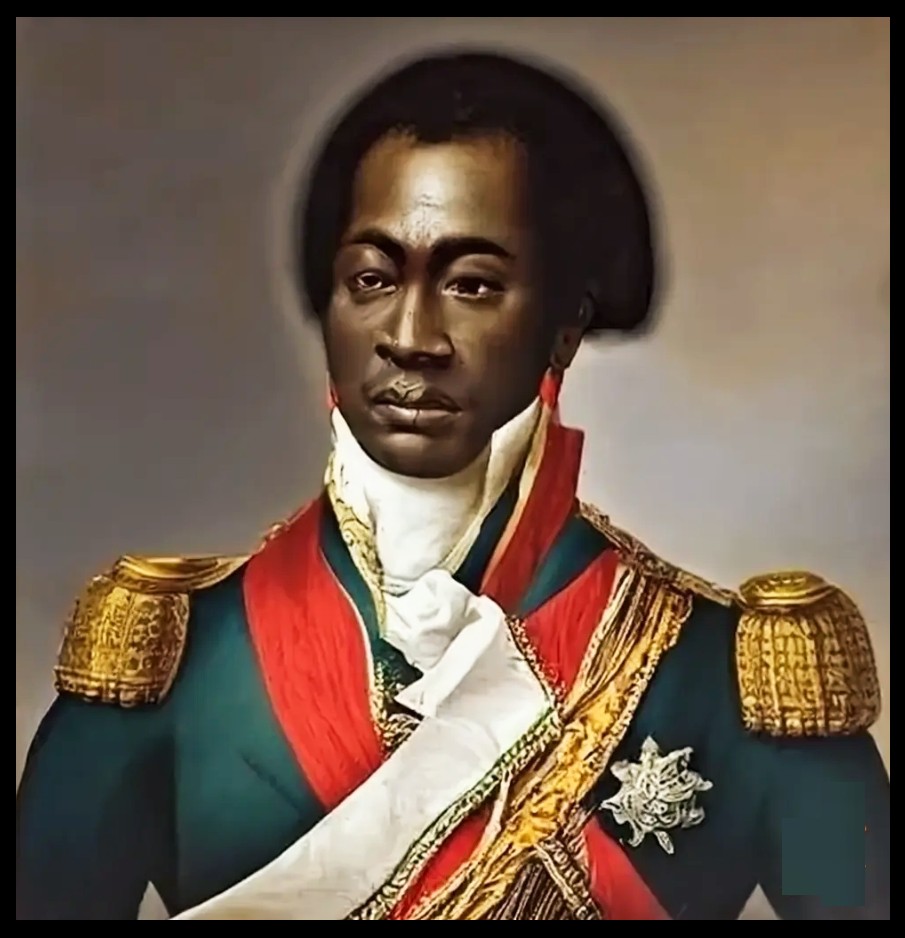
The legendary Haitian revolutionary leader Toussaint L’Ouverture.

Haitian leaders always struggled to retain political power under the pressure of mounting hostilities by countries eager to re-colonize Haiti.

Between 1915 to 1934, The United States militarily invaded and occupied Haiti. The excuse Washington officials used was to “restore order and stability” after the assassination of Haitian President Jean Vilbrun Guillaume Sam. A puppet government was then installed which agreed to have the U.S. take control of Haiti’s treasury.

The U.S. also invaded Haiti in 1993 under the guise of United Nations “Peacekeepers” and intervened again in 1994.

U.S. and French racist arrogance never respected the sovereignty of the first Black republic that dared to challenge white supremacy. This is why Haiti is punished to this day by being held in a continual colonial existence.

Despite how imperialism has suppressed the Haitian people in modern times, the revolutionary ferment of 1804 cannot be removed from hearts and minds. Tyrants and colonial oppressors of every kind continue to dread the Haitian people for the fury they unleashed that triggered the downfall of African chattel slavery.

It is for this reason why the Revolution of 1804 shall forever inspire and have a special place in the archives of the class struggle, alongside the 1917 Russian Socialist Revolution, Mexican Agrarian Revolution, 1949 Chinese Revolution, Cuban Revolution, Vietnamese Revolution, Congolese Revolution, Angolan Revolution, South Africa, and others yet to come.

LONG LIVE THE HAITIAN REVOLUTION!

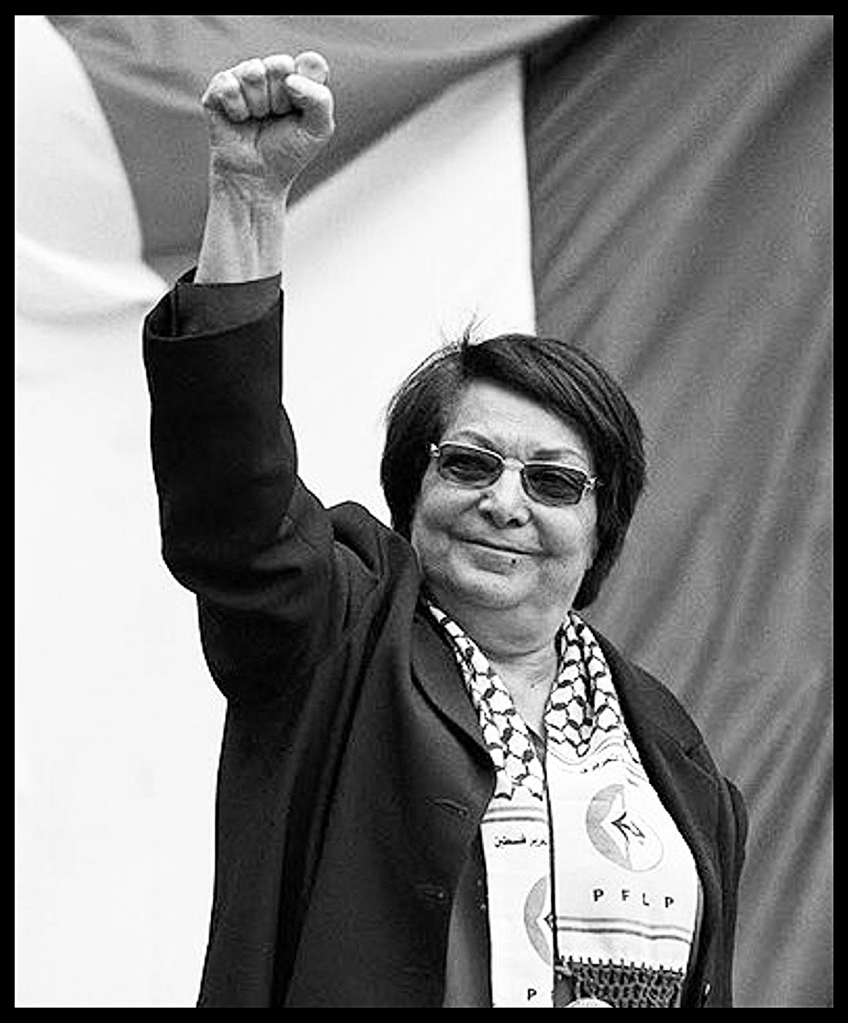
Tribute to a Palestinian Warrior Queen, LEILA KHALED

Para la versión en español: https://carlitoboricua.blog/?p=12277&preview=true&_thumbnail_id=12287

_____________________________________________

“We must fight for one Arab nation, for unity, for freedom, for socialism. We must defeat enemy number one, America, the supplier of Hawk missiles to Israel, and we must seize our own oil resources. We must learn to emulate our Algerian brethren in order to liberate Palestine.”       -Leila Khaled

_____________________________________________

By Carlos “Carlito” Rovira

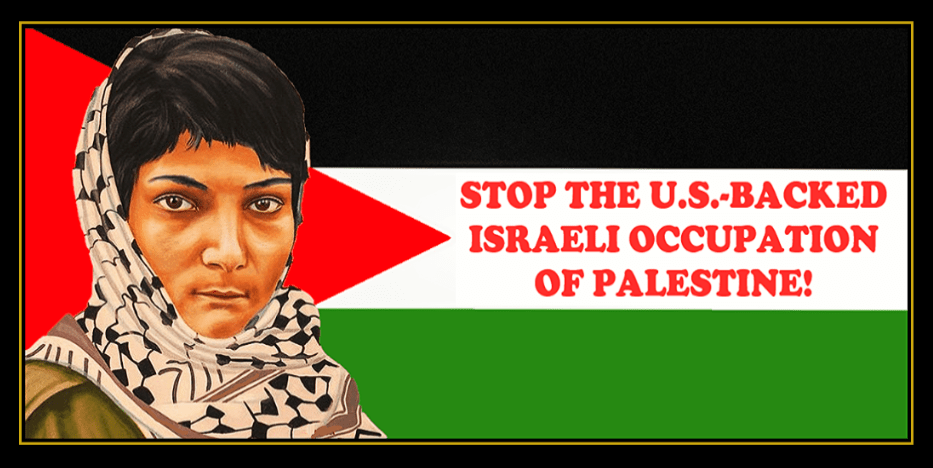
On April 9, 1944, in the Palestinian municipality of Haifa, Leila Khaled was born. She is a symbolic figure that represents the liberation struggle of the heroic Palestinian people, fighting the vicious U.S.-backed Israeli occupation.

Leila Khaled’s militancy developed due to horrors she as a child and her family endured because of Israeli abuses. These terrifying experiences occurred during the Nakba (catastrophe in Arabic) of 1947-1948, when all Palestinians were impacted by the blatant criminality of Zionists.

With all the suffering and death experienced by so many Palestinian families should explain why Leila Khaled grew up developing a strong desire to be part of the armed resistance. Eventually, she joined the Popular Front for the Liberation of Palestine (PFLP)

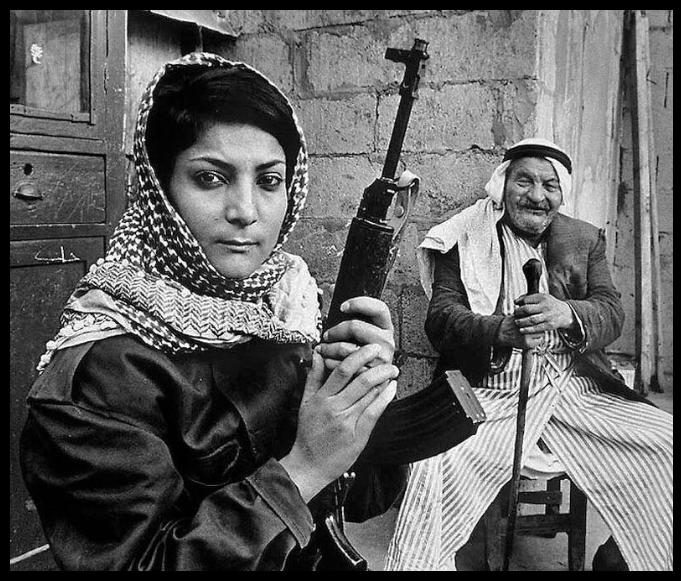
Leila Khaled with an elder compatriot.

Historically, most resistance movements amplify the skillful fighting prowess of a select few of male fighters. However, when women like Leila demonstrate the same fury and fiery conviction as her male comrades, it has powerful psychological effect on the opposition. 

Oppressors everywhere are aware that their greatest vulnerability is unity among the oppressed, especially if it involves them exerting the right to use any means of struggle for liberation.

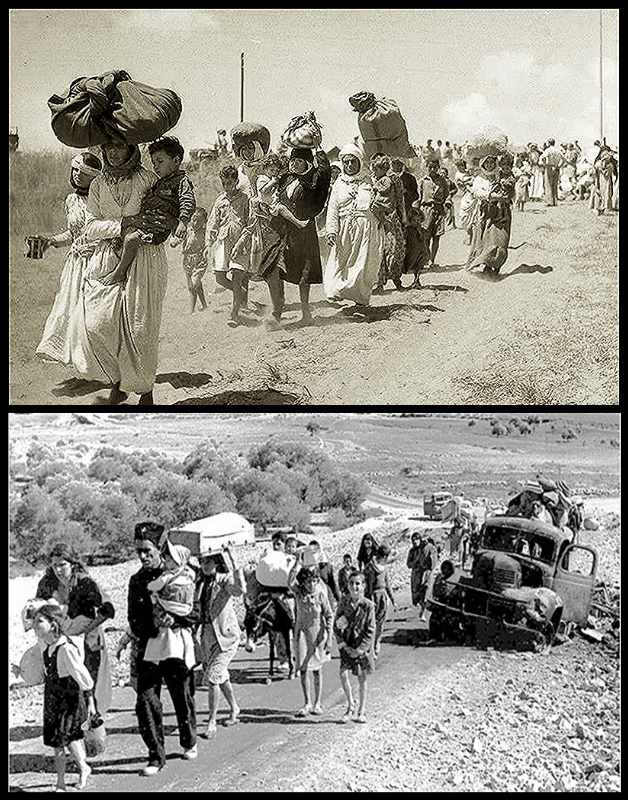
Palestinian families being driven to refugee camps in their own country during the Nakba.

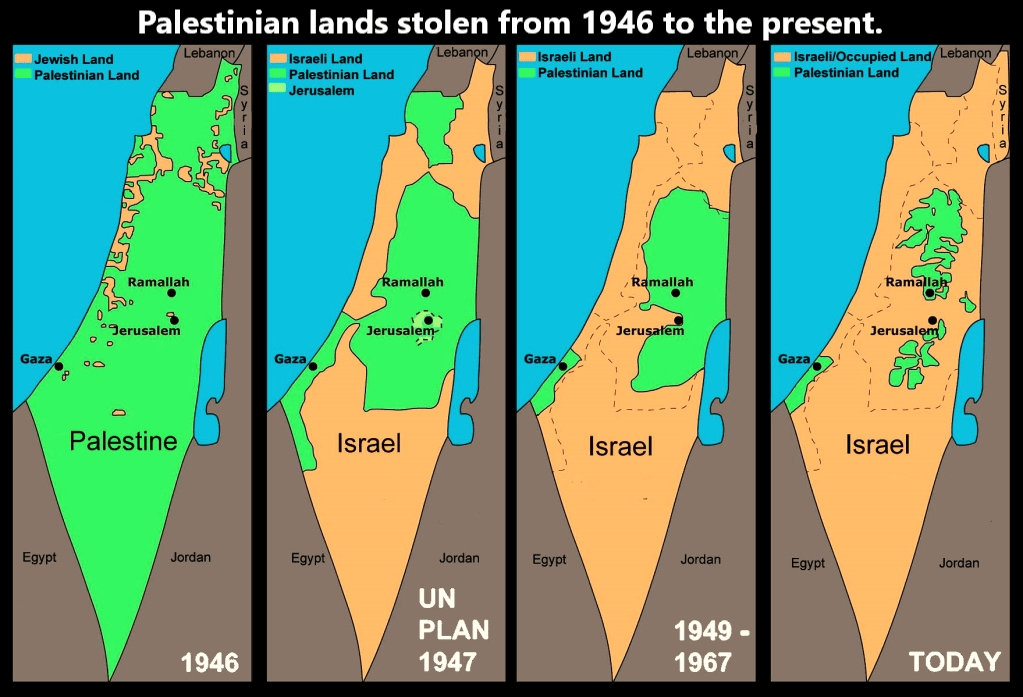
During the Nakba, a million Palestinians were forcibly displaced and dispossessed. The native people had their homes, property and land confiscate. About 600 villages were burned, destroyed or targeted with biological weapons to make way for the newly imposed Israeli state.

In addition, men, women, and children were beaten, murdered, and raped with impunity by cowardly Israeli armed thugs. The forced removal of Palestinians from their homeland by the combined endorsement of most imperialist powers is one of the greatest war crimes in history. The rulers of Great Britain, France and the United States were blatantly carrying out this plan out in the open for the world to witness.

The genocide committed by Israeli soldiers occurred while foreign imperialist powers manipulated a United Nations General Assembly vote on November 29, 1947, to approve the passing of Resolution 181. This document adopted the so-called Partition Plan of Palestine, which divided the territory into two states, one Jewish and one Arab. In other words, using the legitimacy of this international organization to carry out land theft.

As we know today, this partitioning was the initial step in a plan designed by Theodor Herzl, founder of modern-day Zionism. Herzl envisioned the gradual elimination of Arabs from land “promised to Jews by God.”

Although Herzl was not Jewish nor a religious leader, he was an admirer of rising imperialist powers in the second half of the 19th Century, when England, France, Belgium, Germany, Italy, Japan and the United States engaged in feverish competition to establish colonies throughout the globe.

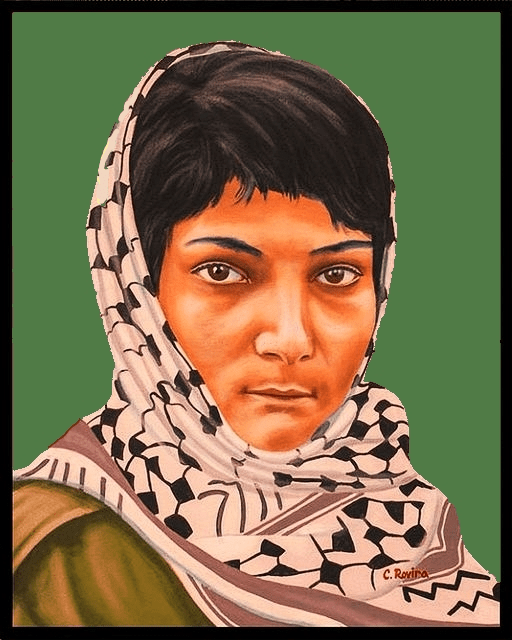
A portrait I made in 2021 of Leila Khaled. 24″ X 30″, acrylic paint on canvas.

However, British imperialism had colonized Palestinian lands since 1917. Throughout that time, British rulers courted Zionist leaders who lobbied the idea of creating a “Jewish state.” Numerous tyrannical figures supported this idea, including the notorious Adolf Hitler.

The campaign to create the “State of Israel” with the intention of eliminating the Palestinian population continued to gain momentum. In 1948, it was created at the expense of Palestinian suffering, needless to mention how it was done without their input or approval.

The same sadistic methods used to usher in the Israeli state during the Nakba continues to this day as seen in Gaza. The U.S. and its lacky states continue to supply the Zionist war criminals with weapons, logistical support, financial and political backing. Consequently, U.S. foreign policy is just as complicit as ever in the genocide and massive destruction of Gaza.

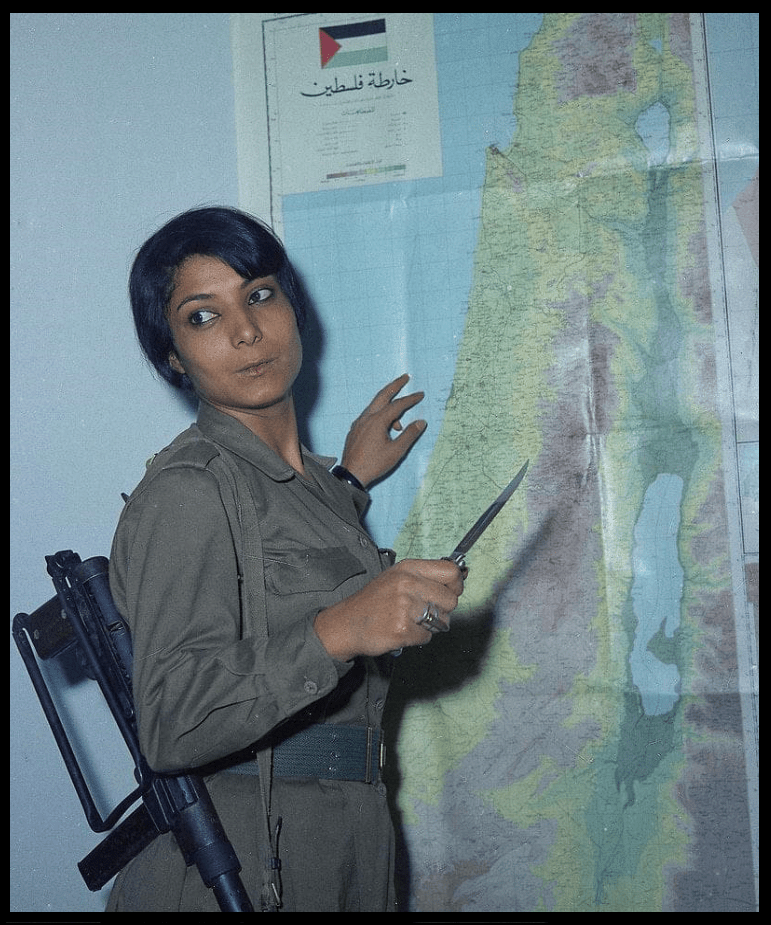
Leila Khaled in front of a huge map of Palestine.

Leila Khaled became widely known for her role in the August 29, 1969, hijacking of TWA Flight 840 traveling from Rome to Tel Aviv. The plane was diverted to Damascus, mistakenly thought that Israeli ambassador to the U.S., Yitzhak Rabin, was on board. With her weapon at hand, Leila Khaled ordered the pilot to fly over the city of Haifa. She wanted to see the town that was once her birthplace and home to her beloved family before it was forcefully taken by Israeli occupiers.

On September 6, 1970, Khaled attempted but failed to commandeer an El Al flight 219, traveling from Amsterdam to Tel Aviv then New York City. In order to thwart attempts by the guerillas entering the cockpit, the pilot made a sudden nosedive in the air which caused a device to explode. At that point Leila’s comrade Patrick Arguello, a Nicaraguan activist, was fatally shot by an air marshal on the plane. Laila Khaled was then arrested.

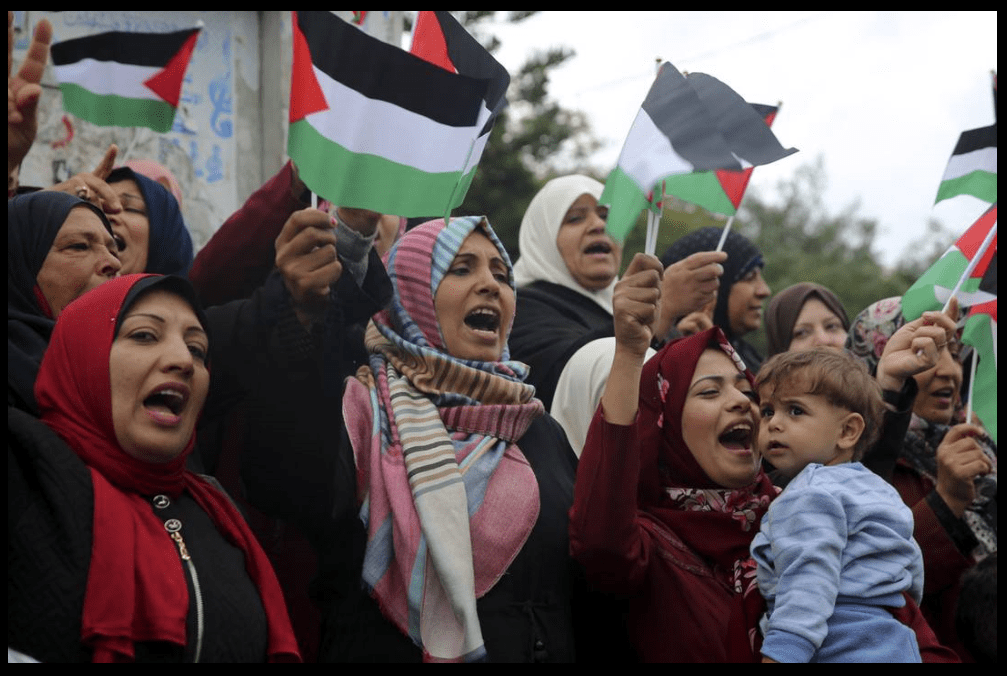
A show of Palestinian resilience and resistance.

After Khaled’s capture, she became the central focus of a crisis that began in September 1970 by PFLP’s seizure of five commercial airliners. Strenuous efforts were made by U.S. officials to have a prisoner swap. The concern was that American and British passengers were held in the multiple aircraft hijacking.

To demonstrate that they were serious and willing to die for their cause, as news media television cameras recorded, PFLP combatants blew up three of the five aircrafts on a Jordanian airstrip. 56 U.S., British and other European passengers held were used to bargain for the release of seven Palestinian prisoners including Khaled.

After being held prisoner by British authorities for three weeks and released in a prisoner swap, Leila Khaled moved on continuing to serve as a political representative for the Palestinian struggle, making speaking appearances throughout the world.

Today, Laila Khaled continues to do her part in the quest for a free Palestine.

It is so inspiring to know that no matter what the U.S.-backed Israeli state has done to the Palestinian people they continue to resist despite deplorable circumstances. Their strong resilience assures us that as the occupation of Palestine continues to exist, the need for strong activism and global resistance to oppression remains.

FREE PALESTINE!

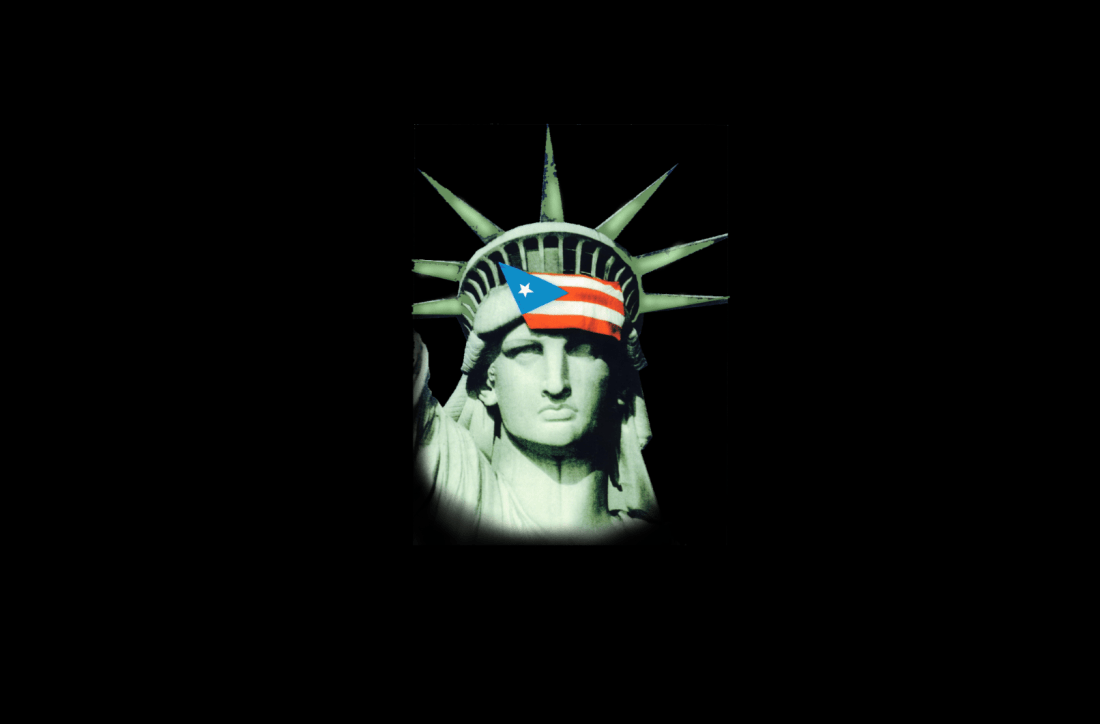
Remember the October 25,1977 Puerto Rican takeover of the STATUE OF LIBERTY

______________________________________________

“We seized the Statue of Liberty in 1977 to expose to the world the hypocrisy of the United States that projects itself as a beacon of freedom. When in fact, it is the colonizer of Puerto Ricans and unjustly imprisons us when we challenge their rule. The takeover was also an act of solidarity with the struggles of our Black, Native American, Chicano-Mexican, Asian, and Arab brothers and sisters, whom we share a common oppressor.”

Fernando Ponce Laspina, Nationalist Party of Puerto Rico -NY Committee

One of the participants and arrestees of the 1977, Statue of Liberty takeover.

______________________________________________

By Carlos “Carlito” Rovira

On October 25, 1977, a group of 30 Puerto Ricans and allies unexpectedly caused shock to the ruling class when they courageously seized physical control of the Statue of Liberty, located in New York Harbor. This daring act of civil disobedience became monumental in the history of resistance in the United States. The group called itself the New York Committee to Free the Five Puerto Rican Nationalists, an entity of various groups and individuals from the Puerto Rican diaspora during the 1970s.

With militarystyle planning and discipline, prior to boarding and during their ride on a ferry boat from Manhattan to Liberty Island, the group divided itself into several teams of fours. They pretended to be tourists and strangers to one another to avoid suspicion of their intentions.

As soon as the vessel reached its destination and docked, the activists went into action demonstrating a powerful energy of resistance to oppression. They ran to storm with fury the entrances of the facility where the giant human-like figure stands tall.

Boricuas with energy of resistance. El Maestro’s Fernando Ponce Laspina holding up the flag on the right.

Within 15 minutes the protestors secured their position in this national monument by locking doors and shutting windows to forestall an aggressive response they expected by law enforcement. Once inside, and after they expelled visiting tourists and Federal employees, the activists hurried up the staircase to reach the top level where the head of the Statue is located.

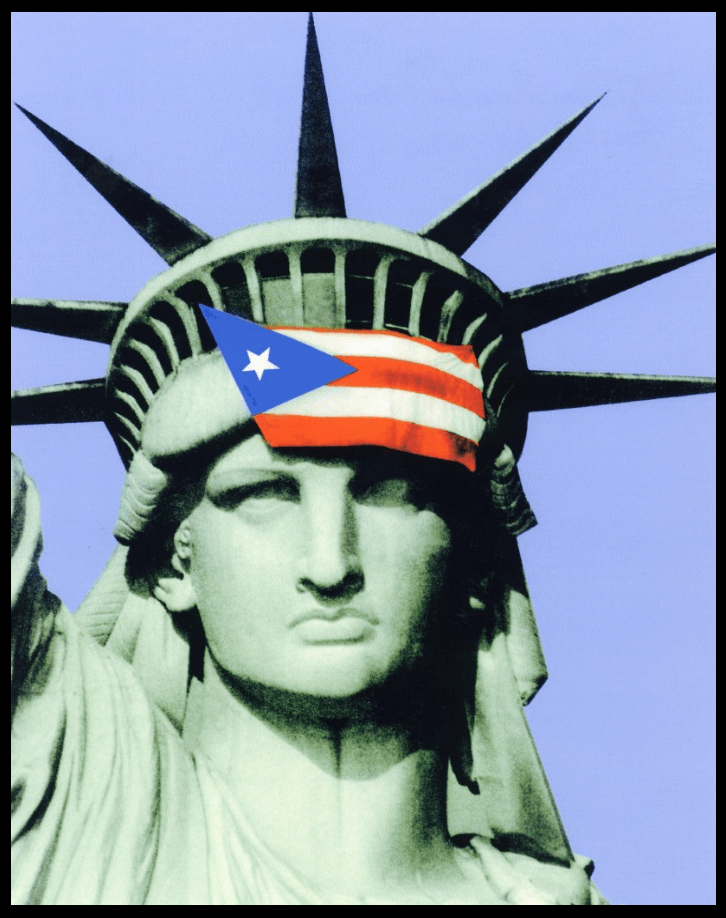
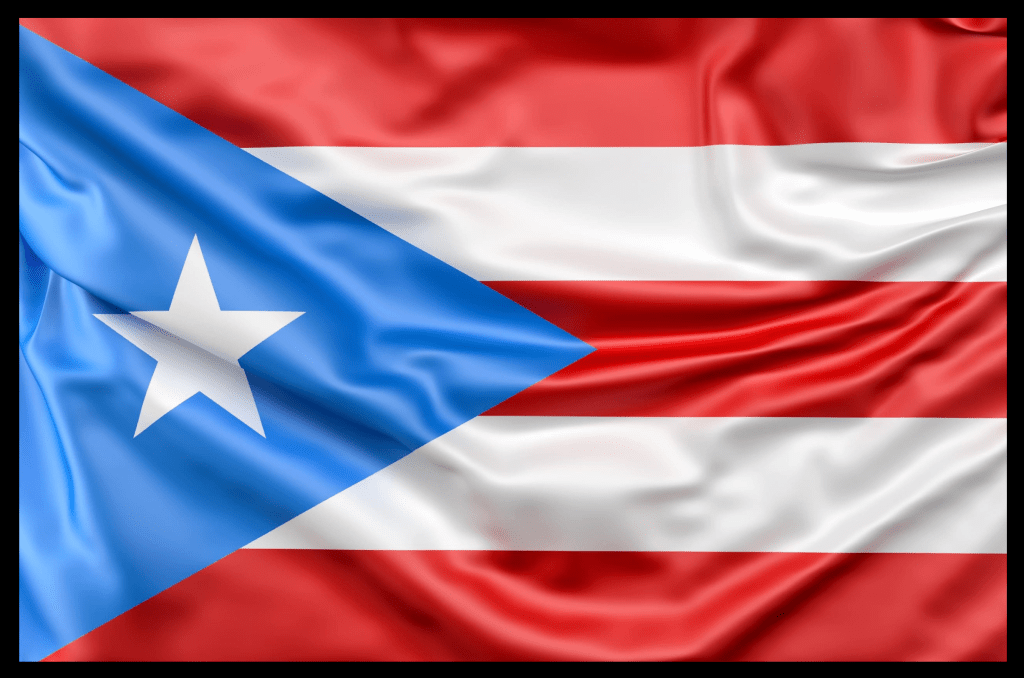
With a strong sense of both political and cultural conviction for the beloved homeland, they unfurled and hoisted a very huge Puerto Rican Flag from the statue’s crown, where it was proudly displayed for the world to witness.

An arial photo of Boricua dignity at Statue of liberty.

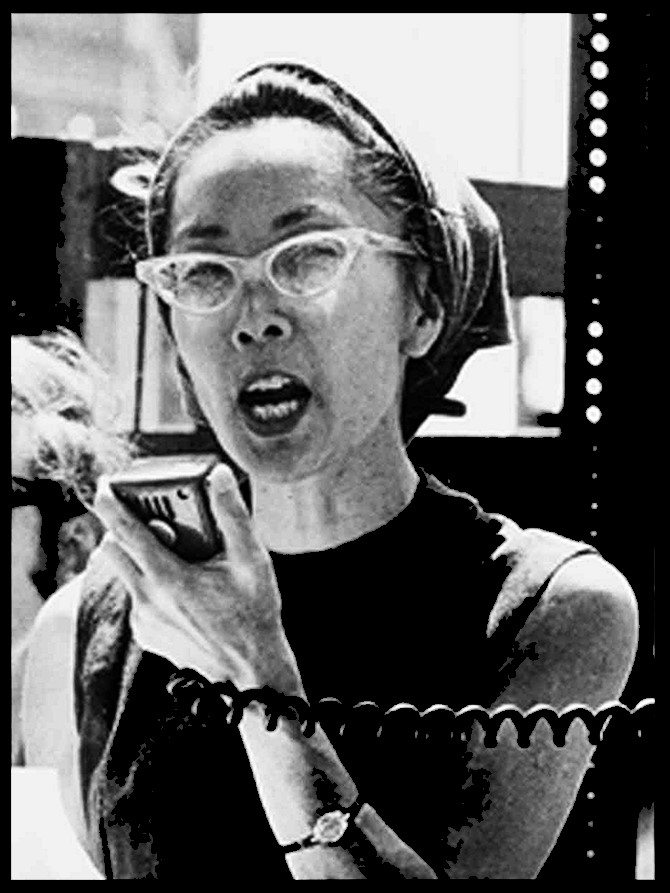
Among the non-Boricua participants of this action who merits recognition for risking her own personal safety in the interest of a Puerto Rican cause was the legendary Japanese American internationalist, Yuri Kochiyama.

Yuri Kochiyama

While the mainstream media depicted this act of resistance as “terroristic”, the inspiration for it was to bring about world attention to the criminal U.S. colonial domination of Puerto Rico and to demand the release of political prisoners Lolita Lebron, Rafael Cancel Miranda, Irvin Flores Rodriguez, Andres Figueroa Cordero and Oscar Collazo.

These freedom fighters were passionate about upholding the dignity of the liberation struggle. They were members of the Nationalist Party who responded to a directive given by Dr. Pedro Albizu Campos. All five patriots were sentenced to life imprisonment for carrying out justified armed actions against the U.S. colonizers in two separate historic events.

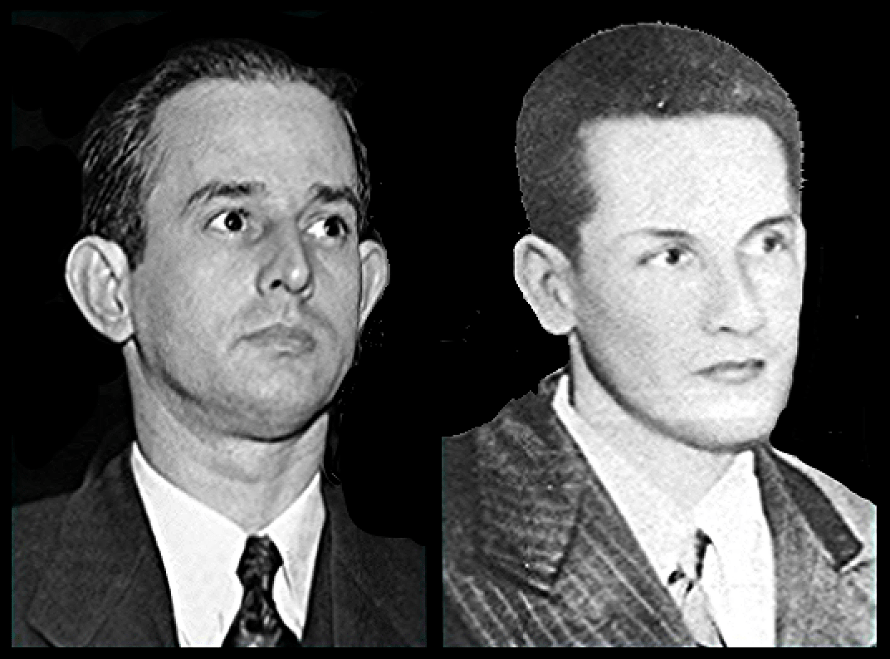
On November 1, 1950, Nationalist Party members Oscar Collazo and Griselio Torresola went to the Blair House in Washington, D.C. to assassinate President Harry Truman. Their intended purpose was to counter Washington’s lies about the Jayuya-Nationalist revolt of October 30, 1950, and the severe repression that followed. U.S. government officials falsely depicted the conflict as Puerto Ricans vs. Puerto Ricans.

Torresola was killed and Collazo critically wounded in a shootout with Capital Police and Secret Service. However, their brave act did bring about political exposure to what was occurring in Puerto Rico.

From L to R: Oscar Collazo and Griselio Torresola.

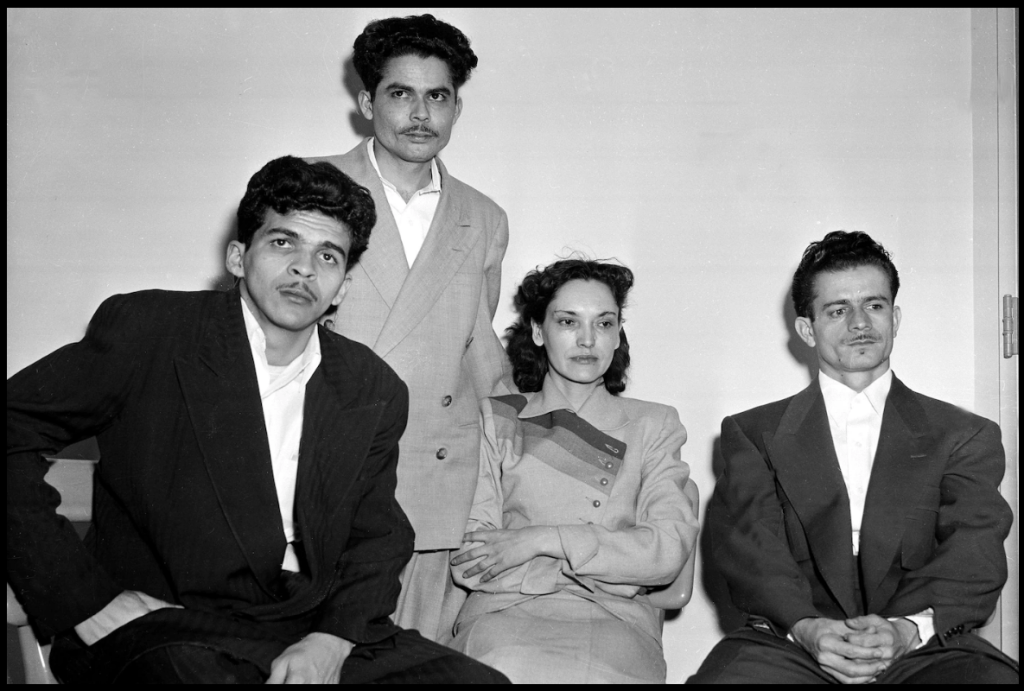
And then, on the morning of March 1, 1954, as members of the House of Representatives met in the Chamber of the Capitol, Lolita Lebrón, Rafael Cancel Miranda, Irvin Flores Rodriguez and Andres Figueroa Cordero, calmly walked up a staircase to the balcony. Lolita pulled out a Puerto Rican flag and a handgun from her shoulder bag. She then shouted the solemn words of the liberation struggle: “QUE VIVA PUERTO RICO LIBRE!” Within seconds of brandishing their weapons, the four Nationalists opened fire on the colonizers in the U.S. Congress.

From L to R: Rafael Cancel Miranda, Andres Figueroa Cordero, Lolita Lebron, Irvin Flores Rodriguez.

Considering the fury of the 1960s-70s in poor, working-class communities of the diaspora and Puerto Rico, the boldness of the Statue of Liberty takeover added to the broadly supported call for their release. No one can ever dispute how this militant action contributed to the release of the five Puerto Rican Nationalists two years later, when President Jimmy Carter was pressured to grant amnesty.

Among other factors that led to a victorious outcome was the solidarity received from the Government of Cuba. Despite many threats and a brutal economic blockade, the Cuban Revolution has always maintained its principles of solidarity by upholding the centuries-long revolutionary tradition known as the “Two Wings of the Same Bird“, Cuba and Puerto Rico.

After a nine-hour siege the police forced their way through and arrested the demonstrators. In discipline fashion they lined up waiting for the inevitable by chanting slogans and singing the revolutionary Puerto Rican National Anthem, La Borinqueña.”

Among the names of individuals arrested were Yuri Kochiyama, Fernando Ponce Laspina, Charlie “Indio” Alejandro, Madelyn Gonzalez, Chino Lopez, Julio Wells, David (DJ) Tirado, Emma Torres, Richie Perez, Mickey Meléndez and others. Serving as media-spokesperson for the action, outside the perimeter of the Statue of Liberty was Vicente Alba-Panama.

Despite everything U.S. rulers have done to Boricuas through racist violence, discrimination, economic deprivation, and attempts to eliminate our identity as a people, the innate instinct to resist oppression can never be destroyed.

There is reason to feel proud knowing that it was the power of the Puerto Rican struggle which made possible the release of all five political prisoners. This profound example of resilience and determination has added to the unbreakable traditions of the Puerto Rican people.

¡QUE VIVA PUERTO RICO LIBRE!