___________________________________________________________________
“Health is a human right, not a privilege that you purchase” — Shirly A. Chisholm
____________________________________________________________________
Tribute to Shirley Chisholm, November 30, 1924 – January 1, 2005
By Carlos “Carlito” Rovira
The legendary Shirley Anita Chisholm was a powerful voice of defiance that never ceded her fight for human rights in the United States. As a community activist and member of the U.S. House of Representatives she fought for racial and gender equality, anti-poverty programs, educational reform, and civil rights.
Although Chisholm was never a revolutionary in the traditional sense the Civil Rights movement, she played a significant role in had the potential of evolving in a more radical direction. When making public speeches she agitated like a Black nationalist, a feminist, labor organizer, supporter of LGBTQ+ rights, and used her Spanish language fluency to express support for the Latinx community.
Chisholm was born in Brooklyn, New York to poor immigrant parents from Guyana and Barbados. Being that her family was undergoing financial difficulties, the young Shirley and her sister were sent to live with relatives in Barbados during her childhood.

Although I do not give grandeur to figures in bourgeois politics, Congresswoman Shirley A. Chisholm is a unique case. While Chisholm’s story was not restricted to her achievements in mainstream politics, she represents a particular part in the history of the Civil Rights movement that also fought for social justice.
Chisholm was among progressive politicians that challenged the government by fighting to achieve what oppressed people were demanding. Among these voices in mainstream politics were figures like Vito Marcantonio, Adam Clayton Powell, Charles Diggs, and others.
Chisholm waged a relentless struggle against white supremacist practices in the House of Representatives and other parts of the U.S. Government. Despite the desire of many white racist colleagues not to acknowledge Chisholm’s title, she was nevertheless an elected official who did not hesitated to call out anti-Black legislative proposals motivated to resist the Civil Rights momentum.
Like many progressive Black figures and openly anti-capitalist political organizations of that period, Chisholm was implicitly and explicitly accused of having “communist ties.” She adamantly condemned McCarthy Era legislation maintained for repressing the Communist Party USA and anyone that promoted the ideals of socialism.
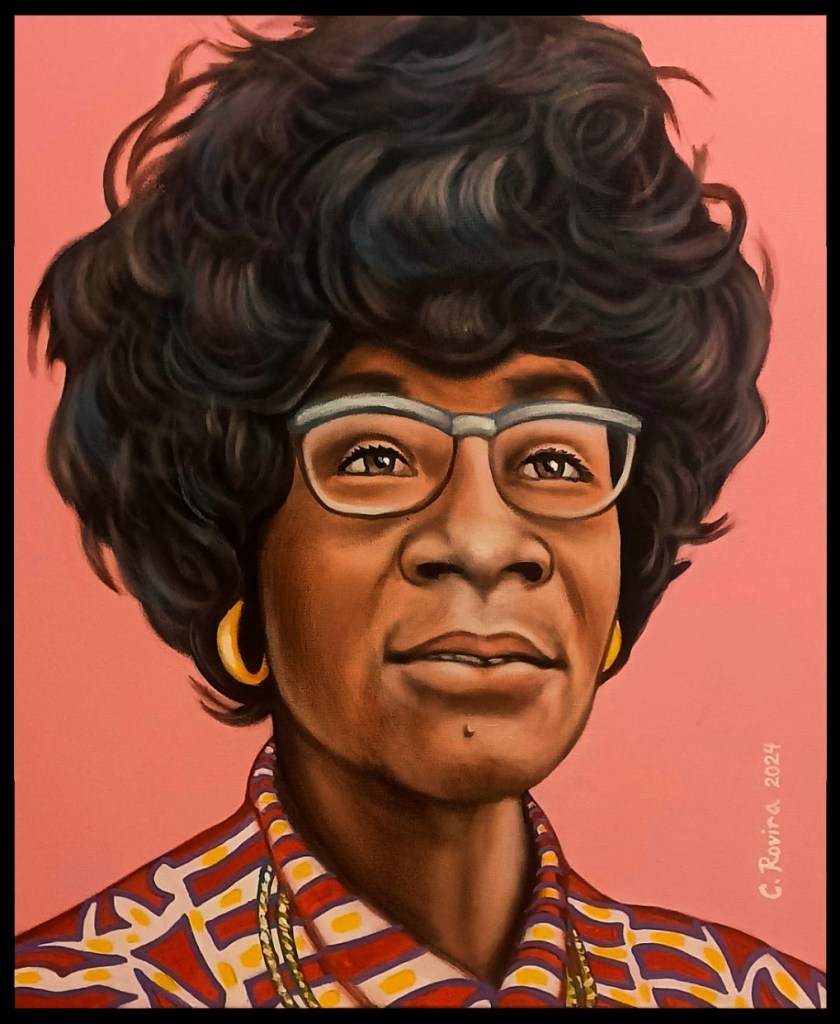
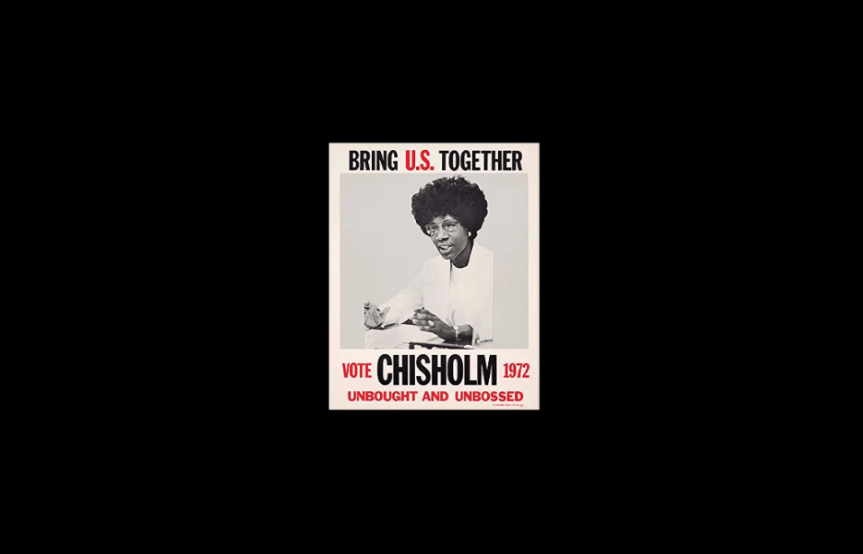
Chisholm was the first Black woman from New York to win a seat in the U.S. House of Representatives. She was an outspoken member of Congress who was vehemently opposed to the criminal U.S. war in Vietnam which she linked to the social and economic disparity in the United States.
The Congresswoman participated in many anti-war demonstrations and rallies throughout the country where she added her voice to the massive public outcry against the war. Her denunciations of Washington officials were fearlessly made to expose their criminal warmongering policies.
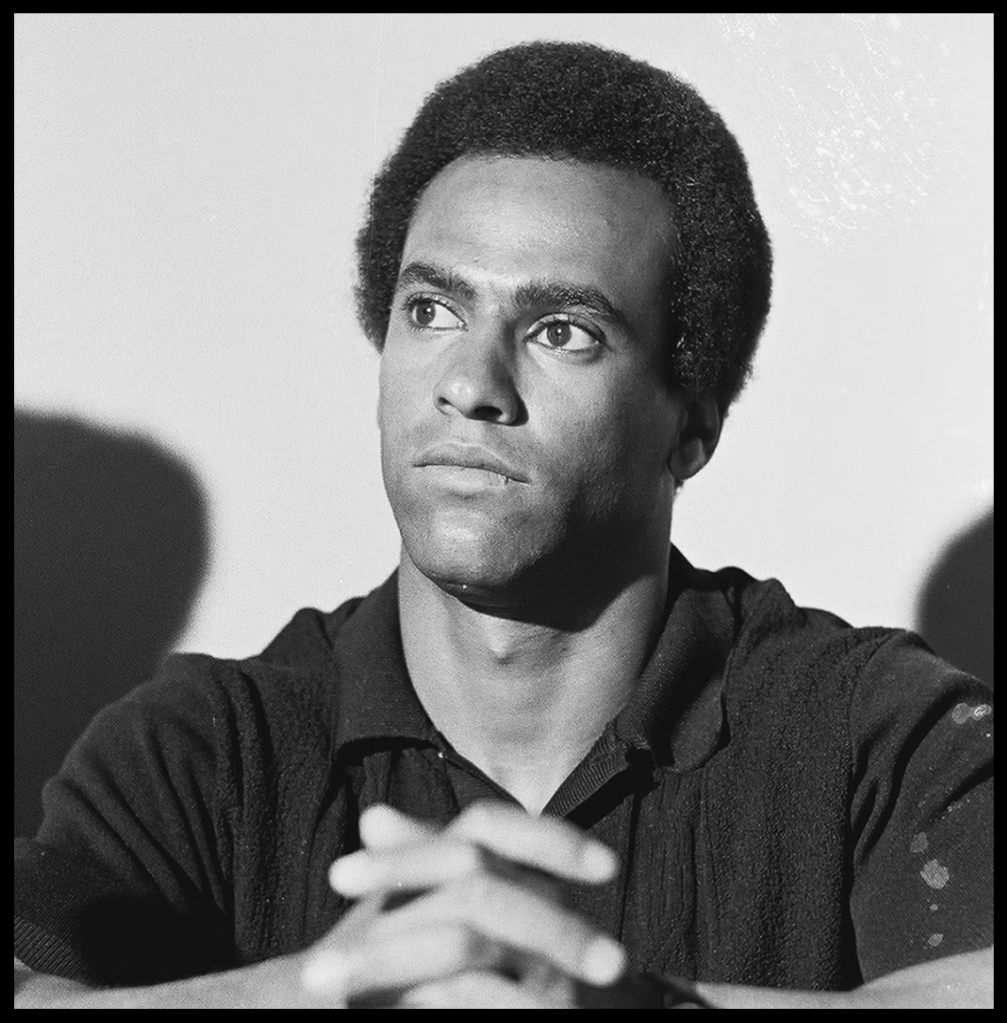
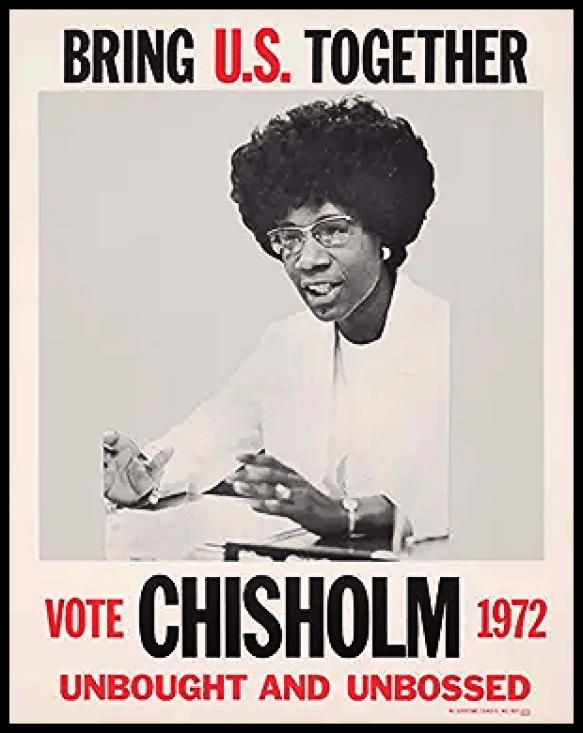
Chisholm unapologetically supported the Black Panther Party (BPP). She admired their courageous militant spirit. In April 1972, Chisholm met with BPP leader Huey P. Newton. The BPP recognized Chisholm’s courageousness and empathy for the suffering of the Black masses. The Panthers openly endorsed her campaign to get elected to Congress and set their organizational infrastructure for a voter registration drive to have her elected.
Although Chisholm possessed a fiery spirit that added to the strength of the Civil Rights movement, she came under heavy criticism and condemnation from many circles including within the Black community. On June 8, 1972, Chisholm unexpectedly visited the racist Alabama Governor George Wallace at Holy Cross Hospital in Silver Spring, Maryland where he was recovering from gunshot wounds in an assassination attempt. In that same year Wallace and Chisholm were competing candidates for the Democratic Party presidential nomination.
Chisholm’s response to her many critics, who viewed the visit to an outspoken white supremacist as absurd, was that she acted with empathy consistent with her religious faith. Like all mainstream political figures Chisholm also had her own significant contradictions.
Despite Chisholm’s political complexities, how she viewed her involvement in bourgeois politics on behalf of oppressed people merits appreciation and applause. Washington officials were irked by an outspoken Black woman intruding in their world of white privilege and entitlement. Nothing could have been more uncomfortable than a strong and dignified woman of color with character always ready to call them out
The humiliation she experienced from the disrespectful behavior of racist colleagues did not deter her. Chisholm’s life journey which at times included unpleasant moments taught her to be resilient. Nothing stopped her from moving forward to carry out legislative work. Her famous motto was: “If they deny you a seat at the table bring your own folding chair.” She had a way of frustrating the most condescending and arrogant elements in the U.S. Congress.


 carlitoboricua