
Para la versión en español: https://carlitoboricua.blog/p=6398&preview=true&_thumbnail_id=6414
___________________________________________________________________
“Military intervention is the most brutal and abusive act that can be committed against a nation and a people. We demanded then, as we do today, the retreat of United States armed forces from Puerto Rico in order to embrace the liberty we held all too briefly in 1868.” –Dr. Pedro Albizu Campos
_____________________________________________________________________
By Carlos “Carlito” Rovira
On October 30, 1950, 75 years ago, an armed battle took place in the municipality of Jayuya which spread throughout Puerto Rico. It became known as the Jayuya Uprising. It is an event in Puerto Rico which bourgeois apologists for U.S. colonialism would prefer to dilute or completely erase from history.
Men and women determined to bring about an independent Puerto Rican republic carried out daring armed confrontations with U.S.-trained police and the National Guard. The fury that ensued was due to U.S. colonial policy, which began with the 1898 military invasion. Leading up to October 1950 the U.S. colonizers were putting in place a brutal plan to crush the independence movement and all expressions of anti-colonialism.
The colonization of Puerto Rico was motivated by capitalist economic interests of giant banks and corporations. Countries like Great Britain, France, Germany, Italy, Belgium, Japan and the United States engaged in savage competition among themselves to obtain colonies. With the conquest of the Philippines, Guam, Cuba and Puerto Rico the U.S. became an imperialist power. U.S. rulers envisioned themselves controlling the world, especially Latin America where they had defined their intentions to make it their own in the 1823 Monroe Doctrine.
However, this historical trend did not go unchallenged. Millions of people resisted the savage onslaught by this system, especially after World War II and well into the 1960’s-70’s with the emergence of organized revolutionary nationalist movements in Africa, Asia and Latin America.
It was a momentous period in history with national liberation movements becoming an integral part of the global class struggle, which came to a head at the height of the so-called Cold War. At the political-military poles of this conflict were the United States on one side and the Soviet Union on the other.
Most notable in this historic turmoil were revolutions in Algeria (1954), Angola (1961), Bolivia (1952), Congo (1960), China (1949), Dominican Republic (1965), Egypt (1952), Iraq (1958), Vietnam (1945) and Cuba (1959), as well as the inspiring liberation movements of Palestine, South Africa and Northern Ireland. Imperialism did not foresee the resistance of its victims picking up arms in their quest for freedom. The Jayuya uprising occurred in the context of existing world circumstances.
The 1950 Nationalist Revolt
Under the leadership of Dr. Pedro Albizu Campos, the Nationalist Party of Puerto Rico proclaimed the inalienable right of the Puerto Rican people to independence. These freedom fighters gained the respect of multiple sectors of the population.
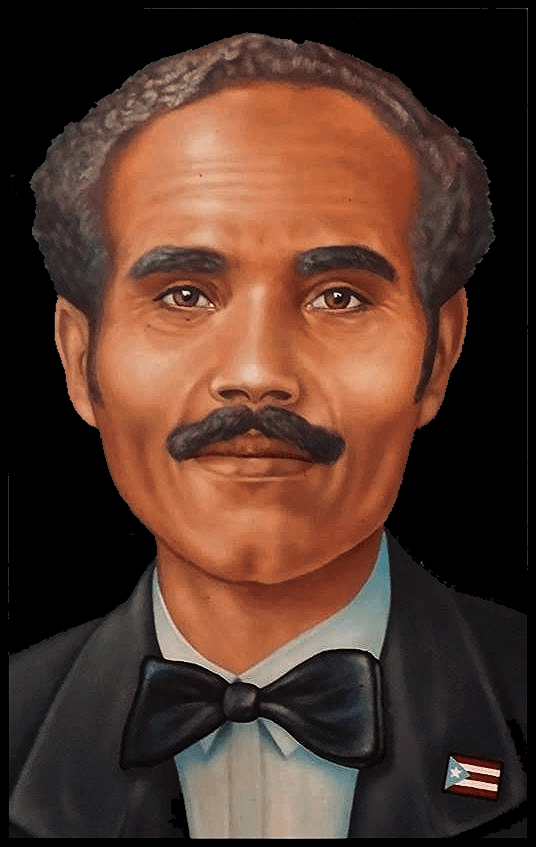
The Nationalist Party also became known for advocating the right to use whatever means necessary to achieve liberation, including the use of armed force. This made them the primary target of colonialism’s repressive agencies that sought to destroy the independence movement.
When the political left in the United States was persecuted in the 1940-50’s, the result of an anti-communist witch-hunt spearheaded by the notorious Senator Joseph McCarthy, Puerto Ricans witnessed a harsher version of that despicable campaign. People in the U.S. hardly knew that Nationalists were systematically imprisoned and murdered.
Laws were created to justify killing Nationalists in plain view. The cause for independence was criminalized outright. Such was the nature of Law 53 of 1948, better known as the Gag Law, (Spanish: Ley de La Mordaza); it banned the Nationalist Party, prohibited possession and display of the Puerto Rican flag, outlawed public gatherings, prohibited criticism of the U.S. presence and mention of independence in literature, musical renditions and in all mass media. This vicious law aimed to destroy the Puerto Rican people’s self-identity by instilling fear.
U.S. news media outlets only told the false narrative of Washington officials who projected the uprising as an “internal matter among Puerto Ricans.” But nothing can dismiss the cold facts pointing to the contrary: the supposed “Government of Puerto Rico” did not come into existence by the will of the people, it was installed by U.S. colonial decree. Federal law mandates the U.S. President to take direct charge of matters there in cases of emergency. In addition, the governor of Puerto Rico is required by law to report and take directions from the White House.
Early in October 1950, Nationalist Party intelligence operatives obtained information of a secret government plan to eliminate the independence movement. The tactics to be used in the planned onslaught involved attacking offices and homes of Nationalist Party members. With knowledge of the imminent attack Party leadership chose to uphold national dignity and their right to armed self-defense. They decided that it was best to take the initiative by landing the first blow.
THE JAYUYA UPRISING
On the morning of October 30, 1950, a young woman named Blanca Canales led an armed contingency of Nationalists towards Jayuya. Once they arrived in the city the patriots launched their attack on the police headquarters. The Nationalists then surrounded the despised facility and a gun battle ensued.
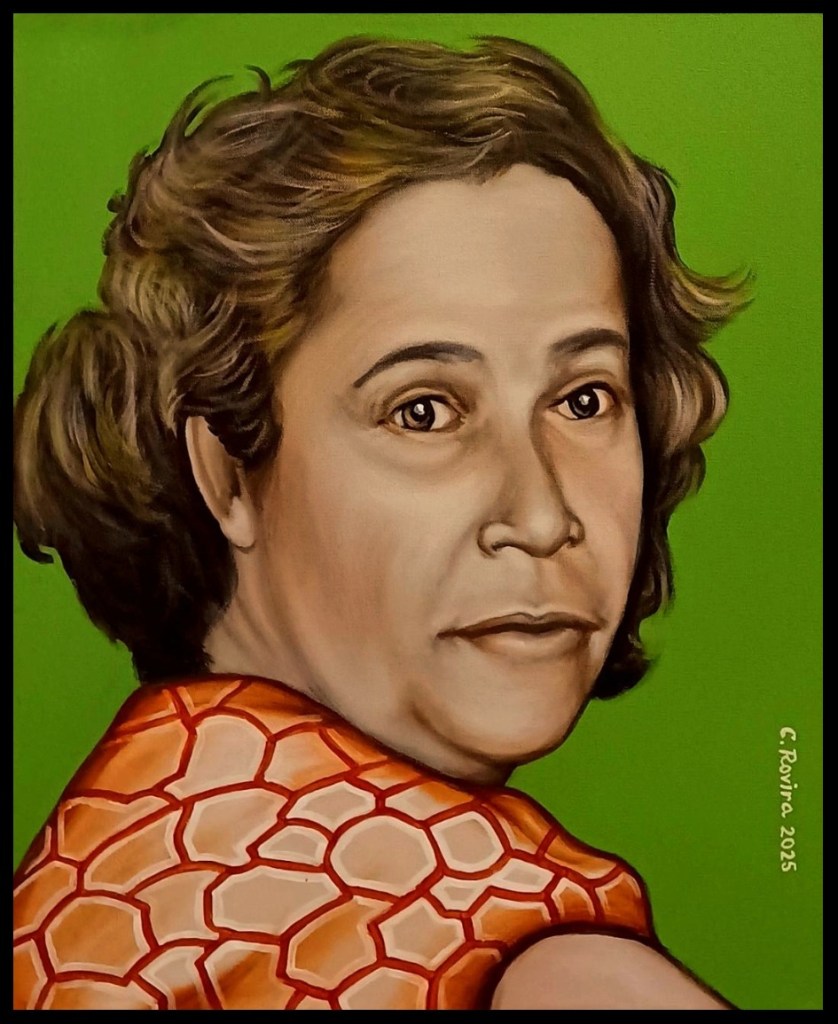
Civil and police officials were shocked by the unexpected tenacity of the freedom fighters. The police were ordered to surrender and come out of the building with their hands raised. As soon as the Nationalists gained control of the situation Blanca Canales proceeded to give the command to burn down the building.
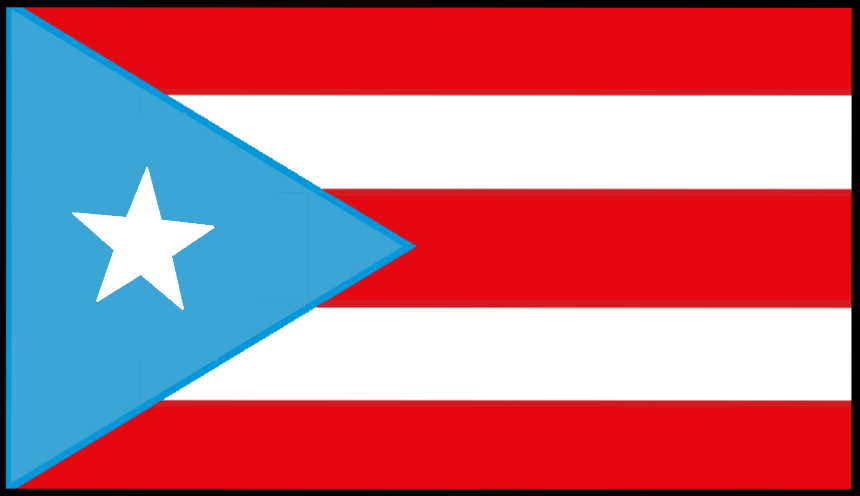
Surrounded by a large gathering of residents, the brave patriots raised the outlawed Puerto Rican flag. With her weapon raised in the air Blanca Canales agitated the onlookers by shouting the historic solemn words of the Puerto Rican liberation struggle: “QUE VIVA PUERTO RICO LIBRE!” She defiantly declared the independence of Puerto Rico!
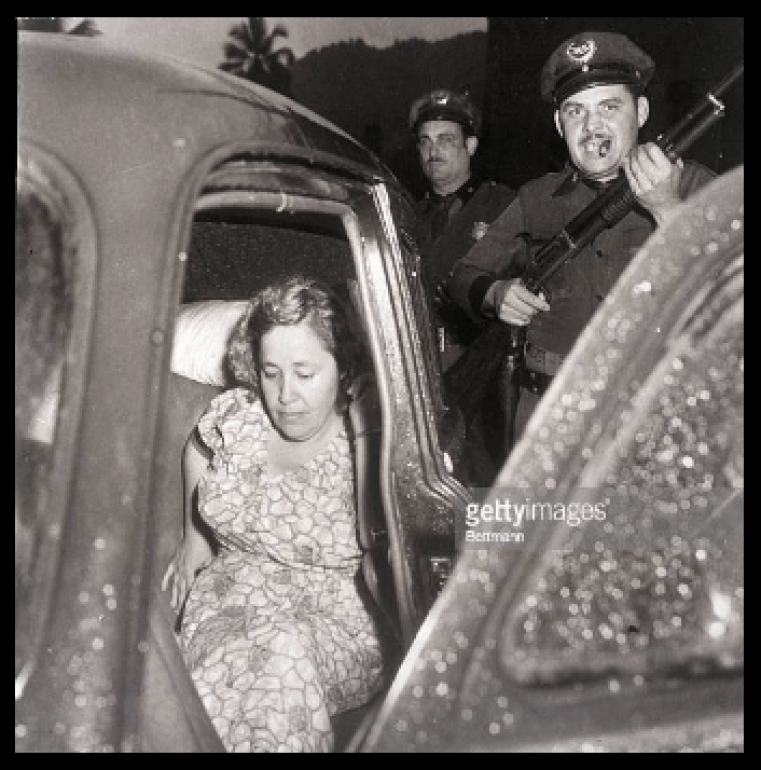
Violent clashes between police and nationalists also occurred in Utuado, Ponce, Mayagüez, Arecibo, Naranjito, Ciales, Peñuelas and other towns. In Arecibo a gun battle ensued at the site of the police station there in which several Nationalists were killed. Among the 12 patriots wounded was former political prisoner Carlos Feliciano.

In San Juan, colonial police and National Guard attacked the headquarters of the Nationalist Party. Dr. Pedro Albizu Campos, Isabel Rosado and others undertook defending their office with arms at hands until they were overwhelmed in the gun battle by tear gas.

Campos was then sentenced to life imprisonment. But U.S. puppet Governor Luis Muños Marin conveniently granted Campos a pardon a few months before his death in 1965. Many pro-independence activists, including medical experts, maintain that Campos’ physical deterioration was due to torture with secret radiation experiments.
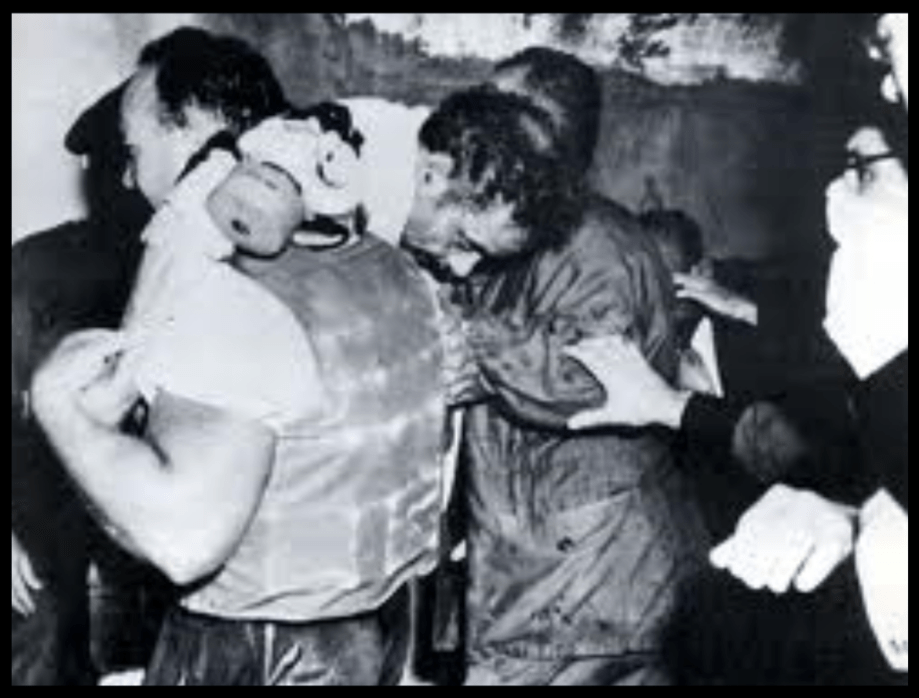
Military airplanes were deployed to bomb Jayuya and Utuado. in Jayuya 70 percent of the municipality was destroyed. The National Guard immediately pushed to suppress the uprising and regain control of the region. New repressive measures were imposed throughout the country, including martial law.
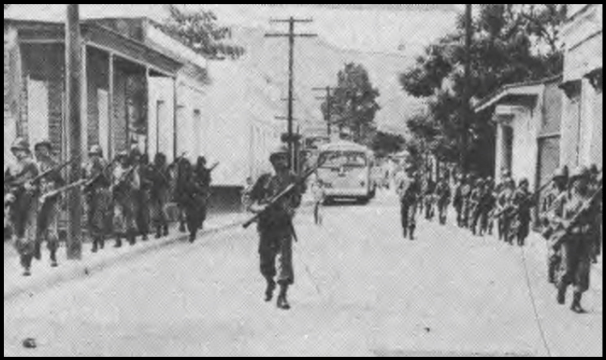
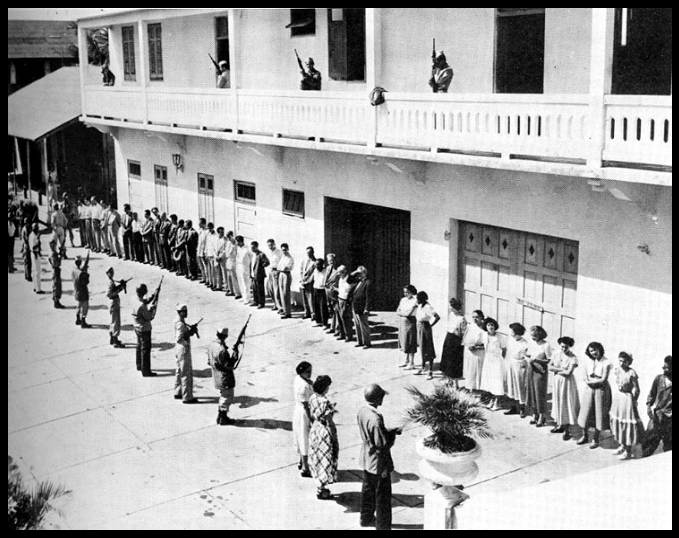

A news blackout kept the events of the rebellion out of mainstream outlets in order to avoid the condemnation of colonialism in the court of public opinion. To guarantee silencing voices of the emerging struggle U.S. officials intensified their efforts to twist the facts. When the news media asked about the rebellion President Harry Truman falsely described the conflict as being among Puerto Ricans.
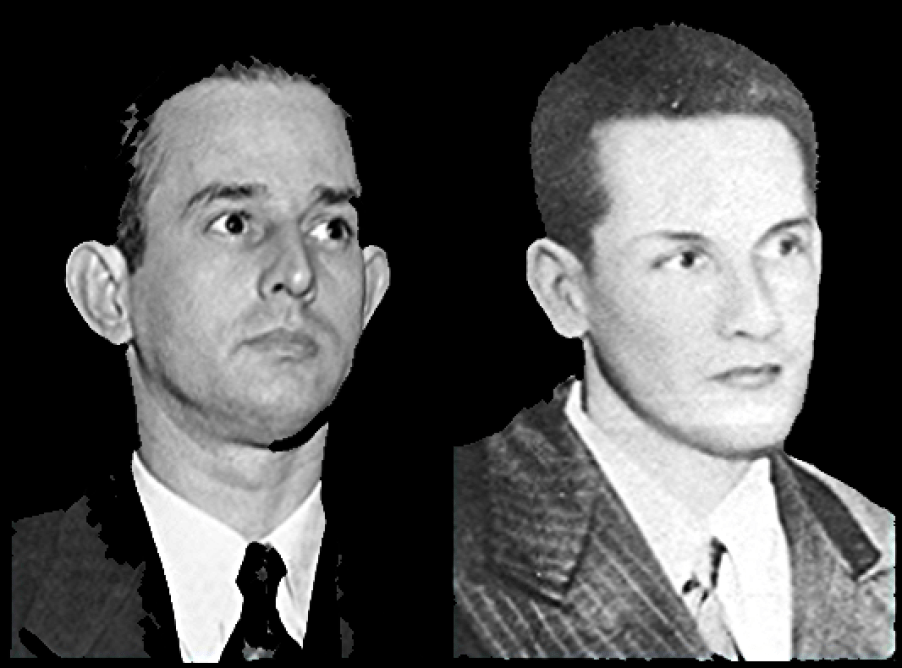
On November 1, 1950, Nationalist Party members Oscar Collazo and Griselio Torresola went to the Blair House in Washington, D.C. to assassinate President Harry Truman. Their intended purpose was to counter Washington’s lies about the conflict before the world. Torresola was killed and Collazo was critically wounded in a shootout with Capital Police and Truman’s Secret Service bodyguards. But the brave act of the two martyrs did bring about exposure to what was occurring in Puerto Rico.
The meaning of the Nationalist Revolt
As Puerto Ricans rebelled with guns in hand, anti-colonial struggles in Africa, Asia, the Caribbean and Latin America waged on. The Jayuya Uprising in Puerto Rico was part of that global resistance of oppressed and exploited people.
Although the Nationalist Party did not succeed to expel colonialism, a political victory was won, nevertheless. This chapter in Puerto Rican history proved that the colonizers would compel the people to rebel. It does not matter how great the repressive reach is it can never erase an oppressed people’s identity and revolutionary traditions.
The Jayuya Uprising did force U.S. rulers to change their administering form of domination. In 1952 the Governor of Puerto Rico was no longer a military high ranking official appointed by the U.S. President. Elections were introduced for the office of Governor, but only to disguise the colonizing nature of the U.S. presence. By 1957 Law 53 of 1948, (the Gag Law) was lifted. The removal of this notorious law also meant lifting a ban of the Puerto Rican flag.
If one were to examine the chronology of the atrocities committed by the U.S. in Puerto Rico, like the secret sterilization of women, the cancer epidemic caused by the U.S. Navy bombing destruction of Vieques, the thousands of deaths caused by neglect in the aftermath of Hurricane Maria, and other deliberate policies of genocide, points to why the 1950 revolt was justified.
For their own reasoning U.S. colonizers will also remember this event, as they recognize the potential threat Puerto Ricans pose once they rise up. And in that inevitable future moment the lessons gained from this experience shall prove decisive in fight for a free Puerto Rican republic.

 carlitoboricua