By Carlos “Carlito” Rovira
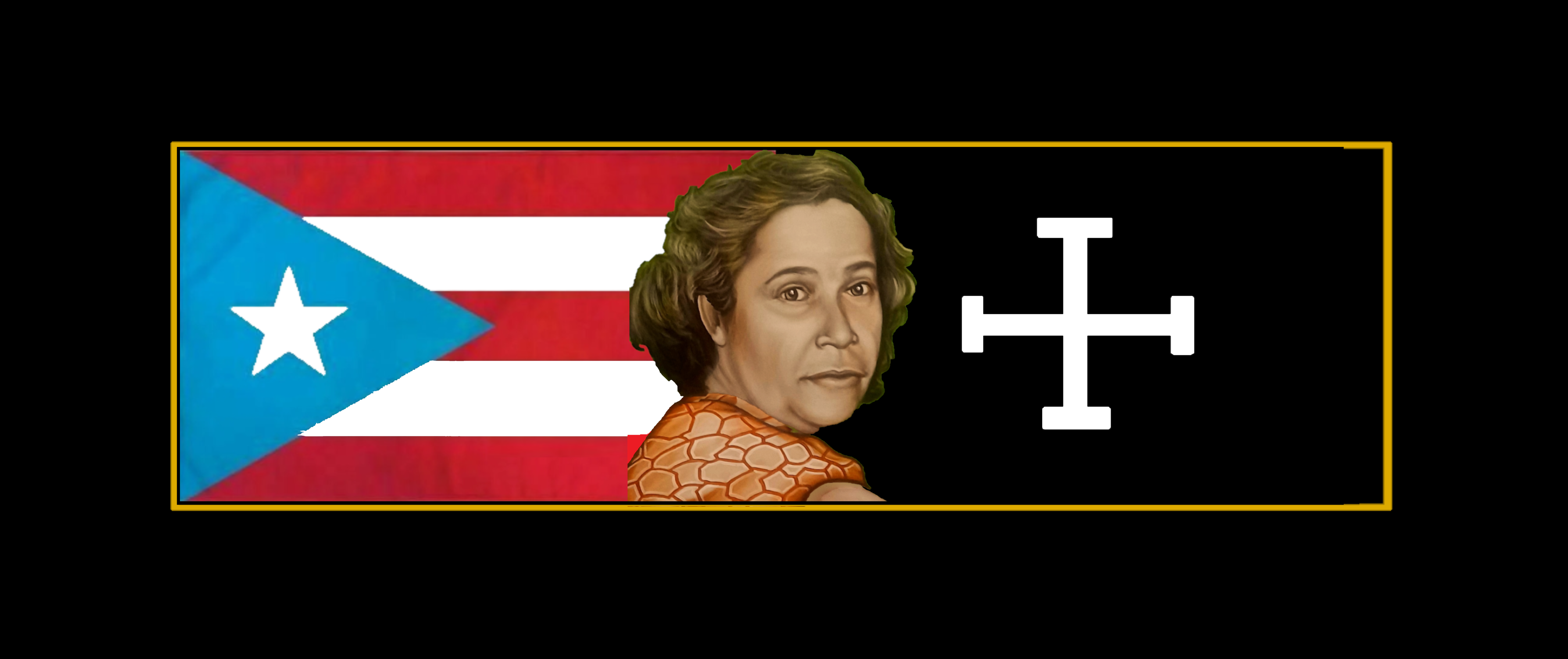
When doing research on Puerto Rican history, the story of Blanca Canales would intrigue anyone. They will discover that Canales’ fury was the product of a long line of revolutionary Boricua women. These heroines were as politically skilled in leadership as their male counterparts. This was a distinguishable feature of the women in the Nationalist Party of Puerto Rico.
Blanca Canales lived from February 17, 1906, to July 25, 1996. She was an educator and staunch leader of the Nationalist Party in Jayuya, Puerto Rico. As a child she was reared by parents who advocated independence for the homeland from U.S. domination. By the time Blanca reached adulthood she became well versed in the anti-colonial cause.
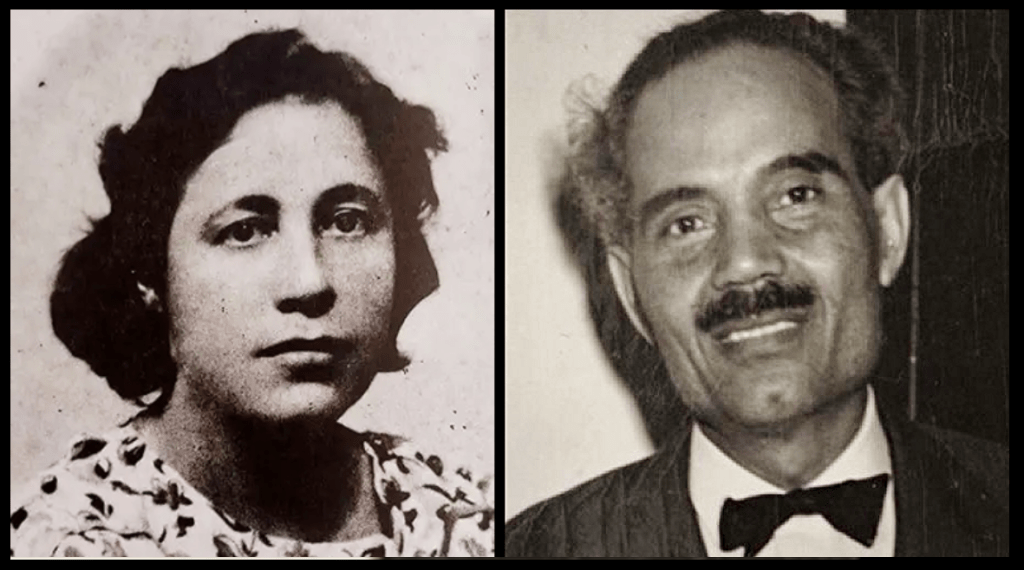
Canales was motivated to join the Nationalist Party due to her disdain for the repressive U.S. colonial presence in Puerto Rico, especially during the 1948 Law 53, also known as the Gag Law. This decree made it illegal to mention independence in literature, recorded music or public speeches. In addition, waving or possessing a Puerto Rican flag was a criminal offense punishable by 10 years in prison.
When Dr. Pedro Albizu Campos rose to the presidency of the Nationalist Party Blanca participated in organizing the women’s section of that entity, known as Daughters of Freedom. Her charisma and convictions inspired many women to join the ranks of the Nationalist Party.
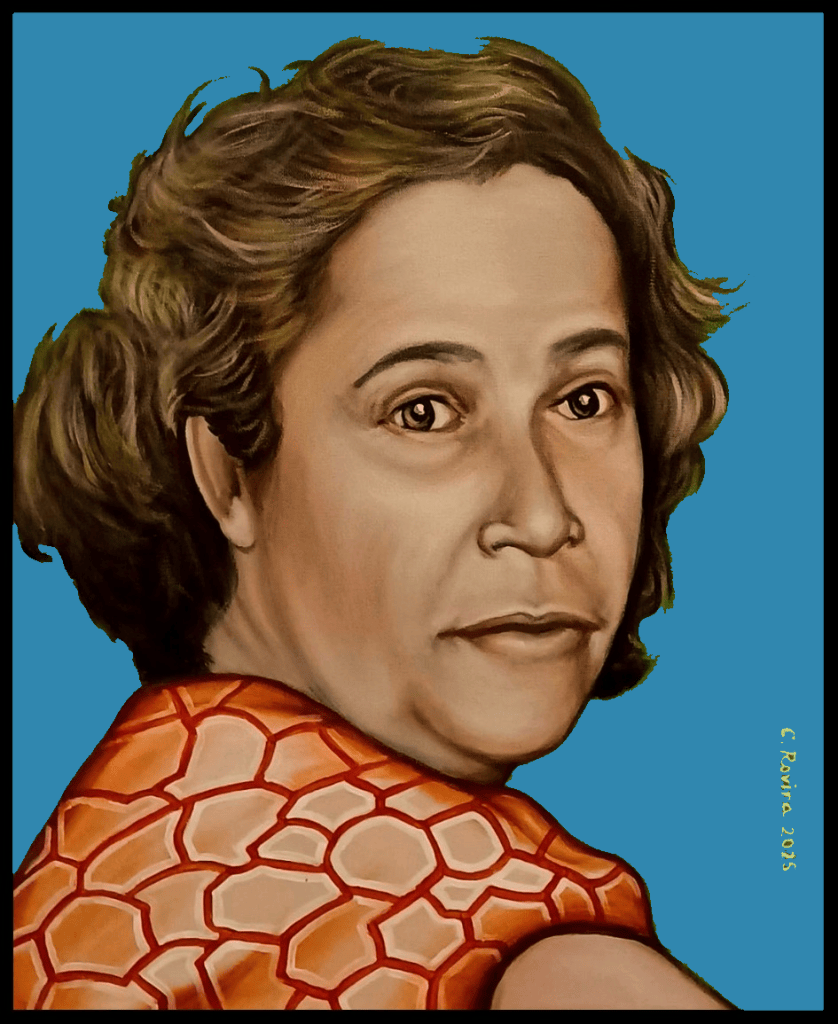
But Blanca Canales is best known for leading the famous October 30, 1950, Jayuya Uprising, part of the general Nationalist revolt in Puerto Rico. The Nationalist Party leadership chose to strike with armed force once their intelligence operatives discovered a secret plan the U.S. colonizers were preparing for destroying the independence movement with violence.
On that morning, Canales led a contingency of insurrectionists in an armed attack on the police headquarters of Jayuya, where a fierce gun battle briefly ensued. Police officials were shocked by the unexpected tenacity of the Nationalists.
Overwhelmed by the element of surprise and being outnumbered, the police were forced to comply with orders given to them by the Nationalists. The uniformed guardians of colonialism surrendered by exiting the building with their hands raised.
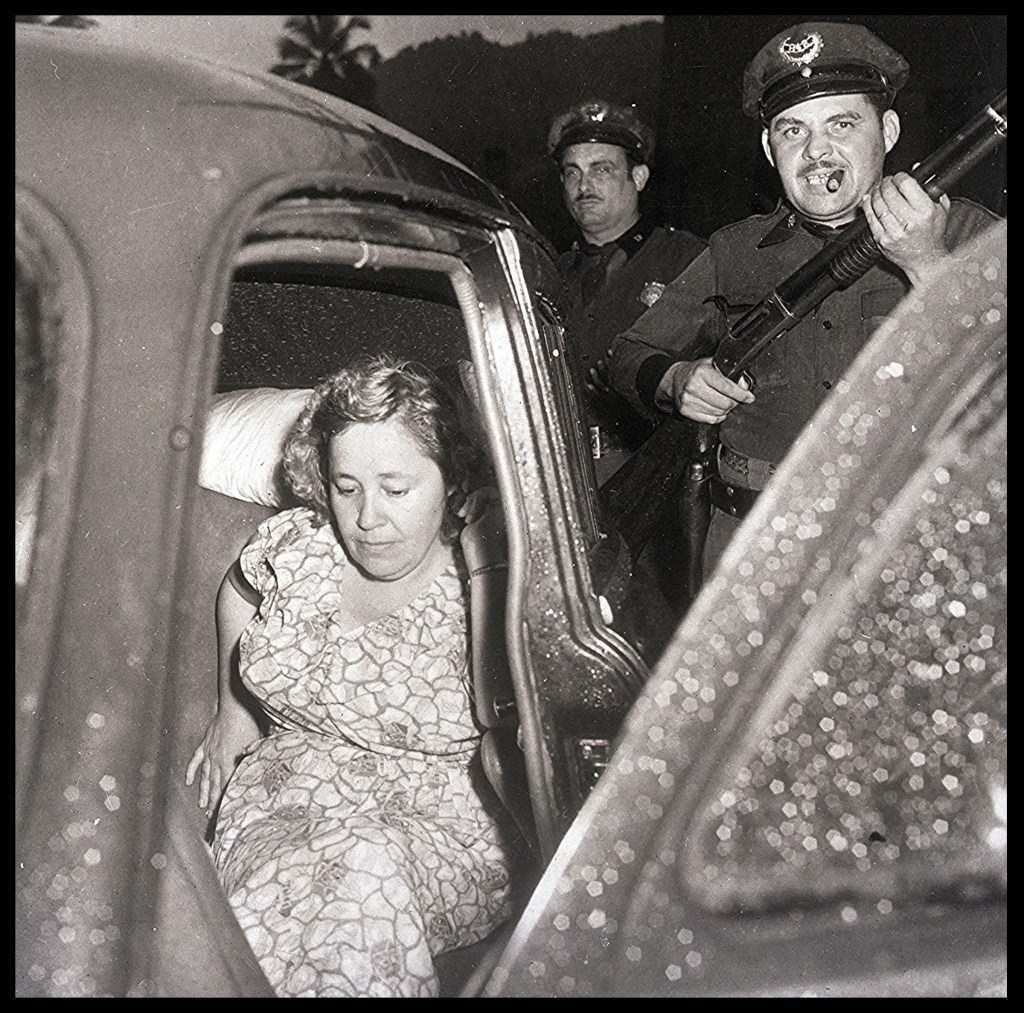
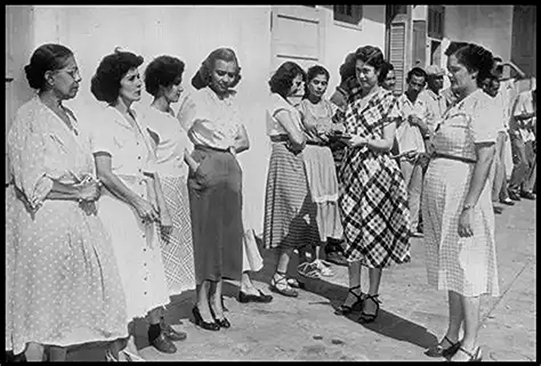
Immediately after the Nationalists gained control of Jayuya, Blanca proceeded to give her famous command to burn down the long-despised police facility. Surrounded by crowds of residents, the brave patriots defiantly raised the outlawed Puerto Rican flag. With her weapon raised in the air, Canales shouted the solemn historic words of the struggle — “QUE VIVA PUERTO RICO LIBRE!” She boldly declared the independence of Puerto Rico!
Puerto Rican Nationalists also launched armed attacks on police and government facilities in other cities, Utuado, Arecibo, Mayaguez, Naranjito, Peñuelas, and Ponce. In San Juan, Dr. Pedro Albizu Campos and other patriots defended the Nationalist Party headquarters in a shootout with colonial police. Blanca Canales was one of many women who took part in this significant chapter of Puerto Rican histor
The response of U.S. colonialism to the insurrectionists was swift and brutal. The National Guard and colonial police were utilized to repress the revolt; US warplanes were deployed to drop bombs on the municipalities of Jayuya and Utuado. Washington officials were in a desperate rush to subdue the Nationalist momentum and prevent the revolt from spreading to other localities.
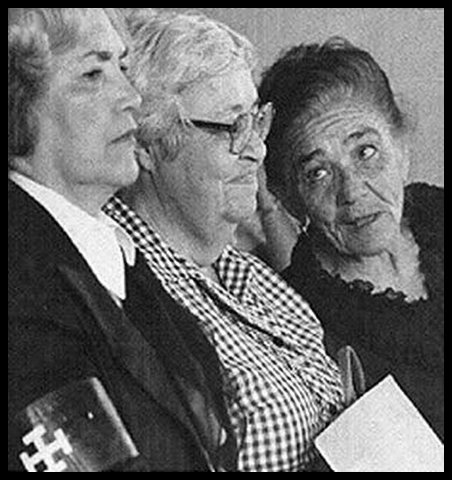
The Jayuya Uprising is an episode in Puerto Rican history that remains virtually hidden from mainstream education. The most effective weapon the rulers have for maintaining control over an oppressed people is to deny them having knowledge of their history of resistance.
Puerto Rico’s colonial status points to the plunderous intentions of the U.S. in Latin America and Caribbean. What the Jayuya Uprising did was to cause political embarrassment for U.S. rulers, who were quick to depict the situation as a conflict among Puerto Ricans.
Blanca’s love for our homeland was uncompromising. Despite the revolt being suppressed and having sacrificed so much by spending years in prison, Blanca Canales continued to be outspoken against atrocities committed by U.S. rulers until her death on July 25, 1996. The courageous role of this revolutionary heroine in the liberation struggle is unforgettable. Her legacy will surely give rise to future revolutionaries that will fight for a free Puerto Rico.
QUE VIVA PUERTO RICO LIBRE!