_____________________________________________________________
“We will never stop struggling here in The Bronx, even though they’ve destroyed it around us. We would pitch tents if we had to rather than move from here. We would fightback, there is nothing we would not do. They will never take us away from here.” -Evelina Antonetty
_____________________________________________________________
By Carlos “Carlito” Rovira
Born on September 19, 1922, in Selina, Puerto Rico, Evelina Antonetty became an exemplary community activist confronting oppression with resilience, courage, and defiance. She was unique by demonstrating the best of women throughout the history of the Puerto Rican diaspora.
Her militant disposition and charisma made Evelina Antonetty a household name in the Bronx, one of New York City’s boroughs historically with the largest number of Black and Latino residents.
No one can ever dispute that Antonetty’s life was centered around fighting for civil and human rights. She advocated for community control of schools, police, and all institutions. Her priority was fighting for the well-being and future of children.
Because Evelina’s vision involved the right to self-determination for her people, as a proud Boricua she defended the struggle for Puerto Rico’s independence. In that same vein, she was an anti-imperialist who adamantly opposed the criminal U.S. war in Vietnam which brought havoc to many Puerto Rican families who lost their sons as a consequence of military conscription.
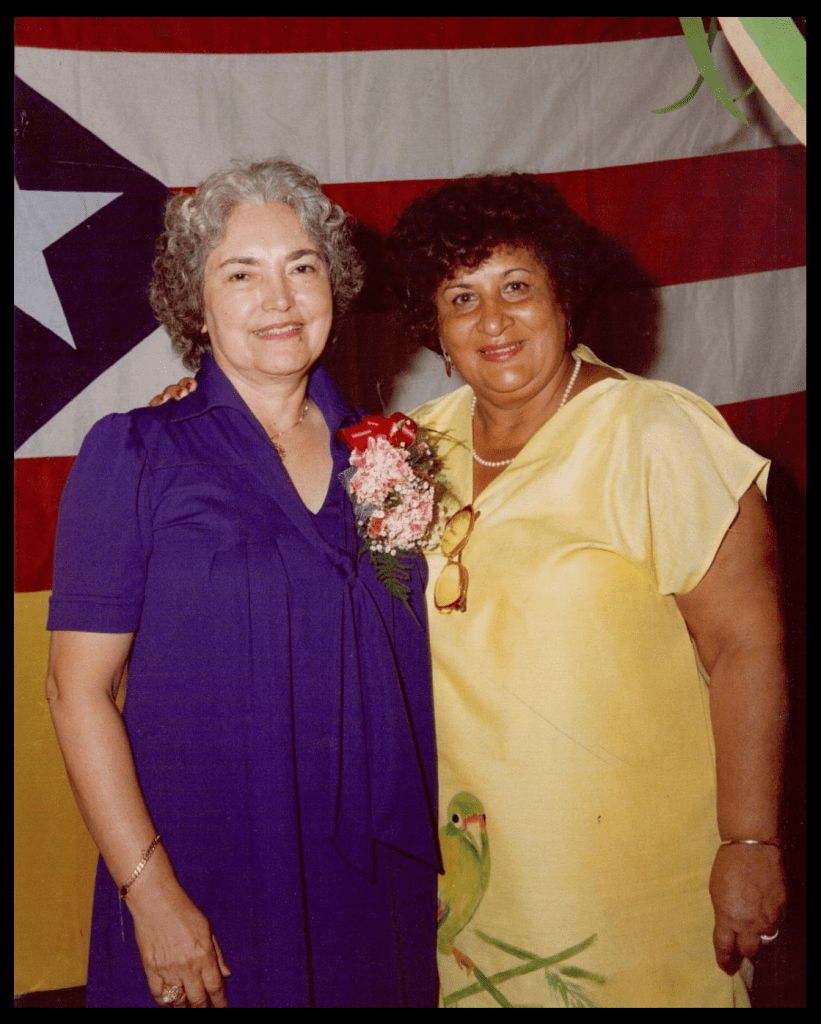
This warrior of the oppressed was called by various names of endearment in a community that loved and respected her. However, because Evelina’s unrelenting commitment to working-class people the racist New York Police Department (NYPD) described her as “Hell Lady of the Bronx”.
Evelina’s commitment to the struggle for justice and equality came about due to very good reasons – her own personal experiences with the horrors of economic poverty and racist oppression. The events in Antonetty’s life reflected a colonial reality shared by millions of Puerto Rican immigrants during the 1950s-1960s.
Similarly to African Americans, in the New York City area alone Boricuas were then, like today, targets of job and housing discrimination, with high statistics of being beaten, incarcerated or killed by police. All of the above with the youth having an average 65 percent high school drop-out rate. It is no wonder why Evelina Antonetty was so passionate about the human right to an education.
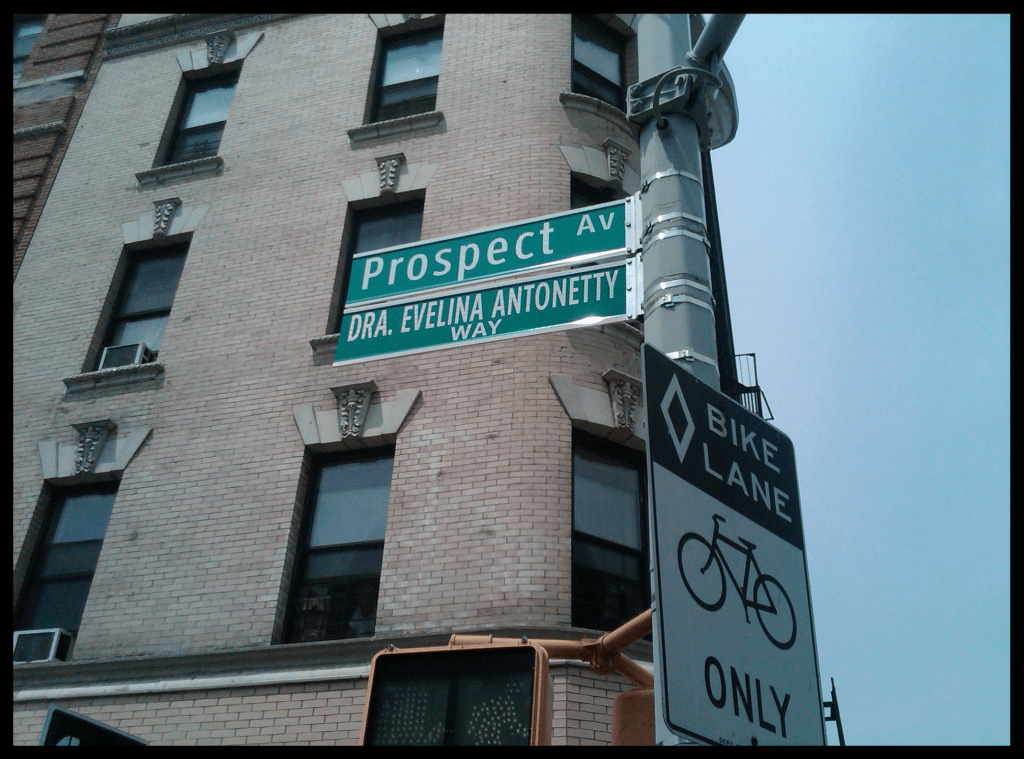
When she was just 10 years old, Evelina’s mother, a single parent, was compelled by poverty desperation to send her to New York City to live with an aunt. Extreme economic hardship prevailed throughout Puerto Rico. The Great Depression was even harsher in the setting of U.S. colonial domination.
While living in El Barrio (East Harlem) during her teenage years Evelina developed a sense for community activism when she worked for the radical/socialist Congressman Vito Marcantonio. Evelina was also mentored by the Afro-Boricua author/poet and socialist labor leader Jesús Colón. She worked for Colón at the socialist influenced labor union District 65.
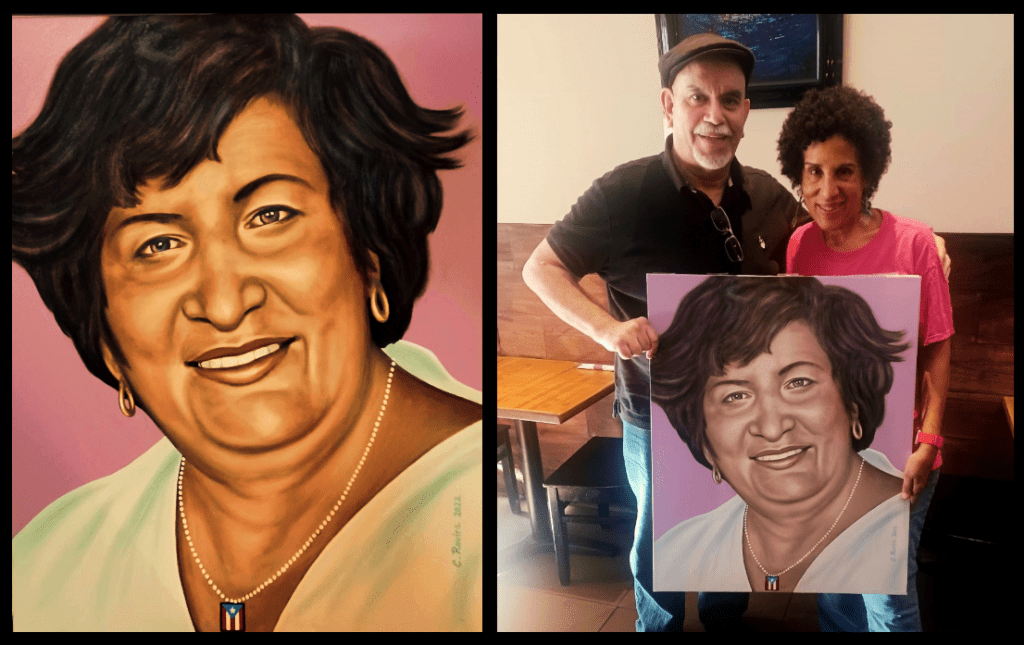
a gift to Evelina’s daughter, Anita Antonetty.
During the Civil Rights movement Evelina Antonetty played an important role as an unofficial representing link to the Puerto Rican community. She developed a good friendship with Dr. Martin Luther King, Jr., and earned the respect of other prominent Civil Rights leaders.
Evelina Antonetty was so in tune and willingly drawn by the events of the 1960’s-70’s mass upsurge that she was enthused by the Young Lords, with whom she became a very close ally. Antonetty uncompromisingly supported the Young Lords’ July 14, 1970, takeover of Lincoln Hospital, along with her contemporary and friend, Dr. Helen Rodriguez Trias. In some cases, Evelina personally mentored members of the Young Lords, specifically the women.
The most notable of her many accomplishments was based on children’s right to education. Antonetty was an organizer who is credited for the 1965 creation of United Bronx Parents. She is also known for her monumental achievement, the creation of the first bi-lingual public school in the United States. This was indeed a notable victory over white supremacy’s “English only” reactionary “norms.”

Evelina is also remembered for being among the many militant community voices on the streets opposing the filming of the racist Hollywood movie titled “Fort Apache”, which depicted Black and Latino people with utmost disdain.
Evelina Antonetty’s name is famous today because she was adored by the Puerto Rican community of the Bronx and the diaspora everywhere for her militancy and vision of a better world. With the increasing hardships and intensity of oppression that exist today we should all emulate Evelina’s qualities to build a new people’s movement. Her examples continue to serve as pillars of Puerto Rican fighting traditions.
Long live the legacy of Evelina Antonetty!


 carlitoboricua