Para la versión en español: https://carlitoboricua.blog/homenaje-a-marcus-garvey-17-de-agosto-de-1887-10-de-junio-de-1940/
By Carlos “Carlito” Rovira
——————————————————
“We are going to emancipate ourselves from mental slavery because whilst others might free the body, none but ourselves can free the mind. Mind is your only ruler, (it is) sovereign. The man who is not able to develop and use his mind is bound to be the slave of the other man who uses his mind” – Marcus Mosiah Garvey
————————————————–
From a young age, Marcus Garvey became inquisitive about the causes of Black oppression. Coming into a world filled with anti-Black racist hatred, Garvey sought ways to achieve justice and equality for people of African origin.
Garvey became the central figure of a social movement that developed at the early part of the 20th century in the United States. He was the founder and leader of the famous Universal Negro Improvement and African Communities League (UNIA-ACL) known as UNIA.
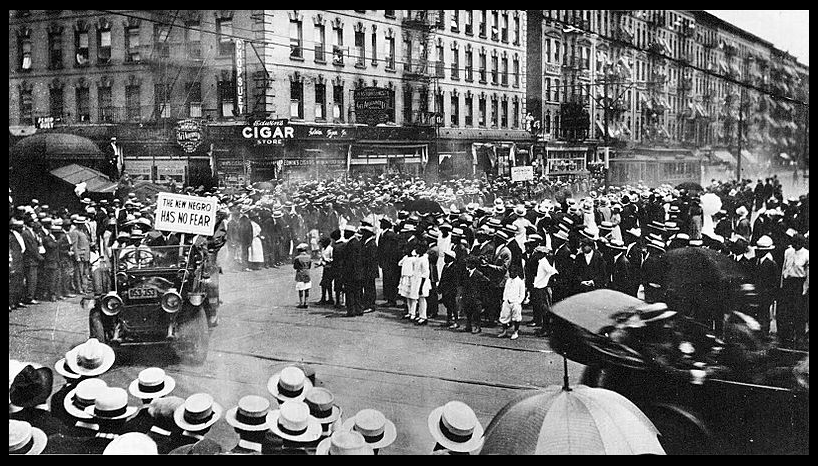
Garvey’s life journey involved becoming the catalyst of Pan-Africanism, a movement of profound significance that came at the heels of slavery. This critical movement defined the aspirations and nationalist sentiments of Black people across the globe in the modern era.
In many of his public speeches, Marcus Garvey prioritized expounding on Black pride to counter white supremacy’s historic psychological weapon against Blacks and other people of color – internalized racism.
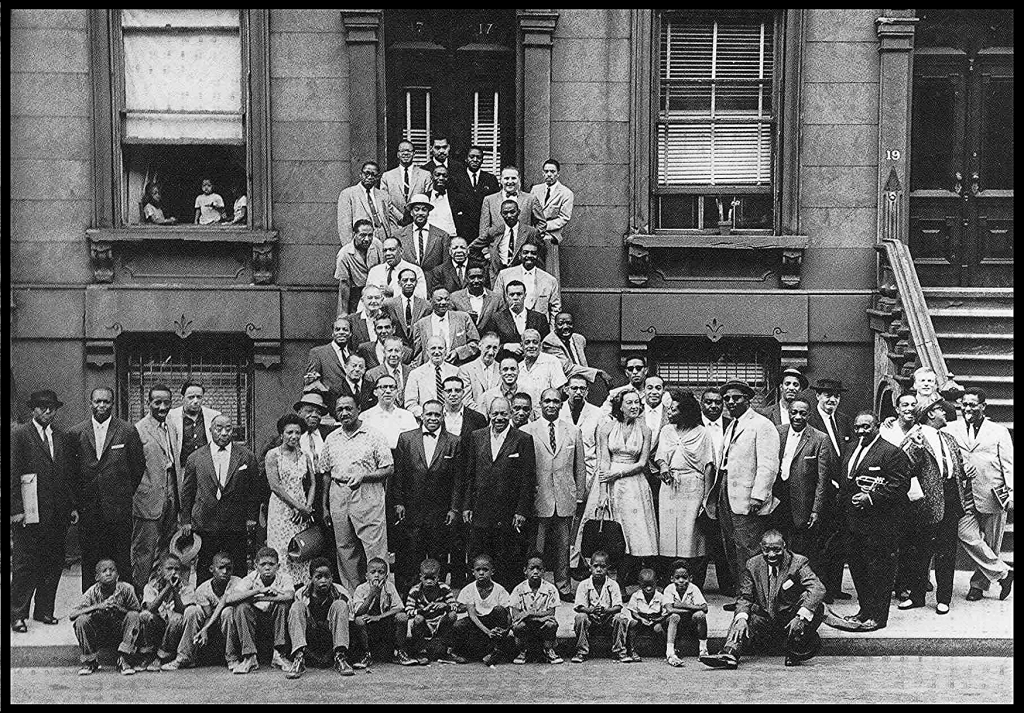
The famous Harlem Renaissance, which unveiled the beauty of African American culture while also shattering many racist myths, resulted from Marcus Garvey’s call for Black people to be profound with their identity in all areas of dignified expression.
The Harlem Renaissance was a cultural explosion in the realm of the performing, literary and visual arts which served to discredit white supremacy’s assertions about “inferior” Black intellectuality. This was a movement that turned Harlem into the political and cultural center of the African American people.
UNIA’s fundamental premise called for 1) the right of Black people to self-determination 2) the right to economic power 3) the right to have Black educational institutions 4) the right to be free from racist violence, and so on. For millions of Black people, UNIA’s vision was an attractive proposition considering the centuries of degradation, violence, disregard and legalized enslavement.
UNIA’s ranks grew to enormous proportions by 1920 with 30 chapters in the United States and millions of members worldwide. The expansion of this movement deeply threatened the white supremacist ruling class who never saw such powerful organizing among Black people. Hundreds of thousands African Americans exerted their strength by uniting into a sophisticated and mighty force.
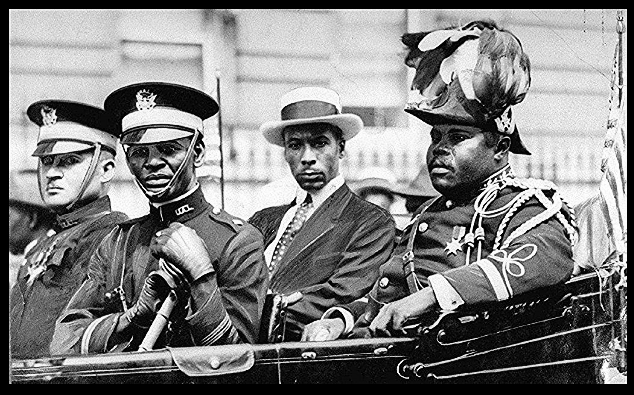
U.S. rulers had ample reason to feel apprehensive about the rising Garveyite movement. The colossal wealth in the hands of the capitalist class accumulated over the course of centuries from the suffering of enslaved Black labor.
No one can deny how that apprehension resulted in violence Black people endured everywhere in the United States. Take for example, the horrors that occurred during the destruction of Black Wall Street on May 31 – June 1, 1921, in Tulsa, Oklahoma. Racist white citizens feverishly murdered Black people while burning to the ground their community of prosperous businesses.
Garveyism Inherently Internationalist
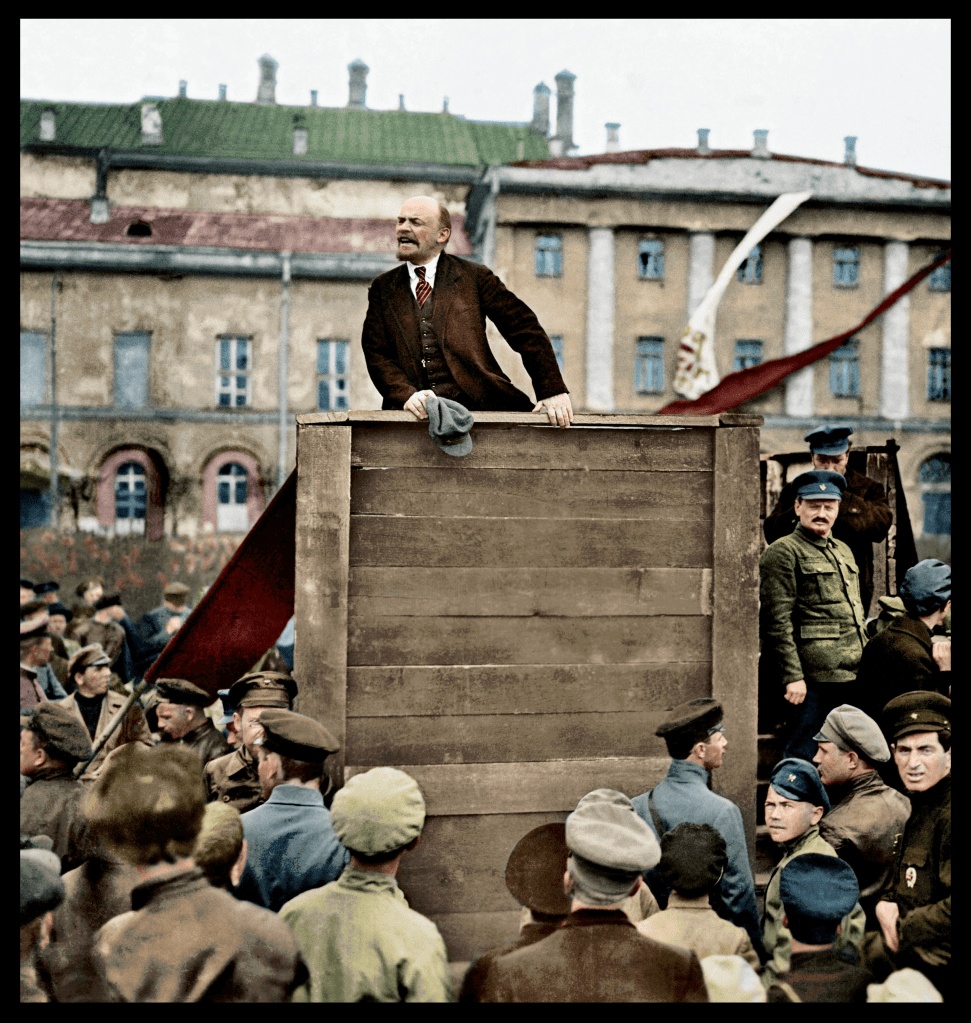
To the dislike of Washington officials, soon after the victorious 1917 Russian Socialist Revolution, Marcus Garvey dispatched a letter to Vladimir Ilyich Lenin expressing praises and congratulations. And following Lenin’s death on January 21, 1924, Garvey continued to express admiration for the achievements of the Communist leader.
In a speech presented in Harlem, NYC on January 27, 1924, Marcus Garvey stated: “One of Russia’s greatest men, one of the world’s greatest characters, and probably the greatest man in the world between 1917 and 1924, when he breathed his last and took his flight from this world. We as Negroes mourn for Lenin because Russia promised great hope not only for Negroes but to the weaker people of the world.”
On July 27, 1919, Marcus Garvey expressed condemnation for the greatest U.S. ally – British imperialism. At a massive gathering in Harlem’s Liberty Hall Garvey defiantly voiced solidarity for the Irish Citizen Army (ICA) who battled the British Army during the Easter Rising, in a courageous attempt to free Ireland from English colonial rule.
Marcus Garvey boldly condemned England and compared the plight of the Irish people with Africans. Garvey also called the execution of James Connolly and his comrades by a British firing squad an appalling act of tyranny.
In 1925, Garvey visited Puerto Rico to meet with the renowned Puerto Rican Nationalist leader, Dr. Pedro Albizu Campos. Campos’ outspoken oratory against the “racist practices in the house of the empire” caught Garvey’s attention. Despite their differences in goals and tactics, the meeting was highly symbolic. The two leaders proceeded in their separate line of march but with the highest respect for each other’s liberation struggle.
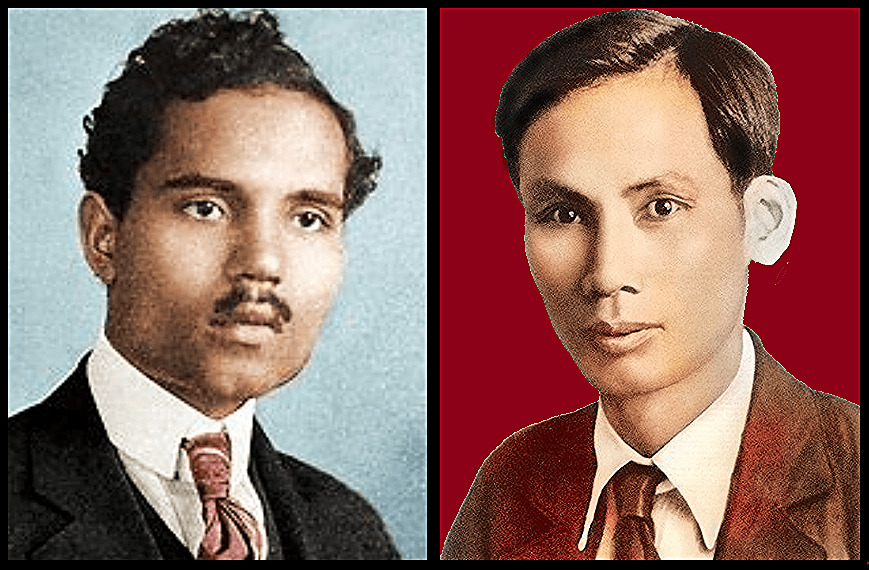
Vietnamese revolutionary leader Ho Chi Minh lived in Harlem during his youth and attended UNIA’s public meetings at Liberty Hall where he was impacted by Marcus Garvey’s speeches. Years later, Ho Chi Minh repeatedly spoke of the plight of Black people to shed light on the genesis of U.S. imperialism’s inhumanity. Thanks to being impressed by the Garveyite movement, in 1925 Ho Chi Minh authored his famous published essay titled “On Lynching and the Ku Klux Klan.”
Marcus Garvey’s influence was widespread. He was undisputably an outspoken internationalist who identified with the suffering and struggles of other oppressed people. Black Puerto Rican Arturo Alfonso Schomburg, who originated from the struggle for independence of his homeland, understood quite well this empathetic quality of Marcus Garvey’s thinking. Schomburg was one of Garvey’s loyal comrades.

Persecution of Marcus Garvey
Garvey’s political success and influence provoked scrutiny by the white supremacist U.S. Government. Garvey and UNIA became the targets of investigation and sabotage, carried out under the direction of the notorious J. Edgar Hoover and the Justice Department.
Washington officials sought ways to exploit mistakes made to aggravate internal divisions within UNIA. The government’s efforts to stir chaos included using informants from the Harlem community as well as not-so-secret legal procedures, a precursor to COINTELPRO tactics, employed against the Black movement decades later.
Due to the growing momentum of workers struggle for the eight-hour day in the U.S., and the impact the victorious 1917 Russian Socialist Revolution had on the world, Washington officials sensed a threat and reacted with frenzy. Consequently, the “Red Scare” effected the entire spectrum of the social and economic life in the United States.
Justice Department agents launched raids on public schools, universities, labor union offices, factories, homes, and places of worship. Far-reaching measures, in what became known in history as the “Palmer Raids”, were used to persecute immigrants, socialists, anarchists, and other pro-labor radicals.
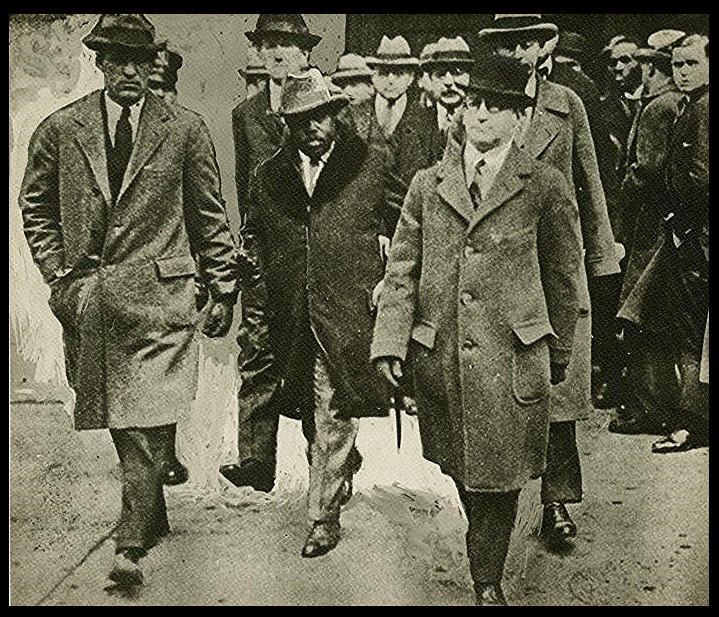
The government was not less vicious with Marcus Garvey and UNIA. In 1925 Garvey was convicted to five years in prison for a trumped-up criminal charge of mail fraud. But in 1927, the government chose commuting Garvey’s sentence to deport him. However, the Black liberation struggle continues to pose a political threat to the capitalist system.
The Legacy of Marcus Garvey
Years after Garvey’s death his influence never vanished. The militant fury of the Black liberation struggle that ignited in the 1960s-1970s with the demands for justice and reparations at the fore are attributed to the Garveyite movement.
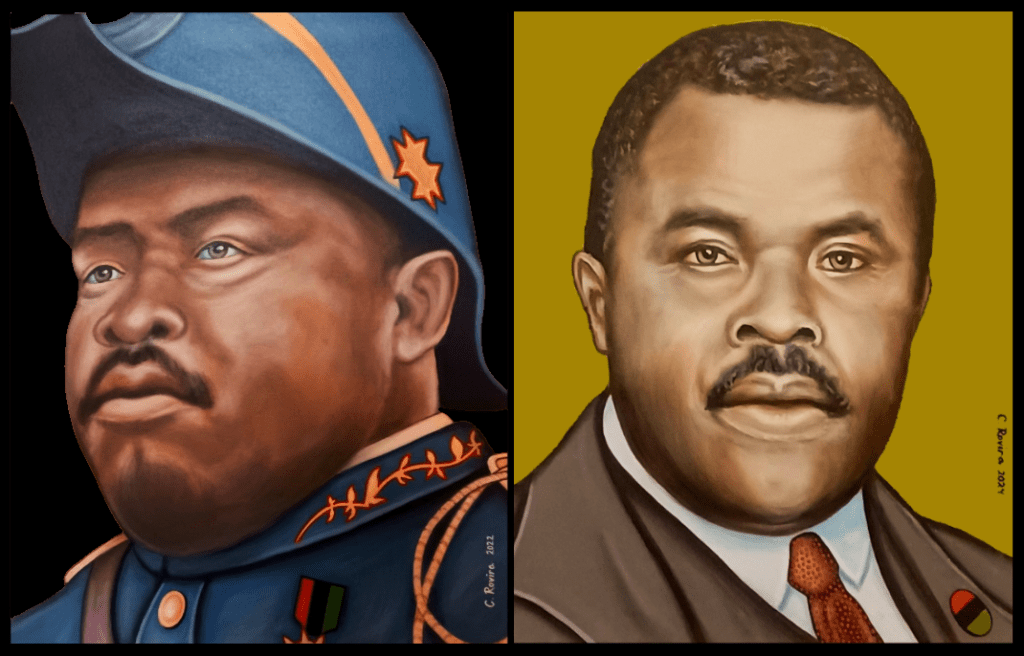
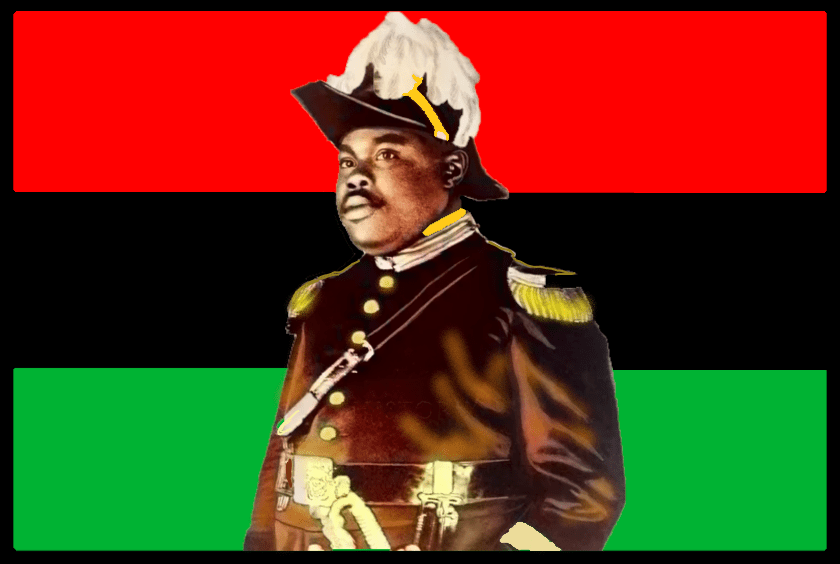
To accentuate the idea of Black people’s right to nationhood Marcus Garvey created a national symbol, the Red, Black, and Green, also known as the Black Liberation Flag. Today, it represents the aspirations and deepest sentiments connected to history, culture, and heritage of Black people.
Figures like Carlos A. Cooks, Arturo Alfonso Schomberg, Queen Mother Moore, Malcolm X, the Black Panther Party, Republic of New Africa and others, made the meaning of Marcus Garvey relevant to other oppressed people. Latinos, Asians, Arabs, and Indigenous people have also been impacted, directly or indirectly, by the examples of this historic revolutionary giant.
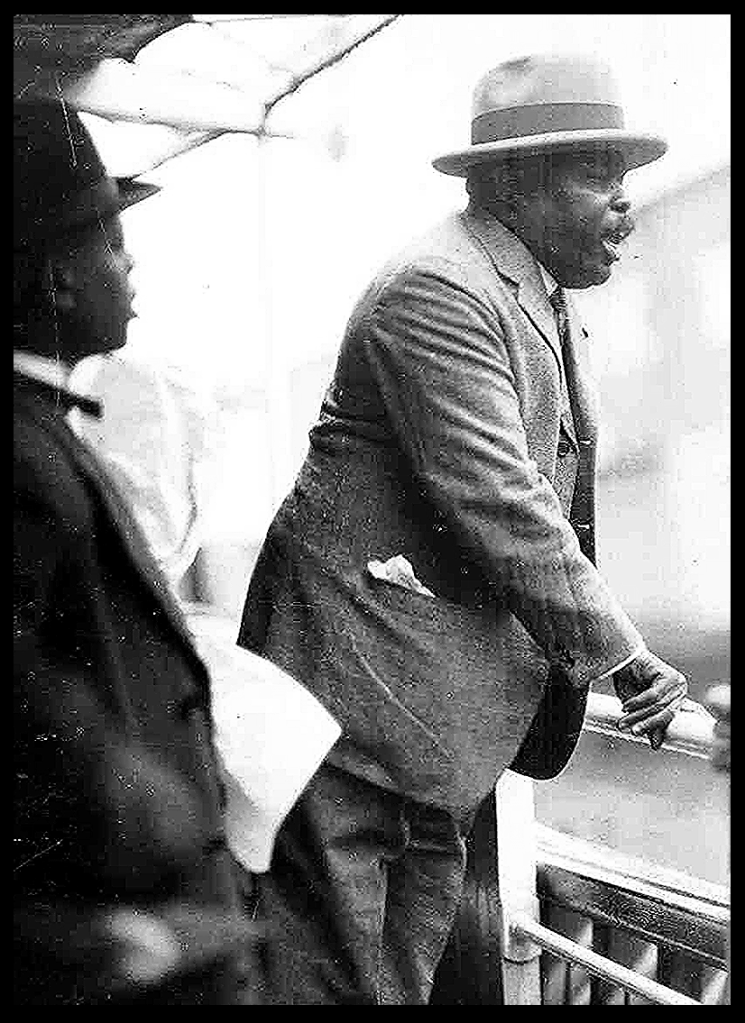
Despite mistakes made, the Garveyite movement left us many lessons to be drawn in the interest of bringing about fundamental change in this society. Although oppression continues Marcus Garvey’s daring examples are part of what shall serve as a path to a better future world, free of white supremacy and capitalism.
His love for Black people and willingness to do whatever necessary to achieve their emancipation has earned him a special place in Black history and the archives of the class struggle.
LONG LIVE THE LEGACY OF MARCUS GARVEY!

 carlitoboricua
Interesting take on Garvey*
LikeLike