______________________________________________
“I had a vision – and I saw white spirits and black spirits engaged in battle, and the sun was darkened – the thunder rolled in the Heavens, and blood flowed in streams – and I heard a voice saying, ‘Such is your luck, such are you called to see, and let it come rough or smooth, you must surely bear it.” – Nat Turner
______________________________________________
By Carlos “Carlito” Rovira
Of the events in African American history that bourgeois historians and apologists of slavery tend to dread the most is the Nat Turner Rebellion. This monumental chapter in Black history occurred on August 21, 1831, at the Belmont Plantation in Southampton County, Virginia. Since then, Nat Turner’s name symbolizes defiance for Black people but for white privilege it continues to be a moment in history that torments the imagination.
White supremacy’s preferred narrative of that rebellion is to overemphasize the violence inflicted on the slave owning families. False interpretations of history aimed to project slavers as victims and insidiously criminalize the justified rage of Black people, both in the past and present.
The horrific acts of violence inflicted on white slave owning families by the rebellious enslaved people can best be characterized as the “chickens coming home to roost”. To understand why this slave revolt was one of the bloodiest in U.S. history it requires critical thinking to grasp the experiences African Americans endured under that system.
Great Britain perceived the Thirteen Colonies as their goose that laid golden eggs and valued them more than all its conquered territories throughout the globe. it was in the United States where the system of chattel slavery became most lucrative and why it was extremely brutal.
The rapid economic accumulation of wealth created from enslaved labor allowed the United States to develop into the giant capitalist bastion it is today. The enormous financial power that derived from the harshest circumstances of human suffering compelled the rulers to develop a set of ideas that served as their ideological justification for Black oppression — White supremacy.
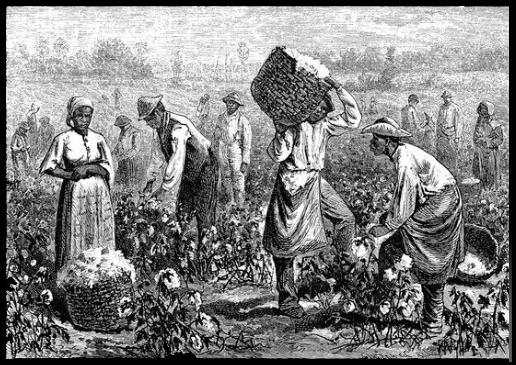
Despite the glorification of the “old South” by the mainstream Black people were subjected to extreme forms of degradation, beatings, castration, torture, murder, and the rape of women, men and children alike. Black families lived under constant fear of being separated. Without warning children, mothers and fathers were sold to other slave plantations. In addition, among the most shocking and heinous acts committed by slave owners as a sport and for punishing insubordinate slaves was having their children tossed into rivers to be killed by crocodiles.
The gall of bourgeois historians who dare to make false judgement while minimizing the crimes inflicted on Black people. The blame for the not-so-pleasant details of slave uprisings falls strictly on those who firmly preserved the cruelty that came with this system. Black people have historically been driven to use force as a means to end their suffering.
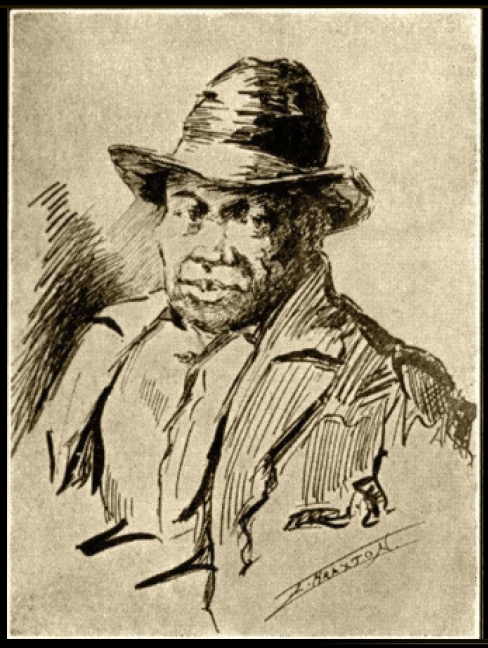
No uprising in history has ever been pretty. When a subjugated people realizes that struggle is the only path to freedom there are no guarantees that bloodshed will be absent from the equation. In addition, tyrants have always reserved the right to use violence, as a way to preserve their power. For oppressed people breaking away from the yoke of their plight has always been achieved by whatever means necessary.
Although Nat Turner was traumatized from abuses since childhood, he managed to develop strong leadership qualities which allowed him to serve as preacher among the enslaved. According to the supposed “confession” made after his capture, to a Southampton attorney Thomas Ruffin Gray, Turner stated that he had received a message from “God” commanding him to lead the slaves in an uprising.
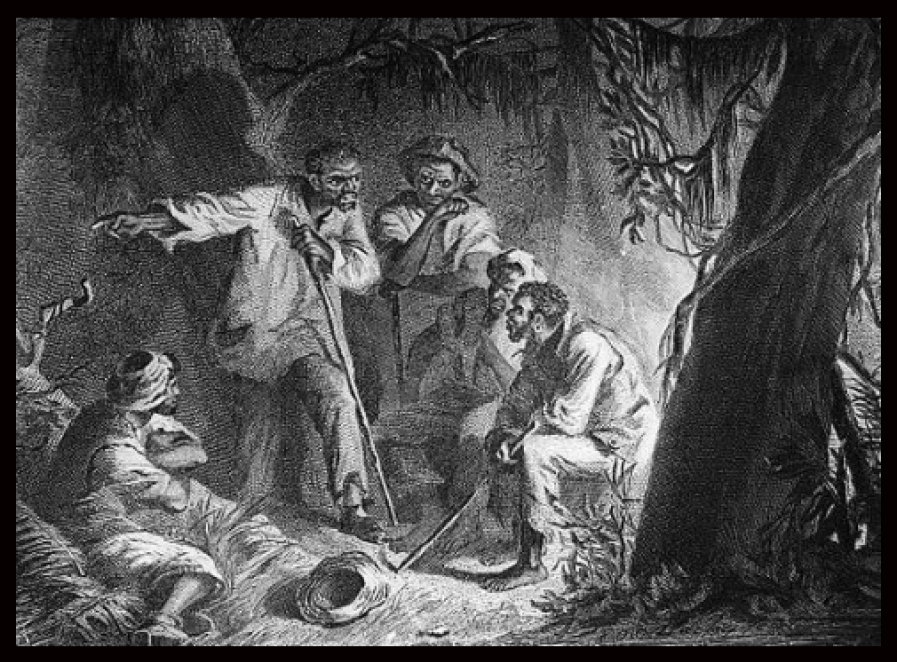
On the evening of August 21, 1831, Turner led numerous slaves in an action which abruptly began the rebellion. They ran to the supply sheds to arm themselves with tools used for toiling the land. With weapons in hand the enslaved laborers proceeded throughout the plantation to bludgeon and stab to death the well-armed overseers.
The intensity of the revolt continued with Turner and his followers entering the hated resident mansion which symbolized the depth of their oppression. It was there where all members of the privileged White slave owning family were killed.

Days later, a state of panic widely consumed the White populace of Virginia and neighboring states, as the Black insurgents were hunted down like animals by bands of racist vigilantes. Unfortunately, by October 30th all the insurrectionists were captured and put on a showcase trial.
On November 11, 1831 Nat Turner and 56 of his followers were executed and about 200 non-participants of the revolt from neighboring plantations were beaten and tortured. The repressive decrees implemented throughout the South were intense and lasted until the end of the Civil War.
As if killing Nat Turner and his followers were not enough to satisfy the frenzied vindictiveness of slavers, the bodies of the martyrs were gruesomely chopped to pieces, burned and used to make oil and glue.
In the aftermath the white populace proved to be psychologically impacted. They became increasingly fearful of Black people. New repressive measures were instituted throughout the South with harsher laws that restricted the movement of the enslaved and free Blacks alike.
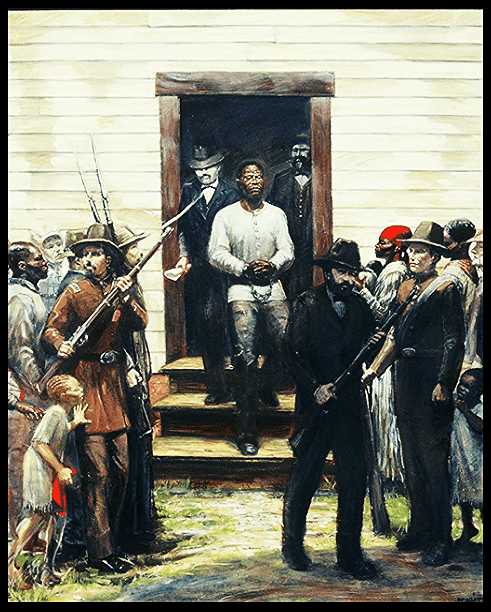
Nat Turner contributed to the rising momentum of that period which popularized the use of armed force against the vile institution of slavery. By all accounts this rebellion inspired John Brown‘s attack on Harper’s Ferry in 1859, which triggered the momentous political storm that resulted in the Civil War of 1861-1865 and the overthrow of the slave-owning system.
The Attempt to destroy slavery by the slaves themselves is of the utmost significance. This event will continue to inspire today’s anti-racist struggles as we continue to grapple with the historical consequences of African chattel slavery in the modern era.

Although the rebellion was suppressed, with the martyrs tortured and executed, this history continues to inspire struggle in the present period. The legacy of this slave revolt added to Black traditions that gave us Harriet Tubman, Frederick Douglas, Ida B. Wells, Marcus Garvey, the African Blood Brotherhood, Malcolm X, the Black Panther Party, and more recently, what transpired with the Black Lives Matter demonstrations.
History has given Nat Turner the noble title of revolutionary. A future revolutionary struggle in the United States will surely bring about a broad desire for erecting statues and monuments dedicated to the memory of Black freedom fighters like Nat Turner. Giving the highest tribute to men and women who fought for Black liberation will be part and parcel of realizing the demand for Reparations.
LONG LIVE THE MEMORY OF NAT TURNER, OCTOBER 2, 1800 – NOVEMBER 11, 1831

 carlitoboricua
DLK
LikeLike