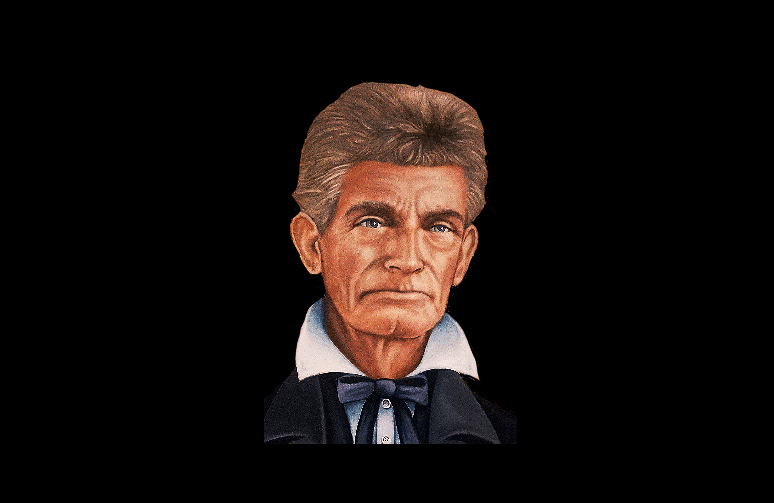
A SALUTE TO JOHN BROWN ON THE ANNIVERSARY OF HIS BIRTH — May 9, 1800

By Carlos “Carlito” Rovira

On May 9, 1800 one of the greatest representatives of oppressed and exploited people was born in Torrington, Connecticut. His name was John Brown.

John Brown did not perceive himself as a revolutionary, but was instead, according to him “doing the work of God”. However, his resolute stance against the widely accepted and legally sanctioned system of slavery made him in every sense a revolutionary.

Brown was a very religious man who saw the enslavement, torture and rape of Black people as an abomination of Christian beliefs and doctrine. The slave owning class used religion as an ideological pillar to justify their cruel practice, while most of organized religions were silent or supported slavery outright.

The exemplary acts of courage as well as the humanity John Brown exerted has secured him an eternal place of honor in the archives of the class struggle of the United States. His militant disposition towards the practices of this system contrasted tremendously from other abolitionists who tended to be non-threatening with their passive, reformist approach towards slavery.

John Brown sincerely believed that since slavery was upheld with violent force it was absolutely necessary to overthrow it with the same intention. He led a number of attacks such as the Battle of Black Jack and the Battle of Osawatomie, in which slave owners and supporters of slavery were confronted for their heinous actions.
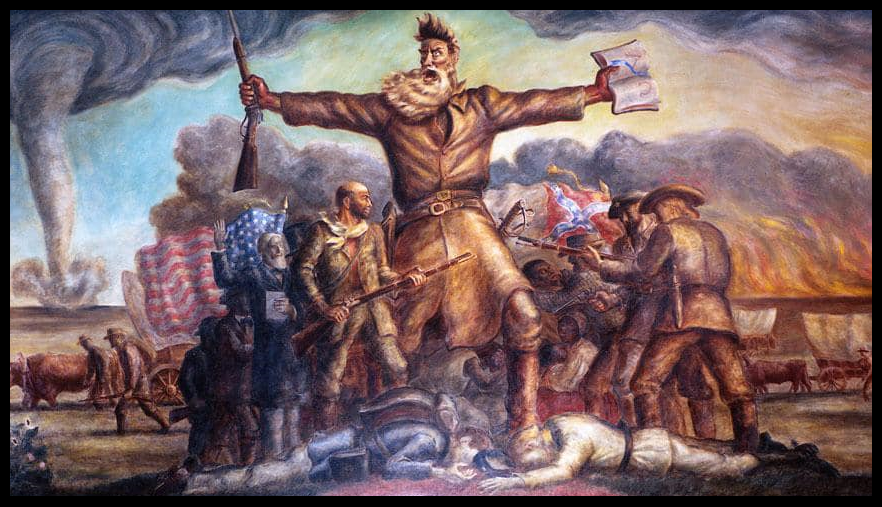
CC.png
Tragic Prelude, a mural at the Kansas State Capital. By artist John Steuart Curry. 

On October 16, 1859, Brown and a large group of men, that included two of his sons and former slaves, launched a raid at the U.S. Army Harper’s Ferry armory in Virginia. The site became known later in history as “John Brown’s Fort”. The plan was to capture the large stockpile of weapons and distribute them to Black people throughout the region in preparation for battle.

The legendary Harriet Tubman, who had intricate familiarity with the Harper’s Ferry region, provided Brown with detailed information about the armory. Harriet Tubman and John Brown had become friends and had great mutual respect for one another.  Tubman eventually helped to recruit brave and willing men for Brown’s planned raid at Harper’s Ferry. As a ode to her leadership skills, Brown gave Tubman  the nickname “General Tubman”.

Tragically, due to many tactical mistakes made by the liberators, the local white militia was allowed time to galvanized forces in response to the attack. Under the leadership of the U.S. Army Brevet Colonel Robert E. Lee, they surrounded the armory. Soon after a bloody gun battle ensued for two days. Due to Robert E. Lee’s skills in military tactics and the superior weaponry of the U.S. Army, John Brown and his men were overtaken and arrested despite many casualties on both sides.

Brown's Fort.png
An engraving depicting John Brown and his men under siege at the Harper’s Ferry Armory.
tt.png
The site of the Harper’s Ferry armory, later in history named “John Brown’s Fort”.

John Brown’s eventual execution by hanging ultimately proved to be the beginning of the end for slavery in the United States.  Brown succeeded in legitimizing the use of armed force as a viable option to end slavery. The story of John Brown and the Battle of Harper’s Ferry become a critical point in U.S. history, in which the country came to the opening gates of the Civil War.

Similarly, this courageous act was arguably mirrored by Cuba in the 1953 Attack on the Moncada Barracks led by Fidel Castro Ruz. Although both battles ended with the loss of many courageous fighters, each of these events ignited the flames of a revolution.
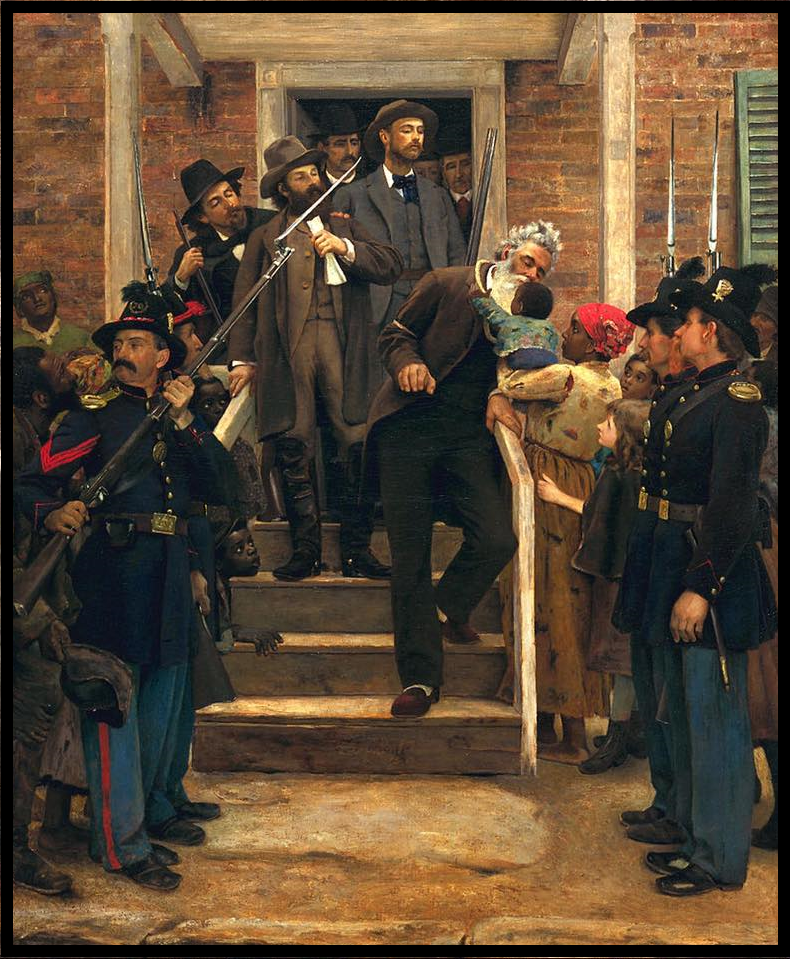
JB.png
The Last Moments of John Brown (1884) by Thomas Hovenden 

To this day, John Brown’s persona continues to be the target of vilification and ridiculed by bourgeois historians. Many historians depict Brown as fanatical and unstable. John Brown’s life is often distorted to seemingly discredit his passion for the abolitionist cause and dilute his relevance to American history, especially the circumstances of race relations today.

The ruling class in this country fear more than anything the prospect of mass rebellion. The Black struggle has inspired every oppressed and exploited sector of the population. It is no wonder why the Black Panther Party and other African American political expressions were targets of repression whenever they became recognized among broad sectors of the population.

It makes sense why the ruling class today would continue to dread the memory of John Brown as they would with revolutionaries like Malcolm X, Ernesto Che Guevara, Harriet Tubman, Lolita Lebron, Fidel Castro or V.I. Lenin.
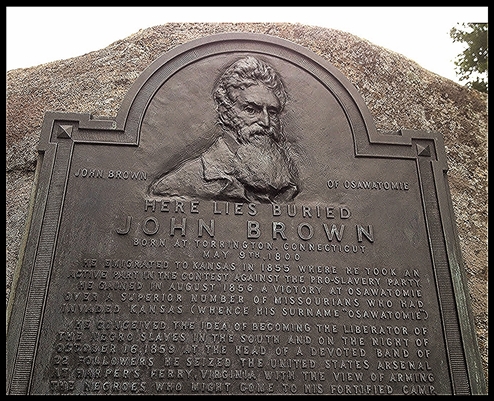
John Brown tomb in North Elba, New York, at the John Brown Farm State Historic Site. 

John Brown was never critical nor was he defensive about the emancipation aspirations and self-identity of Black people. These sentiments which developed to become the ideological pillars of Black nationalism were deeply rooted in the horrific experiences of slavery. By all historical accounts, John Brown did his part to defend and enhance these sentiments.

Brown set the bar for White people to embrace their obligation to the fight for Black emancipation, if they were to honestly consider themselves revolutionaries or socialists. White privilege also existed during John Brown’s lifetime in the form of slavery. Although conditions have somewhat changed from that era, the obligations of white progressives to fight white supremacy has not.

Claiming to be “anti-racist” is not enough if there is not action to match. In other words, being anti-racist today means engaging in an uncompromising struggle against all forms of white privilege. Because of historical circumstances, there cannot be equal responsibility among the races.

In order for the first steps to be taken against racism in the U.S., the white population must raise the anti-racist banner as their very own. This disposition is precisely what John Brown was committed to live by. The standards required for white progressives in the struggle for fundamental change do not have to be re-created but updated based upon the blueprint established long ago by John Brown.

 LONG LIVE THE REVOLUTIONARY LEGACY OF JOHN BROWN!
My portrait of John Brown. 24″ X 36″, acrylic paint on canvas.

Remembering the BLACK PANTHER PARTY

An example of revolutionary defiance and militancy

By Carlos “Carlito” Rovira

On October 15, 1966, the Black Panther Party was born. It is one of the highlights in the history of the U.S. revolutionary movement, and the Black liberation struggle in particular.

Young African Americans dared to stand up and challenge the reins of the capitalist state, to the point of arming themselves to demand an end to Black oppression. Their vision of Black emancipation evolved into a vision of the liberation of all oppressed people and the smashing of the capitalist system.

The U.S. government, terrified by the potential for revolution and the influence these Black leaders and freedom fighters were gaining, resorted to the most extreme violence to destroy the BPP. It is a campaign that is still felt today.

The Black Panther Party for Self-Defense, as the party was first called, was formed in Oakland, Calif., by Huey P. Newton and Bobby Seale. The name—and the famous panther logo—came from the Lowndes Country Freedom Organization in Alabama, that which organized for independent Black political action with the help of Stokely Carmichael and the Student Nonviolent Coordinating Committee.

BPP Chairman Bobby Seales and Minister of Defense Huey P Newton

The formation of the Black Panther Party was the culmination of a resistance over a long history that characterizes the oppression of African Americans in the United States, from the lashes of slavery to the beatings and murders by the police in modern times.

The BPP grew up in the aftermath of the 1965 assassination of Malcolm X — a powerful voice for militant Black self-determination and liberation. It drew inspiration from the Deacons for Defense and Justice, organized for African American self-defense against racist Klan and police terror in the South.

The Panthers recognized the need for an organization that was capable of addressing the racist violence that the Black masses faced. Every gain made by the Civil Rights movement was being matched by violence and lynching by racist cops and the Ku Klux Klan, in the North and South alike.

The Right to Armed Self-Defense

The Panthers won respect and admiration for their militancy and defiance in the face of the racist police state. For example, less than a year after their founding, on May 2, 1967, a group of 30 Black Panthers walked into the California state capitol building armed with shotguns and automatic rifles. The armed but peaceful demonstration was to protest the Mulford Act, aimed at prohibiting citizens from carrying firearms on their persons or in their vehicles.

The Black Panthers aspired to become a discipline revolutionary vanguard entity with military structure.

As the Panthers walked towards the entrance of the capitol building, they were approached by television and other news media. They used the occasion to call upon African Americans everywhere to arm themselves against the systematic brutality and terror practiced by the power structure.

But the party’s efforts went far beyond their call for armed self-defense and their patrols of racist cops. They also carried out consistent community work, gaining the confidence of the people not only in the Black community but among other oppressed nationalities as well.

Panther chapters sprung up in the African American communities of major cities from coast to coast. Wherever they established branches, they tried to set up outreach programs like free breakfast for children and free clothing drives. They used every one of these opportunities to expose the avaricious nature of the rich and powerful who exist at the expense of the poor.

The Panthers were influenced by Malcolm X’s rejection of “turn the other cheek” pacifism for the Black liberation struggle, as well as by the socialist movement in the United States and around the world. Their “Black Power” salute combined with street corner sales of Mao Zedong’s “Little Red Books” of quotations.

The international situation during this period also contributed to the birth of the Panthers. The 1949 Chinese Revolution, the 1959 Cuban Revolution, the Vietnamese Revolution and the heroic struggle of south Vietnam’s National Liberation Front against U.S. imperialism, along with the other national liberation struggles in Africa, Latin America and Asia had a great impact in inspiring revolutionaries in the United States, including the Black Panthers.

Women of the Black Panther Party.

Their militancy and revolutionary politics quickly put them in the center of the African American liberation struggle, as well as in the growing mass movements that were sweeping the country.

Capitalism is the Problem

More and more, the party put the blame for the plight of the African American people on the capitalist system. It rejected the view that the problems of racism could be solved within the confines of the exploitative system, or that it was possible to accumulate enough capital in the Black community to rival capitalism with “Black capital.” Instead, Panther speakers called for socialist revolution within the context of the Civil Rights era.

Their uncompromisingly revolutionary and anti-capitalist stance was the most prominent in what became a new trend within the Black liberation struggle of the 1950s and 1960s.

Black Panther Party co-founder and Chairman Bobby Seale.

As part of the political training of its membership, the BPP studied Marxist literature like the Communist Manifesto and the writings of Mao Zedong.

The Black Panther Party was a disciplined and organized revolutionary political entity. The Panthers put forward the need for professional, organizational sophistication in building a revolutionary political party.

While the party’s Ten-Point Program reflected its political views and line of march, it was the membership rules that ensured the internal discipline of the organization. Membership rules touched a range of matters, including mandatory collective study of revolutionary theory; respect for women inside and outside the BPP; and respect for the property of the poor.

Revolutionary Multinational Alliances

The Panthers advocated a united front of revolutionary organizations to guarantee the success of a struggle in the United States. Their organizing efforts extended to Puerto Ricans, Chicanos, Asians, other nationally oppressed people, and the white working class.

They forged alliances of various kinds, such as with the American Indian Movement as well as Cesar Chavez and the farm workers’ movement. The Panthers stood in solidarity with the struggle for women’s equality, especially supporting those sectors of the women’s movement that were anti-imperialist and anti-racist. To the surprise of many, on the heels of the Stonewall rebellion, Panther leader Huey P. Newton publicly supported the struggle to end LGBTQ oppression.

The Panthers perspective was toward building a multinational alliance. Their most notable effort was the Rainbow Coalition, organized in June 1969 in Chicago by Panther leader Fred Hampton, which consisted of the Black Panther Party; the Young Lords, a U.S. organization of Puerto Rican revolutionary youth; and organizations representing Chicanos, Asians, and poor whites. Hampton’s vision was to eventually merge these allied organizations into a single entity, to forge a revolutionary organization with representation from the full spectrum of the working class.

Wherever their agitation work was conducted, on the streets, on campuses, or at public events, the Panthers upheld the principle of solidarity with the liberation movements in the oppressed and colonized countries. At the height of the Vietnam War, the Black Panther leadership made an open gesture of internationalism by offering to send party members to fight alongside the National Liberation Front in their struggle against U.S imperialism.

Fierce U.S. Repression

Faced with the Black Panther Party’s tremendous growth and revolutionary orientation, the U.S. government struck back. It organized a massive political-military campaign, involving the FBI and police departments around the country, to destroy the Panthers’ leadership.

In a now-well-documented campaign called “Operation: COINTELPRO,” the FBI orchestrated covert operations—personally overseen by FBI Director J. Edgar Hoover—to provoke conflicts between Black Panthers and other organizations. They employed a network of infiltrators and provocateurs to disrupt the party’s discipline and leadership.

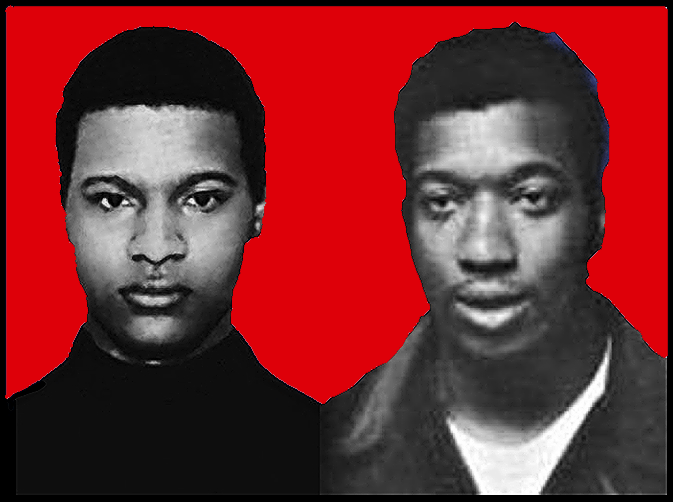
Police attacks were common. Cops routinely raided party offices and the homes of Panther members. Dozens of Panthers were killed outright, often in cold blood. The most notable of these cop assassinations was the December 4, 1969, murder of Fred Hampton and Mark Clark in Chicago while they slept. Hampton was 21 and Clark was 22 years old.

Black Panther leaders Mark Clark (left) and Chairman Fred Hampton.

Dozens more Panther members and leaders spent years in prison. The campaign to jail Panther leaders and activists long outlived the organization itself. Mumia Abu-Jamal, who at 16- years -old had been the Minister of Information in the party’s Philadelphia branch, was framed up and sentenced to death in 1981. He has been in prison ever since despite a worldwide effort calling for his release.

The Black Panther Party ultimately could not withstand the government onslaught. The combined police attacks and covert operations compounded internal differences. Unable to withstand the tremendous repression, by the mid-1970s the Black Panther Party was essentially defunct.

Ericka Huggins (far left) next to Huey P Newton.

Lessons for today

Bourgeois historians often try to downplay the role of the state in the destruction of the Panthers. At best, they point to the Panthers as a lesson to revolutionaries, especially from the oppressed nationalities: “Do not dare to struggle, you cannot stand up to the power of the capitalist state.”

However, the rulers were not then and are not now invincible. The fact that the U.S. government relentlessly attacked the Panthers before they had a chance to steel the discipline of their rank & file only points to the need for a disciplined organization of professional revolutionaries today.

As long as capitalist oppression exists, the rise of movements, like the one that gave rise to the Black Panther Party, is a historical inevitability. The Panthers showed that revolutionary ideology and organization, embraced by the most oppressed sectors of the working class, is what the ruling class fears the most.

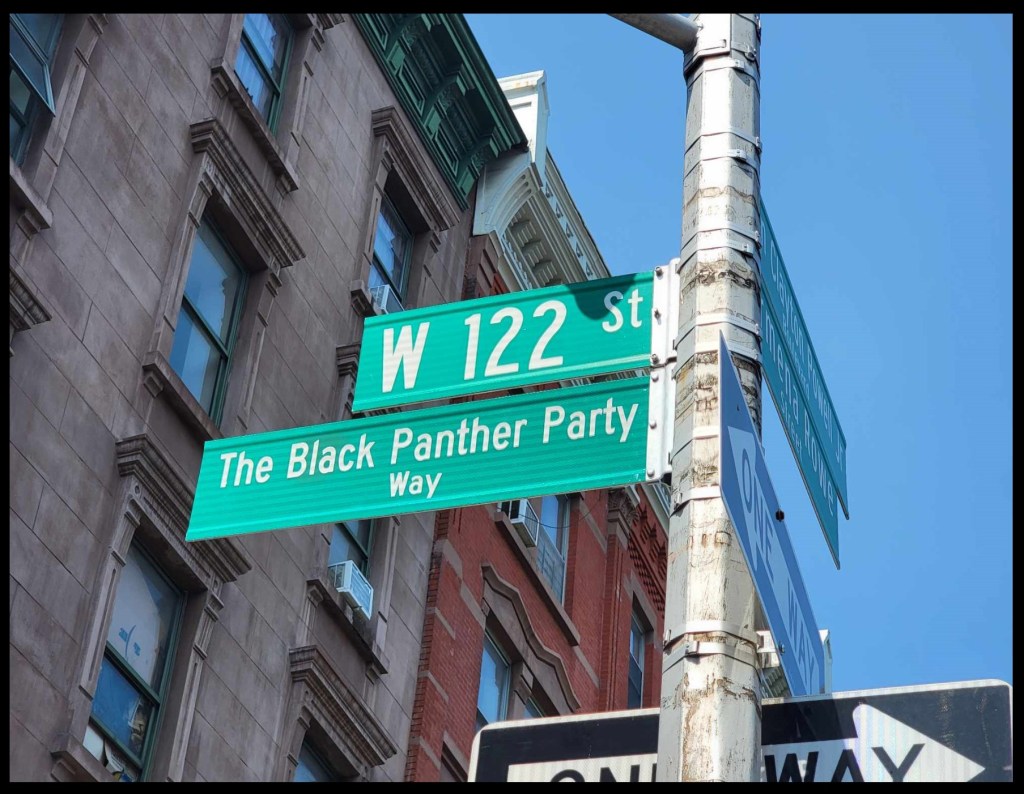
On August 20, 2023, a street in Harlem, New York City was co-named to honor the legacy of the BPP.

Everything they did and sacrificed will not be in vain. Eventually, those who aim in the sincerest sense, for socialism, Black emancipation and the liberation of all oppressed people in the United States must strive to embrace and emulate the revolutionary spirit of the Black Panther Party.

LONG LIVE THE LEGACY OF THE BLACK PANTHER PARTY!

Impact of the Black Liberation Struggle on Puerto Ricans

Para la version en español: https://carlitoboricua.blog/?p=7385&preview=true&_thumbnail_id=7386

by Carlos “Carlito” Rovira

Racist Oppression Gives Rise to Solidarity

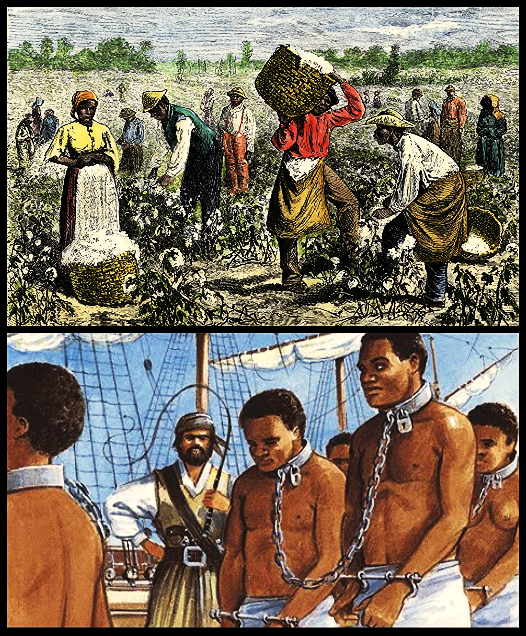
The historical struggle of the African American people was the inevitable consequence of the introduction of slavery by capitalists in the Western Hemisphere. The collective experience of the African American people over the course of many generations ran parallel to the development of U.S. capitalism at every stage. Their plight, from the era of the slave trade to the present day, reveals inherent oppression within capitalism.

Racist terror, degradation, and discrimination were the objective circumstances that compelled into existence the militant traditions of resistance of the African American masses. Their steadfastness in many key moments of history proved exemplary to the U.S. working-class movement, especially to other oppressed nationalities. African American history is replete with displays of genuine solidarity with other liberation struggles.

The Spanish-American War had a significant impact on African Americans, especially Black soldiers who were sent to wage colonial conquest on behalf of U.S. imperialism for the first time. Black troops resented their white officers using racial slurs against Filipino people, which were reminiscent of their own experience in the United States.

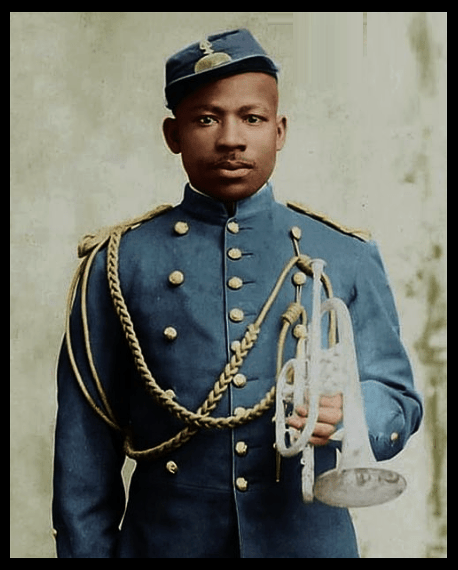
Many Black soldiers defected to join the anti-colonial Filipino Revolutionary Army waging guerilla warfare. The most notable of them was David Fagan, of the 24th Infantry Division. Fagan won the admiration and respect of the Filipino people and was made a commander in their guerrilla army.

David Fagan, of the 24th Infantry Division

The Black press, the Black church and outspoken African American figures such as W.E.B. DuBois, openly condemned the motives behind the 1898 Spanish-American War. The U.S. government and giant banking enterprises sought military conflict with Spain to win colonial control of Guam, the Philippines, Cuba, and Puerto Rico.

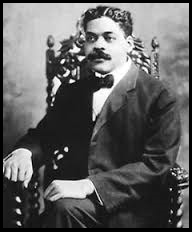
Black Puerto Rican scholar Arturo Alfonso Schomburg devoted his entire life to compiling vast collections of writings documenting significant events in Black history. Before moving to New York City’s Harlem community, Schomburg was a member of the clandestine Revolutionary Committees of Puerto Rico, which organized the famous 1868 Grito de Lares uprising — a revolt that called for the abolition of slavery and the independence of the island nation. Schomburg eventually became a prominent figure during the Harlem Renaissance, which challenged the ideological facets of white supremacy through the literary, visual and performing arts.

Arturo Alfonso Schomburg

At many of his performance appearances, renowned African American singer, actor and Communist Paul Robeson would call upon his audiences for moments of silence to express solidarity for the incarcerated Puerto Rican revolutionary Nationalist leader, Dr. Pedro Albizu Campos.

The young Pedro Albizu Campos gained recognition among African American figures for being very critical of the racism in the United States. Campos’s mother was Black, which gave him first-hand insight into the impact of racist oppression. Campos’s outspoken oratory against the “racist practices in the house of the empire” caught the attention of renown Pan-Africanist leader Marcus Garvey, who traveled to Puerto Rico to meet the Puerto Rican Nationalist leader.

Despite their differences in goals and tactics, this meeting was highly symbolic for that period in history. The Russian Revolution emboldened workers’ struggles and nationalist movements throughout the world, including the United States and Puerto Rico, and instilled a sense of vulnerability in the U.S. capitalist class.

Black Struggle Inspires Puerto Rican Militancy

Puerto Ricans have migrated to New York City and surrounding counties since the mid-1800s—in most cases, to escape Spanish colonial persecution. But in the years after World War II and well into the 1960s, Puerto Ricans migrated to U.S. industrial centers at an annual average rate of 63,000 due to economic hardships caused by U.S. colonial policy.

What Puerto Rican migrants encountered was not what they anticipated when they uprooted in search of a better life. In addition to the agony of coming to a strange land where an unfamiliar language was spoken, Boricuas now experienced the malice of greedy racist landlords, housing and job discrimination, cultural stigma by the mass media, police brutality and the terror of racist white gangs.

While Puerto Ricans began their exodus in the late 1940s African Americans were already in their “Great Migration” from southern states where they had been historically concentrated. Fleeing racist Jim Crow laws and Ku Klux Klan terror, more than 5 million Black people migrated to the North, Northeast and California between the 1920s and the 1960s.

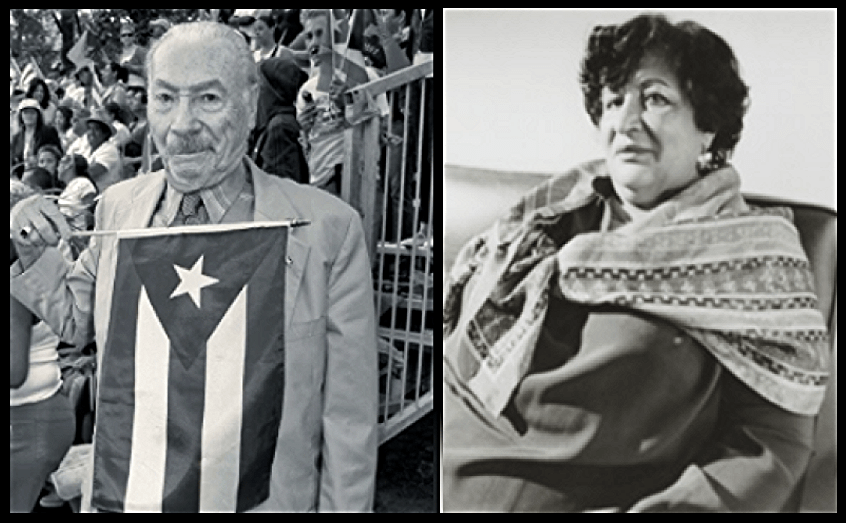
The instinct of any oppressed people is to seek allies and find ways to resist. Being confronted with the realities of colonialism in their homeland and racist injustice in the U.S. made it easy for Puerto Ricans to become attracted to the demands and boldness of the Civil Rights movement. Outspoken prominent activist figures Gilberto Gerena Valentin and Evelina Antonetty became unofficial representatives of the Civil Rights movement in New York City’s Puerto Rican community, at the request of Dr. Martin Luther King, Jr.

Gilberto Gerena Valentin (left) and Evelina Antonetty (right) outspoken figures in NYC’s Puerto Rican community.

The experiences of these two oppressed communities brought them together in social and cultural activity, especially in the performing arts. This phenomenon was most notable among Black and Puerto Rican musicians. No one can dispute the African American influence in the rise of Latino musical genres which developed in New York City during the 1960s & 70s, like Latin Jazz, Boogaloo, and Salsa. The affinities the two ethnicities had for each other was also attributed to their historic connections to Africa.

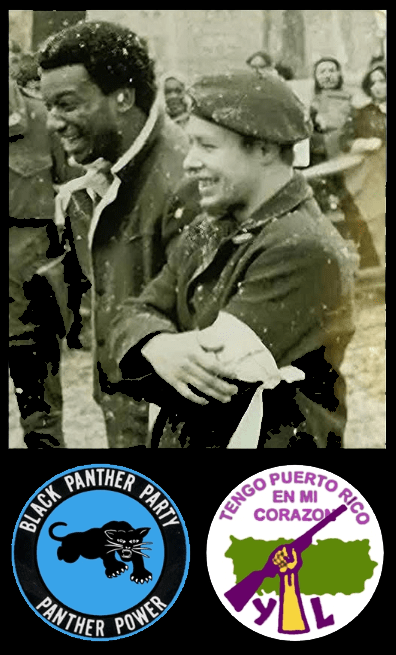
The Nation of Islam, under the leadership of Malcolm X, began a campaign that aimed to politicize the newly arrived Latinx immigrants. And when the Black Panther Party began organizing in the Puerto Rican community of Chicago, it was instrumental in transforming the Young Lords from a street “gang” to a revolutionary political organization.

The Young Lords were the first Puerto Rican revolutionary entity to develop based on the concrete circumstances of oppression in the United States. They were a decisive factor in spreading a militant momentum in Puerto Rican communities of various U.S. cities. Like the Black Panthers, they advocated for a multinational revolution in the U.S.

Fred Hampton and Jose Cha-Cha Jimenez on a snowy day in Chicago.

As this movement gained momentum, Puerto Ricans gained a sense of hope and became inspired to fight for their political and economic rights. By the second half of the 1960s, Puerto Ricans in the United States had become politically adept, thanks to the examples of the Black struggle.

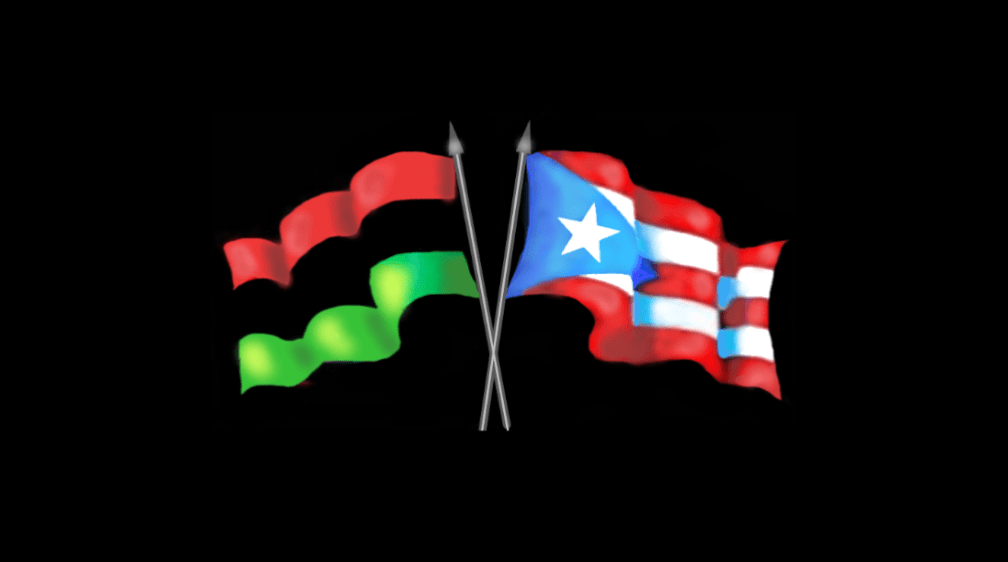
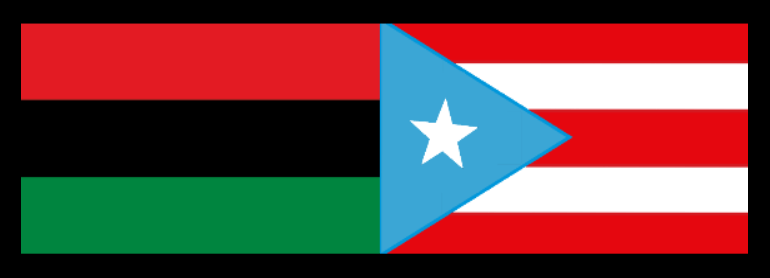
African Americans and Puerto Ricans developed an affinity to one another based on resistance to racist oppression. In cities like Chicago, Philadelphia, Bridgeport, Newark and New York, at street demonstrations and on college campuses, Black and Puerto Rican people instinctively aligned in common struggle. It was not unusual during that era for the Black liberation flag (red, black & green) to be accompanied by the Puerto Rican flag.

A significant example of solidarity that alarmed the ruling class, was the April 1969 student takeover of City College in Harlem, New York City. They shocked many throughout the country by defiantly uniting to seize control of 17 campus buildings to demand free tuition for all in the City University system. The defiant students renamed the institution “University of Harlem.” To further demonstrate their boldness, these students lowered the U.S. flag from a flagpole and hoisted the Black Liberation and the Puerto Rican Flags. It was an imagery of resistance never before seen in racist United States.

Black and Puerto Rican students seized control of 17 buildings at City College in Harlem, NYC.

The great lessons gained from the many examples of solidarity between Black and Puerto Rican people are still relevant today. The social, economic, and political basis for unity exist despite how hard white supremacy works to succeed in dividing and conquering Black and Brown people.

Black oppression was instrumental in the economic rise of U.S. capitalism, which African Americans have confronted head-on since its beginning. The Black liberation struggle will continue to be a source of inspiration to all working-class people. It will be instrumental in forging genuine unity required for a decisive battle that shall eventually defeat this system of oppression.

LONG LIVE BLACK & PUERTO RICAN SOLIDARITY

Y!

Bernie Sanders is no damn Socialist! He opposes Reparations, for Africa and the decedents of African chattel slavery!

By Carlos “Carlito” Rovira

The demand for Reparations for centuries of African chattel slavery has always been dreaded by the capitalist ruling class and argued against with contempt by every form of white supremacy, both hidden and open. Bernie Sanders who makes every attempt to project himself as a “socialist” can very easily be proven a complete hypocrite on just the topic of reparations.

Socialists who truly uphold their convictions for an uncompromising struggle against capitalism cannot speak of ending capitalist oppression without fighting for reparations for African Americans, Africa and the entire African diaspora.

The unimaginable colossal wealth in the hands of the capitalist class today was initially created by enslaved African labor centuries ago. The racial injustices that exist today in this country against African Americans, Latinos and all people of color is rooted in this question.

For Bernie Sanders to speak of reparations with indifference only brings to light why his circles of support continue to be just as predominantly white as his fellow contenders in both the Democratic and Republican parties. Reparations for the historically super-exploited sectors of the population is a fundamental matter for those who call themselves Socialist.

Reparations will not just mean economic compensation; its implementation will also require incarcerating those who inherited wealth and their position of social privilege at the expense of Black people. Reparations cannot avoid also addressing putting an end to white privilege and entitlement by decree. A theme that the followers of the Sanders campaign, Bernie Sanders himself, as well as other supposed “Socialists” in the Democratic Party are by their very nature unable to grapple with.

Bernie Sanders’ “sincerity” or “insincerity” is irrelevant. There are many things which he has critiqued about this system which are true, such as the greed of the banks and the entire capitalist class. However, Mr. Sanders is embedded in the surroundings of white privilege. The progress and salvation of working-class people, especially people of color, cannot co-exist in this society with tyrants, exploiters and racists.

Given the social dynamics and historical circumstances of the United States and the extreme reliance on racism by the ruling class, reparations for oppressed people automatically imply the complete expropriation of the capitalist class. Expropriating the expropriators.

If Sanders is opposed to reparations for the descendent of African slavery and the African continent, then he is no different than his colleagues in the U.S. government who serve as safeguards for a system that plunders while brutalizing those who resist from Puerto Rico to Palestine and beyond.

Changing the circumstances of capitalist oppression, including Reparations for the victims of this system, will require a mass movement capable of launching revolution. This is the line of departure between revolutionary socialists and Sanders-type of apologists who speak of a “harmless” kind of socialism, which means something that is acceptable to our oppressors.

http://www.theatlantic.com/politics/archive/2016/01/bernie-sanders-reparations/424602/

REPARATIONS FOR BLACKS & ALL OPPRESSED PEOPLE

DONALD TRUMP, RACISM & CAPITALIST ELECTIONS

By Carlos “Carlito” Rovira

What may very well distinguish the 2016 Presidential race from others in many decades is the media sensationalism the Republican candidate Donald Trump has received. Many people, especially people of color, have been angered or distressed by Trump’s openly racist speeches at campaign rallies and comments made to the news media. African Americans, Mexicans and other non-white people, along with Muslims and immigrants, have been the targets of Donald Trump’s vile depictions and slanders disguised as “speaking truth” or “freedom of speech.”

As a real estate giant, Trump is clear where his social class interests lay. He is a member of the capitalist class. In the numerous hotels and condominiums, he owns, many of the employees are Black, Latino and women. It is precisely these wage workers who are the ones to have created the $4.5 Billion net worth Trump has accumulated through decades of exploitation.

The way the media has featured Trump’s arrogant hate speech, one might easily believe that Donald Trump is the only racist among all of the 2016 presidential candidates, both Republicans and Democrats. If we were to take into consideration the overall picture of U.S. history and the role played by white privilege and entitlement today, we can then come to the conclusion of how there is so much more hidden behind Trump’s theatrical style campaign.

In a society founded on racist hatred and genocide centuries ago, where white supremacy came to define many habits, customs and traditions in which it operates in the general culture like an unofficial religion, can we honestly say that Trump’s remarks are the exception?

Whichever candidate wins the presidential election, the reins of political and economic power will continue to be in the hands of the various groupings of multi-billionaires. It is precisely the views and interests of these billionaires that decide the thinking and actions of these politicians.

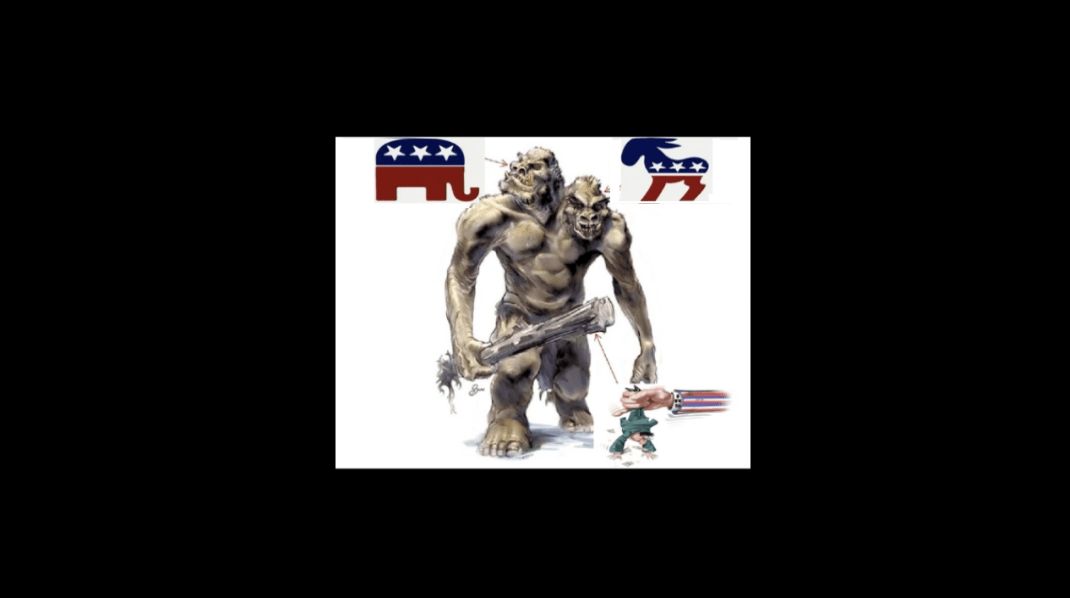
Capitalist democracy is designed to hide the iron-clad dictatorship of these billionaires. Bourgeois politics consists precisely in fronting professional politicians—more or less reactionary, more or less populist—to convince the working class first of all that they have a choice in their oppression, and second that the outcome of the political cycle reflects “the people’s will.”

What a big lie

No matter what happens on Election Day 2016 our oppressors will continue to rule. The police will continue to murder poor, working class youths, especially people of color; the prison system will continue to enslave Blacks and Latinos in prison industries; public officials (“elected”) will continue to pass legislation that allow the closing of hospitals, schools, daycare centers while granting landlords greater powers to increase the push to gentrify our communities.

Manipulating public concerns by projecting worst case scenario is one of the oldest psychological tactics the ruling class has learned to master. They have dominated this society with the politics of deception, especially when they present to us the “good cop-bad cop” scenario. Highlighting constantly the latest racist and misogynist comments made by Donald Trump serves this purpose.

Take for example the strategy government and transportation officials use whenever they wish to raise bus and subway fares, as well as bridge and tunnel tolls. They will announce outrageous and unaffordable fare hikes in order to scare the public into accepting a lesser increase amount.

Shamefully, many progressives, including some on the “socialist” political Left, have allowed themselves to be drawn into the widespread Trump panic. These are people who should be quite familiar with the purpose and nature of the bourgeois elections.

These political forces fail to realize how the rulers use extremist figures like Donald Trump as a ploy to divert attention away from the actual political strategy of the ruling class. Some have even characterized Trump as some sort of a representative of a new U.S. fascism, as if the other candidates were not subordinated to the wishes of the most exploitative and racist sectors of the ruling class.

 Of course, those who disrupt Trump’s campaign appearances to denounce his racist bigotry deserve our applause. So do the young Black Lives Matter activists who have disrupted “socialist” Democratic candidate Bernie Sanders’ events.

But “dump Trump” protests that focus on this one politician as “worse than” the others , however well-intentioned, fall into the pitfall of bourgeois electoralism. Absent a militant and class-conscious struggle, the political orientation of these protests leads directly toward the deception of bourgeois elections. New York City Council Speaker Melissa Mark-Viverito is quite conscious of the political trajectory, which is why she organized her own City Hall protest against the “disgusting, racist demagogue”—as she presides over a city plagued by racist police violence and abuses by billionaire landlords.

What is downplayed and kept away from the general public is the intricate mandate handed to whoever wins the presidential election. Whether it be Hillary Clinton, Bernie Sanders, Jeff Bush, Carly Fiorina, Ben Carson, Ted Cruz, Mark Rubio or Donald Trump, the winner in 2016 will be obligated to follow a strict set of protocols which are written into Federal Law and set-up to protect the capitalist system.

The Donald Trump campaign does not reveal anything new about the U.S. ruling class. It is not a turn toward fascism, where the ruling class mobilizes other class forces to do battle with the working class in the streets. Rather, the Trump campaign shows the inherent racism of the whole ruling class and the bankruptcy of bourgeois “democracy.”

The bottom line is this: the main objective of the bourgeois elections and capitalist politicians, from Trump to Sanders, is to provide oppressed and exploited people with the illusion of “democracy” in order to better exploit us. Fundamental change can only come about with the force of a people’s movement engaged in revolutionary struggle.