By Carlos “Carlito” Rovira
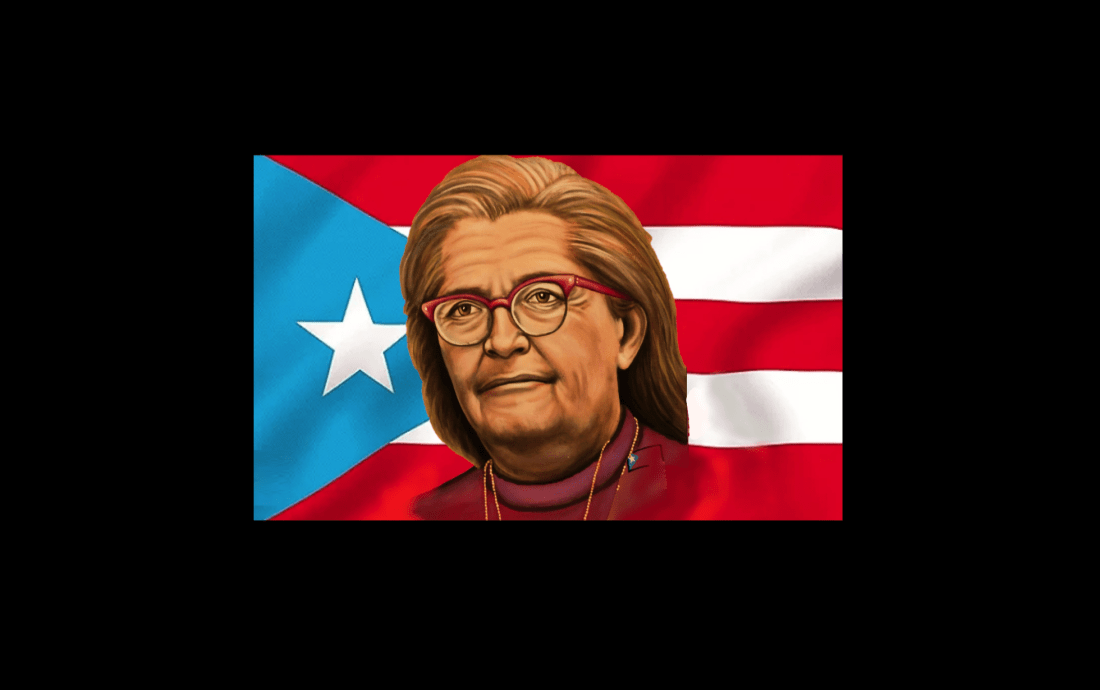
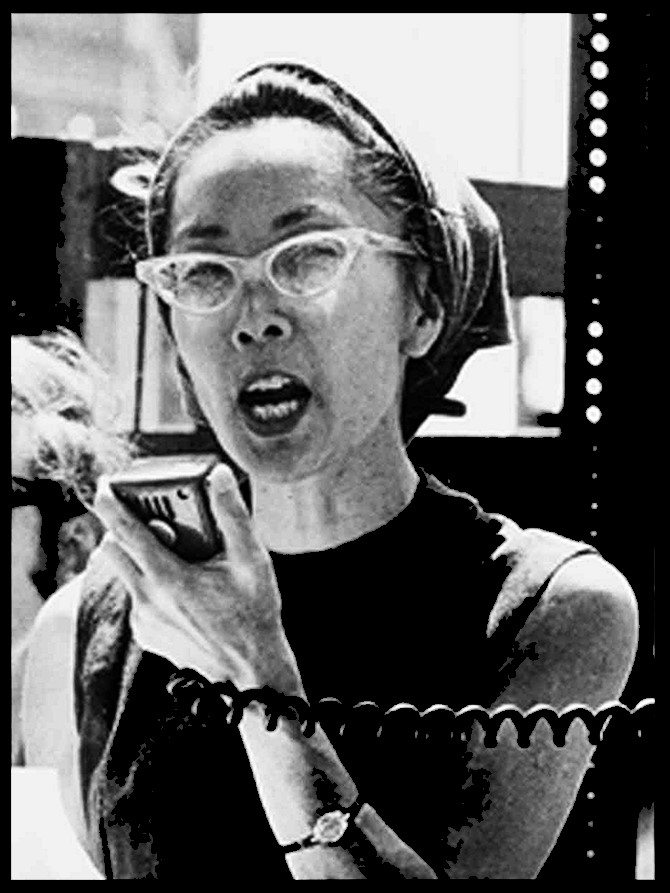
Ruth Mary Reynolds was a heroine who is remembered with the highest honors for being one of the greatest allies of the historic struggle for Puerto Rico’s independence and right to self-determination.
Raynolds was born on February 28, 1916. She was raised at a family-owned ranch in the mining town of Terraville, located in the Black Hills of South Dakota. She grew up in a family surrounding with strict Methodist religious customs.
The land on which Ruth Reynolds was reared as a child belonged to the Rose bud Tribal people who lived there for hundreds of years before they were driven out during the Westward expansion that resulted in the so-called “Indian Wars.” It was another example of stolen land by white settlers in U.S. history.
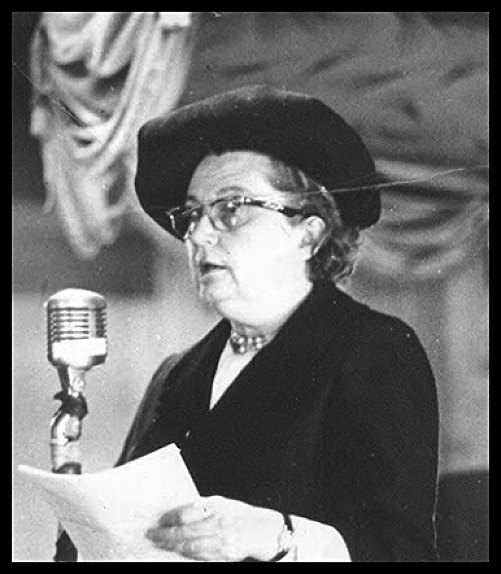
Similarly to the legendary, anti-slavery abolitionist, John Brown, Ruth Reynolds acknowledged her white privilege coming at the expense of oppressed people of color. And like John Brown, she demonstrated true solidarity not just in words but with her actions. Such are standards which progressive minded people of white origin must adopt in the United States today, if they are serious of building unity for eventually defeating white supremacy.
Since the time of her youth, Reynolds was inquisitive about the injustices and inequalities that caused human suffering in society. That may explain why she was eventually drawn to address the socio-economic plight of the Puerto Rican masses.
Raynolds became an educator who taught Indigenous children and adults on the Lakota Rosebud Reservation in South Dakota. Despite the existing political environment which insidiously encouraged whites to be indifferent or partake in the racist persecution of Blacks, Latinos and Indigenous people, Reynolds on the other hand, developed to fiercely identity with the oppressed.
After Reynolds earned her master’s degree, in 1941 she relocated to New York City to join the civil rights group known as Harlem Ashram. She lived and worked in East Harlem (El Barrio), where she did advocacy for Puerto Rican children. Between 1945-1975, there was an influx of Puerto Ricans migrating to the urban centers of the U.S. at an annual average rate of 63,000, due to colonial economic policies.
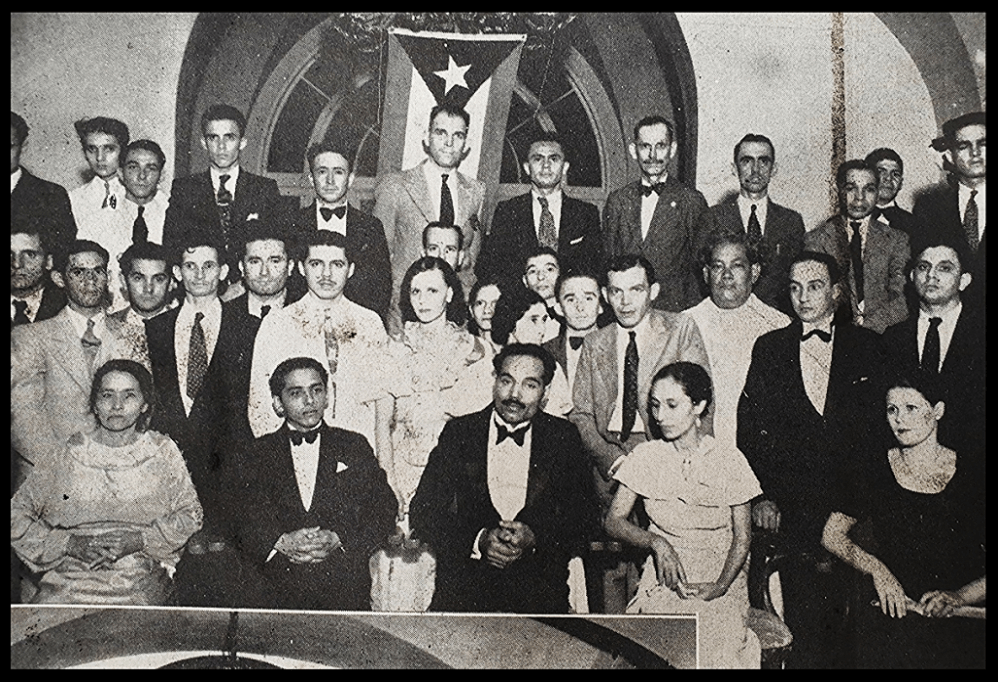
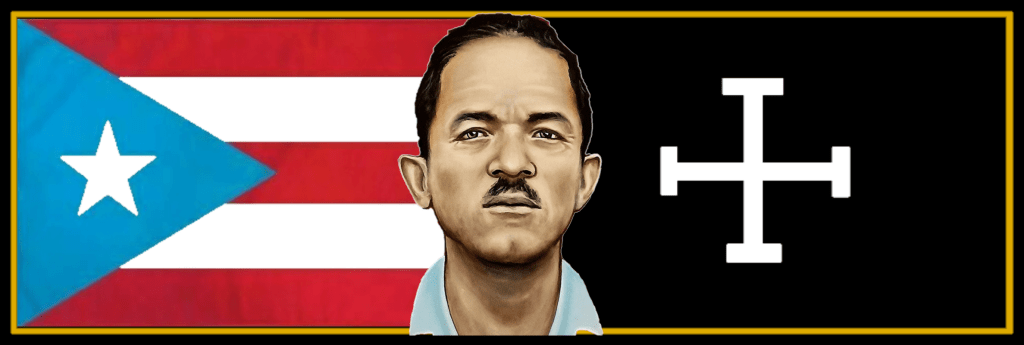
It was through her advocacy in East Harlem where she met the prominent Socialist Congressman, Vito Marcantonio, who was legal counsel to and ally of Dr. Pedro Albizu Campos, the Puerto Rican Nationalist Party leader. Marcantonio and Reynolds collaborated for a number of years on the matter of Puerto Rico’s struggle for independence.
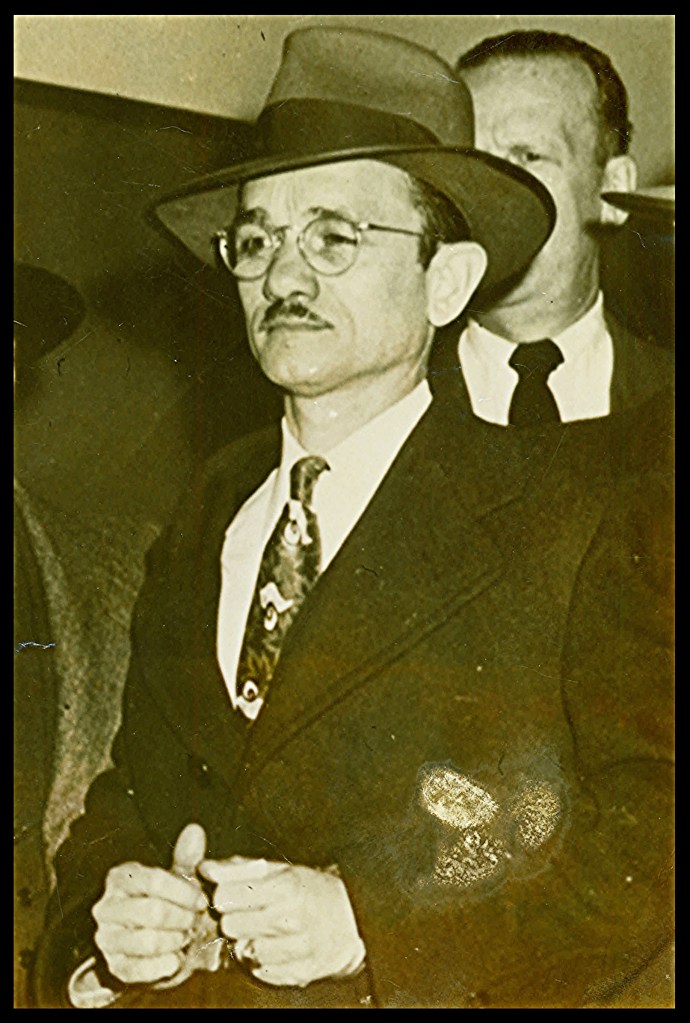
When it was brought to Campos’ attention the work that Harlem Ashram did, he asked his confidant Julio Pinto Gandia to have Reynolds visit him at Columbia Hospital, in NYC. Campos was undergoing treatment for a heart attack while serving a 10 years prison sentence for sedition.
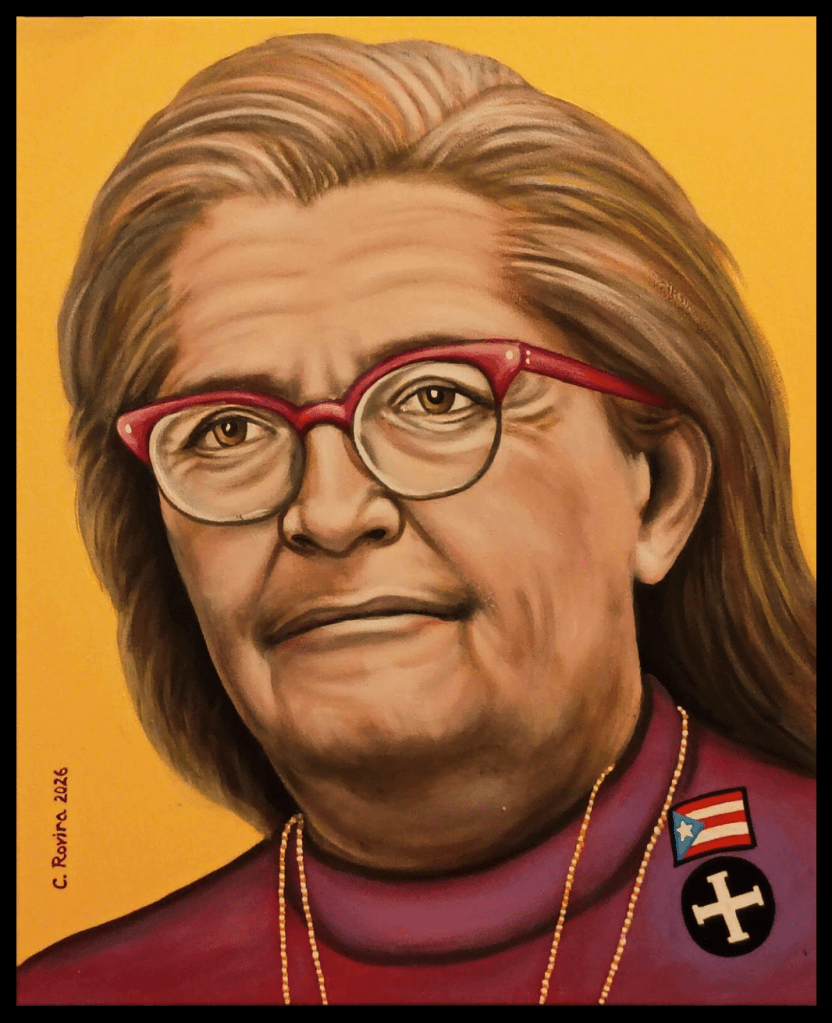
When Reynolds and Campos met for the first time in 1943 it was the beginning of a long-lasting comradeship that would last until his death in April 1965.
After Compos’ release from prison in 1949, the U.S. installed colonial government was secretly planning a major crackdown on the Nationalist movement. It was amid the repressive, anti-Communist MaCarthy Era in the U.S., which Puerto Rico felt a thousandfold in the subjugated setting of colonialism.
After Nationalist Party intelligence operatives discovered the government’s plans to suppress the movement, Dr. Pedro Albizu Campos believed it was best for revolutionaries to strike the first blow.
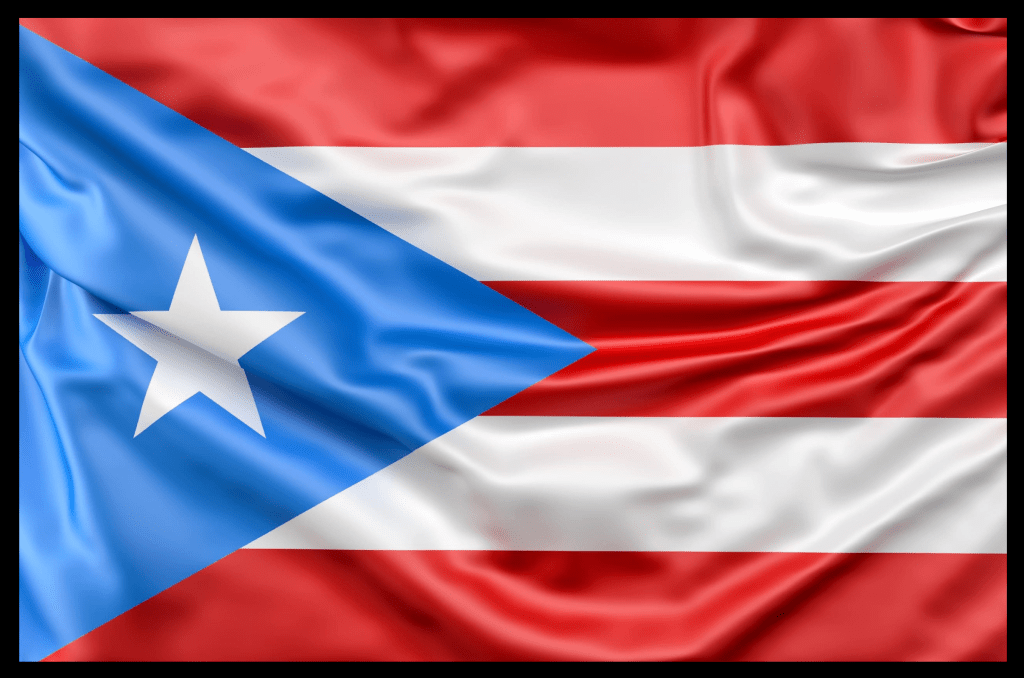
On October 30, 1950, a Nationalist Revolt occurred throughout Puerto Rico. Police and colonial officials became targets of Nationalist rage for the draconian decree known as the “Gag Law” (1948 Law 53) which prohibited any form of reference to independence, in literature, public speech, musical or poetic lyrics. The heinous law also made the Puerto Rican flag illegal.
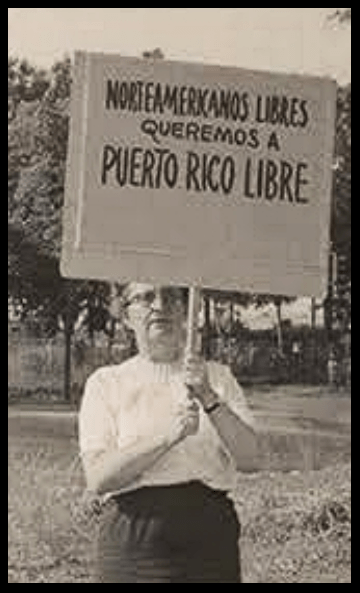
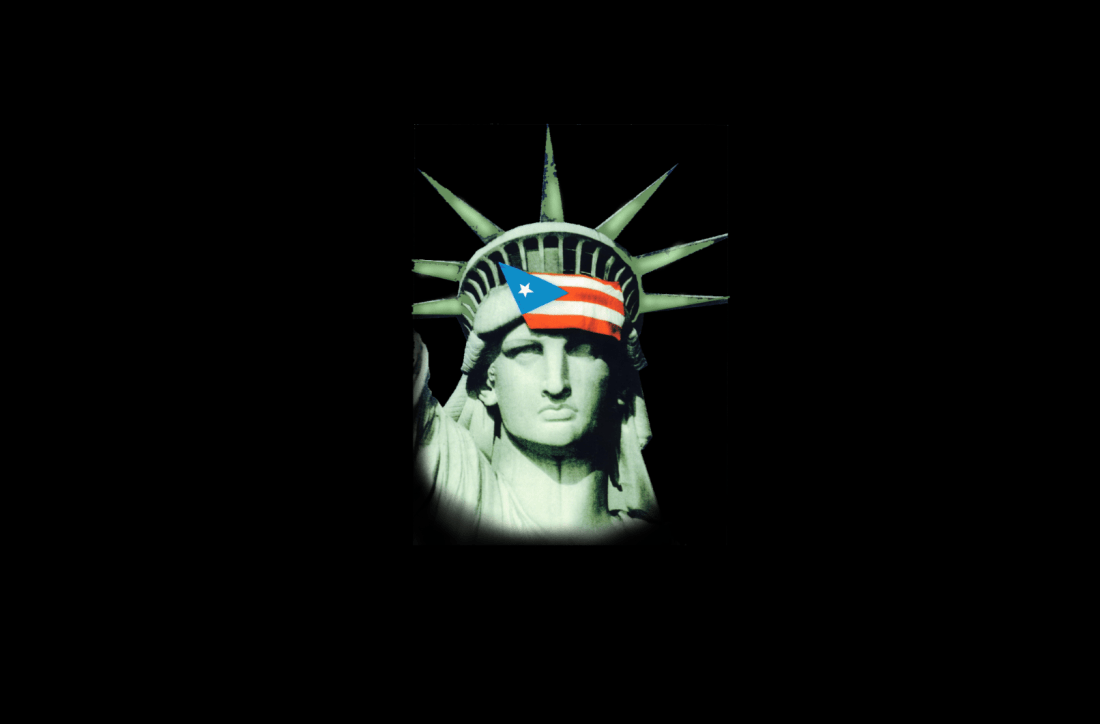
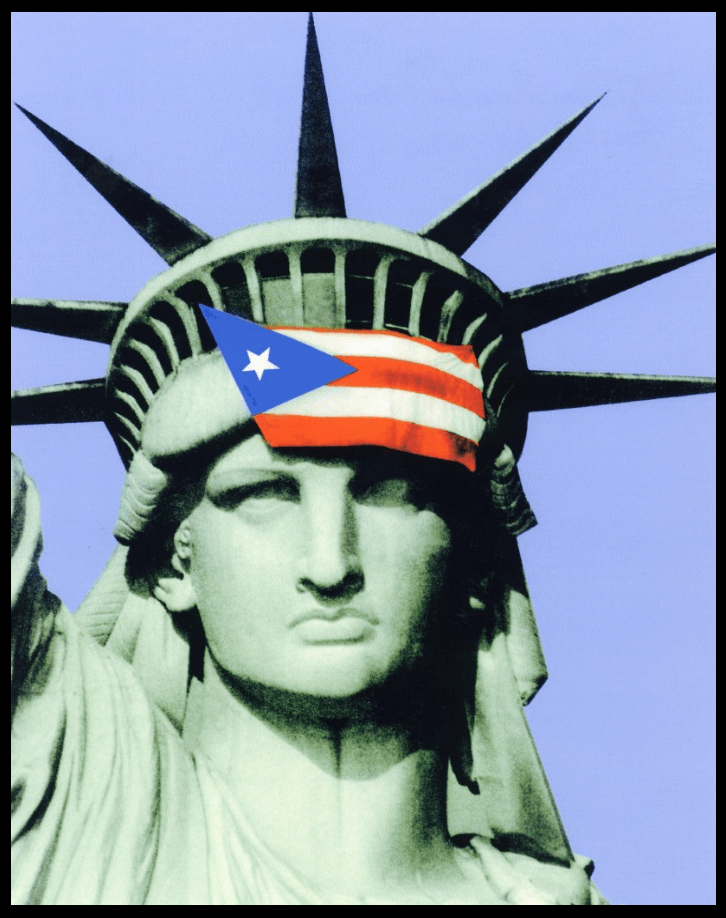
“Free North Americans want a free Puerto Rico.”
The most intense gun battle was in Jayuya. Under the leadership of another gallant woman named Blanca Canales, the insurrectionists seized control of the municipality. U.S. military forces surrounded the Jayuya as warplanes bombed the city.
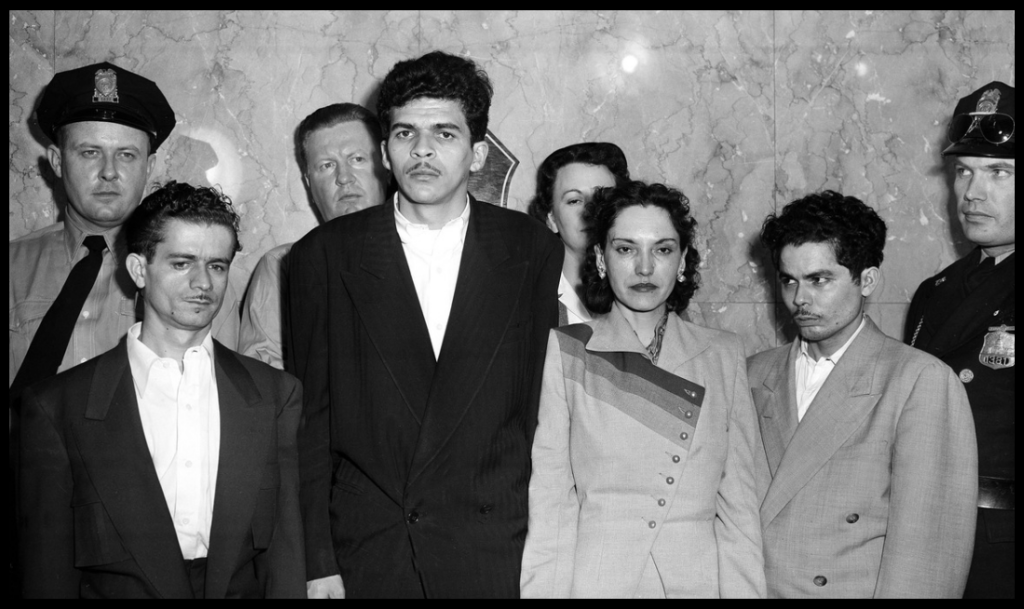
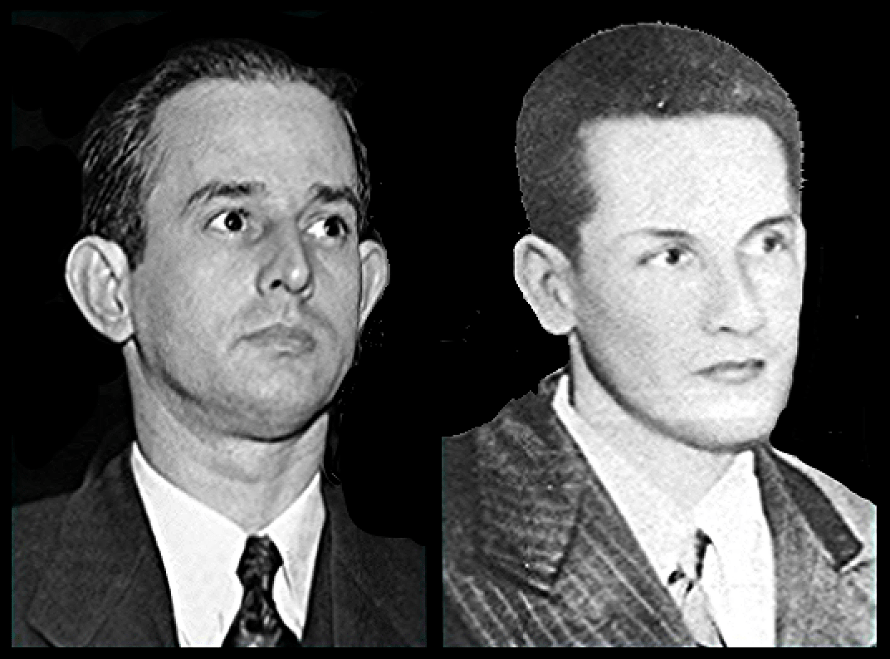
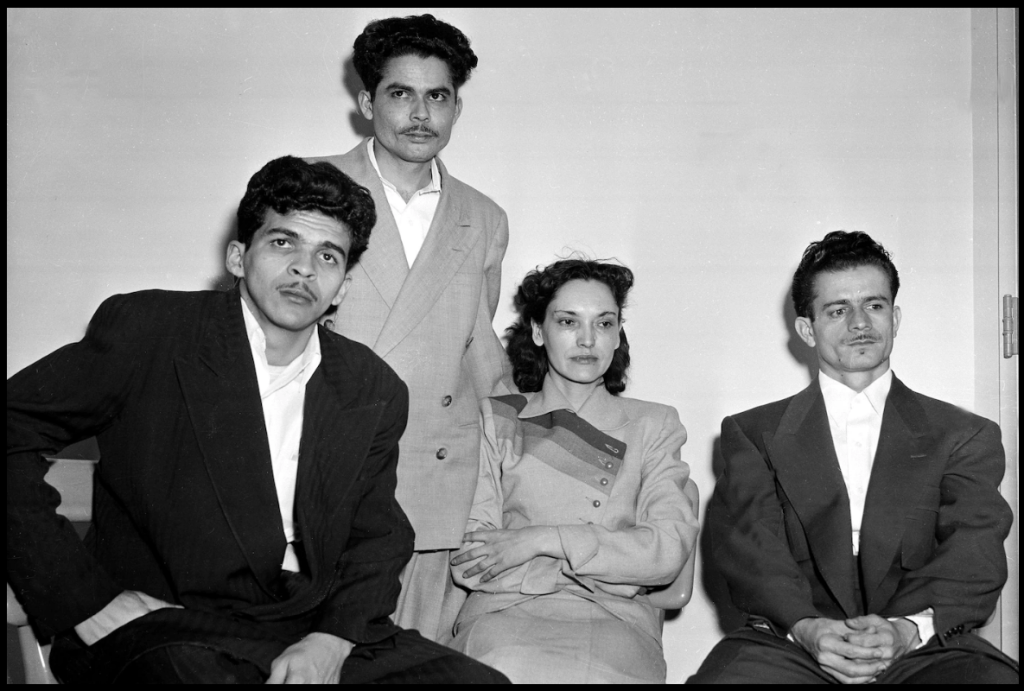
On November 2, 1950, following the armed rebellion and Nationalists Oscar Collazo and Griselio Torricelli attempted assassination of President Harry Truman in Washington, Reynolds was arrested and charged with sedition, for mere association.
Heavily armed police and agents of the Federal Bureau of Investigation (FBI) stormed into her apartment early in the morning without a warrant. Law enforcement officials confiscated her research papers and whatever else they could find to build a case against Campos and the Nationalist Party.
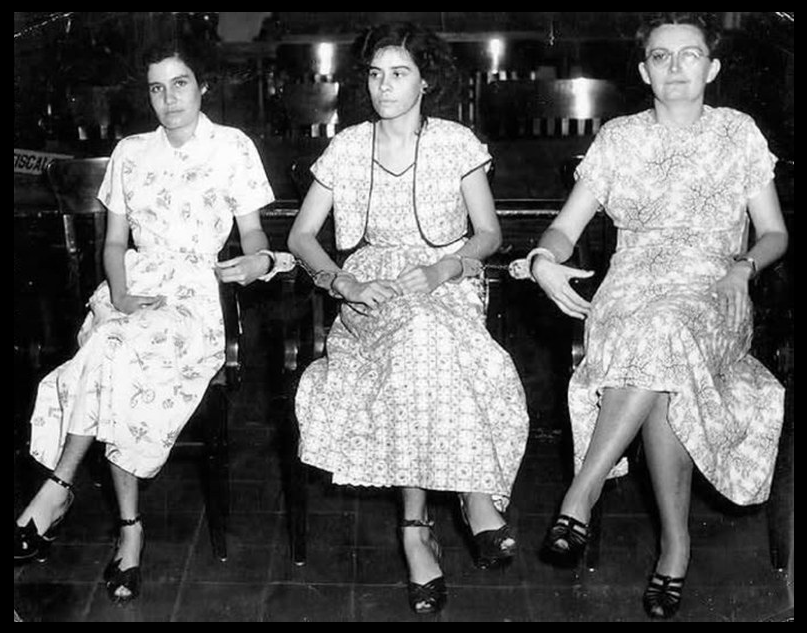
Although Reynolds was sentenced to six years in prison, she was released 19 months later after winning an appeal. During her incarceration in the Insular Penitentiary of Arecibo, PR, she was constantly subjected to psychological abuse by prison officials. Reynolds believed that she was also the subject of hidden radiation torture, as was Dr. Pedro Albizu Campos.
However, the trauma she endured did not deter her from pursuing her passion for Puerto Rico’s independence. Her resolve was strengthened by the cruelty she experienced herself. Reynolds co-founded the American League for Puerto Rico’s Independence, continued documenting and defiantly voiced contempt for U.S. atrocities against the Puerto Rican people, especially the beatings and murders of individuals in the independence movement.
With Nationalist Julio Pinto Gandia, Renolds lobbied the delegates of many countries at the United Nations Organization seeking support for Puerto Rico’s independence. She also testified before the U.S. Congress to push the issue.
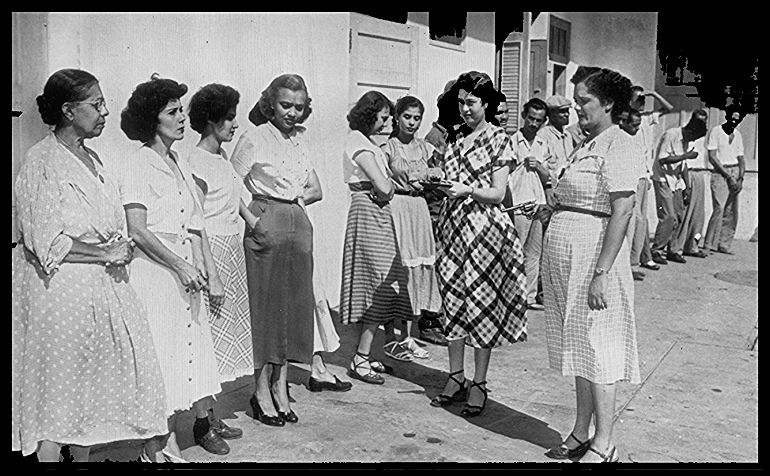
Reynolds was indisputably committed to Puerto Rico’s right to independence. Although she was not officially a member of the Nationalist Party of Puerto Rico, the affection, admiration and respect that she earned made her an honorary member.
Her legacy has secured a special place in the archives of Puerto Rican national liberation and the struggle against imperialism. What was unique about Ruth Reynolds, as a U.S. citizen of white origin with all the implied privileges, she fought hard and sacrificed much for the Puerto Rican people as if she was a Boricua by birth herself.
¡QUE VIVA PUERTO RICO LIBRE!



 carlitoboricua