“I had a vision – and I saw white spirits and black spirits engaged in battle, and the sun was darkened – the thunder rolled in the Heavens, and blood flowed in streams – and I heard a voice saying, ‘Such is your luck, such are you called to see, and let it come rough or smooth, you must surely bear it.” – Nat Turner
______________________________________________
By Carlos “Carlito” Rovira
Of the events in African American history that bourgeois historians and apologists of slavery tend to dread the most is the Nat Turner Rebellion. This monumental chapter in Black history occurred on August 21, 1831, at the Belmont Plantation in Southampton County, Virginia. Since then, Nat Turner’s name symbolizes defiance for Black people but for white privilege it continues to be a moment in history that torments the imagination.
White supremacy’s preferred narrative of that rebellion is to overemphasize the violence inflicted on the slave owning families. False interpretations of history aimed to project slavers as victims and insidiously criminalize the justified rage of Black people, both in the past and present.
The horrific acts of violence inflicted on white slave owning families by the rebellious enslaved people can best be characterized as the “chickens coming home to roost”. To understand why this slave revolt was one of the bloodiest in U.S. history it requires critical thinking to grasp the experiences African Americans endured under that system.
Great Britain perceived the Thirteen Colonies as their goose that laid golden eggs and valued them more than all its conquered territories throughout the globe. it was in the United States where the system of chattel slavery became most lucrative and why it was extremely brutal.
The rapid economic accumulation of wealth created from enslaved labor allowed the United States to develop into the giant capitalist bastion it is today. The enormous financial power that derived from the harshest circumstances of human suffering compelled the rulers to develop a set of ideas that served as their ideological justification for Black oppression — White supremacy.
African chattel slavery was most lucrative and brutal in the United States.
Despite the glorification of the “old South” by the mainstream Black people were subjected to extreme forms of degradation, beatings, castration, torture, murder, and the rape of women, men and children alike. Black families lived under constant fear of being separated. Without warning children, mothers and fathers were sold to other slave plantations. In addition, among the most shocking and heinous acts committed by slave owners as a sport and for punishing insubordinate slaves was having their children tossed into rivers to be killed by crocodiles.
The gall of bourgeois historians who dare to make false judgement while minimizing the crimes inflicted on Black people. The blame for the not-so-pleasant details of slave uprisings falls strictly on those who firmly preserved the cruelty that came with this system. Black people have historically been driven to use force as a means to end their suffering.
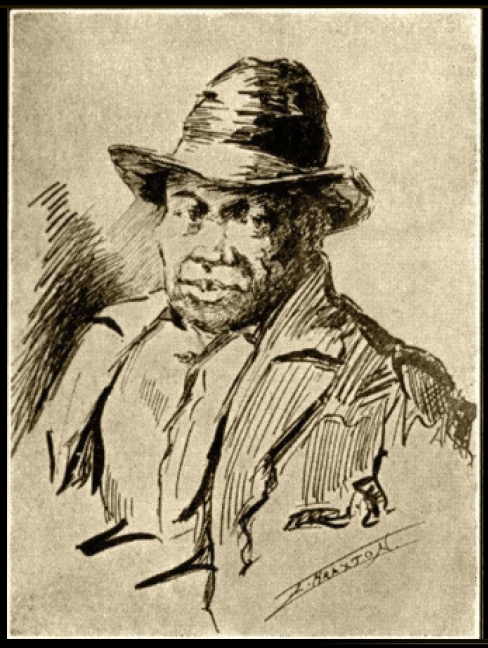
Sketch drawing of Nat Turner.
No uprising in history has ever been pretty. When a subjugated people realizes that struggle is the only path to freedom there are no guarantees that bloodshed will be absent from the equation. In addition, tyrants have always reserved the right to use violence, as a way to preserve their power. For oppressed people breaking away from the yoke of their plight has always been achieved by whatever means necessary.
Although Nat Turner was traumatized from abuses since childhood, he managed to develop strong leadership qualities which allowed him to serve as preacher among the enslaved. According to the supposed “confession” made after his capture, to a Southampton attorney Thomas Ruffin Gray, Turner stated that he had received a message from “God” commanding him to lead the slaves in an uprising.
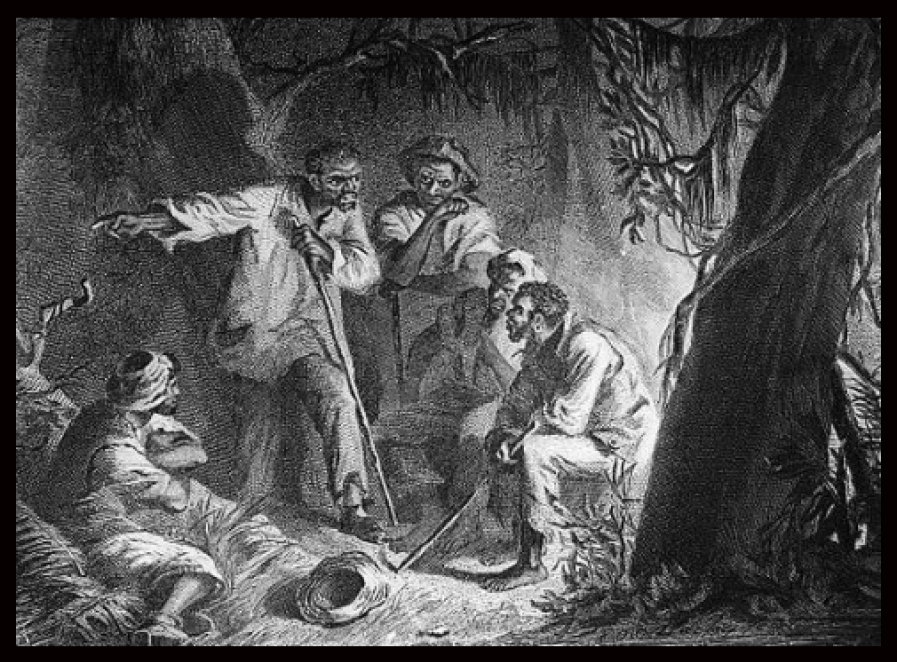
Nat Turner and fellow enslaved prepare for rebellion.
On the evening of August 21, 1831, Turner led numerous slaves in an action which abruptly began the rebellion. They ran to the supply sheds to arm themselves with tools used for toiling the land. With weapons in hand the enslaved laborers proceeded throughout the plantation to bludgeon and stab to death the well-armed overseers.
The intensity of the revolt continued with Turner and his followers entering the hated resident mansion which symbolized the depth of their oppression. It was there where all members of the privileged White slave owning family were killed.
An artist’s depiction of Nat Turner’s Rebellion.
Days later, a state of panic widely consumed the White populace of Virginia and neighboring states, as the Black insurgents were hunted down like animals by bands of racist vigilantes. Unfortunately, by October 30th all the insurrectionists were captured and put on a showcase trial.
On November 11, 1831 Nat Turner and 56 of his followers were executed and about 200 non-participants of the revolt from neighboring plantations were beaten and tortured. The repressive decrees implemented throughout the South were intense and lasted until the end of the Civil War.
As if killing Nat Turner and his followers were not enough to satisfy the frenzied vindictiveness of slavers, the bodies of the martyrs were gruesomely chopped to pieces, burned and used to make oil and glue.
In the aftermath the white populace proved to be psychologically impacted. They became increasingly fearful of Black people. New repressive measures were instituted throughout the South with harsher laws that restricted the movement of the enslaved and free Blacks alike.
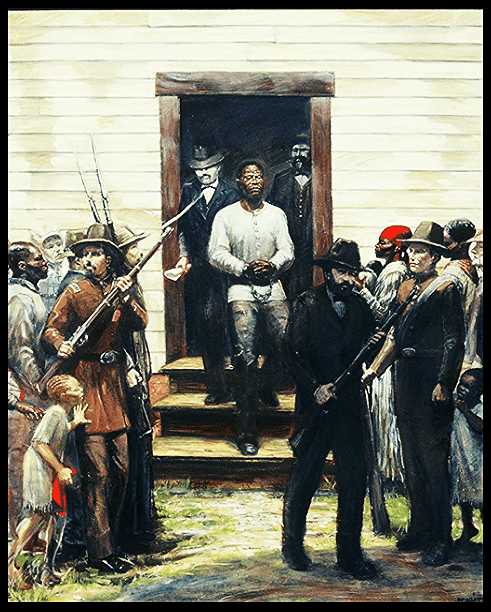
Artist depiction of Nat Turner being led to his execution.
Nat Turner contributed to the rising momentum of that period which popularized the use of armed force against the vile institution of slavery. By all accounts this rebellion inspired John Brown‘s attack on Harper’s Ferry in 1859, which triggered the momentous political storm that resulted in the Civil War of 1861-1865 and the overthrow of the slave-owning system.
The Attempt to destroy slavery by the slaves themselves is of the utmost significance. This event will continue to inspire today’s anti-racist struggles as we continue to grapple with the historical consequences of African chattel slavery in the modern era.
A plaque stands on the site of the rebellion in Belmont Plantation, Southhampton, Virginia.
Although the rebellion was suppressed, with the martyrs tortured and executed, this history continues to inspire struggle in the present period. The legacy of this slave revolt added to Black traditions that gave us Harriet Tubman, Frederick Douglas, Ida B. Wells, Marcus Garvey, the African Blood Brotherhood, Malcolm X, the Black Panther Party, and more recently, what transpired with the Black Lives Matter demonstrations.
History has given Nat Turner the noble title of revolutionary. A future revolutionary struggle in the United States will surely bring about a broad desire for erecting statues and monuments dedicated to the memory of Black freedom fighters like Nat Turner. Giving the highest tribute to men and women who fought for Black liberation will be part and parcel of realizing the demand for Reparations.
LONG LIVE THE MEMORY OF NAT TURNER, OCTOBER 2, 1800 – NOVEMBER 11, 1831
“A nation that continues year after year to spend more money on military defense than on programs of social uplift is approaching spiritual death.” – Dr. Martin Luther King, Jr.
______________________________________________
By Carlos “Carlito” Rovira
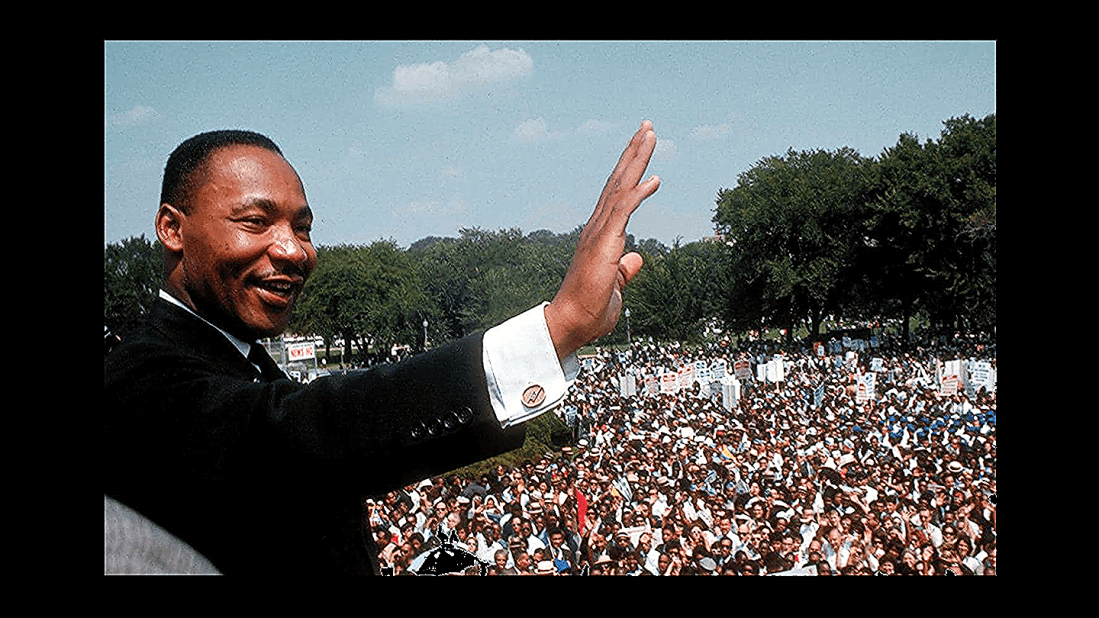
Dr. Martin Luther King, Jr. was among a number of significant Black religious figures whose actions and leadership in the 1950s-1960s propelled the fury of the Civil Rights movement. The Southern Baptist Church for the most part served as a vehicle for expressing the wishes of Black people. But with the advent of the 1960s mass upsurge nothing was exempt from the political storm that created a potential for revolution in the United States, including the Black Church.
The momentum consumed most of society, as the outcry for Black emancipation gained support even outside the African American community. This phenomenon provided favorable conditions for the Black struggle to play an exemplary and leadership role in the intensifying political climate.
Other oppressed sectors of the population yearning for freedom as well began to follow suit. The Civil Rights movement which started as an expression for Black freedom was now a factor in a mass upsurge which had a profound impact on the spectrum of politics in this country.
Photos taken of Dr. King while in custody by Birmingham, Alabama police.
Dr. Martin Luther King’s empathy for the historic suffering of Black people, heightened his contempt for the legacy of slavery, racist Jim Crow laws. It instilled in his character a defiance and resilience that would inspire millions of people from all nationalities and races to take part in his quest.
Figures like Evelina Antonetty and Gerena Valentin from the Puerto Rican community as well as Cesar Chavez and Dolores Huerta, representing Mexican/Chicano migrant workers, aligned with Dr. King, thus adding to the strength of the Civil Rights movement.
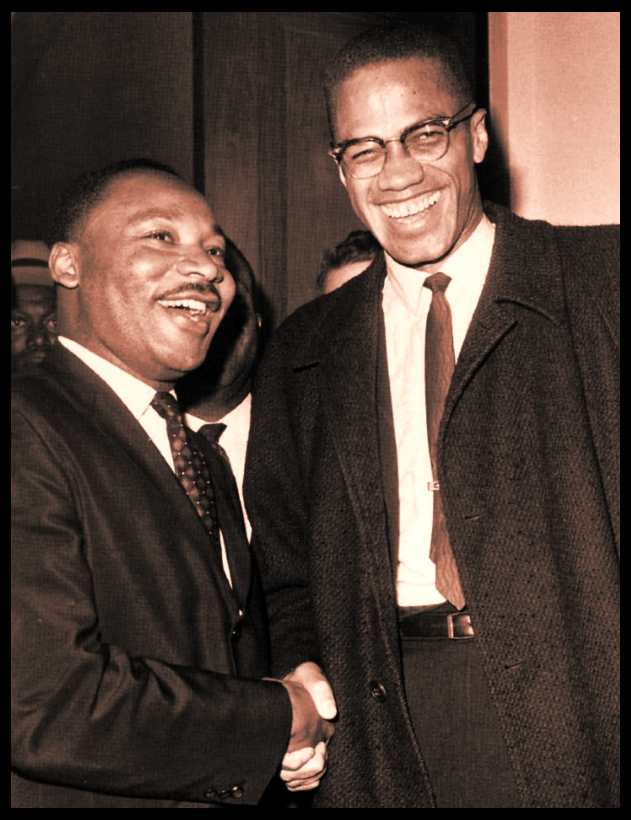
Dr. Martin Luther King, Jr. and Malcolm X, March 26, 1964, in Washington, DC.
Despite differences among Black leaders, the February 21, 1965, assassination of Malcolm X impacted Dr. King. There is indisputable evidence in his speeches that he was becoming radicalized, a reflection of the political militancy that was evolving among Black and Brown people in this country. Malcolm X’s assassination naturally brought to the open what was already being felt in the hearts and minds of millions of people, including Dr. Martin Luther King, Jr., himself.
Contrary to assertions made by bourgeois historians, which depict MLK as nonaggressive and passive, he supported and boldly encouraged civil disobedience. He was also an outspoken critic of the U.S. political and economic system.
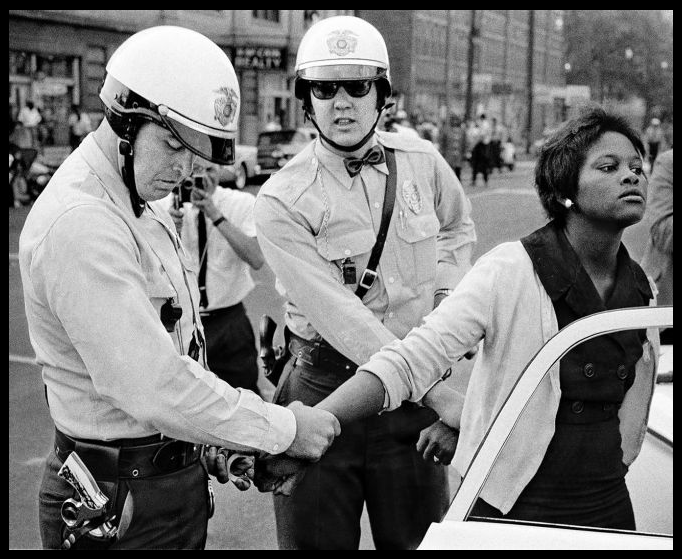
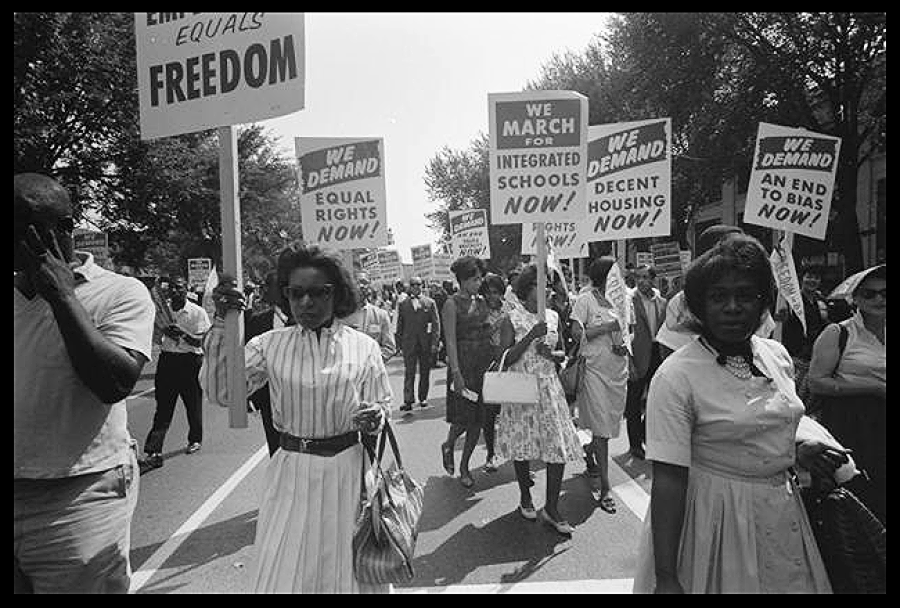
Civil Rights activists demonstrated dignity and were not afraid of white supremacist attacks.
Although MLK never identified himself as revolutionary, by traditional definition, objective circumstances compelled him to side with radical views. Towards the end of his life, Dr. King showed signs of gravitating towards an anti-capitalist analytical conclusion to the human suffering he witnessed.
During a speech he gave on August 16, 1967, at a Southern Christian Leadership Conference in Atlanta, Georgia, Dr. King boldly stated: “The evils of capitalism are as real as the evils of militarism and evils of racism.”
And when Dr. King gave his April 4, 1967, speech at Riverside Church in Harlem, New York City, titled: “Beyond Vietnam: A Time to Break Silence” the rulers of this country became infuriated. Considering the history of political reaction and racist hatred in the United States, it cannot be ruled out that delivering this speech sealed Dr. King’s death.
Washington officials were defensive due to the Vietnamese anti-colonial struggle gaining momentum while receiving massive support throughout the world, as the U.S. anti-war movement added to the pressure.
When Dr. Martin Luther King, Jr. articulated the relevance of Civil Rights with the fight to end the war in Vietnam U.S. officials experienced political embarrassment on a global scale. It was no coincidence or surprise that the notorious J. Edgar Hoover had ordered intensifying COINTELPRO activities against Dr. King to seek ways to ruin his reputation and discredit the politics of the movement.
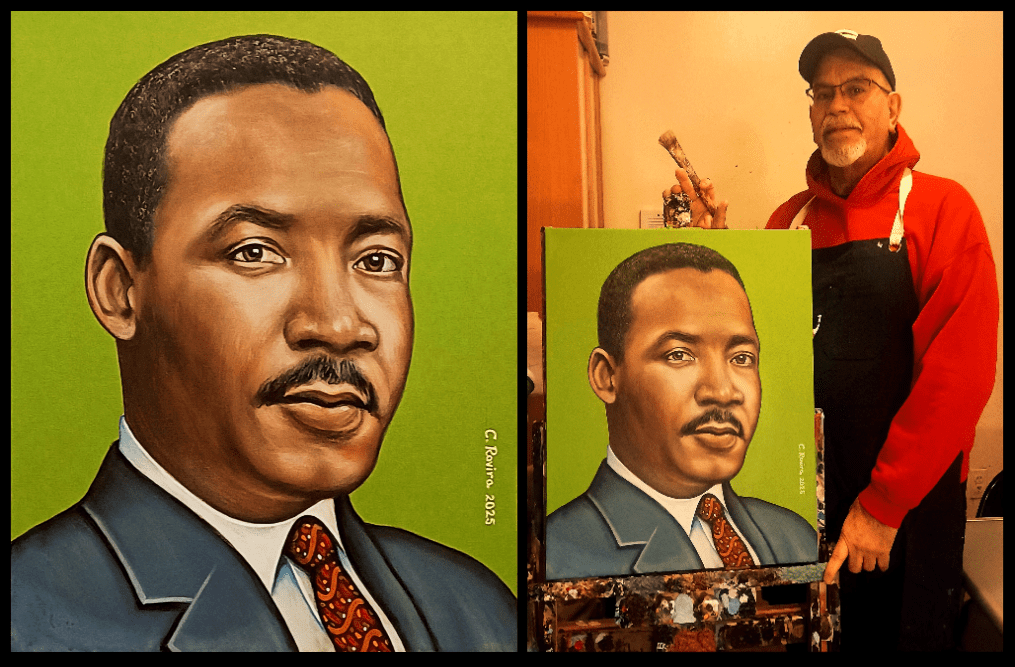
My portrait of Dr. Martin Luther King, Jr. 20″ X 24″, acrylic paint on canvas.
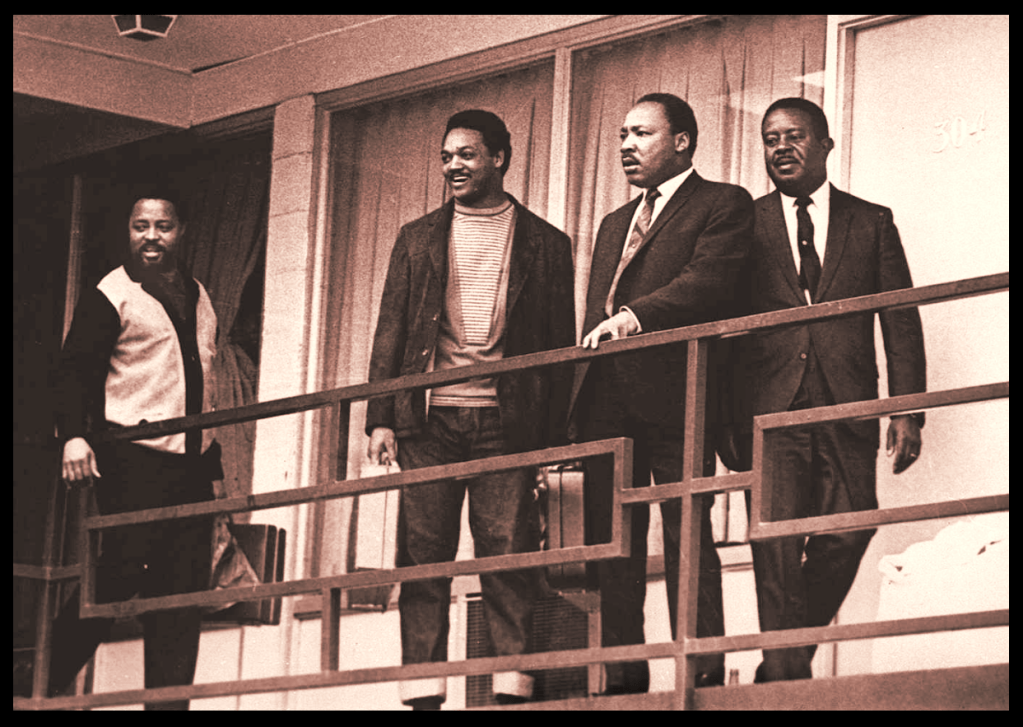
Exactly a year after the Riverside Church speech, Dr. King was assassinated. He was shot while speaking to an audience from a hotel balcony in Menphis, Tennessee. The assailant was a white supremacist named James Earl Ray, who used a high-power rifle from a distance away to kill the renown Black leader.
African Americans reacted justifiably with indignation and rebelled on the streets of major cities throughout the country. The killing of Dr. King was reminiscent of the terror Black people experienced throughout the history of this country since chattel slavery.
Moments before Dr. Martin Luther King, Jr. was fatally shot by sniper.
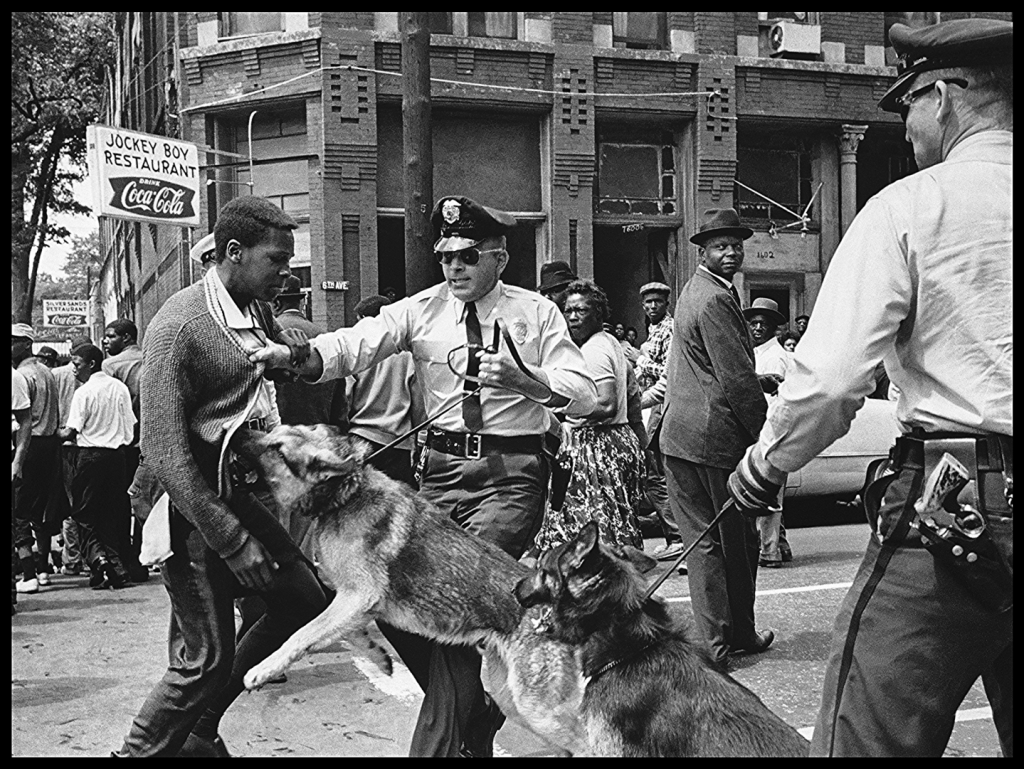
There are many apologists in the mainstream who will distort the critical role Dr. Martin Luther King, Jr. played in the Civil Rights movement. They will also present sanitized narratives that focus solely on his “peaceful, non-violent” tactics while avoiding mention of the vicious police terror unleashed on Dr. King and that entire movement.
What we today must always raise is the tenacious resistance Black and Brown people demonstrated then and will continue until freedom prevails, as Dr. King and the Civil Rights movement had envisioned.
LONG LIVE THE LEGACY OF DR. MARTIN LUTHER KING, JR.
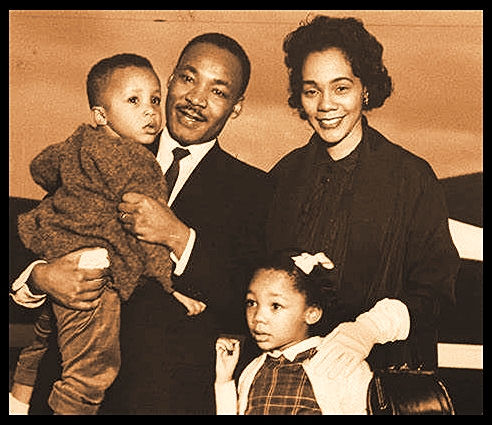
Dr. Martin Luther King, Jr., Coretta Scott-King and their children.
The Haitian Revolution is among the most spectacular events in Western Hemispheric history. It was a revolt executed by enslaved Africans on the island of Española. This rebellious storm 220 years ago marked the beginning of the end for the vile system of chattel slavery in the Americas.
Bourgeois historians tend to automatically distort facts and formulate narratives that overshadow the Haitian Revolution by overly glorifying the French and so-called American “revolution”, two monumental events in capitalism’s development.
Moreover, these mainstream scholars will falsely assert that what sparked anti-colonial struggles in the Western Hemisphere was the “War for Independence” of 1776. However, a close examination of the history of race relations in the United States will contradict such claims.
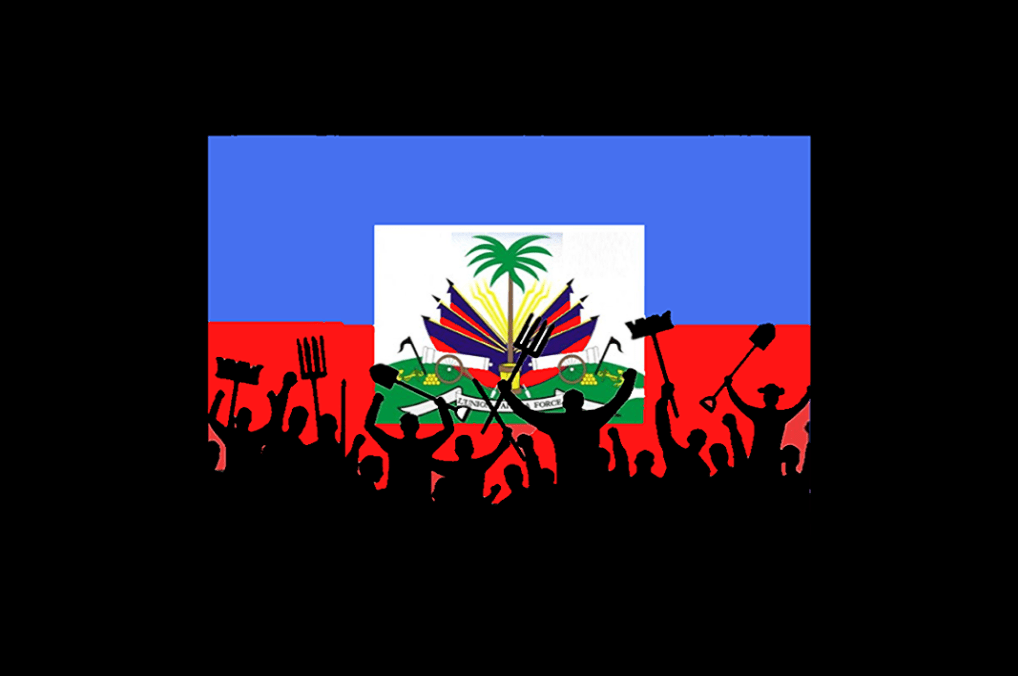
An artist depiction of the Haitian Revolution’s fury.
For its own reasons of interest, England was leaning towards prohibiting the trans-Atlantic slave trade. It also disapproved its Thirteen settler colonies expanding further westward.
The British Empire was apprehensive of overextending itself in unfamiliar regions of the Americas. It feared becoming vulnerable to the organized resistance of Indigenous tribal people and competitive aggressiveness of its Spanish and French rivals.
It was England’s colonial policy and line of march in foreign affairs that placed its interest in direct conflict with that of the rising capitalist class in the Thirteen Colonies. The contradictions between English rulers and their “American” birth child became antagonistic and irreconcilable.
Expanding African slavery and pushing further west to engage in the theft of Indigenous lands was the sole motive for “Independence” from England. Whereas the Haitian Revolution was motivated by enslaved people desperately seeking an end to their plight.
Haiti was the most lucrative colony France possessed in its empire due to the untold horrors the Black population experienced under extreme circumstances of exploitation. The amount of wealth generated from commodity goods shipped to France, mainly sugar, coffee, cacao, cotton, and indigo, amazingly surpassed commodities exported to England from the Thirteen Colonies combined.
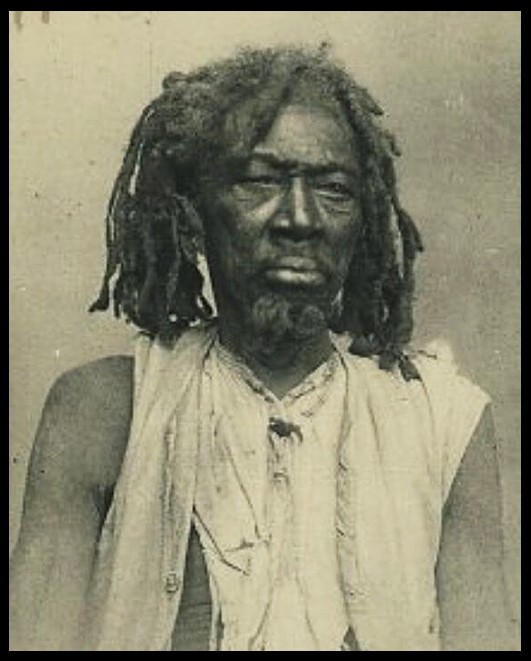
The Legendary Dutty Boukman
Dutty Boukman, a priest of African religions was captured by slave traders in the region known today as Senegal and Gambia. He was brought to Jamaica and then to Haiti. Boukman was boldly rebellious and frequently defied slavers by escaping. He acquired his name (Boukman for book man) because he always traveled with a Koran, which he used to teach fellow slaves how to read.
Artist’s depiction of Dutty Boukman.
According to many contemporary accounts, Boukman was selfless and a compassionate human being, but he was also known to be extremely ruthless with slave owners as well as Blacks who betrayed their own people.
Boukman was a respected and feared maroon leader, with a large following that frequently ambushed individual French officials. They attacked settlements and homes of wealthy elite figures to avenge what was done to Black people.
But on November 7, 1791, Boukman was killed while leading a slave uprising in the township of Le Cap-Francais. Today, Boukman is remembered as the Catalyst of the Haitian Revolution.
Women in the Haitian Revolution
The success of the Haitian Revolution would not have been possible without the participation of free and enslaved Black women, most of whom picked up arms willingly against the French. Their desire to serve as combatants and spies was in response to the degradation they experienced through beatings and rapes at the hands of their slave masters.
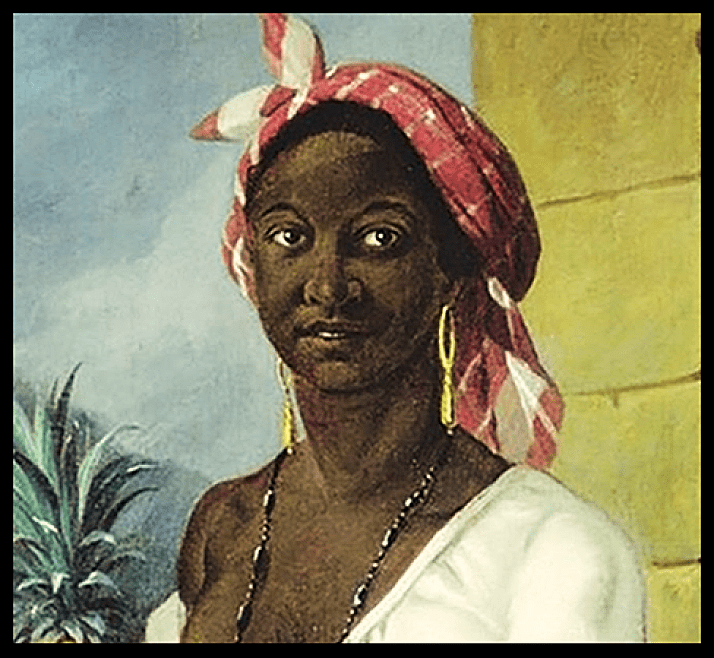
An artist’s depiction of triumphant Haitian women in battle.
A famous example is Marie-Jeanne Lamartinière, who served as a Lieutenant in Toussaint Louverture’s army. She courageously gave leadership to combatants that shocked French soldiers at the Battle of Crête-à-Pierrot.
Artist’s depiction of Marie-Jeanne Lamartinière.
There were no limits to what these women did in the interest of the revolution. In many cases, these heroines weaponized sexuality to disorient and fool enemy troops in order to obtain intelligence vital to the operations of insurgents.
The heroic acts of these women highlight their commitment to a noble cause. Their sacrifices are usually downplayed or dismissed by the dominant male perspective of bourgeois historians.
Haitian Defeat of the French
Although most combatants were formerly enslaved Black men and women, the liberation army included free Blacks, Tainos, Mulatos, as well as Polacks and Germans, whites serving in the French Army who defected to the revolution. French tyranny was despised by various sectors of Haitian society.
After the revolutionary triumph, non-French Europeans who supported the abolitionist cause were allowed to remain in Haiti and granted citizenship. However, French citizens who upheld the slave system and refused to leave Haiti were immediately killed.
The savage treatment enslaved Black Haitians received from their French captors fully justify the rage and ruthlessness of this revolt.
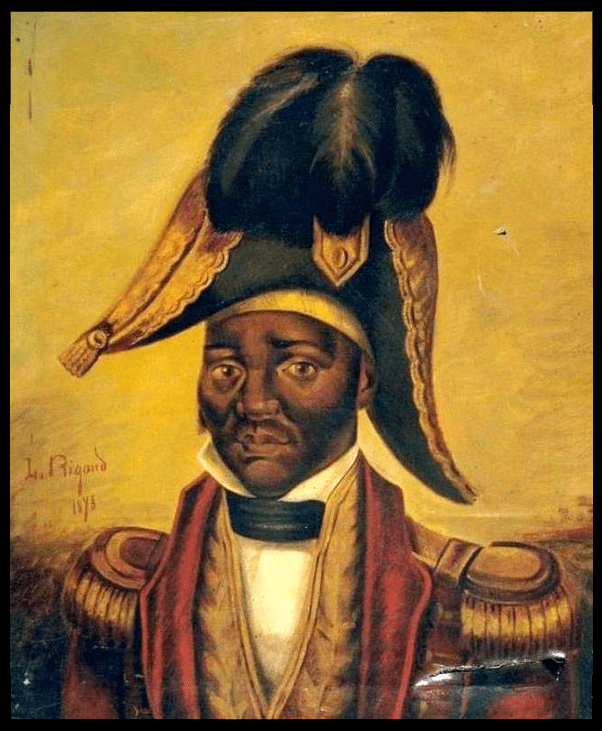
Formerly enslaved Jean-Jacques Dessalines, who was second-in-command and one of Toussaint L’Ouverture’s generals, brilliantly led the revolutionary army at the decisive Battle of Vertieres on November 18, 1803, where the French Army suffered many casualties causing humiliation with defeat.
Jean-Jacques Dessalines (1758-1806)
The French were exhausted and demoralized by the prolongation of the conflict. They were shocked by the tenacity of Black people determined to win their freedom.
After thirteen years of fighting, on January 1, 1804, the Haitian people jubilantly rejoiced when Dessalines declared Haiti’s independence from foreign domination.
Artist depiction of the Battle of Vertieres, November 18, 1803.
After the military struggle ceased, the newly formed Haitian government focused on seeking allies by establishing relations with revolutionary movements of neighboring countries. Haitian leaders understood quite well the necessity and benefits for oppressed people of different lands to forge unity, if they were to survive the onslaught of colonizing powers.
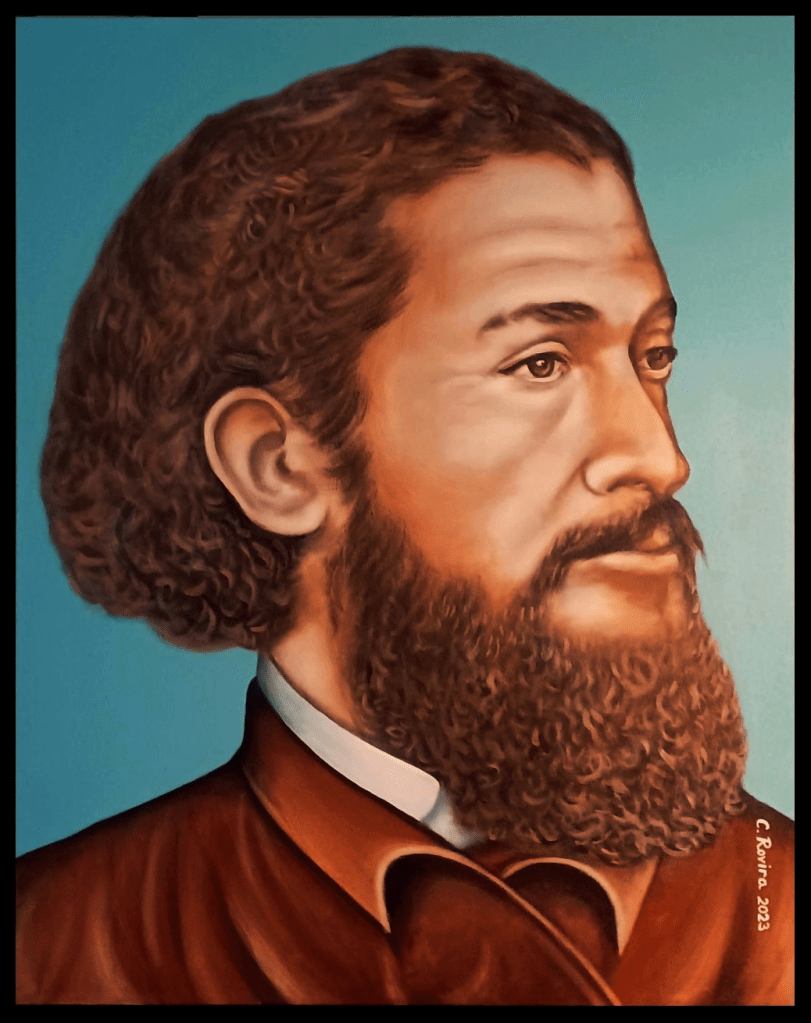
This was a feature of the Haitian perspective that impacted Puerto Rico’s iconic revolutionary leader, Dr. Ramon Emeterio Betances. Following in the footsteps of his father, a Dominican businessman who supported the Haitian Revolution, Betances travelled to Haiti with his most trusted comrade, Jose A. Basora, to have collaborative discussions with Haitian leaders on the ideas of a trans-Caribbean federation.
My portrait of Dr. Ramon Emeterio Betances. 24″ X 30, acrylic paint on canvas.
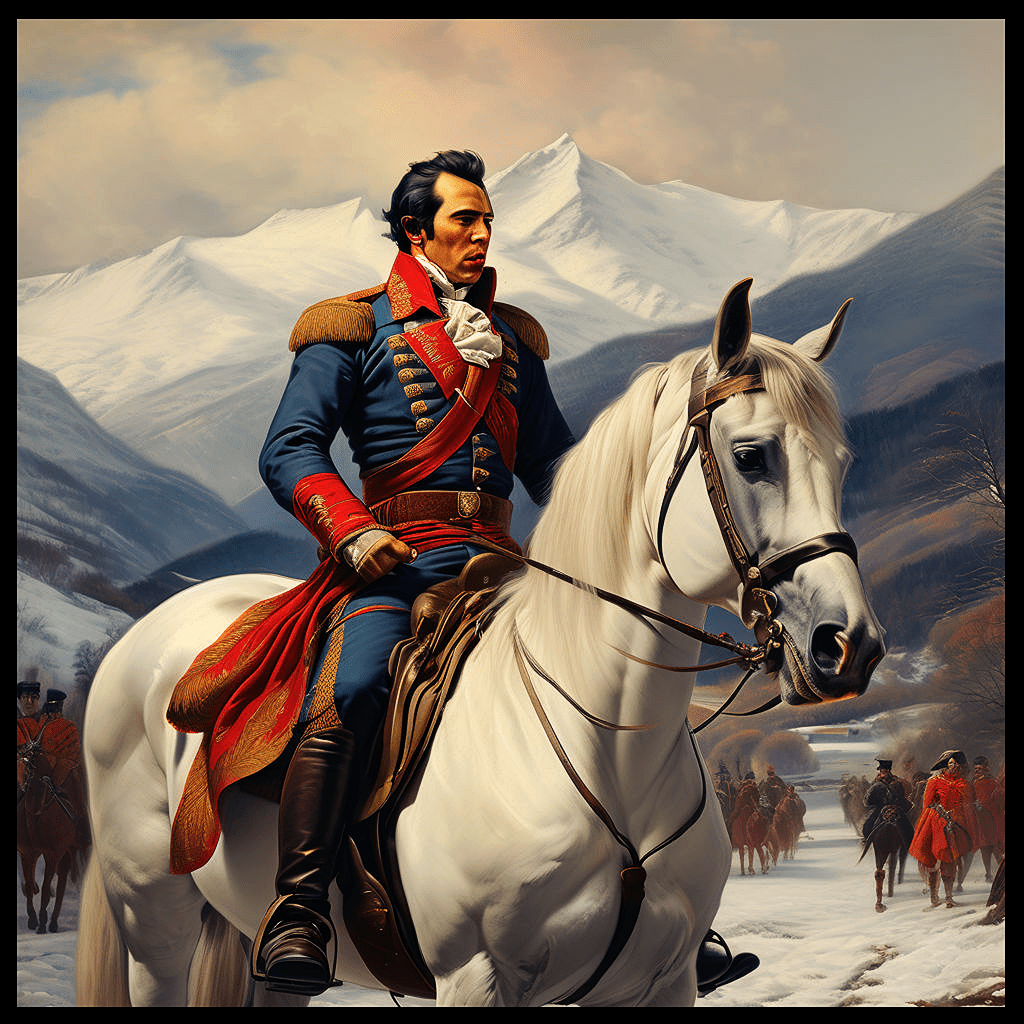
Many weapons seized from the defeated French Army were then given as gestures of solidarity to revolutionaries in Cuba, Jamaica, Puerto Rico, Mexico, and Simón Bolivar’s liberation army in South America. Haiti also provided combatant volunteers to assist in some of these liberation struggles.
An artist oil depiction of the legendary revolutionary Simón Bolivar.
Haiti became a beacon of hope and inspiration for enslaved and colonized people throughout the Caribbean, Latin America, Africa, and the United States, similarly to how the Soviet Union was viewed with awe in the early part of the Twentieth Century.
Imperialism punishes Haiti for 1804
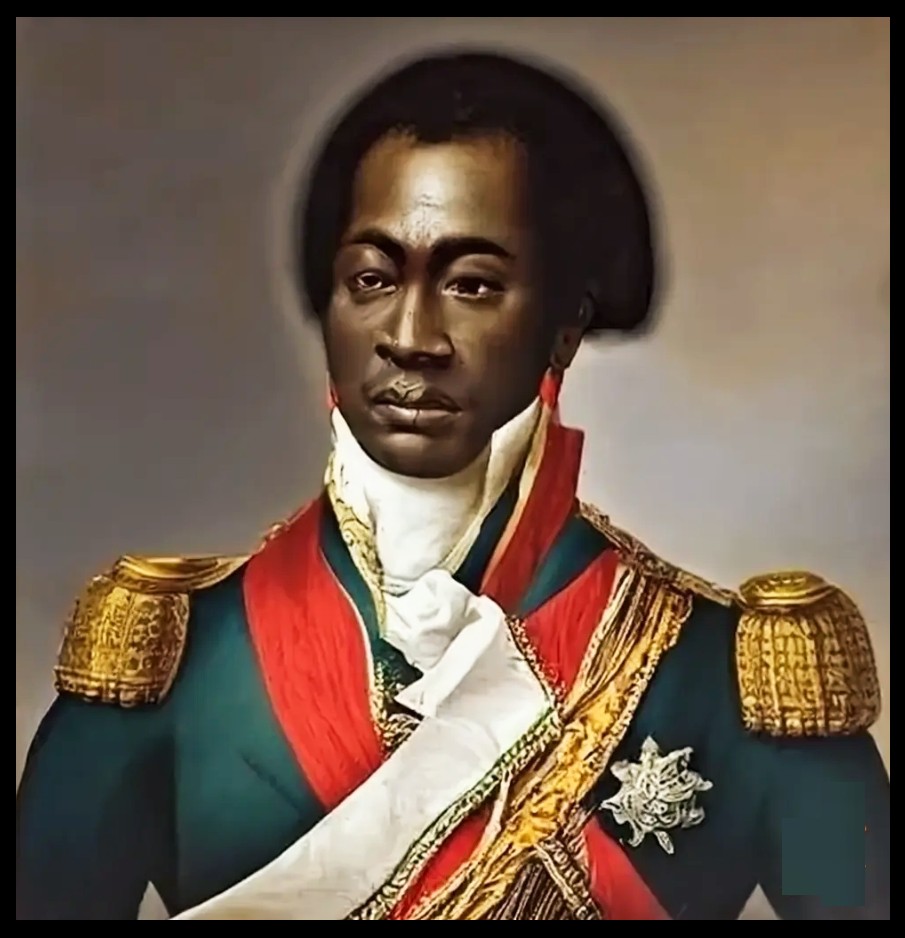
Soon after the victory, Haiti sought to normalize relations with France and the United States on equal terms through diplomacy, but to no avail. Instead, Toussaint L’Ouverture was brutally murdered while supposedly travelling to Paris on a French warship to make peace.
The U.S. refused to recognize Haiti’s independence until 1862. And due to pressure, Haiti was forced to cede to France’s demand for reparation – 150 francs for the “loss of property”, (meaning slaves) in exchange for recognizing the newly formed Haitian state.
The legendary Haitian revolutionary leader Toussaint L’Ouverture.
Haitian leaders always struggled to retain political power under the pressure of mounting hostilities by countries eager to re-colonize Haiti.
Between 1915 to 1934, The United States militarily invaded and occupied Haiti. The excuse Washington officials used was to “restore order and stability” after the assassination of Haitian President Jean Vilbrun Guillaume Sam. A puppet government was then installed which agreed to have the U.S. take control of Haiti’s treasury.
The U.S. also invaded Haiti in 1993 under the guise of United Nations “Peacekeepers” and intervened again in 1994.
U.S. and French racist arrogance never respected the sovereignty of the first Black republic that dared to challenge white supremacy. This is why Haiti is punished to this day by being held in a continual colonial existence.
Despite how imperialism has suppressed the Haitian people in modern times, the revolutionary ferment of 1804 cannot be removed from hearts and minds. Tyrants and colonial oppressors of every kind continue to dread the Haitian people for the fury they unleashed that triggered the downfall of African chattel slavery.
It is for this reason why the Revolution of 1804 shall forever inspire and have a special place in the archives of the class struggle, alongside the 1917 Russian Socialist Revolution, Mexican Agrarian Revolution, 1949 Chinese Revolution, Cuban Revolution, Vietnamese Revolution, Congolese Revolution, Angolan Revolution, South Africa, and others yet to come.
“Uno de los errores más graves, si no el más grave, cometido por las potencias coloniales en África puede haber sido ignorar o subestimar la fuerza cultural de los pueblos africanos”. -Amilcar Cabral
______________________________________________
Por Carlos “Carlito” Rovira
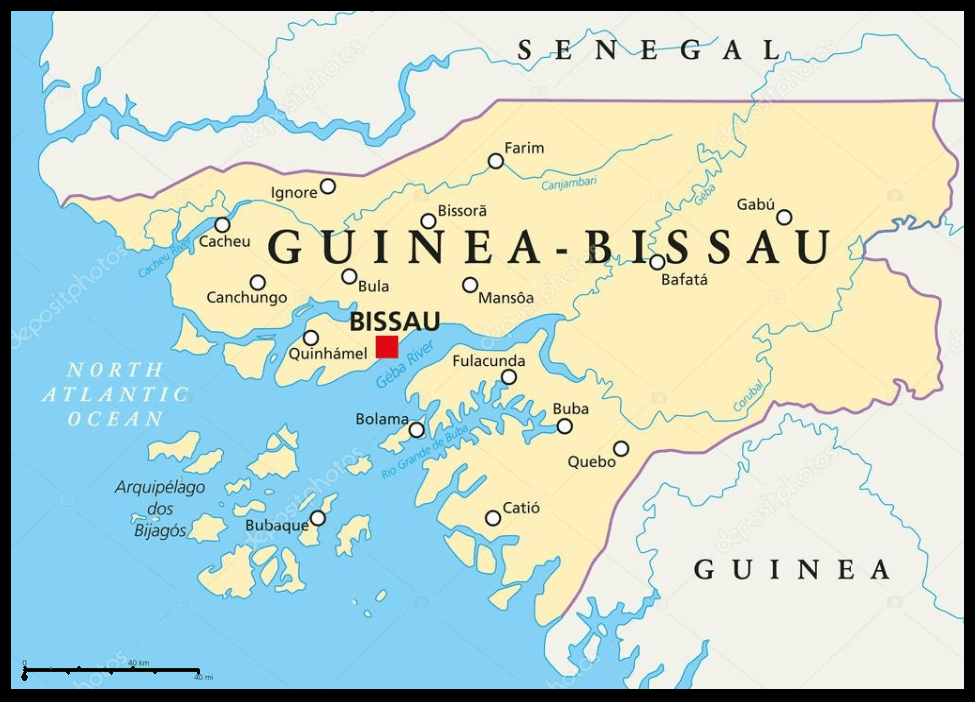
En el centenario del natalicio de Amílcar Cabral, saludamos a esta figura revolucionaria ejemplar. Nacido el 12 de septiembre de 1924 en Bafata, Guinea (colonia portuguesa), Cabral creció teniendo en el corazón la libertad de África. Fue un devoto panafricanista, poeta, ingeniero agrónomo, organizador, intelectual y teórico socialista.
Cabral jugó un papel decisivo en la organización del movimiento guerrillero PAIGC: el Partido Africano para la Independencia de Guinea-Bissau y Cabo Verde, (en portugués) Partido Africano para a Independência da Guiné e Cabo Verde. Esta entidad tenía como objetivo derrocar el colonialismo portugués por cualquier medio necesario.
EL COLONIALISMO ES UN CRIMEN CONTRA LA HUMANIDAD
Los gobernantes blancos europeos se acostumbraron a enriquecerse robando los minerales y recursos naturales de África, como oro, plata, cobre, diamantes, petróleo, productos agrícolas y más. Se dividieron el continente entre ellos sin el consentimiento ni la consideración de los deseos de los africanos que fueron abusados durante siglos mediante la esclavitud, la tortura, la violación y la muerte.
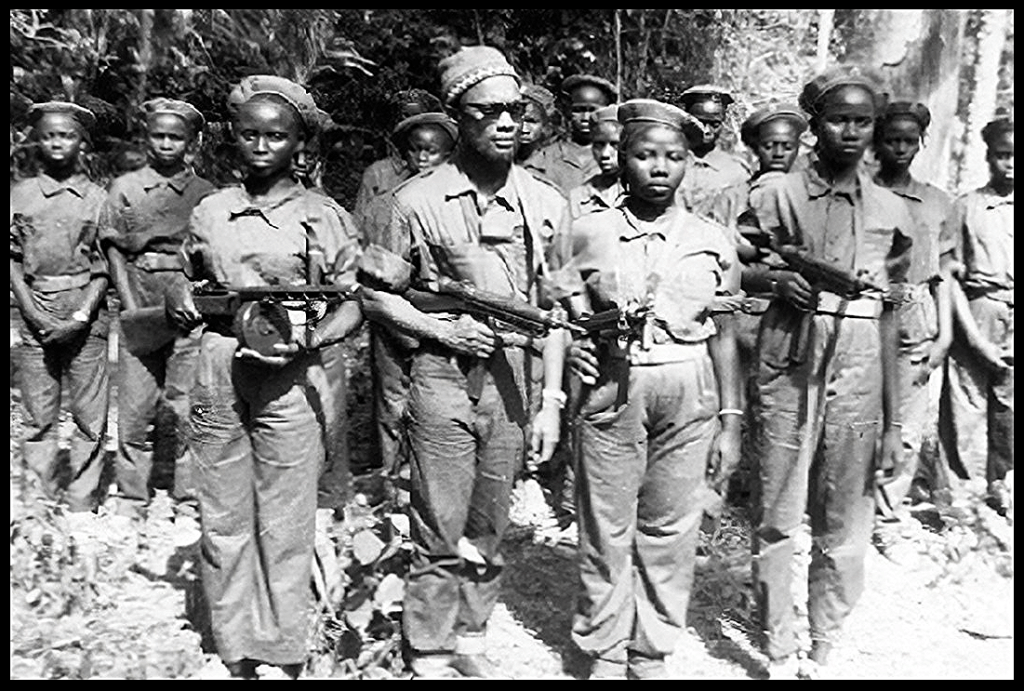
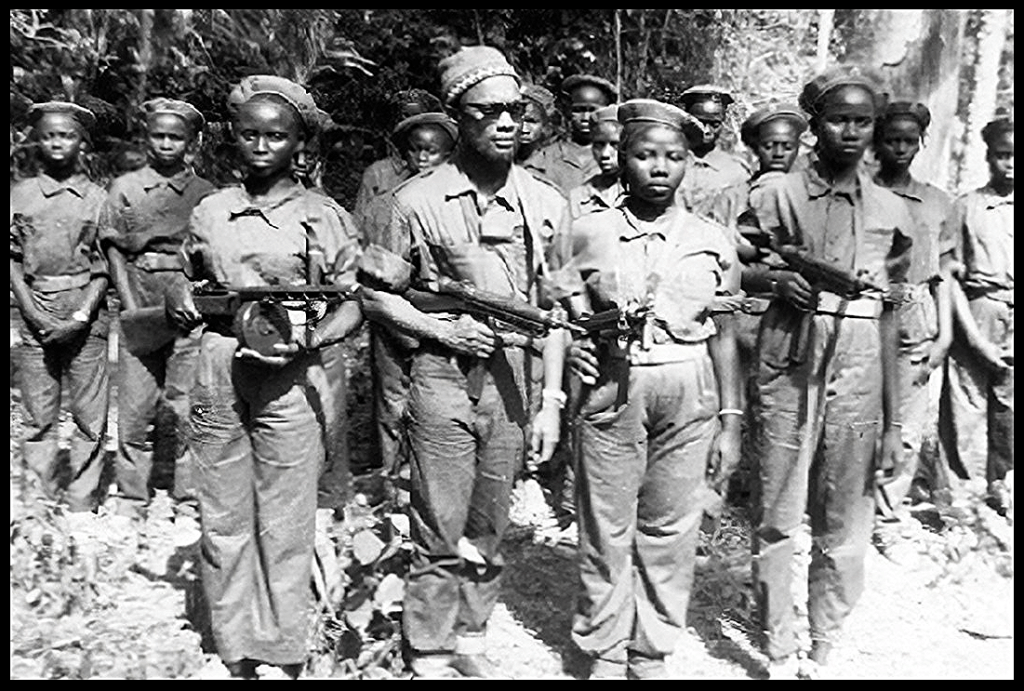
Amílcar Cabral (centro) con sus compañeros del movimiento guerrillero PAIGC.
El estado permanente de agitación que continúa experimentando África se atribuye a la naturaleza subversiva de los Estados imperialistas, que operan como instigadores para dividir y conquistar. Los abundantes recursos naturales de África la convierten en la región territorial más rica de la Tierra. Sin embargo, la población nativa es la más pobre del mundo, con la constante amenaza de hambruna.
No es de extrañar que las agencias de inteligencia del imperialismo como la CIA estén rutinariamente en guardia y listas para desatar sus fuerzas militares del USAFRICOM y la OTAN contra los movimientos de liberación de África.
Mientras estudiaba en el Instituto Superior de Agricultura (en portugués: Instituto Superior de Agronomia), en Lisboa, Portugal, Amílcar Cabral conoció a compañeros de estudios afiliados a movimientos nacionalistas en Argelia, Benin, Gabón, Ghana, Costa de Marfil, Kenia, Mozambique, Namibia, Congo. , Angola y Sudáfrica.
La visión de Cabral de un África emancipada lo motivó a establecer relaciones con movimientos nacionalistas en todo el continente. Fue la visión revolucionaria del mundo de Cabral lo que lo motivó a unirse a los camaradas panafricanistas angoleños para crear el MPLA (Movimiento Popular para la Liberación de Angola).
Nadie podrá jamás cuestionar la solidaridad internacionalista practicada entre los diversos movimientos nacionalistas africanos. A riesgo de sufrir represalias por parte de Portugal y otras potencias europeas, Kwame Nkrumah, que fue Primer Ministro de la Costa Dorada de 1952 a 1957, y luego Primer Ministro y Presidente de Ghana de 1957 a 1966, permitió que las guerrillas del PAIGC establecieran una base de operaciones dentro del territorio de ese país.
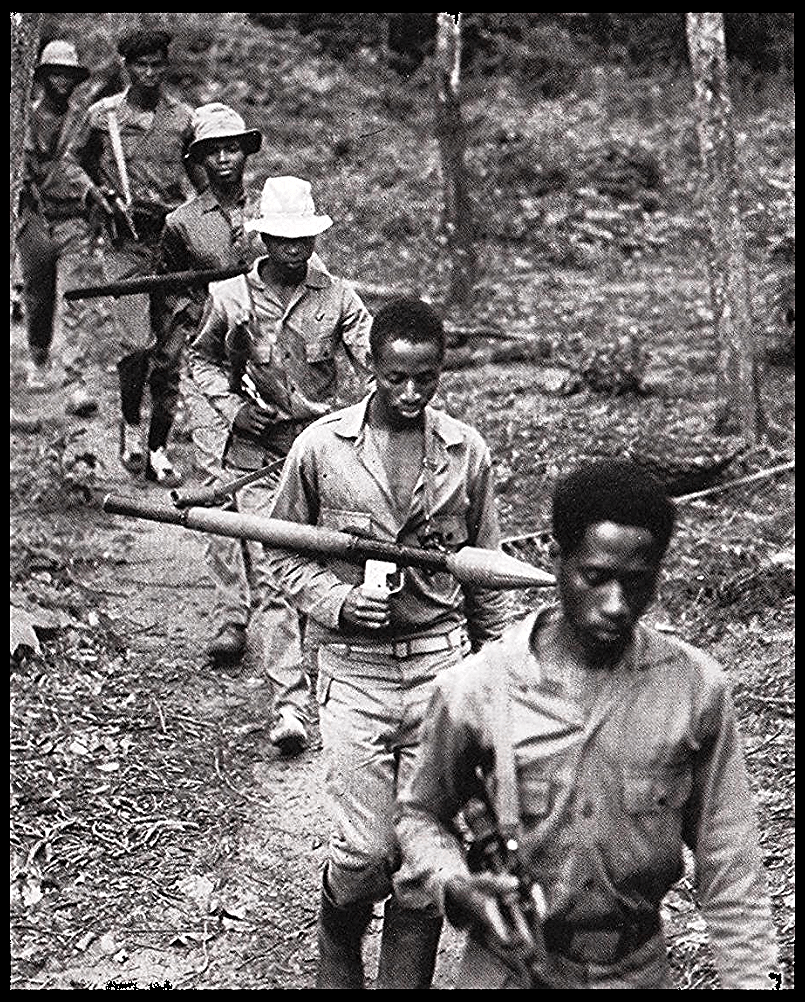
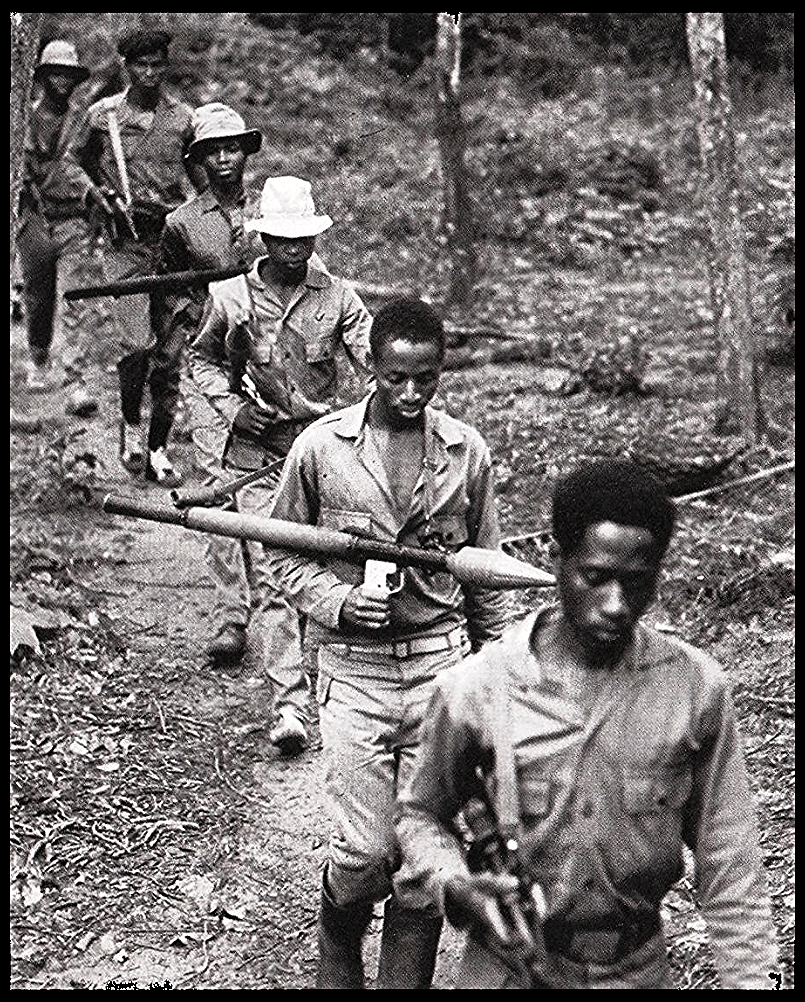
Guerrilleros del PAIGC realizando patrullas.
EL SOCIALISMO APOYA LA LIBERACIÓN NACIONAL
Como resultado de la relación de Amílcar Cabral con la Unión Soviética, la República Popular China, la República Popular Democrática de Corea, la República de Cuba y otros países del Bloque Socialista, el movimiento PAIGC se benefició política y militarmente.
Cabral vivió durante un período de la historia en el que los movimientos nacionalistas africanos surgieron como una erupción volcánica en todo el mundo. El colonialismo europeo encontró su rival con el ascenso del panafricanismo ansioso por empuñar las armas y de Estados socialistas dispuestos a proporcionárselas.
Los países miembros del Bloque Socialista proporcionaron entrenamiento con armas sofisticadas, como lanzadores de cohetes antiaéreos que disminuyeron la capacidad de la Fuerza Aérea portuguesa para dominar los cielos de Guinea-Bissau y Cabo Verde.
Sólo en la Unión Soviética había campamentos secretos donde miles de guerrilleros del PAIGC recibían entrenamiento de las Fuerzas Especiales del Ejército Soviético. Gracias a la solidaridad recibida de Cuba y la Unión Soviética, las guerrillas del PAIGC pudieron infligir muchas bajas al ejército colonizador portugués.
AMICAR CABRAL Y LA REVOLUCIÓN CUBANA
Amílcar Cabral desarrolló un respeto especial por la Revolución Cubana, especialmente después de reunirse con Fidel Castro Ruz y Ernesto Che Guevara en dos visitas distintas que hicieron a África. Desde el punto de vista de Cabral, Cuba se convirtió en el modelo de la lucha de liberación nacional en Cabo Verde y Guinea-Bissau.
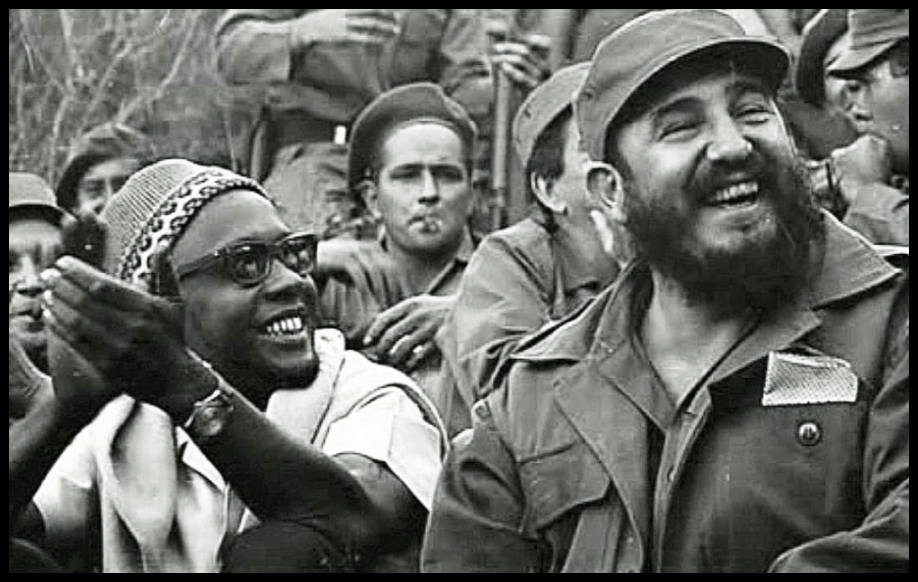
Amílcar Cabral y Fidel Castro Ruz disfrutando de un momento en un campamento guerrillero.
Esa admiración fue más allá cuando Amílcar Cabral visitó La Habana, Cuba, para asistir a la Conferencia Tricontinental de 1966. Estuvieron presentes delegados de 82 países donde se produjo el levantamiento revolucionario. Estas naciones incluían Vietnam, Palestina, Sudáfrica, Haití, Irlanda, Chile y Puerto Rico.
Cuba expresó su solidaridad proporcionando al ejército guerrillero de Guinea-Bissau medicinas, armas, municiones y asesores técnicos. Después de 1965, Cuba también se comprometió a proporcionar miles de tropas de combate.
Fue la relación de Cabral con Cuba la que le ayudó a comprender por qué era necesaria una ruptura total con el modo económico capitalista del imperialismo si se quería lograr la independencia en Cabo Verde y Guinea. Estos sentimientos alimentaron su determinación de luchar por el socialismo en ambos países.
Amílcar Cabral preparando sus armas.
Y como resultado de los avances militares logrados por las guerrillas del PAIGC, el despreciado gobierno fascista de Portugal fue debilitado y finalmente derrocado durante la Revolución de los Claveles del 25 de abril de 1974. Ese evento demostró cómo las luchas en las colonias pueden impactar las situaciones políticas internas de los países colonizadores, especialmente si están plagados de abrumadoras contradicciones internas.
El sueño de Cabral de una Guinea-Bassau y un Cabo Verde independientes parecía eminentemente cierto. Pero el 20 de enero de 1973, un antiguo rival del PAIGC llamado Inocêncio Kani, considerado un agente pagado por la inteligencia portuguesa, disparó y mató al amado líder. El asesinato fue efectivamente una pérdida para el movimiento, pero la tragedia no impidió la derrota de Portugal en esta región del noroeste de África.
Inocêncio Kani y sus cómplices intentaron huir en un barco después de asesinar a Cabral. Sin embargo, los guerrilleros leales al líder caído los persiguieron y, con la ayuda de un destructor de la Armada soviética, Inocêncio Kani y sus compañeros traidores fueron capturados y llevados ante la justicia.
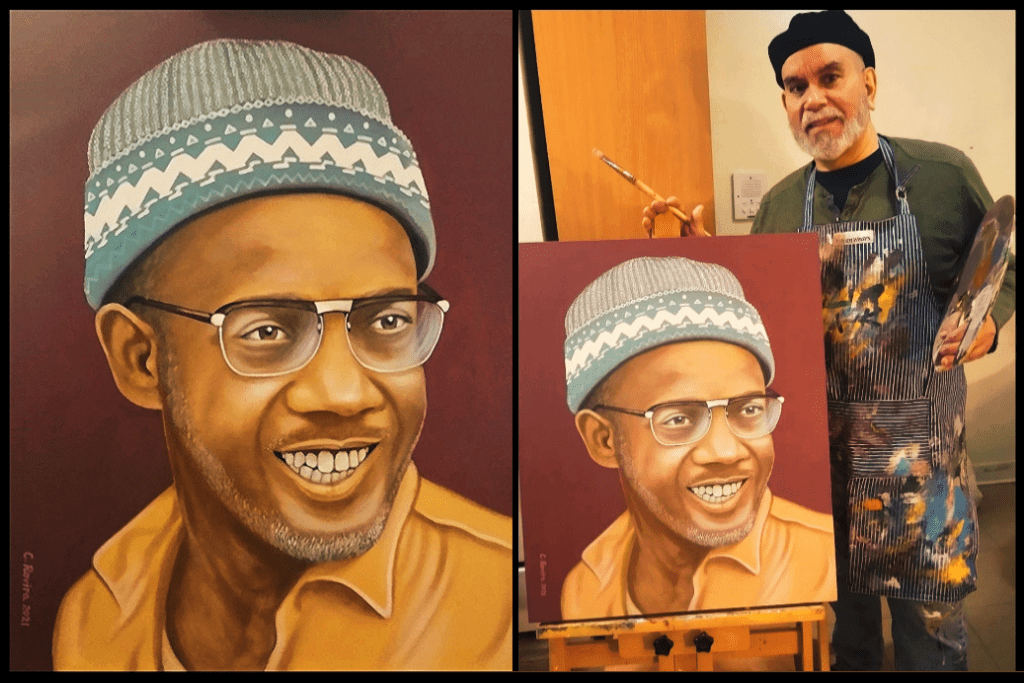
Mi homenaje artístico a Amilcar Cabral. 24″ X 30″, pintura acrílica sobre lienzo. Pintado en 2019.
Gracias al movimiento popular construido con el liderazgo de Amílcar Cabral, Cabo Verde y Guinea-Bissau obtuvieron su independencia a pesar de su asesinato. Será recordado como uno de los líderes revolucionarios legendarios de África en la clase icónica de Thomas Sankara, Patrice Lumumba, Steve Biko, Chris Hani, Nelson Mandela, Kwame Nkrumah y muchos otros.
Amílcar Cabral fue un nacionalista revolucionario porque amaba a su pueblo. También era un socialista devoto porque quería lo que consideraba indiscutiblemente lo mejor para África y todos los pueblos oprimidos.
“One of the most serious errors, if not the most serious error, committed by colonial powers in Africa, may have been to ignore or underestimate the cultural strength of African peoples.”-Amilcar Cabral
______________________________________________
By Carlos “Carlito” Rovira
On the 100th anniversary of Amilcar Cabral’s birth, we salute this most exemplary revolutionary figure. Born on September 12, 1924, in Bafata, Guinea (Portuguese colony), Cabral grew up possessing the freedom of Africa at heart. He was a devoted Pan-Africanist, poet, agricultural engineer, organizer, intellectual, and Socialist theoretician.
Cabral was instrumental in organizing the PAIGC guerilla movement – the African Party for the Independence of Guinea-Bissau and Cape Verde, (in Portuguese) Partido Africano para a Independência da Guiné e Cabo Verde. This entity aimed to overthrow Portuguese colonialism by any means necessary.
COLONIALISM IS A CRIME AGAINST HUMANITY
For more than five centuries white European rulers became accustomed to enriching themselves by robbing Africa’s natural resources such as gold, silver, copper, diamonds, oil, agricultural products and more. They divided the continent among themselves without the consent or regard for the wishes of African people who were abused by enslavement, torture, rape, and death.
Amilcar Cabral (center) with his comrades from the PAIGC guerilla movement.
The permanent state of turmoil that Africa continues to experience is attributed to the subversive nature of imperialist states, operating as instigators in order to divide and conquer. Africa’s abundant natural resources make it the riches territorial region on Earth. Yet, the native population is the poorest in the world, with the constant threat of famine.
It is no wonder why the intelligence agencies of imperialism like the CIA are routinely on guard and ready to unleash its military forces of USAFRICOM and NATO against Africa’s liberation movements.
While studying at the Superior Institute of Agriculture (In Portuguese: Instituto Superior de Agronomia), in Lisbon, Portugal Amilcar Cabral met fellow students affiliated with nationalist movements in Algeria, Benin, Gabon, Ghana, Ivory Coast, Kenya, Mozambique, Namibia, Congo, Angola, and South Africa.
Cabral’s vision of an emancipated Africa motivated him to establish relations with nationalist movements everywhere on the continent. It was Cabral’s revolutionary world outlook that motivated him to join Angolese Pan-Africanist comrades to create the MPLA (People’s Movement for the Liberation of Angola).
No one can ever question the internationalist solidarity practiced among various African nationalist movements themselves. At the risk of reprisals from Portugal and other imperialist powers, Kwame Nkrumah who served as Prime Minister of the Gold Coast from 1952 to 1957, and then as Prime Minister and President of Ghana from 1957 until 1966, allowed PAIGC guerillas to establish a base of operations within that country’s territory.
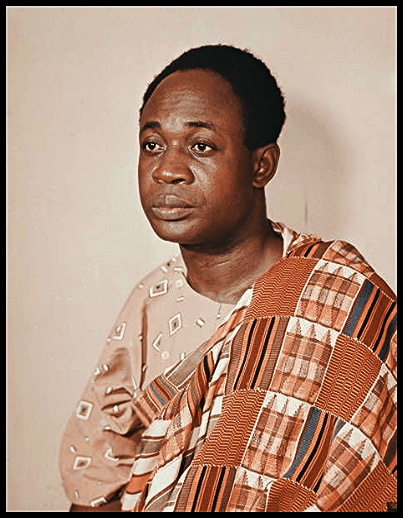
The legendary Kwame Nkrumah
PAIGC guerillas conducting patrols.
SOCIALISM STANDS WITH NATIONAL LIBERATION
As a result of Amilcar Cabral’s relationship with the Soviet Union, People’s Republic of China, Democratic People’s Republic of Korea, Republic of Cuba and other countries in the Socialist Bloc the PAIGC movement benefitted politically and militarily.
Cabral lived during a period in history when African nationalist movements rose up like a volcanic eruption everywhere in the globe. European colonialism met its match with the rise of Pan-Africanism anxious to pick up arms and Socialist states willing to provide them.
Member countries of the Socialist Bloc provided training with sophisticated weapons, such as anti-aircraft rocket launchers which diminished the Portuguese Airforce ability to dominate the skies over Guinea-Bissau & Cape Verde.
In the Soviet Union alone there were secret encampments where thousands of PAIGC guerillas received training from Soviet Army Special Forces. Thanks to the solidarity received from Cuba and the Soviet Union PAIGC guerillas were able to inflict many casualties on the colonizing Portugues Army.
AMICAR CABRAL & THE CUBAN REVOLUTION
Amilcar Cabral developed a special respect for the Cuban Revolution, especially after meeting with Fidel Castro Ruz and Ernesto Che Guevara on two separate visits they made to Africa. From Cabral’s standpoint, Cuba became the blueprint for the national liberation struggle in Cape Verde and Guinea-Bissau.
Amilcar Cabral and Fidel Castro Ruz enjoying a moment at a guerilla encampment.
That admiration went further when Amilcar Cabral visited Havana, Cuba to attend the 1966 Tri-Continental Conference. Delegates from 82 countries where revolutionary upheaval occurred were present. These nations included Vietnam, Palestine, South Africa, Haiti, Ireland, Chile and Puerto Rico.
Cuba expressed its solidarity by providing Guinea-Bissau’s guerilla army medicine, weapons, ammunition, and technical advisors. After 1965, Cuba also committed to provide thousands of combat troops.
It was Cabral’s relationship with Cuba that helped him understand why a complete break with imperialism’s capitalist economic mode was necessary if independence in Cape Verde and Guinea were to be attained. These sentiments fueled his determination to strive for Socialism in both countries.
Amilcar Cabral preparing his weapons.
And as a result of military gains made by the PAIGC guerillas, Portugal’s despised fascist government was weakened and ultimately overthrown during the Carnation Revolution of April 25, 1974. That event proved how the struggles in the colonies can impact the internal political situations of colonizing countries especially if they are plagued with overwhelming internal contradictions.
Cabral’s dream of an independent Guinea-Bassau and Cape Verde appeared eminently certain. But on January 20, 1973, a former PAIGC rival named Inocêncio Kani believed to be a paid operative for Portuguese intelligence, shot and killed the beloved leader. The assassination was indeed a loss for the movement, but the tragedy did not prevent Portugal’s defeat in this Northwestern region of Africa.
Inocêncio Kani and his accomplices attempted to flee on a sea vessel after assassinating Cabral. However, guerilla fighters loyal to the fallen leader gave chase, and with the help of a Soviet Navy destroyer Inocêncio Kani and his fellow traitors were captured and brought to justice.
My artist tribute to Amilcar Cabral. 24″ X 30″, acrylic paint on canvas. Painted in 2019.
Thanks to the people’s movement built with Amilcar Cabral’s leadership, Cape Verde and Guinea-Bissau won their independence despite his assassination. He will be remembered as one of Africa’s legendary revolutionary leaders in the iconic class of Thomas Sankara, Patrice Lumumba, Steve Biko, Chris Hani, Nelson Mandela, Kwame Nkrumah, and many others.
Amilcar Cabral was a revolutionary nationalist because he loved his people. He was also a devoted Socialist because he wanted what he viewed as indisputably the best for Africa and all oppressed people.
“We are going to emancipate ourselves from mental slavery because whilst others might free the body, none but ourselves can free the mind. Mind is your only ruler, (it is) sovereign. The man who is not able to develop and use his mind is bound to be the slave of the other man who uses his mind” – Marcus Mosiah Garvey
————————————————–
From a young age, Marcus Garvey became inquisitive about the causes of Black oppression. Coming into a world filled with anti-Black racist hatred, Garvey sought ways to achieve justice and equality for people of African origin.
Garvey became the central figure of a social movement that developed at the early part of the 20th century in the United States. He was the founder and leader of the famous Universal Negro Improvement and African Communities League (UNIA-ACL) known as UNIA.
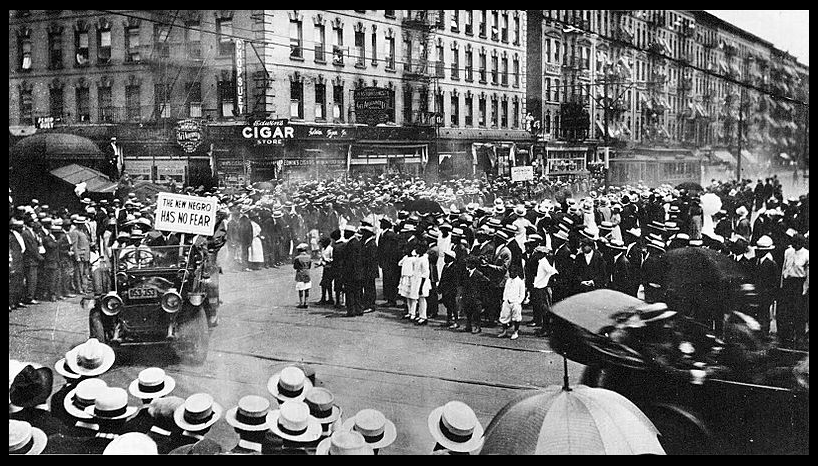
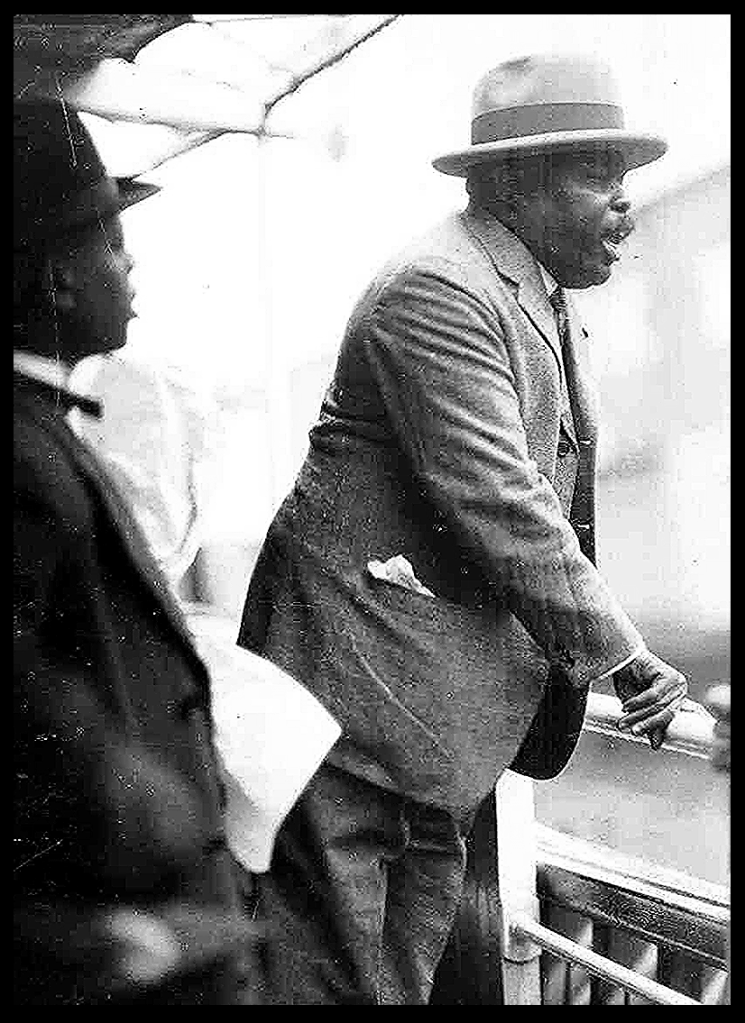
August 1, 1920, thousands of Black people gathered at a parade in Harlem, NYC, called by Marcus Garvey.
Garvey’s life journey involved becoming the catalyst of Pan-Africanism, a movement of profound significance that came at the heels of slavery. This critical movement defined the aspirations and nationalist sentiments of Black people across the globe in the modern era.
In many of his public speeches, Marcus Garvey prioritized expounding on Black pride to counter white supremacy’s historic psychological weapon against Blacks and other people of color – internalized racism.
The famous Harlem Renaissance, which unveiled the beauty of African American culture while also shattering many racist myths, resulted from Marcus Garvey’s call for Black people to be profound with their identity in all areas of dignified expression.
The Harlem Renaissance was a cultural explosion in the realm of the performing, literary and visual arts which served to discredit white supremacy’s assertions about “inferior” Black intellectuality. This was a movement that turned Harlem into the political and cultural center of the African American people.
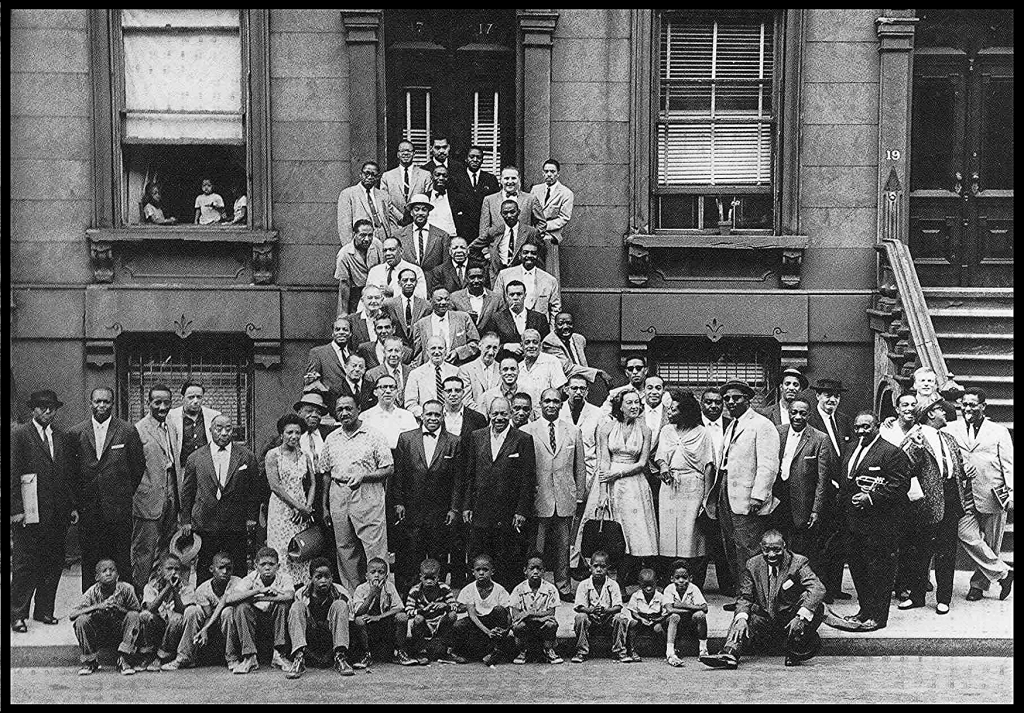
Years later, on Aug 12, 1958, Harlem Renaissance artists posed together at 17 East 126th Street.
UNIA’s fundamental premise called for 1) the right of Black people to self-determination 2) the right to economic power 3) the right to have Black educational institutions 4) the right to be free from racist violence, and so on. For millions of Black people, UNIA’s vision was an attractive proposition considering the centuries of degradation, violence, disregard and legalized enslavement.
UNIA’s ranks grew to enormous proportions by 1920 with 30 chapters in the United States and millions of members worldwide. The expansion of this movement deeply threatened the white supremacist ruling class who never saw such powerful organizing among Black people. Hundreds of thousands African Americans exerted their strength by uniting into a sophisticated and mighty force.
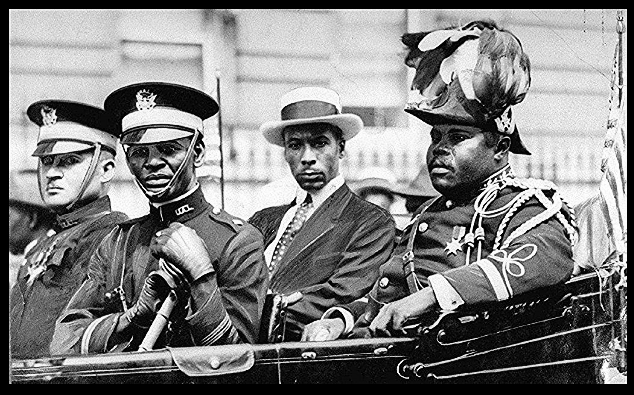
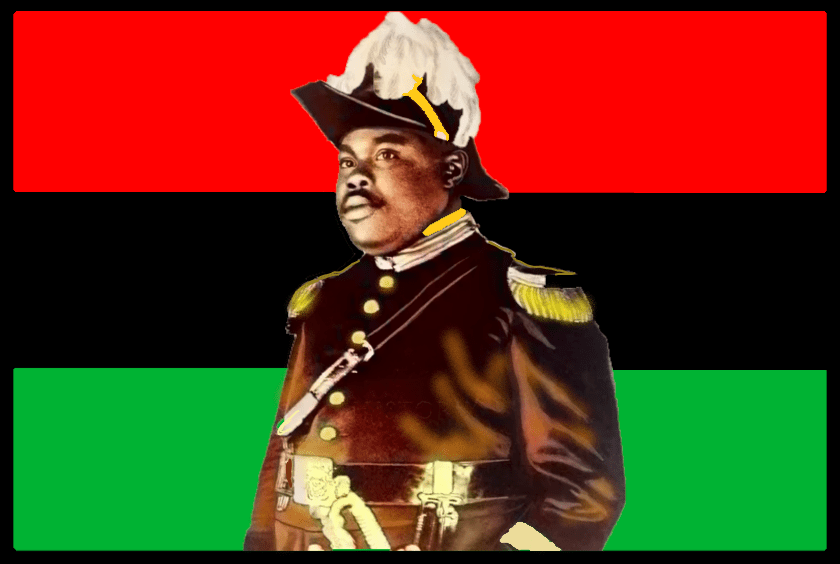
Marcus Garvey believed that wearing uniforms projected power, discipline, and strength.
U.S. rulers had ample reason to feel apprehensive about the rising Garveyite movement. The colossal wealth in the hands of the capitalist class accumulated over the course of centuries from the suffering of enslaved Black labor.
No one can deny how that apprehension resulted in violence Black people endured everywhere in the United States. Take for example, the horrors that occurred during the destruction of Black Wall Street on May 31 – June 1, 1921, in Tulsa, Oklahoma. Racist white citizens feverishly murdered Black people while burning to the ground their community of prosperous businesses.
Garveyism Inherently Internationalist
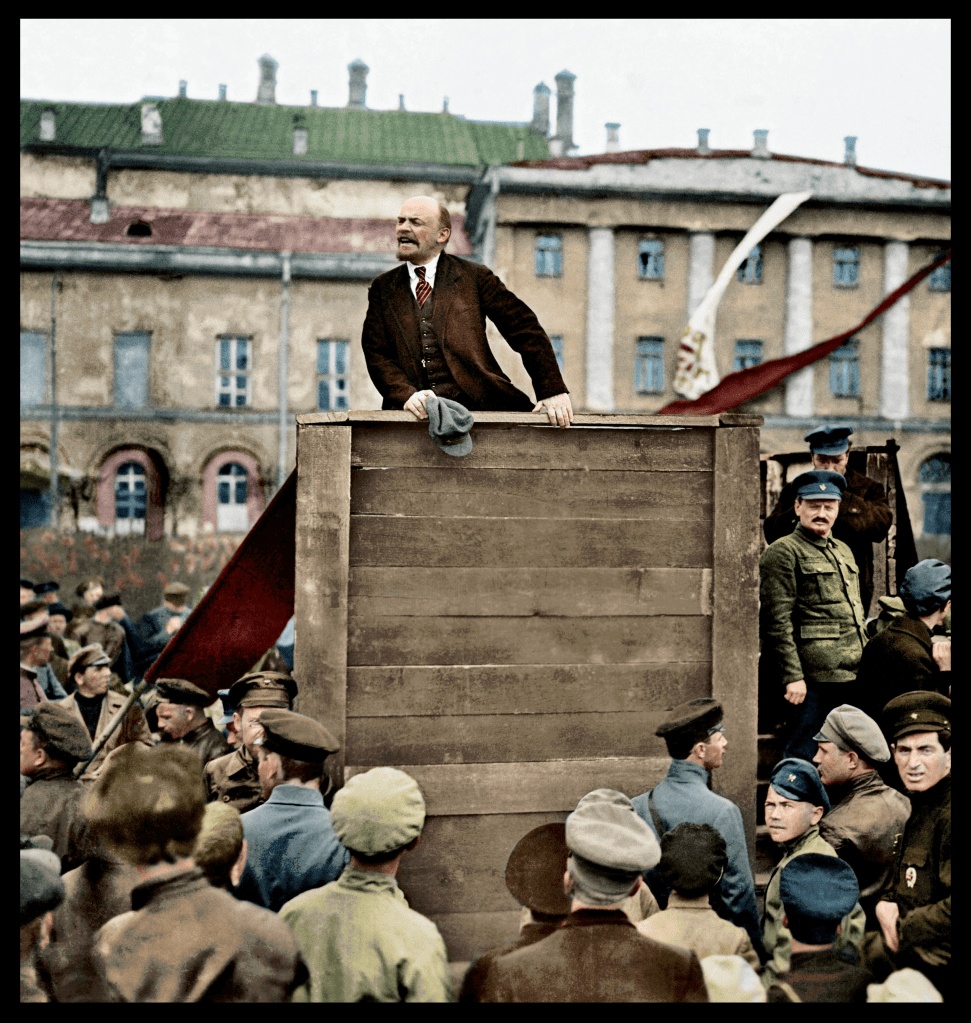
To the dislike of Washington officials, soon after the victorious 1917 Russian Socialist Revolution, Marcus Garvey dispatched a letter to Vladimir Ilyich Leninexpressing praises and congratulations. And following Lenin’s death on January 21, 1924, Garvey continued to express admiration for the achievements of the Communist leader.
In a speech presented in Harlem, NYC on January 27, 1924, Marcus Garvey stated: “One of Russia’s greatest men, one of the world’s greatest characters, and probably the greatest man in the world between 1917 and 1924, when he breathed his last and took his flight from this world. We as Negroes mourn for Lenin because Russia promised great hope not only for Negroes but to the weaker people of the world.”
Lenin speaking to working-class combatants of the Russian Revolution.
On July 27, 1919, Marcus Garvey expressed condemnation for the greatest U.S. ally – British imperialism. At a massive gathering in Harlem’s Liberty Hall Garvey defiantly voiced solidarity for the Irish Citizen Army (ICA) who battled the British Army during the Easter Rising, in a courageous attempt to free Ireland from English colonial rule.
Marcus Garvey boldly condemned England and compared the plight of the Irish people with Africans. Garvey also called the execution of James Connolly and his comrades by a British firing squad an appalling act of tyranny.
In 1925, Garvey visited Puerto Rico to meet with the renowned Puerto Rican Nationalist leader, Dr. Pedro Albizu Campos. Campos’ outspoken oratory against the “racist practices in the house of the empire” caught Garvey’s attention. Despite their differences in goals and tactics, the meeting was highly symbolic. The two leaders proceeded in their separate line of march but with the highest respect for each other’s liberation struggle.
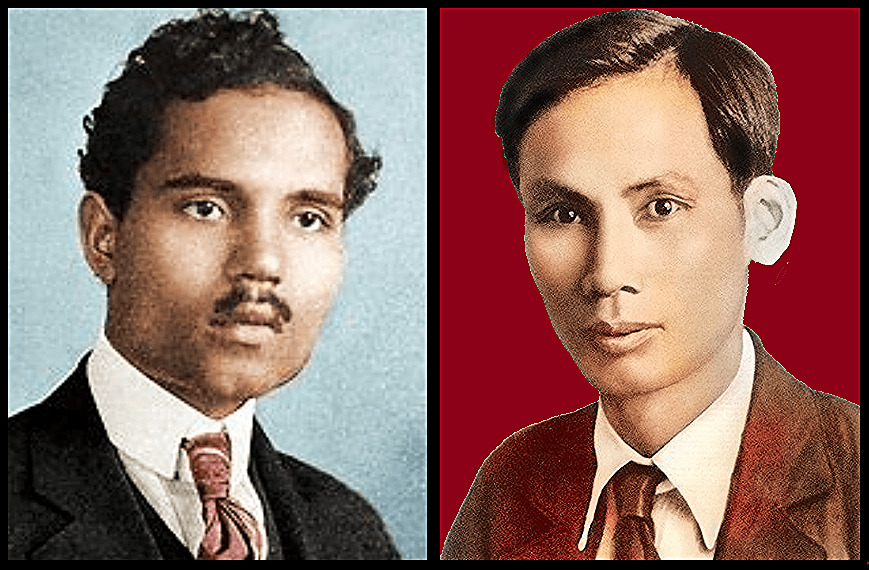
Puerto Rico’s Dr. Pedro Albizu Campos and Vietnam’s Ho Chi Minh.
Vietnamese revolutionary leader Ho Chi Minh lived in Harlem during his youth and attended UNIA’s public meetings at Liberty Hall where he was impacted by Marcus Garvey’s speeches. Years later, Ho Chi Minh repeatedly spoke of the plight of Black people to shed light on the genesis of U.S. imperialism’s inhumanity. Thanks to being impressed by the Garveyite movement, in 1925 Ho Chi Minh authored his famous published essay titled “On Lynching and the Ku Klux Klan.”
Marcus Garvey’s influence was widespread. He was undisputably an outspoken internationalist who identified with the suffering and struggles of other oppressed people. Black Puerto Rican Arturo Alfonso Schomburg, who originated from the struggle for independence of his homeland, understood quite well this empathetic quality of Marcus Garvey’s thinking. Schomburg was one of Garvey’s loyal comrades.
Marcus Garvey, Arthuro Schomburg and other mourners at the grave of John E. Bruce
Persecution of Marcus Garvey
Garvey’s political success and influence provoked scrutiny by the white supremacist U.S. Government. Garvey and UNIA became the targets of investigation and sabotage, carried out under the direction of the notorious J. Edgar Hoover and the Justice Department.
Washington officials sought ways to exploit mistakes made to aggravate internal divisions within UNIA. The government’s efforts to stir chaos included using informants from the Harlem community as well as not-so-secret legal procedures, a precursor to COINTELPRO tactics, employed against the Black movement decades later.
Due to the growing momentum of workers struggle for the eight-hour day in the U.S., and the impact the victorious 1917 Russian Socialist Revolution had on the world, Washington officials sensed a threat and reacted with frenzy. Consequently, the “Red Scare” effected the entire spectrum of the social and economic life in the United States.
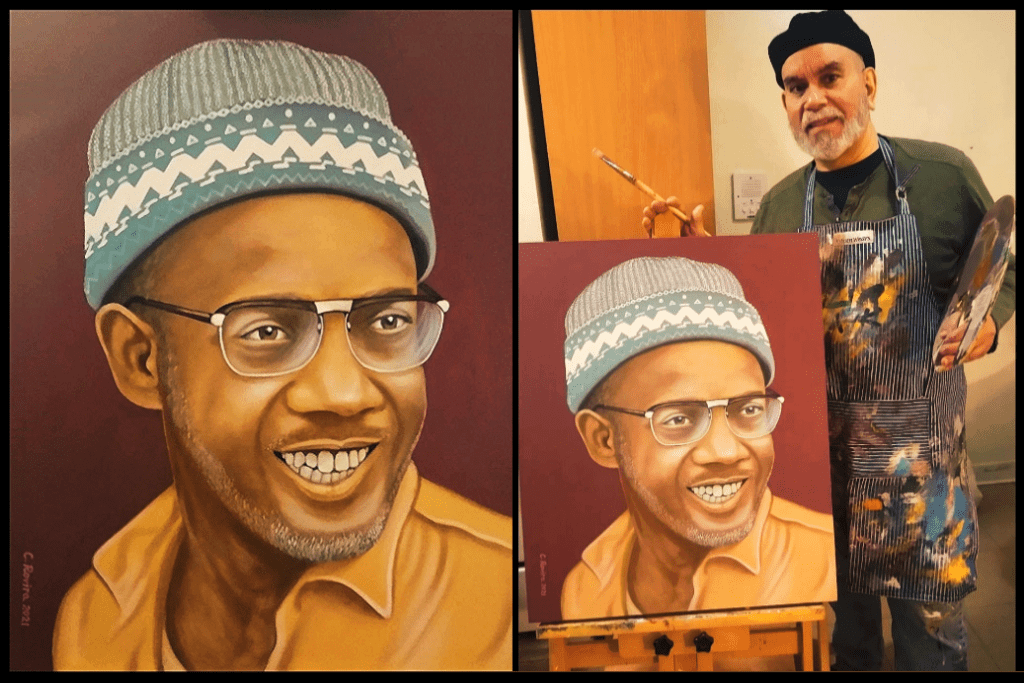
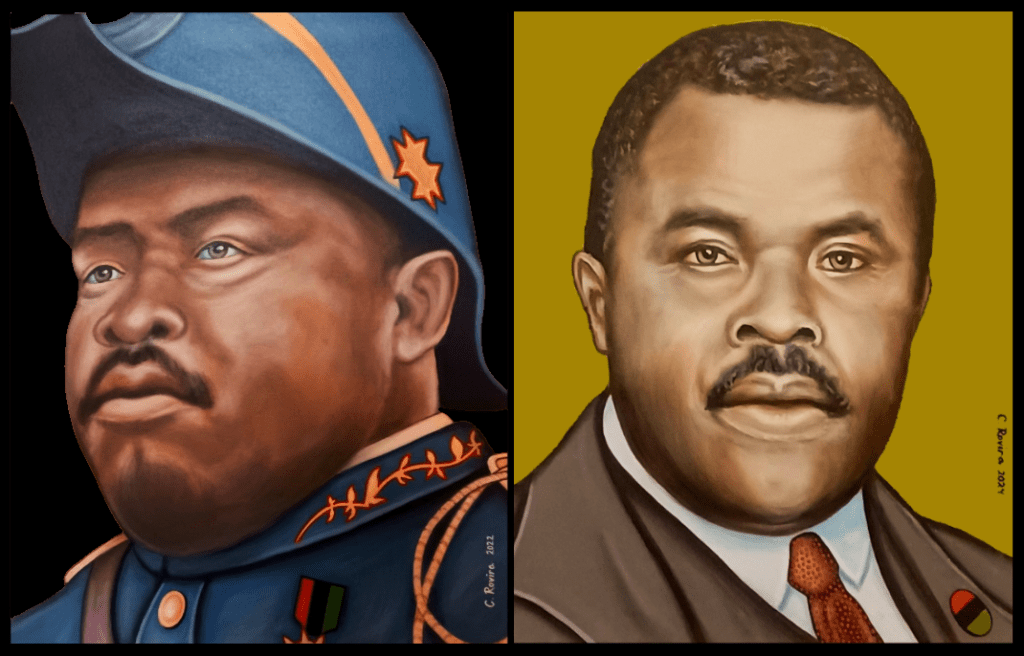
Two of my artwork pieces of Marcus Garvey. Both are acrylic paint on canvas.
Justice Department agents launched raids on public schools, universities, labor union offices, factories, homes, and places of worship. Far-reaching measures, in what became known in history as the “Palmer Raids”, were used to persecute immigrants, socialists, anarchists, and other pro-labor radicals.
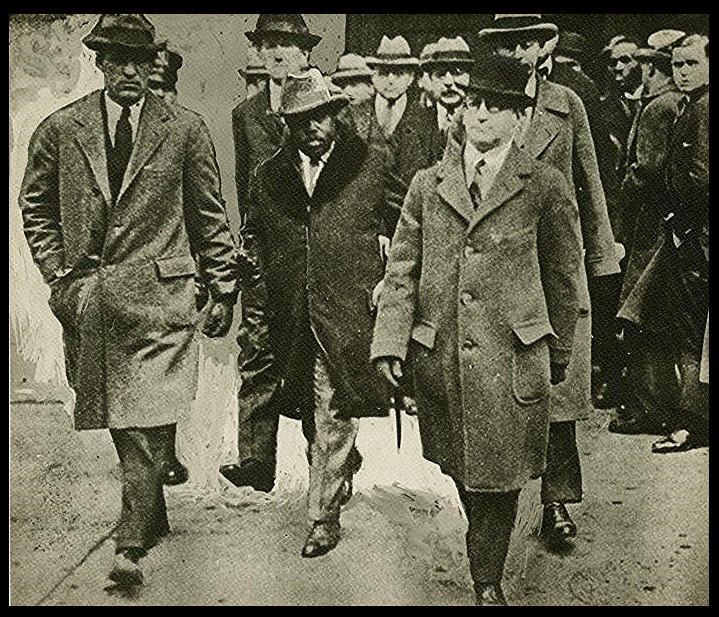
The government was not less vicious with Marcus Garvey and UNIA. In 1925 Garvey was convicted to five years in prison for a trumped-up criminal charge of mail fraud. But in 1927, the government chose commuting Garvey’s sentence to deport him. However, the Black liberation struggle continues to pose a political threat to the capitalist system.
Marcus Garvey unjustly in the custody of U.S. Marshals.
The Legacy of Marcus Garvey
Years after Garvey’s death his influence never vanished. The militant fury of the Black liberation struggle that ignited in the 1960s-1970s with the demands for justice and reparations at the fore are attributed to the Garveyite movement.
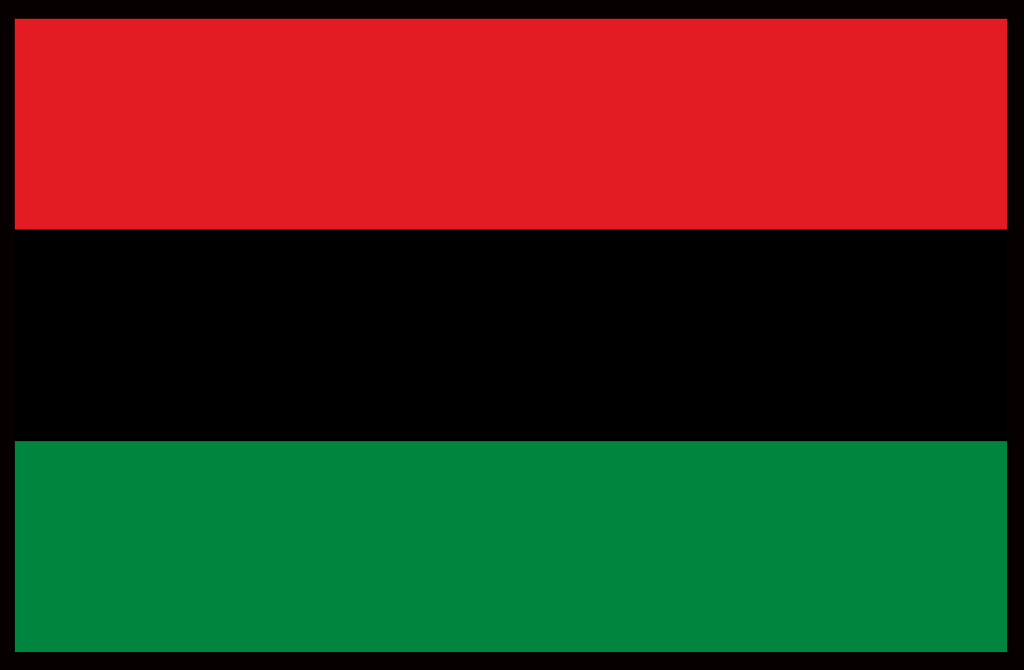
To accentuate the idea of Black people’s right to nationhood Marcus Garvey created a national symbol, the Red, Black, and Green, also known as the Black Liberation Flag. Today, it represents the aspirations and deepest sentiments connected to history, culture, and heritage of Black people.
Despite mistakes made, the Garveyite movement left us many lessons to be drawn in the interest of bringing about fundamental change in this society. Although oppression continues Marcus Garvey’s daring examples are part of what shall serve as a path to a better future world, free of white supremacy and capitalism.
His love for Black people and willingness to do whatever necessary to achieve their emancipation has earned him a special place in Black history and the archives of the class struggle.
Super Bowl 50 of February 7, 2016, in Levi Stadium, Santa Clara, California, when the Denver Broncos beat the Carolina Panthers 24-10, will be remembered for generations to come as the setting for another outburst of anti-Black racist hatred. This event will certainly be monumental in the history of race relations in this country.
For the most part, no one ever expected such a barrage of condemnation against the super-star African American singing artist Beyonce for her performance during halftime. The Super Bowl is an institutionalized extravagant sport event viewed by tens of millions of people annually throughout the United States.
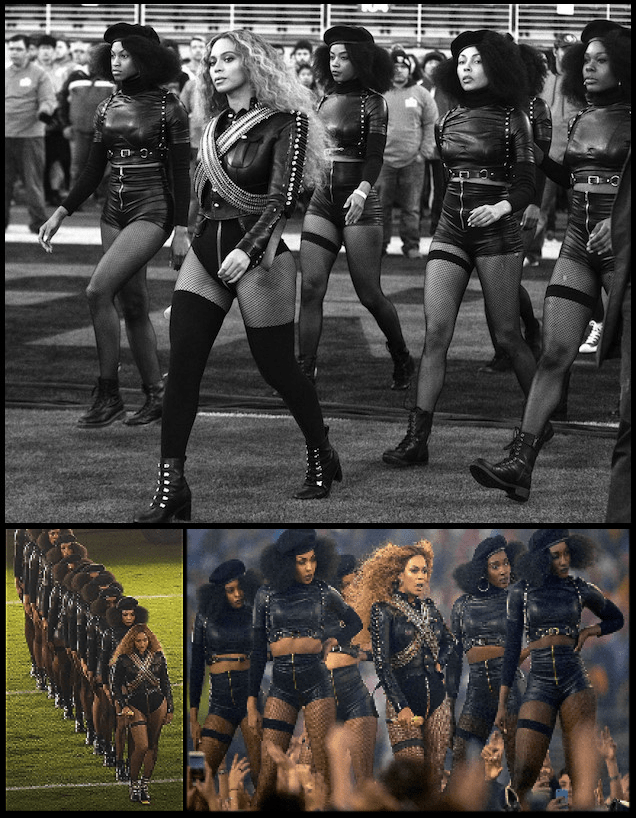
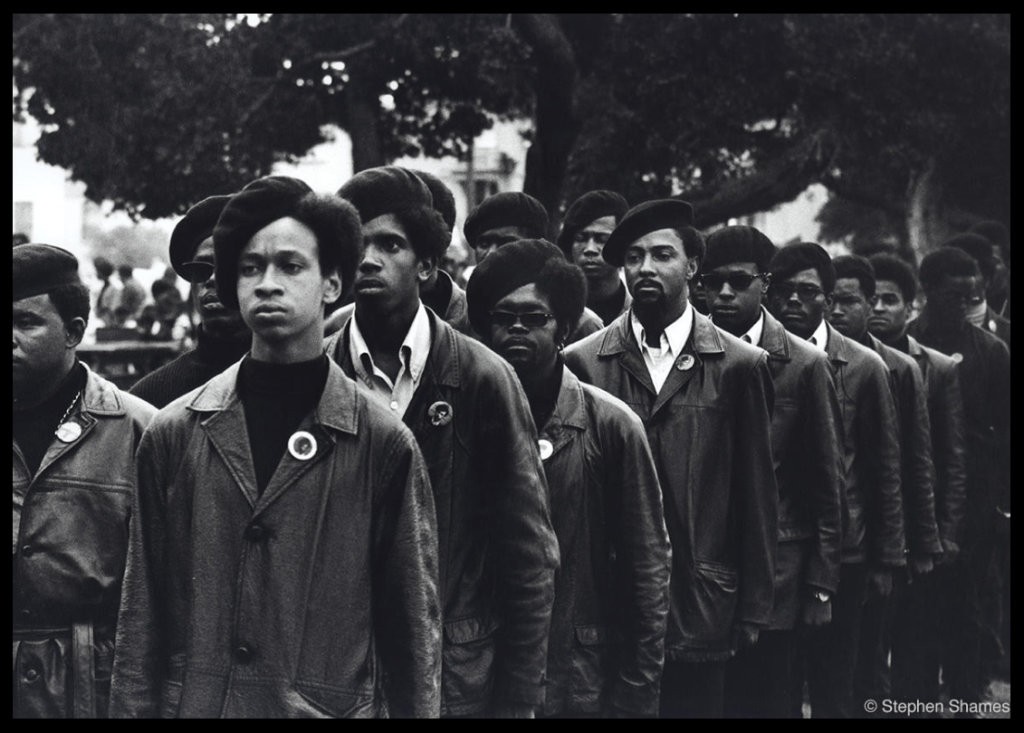
The controversy began immediately after a dance troupe of about 50 Black women, with Beyonce at the helm, took center stage in a beautifully choreographed arrangement and dress attire that made references to the legendary Black Panther Party and Malcolm X.
To many people nothing could have been a better tribute to the annual tradition of Black History Month (February) than to depict figures so symbolic, especially on the 50th anniversary of the Black Panther Party’s founding by Huey P. Newton and Bobby Seale.
Beyonce and performing dancers beautifully simulating Black Panthers’ disciplined formation.
But in order to understand why this performance became such a controversy we must first explore the causes that triggered it. Anyone who closely examines the norms of this violent “sport” will easily see how it tends to present itself as a feverish gladiator ritual. The definition of “sport” has been changed to mean inflicting bodily harm among high priced members of opposing teams and in some cases with permanent damage.
With military music bands playing and jet fighters flying high above the airspace, the Superbowl has become an event that insidiously promotes a peculiar version of militarism. It accentuates sexism, white supremacy, big nation chauvinist arrogance, war – all of the not-so-hidden ideas that prevail in the general thinking of capitalist culture.
With this kind of historically rooted setting, it came as no surprise when arch racists and notorious figures like New York State Representative Peter King and the disgraced former New York City Mayor Rudolph Giuliani, launched a barrage of attacks against the prominent Black female performer.
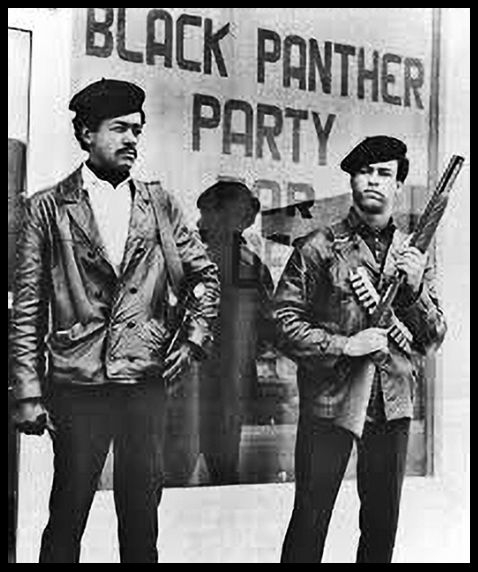
Black Panther Party members in a drill exercise.
Every moronic die-hard white racist consumed by the militarized sports culture most likely had something derogatory to say about Beyonce’s Super Bowl performance and the freedom struggle of Black people.
They were appalled that Beyonce would dare pay homage to heroic African American revolutionaries, even in the most minimized implicit manner. The vindictive outcry by these and other white supremacists has little to do with Beyonce or what they perceived as “offensive” during the halftime performance.
Malcolm X, the Black Panther Party and the mass upsurge that occurred during the 1960’s – 70’s, the height of the Civil Rights movement, continues to haunt the imagination of our oppressors to this day. Their apprehensions are attributed to the militant traditions of the African American masses which brought about the rise of Malcolm X and the Black Panther Party.
The lessons that came as a result of those experiences are indisputably applicable in our reality today – and that is precisely what these villains fear. Blacks, Latinos, Indigenous and other people of color continue to be brutalized and murdered by the police across the United States.
Black Panther Party co-founders Bobby Seale and Huey P. Newton.
Unlike the lies asserted by Guilliani and King it was the police who attacked, imprisoned and murdered Black Panthers in a criminal campaign organized by the Federal Bureau of Investigation (FBI) known as COINTELPRO. However, both Malcolm X and the BPP boldly advocated and practiced the right to use armed self-defense against the racist terror of the police in the Black community.
What the representatives of the ruling class are most upset about at Beyonce is that her Superbowl halftime performance reminded everyone of a period in U.S. history when Black people defiantly posed a threat to this racist system by galvanizing many sectors of the general population. This phenomenon presented the potential for revolution in this country under the impact of the Black liberation struggle.
The role Black people played in the events of that period in history is something the ruling class cannot forget or forgive. They will naturally dread the mere thought of a revolutionary upheaval until their final day of doom.
The Black Panther Party believed in the building a sophisticated revolutionary organization.
This is why former Black Panther and political prisoner Mumia Abu-Jamal has stated: “The tyrants, oppressors and racists who continue to hold political power in this country by using the most ruthless means cannot afford a repeat of the 1960’s.”
The plight of Black people, from the nearly 400 years of slavery, Jim Crow discrimination, mass incarceration and police brutality today, are facts that our oppressors and those who benefit from white privilege and entitlement would like us to ignore and forget.
Regardless, what Beyonce’s motives were, she touched upon a vulnerability of white supremacist America. If Beyonce’s halftime performance were a projection of jingoism, militarism or a glorification of white supremacy she would not have been targeted with condemnation.
Beyonce without a doubt merits our applause and praises for paying tribute through her performance to a historic symbol of African American defiance – the Black Panther Party.
LONG LIVE THE LEGACY OF THE BLACK LIBERATION STRUGGLE!
La lucha histórica del pueblo afroamericano fue la consecuencia inevitable de la introducción de la esclavitud por parte de los capitalistas en el hemisferio occidental. La experiencia colectiva del pueblo afroamericano a lo largo de muchas generaciones fue paralela al desarrollo del capitalismo estadounidense en cada etapa. Su difícil situación, desde la era de la trata de esclavos hasta la actualidad, revela la opresión inherente dentro del capitalismo.
El terror racista, la degradación y la discriminación fueron las circunstancias objetivas que impulsaron la existencia de la tradición militante de resistencia en las masas afroamericanas. Su firmeza en muchos momentos clave de la historia resultó ejemplar para el movimiento de la clase trabajadora estadounidense y, en particular, para otras nacionalidades oprimidas. La historia afroamericana está repleta de demostraciones de solidaridad genuina con otras luchas de liberación.
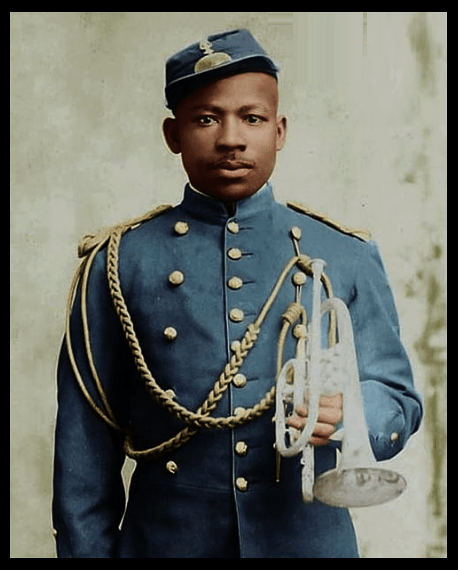
La Guerra Hispanoamericana tuvo un impacto significativo en los afroamericanos, especialmente en los soldados negros que fueron enviados a librar una guerra colonial en nombre del imperialismo estadounidense. Las tropas negras estaban resentidas porque sus oficiales blancos usaban insultos raciales contra los filipinos, que recordaban su propia experiencia en los Estados Unidos. Muchos soldados negros desertaron para unirse al ejército guerrillero filipino anticolonial. El más notable de ellos fue David Fagan, de la 24ª División de Infantería. Fagan se ganó la admiración y el respeto del pueblo filipino y fue nombrado comandante de su ejército guerrillero.
David Fagan, desertó al ejército guerrillero filipino
La prensa negra, la Iglesia negra y figuras afroamericanas francas como W.E.B. DuBois, condenaron abiertamente los motivos detrás de la Guerra Hispanoamericana de 1898. El gobierno de los EE. UU., y las gigantescas empresas bancarias buscaron un conflicto militar con España para obtener el control colonial de Guam, Filipinas, Cuba y Puerto Rico.
El erudito puertorriqueño negro Arturo Alfonso Schomburg dedicó toda su vida a compilar vastas colecciones de escritos que documentan eventos significativos en la historia negra. Antes de mudarse a la comunidad de Harlem en la ciudad de Nueva York, Schomburg fue miembro de los Comités Revolucionarios clandestinos de Puerto Rico, que organizaron el famoso levantamiento Grito de Lares de 1868, una revuelta que pedía la abolición de la esclavitud y la independencia de Puerto Rico. Schomburg eventualmente se convirtió en una figura prominente durante el Renacimiento de Harlem, que desafió las facetas ideológicas de la supremacía blanca a través de las artes literarias, visuales y escénicas.
el legendario Arturo Alfonso Schomburg
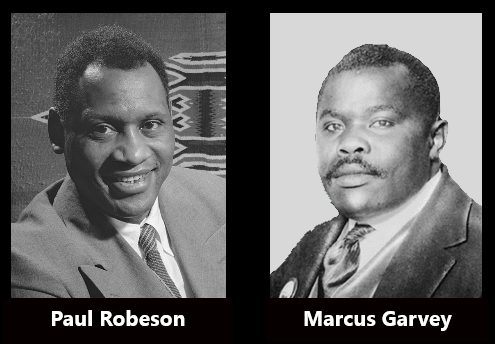
En muchas de sus actuaciones, el renombrado cantante, actor y comunista afroamericano Paul Robeson pedía a su audiencia un momento de silencio para expresar su solidaridad con el líder nacionalista revolucionario puertorriqueño encarcelado, el Dr. Pedro Albizu Campos.
El joven Pedro Albizu Campos ganó reconocimiento entre las figuras afroamericanas por ser muy crítico con el racismo dentro de los Estados Unidos. La madre de Campos era negra, lo que le dio una idea de primera mano del impacto de la opresión racista. La franca oratoria de Campos contra las “prácticas racistas en la casa del imperio” llamó la atención del líder panafricanista Marcus Garvey, quien viajó a Puerto Rico para reunirse con el reconocido líder.
A pesar de sus diferencias en objetivos y tácticas, este encuentro fue muy simbólico para ese período de la historia. La Revolución Rusa animó las luchas de los trabajadores y los movimientos nacionalistas en todo el mundo, incluidos los Estados Unidos y Puerto Rico, e infundió un sentido de vulnerabilidad en la clase capitalista estadounidense.
Lucha negra inspira militancia puertorriqueña
Los puertorriqueños han emigrado a la ciudad de Nueva York y los condados circundantes desde mediados del siglo XIX, en la mayoría de los casos, para escapar de la persecución colonial española. Pero en los años posteriores a la Segunda Guerra Mundial y hasta bien entrada la década de 1960, los puertorriqueños migraron a los centros industriales de EE. UU., a una tasa promedio anual de 63,000 debido a las dificultades económicas causadas por el colonialismo de EE. UU. en Puerto Rico.
Lo que encontraron los migrantes puertorriqueños no fue lo que esperaban cuando se desarraigaron en busca de una vida mejor. Además de la agonía de tener que venir a una tierra extraña, la experiencia puertorriqueña ahora incluía propietarios racistas codiciosos, discriminación laboral y de vivienda, estigmatización cultural por parte de los medios de comunicación, brutalidad policial y el terror de las pandillas blancas racistas.
Si bien los puertorriqueños comenzaron su éxodo a fine de la década de 1940, los afroamericanos ya estaban involucrados en su “Gran Migración” desde los estados del sur donde históricamente se habían concentrado. Huyendo de las leyes racistas de Jim Crow y del terror del Ku Klux Klan, más de 5 millones de afroamericanos emigraron al norte, noreste y California entre las décadas de 1920 y 1960.
El instinto de cualquier pueblo oprimido es buscar aliados y encontrar formas de resistir. Los puertorriqueños que enfrentaban las realidades del colonialismo y el empobrecimiento podían relacionarse con el movimiento de derechos civiles y se sintieron atraídos por su audacia.
Las experiencias de estas dos comunidades oprimidas se unieron en el ámbito social y cultural, especialmente en las artes escénicas. Este fenómeno fue más notorio entre los músicos de ambas comunidades. Nadie puede negar la influencia afroamericana en el auge de los géneros musicales latinos que la diáspora puertorriqueña de la ciudad de Nueva York desarrolló durante los años 1960 y 1970, como el jazz latino, el bugalú y la salsa. Las afinidades que tenían entre sí las dos etnias también se atribuyeron a sus conexiones históricas mutuas con la cultura africana.
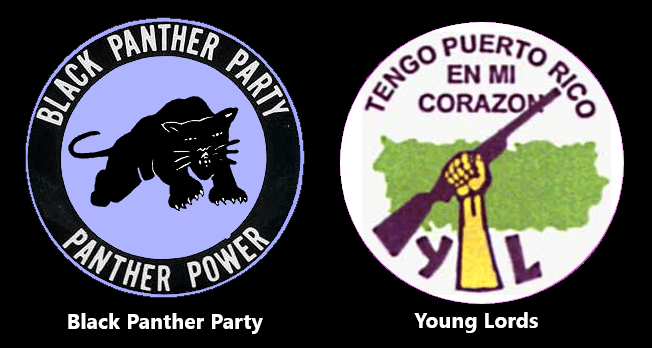
La Nación del Islam, integrada por afroamericanos de la religión islámica, comenzó a acercarse a los inmigrantes recién llegados con el objetivo de politizarlos. Y cuando el Partido Pantera Negracomenzó a organizarse en la comunidad puertorriqueña de Chicago, provocó la transformación de un grupo de jóvenes callejeros (“pandilla”) conocido como los Young Lords.
Los Young Lords fueron la primera organización revolucionaria puertorriqueña que surgió en los Estados Unidos a partir de las circunstancias políticas concretas de este país. Fueron un factor decisivo en la expansión de la militancia en las comunidades puertorriqueñas en varias ciudades de Estados Unidos. Al igual que los Panteras Negras, abogaron por una revolución multinacional en los Estados Unidos.
A medida que este movimiento ganaba impulso, los puertorriqueños adquirieron un sentido de esperanza y se sintieron inspirados para luchar por sus derechos políticos y económicos. Para la segunda mitad de la década de 1960, los puertorriqueños en los Estados Unidos se habían vuelto mucho más hábiles políticamente, gracias a las luchas de las masas afroamericanas.
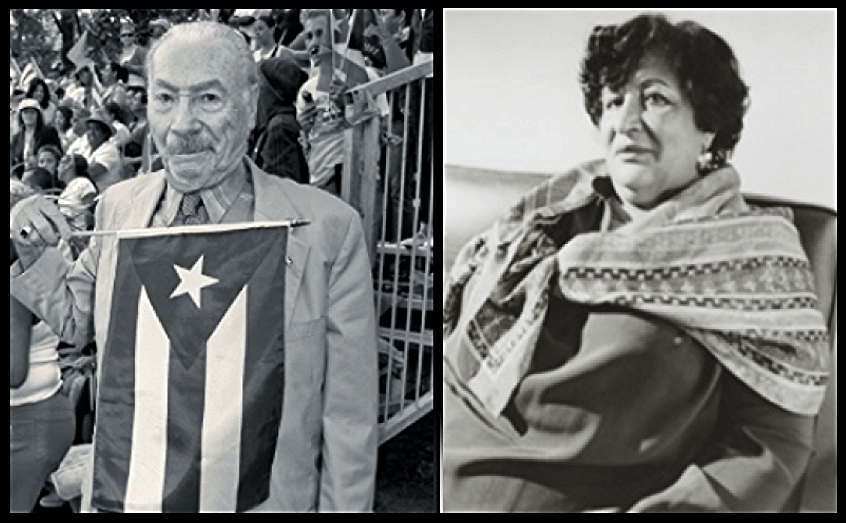
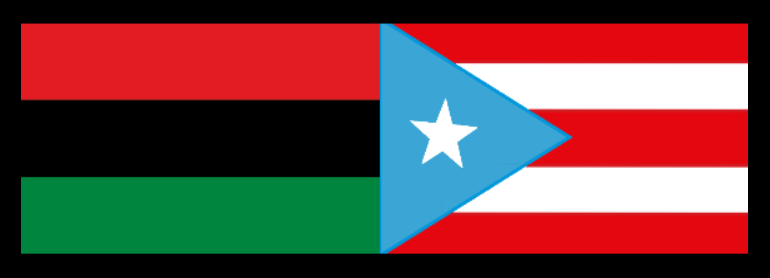
Los afroamericanos y los puertorriqueños desarrollaron aún más su afinidad mutua basada en la resistencia a la opresión racista. En ciudades como Chicago, Filadelfia y Nueva York, en manifestaciones callejeras y en campus universitarios, las masas afroamericanas y puertorriqueñas se alinearon instintivamente entre sí en una lucha común. No era inusual que la bandera de liberación negra (roja, negra y verde) fuera acompañada por la bandera puertorriqueña.
Un ejemplo significativo de esta solidaridad que alarmó a la clase dominante fue la toma estudiantil del City College en Harlem, Nueva York, en abril de 1969, que fue rebautizado como “Universidad de Harlem”. Estudiantes negros y puertorriqueños sorprendieron a muchos en todo Estados Unidos al unirse desafiantemente para tomar el control de 17 edificios del campus y exigir matrícula gratuita para todos en el sistema de la City University. Para demostrar aún más su audacia, estos estudiantes bajaron la bandera estadounidense de un asta e izaron la bandera de la liberación negra y la bandera puertorriqueña. Fue una imagen de resistencia nunca antes vista en este país.
Estudiantes negros y puertorriqueños tomaron el control de 17 edificios del City College en Harlem, Nueva York.
Las grandes lecciones aprendidas de esta experiencia siguen siendo profundamente relevantes hoy en día. La opresión negra fue fundamental en el surgimiento del capitalismo estadounidense, que los afroamericanos han enfrentado de frente en algunas de sus manifestaciones más opresivas. La lucha de liberación de las masas negras seguirá siendo una fuente de inspiración para todos los trabajadores y, en última instancia, será fundamental para forjar una unidad genuina.
On May 19, 1925, an admirable and resolute revolutionary figure was born in Omaha, Nebraska. This figure, who would achieve prominence in the liberation struggle of the African American masses, would become known in history as Malcolm X, el-Hajj Malik el-Shabazz.
Malcolm X’s life was troubled from childhood to early adulthood. However, his introduction into the Nation of Islam (NOI) was the pathway to becoming a revolutionary. As his ascension in the NOI grew, so did his personal life. After meeting and dating Dr. Betty Shabazz while both were in the NOI, they wedded on January 14, 1958, and together established a family with six daughters.
Dr. Betty Shabazz was instrumental to Malcolm X’s work, his gravitation towards revolutionary politics and creating the legacy as we know it today.
Dr. Betty Shabazz and Malcolm X, el-Hajj Malik el-Shabazz.
Malcolm was one of eight siblings, children of Louise Norton and Earl Little. Earl was an outspoken Baptist minister and a follower of the Black nationalist leader Marcus Garvey. His defiant character drew the attention of white racists like the Ku Klux Klan and the Black Legion. These thugs often harassed Malcolm’s family, and one evening their house was set on fire.
The 1920s were a decade that bourgeois historians describe as the “roaring twenties.” This is a false and vain glorification, considering that this period of capitalist prosperity meant something totally different for African Americans—who were the victims of widespread white mob lynching and other forms of racist terror.
In 1929, Malcolm’s family moved to Lansing, Michigan in pursuit of a safe and better life. But the family was not able to escape the racist violence. Earl Little was murdered, his body mutilated and found lying beneath a streetcar. Malcolm X always maintained that his father was the victim of a racist killing.
This tragic event had a heavy impact on Malcolm’s family. Unable to cope with the emotional consequences of her husband’s death and the financial hardships involved in raising children alone, Louise Norton suffered a breakdown and was committed to a mental institution. The state took custody of all the children and placed them in separate foster care environments.
Malcolm was a studious child with ambitions to become a lawyer. One day, when Malcolm expressed his aspirations to a teacher, he was told that he would never become a lawyer because he was Black. This experience with racism disillusioned Malcolm and discouraged him from continuing school.
The young Malcolm Little.
By the time Malcolm was a teenager, he made his way to New York City. He worked as a waiter for a period at the famous Small’s Paradise Club in Harlem. But he soon became a middleman for drugs, prostitution and other kinds of illegal activity.
In 1946, he and his closest friend Malcolm “Shorty” Jarvis moved to Boston. They were both arrested and convicted for burglary soon after. Malcolm was sentenced to 10 years in prison.
The Nation of Islam
It was in prison where Malcolm became political and acquainted with the NOI, led by Elijah Muhammad. Malcolm was attracted to the Muslim organization because it addressed the plight of racism and called for the right of African American people to have their own state.
Malcolm converted to Islam. Upon his release from prison in 1952, he became a devoted member of the NOI. It was at this point that he chose to repudiate his family name Little and instead use “X.” He considered the use of European names part of the legacy of chattel slavery. Black people were given the names of their slave masters to establish property ownership.
Elijah Muhammad and Malcolm X
Elijah Muhammad was highly impressed with Malcolm X’s oratorical talents and charisma. Malcolm proved to be an important asset to the Muslim organization, and he became a ranking minister. Malcolm’s ability to draw the attention of many with his magnifying persona convinced the leadership to entrust him with the task of establishing NOI mosques in other U.S. cities.
Many viewed his captivating personality and the power of his imagery as surpassing the persuasiveness of Elijah Muhammad. People were drawn to rallies precisely to hear Malcolm X speak. His talents contributed to the astounding membership increase in the Nation of Islam from 500 in 1952 to 30,000 in 1963.
‘No man should have so much power’
In one famous incident in 1957, a member of the NOI was beaten by the police in Harlem and did not receive medical attention. Malcolm X demonstrated the power of a disciplined people’s campaign by marching members of the NOI to the police precinct. They stood in formation in front of the police station.
Malcolm X addresses a rally in Harlem, New York City on June 29, 1963.
Malcolm insisted that the Black prisoner had a right to medical attention. Fearing a possible rebellion by the growing number of community residents who were emboldened by Malcolm X’s leadership, the police brass agreed to obtain medical attention for the detainee. Thousands of Harlem residents followed the ambulance from the precinct to Harlem Hospital.
The police then ordered that the Muslim formation disperse. Malcolm very calmly but firmly explained to the police commander in charge that the crowd standing at attention did not recognize his authority and was not going to listen to his orders.
At that point, after ensuring that the beaten man was being treated, Malcolm gave a hand signal. With military discipline, the Muslims about-faced and marched away. The police commander was overheard saying to his subordinates, “no man should have that much power.”
In 1963, following the assassination of President John Kennedy, Elijah Muhammad instructed his followers to refrain from making public statements. He was concerned that any inflammatory statements could be used by the racist U.S. government to repress the NOI. But Malcolm could not resist demonstrating his disposition towards the rulers.
One of my works depicting the image of Malcolm X. It is 20″X 24″, acrylic paint on canvas.
His blunt assessment — “the chickens have come home to roost”— was a widespread sentiment in the most oppressed communities, who had been shut out of the gains of the white capitalist United States. Kennedy was killed by the same violent methods that the power structure perpetrates on the conquered and oppressed.
But it was a shock to wide layers of the white population, unaccustomed to such a calm and critical assessment of U.S. society. The statement was used by a hysterical media to whip up a fear campaign against Malcolm and the NOI.
Diverging politics
The statement infuriated the NOI leadership. Elijah Muhammad forbade Malcolm X from speaking publicly for 90 days. Along with these organizational issues, political differences between Malcolm X and Elijah Muhammad became more difficult to reconcile.
Elijah Muhammad’s program was premised on a conservative notion of appeasement with the status quo. He sought to win legitimacy — but not on the basis of participating and giving leadership to the developing rebellious upsurge of the 1960s. Elijah Muhammad sought to promote a concept of Black capitalism, where the African American community would use the wealth, it generated to enrich a Black elite that could ultimately compete with the white racist ruling class on their terms. According to Muhammad’s views, that competition would begin when the Black elite was powerful enough.
Malcolm X, on the other hand, was attracted to the militancy of the civil rights movement. His approach was characterized by no compromise with the oppressors. His understanding of the depths of racism in the United States led him to conclude that the present system was inherently hostile to the interests of the African American people. Struggle was necessary to face the challenge. On every issue connected to the plight of the Black masses, he never hesitated to be critical in assessing the cruelty of the existing power structure.
Malcolm X meeting Dr. Martin Luther King
In March 1964, after many bitter internal battles, Malcolm X severed his relationship with the NOI. He set up the Muslim Mosque, Inc. The same year, Malcolm traveled on a pilgrimage to Mecca, Saudi Arabia. Coming in contact with Muslims of different races, including whites, was an experience that qualitatively changed his outlook towards race relations and the liberation struggle in the United States. For the first time, Malcolm saw a potential for a revolutionary struggle on the basis of a united front in this country. Upon his return, he again changed his name, to El-Hajj Malik el-Shabazz.
Government inflames split
Malcolm X became the target of a number of assassination attempts, including the Feb. 14, 1965, firebombing of his home where he lived with his family, Betty Shabazz and their four daughters. When Malcolm publicly disclosed the reasoning for his departure from the NOI, the relationship with his former colleagues grew dangerously antagonistic.
Malcolm’s tremendous leadership and ability to project hope for the oppressed Black masses was undoubtedly under close watch by police and Federal intelligence agencies. This scrutiny would have been in full swing after he met with the leader of the 1959 Cuban revolution, Comandante Fidel Castro Ruz on September 19, 1960, at the Hotel Theresa, in Harlem.
Malcolm X meeting with Cuban President Fidel Castro Ruz at Harlem’s Theresa Hotel in 1960.
Malcolm suspected that the FBI and police kept him under very close watch, a suspicion that was proven correct in later years with revelations of Operation COINTELPRO. He also suspected that the government was inflaming differences between the NOI and his organization. Malcolm was convinced that a scenario was being created that would lead to an attempt on his life.
On February 21, 1965, in New York City’s Audubon Ballroom, three armed men approached Malcolm as he spoke on stage. The assassins repeatedly fired their weapons at close range, taking the life of the beloved and respected African American leader.
Although Malcolm X’s assailants were members of the Nation of Islam, to this day ample evidence exist pointing to FBI, CIA and NYPD complicity. These government agencies possessed intelligence on plans to eliminate the outspoken Black leader. And because Malcolm’s anti-government message was gaining many followers throughout the country U.S. rulers welcomed the idea of having him silenced by any means. Malcolm’s enemies in the NOI being the ones to carry out the government’s wishes was a perfect scenario.
A legacy of militancy
There is no telling how Malcolm’s politics and tactics would have developed if he had not been assassinated. But one thing is certain: Malcolm X was a revolutionary and he was definitely gravitating towards embracing Socialism. In the entire stretch of his political development, he demonstrated a quality of fierce hatred toward the status quo of racism, oppression and exploitation. It was this trait that made him a militant and exemplary leader.
His impact was felt long after death. Most notable, the Black Panther Party’s political line was heavily influenced by Malcolm’s defiant and revolutionary Black nationalism, as well as by Marxism–Leninism.
In July 1962, Malcolm X spoke at a rally of striking SEIU Local 1199 Healthcare Workers in New York City.
The struggle that ensued within the Nation of Islam between Malcolm X and his followers, on the one hand, and Elijah Muhammad and more bourgeois conservative elements, on the other, was essentially a struggle between forces who sought a direction to end oppression. This phenomenon has always existed in the movements of socially oppressed sectors.
Malcolm died when he was 39 years old. Although he lived a short life, he had a powerful impact on the African American and other revolutionary movements in the United States. Malcolm’s expanding political world outlook itself was an increasing threat to U.S. rulers, like his views on the U.S.-backed Israeli occupation of Palestine which he adamantly held.
In particular, revolutionaries of all nationalities and others who strive to build a unified struggle learned from his powerful example of defiance against the grim reality of racism and alienation. They learned the need to build unity based on respect for the revolutionary potential of the African American masses.
Long live the revolutionary legacy of Malcolm X, El-Hajj Malik el-Shabazz
Among the historical demands of the African American liberation struggle viewed with the utmost contempt by the capitalist class is the demand for reparations. At least 12 million Africans were kidnapped and taken to the Americas in the trans-Atlantic slave trade.
The demand for reparations is based on the outright theft, degradation and genocide of the African American population during the hundreds of years of slavery in the United States. It is based on the continued impact of this period that lasts to this day in the form of systematic racism and inequality experienced by the Black community throughout the country.
It is also based on the continued benefits the U.S. capitalist class still derives from the wealth extracted from Black labor during the period of chattel slavery.
Unlike the human bondage of slavery in antiquity, African chattel slavery arose in the 15th century based on the expansion of capitalism. The exploitation of the labor of millions of African slaves allowed the then-infant European capitalist economies to achieve a level of growth never before seen by any social system.
Chattel slavery began around 1441 when armed Portuguese “explorers” captured Africans and shipped them to Europe. Once Christopher Columbus made his infamous intrusion into the Western Hemisphere, chattel slavery expanded and lasted well into the second half of the 19th century. This system formed the economic basis of deeply embedded racist ideology among people of European descent in the United States.
The initial process of rapid capital accumulation, a requirement for capitalist economic development, was accomplished by the European capitalist classes from the wealth created by enslaved Black labor and the massive theft of gold and other wealth from the Indigenous peoples of the Western Hemisphere also victims of genocide.
Today, bourgeois historians try to exonerate or distance the capitalist class from complicity in the brutal system of chattel slavery. But slavery, while not based on the “free” wage labor associated with capitalism, was inextricably bound to the development of this system. Slavery became an inseparable appendage of rising capitalism until its abolition in the 19th century.
The wealth accumulated from slave labor strengthened capitalist industries and commerce. Textile industries, agriculture and shipbuilding prospered as a result of cheaper goods and raw materials obtained by enslaved African labor. The more slavery expanded, the more it became an impetus for capitalist economic development not only in the United States, where slavery was strongest, but throughout the world.
But what was first a tremendous stimulant for capitalist economic growth ultimately became an economic depressant in the United States. The slave-based plantation economy in the South competed directly with the growing manufacturing economy in the north, based on “free labor.”
The competition between these social systems was the basis for the U.S. Civil War from 1861 to 1865. African chattel slavery in the United States was the most lucrative of all.
Chattel slavery was abolished after the Civil War, but the impact of that brutal system remained, both in the wealth of the U.S. ruling class and continued racist oppression of the Black population.
The colossal wealth today, amounting to trillions of dollars, is boasted about in stock market reports by the world’s richest corporations like FleetBoston Financial, the railroad firm CSX and the Aetna insurance company. These entities owe their growth to the brutally exploited labor of millions of African people.
But like any system of exploitation, slavery also provoked the aspirations of the Black masses for justice and compensation. The demand for reparations is an expression of these aspirations to benefit from the vast wealth that millions of enslaved people produced.
The exact formulation of the demand for reparations has varied over the many phases of the Black liberation struggle through the era of slavery itself, the period of Reconstruction following the Civil War, to the present day. But whatever the form in which the demand has manifested, it has always expressed the collective desire of African Americans to be compensated for the criminal exploitation they endured as an enslaved people.
`Forty acres and a mule’
During the Civil War, the southern slave-owning class held a special hatred for the northern general William Tecumseh Sherman. In 1864 and 1865, Sherman led an army of Black and white Union soldiers marching through South Carolina, Georgia and Florida. Along the way, he ordered the total destruction of munitions factories, crops, railroad yards, clothing mills, warehouses and other targets to deny resources to the Confederacy. It was an effective measure of psychological warfare aimed at all who resisted the will of the Union Army.
On Jan. 11, 1865, Sherman met with leaders of the Black community in Savannah, Georgia. Most of them were former slaves. The spokesperson of the Black leaders was 67-year-old Garrison Frazier, who was born a slave in North Carolina.
Frazier gave voice to the aspirations of the millions of African Americans who had just been released from slavery as a result of the 1863 Emancipation Proclamation. “The way we can best take care of ourselves is to have land,” Frazier told the Union general.
These African Americans were a principal factor in Sherman’s decision to issue Special Field Order 15 on Jan. 15, 1865. That military order provided 40,000 former slaves with 400,000 acres of land confiscated from the defeated slave owners. It is believed to have been the origin of the demand for “40 acres and a mule.
For the first time, a representative of the northern capitalist class had recognized, in a limited way, the rights of former slaves to receive some form of compensation for their centuries of oppression. And while the order was issued for tactical purposes by the northern capitalist government in its campaign against the southern slavocracy, it provided a glimpse of what the oppressed Black nation could achieve in a full-blown social revolution.
Reversal of Civil War gains
Hopes for real economic reparations for former slaves were short-lived. The immediate needs of the northern ruling class in crushing their southern competitors were replaced by the overall goal of stifling the aspirations of the oppressed Black masses. Sherman himself went on to unleash U.S. government terror against the Native American people.
The overthrown slave owners were enlisted as allies in this project. Former members of the Confederacy engaged in counter-revolutionary activities, setting up the terrorist Ku Klux Klan to roll back the gains of the postwar period of Radical Reconstruction.
One of Andrew Johnson’s first acts as president after the assassination of Abraham Lincoln was to rescind Special Field Order 15, returning the old land titles to their former owners. Throughout Johnson’s presidency, he vetoed every proposal that granted land to former slaves in the southern states and the western frontier.
Radical Republicans made other attempts to pass legislation compensating former slaves, such as providing pensions for the former slaves. These bills met fierce opposition in Congress; none survived.
As the United States entered the 20th century as a rising imperialist power, it became ever clearer that the capitalist class motives during the Civil War had nothing to do with genuine Black emancipation. Instead of receiving reparations, African Americans were the constant target of disenfranchisement, persecution and racist terror.
The struggle to win reparations for African Americans diminished in the earlier part of the 20th century, largely overshadowed by the necessary struggles against lynching and KKK terror. At the height of the Civil Rights movement during the 1950s and 60s, reparations once again became a central demand of the Black liberation struggle.
Prominent figures like Queen Mother Moore, theBlack Panther Party, Student Nonviolent Coordinating Committee, Nation of Islam and others reintroduced the demand for reparations, often in militant and defiant ways.
The complicity of white people in Black oppression can only be rectified when they raise the banner of Black liberation as their very own.
During the course of the mass civil rights and Black liberation movements, the U.S. government was forced to allow some progressive legislation. In particular, voting rights, expanded welfare programs and some elements of affirmative action were achieved although all of them are under constant attack.
The question of property rights
But throughout this period, all sectors of the U.S. ruling class have been hostile to any form of reparations to the African American community. The reason is simple: The demand raises the question of property rights. The bottom-line function of the U.S. government is to preserve capitalist property against all demands from those without property.
Economics is the lifeblood that allows for human social development. Destroying, hindering or depriving a people of an economic means of life is an essential step for an oppressor in carrying out the business of subjugation. This is why the capitalist class is hostile toward any reference to reparations.
Of course, the capitalist rulers never hesitate to demand reparations in the form of financial compensation when it comes to their own property or interests. For example, they still whine about property that was expropriated by the Cuban people after the 1959 revolution.
Ruling-class commentators and pundits try to use bourgeois legality in arguing that African slaves are no longer living and that the claim for reparations should not apply to their descendants. But the wealth created by slave labor became the foundation of many U.S. corporations and was the basis for the rise of the U.S. capitalist class: the railroad conglomerate CSX, Aetna, JP Morgan Chase, WestPoint Stevens, Union Pacific and Brown University, to name just a few.
It is by that bourgeois legality that the wealth created by the slaves and appropriated by the slave owners has continued in the form of corporate wealth and passed down through inheritance laws to families and individuals.
Under the legal codes of capitalism, the debt owed to the ancestors of the vast majority of African Americans today should be recognized by the same inheritance laws by which the rich have benefited. The denial of these rights is another example of the racist disenfranchisement of the Black nation in the United States.
What will reparations look like?
Of course, the concrete expression of how reparations should be granted has generated discussion and debate, even among advocates of reparations. For example, some call for reparations in the form of material incentives such as funds for education programs.
At a September 2000 forum sponsored by the Congressional Black Caucus and initiated by Rep. John Conyers, Congressperson Tony Hall supported a call for a panel to study the call for reparations. “I would hope that it would consider among many things, investments in human capital for scholarships, for a museum like Congressman [John] Lewis has proposed, for things that would improve the future of slaves’ descendants,” he testified.
The Black Panther Party placed reparations at the center of their political perspective. Hall, who is white, articulated a modest message. He had sponsored legislation calling on Congress to issue a formal apology for slavery something that the U.S. government has never done. The version of reparations he described is one designed to be tolerated by some sector of the capitalist class itself.
Activist and author Sam Anderson, representing the Black Radical Congress at the same 2000 panel, projected a more radical vision of the movement for reparations. “[A] comprehensive reparations campaign embraces all of our sites of struggle and areas of concerns,” he said. Anderson laid out a program of fighting for free health care, debt cancellation both for the Black community in the United States as well as African nations and freedom for political prisoners. “A reparations campaign is fundamentally anti-racist, anti-capitalist and anti-imperialist,” he said.
Reparations and Socialism
Throughout the decades that the demand for reparations has been raised, it is clear that the ruling class is vehemently opposed to any form of economic redress for the descendants of victims of slavery. Every effort to make the most moderate version of reparations is rejected out of hand.
Every effort of groups like the National Coalition of Blacks for Reparations in America and others deserves the support of all working people of every nationality. Solidarity among the working class means recognizing the right of oppressed nations to real redress for the exploitation of centuries.
Reparations for African Americans automatically means the expropriation of the capitalist class. In short, taking back the wealth, and everything connected to it, that the rulers stole from oppressed and exploited people since their existence first began.
Socialists and revolutionaries concern themselves with raising the anti-capitalist essence of the demand for reparations, making it a central theme for the revolution in this country. For anyone to claim that they are “socialist” but are either ambiguous or opposed to reparations are in essence promoting a sham version of “socialism.”
Given the dynamics of the class struggle in the United States and the extreme reliance on racism by the ruling class, reparations for the oppressed automatically imply the expropriation of the capitalist class.
The demand for African American reparations has wide-ranging implications with regard to the history and social structure that prevails in this society.
It is a demand that has been taken up around the world by other oppressed nationalities. In fact, reparations for Indigenous-First Nation people after the U.S. genocidal campaign, for Mexican people for the conquest of territory, for the Puerto Rican people, for more than a century of U.S. colonialism, for Cuba, Palestine, Haiti, Venezuela and so on. These and more are part and parcel of the U.S. working-class program for socialist revolution.
REPARATIONS FOR AFRICAN AMERICANS, AFRICA & THE AFRICAN DIASPORA, NOW!