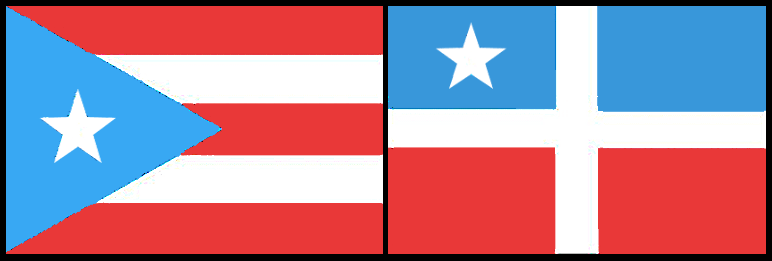
DON JULIO PINTO GANDIA & the Nationalist Party of Puerto Rico

By Carlos “Carlito” Rovira

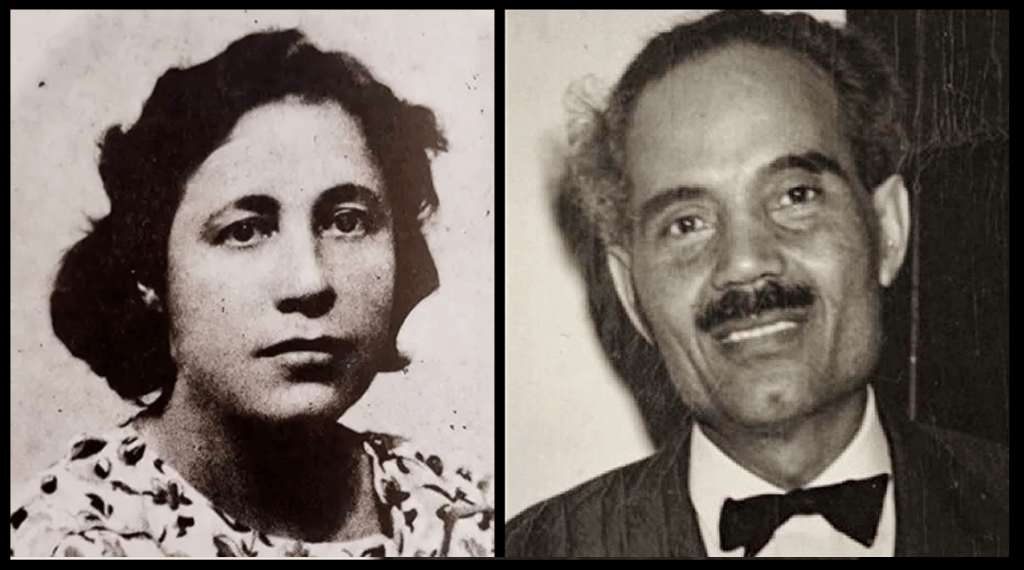
Julio Pinto Gandia was someone whom I remember during my childhood visiting our family home on the Lower East Side, New York City. I knew him as Don Pinto. My parents and other family members were affiliated with a secret committee of the Nationalist Party of Puerto Rico that operated in New York City, of which Don Pinto was leader.

Born in Manati, Puerto Rico on July 9, 1908, Gandia was one of the most outspoken advocates for the independence of Puerto Rico from U.S. colonialism throughout most of his life. He became a close and trusted confidant of the iconic Nationalist leader Dr. Pedro Albizu Campos and became known as his “right-hand man.”

Pedro Albizu Campos, Gilberto Concepción de Gracia and lawyer Julio Pinto Gandía, in the San Juan courthouse, Puerto Rico (1936)

When Campos was incarcerated in the 1930s for seditious conspiracy to overthrow the U.S. government in Puerto Rico, Gandia was asked to fill in as Interim President of the Nationalist Party.

And because Don Pinto Gandia was a legal attorney himself he worked closely with the Socialist Congressman Vito Marcantonio who represented New York’s East Harlem community. They both collaborated for several years to fight for Campos’ release from prison while using his legal case to expose the criminality of U.S. colonialism in Puerto Rico.
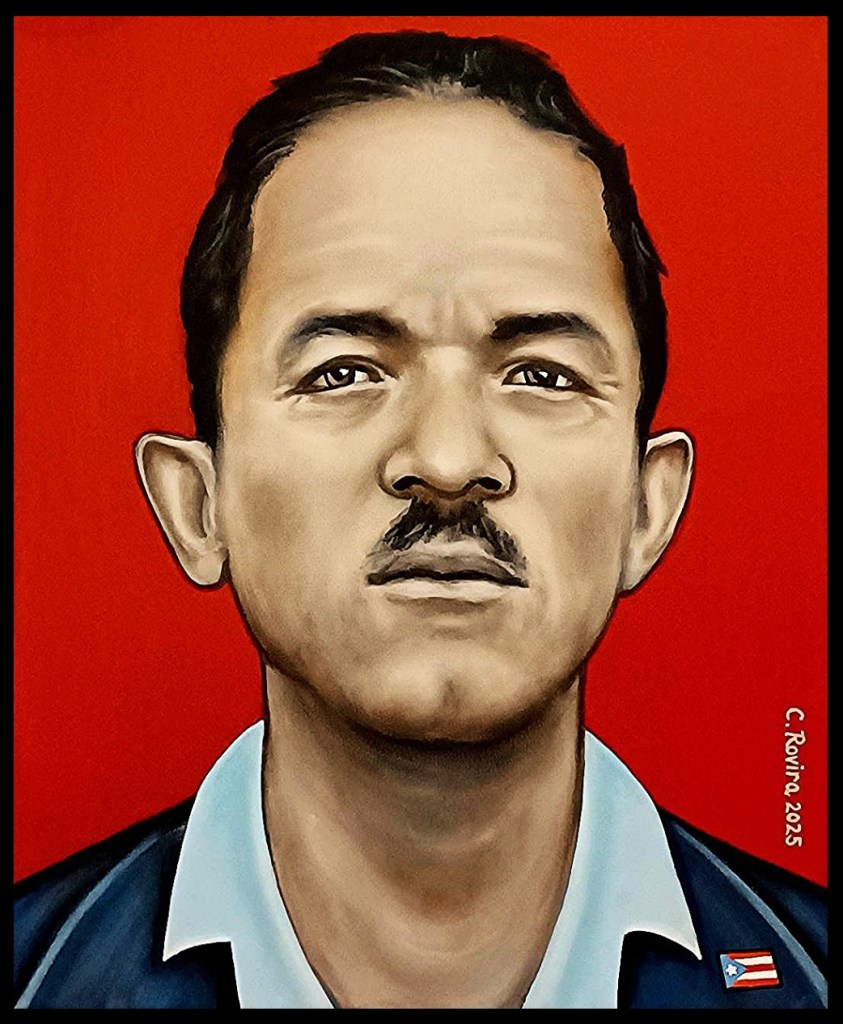
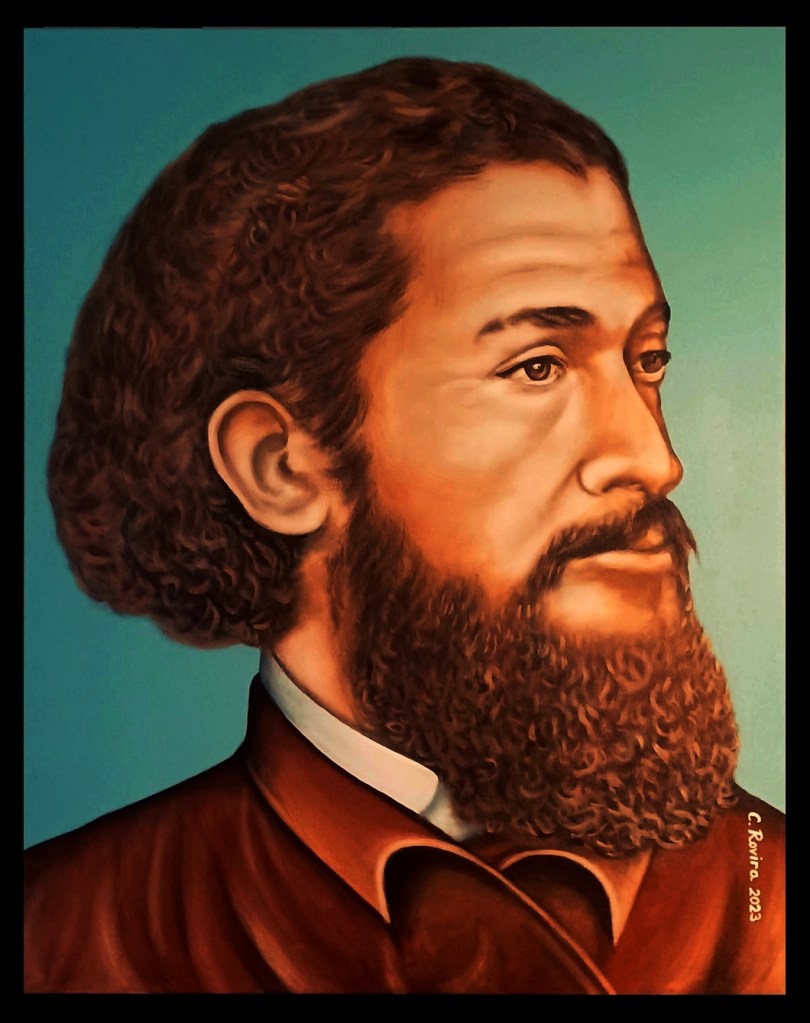
My portrait of Don Julio Pinto Gandia. 20″ X 24″, acrylic paint on canvas.

But Gandia was himself under the watchful eye of the Federal Bureau of Investigation (FBI), especially during the repressive McCarthy Era (1947-1957) of which in Puerto Rico it was more fascistic. He was constantly arrested by the FBI and other colonial authorities. And to interfere with his livelihood and cause further personal harm, in 1937 Gandia was disbarred from the practice of law in Puerto Rico.

Gandia was also accused of being the “mastermind” of the March 1, 1954, Nationalist armed attack on the U.S. House of Representatives. Lolita Lebron, Rafael Cancel Miranda, Irvin Flores Rodriguez, and Andres Figueroa Cordero staged that daring act to bring attention to the plight of the Puerto Rican people. From that point on Gandia was frequently arrested for questioning.
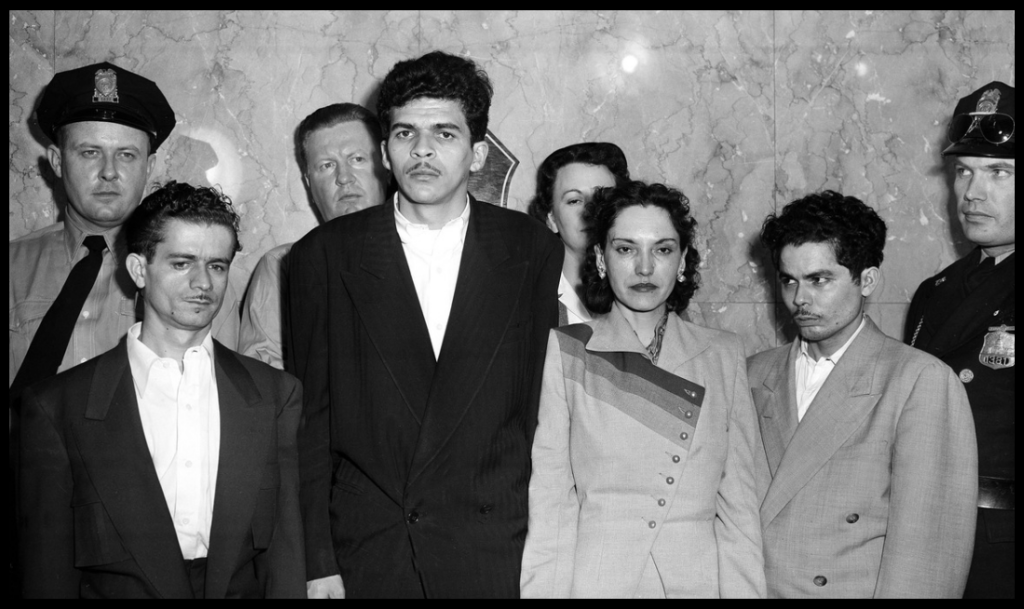
His refusal to answer questions by FBI and court judges about the attack on the U.S. Congress usually landed Gandia jail time for contempt of court. His stubbornness and complete loyalty to the Puerto Rican cause was recognized by his comrades and enemies of the independence movement alike.

In many of his conversations with Dr. Pedro Albizu Campos, Don Pinto Gandia raised the importance of aggressively bringing the case of Puerto Rico before the United Nations. Pinto Gandia was then assigned the task of meeting with delegates of countries belonging to the United Nations Special Committee on Decolonization to discuss Puerto Rico’s status.

Gandia’s skillful diplomatic work paid off when in 1978 the U.N. Special Committee officially declared Puerto Rico an occupied colony, despite infuriating outbursts made by U.S. delegates and the mainstream mass media. Washington officials reacted by launching a campaign that falsely showcased Puerto Rico as a success story of U.S. imperialism in Latin America.

However, two years prior to the political embarrassment the U.S. Government faced at the United Nations, in September 1976, after leaving his apartment in Puerto Rico, Julio Pinto Gandia vanished forever without a trace.
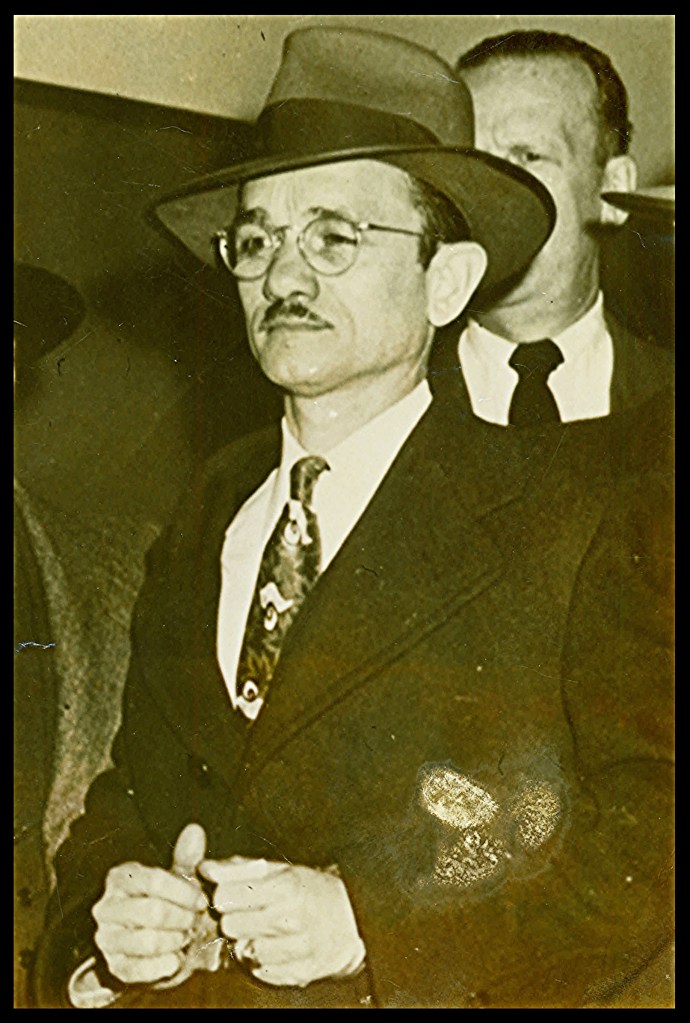
Don Julio Pinto Gandia in FBI custody.

Considering that Operation COINTELPRO was taking place with the Puerto Rican independence movement as one of its main targets, it is believed by many that the U.S. government was directly responsible for Gandia’s disappearance. The work this revolutionary was perceived as a threat to U.S. interest in its highly valued colonial possession.

Although we will never know what tragedy occurred to Julio Pinto Gandia his legacy has secured a special place in the archives of that historic liberation struggle. His resilience, sacrifice, and courageousness, under the most difficult circumstances reflect the moral strengths of the Puerto Rican people.

¡QUE VIVA PUERTO RICO LIBRE!
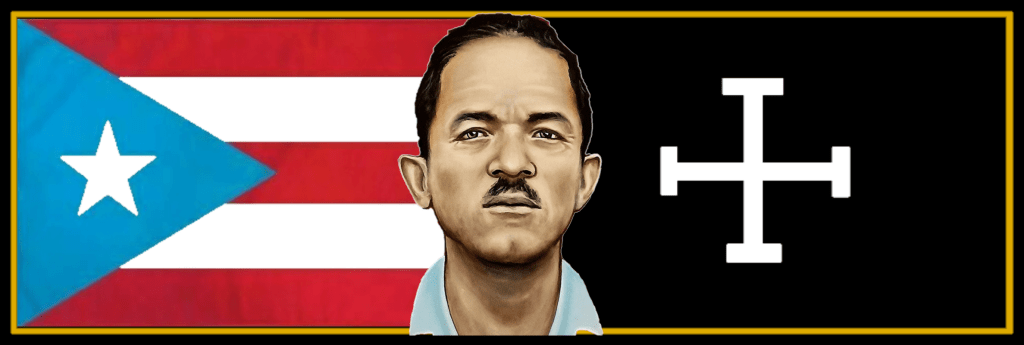
Tribute to Blanca Canales, heroine of the Jayuya Uprising

By Carlos “Carlito” Rovira

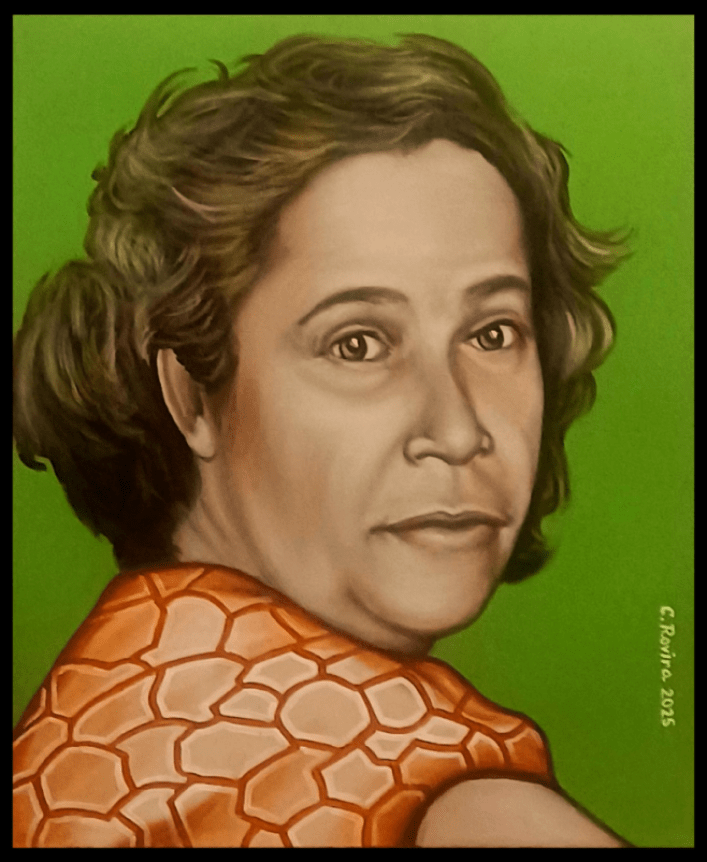
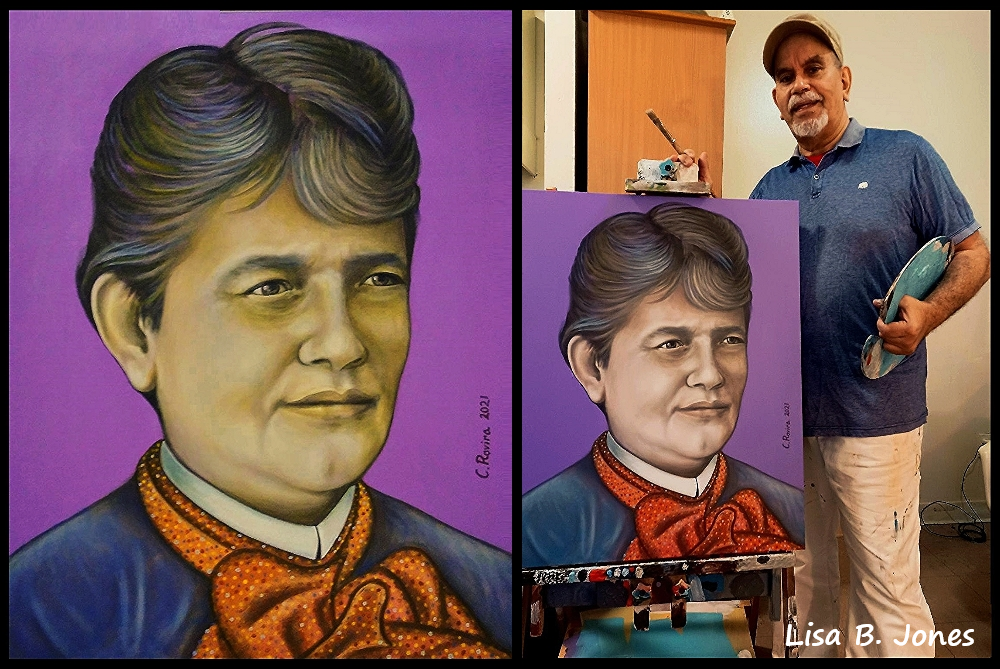
Below is a 20” X 24”, acrylic paint portrait of the legendary Puerto Rican Nationalist, Blanca Canales, one of my favorite super-sheroes. Her story always fascinated me whenever my parents spoke of her with admiration during my childhood.

Blanca Canales lived from February 17, 1906, to July 25, 1996. She was an educator and staunch leader of the Nationalist Party in Jayuya, Puerto Rico. As a child she was reared by parents who advocated independence for the homeland from U.S. domination. By the time Blanca reached adulthood she became well versed in the anti-colonial cause.

The young Blanca Canales and Dr. Pedro Albizu Campos.

Canales was motivated to join the Nationalist Party due to her disdain for the repressive U.S. colonial presence in Puerto Rico, especially during the 1948 Law 53, also known as the Gag Law. This decree made it illegal to mention independence in literature, recorded music or public speeches. In addition, waving or possessing a Puerto Rican flag was a criminal offense punishable by 10 years in prison.

When Dr. Pedro Albizu Campos rose to the presidency of the Nationalist Party Blanca participated in organizing the women’s section of that entity, known as Daughters of Freedom. Her charisma and convictions inspired many women to join the ranks of the Nationalist Party.

My portrait of Blanca Canales. 20″ X 24″, acrylic paint on canvas.

But Blanca Canales is best known for leading the famous October 30, 1950, Jayuya Uprising, part of the general Nationalist revolt in Puerto Rico. The Nationalist Party leadership chose to strike with armed force once their intelligence operatives discovered a secret plan the U.S. colonizers preparing to destroy the independence movement with violence.

On that morning, Canales led a contingency of insurrectionists in an armed attack on the police headquarters of Jayuya, where a fierce gun battle ensued for several hours. Police officials were shocked by the unexpected tenacity of the Nationalists. Overwhelmed and outnumbered, colonial officials and police were compelled to surrender and exit the building with their hands raised in the air.

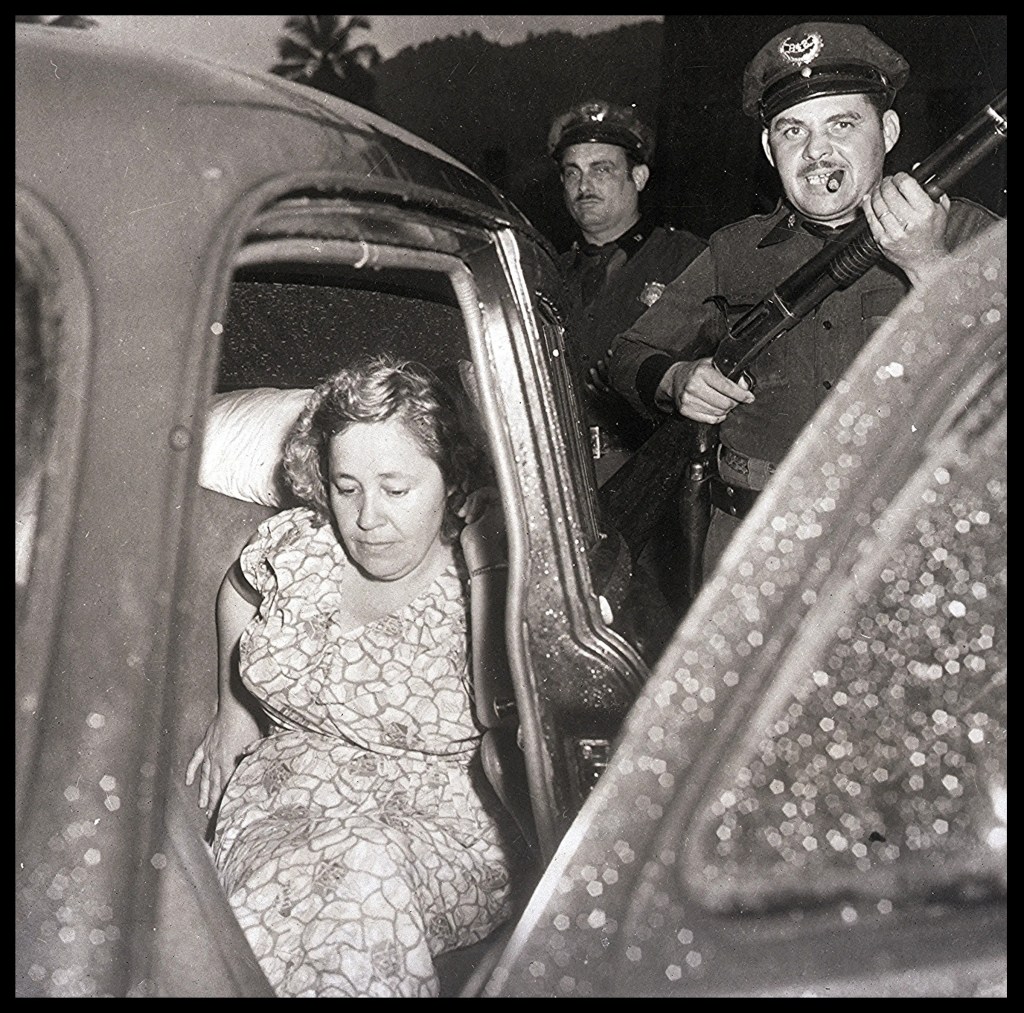
Blanca Canales in custody by colonial police after the Jayuya Uprising.
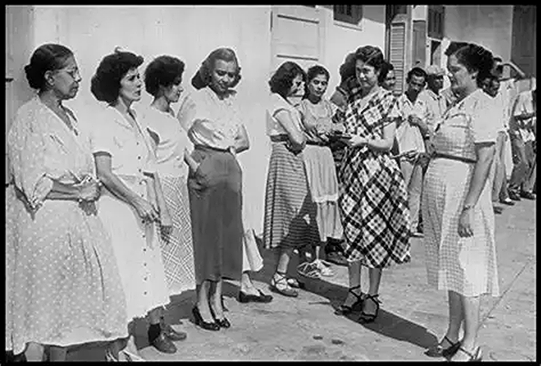
Nationalist Party women faced the same repressive consequences as their male comrades. In this photo they are being processed after arrest by colonial police.

Puerto Rican Nationalists also launched armed attacks on police and government facilities in other cities, Utuado, Arecibo, Mayaguez, Naranjito, Peñuelas, and Ponce. In San Juan, Dr. Pedro Albizu Campos and other patriots defended the Nationalist Party headquarters in a shootout with colonial police. Blanca Canales was one of many women who took part in this significant chapter in Puerto Rican history.

Immediately after the Nationalists gained control of Jayuya, Blanca proceeded to give the command to burn down the despised police facility. Surrounded by crowds of residents, the brave patriots defiantly raised the outlawed Puerto Rican flag. With her weapon raised in the air, Canales shouted the solemn historic words of the struggle — “QUE VIVA PUERTO RICO LIBRE!” She boldly declared the independence of Puerto Rico!

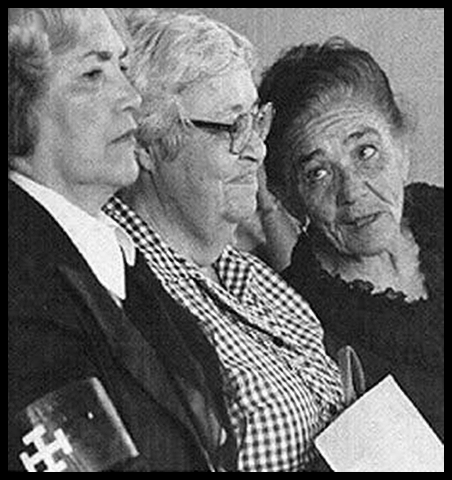
Blanca Canales flanked by two other Nationalist heroines, Lolita Lebron (left) and Isabel Rosado (right).

The response of U.S. colonialism to the insurrectionists was swift and brutal. The National Guard was utilized to repress the revolt including bombing Jayuya and Utuado from warplanes in a desperate rush to subdue the Nationalists.

The Jayuya Uprising is an episode in Puerto Rican history that remains virtually hidden from mainstream education. Puerto Rico’s colonial status points to the plunderous intentions of the U.S. in Latin America and Caribbean. What the Jayuya Uprising did was to cause political embarrassment for U.S. rulers, who were quick to depict the situation as a conflict among Puerto Ricans.

Blanca’s love for the homeland was uncompromising. Despite the revolt being suppressed and having sacrificed so much by spending years in prison, her courageous role in the liberation struggle is unforgettable. Her legacy will surely give rise to future revolutionaries that will fight for a free Puerto Rico.

QUE VIVA PUERTO RICO LIBRE!

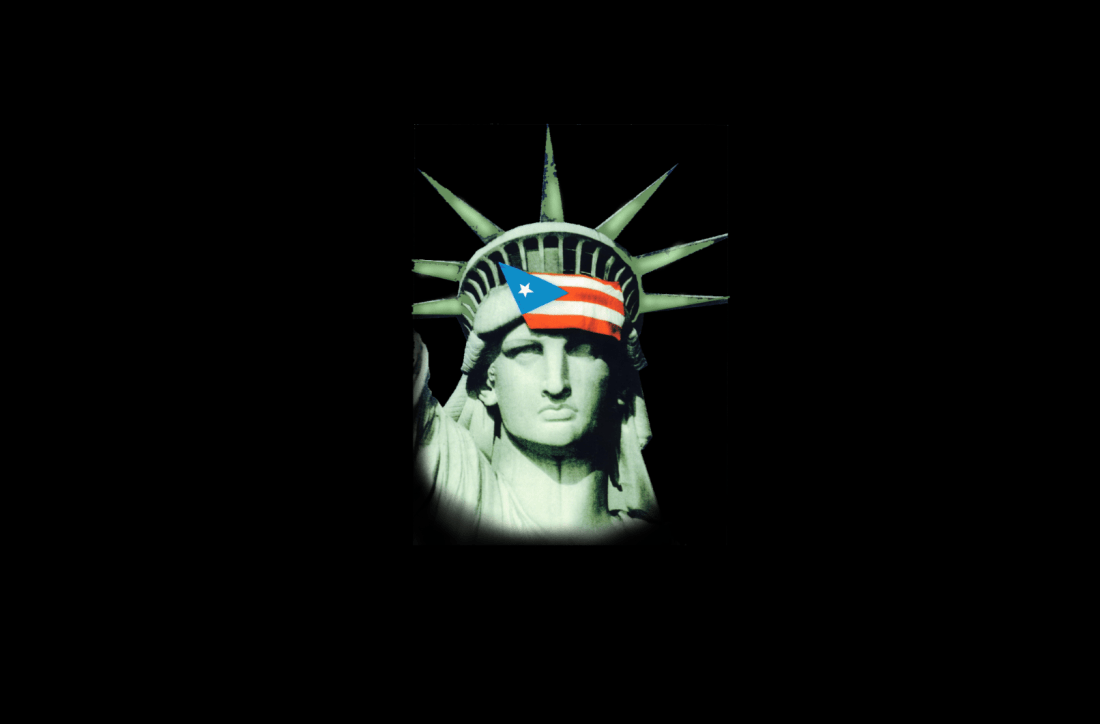
Remember the October 25,1977 Puerto Rican takeover of the STATUE OF LIBERTY

______________________________________________

“We seized the Statue of Liberty in 1977 to expose to the world the hypocrisy of the United States that projects itself as a beacon of freedom. When in fact, it is the colonizer of Puerto Ricans and unjustly imprisons us when we challenge their rule. The takeover was also an act of solidarity with the struggles of our Black, Native American, Chicano-Mexican, Asian, and Arab brothers and sisters, whom we share a common oppressor.”

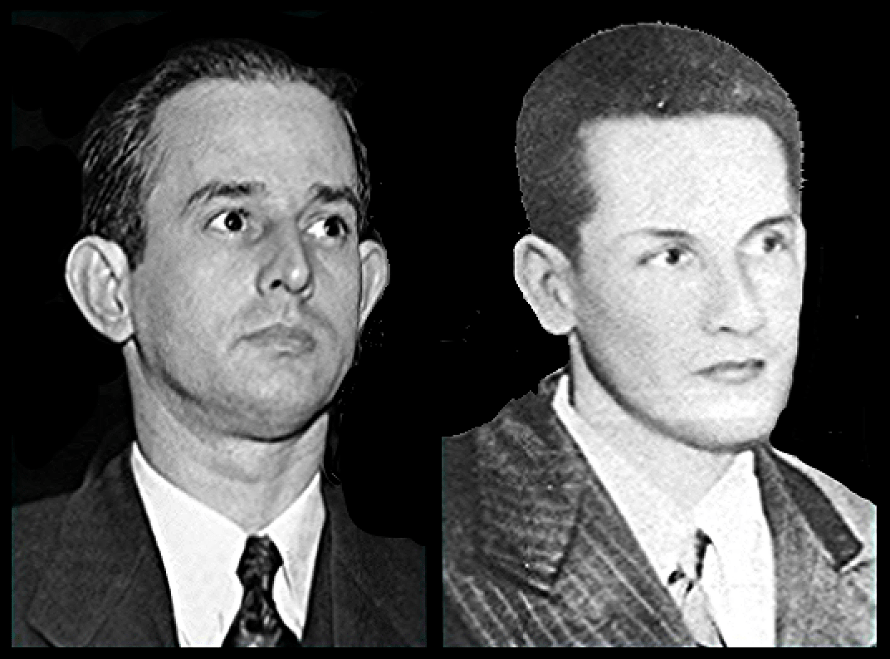
Fernando Ponce Laspina, Nationalist Party of Puerto Rico -NY Committee

One of the participants and arrestees of the 1977, Statue of Liberty takeover.

______________________________________________

By Carlos “Carlito” Rovira

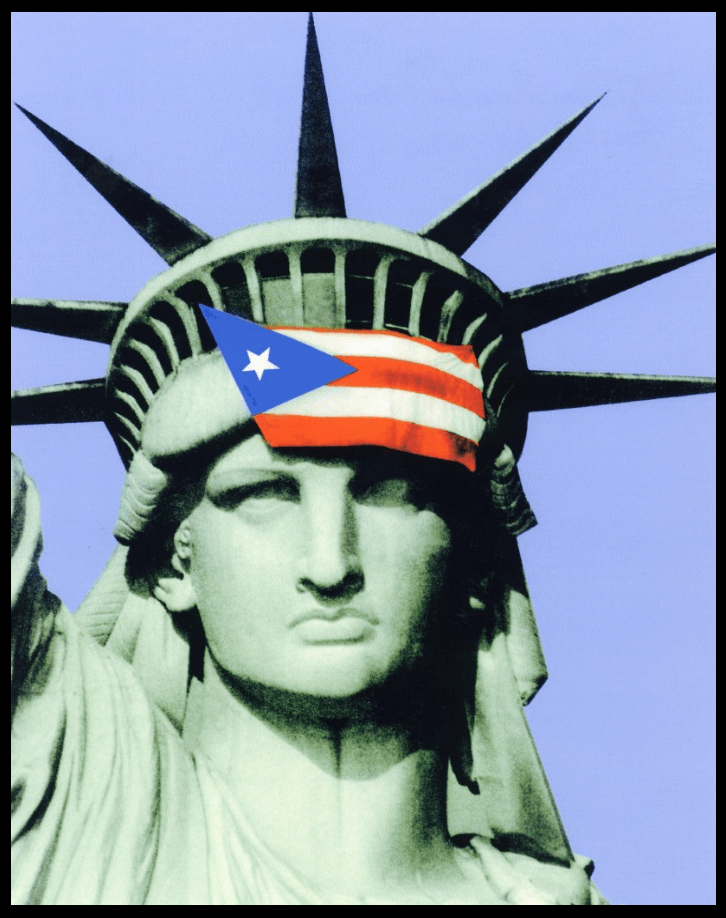
On October 25, 1977, a group of 30 Puerto Ricans and allies unexpectedly caused shock to the ruling class when they courageously seized physical control of the Statue of Liberty, located in New York Harbor. This daring act of civil disobedience became monumental in the history of resistance in the United States. The group called itself the New York Committee to Free the Five Puerto Rican Nationalists, an entity of various groups and individuals from the Puerto Rican diaspora during the 1970s.

With militarystyle planning and discipline, prior to boarding and during their ride on a ferry boat from Manhattan to Liberty Island, the group divided itself into several teams of fours. They pretended to be tourists and strangers to one another to avoid suspicion of their intentions.

As soon as the vessel reached its destination and docked, the activists went into action demonstrating a powerful energy of resistance to oppression. They ran to storm with fury the entrances of the facility where the giant human-like figure stands tall.

Boricuas with energy of resistance. El Maestro’s Fernando Ponce Laspina holding up the flag on the right.

Within 15 minutes the protestors secured their position in this national monument by locking doors and shutting windows to forestall an aggressive response they expected by law enforcement. Once inside, and after they expelled visiting tourists and Federal employees, the activists hurried up the staircase to reach the top level where the head of the Statue is located.

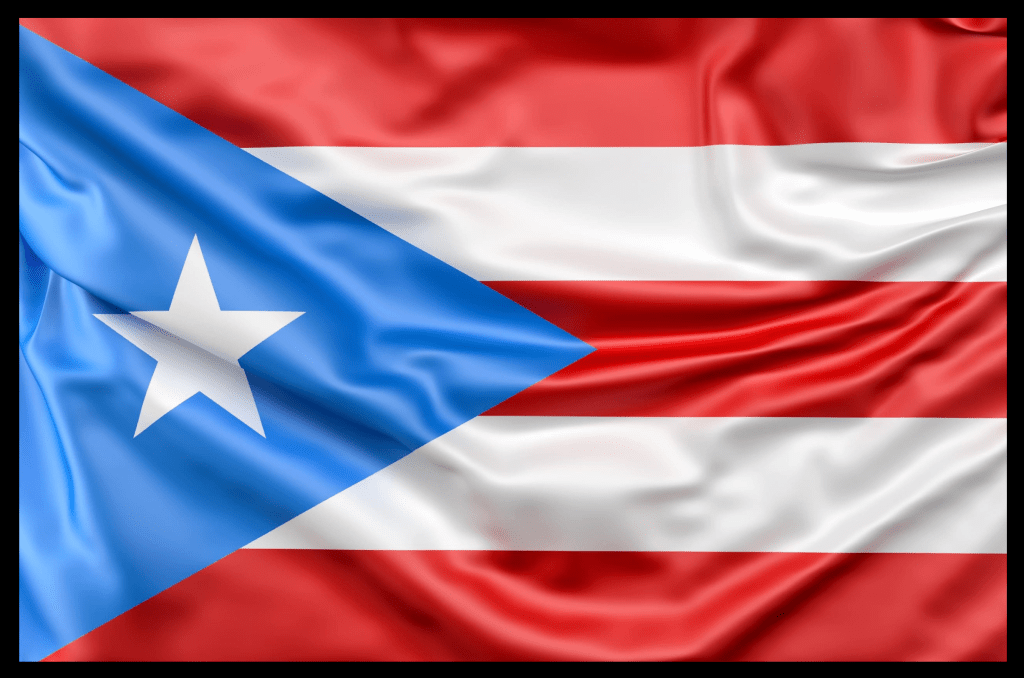
With a strong sense of both political and cultural conviction for the beloved homeland, they unfurled and hoisted a very huge Puerto Rican Flag from the statue’s crown, where it was proudly displayed for the world to witness.

An arial photo of Boricua dignity at Statue of liberty.

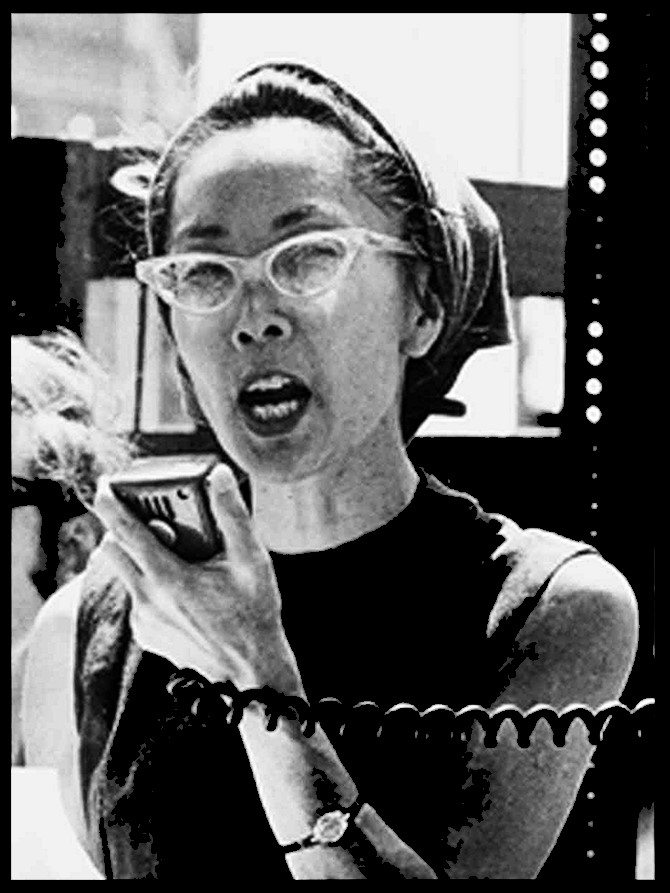
Among the non-Boricua participants of this action who merits recognition for risking her own personal safety in the interest of a Puerto Rican cause was the legendary Japanese American internationalist, Yuri Kochiyama.

Yuri Kochiyama

While the mainstream media depicted this act of resistance as “terroristic”, the inspiration for it was to bring about world attention to the criminal U.S. colonial domination of Puerto Rico and to demand the release of political prisoners Lolita Lebron, Rafael Cancel Miranda, Irvin Flores Rodriguez, Andres Figueroa Cordero and Oscar Collazo.

These freedom fighters were passionate about upholding the dignity of the liberation struggle. They were members of the Nationalist Party who responded to a directive given by Dr. Pedro Albizu Campos. All five patriots were sentenced to life imprisonment for carrying out justified armed actions against the U.S. colonizers in two separate historic events.

On November 1, 1950, Nationalist Party members Oscar Collazo and Griselio Torresola went to the Blair House in Washington, D.C. to assassinate President Harry Truman. Their intended purpose was to counter Washington’s lies about the Jayuya-Nationalist revolt of October 30, 1950, and the severe repression that followed. U.S. government officials falsely depicted the conflict as Puerto Ricans vs. Puerto Ricans.

Torresola was killed and Collazo critically wounded in a shootout with Capital Police and Secret Service. However, their brave act did bring about political exposure to what was occurring in Puerto Rico.

From L to R: Oscar Collazo and Griselio Torresola.

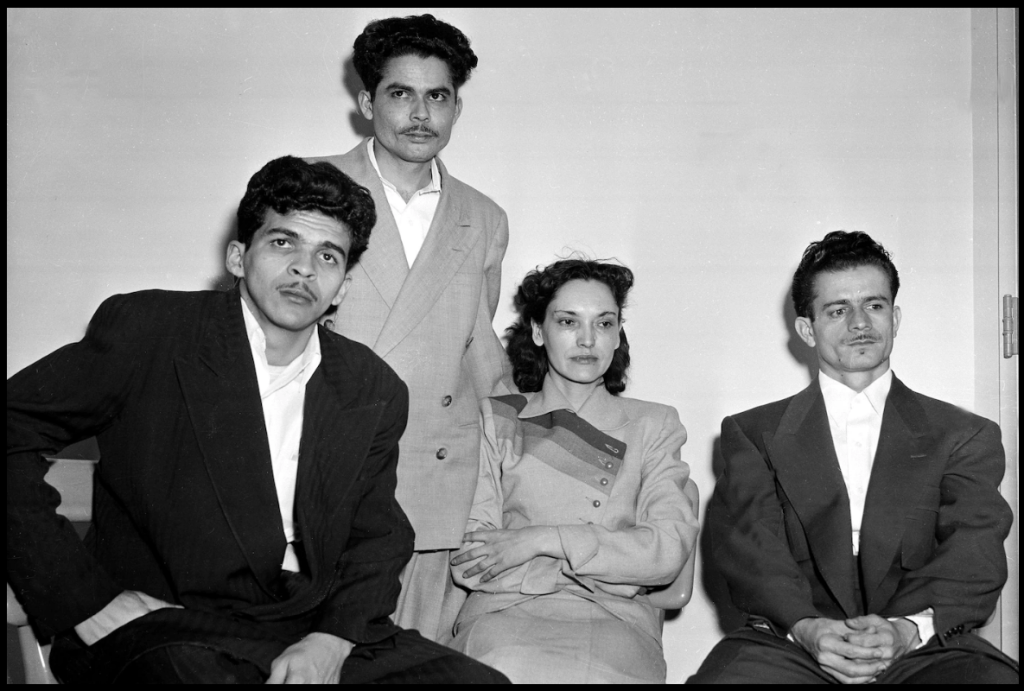
And then, on the morning of March 1, 1954, as members of the House of Representatives met in the Chamber of the Capitol, Lolita Lebrón, Rafael Cancel Miranda, Irvin Flores Rodriguez and Andres Figueroa Cordero, calmly walked up a staircase to the balcony. Lolita pulled out a Puerto Rican flag and a handgun from her shoulder bag. She then shouted the solemn words of the liberation struggle: “QUE VIVA PUERTO RICO LIBRE!” Within seconds of brandishing their weapons, the four Nationalists opened fire on the colonizers in the U.S. Congress.

From L to R: Rafael Cancel Miranda, Andres Figueroa Cordero, Lolita Lebron, Irvin Flores Rodriguez.

Considering the fury of the 1960s-70s in poor, working-class communities of the diaspora and Puerto Rico, the boldness of the Statue of Liberty takeover added to the broadly supported call for their release. No one can ever dispute how this militant action contributed to the release of the five Puerto Rican Nationalists two years later, when President Jimmy Carter was pressured to grant amnesty.

Among other factors that led to a victorious outcome was the solidarity received from the Government of Cuba. Despite many threats and a brutal economic blockade, the Cuban Revolution has always maintained its principles of solidarity by upholding the centuries-long revolutionary tradition known as the “Two Wings of the Same Bird“, Cuba and Puerto Rico.

After a nine-hour siege the police forced their way through and arrested the demonstrators. In discipline fashion they lined up waiting for the inevitable by chanting slogans and singing the revolutionary Puerto Rican National Anthem, La Borinqueña.”

Among the names of individuals arrested were Yuri Kochiyama, Fernando Ponce Laspina, Charlie “Indio” Alejandro, Madelyn Gonzalez, Chino Lopez, Julio Wells, David (DJ) Tirado, Emma Torres, Richie Perez, Mickey Meléndez and others. Serving as media-spokesperson for the action, outside the perimeter of the Statue of Liberty was Vicente Alba-Panama.

Despite everything U.S. rulers have done to Boricuas through racist violence, discrimination, economic deprivation, and attempts to eliminate our identity as a people, the innate instinct to resist oppression can never be destroyed.

There is reason to feel proud knowing that it was the power of the Puerto Rican struggle which made possible the release of all five political prisoners. This profound example of resilience and determination has added to the unbreakable traditions of the Puerto Rican people.

¡QUE VIVA PUERTO RICO LIBRE!

Lola Rodríguez De Tió revolucionaria Boricua 1843-1924

For English version: https://carlitoboricua.blog/?p=10820&preview=true

______________________________________________

“No hay que temer, puertorriqueños, el rugir del cañón; salvar a la nación es el deber del corazón. También sabrán luchar. Ya no queremos déspotas; la tiranía caerá ahora; las mujeres invencibles también sabrán luchar. Queremos libertad y nuestros machetes nos la darán”. – Lola Rodriguez De Tio

______________________________________________

By Carlos “Carlito” Rovira

Lola Rodríguez De Tió nació en San Germán, Puerto Rico, el 14 de septiembre de 1843. Creció hasta convertirse en la primera mujer del país en establecerse como una estudiosa literaria y reconocida en toda América Latina. El trabajo de De Tió refleja sus creencias abiertas sobre temas críticos durante su vida joven, la esclavitud africana y la colonización española de Puerto Rico.

Lola Rodríguez De Tió fue una feminista devota, poeta, académica literaria y defensora de la independencia de Puerto Rico y Cuba. Como mujer de mente libre, frecuentemente expresaba desprecio por las tradiciones arraigadas en el catolicismo y sus puntos de vista que desalentaban el avance de las mujeres.

La mayoría de las mujeres en las colonias españolas eran analfabetas, especialmente entre las pobres. Se les impidió desarrollarse intelectualmente debido a los tabúes y la doctrina de la Iglesia Católica Romana. Pero a pesar de las opresivas “normas” sociales, Lola Rodríguez se propuso rebeldemente convertirse en un genio literario femenino.

Con tan sólo diecisiete años, Lola Rodríguez ejerció con valentía sus pensamientos. Despreciaba las expectativas culturales anti-mujeres en cuanto a la apariencia. Aunque menor de edad, Lola Rodríguez exigió desafiante que le permitieran tener el pelo corto, lo que se convirtió en su marca personal de toda la vida.

Lola Rodríguez De Tió

A medida que se hacía adulta, De Tió quería usar su talento como escritora y poeta para expresar sus puntos de vista críticos sobre el control de España sobre las dos colonias restantes en el hemisferio occidental: Cuba y Puerto Rico.

Su admiración por la lucha cubana y su familiaridad con la visión de la Revolución Haitiana de unir a las naciones caribeñas en una fuerza poderosa para repeler las intenciones de las potencias colonizadoras, puede haber sido lo que la inspiró a crear la famosa metáfora “Dos alas del mismo pájaro“.

La afiliación de Lola Rodríguez De Tió con el Comité Revolucionario de Puerto Rico hizo posible su estrecha colaboración con el Dr. Ramón Emeterio Betances, una figura central del movimiento anticolonial de Puerto Rico que era muy respetado en todo el Caribe. De Tió también jugó un papel importante en la lucha que culminó el 23 de septiembre de 1868 con El Grito De Lares, un levantamiento que pedía el fin de la esclavitud de los africanos y del colonialismo español.

Aunque De Tió se hizo conocida por ser autora de muchas interpretaciones hermosas, se la recuerda mejor por escribir la letra original y revolucionaria del Himno Nacional de Puerto Rico, La Borinqueña. De Tió compuso la canción en 1868 cuando se acercaban los temblores del levantamiento de Lares. Fue un momento en el que el deseo general de convertirse en nación se sintió ampliamente mientras los boricuas se preparaban ansiosamente para la batalla.

La Borinqueña: https://www.youtube.com/watch?v=wI4pWl7Z1yU

Uno de los actos de falta de respeto más escandalosos del colonialismo estadounidense fue imponer una versión distorsionada del Himno Nacional de Puerto Rico. A pesar de ser también llamada “La Borinqueña”, la militancia de la canción original fue saneada con letras no revolucionarias. Hoy en día, el gobierno colonial títere de Estados Unidos lo utiliza como versión “oficial”. Nunca debe confundirse la composición de Lola Rodríguez De Tió con la versión vergonzosamente reescrita en 1952 por el traidor Ramón Collado.

Después del fracaso de Lares en 1868, De Tió vivió un tiempo en La Habana, Cuba. Pero en 1891 fue deportada por su activismo y franqueza contra la tiranía española. Se mudó a la ciudad de Nueva York, donde se unió a los revolucionarios cubanos y puertorriqueños que vivían en el exilio.

Mi homenaje artístico a Lola Rodríguez De Tío. 24″ X 30″, pintura acrílica sobre lienzo.

Las reuniones de revolucionarios exiliados de ambos países eran una práctica habitual que se remontaba a mediados de la década de 1850. Se congregaron principalmente en la zona conocida hoy como El Barrio (East Harlem) para escapar de la brutal aplicación de los decretos de España.

Los más proactivos de esta comunidad se reunieron en secreto en un hotel de Broome Street en el Lower East Side donde formaron la Sociedad para la Independencia de Cuba y Puerto Rico. Muchos regresaron a sus respectivos países de origen para servir como combatientes en el Grito De Yara de Cuba y el Grito De Lares de Puerto Rico.

Fue en la ciudad de Nueva York en 1891, donde Lola Rodríguez De Tió y el líder revolucionario cubano José Martí se reunieron por primera vez. Lo que siguió fue un fuerte vínculo de respeto mutuo y colaboración política.

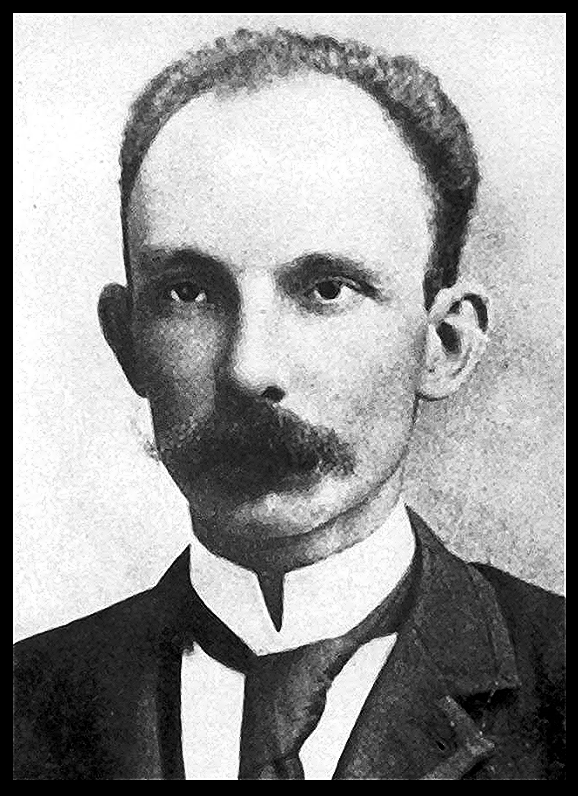
El emblemático líder revolucionario de Cuba, José Martí.

Muchos creen que el mérito de la idea original de invertir los colores de la bandera cubana para crear la bandera puertorriqueña moderna fue compartido por el poeta revolucionario Francisco Gonzalo Marín y Lola Rodríguez De Tió. Ambas figuras prominentes promovieron firmemente la importancia de aprovechar la solidaridad cubana y puertorriqueña, especialmente entre los revolucionarios que viven juntos en el exilio.

Fue en ese escenario donde se discutió y aprobó la propuesta de diseño de la actual bandera puertorriqueña el 22 de diciembre de 1895, en una reunión secreta celebrada en Chimney Corner Hall. Al frente de este esfuerzo histórico estuvieron los destacados Manuel Besosa, Antonio Vélez Alvarado y Juan de Mata Terreforte. Entre los 59 asistentes se encontraba el archivero de historia negra, Arturo Alfonso Schomburg.

De Tió trabajó duro con los exiliados cubanos y puertorriqueños en un esfuerzo por recaudar fondos para una próxima guerra revolucionaria en Cuba. Cuando estalló la lucha militar contra el colonialismo español en Cuba José Martí y muchos de sus compatriotas volvieron a luchar. Desafortunadamente, el 19 de mayo de 1895, el querido líder revolucionario murió en batalla.

Después de la Guerra Hispanoamericana, en 1899, Lola Rodríguez De Tió y su familia regresaron a Cuba donde vivió el resto de su vida, aunque continuó visitando Puerto Rico. Continuó ejerciendo su profesión en la Academia de las Artes y las Letras de Cuba. También continuó abogando por la independencia de Puerto Rico y la igualdad de derechos de las mujeres en Cuba a través de sus artículos publicados en varios periódicos y revistas.

El 10 de noviembre de 1924 falleció la querida poeta puertorriqueña. Lola Rodríguez De Tío está enterrada en el Cementerio de Colón en La Habana, Cuba. Ella demostró ser ejemplar para las generaciones posteriores de mujeres puertorriqueñas, específicamente las del Partido Nacionalista de Puerto Rico y más allá.

Tumba de Lola Rodríguez De Tio en el Cementerio de Colón en La Habana, Cuba.

¡Viva el legado de Lola Rodriguez De Tió! Que Viva Puerto Rico Libre!

Lola Rodríguez De Tió, Puerto Rican revolutionary 1843-1924

En español: https://carlitoboricua.blog/?p=11097&preview=true

____________________________________________

“There is no need to fear, Puerto Ricans, the roar of the cannon; saving the nation is the duty of the heart. They will also know how to fight. We no longer want despots; tyranny shall fall now; the unconquerable women also will know how to fight. We want liberty, and our machetes will give it to us.” -Lola Rodríguez De Tió

_____________________________________________

By Carlos “Carlito” Rovira

Lola Rodríguez De Tió was born in San German, Puerto Rico on September 14, 1843. She grew up to become the country’s first woman to establish herself as a renown literary scholar who was recognized throughout Latin America. De Tió’s work reflects her outspoken beliefs on critical issues during her young life, African chattel slavery and Spanish colonialism in Puerto Rico.

Lola Rodríguez De Tió was a feminist, a poet, a literary scholar and a devoted advocate for the independence of Cuba and Puerto Rico. As a free minded woman, she frequently expressed contempt for backward traditions rooted in Catholicism, specifically its views discouraging the advancements of women.

Most women in the Spanish colonies were illiterate, especially among the poor. Women were restricted from developing intellectually, due to taboos and the corrupt doctrine of the Roman Catholic Church. But despite oppressive social “norms” Lola Rodriguez rebelliously set out to become a female literary genius.

At just seventeen years of age, Lola Rodríguez was courageously exertive about her thoughts. She had the utmost disdain for anti-women cultural expectations on physical appearance. Although underage, Lola Rodriguez defiantly demanded to be allowed having short hair, which became her life-long personal trademark.

Lola Rodriguez De Tio

As she became an adult, De Tió wanted to use her talents as a writer and poet to voice her critical views on Spain’s repressive hold in its two remaining Western Hemispheric colonies – Cuba and Puerto Rico.

Her admiration for the Cuban struggle and the Haitian Revolution’s vision of uniting the Caribbean nations into one mighty force to repel the intentions of colonizing powers, may have been what inspired her to create the famous metaphor “Two Wings of the Same Bird.”

De Tió’s affiliation with Puerto Rico’s Revolutionary Committees made possible her close collaboration with Dr. Ramon Emeterio Betances, a central figure of Puerto Rico’s anti-colonial movement who was highly respected throughout the Caribbean. De Tió also played a significant role in the struggle which culminated on September 23, 1868, with El Grito De Lares, an uprising that called for an end to the enslavement of African people and Spanish colonialism.

Although De Tió became known for authoring many beautiful renditions, she is best remembered for writing the original and revolutionary lyrics of Puerto Rico’s National Anthem, La Borinqueña. De Tió composed the song in 1868 as the tremors of the Lares uprising approached. It was a moment in time when the general desire for nationhood was widely sensed as Boricuas eagerly prepared their weapons for battle.

La Borinqueña: https://www.youtube.com/watch?v=wI4pWl7Z1yU.

One of the most outrageous acts of disrespect by U.S. colonizers was imposing a distorted version of the Puerto Rican National Anthem. Adding insult to injury, that distorted version was also named “La Borinqueña.” The original militant lyrics were replaced by a sanitized, non-revolutionary composition. Today, it is used by the U.S.-puppet colonial government as the “official” version. Ramon Collado is the composer who shamefully betrayed his people by re-writing the lyrics in 1952 on behalf of U.S. colonialism.

After the failure at Lares in 1868, De Tió lived for a while in Havana, Cuba. But in 1891 she was deported by Spanish authorities for her activism and outspokenness. She moved to New York City where she joined Cuban and Puerto Rican revolutionaries living in exile.

My artist tribute to Lola Rodriguez De Tio. 24″ X 30″, acrylic paint on canvas.

Gatherings of exiled revolutionaries from both countries was a customary practice dating back to the mid 1850s. They congregated mainly in the area known today as El Barrio (East Harlem) to escape the brutal enforcement of Spain’s decrees.

The more pro-active individuals from this community secretly met at a hotel on Broome Street in the Lower East Side where they formed the Society for the Independence of Cuba & Puerto Rico. Many returned to their respective homelands to serve as combatants in Cuba’s Grito De Yara and Puerto Rico’s Grito De Lares.

It was in New York City in 1891, where Lola Rodriguez De Tio and Cuban revolutionary leader Jose Marti met for the first time. What followed was a strong bond of mutual respect for one another and political collaboration.

Cuba’s iconic revolutionary leader, Jose Marti.

Many believe that credit for the original idea of inverting the colors of the Cuban flag to create the modern-day Puerto Rican flag was shared coincidentally by revolutionary poets Francisco Gonzalo Marín and Lola Rodríguez De Tió. Both of these prominent figures adamantly promoted the importance of building on Cuban and Puerto Rican solidarity, especially by revolutionaries living together in exile.

It was in that setting where the proposed design of the present-day Puerto Rican flag was discussed and approved on December 22, 1895, in a secret meeting held at Chimney Corner Hall. At the helm of this historic effort were the prominent Manuel Besosa, Antonio Velez Alvarado and Juan de Mata Terreforte. Among the 59 attendees included the archivist of Black history, Arturo Alfonso Schomburg.

De Tió worked hard with the Cuban and Puerto Rican exiles in efforts to raise funds for an upcoming revolutionary war in Cuba. When the military struggle against Spanish colonialism sparked in Cuba Jose Marti and many of his compatriots returned to fight. Unfortunately, on May 19, 1895, the beloved revolutionary leader, was killed in battle.

After the Spanish-American War, in 1899, Lola Rodríguez and her family returned to Cuba where she lived for the rest of her life, although continuing to visit Puerto Rico. She continued to work in her profession at the Cuban Academy of Arts and Letters. She also continued advocating for Puerto Rico’s independence and equal rights for women in Cuba through her articles published in various newspapers and journals throughout Latin America.

On November 10, 1924, the belove Puerto Rican poet died. Lola Rodríguez De Tió’s remains are buried at the Colon Cemetery in Havana, Cuba. Her legacy symbolizes the centuries-long traditions of the Two Wings of the Same Bird – Cuba & Puerto Rico. Lola Rodriguez De Tio impacted later generations of Puerto Rican women, specifically those of the Nationalist Party and beyond.

Lola Rodriguez De Tio’s tomb at the Colon Cemetery in Havana, Cuba.

Long live the legacy of Lola Rodríguez De Tió! ¡QUE VIVA PUERTO RICO LIBRE!

TRIBUTE TO DR. HELEN RODRIGUEZ TRIAS

“We need health, but above all we need to create a grounding for healthy public policy that redresses and salvages the growing inequities. We cannot achieve a healthier us without achieving a healthier, more equitable health care system, and ultimately, a more equitable society.”

– Dr. Helen Rodriguez Trias (July 7, 1929 – December 27, 2001) Pediatrician, Educator and Woman’s Rights Activist

——————————————————–

By Carlos “Carlito” Rovira

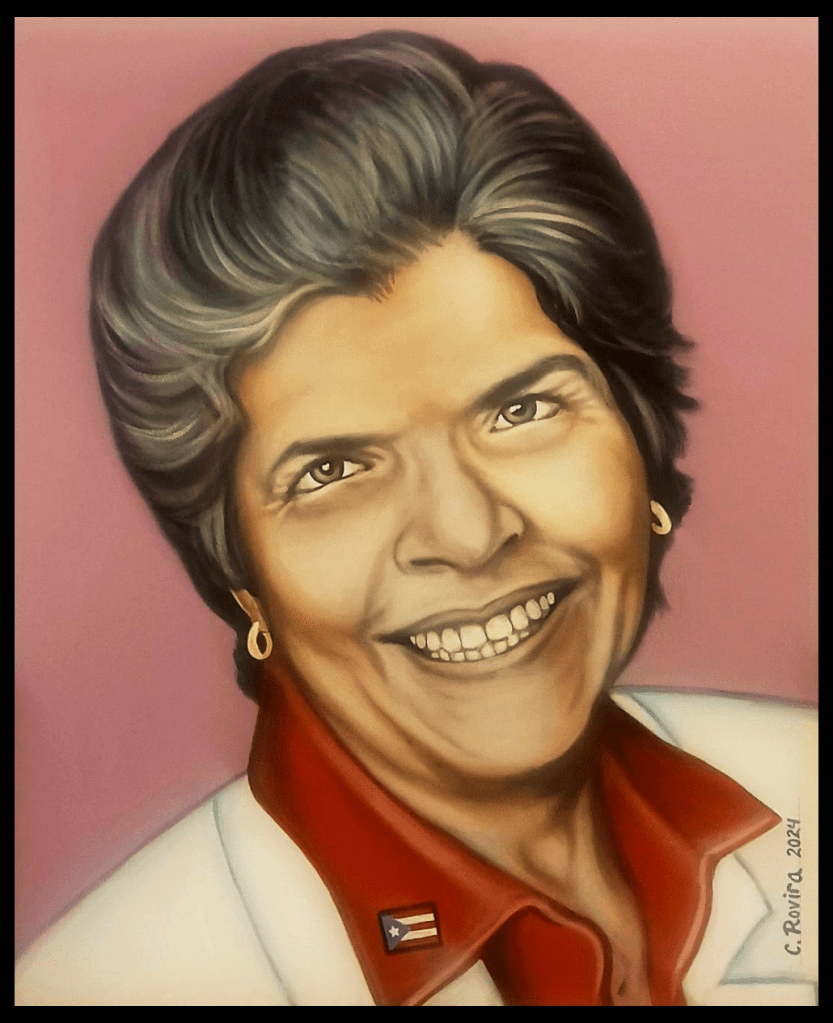
Below is my latest portrait of a true revolutionary in every sense of its meaning. Dr. Helen Rodriguez Trias’ life was filled with greatness. A passion for science and empathy for humanity. She always demonstrated an attraction for the anti-racist cause and Puerto Rico’s struggle for independence. Dr Rodriquez -Trias was also a proud feminist, always promoting the cause for the equality of women.

As a child, Dr. Rodriquez-Trias showed great academic abilities. However, despite having good grades and being bi-lingual, she was placed in a class for children with learning disabilities. The NYC public school system in the 1930s has many stories of open and systemic racism. It wasn’t until Helen participated in a poem recital, that a teacher realized how intellectually gifted she was.

As Dr. Rodriquez-Trias grew older, her interest in medicine became a priority. She moved to Puerto Rico and received a scholarship in Medicine from the University of Puerto Rico (UPR) . It was there where she became drawn to the Puerto Rican independence struggle and decided to join the student component of the Nationalist Party.

Despite family opposition to her political involvement, in 1960 having earned her doctorate in medicine with the highest honors, Dr. Rodriquez-Trias stayed in Puerto Rico for several years working to help eradicate the widespread community health issues due to the lack of basic health care.

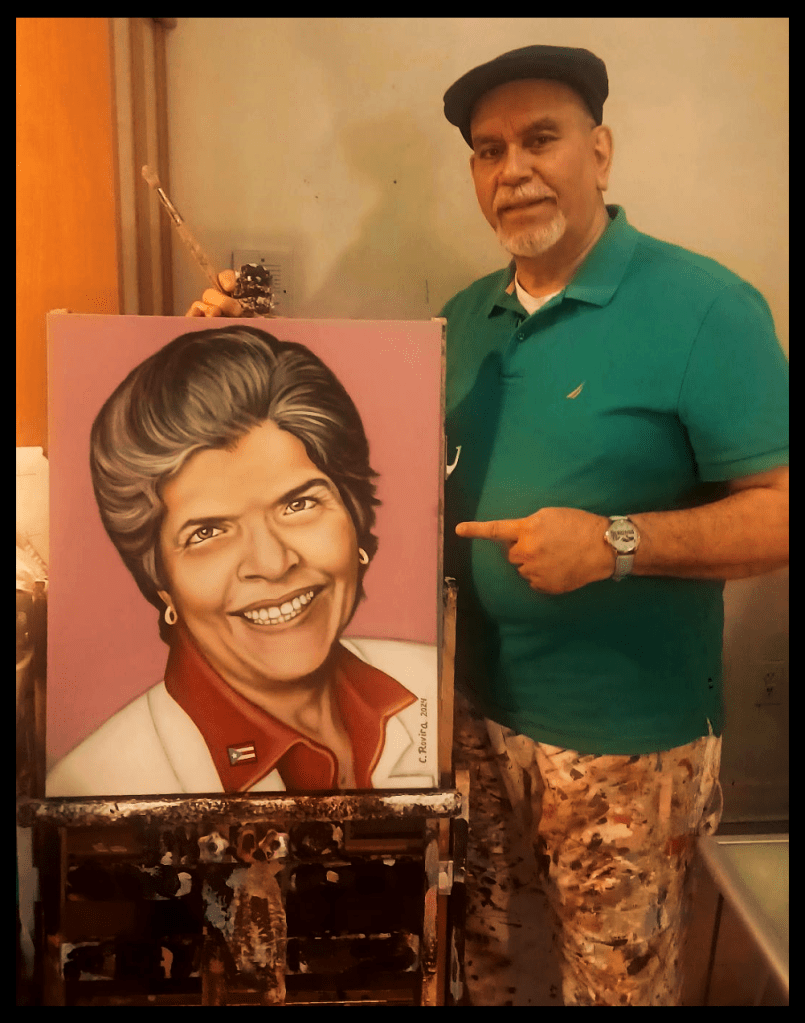
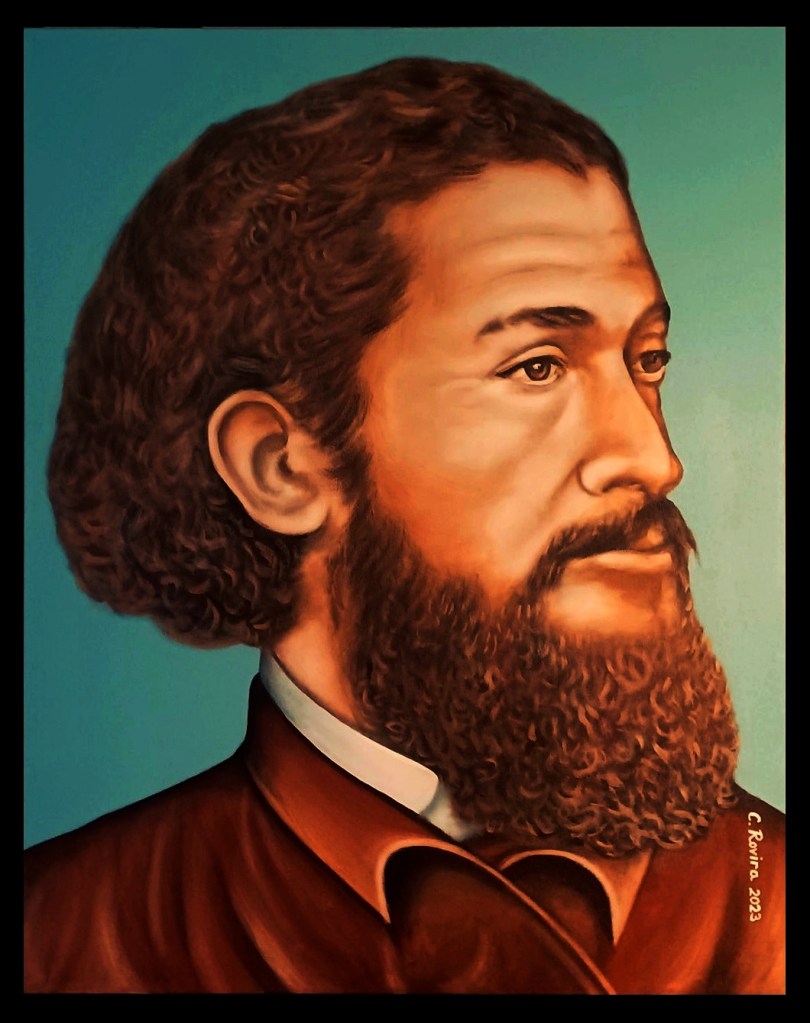
My portrait of Dr. Helen Rodriguez Trias, 20″ X 24″, acrylic paint on canvas.

The decision to stay in Puerto Rico combined with her passion for justice defined the special kind of medical professional she became. Dr. Rodriguez-Trias is credited for establishing the first center for the care of newborn babies in Puerto Rico. As a result of her efforts, the death rate for newborns decreased by 50 percent within three years.

In another well documented genocidal act against the Puerto Rican people, between the 1930s and 1980s, one-third of the child-baring female population was secretly sterilized. This strategic genocidal project was designed by the notorious Dr. Cornelius P. Roades.

Dr. Rodriguez-Trias was an adamant, tireless and outspoken activist against United States colonialism using Puerto Rico for birth control pill experimentations as well.

After Dr. Rodriguez Trias moved back to New York City in 1970, she became active in the fight for patient-worker’s rights, specifically at Lincoln Hospital in the South Bronx where she was employed as head of its Pediatrics department.

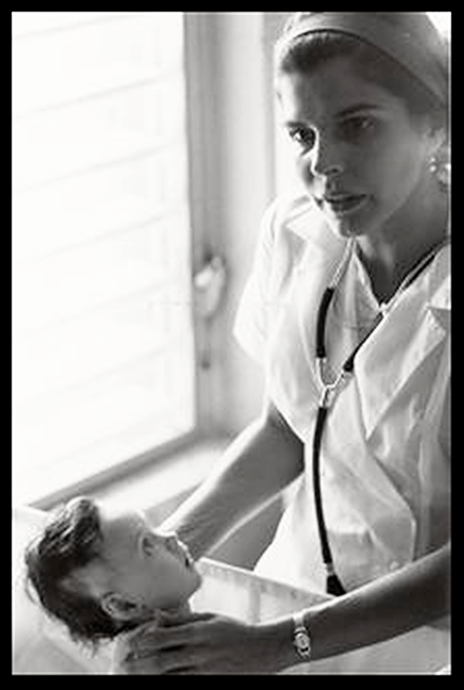
Dr. Helen Rodriguez Trias caring for a child at Lincoln Hospital’s pediatrics unit.

Upon her arrival at Lincoln Hospital, Dr. Rodriquez Trias was so appalled to witness first-hand the racist healthcare reserved for poor, Black and Latino people that it inspired her to attend meetings of the Health Revolutionary Unity Movement (HRUM), an entity of hospital workers and community activists.

On July 14, 1970, the Young Lords staged the dramatic seizure of Lincoln Hospital. The aim was to expose the deplorable conditions there. Dr. Rodriguez Trias was among many doctors throughout the country who supported this action.

Dr. Helen Rodriguez Trias was recognized for her efforts by many in the medical profession, esteemed organizations and government entities. She was the first Latina director of the American Public Health Association. In January 8, 2001, Dr. Rodriquez Trias was awarded with the Presidential Citizen’s Medal.

Dr. Helen Rodriguez Trias received the Presidential Citizen’s Medal from President Bill Clinton.

This portrait is 20” X 24”, acrylic paint on canvas. It was inspired by my Queen, Lisa B. Jones who urged me to paint the image of Dr. Rodriguez -Trias for several years by educating me about this outstanding heroine.

I also wish to thank Sister Cleo Silvers who helped me with the facts of this article. Cleo Silvers was a member of HRUM and worked at Lincoln Hospital with Dr. Trias in the 1970s.

Long live the legacy of Dr. Helen Rodriguez Trias!

Dr. Ramon Emeterio Betances – Father of the Puerto Rican Nation

Tribute to Dr. Ramon Emeterio Betances-Father of the Puerto Rican Nation

April 8, 1827 – September 16, 1898

Tribute to Dr. Ramon Emeterio Betances – Father ofn the Puerto Rican Nation

Para la versión en español: https://carlitoboricua.blog/?p=9404&preview=true

By Carlos “Carlito” Rovira

Of all revolutionary leaders during the Nineteenth Century in Puerto Rico’s anti-colonial struggle Dr. Ramon Emeterio Betances is of profound significance. He is among the most recognized figures in Caribbean and Latin American history.

Ramon Emeterio Betances’ convictions provided a roadmap for future generations. Dr Pedro Albizu Campos and the Nationalist Party, Arturo Alfonso Schomberg, the Puerto Rican Socialist Party, Puerto Rican Independence Party, Los Macheteros, the Young Lords, and so many more, came about due to traditions in the national liberation struggle firmly established by him. Today, Betances’ legacy carries the title of honor, Father of the Puerto Rican Nation.

This legendary figure held several titles and professions, which he utilized as assets in the service of the liberation struggle. He was a poet, novelist, journalist, public health administrator, social hygienist, medical doctor, surgeon, ophthalmologist, scientist, diplomat, politician, in addition to being an abolitionist and revolutionary leader.

Dr. Ramon Emeterio Betances

The son of a White-Dominican father and an Afro-Puerto Rican mother, Betances was reared in a relatively wealthy and privileged family. However, as he became of age, Betances questioned the causes for the social and economic inequalities that existed under a slave-owning colonial system.

During his formative years, the young Ramon was educated by a private tutor. When Betances was 17 years old, his father sent him to study at the School of Medicine of Montpellier in Paris, France. It was there where he finished his degree in Medicine and Surgery.

While in France, Betances was influenced by the 1848 revolutionary upheaval in Europe. This period of historical unrest is when both the Monarchy and the Roman Catholic Church were losing political control as the masses rose to rebel against them.   

My portrait of Dr. Ramon Emeterio Betances.
24″ X 30″, acrylic paint on canvas.

Upon his return to Puerto Rico, Betances opened his medical practice. Being a physician and humanist, he was empathetic of the human suffering he witnessed.

During the cholera epidemic of 1856, Betances defiantly clashed with colonial officials in the city of Mayaguez. He risked arrest and imprisonment because he prioritized medical care for enslaved Africans over the colonizing white-Spanish born soldiers and officers, who were also infected by the widespread deadly disease.

Influence of the 1804 Haitian Revolution

Betances gradually evolved a contempt against foreign tyranny. He was influenced by the revolutionary storm of ideas in France but was profoundly impacted by the boldness of the Haitian Revolution.

The militant example of the Haitian people was a beacon of hope and inspiration for enslaved and colonized people throughout the Caribbean, Africa and United States similar to the Soviet Union in the early part of its history. As a result, Betances was motivated to become active in the clandestine movement for independence and the abolition of slavery.

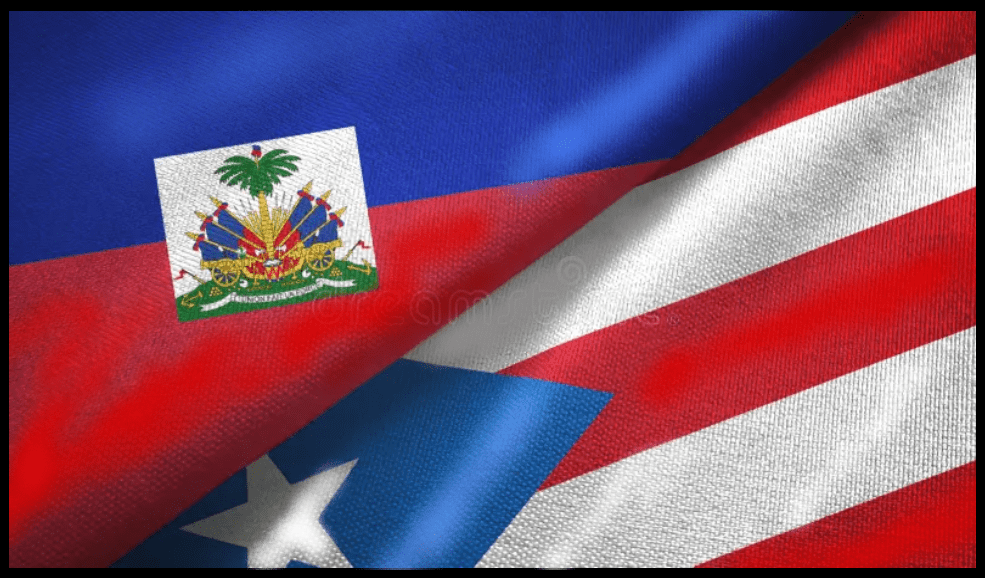
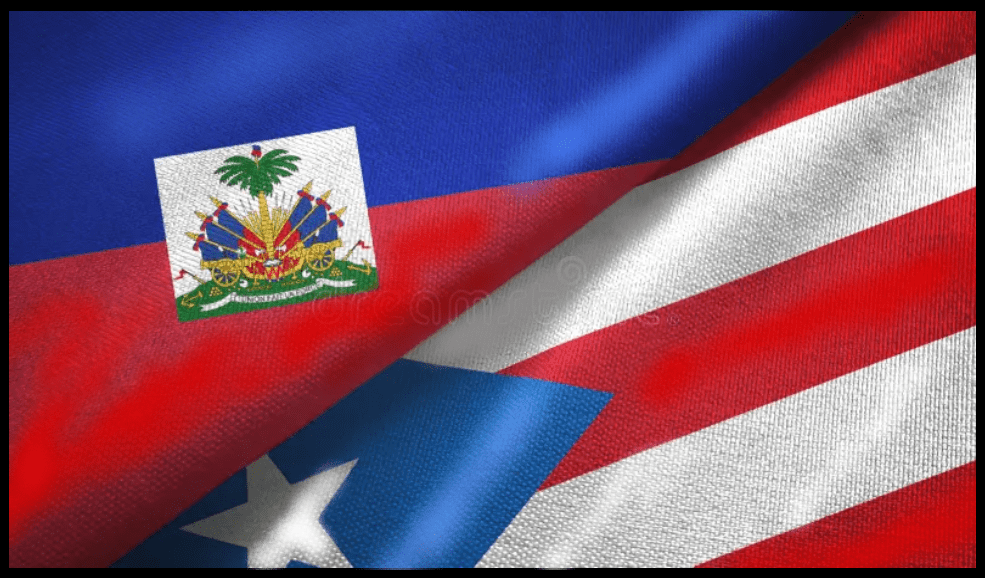
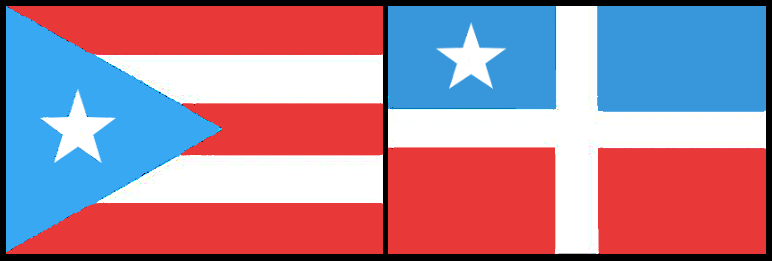
Haitian and Puerto Rican Flags

Haitian leaders understood quite well the necessity and benefits for oppressed people of different lands to forge unity, if they are to survive the onslaught of colonizing powers. This was a feature of the Haitian perspective that became most attractive to Betances.

In collaboration with fellow revolutionist Segundo Ruiz Belvis and others, Betances led an organizing effort to create the Revolutionary Committee, an organization devoted to the struggle for independence and the abolition of slavery in Puerto Rico by preparing for revolution there. Organizing these committees was most important in areas where enslaved Africans and other downtrodden sectors of the population were concentrated.

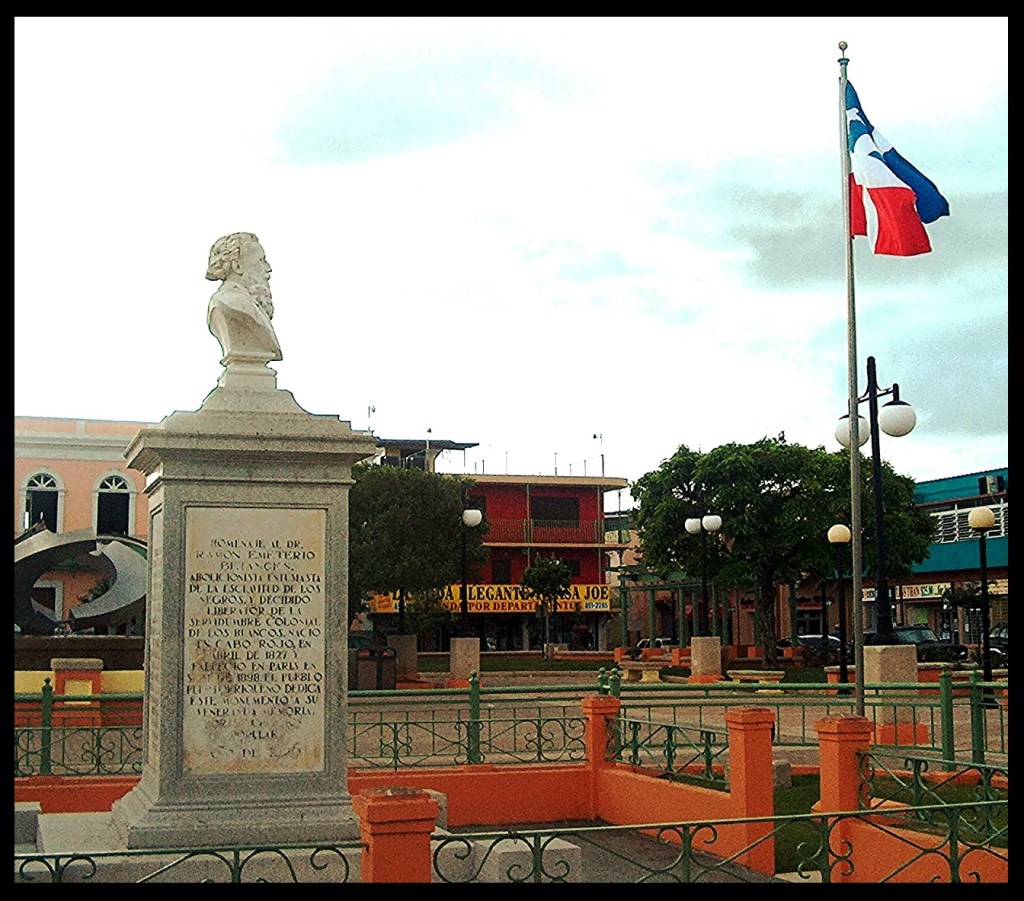
Monument in Lares, PR dedicated to Ramon Emeterio Betances.

Betances became the central figure in the movement which brought about the 1868 Grito De Lares, an uprising that attempted the overthrow of Spanish colonialism. El Grito De Lares is also an event that affirmed the existence of the Puerto Rican Nation.

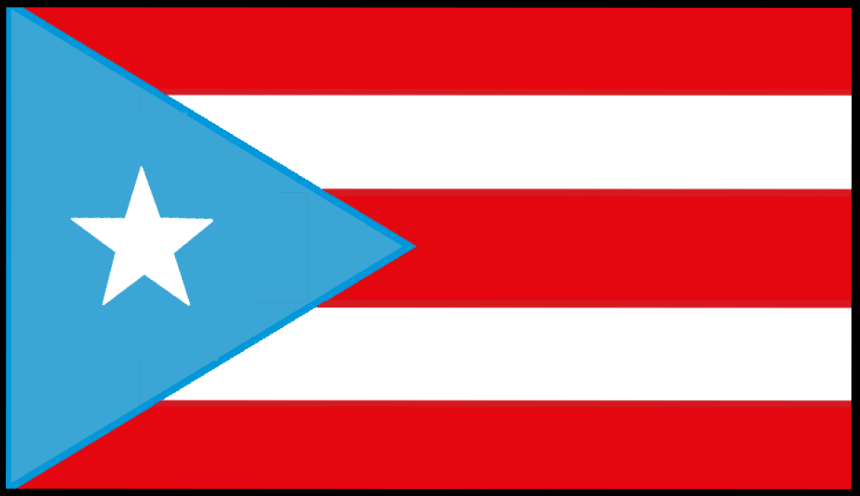
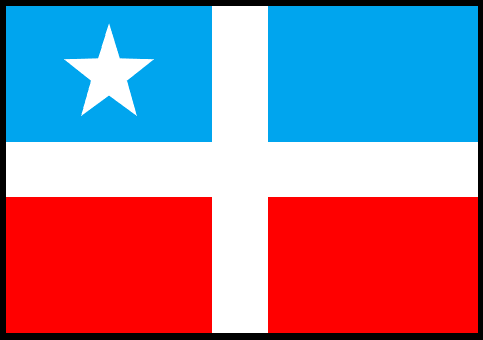
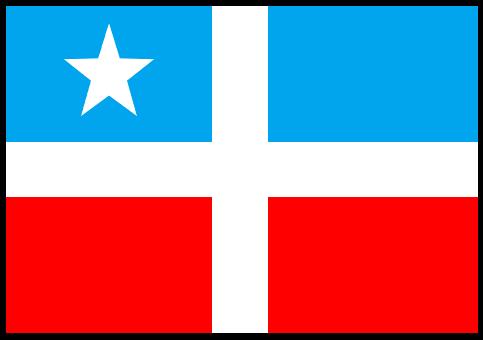
It was with enthusiasm of the moment as Puerto Rican revolutionaries prepared to wage armed battle with Spanish colonialism when Betances and a woman leader of the movement named Mariana Bracetti, a professional Stitcher, collaborated to create the first Puerto Rican flag.

The first Puerto Rican flag, symbol used at El Grito De Lares uprising.

A few weeks before the scheduled date for the Lares uprising, Betances returned to Puerto Rico from the island of Española (Haiti and Dominican Republic) on a schooner filled weapons and ammunition for the battle. These were weapons confiscated from the French during the Haitian Revolution.

Unfortunately, the revolutionaries were betrayed by an informant in the group. As the schooner approached the Port of Arecibo with the much-needed cargo Betances and his crew found themselves surrounded by Spanish warships. After their apprehension Betances was exiled to France.

But Betances was unstoppable. Between 1869-1870, he visited Haiti with Jose A. Basora, a fellow leader of Puerto Rico’s Revolutionary Committee.  The two prominent Puerto Rican figures met with Haitian revolutionary leaders in an effort to collaborate for their mutual quest.

Ramón Emeterio Betances’ mausoleum located in Cabo Rojo, Puerto Rico.

In the truest internationalist spirit and despite the failure of the 1868 Grito De Lares uprising, Betances traveled throughout the Caribbean forging relations with Cuban, Haitian, Dominican and Jamaican revolutionaries. He was not deterred from striving to build a united federation of the Greater Antilles, a force capable of challenging the colonizing powers as the Haitian Revolution had envisioned.

Dr. Ramon Emeterio Betances paid close attention to socio-economic and political developments in the U.S., especially after it freed itself from the greatest hinderance to its growth, the system of chattel slavery. Based on his perceptions of U.S. expansionism Betances believed the U.S. was destined to become a tyrannical power posing a threat to Puerto Rico, all of Latin America and the Caribbean.

Weeks before his death and shortly after the U.S. military invasion on November 16, 1898, Dr. Ramon Emeterio Betances stated “I do not want to see Puerto Rico colonized by Spain nor the United States.”

QUE VIVA PUERTO RICO LIBRE!

Dr. Ramón Emeterio Betances – Padre de la Nación Puertorriqueña

Homenaje al Dr. Ramón Emeterio Betances-Padre de la Nación Puertorriqueña
8 de abril de 1827 – 16 de septiembre de 1898

For English version: https://carlitoboricua.blog/?p=9340&preview=true

Por Carlos “Carlito” Rovira

De todas las figuras revolucionarias en la historia de la lucha anticolonial de Puerto Rico en el siglo XIX, la del Dr. Ramón Emeterio Betances es la de mayor significado. Es una de las figuras revolucionarias más reconocidas de la historia del Caribe y América Latina.

Las convicciones de Ramón Emeterio Betances proporcionaron una hoja de ruta para la futura generación de revolucionarios. El Dr. Pedro Albizu Campos y el Partido Nacionalista, Arturo Alfonso Schomberg, el Partido Socialista Puertorriqueño, el Partido Independentista Puertorriqueño, Los Macheteros, los Young Lords y otros más, cumplieron con las debidas tradiciones en la lucha de liberación nacional firmemente establecidas por él. Hoy Betances es considerado Padre de la Nación Puertorriqueña.

Esta figura legendaria ostentó varios títulos y profesiones, que utilizó como activos al servicio de la lucha por la liberación. Fue poeta, novelista, periodista, administrador de salud pública, higienista social, médico, cirujano, oftalmólogo, científico, diplomático, político, además de un líder abolicionista y revolucionario.

Dr. Ramon Emeterio Betances

En los años de formación, el joven Ramón fue educado por un tutor privado. Cuando Betances tenía 17 años, su padre lo envió a estudiar a la Facultad de Medicina de Montpellier en París, Francia. Fue allí donde terminó la carrera de Medicina y Cirugía.

Durante su estancia en Francia, Ramon Emeterio Betances estuvo influenciado por el levantamiento revolucionario de 1948 que existía en Europa. Este período de agitación histórica donde tanto la Monarquía como la Iglesia Católica Romana estaban perdiendo control político a medida que las masas se rebelaban contra ellas.

Mi retrato del Dr. Ramón Emeterio Betances.
24″ X 30″, pintura acrílica sobre lienzo.

A su regreso a Puerto Rico, Betances abrió su práctica médica. Como médico y humanista, sentía empatía por el sufrimiento humano del que fue testigo.

Durante la epidemia de cólera de 1856, Betances se enfrentó desafiantemente con funcionarios coloniales en la ciudad de Mayagüez, arriesgándose a ser arrestado, porque priorizaba la atención médica para los esclavos africanos y los pobres sobre los soldados y oficiales colonizadores españoles, quienes también estaban infectados por la enfermedad mortal generalizada.

Influencia de la revolución haitiana de 1804

Betances desarrolló gradualmente un desprecio hacia la tiranía extranjera. Fue influenciado por la tormenta revolucionaria de ideas en Francia, pero profundamente impactado por la audacia de la Revolución Haitiana.

El ejemplo militante del pueblo haitiano fue un faro de esperanza e inspiración para los pueblos esclavizados y colonizados en todo el Caribe, África y Estados Unidos, similar a lo que ocurrió con la Unión Soviética en la primera parte de su historia. Como resultado, Betances se vio motivado a participar activamente en el movimiento clandestino por la independencia y la abolición de la esclavitud.

Banderas haitianas y puertorriqueñas.

Los líderes haitianos entendieron bastante bien la necesidad y los beneficios para los pueblos oprimidos de diferentes tierras de forjar la unidad si quieren sobrevivir al ataque de las potencias colonizadoras. Éste fue un rasgo de la perspectiva revolucionaria haitiana que resultó más atractivo para Betances.

En colaboración con su compañero revolucionario Segundo Ruiz Belvis y otros, Betances dirigió un esfuerzo organizativo para crear el Comité Revolucionario, una organización dedicada a la lucha por la independencia y la abolición de la esclavitud mediante la preparación para la revolución. La organización de estos comités fue más importante en las áreas de Puerto Rico donde se concentraban los esclavos africanos y otros sectores oprimidos de la población.

Monumento en Lares, PR dedicado a Ramón Emeterio Betances.

Betances se convirtió en la figura central del movimiento que provocó el Grito de Lares de 1868, un levantamiento que intentó derrocar el colonialismo español. El Grito De Lares también afirmó la existencia de la Nación Puertorriqueña.

Fue con el entusiasmo del momento mientras los revolucionarios puertorriqueños se preparaban para librar una batalla armada contra el colonialismo español cuando Betances y Mariana Bracetti, líder del movimiento y costurera profesional, colaboraron para crear la primera bandera puertorriqueña.

La primera bandera puertorriqueña, símbolo utilizado en el levantamiento de El Grito De Lares.

Unas semanas antes de la fecha prevista para el levantamiento de Lares, Betances zarpó hacia Puerto Rico desde la isla Española (Haití y República Dominicana) en un barco cargado de armas y municiones para la batalla. Estas eran armas confiscadas a los franceses durante la Revolución Haitiana.

Desafortunadamente, los revolucionarios fueron traicionados por un informante del grupo. Cuando la goleta se acercaba al puerto de Arecibo con la carga necesaria, Betances y su tripulación se encontraron rodeados por buques de guerra españoles. Tras su aprehensión, Betances fue exiliado a Francia.

Pero Betances era imparable. Entre 1869 y 1870, Betances visitó Haití con José A. Basora, otro líder del Comité Revolucionario de Puerto Rico. Las dos prominentes figuras puertorriqueñas se reunieron con líderes revolucionarios haitianos en un esfuerzo por colaborar en su búsqueda mutua.

Mausoleo de Ramón Emeterio Betances ubicado en Cabo Rojo, Puerto Rico.

Con el más auténtico espíritu internacionalista, a pesar del fracaso del levantamiento del Grito de Lares de 1868, Betances viajó por todo el Caribe forjando relaciones con revolucionarios cubanos, haitianos, dominicanos y jamaiquinos. Se vio disuadido de desempeñar un papel en la creación de una federación unida de las Antillas Mayores, una fuerza capaz de desafiar a las potencias colonizadoras como lo había previsto la Revolución haitiana.

El Dr. Ramón Emeterio Betances prestó gran atención a los acontecimientos socioeconómicos y políticos en Estados Unidos, especialmente después de que se liberara del mayor obstáculo para su crecimiento: la esclavitud. Basándose en sus percepciones del expansionismo estadounidense, Betances creía que Estados Unidos estaba destinado a convertirse en una potencia tiránica que representaba una amenaza para Puerto Rico, todo Latinoamérica y el Caribe.

Semanas antes de su muerte y poco después de la invasión militar estadounidense el 16 de noviembre de 1898, el Dr. Ramón Emeterio Betances afirmó “No quiero ver a Puerto Rico colonizado por España ni por Estados Unidos”.

¡QUE VIVA PUERTO RICO LIBRE!

THE PEOPLE’S CHURCH Symbolism of defiance in El Barrio (East Harlem) New York City

By Carlos “Carlito” Rovira

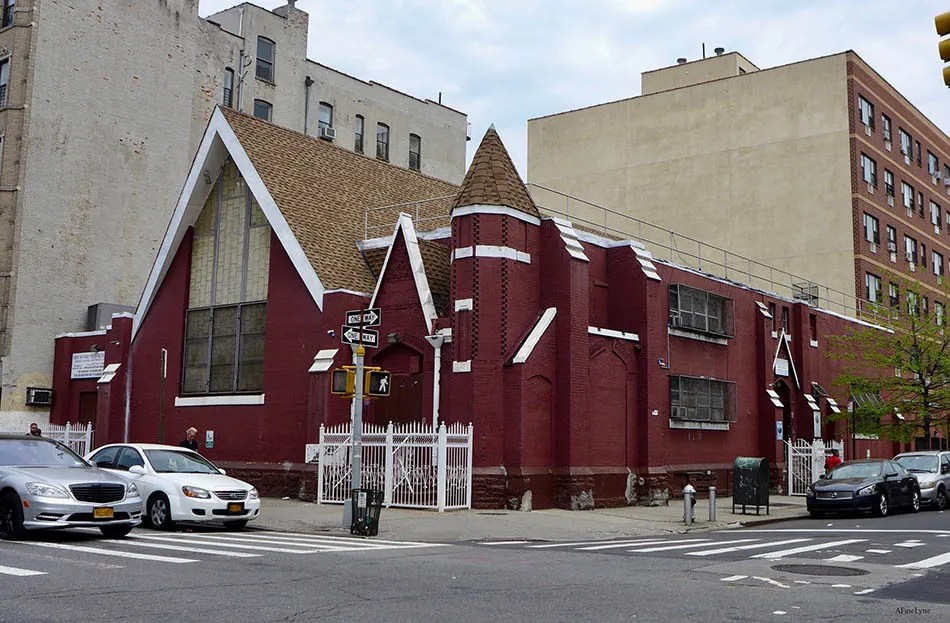
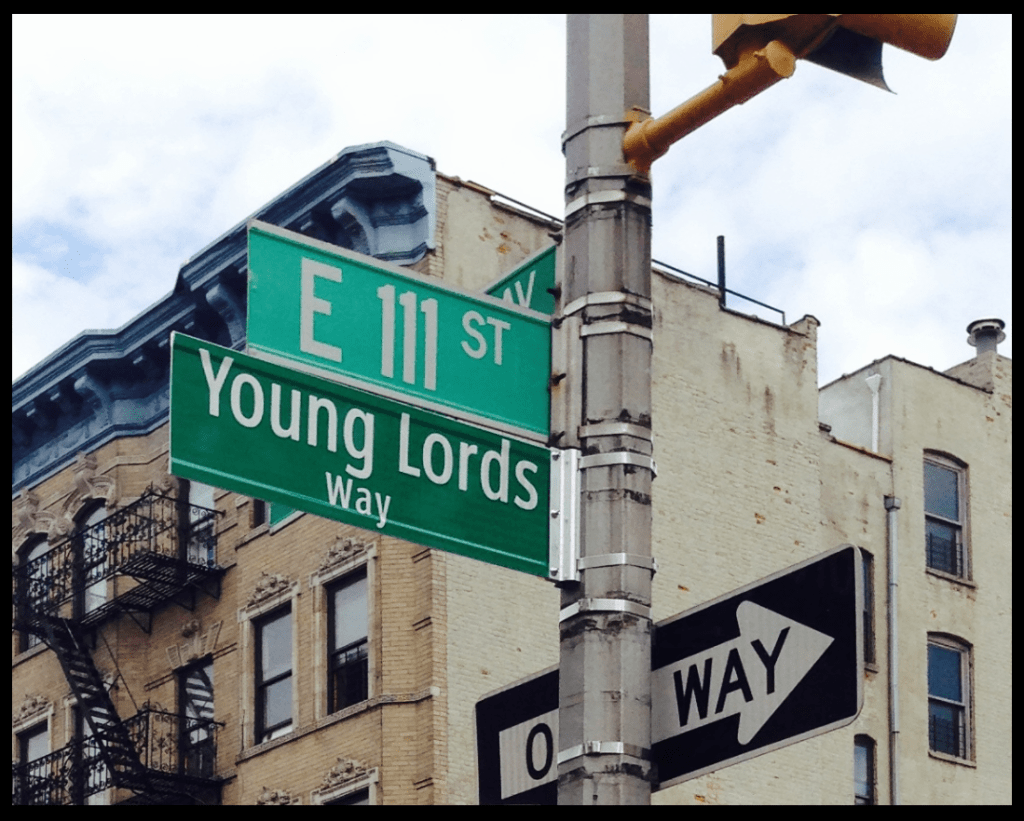
In the center of the East Harlem community, also known as El Barrio, is the site of historic significance that is described by many as The People’s Church. Located at 163 East 111th Street, co-named “Young Lords Way”, on the corner of Lexington Avenue, this monumental structure is administered by the First Spanish United Methodist Church (FSUMC).

For many decades, dating back to the time of socialist Vito Marcantonio, during the 1940’s-50’s, the People’s Church stood in the midst of one of the most impoverished and repressed part of New York City. It was in that setting where this church became a symbol of the Puerto Rican diaspora’s struggles, especially after the rise of the revolutionary youth group the Young Lords.

Young Lords Way adjacent to the location of the People’s Church.

For an atheist, non-religious believer like me, The People’s Church symbolizes something beyond religion. It represents the defiance of the Puerto Rican diaspora in struggle. Maintaining it open and accessible to the community makes a political statement and a direct challenge to the racist displacement inflicted against our people everywhere in this country.

Memories of events at the People’s Church in connection with the Young Lords also have sentimental/personal value to me.

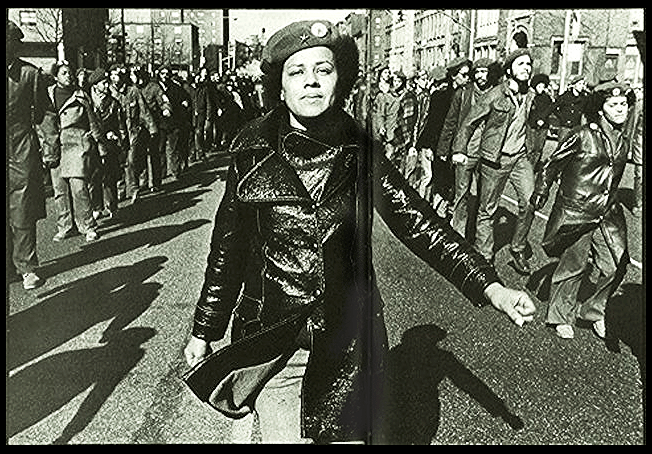
Young Lords in drill exercise on the streets of El Barrio.

It was at the People’s Church where I transcended from a boy to a man during the two takeovers; it was there where I learned the necessity of having a fighting disposition in the liberation struggle; it was from that experience where I learned from others the virtues of teamwork, responsibility and organization.

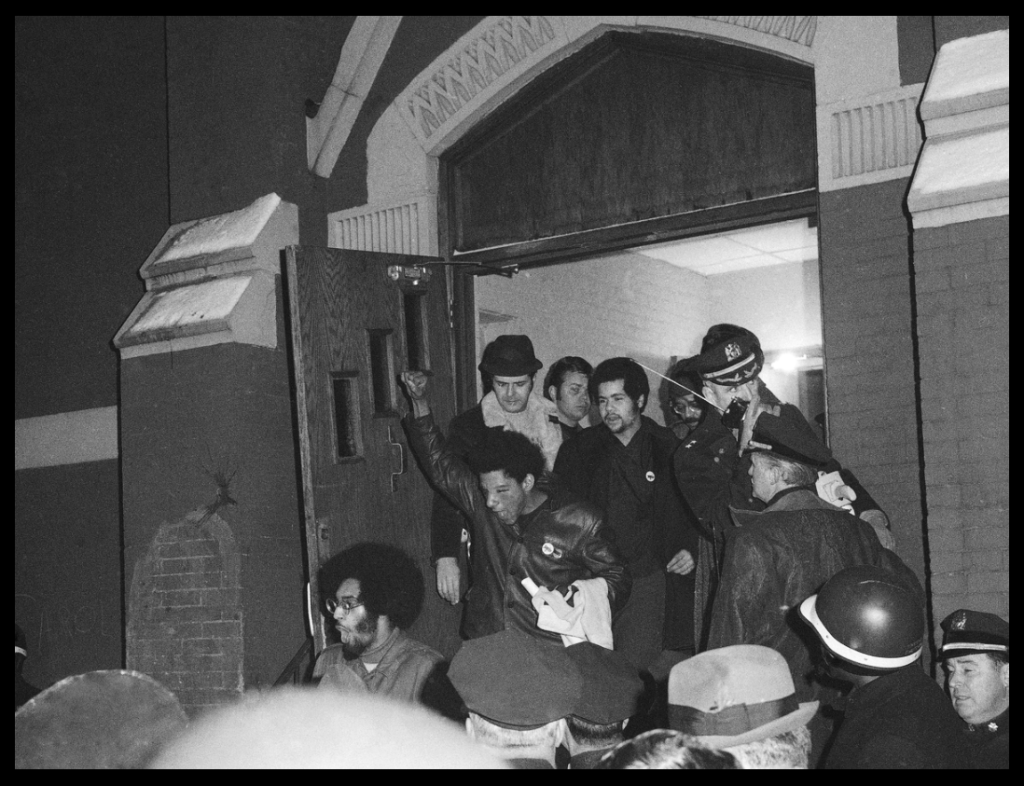
In addition, it was at the People’s Church on December 7, 1969, at 15 years old, where I was beaten by NYPD cops, along with thirteen other Young Lords, including five women. The violent frenzy of the police on that day was encouraged by parishioners when Young Lords came to a Sunday mass service asking permission to use the space for a free breakfast program for poor children of the neighborhood.

December 28, 1969, Young Lords being arrested after their nine days siege of the People’s Church.

In recent years, various programs were established benefiting this poor, working class community, such as food pantry distributions, acupuncture treatment, exercise classes, educational film showings, and so much more. These programs are consistent with all that the Young Lords had hoped to create for the community at this small and intimate place of gathering.

A child enjoying her meal at the Young Lords Free Breakfast Program.

The thing to remain on guard about, is the increasingly greed of real estate interest, especially as the capitalist economic crisis intensifies. There is always the threat that the people of this community may lose this oasis amid poverty and despair, due to lack of funds. That should never happen, and we must always be ready to wage a relentless struggle to prevent such a lost.

What will follow, impossible to predict! One does not need to be imaginative to figure out the lust of greedy developers who anxiously look for opportunities to build condominiums for the wealthy in targeted neighborhoods with rising real estate value.
Losing this bastion of history shall be a victory for gentrification while undoubtedly being a tragedy for the Black and Brown residents of this community. For that reason, under no circumstances should we allow further insult to injury on our people. The people’s Church is more than just a building, it is a monument of the people’s struggle.

Long live the rebellious traditions of THE PEOPLE’S CHURCH!

Here I am half century later, standing by the People’s Church, 111th Street & Lexington Avenue, NYC.

Sylvia Rivera & the June 28, 1969, STONEWALL UPRISING

_________________________________________________________________________

“Before I die, I will see our community given the respect we deserve. I’ll be damned if I’m going to my grave without having the respect this community deserves. I want to go to wherever I go with that in my soul and peacefully say I’ve finally overcome.” -Sylvia Rivera

_________________________________________________________________________

By Carlos “Carlito” Rovira

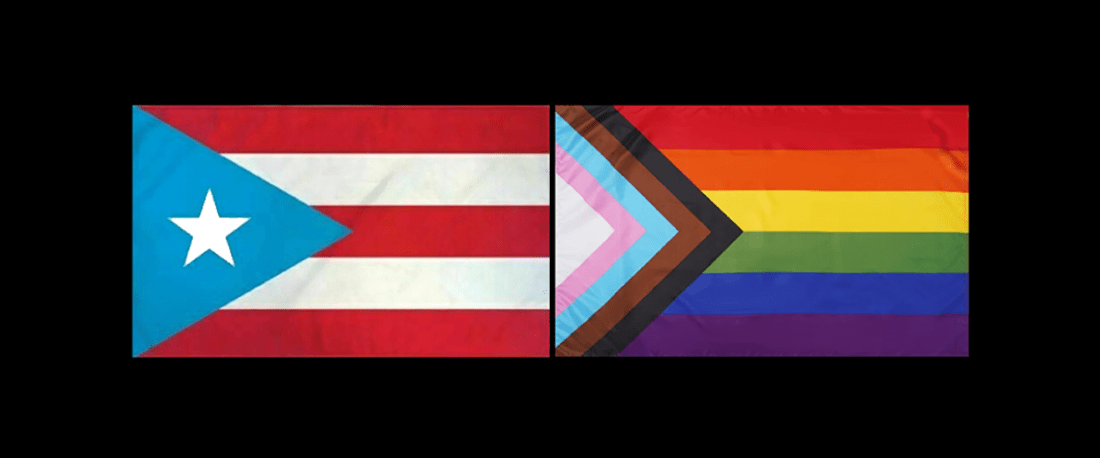
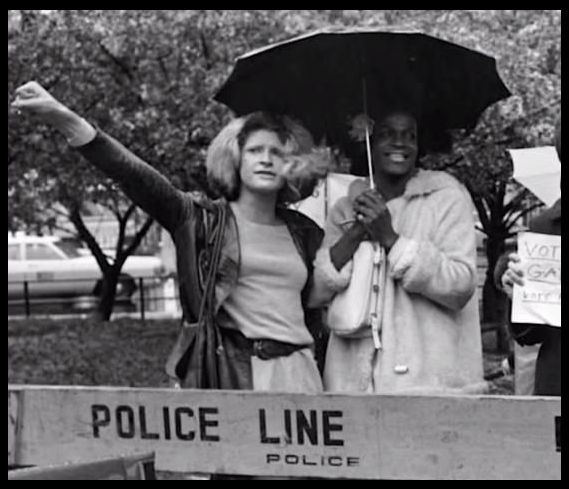
Sylvia Rivera was a Puerto Rican transgendered woman who became a significant historic figure in the struggle against LGBTQ+ oppression. Along with her closest friend and trusted ally, Marsha P. Johnson, an African American also a transgendered woman, they both became the principal leaders of the June 28, 1969, Stonewall Uprising in New York City’s Greenwich Village.

This critical moment in U.S. history sparked a momentum that shattered many anti-gay taboos. LGBTQ+ people in the United States and the world benefited years later from the political shockwaves caused by this struggle.

The racist and homophobic New York Police Department (NYPD) stormed into the Stonewall Inn, a tavern and safe space for many in the LGBTQ+ community. When the cops entered in storm-trooper fashion their intent was to brutalize the patrons of this establishment.

But unexpectedly, the would-be victims fought back. As soon as a customer was struck in the face the cops were challenged with a fury of fists, chairs and other flying objects. What began at Stonewall spilled onto the streets and for several nights the LGBTQ+ community clashed with riot police in lower Manhattan.

Sylvia Rivera and Martha P. Johnso

The Stonewall Uprising occurred in the setting of a mass upsurge throughout the United States during the 1960’s-1970’s, in which Civil Rights and the movement against the Vietnam War were at the center of discussion. As Black and Brown women revolted against centuries-long racist and patriarchal practices, while war in Southeast Asia compelled the youth to resist the draft and deployment to the battlefield, the Stonewall Uprising placed LGBTQ+ oppression on the map of resistance.

As a result of their courageous stance, Sylvia Rivera, Marsha P. Johnson, and many others were also able to successfully place LGBTQ+ oppression in the context of reactionary cultural “norms” in capitalist society.

Despite arguments made by far-right bourgeois circles, Evangelicals and other religious denominations, LGBTQ+ people have been an integral part of human social development before the beginning of recorded history.

The plight of LGBTQ+ people came about many centuries ago with the rise of social class society. Organized religion has served as capitalism’s most reliable ideological bulwark. The same institution that was used to defend the system of African chattel slavery is now spearheading the persecution of LGBTQ+ people.

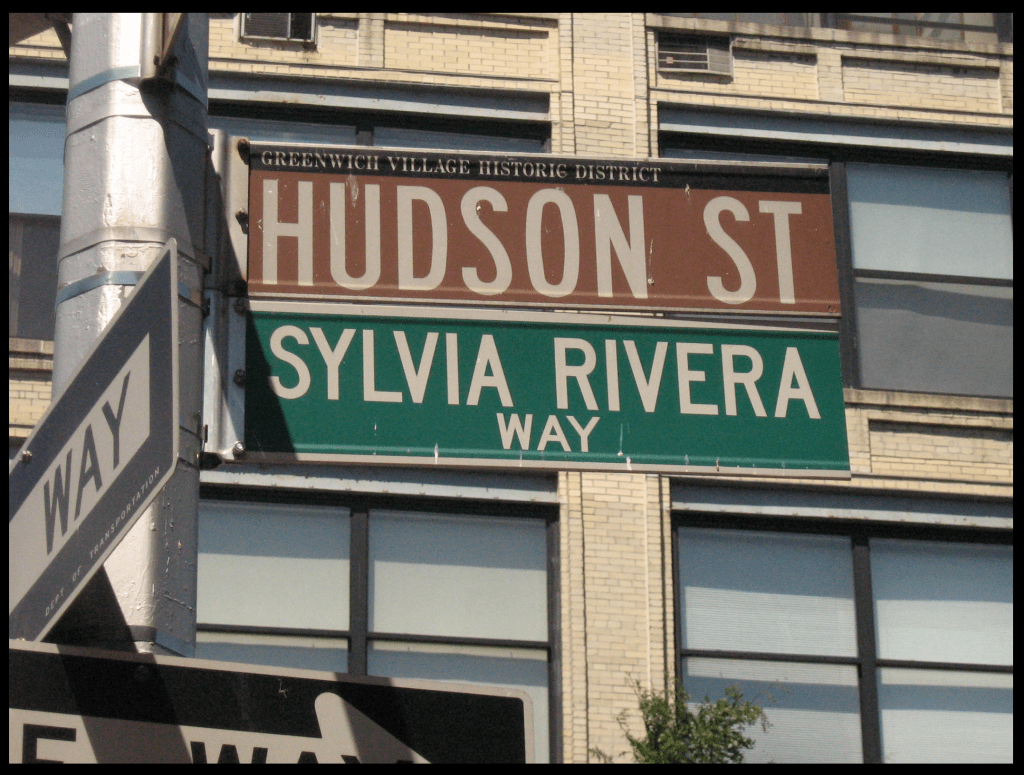
Street named in Sylia Rivera’s honor, Greenwich Village, New York City.

Like many in the LGBTQ+ community, alienation and abuse began at a very early age. The suffering Sylvia Rivera experienced throughout her life reflects the persecution LGBTQ+ endure specifically transgender people.

Sylvia’s resistance to gender oppression began as a child. At 10 years old, Sylvia was abandoned by her father and forced to live on the streets of New York City where she was exposed to continued abuse and drug use. Thanks to Martha P. Johnson and others in the LGBTQ+ community Sylvia was able to survive many hardships and move on with her life.

Months after the Stonewall Uprising, Sylvia began exploring the links between her personal experiences and different forms of oppression affecting millions of people. Sylvia soon realized the need to forge unity among the various people’s struggles for emancipation.

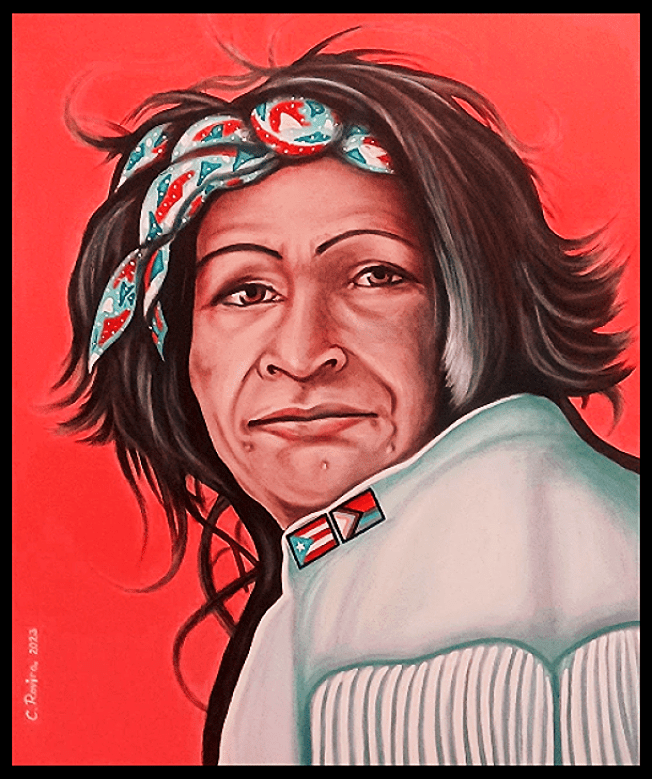
My portrait of Sylvia Rivera, painted in 2023. 24″ X 30″, acrylic paint on canvas.

Sylvia was adamantly anti-racist and became openly critical about the LGBTQ+ movement being hijacked by privileged white gay men. She was also critically vocal about the anti-Trans attitudes that exist in the LGBTQ+ community itself.

On August 15, 1970, Black Panther Party leader Huey P. Newton added to the storm of political enlightenment, with his statement of solidarity for the Gay and Women’s movements. Newton stated: “The gay liberation front and the women’s front are our friends, they are our potential allies, and we need as many allies as possible”.

Newton’s statement triggered measurable controversy within the Black Panther Party itself and many so-called “progressive” groups. Some were too embarrassed to admit being complicit in upholding traditions of sexual oppression.

Moreover, the new political storm also left a critical impact on the Young Lords’ disposition towards LGBTQ+. Young Lords Gay & Lesbian members who were still in the closet were now embolden and found a sense of freedom to caucus without shame. 

Along with other members of the Young Lords Party, I had the pleasure and honor to serve as bodyguard security on Sylvia Rivera. Our task was to protect Sylvia at all costs during a period when she became the target of death threats. Sylvia’s outspokenness was viewed with disdain by the hierarchy of organized religion, police officials and random figures among the far-right.

Despite the fake atoning overtures made by government officials years later, the militant leadership Black and Brown transgendered people displayed on June 28, 1969, has never been forgiven nor forgotten by NYPD’s top brass. Blatant discrimination, violence, and homelessness continue to be the reality for this demographic of the U.S. population, especially transgendered children.

Site of the Stonewall Inn, 53 Christopher Street, New York City.

Sylvia supported the Young Lords Party wholeheartedly, not only as a fellow Puerto Rican herself, but because she was observant of the humanity and respect YLP members displayed towards her and LGBTQ+ people in general. Sylvia was impressed by the political perspective of the Young Lords which motivated her to participate in many of our activities, specifically mass demonstrations.

During one of her many interviews when asked what she felt about the Young Lords, Sylvia stated: “Any time they needed any help, I was always there for the Young Lords. It was just the respect they gave us as human beings. They gave us a lot of respect.”

From a 1998 interview by Young Lords veteran and author Iris Morales – Through the Eyes of Rebel Women: The Young Lords 1969-1976.

It is indisputable that Sylvia Rivera was a Revolutionary. Thanks to her leadership and militant defiance to oppression another link was made to the long chain of resistance. It is warriors of the oppressed like Sylvia Rivera and Marsha P Johnson, that will guarantee the contributions and role LGBTQ+ will play in the rise of a new revolutionary mass movement in this country.

LONG LIVE THE LEGACY OF SYLVIA RIVERA!