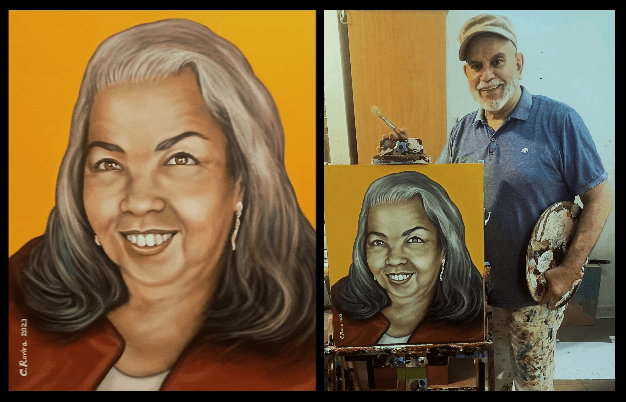
Here is a canvas portrait I recently painted of an unsung woman warrior whom I hold very dear in my heart, Dr. Martha Duarte Arguello. Martha was among those who contributed to my personal and political development during our mutual experience as members of the Young Lords Party.
Portrait of a Warrior Woman, my dear sister Martha. On the right, is when I completed the painting.
As a young child, Martha was reared in a Dominican family that upheld revolutionary traditions and resisted the fascistic reign of Rafael Trujillo. Her revolutionary zeal and internationalist spirit allowed her to understand the meaning of solidarity to defeat a common oppressor.
It is without a doubt that this sister’s experiences in the Dominican struggle made a contributing mark on the history of the Young Lords. Martha was among other Dominican sisters and brothers who were in the ranks of the Young Lords, along with other Latinx and African American members.
Martha was both exemplary and selfless on many levels. She embraced the idea of organizing and politicizing the common people on the street as well as defending them from the racist police.
Her stern disposition and commitment to the struggle for human emancipation became apparent to many Young Lords. As a result, Martha’s leadership traits shattered many sexist myths and allowed her to become the first woman in the Defense Ministry – the special component in YLP’s structure responsible for the organization’s security.
Martha was also one of the founders of the Young Lords Women’s Caucus, which became famous for introducing to the general membership new and revolutionary concepts including the connections between patriarchy and racist oppression. In many ways, the Women’s Caucus became the YLP’s political backbone and emotional fire.
This portrait is 20” X 24”, acrylic paint on canvas. It was inspired by my respect and affection for Dr. Martha Duarte Arguello. For someone who joined a predominantly Puerto Rican organization while being of another nationality, proved her internationalist convictions and what was meant to be a Young Lord.
“Before I die, I will see our community given the respect we deserve. I’ll be damned if I’m going to my grave without having the respect this community deserves. I want to go to wherever I go with that in my soul and peacefully say I’ve finally overcome.” -Sylvia Rivera
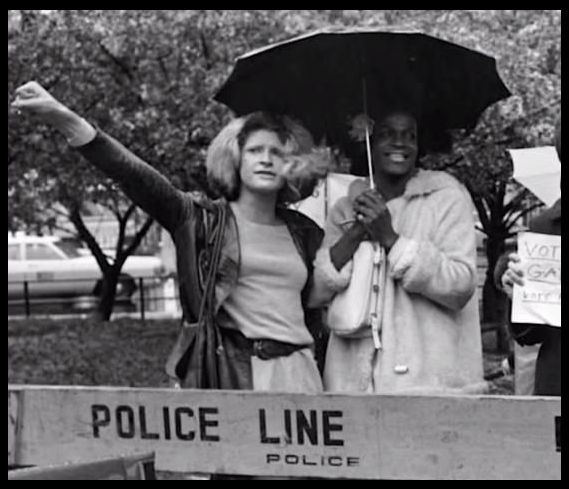
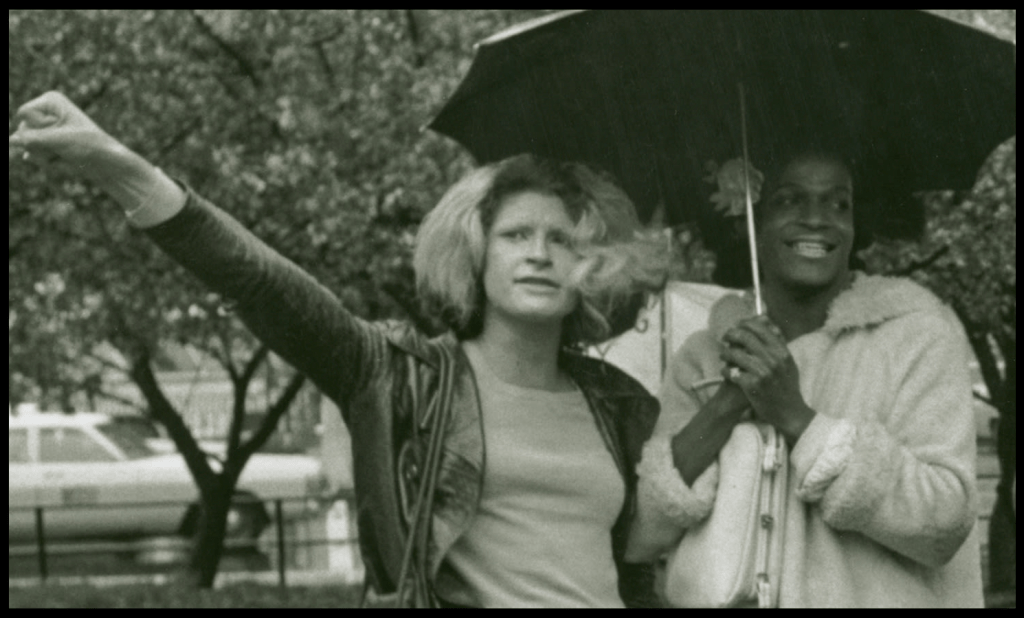
Sylvia Rivera was a Puerto Rican transgendered woman who became a significant historic figure in the struggle against LGBTQ+ oppression. Along with her closest friend and trusted ally, Marsha P. Johnson, an African American also a transgendered woman, they both became the principal leaders of the June 28, 1969, Stonewall Uprising in New York City’s Greenwich Village.
This critical moment in U.S. history sparked a momentum that shattered many anti-gay taboos. LGBTQ+ people in the United States and the world benefited years later from the political shockwaves caused by this struggle.
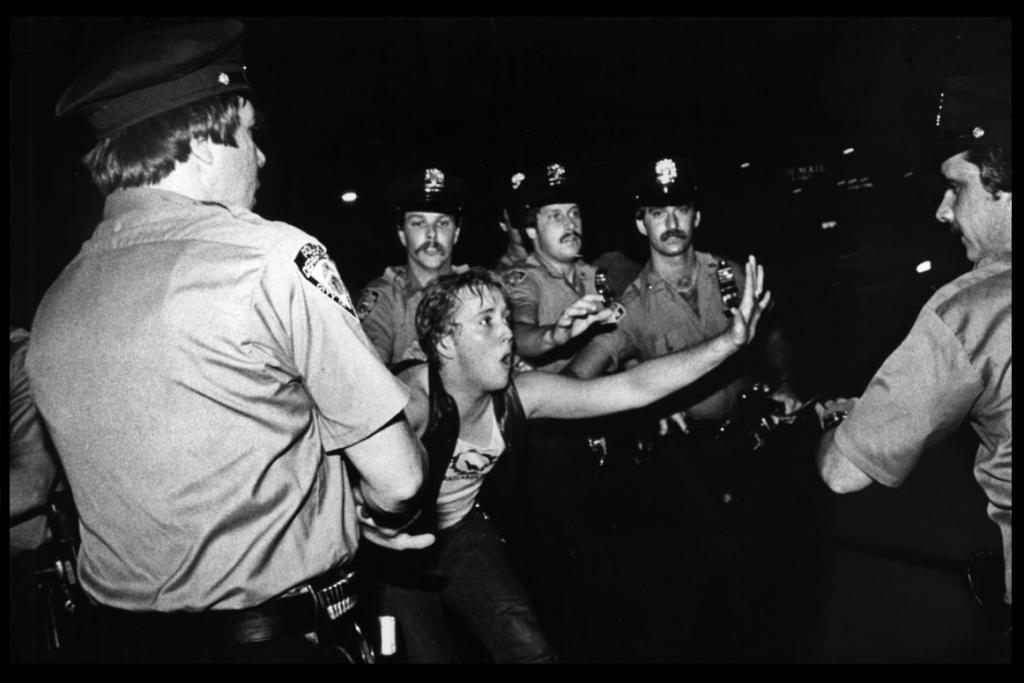
The racist and homophobic New York Police Department (NYPD) stormed into the Stonewall Inn, a tavern and safe space for many in the LGBTQ+ community. When the cops entered in storm-trooper fashion their intent was to brutalize the patrons of this establishment.
But unexpectedly, the would-be victims fought back. As soon as a customer was struck in the face the cops were challenged with a fury of fists, chairs and other flying objects. What began at Stonewall spilled onto the streets and for several nights the LGBTQ+ community clashed with riot police in lower Manhattan.
Sylvia Rivera and Martha P. Johnso
The Stonewall Uprising occurred in the setting of a mass upsurge throughout the United States during the 1960’s-1970’s, in which Civil Rights and the movement against the Vietnam War were at the center of discussion. As Black and Brown women revolted against centuries-long racist and patriarchal practices, while war in Southeast Asia compelled the youth to resist the draft and deployment to the battlefield, the Stonewall Uprising placed LGBTQ+ oppression on the map of resistance.
As a result of their courageous stance, Sylvia Rivera, Marsha P. Johnson, and many others were also able to successfully place LGBTQ+ oppression in the context of reactionary cultural “norms” in capitalist society.
Despite arguments made by far-right bourgeois circles, Evangelicals and other religious denominations, LGBTQ+ people have been an integral part of human social development before the beginning of recorded history.
The plight of LGBTQ+ people came about many centuries ago with the rise of social class society. Organized religion has served as capitalism’s most reliable ideological bulwark. The same institution that was used to defend the system of African chattel slavery is now spearheading the persecution of LGBTQ+ people.
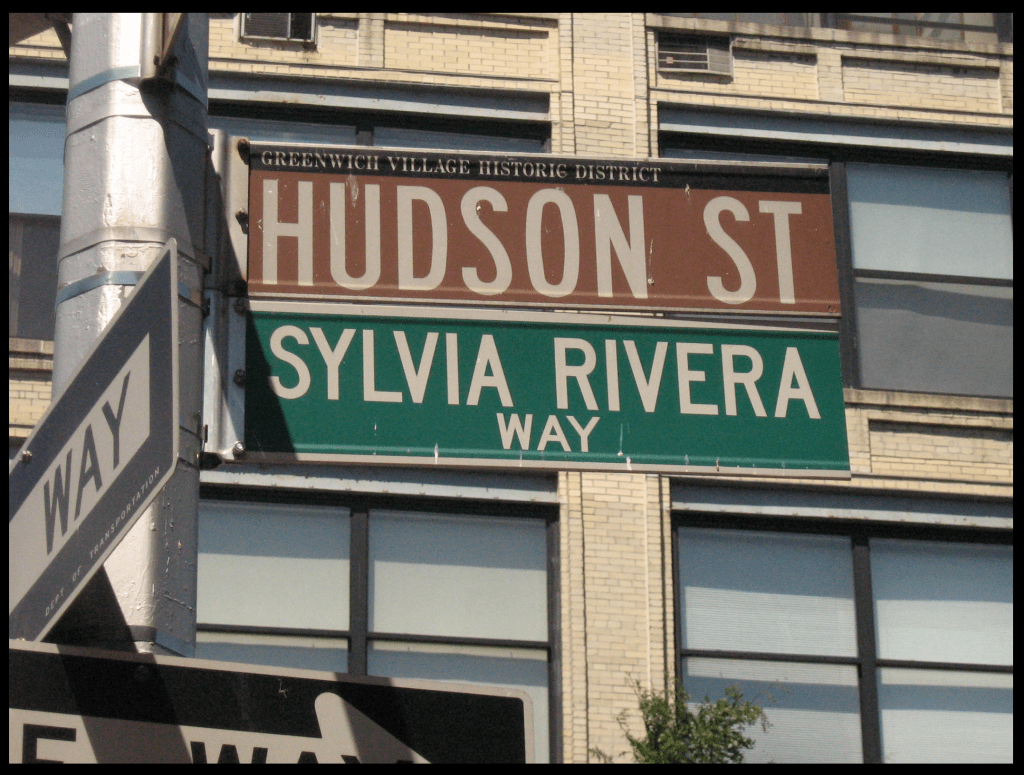
Street named in Sylia Rivera’s honor, Greenwich Village, New York City.
Like many in the LGBTQ+ community, alienation and abuse began at a very early age. The suffering Sylvia Rivera experienced throughout her life reflects the persecution LGBTQ+ endure – specifically transgender people.
Sylvia’s resistance to gender oppression began as a child. At 10 years old, Sylvia was abandoned by her father and forced to live on the streets of New York City where she was exposed to continued abuse and drug use. Thanks to Martha P. Johnson and others in the LGBTQ+ community Sylvia was able to survive many hardships and move on with her life.
Months after the Stonewall Uprising, Sylvia began exploring the links between her personal experiences and different forms of oppression affecting millions of people. Sylvia soon realized the need to forge unity among the various people’s struggles for emancipation.
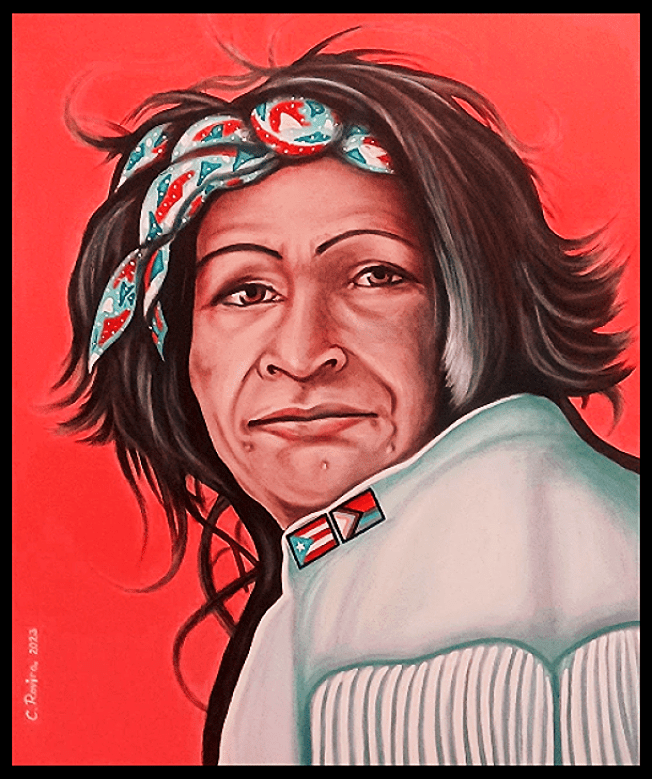
My portrait of Sylvia Rivera, painted in 2023. 24″ X 30″, acrylic paint on canvas.
Sylvia was adamantly anti-racist and became openly critical about the LGBTQ+ movement being hijacked by privileged white gay men. She was also critically vocal about the anti-Trans attitudes that exist in the LGBTQ+ community itself.
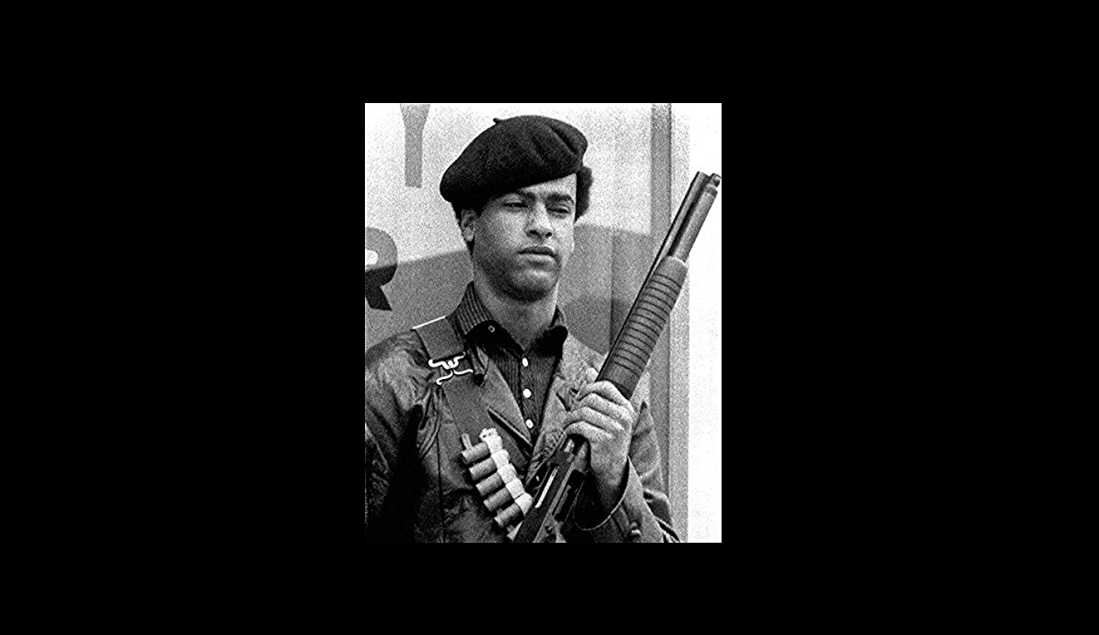
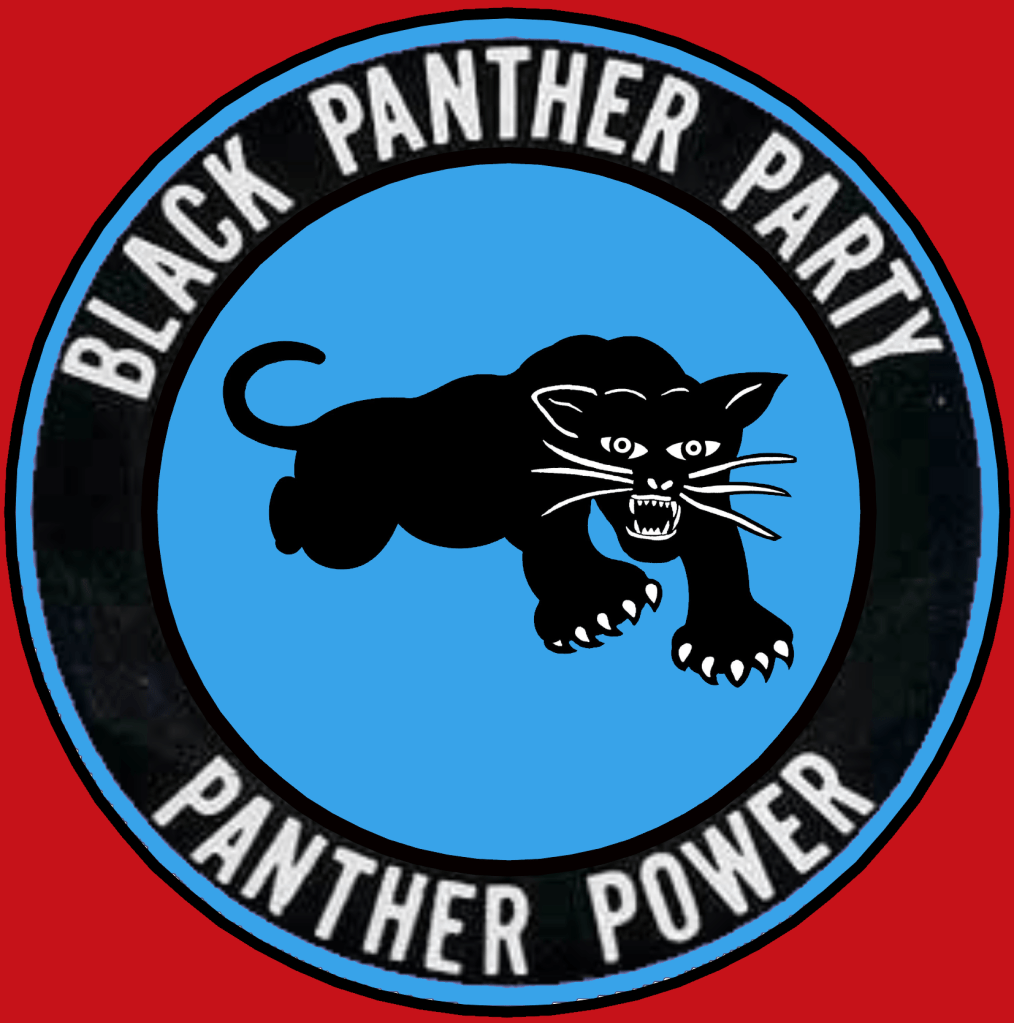
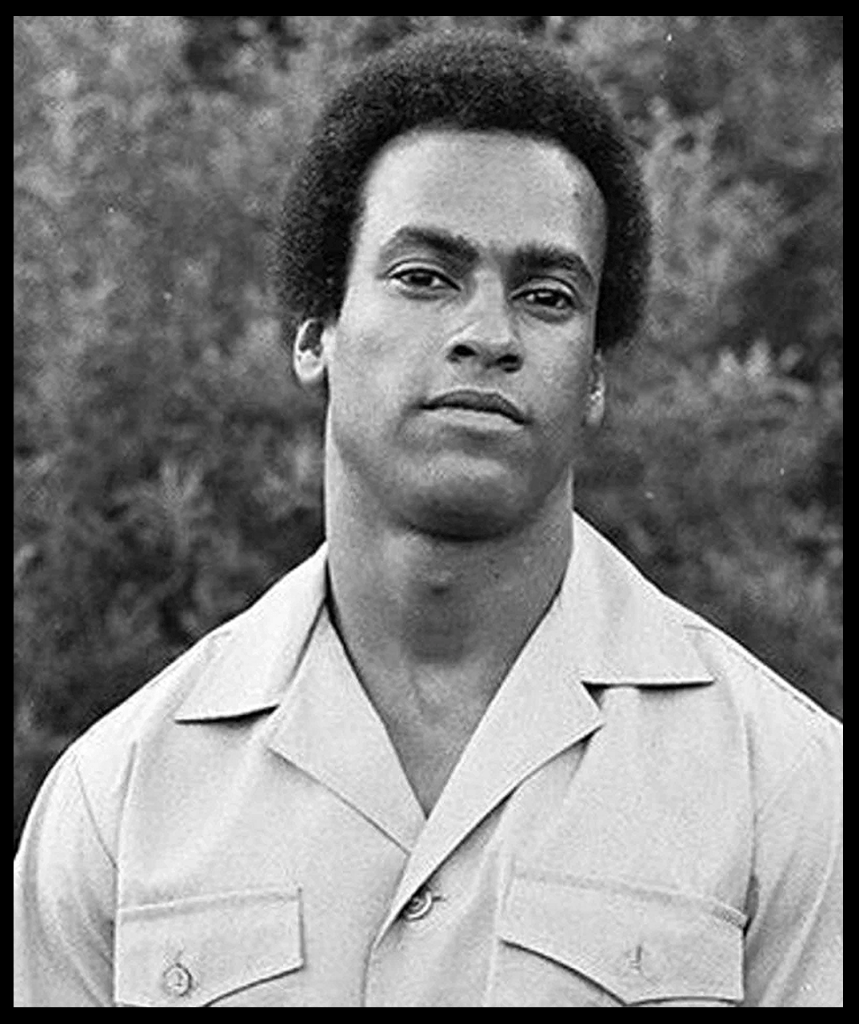
On August 15, 1970, Black Panther Partyleader Huey P. Newton added to the storm of political enlightenment, with his statementof solidarity for the Gay and Women’s movements. Newton stated: “The gay liberation front and the women’s front are our friends, they are our potential allies, and we need as many allies as possible”.
Newton’s statement triggered measurable controversy within the Black Panther Party itself and many so-called “progressive” groups. Some were too embarrassed to admit being complicit in upholding traditions of sexual oppression.
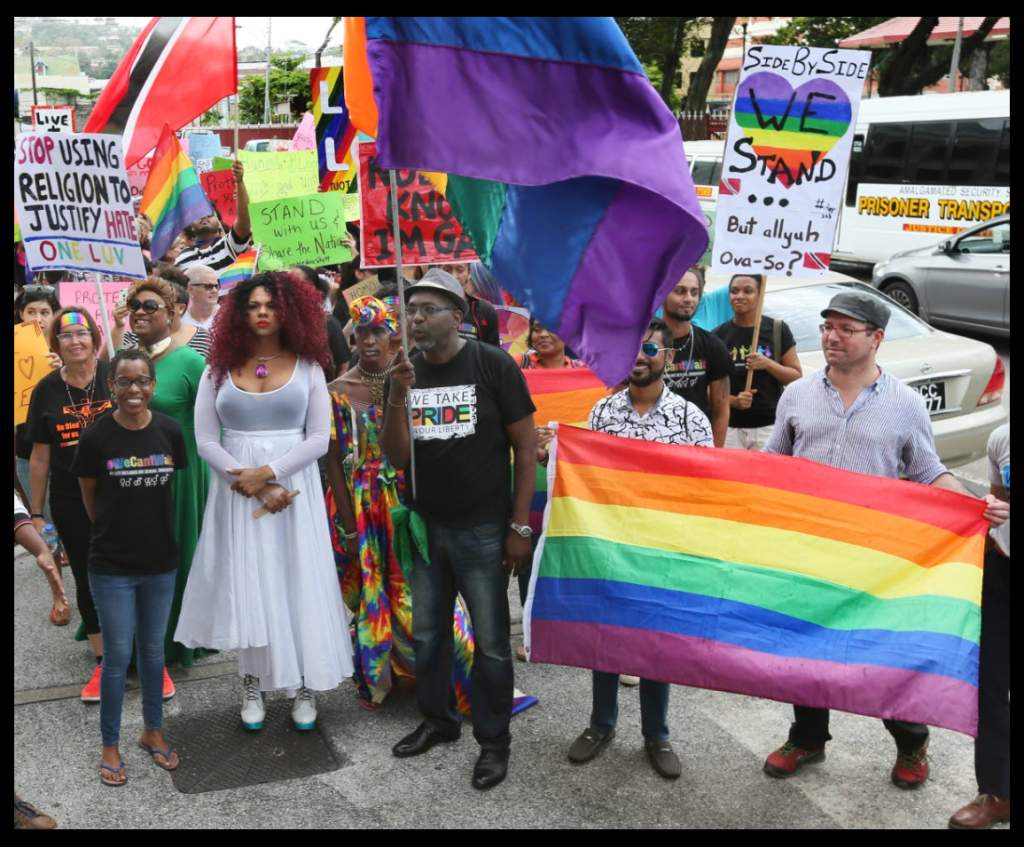
Moreover, the new political storm also left a critical impact on theYoung Lords’ disposition towards LGBTQ+. Young Lords Gay & Lesbian members who were still in the closet were now embolden and found a sense of freedom to caucus without shame.
Along with other members of the Young Lords Party, I had the pleasure and honor to serve as bodyguard security on Sylvia Rivera. Our task was to protect Sylvia at all costs during a period when she became the target of death threats. Sylvia’s outspokenness was viewed with disdain by the hierarchy of organized religion, police officials and random figures among the far-right.
Despite the fake atoning overtures made by government officials years later, the militant leadership Black and Brown transgendered people displayed on June 28, 1969, has never been forgiven nor forgotten by NYPD’s top brass. Blatant discrimination, violence, and homelessness continue to be the reality for this demographic of the U.S. population, especially transgendered children.
Site of the Stonewall Inn, 53 Christopher Street, New York City.
Sylvia supported the Young Lords Party wholeheartedly, not only as a fellow Puerto Rican herself, but because she was observant of the humanity and respect YLP members displayed towards her and LGBTQ+ people in general. Sylvia was impressed by the political perspective of the Young Lords which motivated her to participate in many of our activities, specifically mass demonstrations.
During one of her many interviews when asked what she felt about the Young Lords, Sylvia stated:“Any time they needed any help, I was always there for the Young Lords. It was just the respect they gave us as human beings. They gave us a lot of respect.”
It is indisputable that Sylvia Rivera was a Revolutionary. Thanks to her leadership and militant defiance to oppression another link was made to the long chain of resistance. It is warriors of the oppressed like Sylvia Rivera and Marsha P Johnson, that will guarantee the contributions and role LGBTQ+ will play in the rise of a new revolutionary mass movement in this country.
On August 15, 1970, on the heels of the Stonewall Rebellion, Black Panther Party co-founder Huey P. Newton, surprised the progressive and revolutionary movement in the United States when he gave a speech that outlined the Party’s position on two emerging movements during the mass upsurge of the 1960’s. It called for an end to Women’s and LGBTQ+ oppression. Huey P. Newton’s statement became strikingly controversial, because of the centuries-long strength of capitalist ideology, that is, patriarchy with its divisive misogynistic and homophobic features.
Huey P. Newton’s statement reflected the revolutionary enthusiasm of that period in history. His words shattered many backward taboos generally held in this society, the progressive-revolutionary movement, and the Black Panther Party itself.
——————–
In the words of Huey P. Newton:
“During the past few years strong movements have developed among women and among homosexuals seeking their liberation. There has been some uncertainty about how to relate to these movements.
Whatever your personal opinions and your insecurities about homosexuality and the various liberation movements among homosexuals and women (and I speak of the homosexuals and women as oppressed groups), we should try to unite with them in a revolutionary fashion. I say “whatever your insecurities are” because as we very well know, sometimes our first instinct is to want to hit a homosexual in the mouth and want a woman to be quiet. We want to hit a homosexual in the mouth because we are afraid that we might be homosexual; and we want to hit the woman or shut her up because we are afraid that she might castrate us or take the nuts that we might not have to start with.
We must gain security in ourselves and therefore have respect and feelings for all oppressed people. We must not use the racist attitude that the White racists use against our people because they are Black and poor. Many times, the poorest White person is the most racist because he is afraid that he might lose something or discover something that he does not have. So you’re some kind of a threat to him. This kind of psychology is in operation when we view oppressed people and we are angry with them because of their particular kind of behavior, or their particular kind of deviation from the established norm.
Remember, we have not established a revolutionary value system; we are only in the process of establishing it. I do not remember our ever constituting any value that said that a revolutionary must say offensive things towards homosexuals, or that a revolutionary should make sure that women do not speak out about their own particular kind of oppression. As a matter of fact, it is just the opposite: we say that we recognize the women’s right to be free. We have not said much about the homosexual at all, but we must relate to the homosexual movement because it is a real thing. And I know through reading, and through my life experience and observations that homosexuals are not given freedom and liberty by anyone in the society. They might be the most oppressed people in the society.
Sylvia Rivera and Martha P. Johnson, trans women who were leaders of the 1969 Stonewall Rebellion.
And what made them homosexual? Perhaps it’s a phenomenon that I don’t understand entirely. Some people say that it is the decadence of capitalism. I don’t know if that is the case; I rather doubt it. But whatever the case is, we know that homosexuality is a fact that exists, and we must understand it in its purest form: that is, a person should have the freedom to use his body in whatever way he wants.
That is not endorsing things in homosexuality that we wouldn’t view as revolutionary. But there is nothing to say that a homosexual cannot also be a revolutionary. And maybe I’m now injecting some of my prejudice by saying that “even a homosexual can be a revolutionary.” Quite the contrary, maybe a homosexual could be the most revolutionary.
New York City Cops about to brutalize a member of the LGBTQ+ community, Stonewall 1969.
When we have revolutionary conferences, rallies, and demonstrations, there should be full participation of the gay liberation movement and the women’s liberation movement. Some groups might be more revolutionary than others. We should not use the actions of a few to say that they are all reactionary or counterrevolutionary, because they are not.
We should deal with the factions just as we deal with any other group or party that claims to be revolutionary. We should try to judge, somehow, whether they are operating in a sincere revolutionary fashion and from a really oppressed situation. (And we will grant that if they are women they are probably oppressed.) If they do things that are unrevolutionary or counterrevolutionary, then criticize that action. If we feel that the group in spirit means to be revolutionary in practice, but they make mistakes in interpretation of the revolutionary philosophy, or they do not understand the dialectics of the social forces in operation, we should criticize that and not criticize them because they are women trying to be free. And the same is true for homosexuals. We should never say a whole movement is dishonest when in fact they are trying to be honest. They are just making honest mistakes. Friends are allowed to make mistakes. The enemy is not allowed to make mistakes because his whole existence is a mistake, and we suffer from it. But the women’s liberation front and gay liberation front are our friends, they are our potential allies, and we need as many allies as possible.
Huey P. Newton
We should be willing to discuss the insecurities that many people have about homosexuality. When I say “insecurities,” I mean the fear that they are some kind of threat to our manhood. I can understand this fear. Because of the long conditioning process that builds insecurity in the American male, homosexuality might produce certain hang-ups in us. I have hang-ups myself about male homosexuality. But on the other hand, I have no hang-up about female homosexuality. And that is a phenomenon in itself. I think it is probably because male homosexuality is a threat to me and female homosexuality is not.
We should be careful about using those terms that might turn our friends off. The terms “faggot” and “punk” should be deleted from our vocabulary, and especially we should not attach names normally designed for homosexuals to men who are enemies of the people, such as Nixon or Mitchell. Homosexuals are not enemies of the people.
We should try to form a working coalition with the gay liberation and women’s liberation groups. We must always handle social forces in the most appropriate manner.“
Huey P. Newton, Minister of Defense, Black Panther Party
August 15, 1970
In the spirit of Huey P. Newton, LGBTQ+ LIVES MATTER!
Long Live the Legacy of Huey P. Newton and the Black Panther Party!
La acumulación de riqueza en un polo es al mismo tiempo acumulación de miseria, agonía del trabajo, esclavitud, ignorancia, brutalidad, degradación mental, en el polo opuesto. -Karl Marx
El 5 de mayo de 1818, en la ciudad de Tréveris, Provincia de Prusia en Alemania nació una gran figura histórica que con el tiempo conmocionaría a todas las escuelas de pensamiento. Carlos Marx impactaría a toda la sociedad, incluidos aquellos que sirvieron para proteger a la clase insegura de opresores, tiranos y explotadores durante su tiempo y en el mundo de hoy.
Este valiente revolucionario finalmente formuló ideas que servirían para proporcionar a las personas oprimidas y explotadas una teoría revolucionaria integral, basada en el estatus social y económico de la clase trabajadora. Fue en colaboración con su camarada y amigo de mayor confianza, Friedrich Engels, que Marx pudo desarrollar un enfoque científico para examinar el capitalismo, para acelerar su derrocamiento.
Uno de los mayores logros de Marx fueron sus conclusiones analíticas sobre cómo se crean las ganancias capitalistas. La clase capitalista no eran los amos de la sociedad porque trabajaron más duro o fueron más inteligentes que nadie. Su posición fue gracias a su robo de plusvalía: el valor de las mercancías por encima y más allá de lo que es socialmente necesario para producirlas. Esta plusvalía es fruto del trabajo no remunerado, que se convierte en el núcleo de la inmensa riqueza robada por los capitalistas.
La rapidez de producción que resultó significó que la abundancia tendió a causar escasez, cuando la sobreproducción provocó despidos laborales, lo que hizo que los bienes básicos fueran inasequibles para los trabajadores, mientras que los capitalistas solo estaban interesados en satisfacerse con el deseo de maximizar la tasa de plusvalía.
Una vez que estos bienes básicos circularan en el mercado y se vendieran, la plusvalía ya creada se realizaría como ganancias.
Y debido a que el capitalismo colectivizó la producción de mercancías con concentraciones de trabajadores organizados para una distribución del trabajo, se introdujo una socialización de la producción. La magnitud de la producción alcanzó gradualmente niveles nunca antes vistos en la historia humana. La capacidad de las fuerzas productivas para satisfacer las necesidades de todos en esta sociedad reveló varias veces por qué la pobreza y la miseria son un absurdo que se hereda en este sistema. Este es un fenómeno que inevitablemente obligará a los trabajadores a rebelarse.
En las palabras de Karl Marx:
“La condición esencial para la existencia y el dominio de la clase burguesa es la formación y el aumento del capital; la condición del capital es el trabajo asalariado. El trabajo asalariado se basa exclusivamente en la competencia entre los trabajadores. El avance de la industria, cuyo promotor involuntario es la burguesía, reemplaza el aislamiento de los trabajadores, debido a la competencia, por la combinación revolucionaria, debido a la asociación. El desarrollo de la Industria Moderna, por lo tanto, corta bajo sus pies el fundamento mismo sobre el cual la burguesía produce y se apropia de los productos. Lo que la burguesía produce, por tanto, sobre todo, son sus propios sepultureros. Su caída y la victoria del proletariado son igualmente inevitables”.
Fue este análisis el que llevó a Marx y Engels a volverse inflexibles e implacables en sus críticas a la Economía Política, es decir, el argumento engañoso e hipócrita utilizado por los gobernantes capitalistas para justificar su comportamiento parasitario en la brutal explotación de los trabajadores.
Este análisis también fue central en la visión del mundo de Marx que definió sus concepciones en filosofía, ideología, política, historia, cultura y artes, pero lo más importante de todo fue su actitud hacia la relación antagónica entre clases sociales opuestas.
EL IMPACTO TREMENDO DE CARLOS MARX
EN EL MUNDO
Las ideas de Marx impactaron movimientos progresistas y revolucionarios en todos los continentes a lo largo del siglo XX, mucho después de su muerte. Gracias al liderazgo político del ruso V.I. Lenin, las ideas de Marx guiaron el desarrollo de la Unión Soviética, el primer experimento mundial de economía socialista planificada.
Las ideas contenidas en esta nueva doctrina resultaron tan alarmantes para figuras prominentes de la clase dominante que, poco después de que las obras completas de Karl Marx y Federico Engels se publicaran en inglés, se produjo una escasez de suministro en Estados Unidos. Prestigiosas instituciones académicas realizaron grandes compras a editoriales europeas.
Economistas, filósofos, historiadores, antropólogos, arqueólogos burgueses, etc., en Estados Unidos comenzaron a “estudiar” el marxismo, no con la intención de comprender su lógica revolucionaria, sino de buscar sus puntos débiles para desacreditarla.
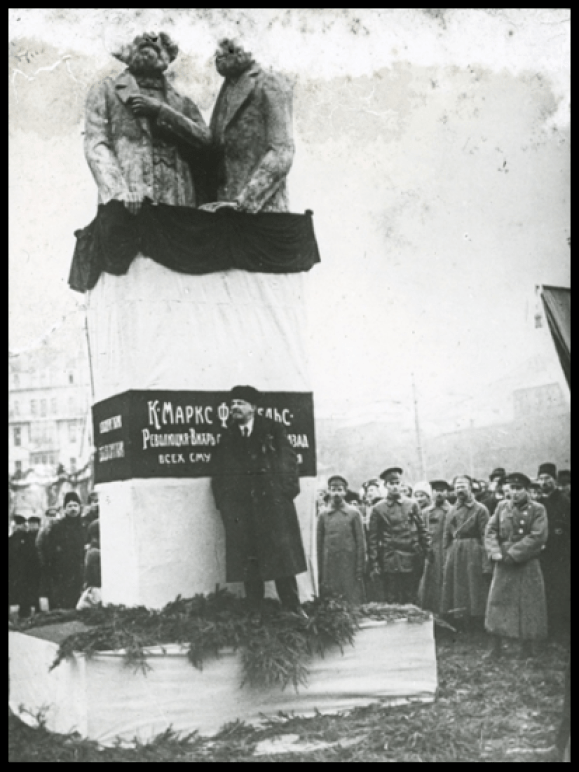
El líder revolucionario ruso, V.I. Lenin, en el monumento a Marx y Engels en la Unión Soviética, 1918.
En su mayor parte, las teorías de Marx demostraron ser consistentes con sus expectativas cuando los trabajadores en los países capitalistas industrializados se rebelaron ferozmente mientras que en las regiones saqueadas y colonizadas de África, Asia y América Latina, el imperialismo capitalista fue desafiado por la furia de las luchas de liberación nacional.
No es de extrañar que figuras revolucionarias como Amilcar Cabral, Celia Sanchez, Ho Chi Minh, Claudia Jones, Madame Nguyễn Thị Định, Fidel Castro Ruz, Patrice Lumumba, Nguyễn Thị Bình, Ernesto Che Guevara, Mao Zedong, Steve Biko, Kim Il- Sung y muchos otros, recurrieron a abrazar el marxismo y buscaron formas de aplicar sus muchas lecciones a sus respectivas realidades.
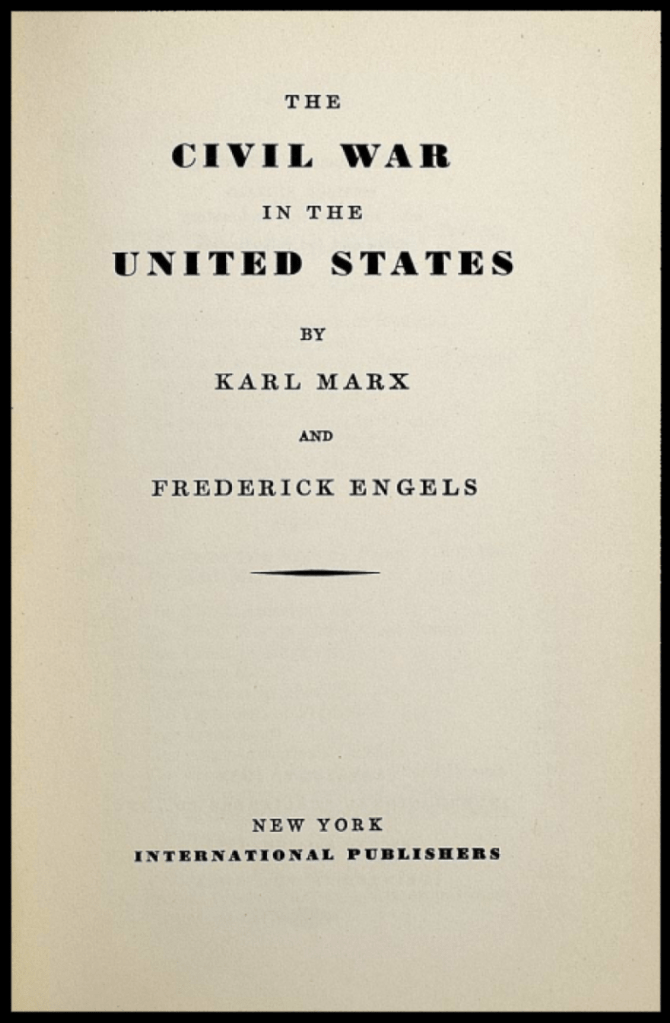
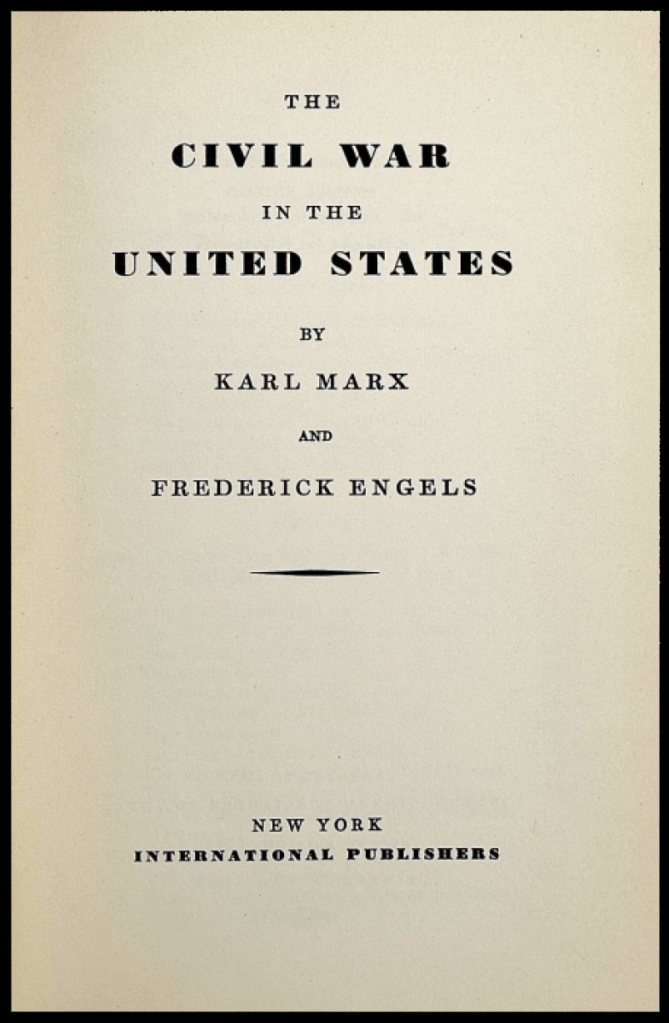
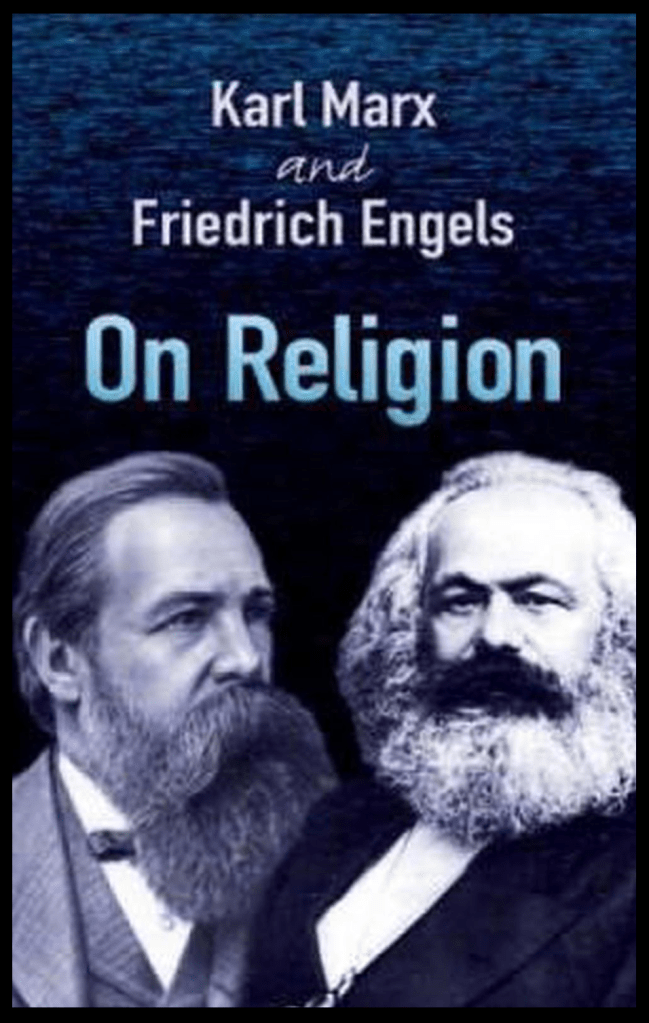
Contenido en los primeros escritos de Marx y Engels como el Manuscrito Filosófico y Económico, El Manifiesto Comunista, Los Orígenes de la Familia, la Propiedad Privada y el Estado, La Guerra Civil en los Estados Unidos, La Utopía y el Socialismo Científico, Sobre la Religión, el Salario, el Precio y la Las ganancias, junto con el resto de su vasta colección de escritos, son muchas lecciones valiosas que son indiscutiblemente aplicables en nuestras experiencias actuales. Por eso, hasta el día de hoy, 141 años después de su muerte, Carlos Marx sigue siendo despreciado y temido por los gobernantes capitalistas.
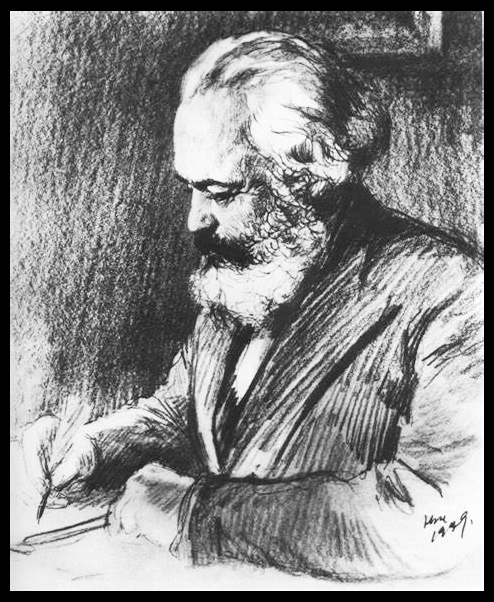
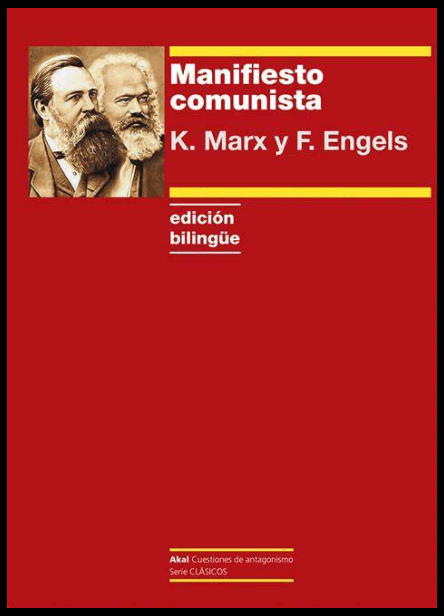
La escritura clásica que sigue rondando a la clase dominante.
En Estados Unidos, figuras afroamericanas como Cyril Briggs, Harry Haywood, W.E.B. DuBois, Lorraine Hansberry, Paul Robeson, Audre Lorde, Fred Hampton y muchos más pudieron ver cómo la lucha de liberación negra tenía afinidades naturales con el análisis fundamental del marxismo. En las décadas de 1960 y 1970, el escrito más notable del marxismo, “El Manifiesto Comunista”, se convirtió en uno de los varios requisitos de estudio de educación política para los miembros del Partido Panteras Negra y del Partido Young Lords.
CARLOS MARX Y LA GUERRA CIVIL EN LOS
ESTADOS UNIDOS
Uno de los compromisos políticos más notables de Marx fue su intervención en los acontecimientos de la Guerra Civil en los Estados Unidos. La esclavitud africana en los Estados Unidos fue la más lucrativa y brutal de toda la historia. Fue un sistema que sirvió como impulso económico para el capitalismo y le permitió crecer hasta convertirse en la colosal riqueza que comprende hoy.
A través de su correspondencia con el presidente Abraham Lincoln y de su columna en el New York Tribune, Karl Marx trató de generar presión insistiendo firmemente en la necesidad de un decreto que hiciera técnicamente ilegal la esclavitud.
El 1 de enero de 1863, Lincoln firmó la Proclamación de Emancipación. Este documento monumental se convirtió en el precedente legal para reclutar y armar a los ex esclavos. Aunque los motivos de Lincoln eran de consideración militar, la Proclamación de Emancipación aceleró el resultado de la guerra y eventualmente garantizaría la derrota de la Eslavocracia del Sur.
Sectores de la clase dominante británica que tenían intereses económicos creados en la economía esclavista del Sur habían deseado intervenir militarmente en apoyo de la Confederación. Gracias al liderazgo de Karl Marx en la poderosa Asociación Internacional de Trabajadores de Inglaterra, se impidió que los gobernantes británicos acudieran en ayuda de la clase propietaria de esclavos del Sur.
El papel principal de Karl Marx en la movilización de la clase obrera inglesa para evitar la prolongación de la esclavitud africana en los Estados Unidos fue, en todos los sentidos objetivos, un profundo acto de solidaridad con el pueblo afroamericano. Las convicciones de Marx eran firmes, es por eso que afirmó: “El trabajo de piel blanca nunca puede liberarse mientras el trabajo de piel negra esté marcado”.
EL MARXISMO ES MÁS RELEVANTE HOY
QUE NUNCA ANTES
Las contribuciones revolucionarias de Carlos Marx y Friedrich Engels siguen siendo el blanco de los filósofos, economistas e historiadores burgueses. Los académicos de la clase dominante demuestran su desprecio por la clase trabajadora acusando falsamente al marxismo de ser “totalitario” o afirmando que está lleno de nada más que “fantasías irrealizables”, etc.
Del mismo modo, hay quienes, incluso dentro de la izquierda socialista predominantemente blanca de este país, afirman, rebosantes de arrogancia social, que el marxismo y el nacionalismo de los oprimidos son contradictorios y nunca pueden reconciliarse para complementarse entre sí, en la lucha contra los gobernantes capitalistas.
Otros en los sectores más conservadores de los movimientos nacionales, estrictamente preocupados por los sentimientos culturales más estrechos del nacionalismo, afirman erróneamente que el marxismo es una “cosa blanca” o europea y, por lo tanto, es irrelevante para la gente de color y sus luchas de liberación nacional.
Ambos puntos de vista solo sirven para promover las nociones reaccionarias de la supremacía blanca y el anticomunismo. Los hechos materiales objetivos prueban lo contrario. Bajo las intensas circunstancias del imperialismo actual, todas las entidades oprimidas tienen una relación de clase definida con el capitalismo. Es un fenómeno del que nadie puede escapar.
Las personas de color en los Estados Unidos son las comunidades más explotadas y perseguidas. Son víctimas de violencia policial y encarcelamiento. Si alguien va a tener un mayor interés y voz en la caída de este vil sistema y el establecimiento de una nueva sociedad, son aquellos que históricamente han estado en el fondo de la disparidad social y económica.
Es un absurdo y un reflejo de cuán profundamente arraigado está el privilegio blanco en la cultura creer que dominar el marxismo requiere que las personas de color descarten su propia identidad como agrupaciones nacionales históricamente constituidas dentro de la población en general. Esta distorsión del significado del marxismo descarta la necesidad de que el socialismo surja en igualdad de condiciones y ha resultado en la preservación de las tradiciones burguesas disfrazadas bajo el manto de defender la “unidad” de la clase trabajadora.
Las enseñanzas de Carlos Marx y Friedrich Engels son hoy más relevantes que nunca para las luchas de liberación de los pueblos negros, latinos, asiáticos, árabes e indígenas, especialmente debido a la super-explotación y al número cada vez mayor de estos grupos nacionales que ingresan a la clase obrera de los Estados Unidos.
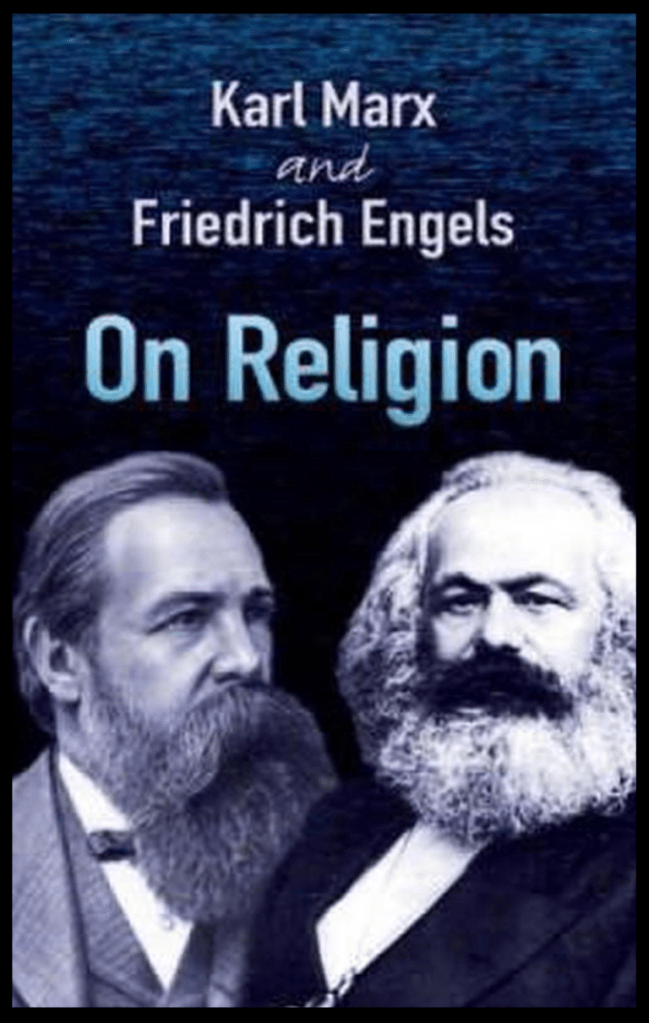
Una exposición de la hipocresía y la fantasía embriagadora de la religión organizada.
Las instituciones ideológicas capitalistas como la iglesia, los medios de comunicación, la educación pública, etc., implícita y explícitamente nos alentarán a aceptar lo que existe, es decir, a ser sumisos a las injusticias racistas del estado policial y el dominio de los ricos explotadores. Fue precisamente la opresión de la clase social, trayendo tanto sufrimiento a nuestro mundo, que Karl Marx desinteresadamente dedicó toda su vida a condenar y trabajó para deshacer.
Si Carlos Marx estuviera vivo hoy, seguramente habría sido parte de los movimientos que condenan la persecución de las familias inmigrantes e indocumentadas en los Estados Unidos, los asesinatos policiales racistas de los afroamericanos, la ocupación israelí de Palestina respaldada por los Estados Unidos así como la colonización de Puerto Rico por los Estados Unidos.
Es la devoción intransigente de Marx a la revolución en nombre de los trabajadores y los oprimidos del mundo lo que explica el odio total de la clase dominante por las concepciones que desarrolló, incluida la relevancia del marxismo para cada cuestión que enfrenta el mundo hoy. Los gobernantes no pueden soportar la idea de un análisis bien articulado que pida el fin del capitalismo y apunte hacia la única dirección para lograr la emancipación completa de la humanidad.
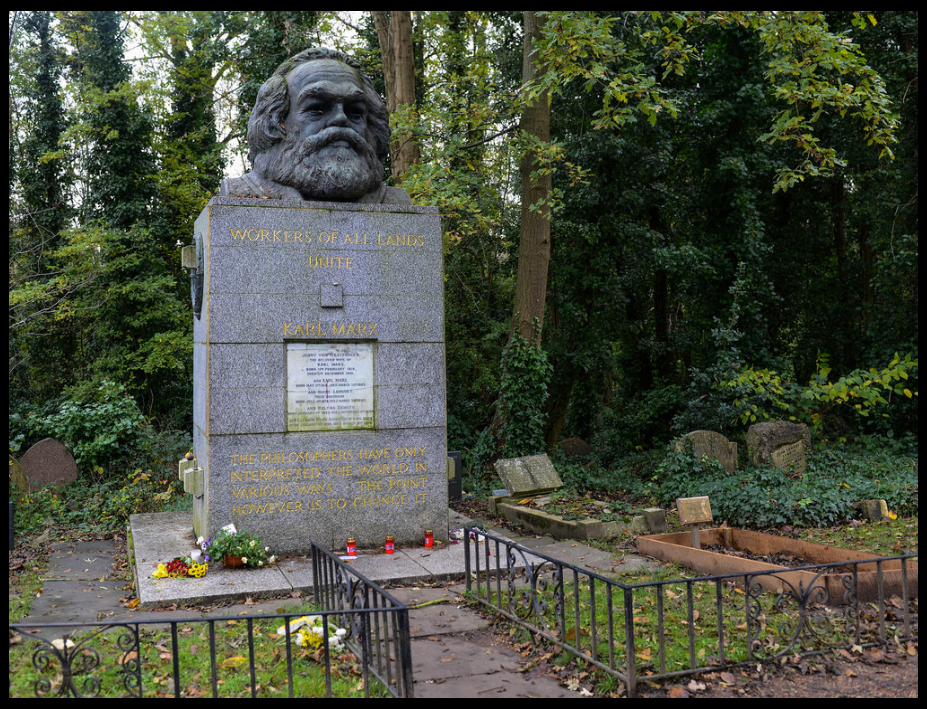
Tumba de Carlos Marx en el cementerio de Highgate, Londres, Inglaterra.
¡VIVA EL LEGADO REVOLUCIONARIO DE CARLOS MARX!
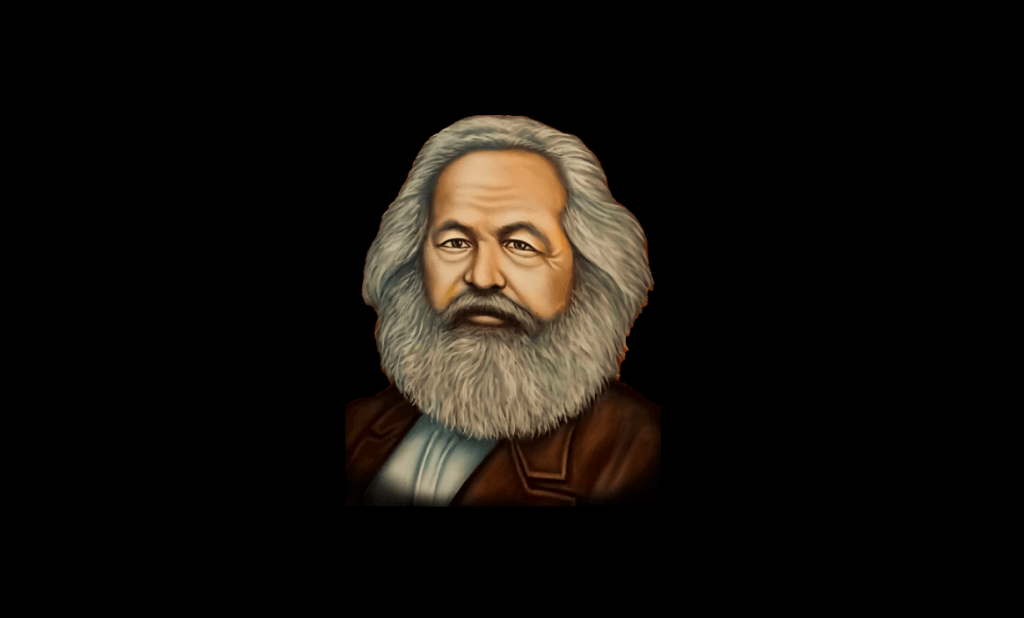
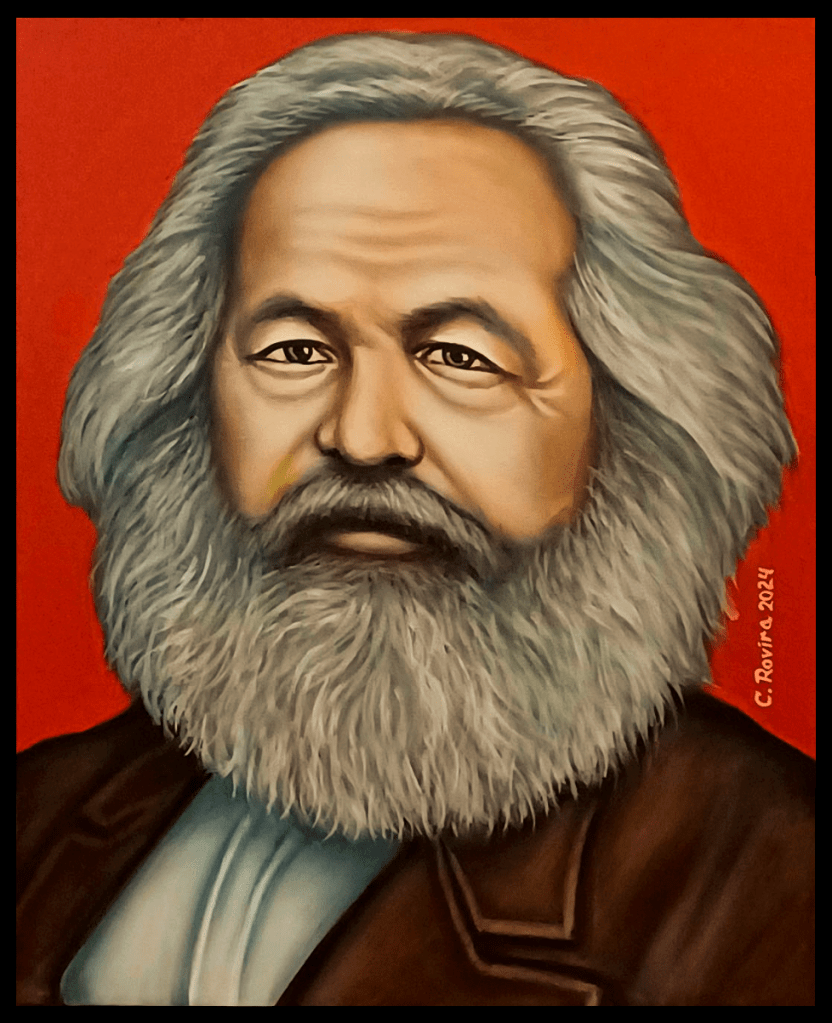
Mi retrato de Karl Marx. 50 x 60 cm, pintura acrílica sobre lienzo. Pintado en 2024.
V.I. Lenin nació el 22 de abril de 1870. Fue el líder de la Revolución Socialista Rusa de octubre de 1917, uno de los acontecimientos más monumentales del siglo XX. El levantamiento militante del pueblo ruso en esta ocasión provocó una conmoción en todo el mundo. Los tiranos, los colonizadores, los explotadores y los opresores quedaron incrédulos.
Lenin era un firme creyente en el Marxismo. Se dispuso a aplicar los principios de esta doctrina a la realidad socioeconómica y política de Rusia.
Lenin creía que derrocar a la clase dominante en ese vasto país semifeudal serviría para acelerar la caída de todo el sistema capitalista-imperialista, haciendo posible facilitar la revolución socialista en todo el mundo. Fue esta motivación la que lo llevó a encabezar la creación de la fuerza revolucionaria más sofisticada de la historia, un partido bolchevique.
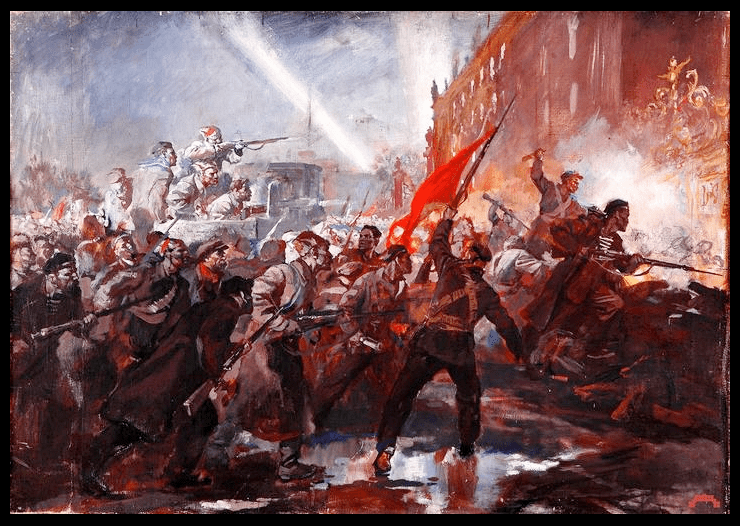
An artist’s depiction of the Russian Revolution’s storming of Winter Palace in 1917.
Y teniendo a su alrededor algunas de las mejores mentes de Rusia, como fundador del Ejército Rojo y genio militar de la revolución León Trotsky, Lenin pudo inspirar al pueblo ruso a derrotar una contrarrevolución y repeler a 14 ejércitos invasores imperialistas, incluido el de Estados Unidos.
El liderazgo de Lenin inspiró a cientos de millones de personas oprimidas y explotadas en todos los continentes. La Revolución Rusa bajo el liderazgo de Lenin tuvo un impacto en las revoluciones china, vietnamita, coreana y cubana, así como en muchos movimientos progresistas de todo el mundo.
Como resultado de su influyente y estratégica dirección, el leninismo se convirtió en un principio rector entre líderes revolucionarios como Amilcar Cabral, Celia Sanchez, Ho Chi Minh, Claudia Jones, Fidel Castro Ruz, Madame Nguyễn Thị Định, Ernesto Che Guevara, Nguyễn Thị Bình, Amilcar Cabral, Mao Zedong, Steve Biko, y otras figuras históricas internacionales.
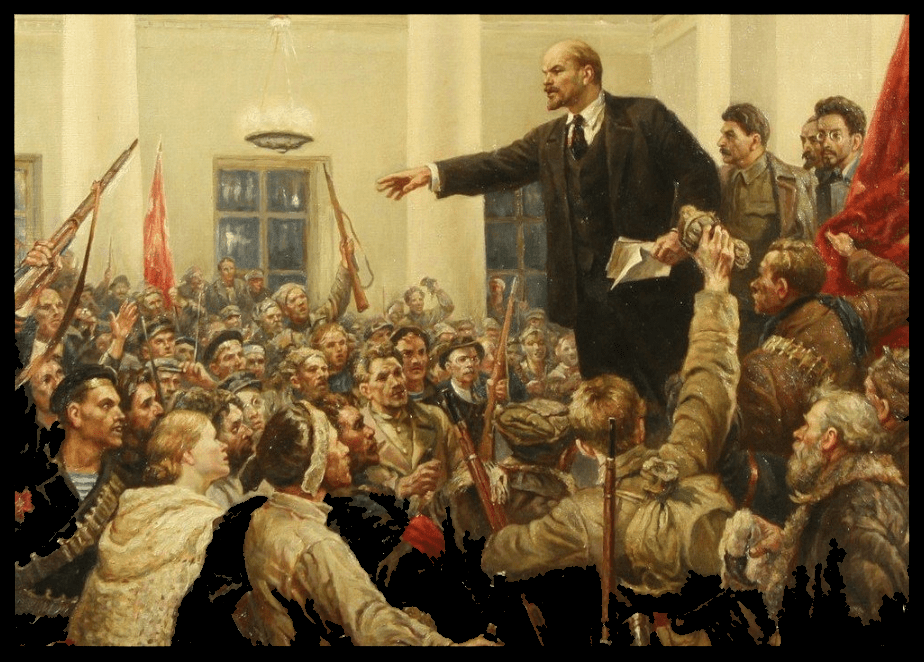
Una hermosa pintura que representa a Lenin dirigiéndose a los sovieticos de trabajadores.
Además, renombrados activistas puertorriqueños como Juana Colón y el nacionalista Juan Antonio Corretjer, líderes afroamericanos como Cyril Briggs, W.E.B. Dubois, Harry Haywood, Paul Robeson y otros, se vieron influenciados por lo que Lenin representaba políticamente: la necesidad de llevar a cabo el socialismo.
La destreza táctica de Lenin sigue siendo venerada por los revolucionarios de África, Asia y América Latina.
En los años 60-70, tanto las Panteras Negras como el Partido Young Lords, integrado por puertorriqueños de Estados Unidos, leían los escritos de Lenin como parte de sus clases obligatorias de educación política. Su plan de estudios incluía “El imperialismo, fase superior del capitalismo” y “Estado y revolución” de Lenin.
Después de un siglo desde la muerte de este líder bolchevique, su legado sigue siendo una amenaza para el sistema capitalista. La persona de Lenin sigue siendo vilipendiada por historiadores, educadores, medios de comunicación e instituciones religiosas burguesas.
A pesar de los intentos de trivializar y distorsionar sus enseñanzas, Lenin fue firmemente coherente en su creencia de que el sufrimiento humano sólo podría terminar negando a la clase multimillonaria su “derecho” al poder político, es decir, mediante la eliminación del sistema capitalista por parte del pueblo trabajador.
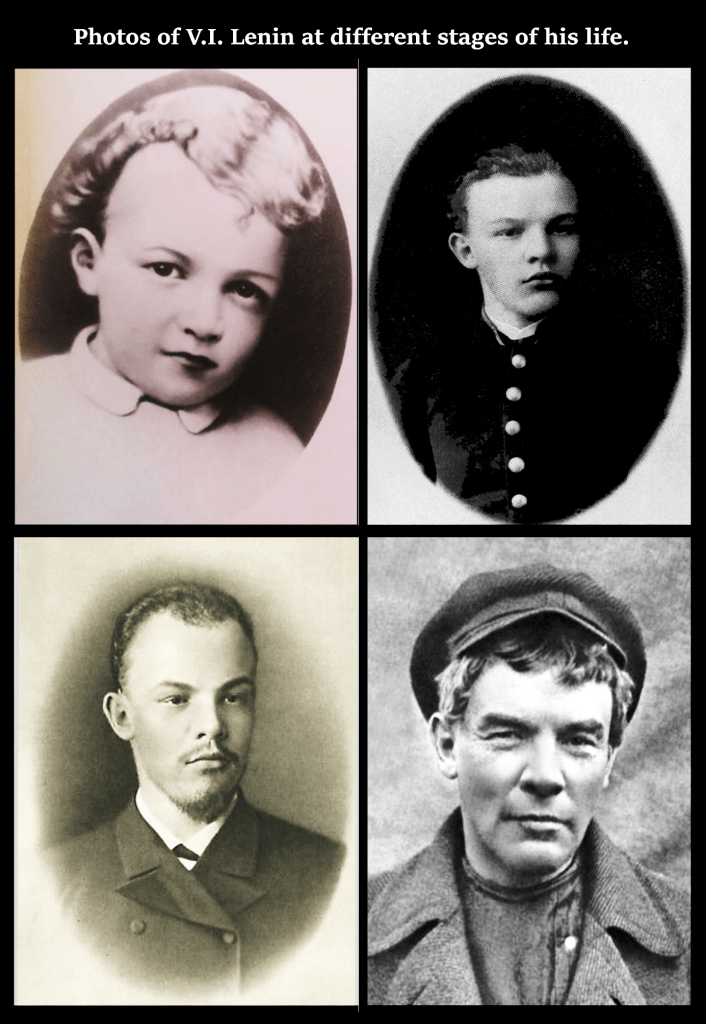
Lenin de pie con otros bolcheviques unos días después de la toma del poder.
Dada la situación actual en Estados Unidos, incluida la devastación de la pandemia de Covid-19, las lecciones extraídas del liderazgo y las enseñanzas de Lenin siguen siendo aplicables a la realidad del mundo actual.
Uno de los principios más fundamentales de Lenin era la necesidad de que la clase obrera creara su propio sistema político y organizativo. Hoy en día, sus puntos de vista sobre el Estado son los más atacados por los enemigos del socialismo, incluso por aquellos que dicen ser “socialistas” pero que son insidiosamente hostiles a sus enseñanzas.
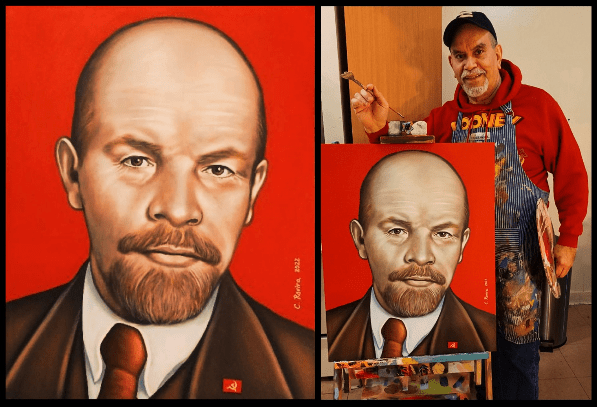
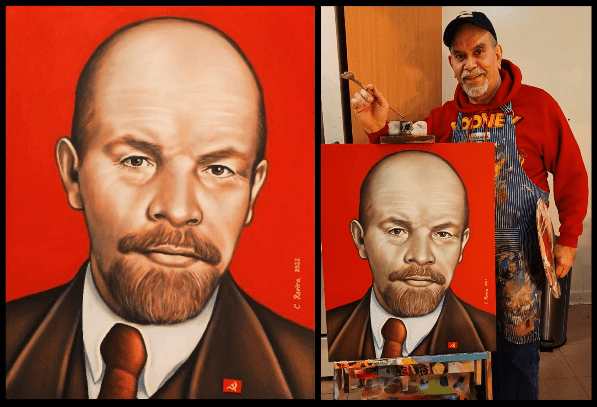
Muestro con orgullo mi retrato de Lenin. 24″ X 30″, pintura acrílica sobre lienzo. Completado en marzo de 2022.
Lenin fue severo con la eliminación de la policía, los tribunales, las prisiones y el ejército bajo el dominio capitalista, debido al inherente desprecio por estas instituciones a la clase obrera y los oprimidos.
Además, con la premisa de que el mundo se compone de muchas naciones, es por lo que Lenin fue inflexible e intransigente sobre el respeto al derecho de autodeterminación de las entidades nacionales oprimidas.
Lenin habló a menudo sobre el racismo en Estados Unidos, específicamente, sobre la difícil situación de las masas afroamericanas y su lucha contra la discriminación racista y todas las formas de agresión, especialmente el atroz acto de linchamiento a negros. Comprendió cómo el trabajo esclavizado de los negros servía de impulso al poderío económico del imperialismo estadounidense.
Además, Lenin criticó a Estados Unidos por lanzar la Guerra Hispanoamericana de 1898, en la que Guam, Filipinas, Cuba y Puerto Rico fueron invadidos y colonizados militarmente por Estados Unidos. Caracterizó ese acontecimiento como “la primera guerra imperialista”.
Lo que V.I. Lenin demostró con su carácter y su genio fue el poder que poseen los luchadores por la libertad al tener una visión de un mundo futuro mejor. Sus enseñanzas, sin duda, seguirán influyendo en las luchas de la clase obrera y en los movimientos de liberación nacional hasta que se logre finalmente la emancipación de la humanidad.
V.I. Lenin was born on April 22, 1870. He was the leader of the October 1917 Russian Socialist Revolution – one of the most monumental events of the twentieth century. The militant rise of the Russian people on this occasion sent shockwaves throughout the world. Tyrants, colonizers, exploiters, and oppressors were left in disbelief.
Lenin was a firm believer in Marxism. He set out to apply the principles of this doctrine to the socio-economic & political reality of Russia.
Lenin believed that by overthrowing the ruling class in that vast, semi-feudal country would serve to hasten the downfall of the entire capitalist-imperialist system, making it possible to facilitate socialist revolution throughout the world. It was this motivation which led him to spearhead the creation of history’s most sophisticated revolutionary force, a Bolshevik party.
And having some of the best minds in Russia around him, like founder of the Red Army and military genius of the revolution Leon Trotsky, Lenin was able to inspire the Russian people to defeat a counterrevolution and repel 14 imperialist invading armies, including from the United States.
His leadership inspired hundreds of millions oppressed and exploited people on every continent. The Russian Revolution under Lenin’s leadership impacted the Chinese, Vietnamese, Korean, and Cuban revolutions, as well as many progressive movements throughout the world.
Lenin’s tactical prowess is revered by revolutionaries in Africa, Asia, and Latin America. As a result of his influential and strategic direction,Leninism became a guiding principle among revolutionary leaders, such as Amilcar Cabral, Celia Sanchez, Ho Chi Minh, Claudia Jones, Madame Nguyễn Thị Định, Fidel Castro Ruz, Nguyễn Thị Bình, Ernesto Che Guevara, Mao Zedong, Steve Biko and many more international historic figures.
A beautiful painting depicting Lenin address armed workers Soviets.
Moreover, renown Puerto Rican activists like Juana Colon and Nationalist Juan Antonio Corretjer, African American leaders like Cyril Briggs, W.E.B. Dubois, Harry Haywood, Paul Robeson, and others, were all influenced by what Lenin represented politically – the necessity to bring about a socialist society.
After a century since the Bolshevik leader’s death, his legacy never stopped posing a threat to the capitalist system. And because Lenin’s persona is viewed with disdain by the mainstream, his name continues to be vilified by the anti-communism of bourgeois historians, educators, news media, and religious institutions.
In 1934 the billionaire John D. Rockefeller expressed precisely that contempt. Rockefeller ordered the destruction of a mural at 30 Rockefeller Plaza in New York City, because it contained a portrait of V.I. Lenin. The mural was the creation of renown Mexican painter Diego Rivera, who Rockefeller himself had commissioned.
Lenin standing with other Bolsheviks a few days after the seizure of power.
One of Lenin’s most fundamental principles was the need for the working class to create its own political and organizational system, with the highest sophistication. Despite attempts to trivialize and distort his teachings, Lenin was firmly consistent in his belief that human suffering could only end by denying the billionaire class the “right” to political power, that is, by working people eliminating the capitalist state.
Lenin was stern about eliminating the police, courts, prisons, and military under capitalist rule, due to its inherent disregard for the well-being of working class and oppressed people.
Given the current situation in the United States, with rampant police violence, food prices and rents skyrocketing, including the devastation of the Covid-19 pandemic, the lessons drawn from Lenin’s leadership and teachings continue to prove applicable to the reality of today’s world.
I proudly display my portrait of V.I. Lenin. 24″ X 30″, acrylic paint on canvas. Completed March 2022.
Part and parcel to stripping the capitalist class of their power is denying them “ownership” to the wealth they robbed from the people over many generations. According to Lenin “The expropriators would be expropriated.” His vision of a future socialist society was based on the Marxist premise – where working people produce and provide services while also taking part in managing all aspects of the economy.
Today, Lenin’s views on the state and bourgeois “property rights” are targeted by enemies of socialism – including by some who claim to be “socialists” but are insidiously hostile to his teachings.
In addition, with the premise that the world is comprised of many nations, is why Lenin was adamant and uncompromising about respecting the right of self-determination for all oppressed national entities, specifically conquered and colonized people.
Lenin often spoke out about racism in the United States, specifically, the plight of the African American masses and their fight against racist discrimination and all forms of violence, especially the heinous act of lynching.
Lenin understood that the persecution of African Americans and the downtrodden economic position they have been kept in has served to perpetuate racial divisions. He also understood how the centuries-long enslavement of Black labor became the impetus for the economic might of United States imperialism.
At a meeting of the Communist International (Comintern), a body made up of representatives from various Communist Parties, Lenin voiced support for a proposed resolution that raised the right of African Americans to succession. That is, the right of Black people to break away and create their own state in a separate territory, presumably in the Southern part of the United States. Lenin believed that if African Americans wished to succeed it would be perfectly within their right to self-determination.
Additionally, Lenin was critical of the United States for launching the 1898 Spanish-American War, in which Guam, the Philippines, Cuba and Puerto Rico were militarily invaded and colonized. It was Lenin who characterized that event as “the first Imperialist war.”
What V.I. Lenin demonstrated with his character and genius was the power freedom fighters possess when they fight for a better world. His teachings will undoubtedly continue to influence working class struggles and national liberation movements everywhere, until the emancipation of humanity is finally achieved.
Accumulation of wealth at one pole is at the same time accumulation of misery, agony of toil, slavery, ignorance, brutality, mental degradation, at the opposite pole. -Karl Marx _____________________________________________________________________________
A Tribute to Karl Marx, May 5, 1818 – March 14, 1883
By Carlos “Carlito” Rovira
On May 5, 1818 in the city of Trier, Prussia, a great historic figure was born who would eventually send shock waves towards every school of thinking. Karl Marx would impact all of society, including those who served to protect the insecure class of oppressors, tyrants and exploiters, during his time and the present.
This gallant revolutionary eventually formulated ideas that would serve to provide oppressed and exploited people with a comprehensive revolutionary theory, based on the social and economic status of the working class. It was in collaboration with his most trusted comrade and friend, Friedrich Engels, that Marx was able to develop a scientific approach for examining capitalism — in order to expedite it’s overthrow.
One of the greatest achievements made by Marx was his analytical conclusions of how capitalist profits are created. The capitalist class were not the lords of society because they worked harder or were smarter than anyone else. Their position was thanks to their theft of surplus value — the value of commodities above and beyond what is socially necessary to produce them. This surplus value is the fruit of unpaid labor, which becomes the nucleus of the vast wealth stolen by the capitalists.
The rapidity of production that resulted meant that abundance tended to cause scarcity, when overproduction caused job layoffs thus making commodity goods unaffordable for workers, while capitalists were only interested in satisfying themselves with a lust to maximize the rate of surplus value.
Once these commodity goods circulated in the market and sold the already created surplus value would then be realized as profits.
And because capitalism collectivized commodity production with concentrations of workers organized for a distribution of labor, a socialization of production was introduced. The magnitude of production gradually reached levels never before seen in human history. The capability of the productive forces meeting the needs of everyone in this society several times over revealed why poverty and want are an absurdity that is inherited in this system. This is a phenomenon that shall inevitably compel working people to rebel.
In the words of Karl Marx:
“The essential conditions for the existence and for the sway of the bourgeois class is the formation and augmentation of capital; the condition for capital is wage-labour. Wage-labour rests exclusively on competition between the labourers. The advance of industry, whose involuntary promoter is the bourgeoisie, replaces the isolation of the labourers, due to competition, by the revolutionary combination, due to association. The development of Modern Industry, therefore, cuts from under its feet the very foundation on which the bourgeoisie produces and appropriates products. What the bourgeoisie therefore produces, above all, are its own gravediggers. Its fall and the victory of the proletariat are equally inevitable.”
It was this analysis that led Marx and Engels to become adamant and unforgiving in their critiques of Political Economy, that is, the deceitful and hypocritical argument used by the capitalist rulers to justify their parasitic exploitation of working people.
This analysis was also central in Marx’s world outlook that defined his conceptions in philosophy, ideology, politics, history, culture and the arts, but most important of all his attitude towards the antagonistic relationship between opposing social classes.
KARL MARX’S TREMENDOUS IMPACT ON THE WORLD
Marx’s ideas impacted progressive and revolutionary movements on every continent to the present, long after his death. Thanks to the political leadership of the Russian Vladimir Lenin, Marx’s ideas guided the developments of the Soviet Union, the world’s first experiment in socialist planned economy.
The ideas contained in this new doctrine became so alarming to prominent ruling class figures that soon after Marx and Engels’ collected works were made available in English a supply shortage occurred in the United States. Prestigious institutions of learning made large purchases from European publishers.
Bourgeois economists, philosophers, historians, anthropologists, archeologists, and so on, in the U.S. began “studying” Marxism, not with the intent to understand its revolutionary logic but to search for weaknesses in this doctrine in order to discredit it.
Russian revolutionary leader, V.I. Lenin, at the Marx & Engels monument in the Soviet Union, 1918.
For the most part Marx’s theories proved consistent with his expectations as workers in industrialized capitalist countries rose up in fierce rebellion while in the plundered and colonized regions of Africa, Asia and Latin America capitalist imperialism was challenged by the fury of national liberation struggles.
It is no wonder why revolutionary figures like Amilcar Cabral, Celia Sanchez, Ho Chi Minh, Claudia Jones, Madame Nguyễn Thị Định, Fidel Castro Ruz, Patrice Lumumba, Nguyễn Thị Bình, Ernesto Che Guevara, Mao Zedong, Steve Biko, Kim Il-Sung and many others, resorted to embrace Marxism and sought ways to apply it’s many lessons to their respective realities.
Contained in Marx and Engel’s earliest writings like the Philosophical & Economic Manuscript, The Communist Manifesto, The Origins of the Family, Private Property & the State, The Civil War in the United States, Utopia and Scientific Socialism, On Religion, Wage, Price and Profit, along with the rest of their vast collection of writings, are many valuable lessons which are indisputably applicable in our experiences today. That is why, to this day, 142 years after his death, Karl Marx continues to be despised and dreaded by capitalist rulers.
The classic writing that continues to haunt the ruling class.
In the United States, African American figures like Cyril Briggs, Harry Haywood, W.E.B. DuBois, Lorraine Hansberry, Paul Robeson, Audre Lorde, Fred Hampton, and many more, were able to see how the Black liberation struggle had natural affinities with the fundamental analysis of Marxism. By the 1960’s-70’s Marxism’s most notable writing “The Communist Manifesto” became one of several political education study requirements for members of the Black Panther Party and Young Lords Party.
KARL MARX & THE CIVIL WAR IN THE UNITED STATES
One of the most notable of Marx’s political involvements was his intervention in the events of the Civil War in the United States. African chattel slavery in the U.S. was the most lucrative and brutal in all of history. It was a system that served as the economic impetus for capitalism and allowed it to grow into the colossal wealth it comprises today.
Through his correspondence with President Abraham Lincoln and through his column in the New York Tribune Karl Marx sought to build pressure by being firmly insistent about the need for a decree that made slavery technically illegal.
On January 1, 1863 Lincoln signed the Emancipation Proclamation. This monumental document became the legal precedent for recruiting and arming Black people. Although Lincoln’s motives were of military consideration the Emancipation Proclamation hastened the outcome of the war and would eventually guarantee the defeat of the Southern Slave owners.
Sectors of the British ruling class who had vested economic interest in the South’s slave economy had desired to militarily intervene in support of the Confederacy. Thanks to Karl Marx’s leadership in the powerful International Workingmen’s Association of England the British rulers were prevented from coming to the aid of the Confederacy.
Karl Marx’s leading role mobilizing the English working class to prevent the prolongation of chattel slavery in the United States was in every objective sense a profound act of solidarity to the African American people. Marx’s convictions were firm, it is why he stated: “Labor in the white skin can never free itself as long as labor in the black skin is branded.”
MARXISM MORE RELEVANT TODAY THAN EVER BEFORE
The revolutionary contributions of Karl Marx and Friedrich Engels continue to be the target of bourgeois philosophers, economists and historians. Ruling class scholars demonstrate their contempt for working class people by falsely accusing Marxism of being “totalitarian” or asserting that it is filled with nothing but “unrealizable fantasy,” etc.
Similarly, there are those in the predominantly white left of this country who claim, dripping with social arrogance, that Marxism and the nationalism of oppressed people are contradictory and can never be reconciled to complement one another, in the fight against capitalism.
Others in conservative sectors of the national movements, strictly concerned with the narrowest cultural sentiments of nationalism, mistakenly assert that Marxism is a European or “white thing” and is therefore irrelevant to people of color.
Both views only serve to promote the reactionary notions of white supremacy and anti-communism. Objective material facts prove the opposite. Under the intense circumstances of imperialism today all oppressed entities have a definite class relationship to capitalism. It is a phenomenon which no one can escape.
People of color in the United States are the most exploited, persecuted communities. They are victims of police violence and mass incarceration. If anyone is to have a greater stake and say in the downfall of this vile system and the establishment of a new society, it is those who have been historically on the bottom of social and economic disparity.
It is an absurdity and a reflection of how deeply embedded white privilege is in the culture to believe that mastering Marxism requires people of color dismiss their self-identity within the broader population. This notion distorts the meaning of Marxism by dismissing the necessity of socialism being built on equal terms. Claiming that the nationalism of oppressed people is counter-productive is nothing more than a disguise intended for the hinderance of working-class unity.
The teachings of Karl Marx and Friedrich Engels are today more relevant than ever before to the liberation struggles of Black, Latino, Asian, Arab and Indigenous people, especially because of the super-exploitation and increasing numbers of these national groups coming into the U.S. working class.
An exposé of organized religion’s hypocrisy and intoxicating fantasy.
The capitalist ideological institutions like the church, the mass media, public education, etc., will implicitly and explicitly encourage us to accept what exist, that is, to be submissive to the racist injustices of the police state and the rule of wealthy exploiters. It was precisely the social class oppression, bringing so much suffering in our world that Karl Marx selflessly devoted his entire life to condemn and worked towards undoing.
If Karl Marx were alive today, he would have surely been part of the movements condemning the persecution of immigrant and undocumented families in the United States, the racist police killings of African Americans, the U.S.-backed Israeli occupation of Palestine as well as the U.S. colonization of Puerto Rico.
It was Marx’s uncompromising devotion to revolution on behalf of the workers and oppressed people of the world that explains the ruling class’s utter hatred for the conceptions he developed, including the relevance of Marxism to every question facing the world today. The rulers cannot bear the thought of a well-articulated analysis that calls for an end to capitalism and points towards the only direction for bringing about the complete emancipation of the human race.
Karl Marx tomb at Highgate Cemetery, London, England.
LONG LIVE THE REVOLUTIONARY LEGACY OF KARL MARX!
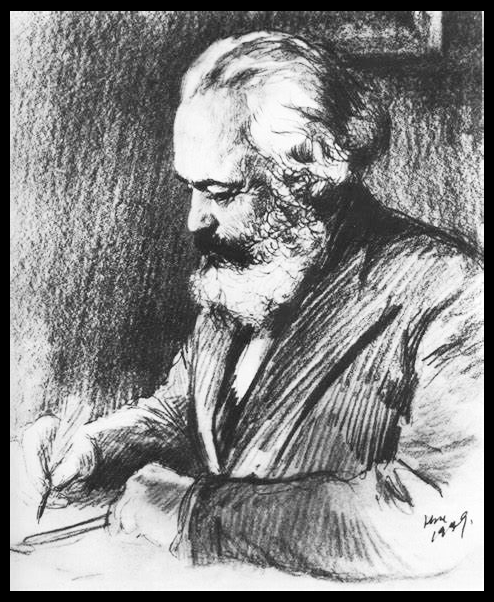
My portrait of Karl Marx. 20″ X 24″, acrylic paint on canvas. Painted in 2024.















 carlitoboricua